
To achieve sustainable wellbeing for humanity and nature, there is a need to transition from Gross Domestic Product (GDP) to a broader measurement of wellbeing within planetary boundaries. A systematic literature review identified over 200 alternative indicators, revealing significant agreement on core concepts despite diverse terminology. Semantic modeling demonstrated that a 20-component indicator effectively captures the majority of similarities among these indicators. This model aims to foster consensus among stakeholders and facilitate the move beyond GDP.
Kenya | Financial services, Health
Building consensus on societal wellbeing: a semantic synthesis of indicators to move beyond GDP
Generative AI poses significant environmental challenges due to its substantial energy consumption and water usage in large datacentres. By 2030, it is projected that these facilities could consume as much electricity as all of Japan, contributing to approximately 3.5% of global electricity use. To address the environmental impact, several measures are proposed, including mandatory environmental disclosures, emissions labeling, usage-based pricing, sustainability caps, and water stewardship regulations. Without enforceable sustainability measures, the rapid expansion of AI risks exacerbating environmental issues. Action is needed now to ensure AI's benefits do not come at the expense of the planet.
Regulating AI use could stop its runaway energy expansion

OpenAI's research identifies the root causes of AI hallucinations in language models like ChatGPT, revealing that they are mathematically inevitable due to the nature of language prediction and data training. Mistakes accumulate through multiple predictions, and the less a model encounters a fact, the more likely it is to hallucinate. Current binary grading systems discourage AI from expressing uncertainty, which exacerbates the issue. OpenAI proposes a solution to score AI responses based on confidence levels, potentially reducing hallucinations but risking user satisfaction. The challenge lies in the increased computational demands of such systems, making them costly and less efficient.
Why OpenAI’s solution to AI hallucinations would kill ChatGPT tomorrow
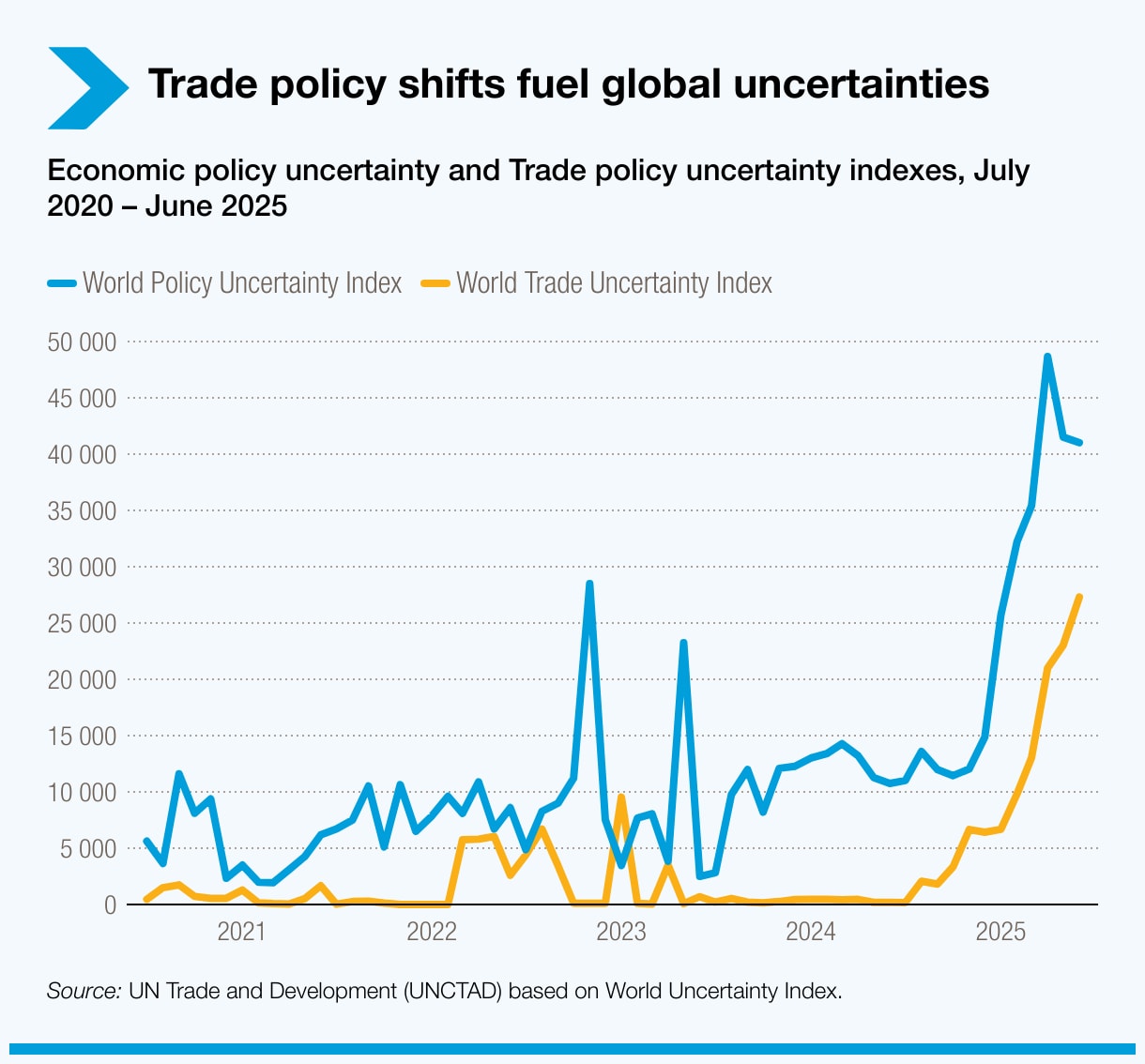
Record trade policy uncertainty is significantly hindering global economic growth, as noted by the UN Conference on Trade and Development (UNCTAD). This unpredictability leads to higher costs, financial instability, and eroded trust among trading partners. Meanwhile, China's export data show a shift away from the US market due to tariffs, with overall exports rising 4.4% thanks to increased trade with ASEAN and Africa. Conversely, the US modifies its tariff framework, introducing new exemptions and expanding critical minerals, indicating a focus on securing supply chains and reducing import dependency.
Argentina, Armenia, Australia, Bangladesh, Belarus, Benin, Bermuda, Bolivia, Bosnia and Herzegovina, Brazil, Bulgaria, Burkina Faso, Burundi, Canada, Chile, Denmark, Egypt, Ethiopia, Finland, France, Germany, Iceland, India, Japan, Kazakhstan, Kenya, Kyrgyz Republic, Latvia, Lithuania, Malaysia, Mauritania, Mauritius, Mexico, Namibia, Nigeria, Norway, Republic of Korea, Russian Federation, Rwanda, South Africa, Sri Lanka, Switzerland, Taiwan, China, Tajikistan, Thailand, Tunisia, Türkiye, Uganda, Ukraine, United Arab Emirates, United Kingdom, Viet Nam | Financial services, ICT
Trade policy uncertainty a 'major drag' on the economy, and other international trade stories to know this month
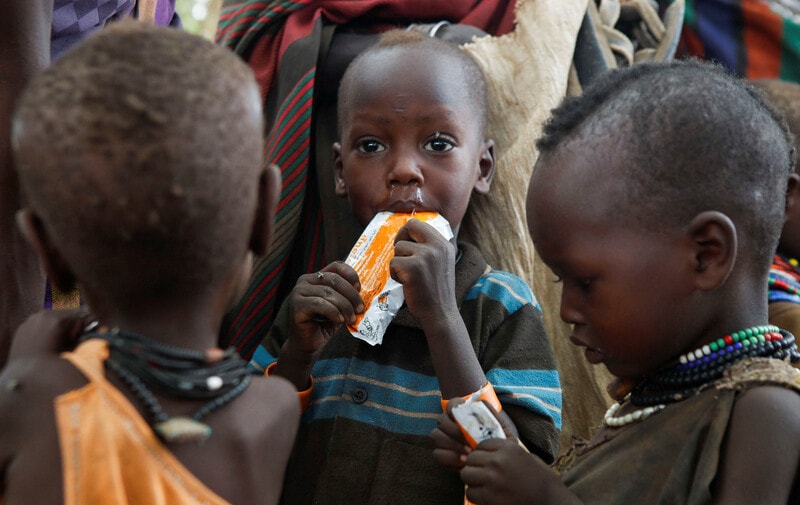
The game Two Truths and a Lie illustrates divergent perspectives in humanitarian aid debates, highlighting that differing views on authority, funding, and efficiency shape the future of aid. It argues for empowering local actors to enhance aid relevance and trust, challenges the viability of market-driven funding methods, and suggests partnerships and digital innovations can improve coordination. Each viewpoint reflects varying beliefs about power and resources in the humanitarian system, emphasizing the necessity of understanding disagreements among stakeholders to better navigate the complexities of aid architecture.
What a game of Two Truths and a Lie can teach us about humanitarian aid
The proposed urban development plan for Gaza, termed the "Gaza Riviera," has garnered international criticism for its alleged intent to erase Palestinian presence and infrastructure. Centered on a $100 billion investment scheme, it focuses on creating exclusive real estate and economic zones influenced by Gulf urbanism and libertarian charter city models. The plan relies on the destruction of existing urban structures and the expulsion of residents, reflecting a broader agenda that jeopardizes a two-state solution. Despite promoting advanced technologies and economic prospects, it faces significant risks and legal implications related to land theft and human rights violations.
The ‘Gaza Riviera’ is a fantasy plan that relies on urbicide and expulsion

Aldo Faisal is a prominent figure in digital health, holding positions at Universität Bayreuth and Imperial College London, and directing a £60 million UK research initiative in AI for Health. He highlights Europe's potential in digital healthcare, particularly through the European Health Data Space Regulation, which aims to unify patient data for over 500 million individuals by 2030. Faisal's algorithms can predict hospitalization risks with 80% accuracy using various health indicators, and innovative projects like the Cancer Loyalty Card Study demonstrate AI's capability to identify health issues via consumer purchasing habits.
Interview Of The Week: Aldo Faisal on AI’s Impact On Healthcare
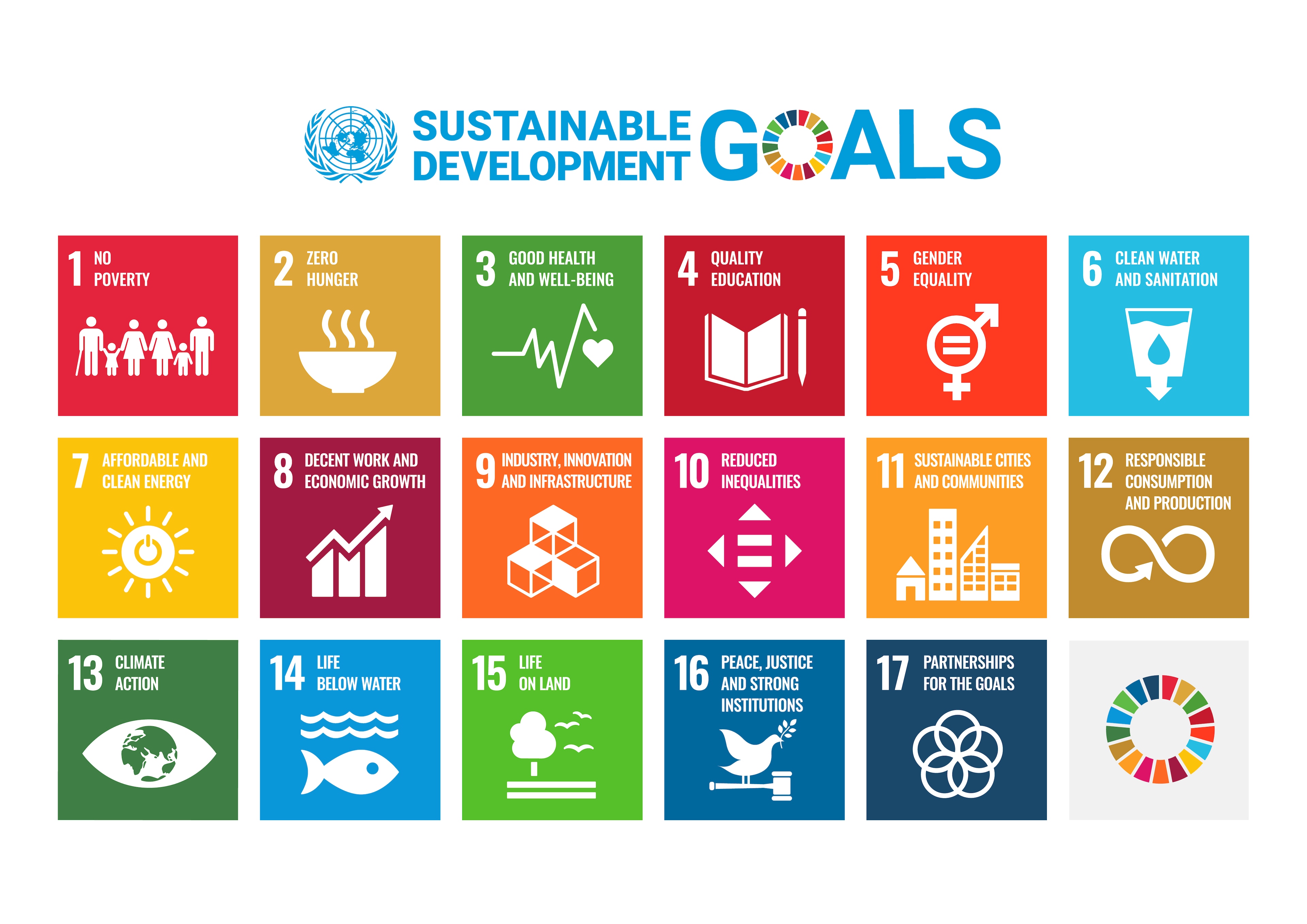
Only 18% of the Sustainable Development Goals (SDGs) are on track for 2030, with nearly half progressing too slowly and close to a fifth regressing. Key challenges remain in poverty, gender equality, food security, and health outcomes. Despite improvements in health, education, and digital access, around 800 million people live in extreme poverty, and progress in gender equality is sluggish, with full parity expected to take 123 years. Food insecurity affects over two billion people, and while maternal and child mortality rates have improved, significant declines in health expectancy are evident.
Bangladesh, Nigeria | Financial services, ICT, Education, Health
Five years to go: Are we on track to meet the Sustainable Development Goals?
Integrating insurance into urban planning in Asia and the Pacific enhances recovery and resilience against flooding. Cities like Gurugram and Lahore are struggling with severe flooding due to inadequate planning and low insurance coverage, leading to significant economic losses. In 2023, natural disasters in the region caused $65 billion in losses, with 91% uninsured. Proactive insurance measures have shown positive results in cities like Valencia and Auckland, where substantial insured coverage mitigated financial damage. Emphasizing insurance as essential infrastructure, cities can manage risks better, encourage resilient investment, and improve recovery outcomes while making coverage accessible to all.
Financial services
Insurance Key to Urban Flood Recovery in Asia and the Pacific
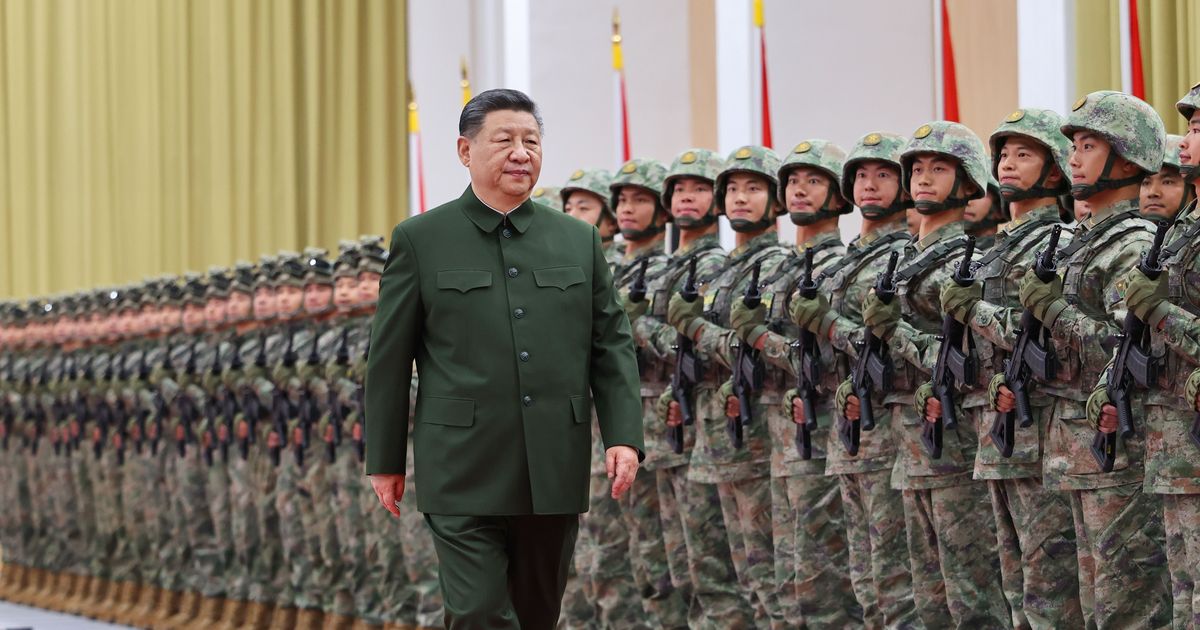
The Chinese People’s Liberation Army (PLA) is undergoing significant structural reforms to enhance operational readiness and combat capability as part of its goal to become a “world-class military.” These reforms prioritize loyalty to the Communist Party, impacting the PLA's organizational culture and decision-making processes. Centralized power under Xi Jinping and strict Party discipline complicate achieving joint operations capabilities, which require generational leadership change and improved training. The PLA’s opaque structures hinder external communication. As tensions with China rise, direct engagement between European armed forces and the PLA is increasingly essential.
The Transformation of the Chinese People’s Liberation Army into a ‘World-class Military’

The rise of "deep tech," driven by scientific breakthroughs and complex technologies, has gained prominence among investors, policymakers, and innovators. This sector, which includes biotechnology, artificial intelligence, and quantum technologies, saw approximately €9 billion in European investments in 2024. Deep tech projects require substantial R&D investments and collaboration across diverse entities, presenting a unique risk profile. They are perceived as tools for technological sovereignty, economic growth, and societal innovation, prompting a need to rethink technology transfer and support mechanisms.
Financial services, Health, Education, ICT
Deep tech entrepreneurship – a viable response to today’s grand challenges?

Neuroscience highlights the importance of applying neurological insights to foster collaboration in achieving Net Zero. Effective leadership in the digital and sustainable transformation relies on understanding and addressing human behavior, particularly the subconscious fears that hinder collective change. The ongoing “twin transition” emphasizes the need for organizations to embrace modern production systems, integrate digital technologies, and develop decarbonization strategies. Key principles include empowering individuals with user-friendly tools and fostering a culture of empathy and creativity to drive meaningful impact in the sustainability effort.
Financial services, Education
What neuroscience reveals about collective leadership in the quest for Net Zero
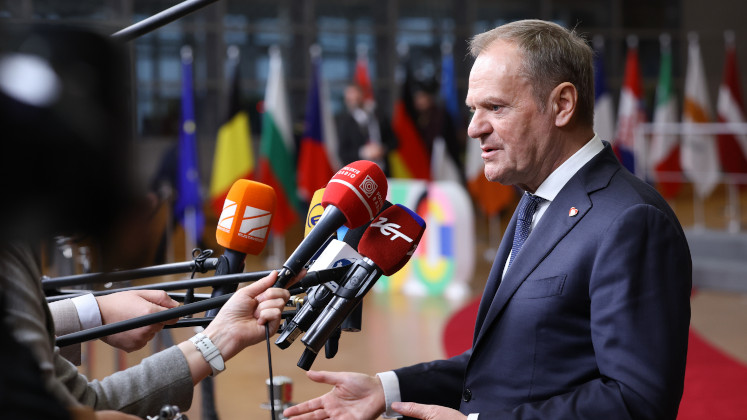
Donald Trump’s presidency has raised concerns about Europe's reliance on US nuclear deterrence. John Ryan suggests that France and the UK cannot adequately protect Europe with their existing nuclear arsenals, which are designed for existential threats. Instead, Europe requires smaller, tactical nuclear weapons for effective joint deterrence. France’s ambitions for a stronger defense are hindered by budget constraints and political challenges, including electoral risks associated with defense funding. Germany faces difficulties relying solely on French capabilities, especially with potential shifts in the French political landscape. Overall, a strategic realignment is necessary for European defense cooperation.
Should Europe develop its own nuclear deterrent?

South Africa's G20 presidency aims to advocate for information integrity and media freedom, crucial for good governance, emphasizing the relationship between the two. Media Monitoring Africa and the South African National Editors’ Forum are leading the Media20 (M20) initiative to address challenges posed by artificial intelligence and the rise of misinformation. The World Press Freedom Index highlights declining media freedom in major democracies, including the US and India, and reveals that many African news outlets are facing economic hardships. M20 seeks to solidify the importance of media integrity on the G20 agenda, finding some support from the French mission while preparing for future summits.
Africa | ICT
Africa needs a voice on information integrity and media freedom
The circular economy in fashion, promoting recycling and sustainable practices, may inadvertently increase textile consumption. Innovations intended to reduce waste can lead to a "backfire rebound effect," where efficiency gains decrease costs, prompting higher production and consumption. Research shows a global average rebound effect of 1.6, indicating that for every 1% improvement in sustainability, new textile production increases by 0.6%. To combat this, strategies like a Pigouvian tax on production can help mitigate environmental harm. Policies need to be region-specific, considering the economic impacts on countries reliant on textile exports.
Latin America | Financial services, Education
When ‘sustainable’ fashion backfires on the environment
Eric Terena, co-founder of Mídia Indígena, documents the changing sounds of the Amazon due to industrial encroachment, highlighting the displacement of biodiversity. This Brazilian media network empowers Indigenous people to share their stories and influence climate discourse using digital tools. Research shows how media technologies enable communities to defend land rights and participate in global environmental decision-making. Mídia Indígena has rapidly grown since 2017, training numerous young Indigenous communicators to authentically report on issues, as seen during the Yanomami humanitarian crisis. This shift emphasizes Indigenous autonomy in storytelling, fostering awareness and action against environmental threats.
ICT
The digital movement that enables Indigenous people to show for themselves how the Amazon region is changing
Indigenous communities in the Brazilian Amazon are using digital tools to document environmental changes and advocate for land rights. Sound designer Eric Terena highlights how industrial noise has replaced natural sounds, impacting biodiversity. The Mídia Indígena network, co-founded by Terena, empowers Indigenous people to share their stories, promoting authenticity and local perspectives in climate discussions. Their reporting during the Yanomami humanitarian crisis exemplifies this shift, exposing critical issues before mainstream media coverage. Other Indigenous collectives also challenge stereotypes and raise awareness about pressing threats, emphasizing the transformative power of media in their fight for rights and justice.
ICT
The digital movement that is enabling Indigenous people to show for themselves how the Amazon region is changing
Conflict worldwide is escalating, with a record 61 active conflicts documented in 36 countries last year. War has a severe environmental impact, leading to land degradation and significant carbon emissions from military operations. Experts like Duncan Depledge argue that climate change exacerbates violence risk, as demonstrated in regions labeled as "climate wars." Additionally, adverse climate conditions may hinder military effectiveness. Historical perspectives reveal that climate stress can both provoke conflict and inspire innovation. Injuries from unexploded ordnance also pose ongoing environmental threats, further intensified by climate change.
Nigeria
Introducing War on Climate, a new series that explores how conflict interacts with environmental issues around the globe
Apertus, an innovative public AI developed by the Swiss government and local universities, presents a vision for sovereign AI technology. Unlike commercial chatbots, Apertus is open-source, tailored to local languages and cultural norms, and trained on publicly available data. It aims to demonstrate that governments can create quality AI with limited resources. While currently limited in power compared to models like GPT-4, its development suggests the potential for AI to be seen as public infrastructure alongside utilities, raising questions about the role of government in AI compared to regulation of existing commercial alternatives.
Should the public sector build its own AI?

Countries in the Asia-Pacific face an annual climate financing gap of $800 billion, which carbon markets can help bridge by mobilizing resources and facilitating a low-carbon transition. Corporations are urged to integrate carbon market strategies to manage risks and promote sustainable growth. Article 6 of the Paris Agreement plays a crucial role in enabling cross-border carbon trading and aligning global standards. The report by the World Economic Forum and Bain & Company reviews Asia's carbon markets, highlighting innovative practices, market dynamics, and lessons to inspire global climate action and support the region's decarbonization efforts.
Japan | Financial services
Asia's Carbon Markets: Strategic Imperatives for Corporations