
Asia-Pacific countries face an annual climate finance gap of $800 billion, making carbon markets a crucial resource for a smoother carbon transition, particularly in developing regions. Corporations are encouraged to incorporate carbon markets into their climate strategies to foster sustainable growth. Article 6 of the Paris Agreement enables cross-border carbon trading, harmonizes standards, and mobilizes capital essential for scaling climate solutions. This insight report by the World Economic Forum and Bain & Company reviews innovations in Asian carbon markets, critical dynamics, and lessons learned, aiming to strengthen the region's decarbonization efforts and inspire global action.
Japan, Viet Nam | Financial services
Asia's Carbon Markets: Strategic Imperatives for Corporations

Research by Barbara J. Evans and Azra Bihorac emphasizes the urgent need for innovative regulatory frameworks for biomedical AI, as existing institutions are inadequate to address the challenges posed by rapid AI advancements. The traditional model of informed consent for data use is outdated and fails to ensure privacy in large-scale data environments. The authors advocate for evolving consent processes and employing AI to enhance ethical oversight, enabling public input in developing privacy standards. Without investment in AI tools for regulatory purposes, there is a risk of leaving ethicists and regulators behind in the AI governance landscape.
Health
Co-creating Consent for Data Use — AI-Powered Ethics for Biomedical AI
The paper by Yaniv Benhamou and Mélanie Dulong de Rosnay introduces a novel commons-based copyright licensing model aimed at enhancing individuals' control over all types of data, including copyrightable, personal, and technical data. This model incorporates recent advancements in AI technology and establishes restrictions to protect communal values by allowing communities to define their political preferences. Additionally, it empowers data trusts to manage and monitor data use, addressing current power imbalances and improving data accessibility for public interest while accommodating diverse political visions.
Open Licensing and Data Trust for Personal and Non-Personal Data: A Blueprint to Support the Commons and Privacy
The OECD report highlights the increasing demand for high-quality data for policy-making and trustworthy AI, emphasizing the role of National Statistical Offices (NSOs) as trusted data intermediaries (TDIs). Equipped with strong public trust and mandates, NSOs are expanding their functions to facilitate data sharing across public and private sectors. They implement robust privacy measures, enhance confidentiality through privacy-enhancing technologies, and maintain secure research environments. The analysis underlines the critical need for adequate resources, oversight, and trust-building strategies to bolster NSOs' emerging roles in data governance and evidence-based policymaking.
ICT
National statistical offices as emerging trusted intermediaries in data governance
Novel data sources serve as crucial proxies in data-limited contexts and enhance the humanitarian data ecosystem when combined with traditional data like needs assessments and displacement tracking. For instance, Microsoft AI for Good Lab provided building damage data following the March 2025 Myanmar earthquake before access was possible. Meta's population density maps have also aided in demographic estimation. The article discusses the S-Curve and Technology Axis Model to analyze the integration of these data sources in humanitarian efforts, assessing their maturity and future potential while considering the implications of dependency on such technologies.
Education
Assessing the Potential of Novel Data Sources
A significant geopolitical landscape emerged during August 2025, highlighted by the SCO summit in Tianjin and a military parade in Beijing. Observers noted the anti-Western rhetoric from leaders like Xi Jinping and Vladimir Putin, suggesting a united front against the U.S.-dominated order. Central to discussions were plans for a new pipeline from Russia to China, indicating deepening economic ties. India's Prime Minister Narendra Modi's attendance marked a shift in relations, reflecting strategic recalibrations in the context of U.S. policies under Trump. The dynamics suggest evolving alliances in response to geopolitical tensions.
India
A Geopolitical Summer, from Turnberry to Tianjin
Focusing on the first 1,001 days of a child's life can enhance neighborhood support for migrant families, addressing health inequalities in the UK. Migrant families often face significant barriers, including poverty and discrimination, which negatively impact children's development and wellbeing. Initiatives like Sure Start and the Find Your Village program promote social support and connectedness, positively influencing child development and family wellbeing. Building trust and adapting programs to local contexts are essential for effective support. Ultimately, strengthening community ties can improve outcomes for children and families from underserved backgrounds.
Health
Focusing on children’s first 1,001 days can build neighbourhood support for migrant families
Africa, contributing less than 4% of global greenhouse gas emissions, faces severe effects of climate change despite all 54 countries signing the Paris Agreement. By May 2022, 45 countries had set ambitious Nationally Determined Contributions (NDCs) aimed at significant emissions reductions by 2030. To fulfill these targets, Africa needs approximately $2.8 trillion by 2030 for mitigation and adaptation. The concept of green industrialization offers a pathway for sustainable growth, supported by climate-positive policies that enhance energy efficiency and low-carbon practices.
Bangladesh, Ghana, Nigeria, South Africa | Health
The Role of Climate-Positive Policies in Unlocking Finance for Inclusive Green Industrialization in Africa

Cement and concrete account for nearly 8% of global CO₂ emissions, necessitating a comprehensive decarbonization of the entire value chain. Key strategies include transforming raw material use, adoption of alternative fuels, innovative carbon capture technologies, and promoting circular production practices. Financing challenges exist, particularly for first-of-a-kind (FOAK) projects, which require collaborative capital structures and public-private partnerships. Addressing a funding gap between venture and conventional markets is essential, alongside improved data transparency and low-carbon procurement incentives. Successful decarbonization hinges on simultaneous progress across all stages of the cement and concrete lifecycle.
Financial services, ICT, Education
Concrete solutions: Decarbonizing cement and concrete across the value chain
The Trump administration's foreign policy is characterized by a mix of transactional logic and ideological nationalism, particularly concerning Europe. According to Ivan Krastev, this approach influences U.S. relations with Europe and other regions by prioritizing trade deficits and promoting a civilizational nationalism aimed at reconstructing the West around specific ideologies. The punitive tariffs on Brazil exemplify how this policy is not merely transactional but driven by ideological motives from factions like the Miami group within the Republican Party. The rise of far-right parties in Europe, aligned with these ideologies, is reshaping the political landscape and challenging traditional party dynamics.
France, Poland, Switzerland, Ukraine | Financial services
[Trump’s World] - Europe:
Competition for diminishing resources is frequently linked to conflict, particularly in discussions surrounding climate change. Historical cases, including the collapse of ancient empires like the Akkadian and Maya, underscore how climatic stress can lead to societal failure. However, societies have also shown resilience through innovation and adaptation, such as the development of irrigation and agricultural techniques. The article emphasizes that while resource scarcity can contribute to conflict, human agency, cultural responses, and technological advancements also play crucial roles in determining societies' outcomes in the face of environmental challenges.
Nigeria | Financial services, Education, Health
Environmental pressures need not always spark conflict – lessons from history show how crisis can be avoided
Global security historically relies on realist paradigms focused on state sovereignty and military power. However, 21st-century threats like pandemics, climate change, and cyberwarfare necessitate a new framework termed sustainable global security. This approach integrates insights from various disciplines to understand conflict roots and the psychology behind peaceful coexistence. It introduces five interdependent dimensions of security: human security, environmental security, national security, transnational security, and transcultural security. The latter addresses the cultural aspects often overlooked but crucial for combating contemporary conflicts and fostering peace through cross-cultural dialogue.
Africa | Financial services, Education, Health
Unlocking Human Capacity for Equitable Peace in an Anarchic and Hierarchical World
Flexumers, or flexible users, are electricity consumers who actively engage with the power grid, shifting from passive consumption to production and storage of energy. This model aims to enhance grid stability and facilitate the integration of renewable energy, potentially improving grid infrastructure utilization by up to 20%. However, challenges such as costs, technical hurdles, and consumer resistance hinder broader adoption. Successful transitions to flexumers require clear value propositions, seamless digital participation experiences, and educational campaigns to build awareness. Initiatives like RomeFlex demonstrate the potential for significant flexibility and participation in local energy markets.
ICT
What are flexumers and how can they help transform energy markets?
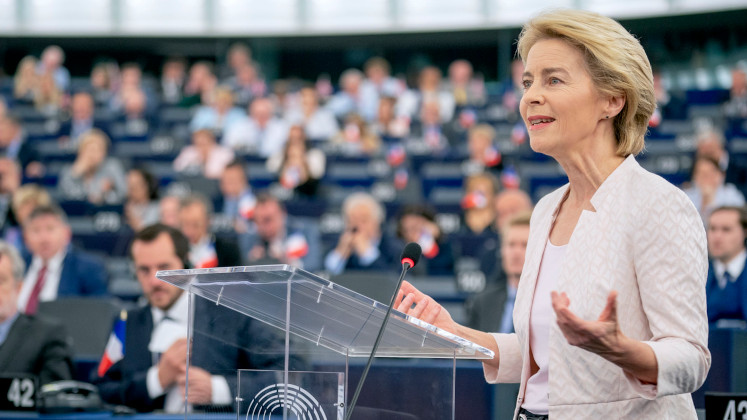
European Commission President Ursula von der Leyen's 2025 State of the Union speech emphasizes the EU's urgent need to tackle challenges in economic resilience, geopolitical relevance, and migration management. This year's address comes amid increased uncertainty in economic relations with the U.S. and internal divisions, framed by the European People's Party as an "autumn of truth." The speech serves to set the legislative agenda, promote European unity, and acknowledge institutional politics, reflecting on themes of resilience, geopolitical maturity, and cohesion across Von der Leyen's previous addresses.
Africa
Von der Leyen’s 2025 State of the Union speech – Europe’s autumn of truth?
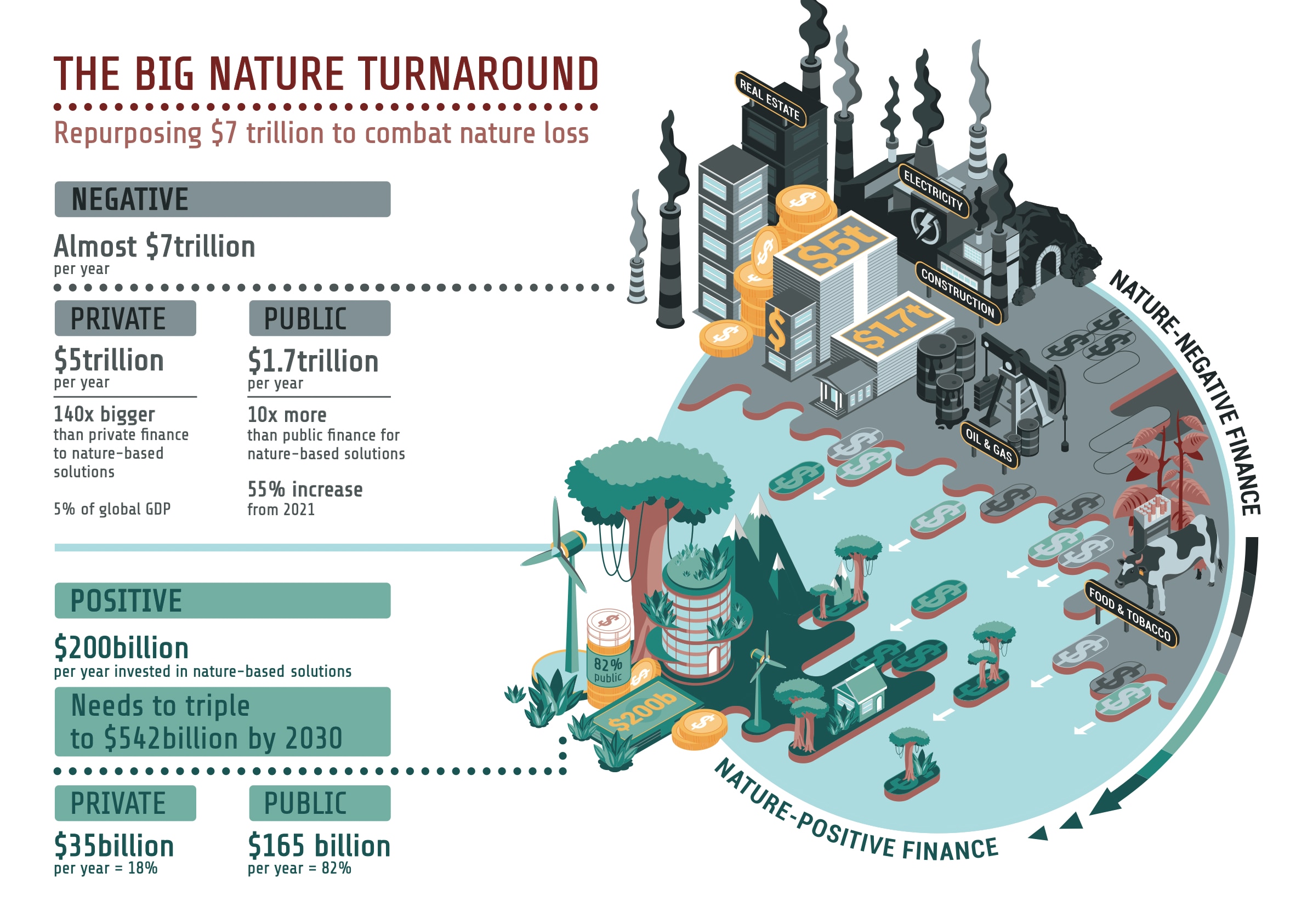
Continued investment in nature-negative activities poses risks to global GDP, but emerging nature finance models can help address this issue. A World Economic Forum and McKinsey report highlights ten priority models, including sustainability-linked bonds, thematic bonds, and impact funds, which can mobilize capital for biodiversity and promote a nature-positive economy. These models range from familiar instruments to innovative solutions like natural asset companies, capitalizing on nature’s economic value. Enhanced investor confidence, clearer guidelines, and standardized metrics are essential for scaling these nature finance solutions, crucial for mitigating biodiversity loss and supporting sustainable growth.
Financial services
These 10 nature finance models could help deliver returns and impact – here’s how
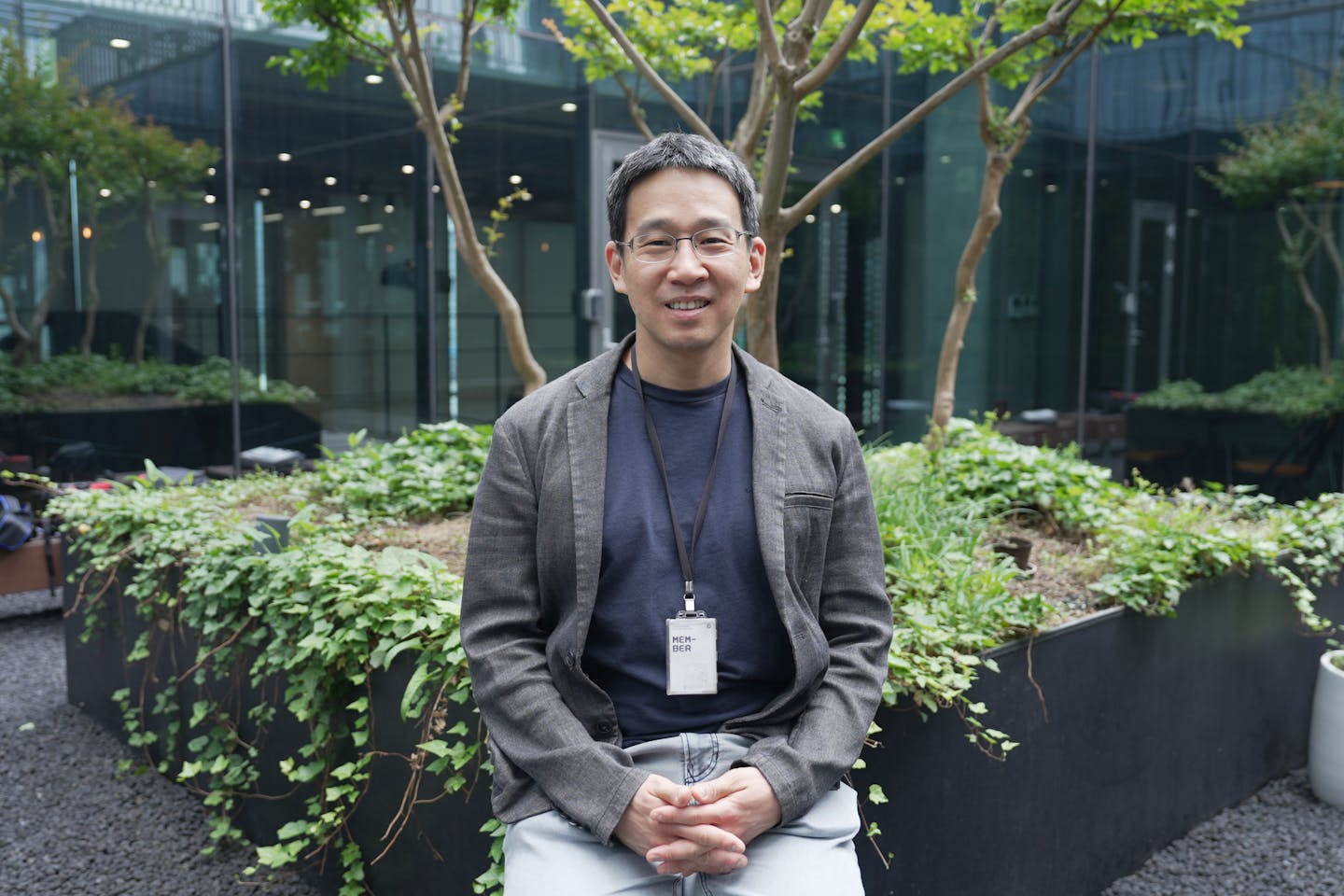
Solutions for Our Climate (SFOC), a Seoul-based advocacy group, is expanding into Japan and Taiwan to promote climate accountability and reduce reliance on fossil fuels. Joojin Kim, the founder, has emphasized the importance of linking financial support to polluting industries as a strategy to limit carbon emissions. SFOC has achieved significant milestones, including the cancellation of over 4,000 MW of coal projects in Asia and supporting South Korea’s first youth-led climate lawsuit, resulting in a landmark constitutional ruling. The organization aims to build resilience and mobilize legal and policy advocacy to hold major polluters accountable.
Republic of Korea
Turning up the heat: Joojin Kim on taking Solutions for Our Climate’s approach of holding polluters to account regional

Nature is becoming a key investment area, yet markets often fail to reward positive environmental outcomes effectively. The report outlines a framework for investors, banks, and asset managers to identify financial solutions that unlock capital for nature. It details 37 financial solutions, prioritizing 10 that can deliver scalable nature outcomes with attractive returns. A diverse toolkit of solutions is essential for transitioning from fragmented transactions to established global markets, blending general finance practices with nature-specific models that provide measurable ecological benefits. This initiative involves collaboration with the Forum’s Global Future Council on Natural Capital and McKinsey & Company.
Financial services
Finance Solutions for Nature: Pathways to Returns and Outcomes

Nature is emerging as a critical investment frontier, attracting institutional capital to new business models. However, markets still fail to adequately reward positive nature outcomes, as it remains underpriced and underfinanced compared to climate finance. This report outlines 37 financial solutions to mobilize capital for nature, prioritizing 10 that can deliver scalable, investable returns. A diverse toolkit of financial solutions is necessary to transition from fragmented transactions to robust global markets, blending traditional finance with nature-specific models to achieve positive ecosystem results.
Nigeria | Financial services
Finance Solutions for Nature: Pathways to Returns and Outcomes
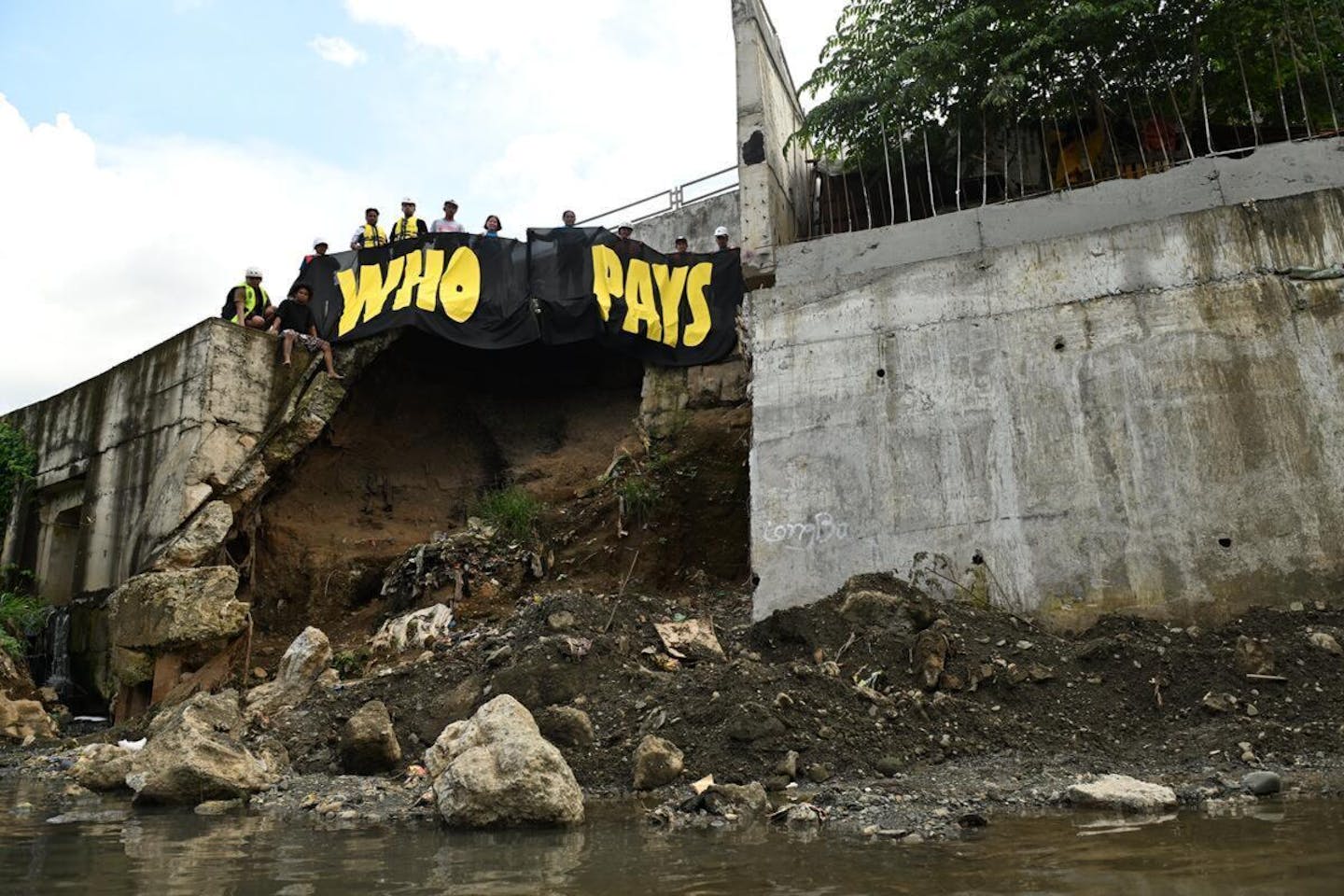
Greenpeace Philippines reported that nearly P1.089 trillion (US$19.1 billion) in climate-tagged funds could have been lost to corruption since 2023, severely impacting the country’s flood control initiatives. Up to P560 billion (US$9.8 billion) may have been misallocated to "ghost projects" in 2025 alone. National leaders highlighted that corruption reduces available funds for climate projects to only 30-40%, compromising the ability to respond to climate disasters. As floods worsen, experts warn that infrastructure corruption not only undermines economic stability but also poses health risks to vulnerable populations.
Nigeria | Financial services
‘Climate criminals’: Greenpeace Philippines warns US$18 billion in climate-tagged funds potentially lost to corruption
Greenpeace Philippines reports that up to P1.089 trillion (US$19.1 billion) in climate-related government funds are potentially lost to corruption and ineffective flood control projects since 2023. Recent warnings indicate that around P560 billion (US$9.8 billion) may have been misappropriated into substandard infrastructure. Corruption reportedly limits actual project implementation funding to 30-40%. The Department of Public Works and Highways manages the majority of this budget. Experts emphasize that ineffective climate initiatives pose serious health and safety risks, disproportionately affecting vulnerable communities in the face of escalating climate disasters.
Nigeria | Financial services
‘Climate criminals’: Greenpeace Philippines warns US$19 billion in climate-tagged funds potentially lost to corruption