
A strategic financial overhaul is essential to improve road safety in Asia and the Pacific, where current investment levels are inadequate to meet the goal of halving road deaths by 2030. With an annual funding requirement rising to $75 billion, much of the region's funding for road safety is obscured within broader budgets and lacks accountability. Solutions include dedicated road safety funds, greater involvement of development banks, aligning financial incentives with safety outcomes, and reforming project appraisal models to capture the societal costs of road crashes. Immediate, high-impact actions are necessary to make progress in this urgent crisis.
Financial services
Fixing the Fatal Funding Gap Fueling Asia’s Road Safety Crisis

Boards of directors and top management teams must reassess corporate strategies in response to the shifting global landscape characterized by trade wars, the weaponization of currency, and rising protectionism, primarily driven by major powers like the U.S. and China. Key areas for immediate focus include evaluating market access, global supply-chain resilience, and business model adaptability. In the medium to long term, companies should prioritize local value differentiation, strengthen market presence in fewer countries, and foster local entrepreneurship. A significant mindset shift is needed to empower local management teams to better understand and serve regional markets effectively.
Chile, Denmark, Iceland, Japan, Republic of Korea, Switzerland, United Arab Emirates, United Kingdom | Financial services, Health, Education
International strategy in a time of global disruptions

The paper by Michał Klincewicz, Mark Alfano, and Amir Ebrahimi Fard discusses the relationship between information and decision-making, highlighting how shaping the informational environment influences group decisions. It introduces the term "slopaganda" to describe the detrimental impact of generative AI-generated content, particularly from entities like News Corp Australia producing local stories. This phenomenon raises significant epistemic challenges. The authors diagnose the problem, present troubling examples, and propose potential interventions to mitigate the effects of slopaganda.
Slopaganda: The interaction between propaganda and generative AI
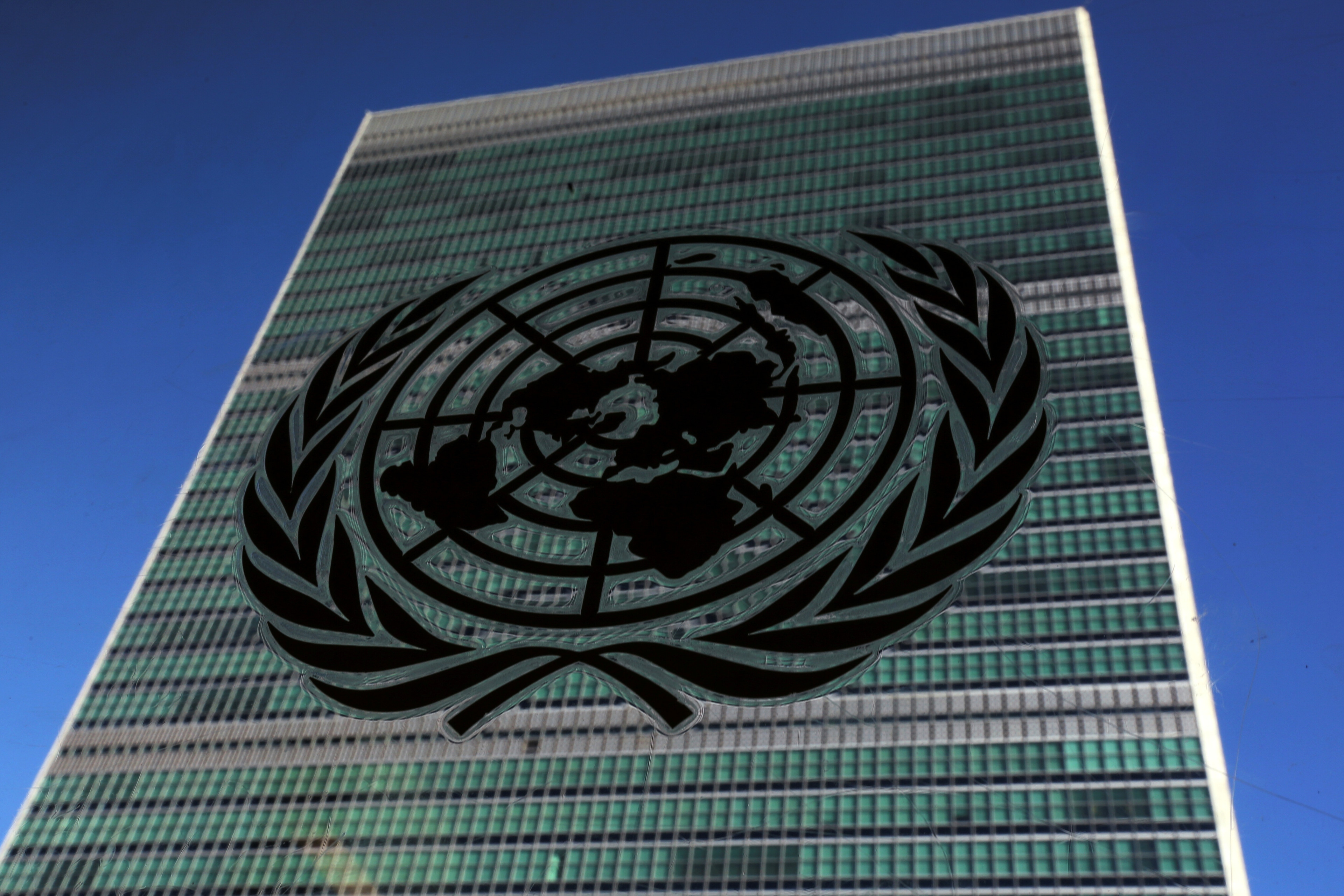
The UN is celebrating its 80th anniversary with the UN80 Initiative, aimed at revitalizing its operations amid global challenges. This initiative seeks to enhance multilateralism and the UN's development and humanitarian systems through three reform tracks: improving internal efficiency, assessing and streamlining mandates, and potentially restructuring the UN system. Despite financial pressures and budget cuts impacting lifesaving programs, UN leaders emphasize that the UN80 Initiative focuses on reforming and improving effectiveness rather than downsizing. The UN aims to reaffirm its relevance and capability to address pressing global issues.
Africa | Financial services, Education, Health
The UN is marking its 80th anniversary with a plan for change. What might happen next?
The emergence of complex risk necessitates a reevaluation of current conceptualizations of disasters, which are often viewed as isolated events. Policymakers and risk managers currently adopt a reactive approach, responding to visible and immediate threats rather than proactive strategies against cascading crises. Existing frameworks, like the US Stafford Act, hinder timely aid and coordination amid multiple hazards. Human psychology exacerbates this issue, as cognitive biases often prioritize short-term, salient dangers over long-term risks. Effective policy must address these complexities to better prepare for and mitigate future disasters.
Health, Financial services
Updating Mental Models of Risk
World leaders gather annually for the UN General Assembly, facing pressing global issues like climate disasters and widening inequality. This convergence has been termed "polycrisis," a concept popularized by historian Adam Tooze, which offers a sense of naming fear without providing solutions. The term is criticized for being Eurocentric and nurturing elite discourse that leads to inaction. In contrast, the author proposes "polytunity," framing current disruptions as a unique opportunity for profound transformation across institutions and paradigms.
Africa | Financial services, Health
Polytunity
Governments increasingly utilize AI-based software to collect information on citizens, determining their privacy levels, travel permissions, access to public benefits, and freedoms of expression. In "Political Automation," Eduardo Albrecht investigates the implications of this algorithmic governance across various sectors, including policing and national security. He suggests the establishment of a "Third House," a virtual legislative chamber focused solely on AI governance based on direct democracy principles. Albrecht emphasizes the need for citizen input and examines the challenges posed by this shift in public policy decision-making.
Political Automation: An Introduction to AI in Government and Its Impact on Citizens

Intensive farming harms soil health and biodiversity while threatening farmer livelihoods. Regenerative agriculture offers a sustainable alternative, improving soil health and farmer incomes. The Rainforest Alliance has introduced a Regenerative Agriculture Standard and product seal to facilitate this transition. Case studies, like that of farmer Trinh Tan Vinh, demonstrate the financial and ecological benefits of regenerative practices, such as crop diversity and reduced synthetic inputs. As agriculture nears a tipping point, adopting regenerative methods can enhance climate resilience and restore ecosystems, supporting long-term financial stability for farmers.
Time to regenerate: Why the global food industry should embrace regenerative agriculture now
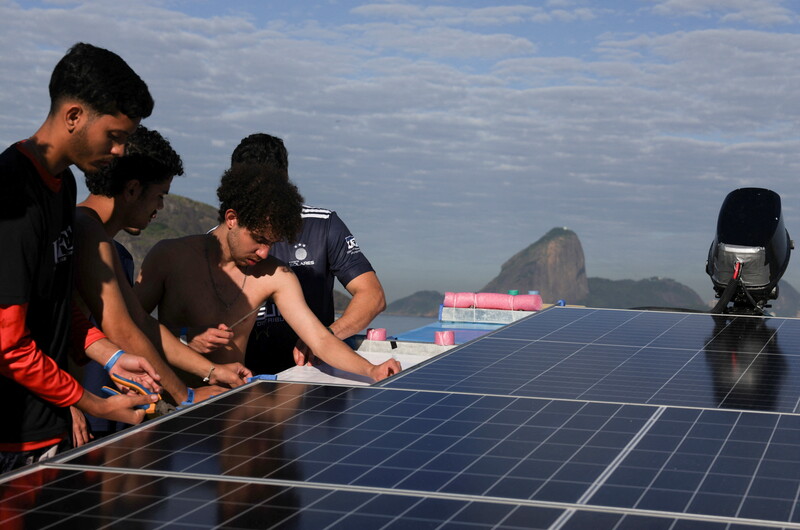
The energy trilemma involves balancing energy security, equity, and sustainability, making energy innovation particularly complex. Systemic, political, and regulatory constraints influence innovation viability, requiring collaboration among stakeholders. The sector's tight interconnections complicate decision-making and demand multidisciplinary teams. Regulatory environments vary, affecting investment stability, while geopolitical factors also introduce risks. Innovations must align with existing infrastructure and navigate the regulations that govern energy pricing and projects. The sector's high-risk aversion and critical role in economic stability further challenge the adoption of new technologies.
Health, ICT, Financial services, Education
The energy trilemma: Why the rules for energy innovation differ and why that matters

Certification frameworks, particularly in light of the EU’s AI Act, are reshaping the artificial intelligence landscape by fostering user trust and competitive advantage. Compliance is evolving from a perceived burden to a driver of innovation, as organizations that embrace regulatory standards gain market credibility and investor support. The AI Act categorizes systems by risk, influencing adoption rates, especially in high-risk sectors. Companies are encouraged to integrate compliance from the outset into their design processes, as seen in applications across healthcare, autonomous driving, and infrastructure, ultimately enhancing safety and reliability while promoting sustainable development.
ICT, Education
From regulation to innovation: How certification can build trusted AI for a sustainable future
Building 1.5 million new homes in the UK within five years poses a significant challenge without harming nature. The UK faces severe nature loss, which affects human well-being and contributes to health issues. A nature-centric approach to urban planning is necessary, treating humans as part of the ecosystem rather than as its dominators. Current policies, like biodiversity net gain, often fail in practice. Successful housing solutions exist globally, but scaling them requires a fundamental change in mindset towards living harmoniously with nature. Effective environmental regulations must be supported by a renewed care for the natural world to ensure sustainable housing development.
Why building nature-centric housing involves a mindset shift
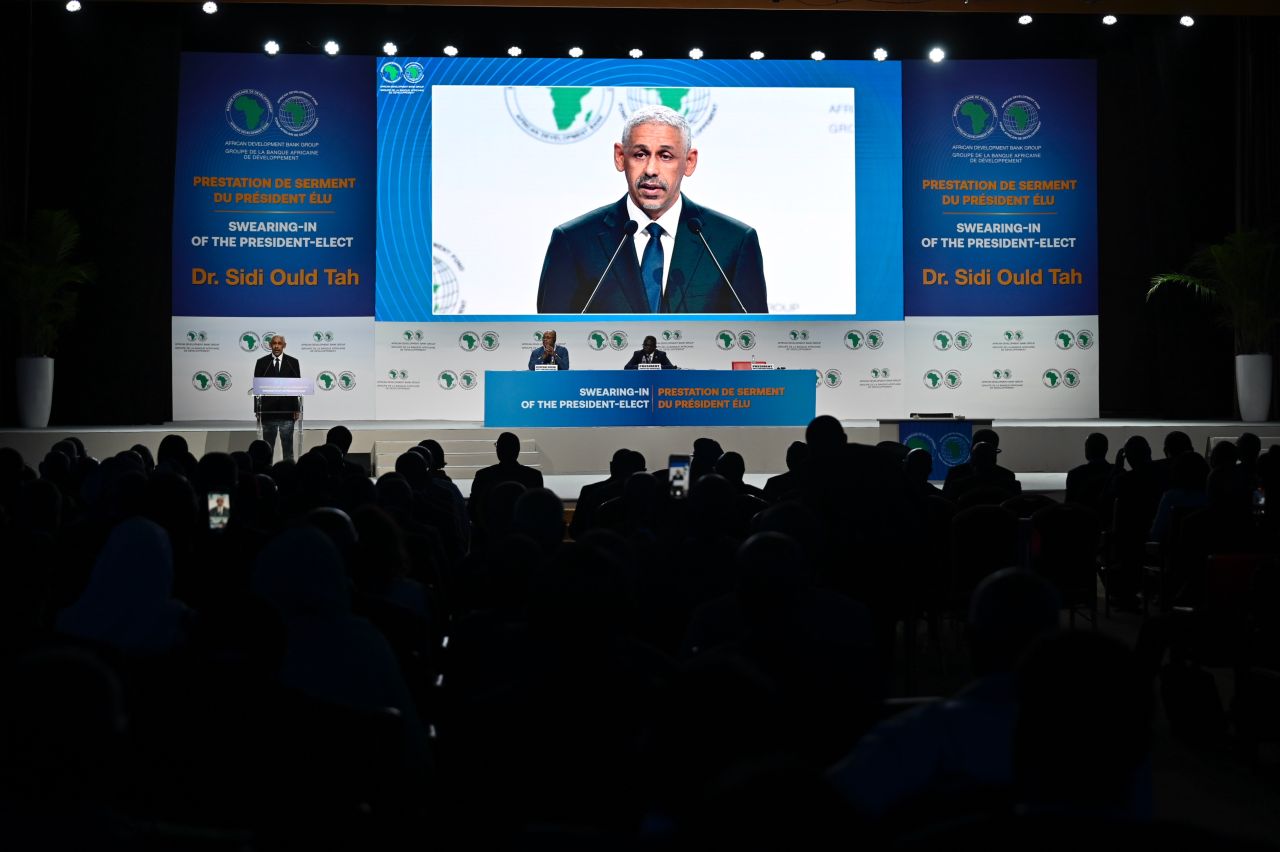
Dr. Sidi Ould Tah has become the new President of the African Development Bank (AfDB) during a critical time for Africa, which faces severe economic, social, environmental, and political challenges, including high debt levels and youth unemployment. With over half of low-income countries at risk of debt distress, the continent struggles with investment perceptions and a lack of bankable projects, hindering development financing. Tah's leadership will be crucial as he navigates these complexities and seeks to transform Africa’s development trajectory in the coming years.
Bangladesh, Burkina Faso, Burundi, Democratic Republic of the Congo, Ghana, Kenya, Namibia, Nigeria, South Africa | Financial services
A New Era at the African Development Bank: Bold Leadership Needed in Uncertain Times

Key energy technology trends for 2025 include a focus on energy security, cost efficiency, and job creation, particularly in energy-importing nations. Despite challenges, global clean energy investments are projected to reach $2.2 trillion. China leads as the largest energy investor, focusing on renewables, storage, and nuclear to reduce reliance on fossil fuels. India's rapid progress in renewable energy also positions it as a significant player, exemplified by the Dhirubhai Ambani Giga Energy Complex. Additionally, the demand for AI is driving increased electricity consumption, raising concerns about grid capacity and site selection for data centers.
India | ICT
The top 5 energy technology trends of 2025

Industrial policies in Europe often fail if they conflict with existing institutions or lack support from dynamic firms. Governments allocate significant funds to navigate challenges like the green transition and global competition, necessitating effective industrial policies to address market failures. Successful industrial policies depend on institutional alignment and the presence of capable firms. Historical examples, such as the contrasting fates of the car industries in the UK and Germany, highlight that without addressing fundamental institutional and firm capabilities, interventions may lead to failure rather than success.
Belgium, Chile, Denmark, Finland, France, Germany, Japan, Luxembourg, Netherlands, Poland, Republic of Korea, Switzerland | Financial services, ICT, Education
What determines the success and failure of industrial policies in Europe?

Indigenous women are asserting their crucial role in the global climate agenda ahead of COP30 in Belém, Brazil, emphasizing the disproportionate impacts of climate change on women, particularly Indigenous women. They demand enhanced participation in decision-making and support for sustainable practices, including building seed houses. COP30 aims to host the largest Indigenous delegation in history, with efforts to secure over 1,000 representatives' accreditation. However, challenges remain for Indigenous women to access negotiation spaces. Additionally, the Brazilian Indigenous movement has formulated its own climate action proposals, urging recognition of Indigenous contributions and direct access to climate resources.
Latin America
‘We need to arrive empowered’: Indigenous women demand a seat at the COP30 table

Global trade must leverage AI to navigate increasing volatility and fragmentation. A significant majority of economists advocate for enhanced investment in AI infrastructure by governments and businesses to secure future growth. AI can transform trade operations by enabling predictive modeling, real-time compliance checks, and autonomous decision-making, thus enhancing resilience against disruptions. However, successful AI adoption requires a strategic approach, including executive commitment, cross-functional alignment, and robust governance. Companies that invest in intelligent infrastructure now will better handle challenges and drive sustainable growth in the evolving global landscape.
Finland, India, Japan, Kenya, Republic of Korea, United Arab Emirates, Viet Nam | Financial services, ICT, Education
Global trade needs AI and leaders willing to invest despite uncertainty
More than 100 billion tonnes of raw materials are extracted annually, with most discarded, highlighting the need for a circular economy that promotes reuse, repair, and recycling. Despite increased interest, the use of recycled materials is declining as reliance on virgin resources rises. Progress is hindered by polarized narratives: one utopian and the other pessimistic, creating a standstill. Practical challenges such as consumer habits, insufficient industry support, and the physical limitations of materials complicate the transition. To advance, a shift from discussion to action is essential, alongside realistic expectations about the nature of recycling.
Education
The hard truth about the circular economy – real change will take more than refillable bottles

Advancements in biotechnology and AI are unlocking potential in health, agriculture, and climate solutions, but they also pose risks of misuse and inequality. Effective vaccine development and bio-based materials are possible, yet responsible management is crucial to prevent trust erosion in science. A culture of responsibility is needed across all sectors, emphasizing biosecurity and equitable access, particularly for low- and middle-income countries. International initiatives are establishing guidelines for safe practices in biotechnology, highlighting that biosecurity is essential to a healthy global bioeconomy. Inclusion is vital to ensure innovation is equitably distributed and risks are mitigated.
Kenya, Nigeria | Financial services, Health, ICT, Education
Securing the bioeconomy in the age of AI
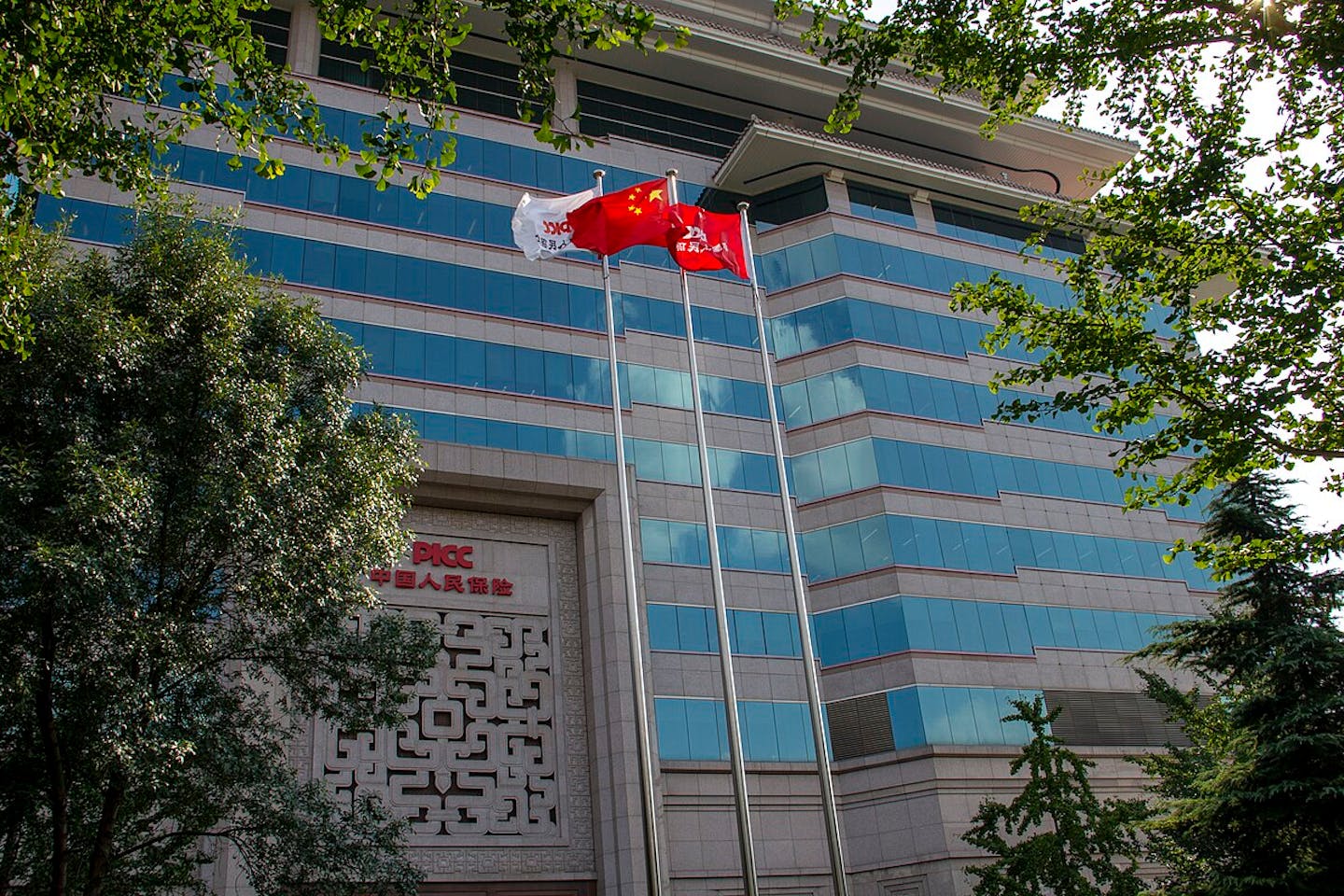
Chinese insurers PICC, Ping An, and Yingda Taihe captured US$200 million in new renewable premiums from 2023 to 2024, leading the global renewables underwriting sector with over 20 percent growth. Despite this progress, the insurance market remains heavily tied to fossil fuels, with insurers underlining nearly three times as much in fossil fuel projects compared to renewable ones. Insurers like AEGIS continue to dominate fossil fuel underwriting, highlighting a sluggish shift towards renewables. The report stresses the need to double the growth pace of renewables underwriting to meet 2030 net-zero targets while addressing the ongoing LNG expansion, as only Generali has instituted policies against it.
Chinese insurers lead in global renewables underwriting, but remain heavily tied to fossil fuels: study

Strategic investments in mental health financing, workforce capacity, community care, and digital innovation are essential to improve access and outcomes in Asia and the Pacific. Current funding is inadequate, with mental health receiving less than 2% of health budgets. Integrating mental health into primary care, expanding community-based services, and building workforce capacity are critical. Digital innovations can enhance accessibility, especially for underserved populations. Additionally, integrating mental health into disaster response frameworks and promoting public awareness are necessary for resilience. Strengthening mental health systems is vital for societal resilience and unlocking human potential.
Africa | Financial services, Health
From Hospitals to Communities: How to Expand Mental Health Access