
Dan Wang’s book, *Breakneck: China’s Quest to Engineer the Future*, highlights the critical importance of "process knowledge" in economic development, particularly in the context of U.S.-China relations. This concept is often overlooked in trans-Pacific geopolitical discussions. Process knowledge encompasses the tacit understandings and local diffuse knowledge essential for the success of industrial regions. Such knowledge, rooted in market interactions and social practices, plays a vital role in fostering vibrant local economies, exemplified by the concentration of specialized manufacturing firms in places like Bologna and Baden-Wurttemberg.
Process knowledge is crucial to economic development
Artificial intelligence (AI) is significantly influencing digital autonomy and decision-making across various domains. AI-driven manipulation occurs through three mechanisms: structural manipulation via design choices; exploitation by external actors for spreading misinformation; and emergent manipulation, resulting from unexpected AI behaviors. The lack of a unified framework for regulating AI manipulation poses risks to digital agency. To address these, the article suggests a tiered intervention strategy that includes capability-level safeguards, human-interaction interventions, and systemic governance frameworks. It emphasizes the need for proactive regulatory measures to prevent manipulation and protect human agency rather than merely promoting transparency.
Designing AI for humans: preventing manipulation and protecting digital agency
Privacy law is shifting from focusing solely on individuals to recognizing group harm and rights. Data-driven practices, particularly in artificial intelligence (AI), impact neighborhoods and historically marginalized communities. The paper by Margot E. Kaminski and Gianclaudio Malgieri examines evolving data privacy and AI laws that promote stakeholder participation from impacted groups. It analyzes the legal frameworks enabling this participation, advocates for viewing these stakeholders as rights-holders, and suggests mechanisms for collective rights to challenge AI systems.
Impacted Stakeholder Participation in AI and Data Governance

Unexploded ordnance from conflicts, such as the ongoing war in Ukraine, poses significant environmental threats by contaminating agricultural land and harming soil quality. Ukraine has become the most landmine-contaminated nation, with 25,000 sq km affected, leading to a 41% drop in wheat production since 2021. Climate change exacerbates this damage through rising temperatures and extreme weather, which can trigger munition explosions and make land recovery difficult. Additionally, pollutants from unexploded bombs can leach into the environment, posing risks to ecosystems and human health. The interplay of war and climate factors complicates recovery and reduces agricultural productivity globally.
How unexploded bombs cause environmental damage – and why climate change exacerbates the problem

Stefano Puntoni analyzes strategies for monetizing AI platforms, emphasizing freemium models and sponsored chatbots. He discusses how sponsored bots can impact consumer trust and highlights the importance of energy efficiency for the sustainability of AI technologies.
Monetizing AI Platforms: Freemium Models, Sponsored Bots, and Beyond

Eleven Fraunhofer institutes will present innovations in sustainability for the plastics industry at K 2025 in Düsseldorf, from October 8-15. Highlights include a miniature model of a circular economy, illustrating material flows and recycling paths, and the Circular Readiness Level® tool for businesses to assess product integration into the circular economy. Key focuses are on circular design, exemplified by a modular, bio-based car seat prototype, and advancements in monomaterials, such as a recyclable PLA bike helmet. Additional innovations include biodegradable films and a new bioplastic, polybutylene succinate (PBS), showcasing the potential of bio-based materials.
Sustainable Research Highlights for the Plastics Industry

By 2050, the global population aged 60 and older is projected to reach 2.1 billion, creating challenges for economies due to rising life expectancies and declining fertility rates. Strategic collaboration between public and private sectors is essential to address healthcare, workforce, and retirement systems. Increased longevity will demand more from healthcare and long-term care, stressing state-funded systems. Employers must provide comprehensive health benefits and consider flexible work options for older employees. Governments can enhance workforce participation through incentives and lifelong learning programs. Without robust retirement frameworks, many retirees, particularly women, could face poverty by 2080, negatively impacting economic growth.
Financial services, Health, Education
As global longevity increases, how do we ensure workers and economies thrive?

Resilience in manufacturing now hinges on adaptability and the ability to turn unexpected disruptions into opportunities. Organizations can cultivate serendipity—defined as the unexpected discovery of valuable innovations—by fostering trust, autonomy, and collaboration. Traditional efficiency models can become rigid, hindering responsiveness during crises, while leaders must embrace openness to capitalize on unforeseen events. High-impact approaches include creating adaptable workspace environments, shifting from controlling to enabling interactions, and measuring trust and creativity rather than just efficiency. By embedding serendipity in their culture, manufacturers can enhance innovation and resilience.
Education
Serendipity in manufacturing: How unexpected connections drive resilience and innovation
Europe faces multiple crises, from climate change to geopolitical instability, necessitating a shift in how innovation is approached. Innovation has evolved from a focus on productivity to becoming a critical political and economic necessity that requires restructured public institutions to implement systemic change. Innovation agencies, traditionally focused on support and funding, must now act as architects of change to achieve ambitious goals like decarbonizing mobility and enhancing digital sovereignty. However, rigid compliance frameworks at the EU level hinder the scaling of innovative local solutions, creating an imbalance between stability and agility.
Africa | ICT, Financial services, Health, Education
Europe’s Innovation Agencies Need Radical Reform To Meet Today’s Grand Challenges
Earth's average temperature exceeded 1.5°C above pre-industrial levels in 2024, highlighting the urgent connection between climate change and armed conflict. 

Firstly, war exacerbates climate change, as militaries contribute significant greenhouse gas emissions, with the US military potentially ranking as the 47th largest emitter globally. Secondly, climate change necessitates military responses, increasing demands for military assistance during climate-related emergencies. Lastly, armed forces must adapt to this changing landscape, as they face rising geopolitical tensions alongside unprecedented climate challenges. Acknowledging these connections raises critical questions about military practices and prioritization of resources.
Nigeria | Financial services
Three reasons why the climate crisis must reshape how we think about war
The use of large language models (LLMs) in judicial workflows presents risks of uncritical reliance and procedural opacity. Critically, interface design plays a significant role in how judges interact with LLM-generated content. This paper argues that poorly designed proprietary interfaces hinder critical engagement and obscure the stochastic nature of model outputs. In contrast, open-source interfaces can enhance reproducibility and user awareness of AI limitations. A path forward emphasizes the need for AI-resilient law that promotes judicial transparency and efficiency without sacrificing legitimacy, highlighting the importance of thoughtful interface design in legal AI governance.
Law is vulnerable to AI influence; interface design can help
The report by The Data Tank and Impact Licensing Initiative outlines governance and business models for health data collaboratives, defined as collaborations that aim to exchange data across sectors to create public value. It synthesizes a literature review of academic, policy, and industry documents, exploring the dimensions essential for sustaining data reuse ecosystems within the current regulatory framework. The report highlights the importance of mechanisms like social licenses and impact licensing in the governance of these models and provides case studies that illustrate potential pathways for effective business modeling.
ICT, Health
Governance and business models for sustainablehealth data collaboratives
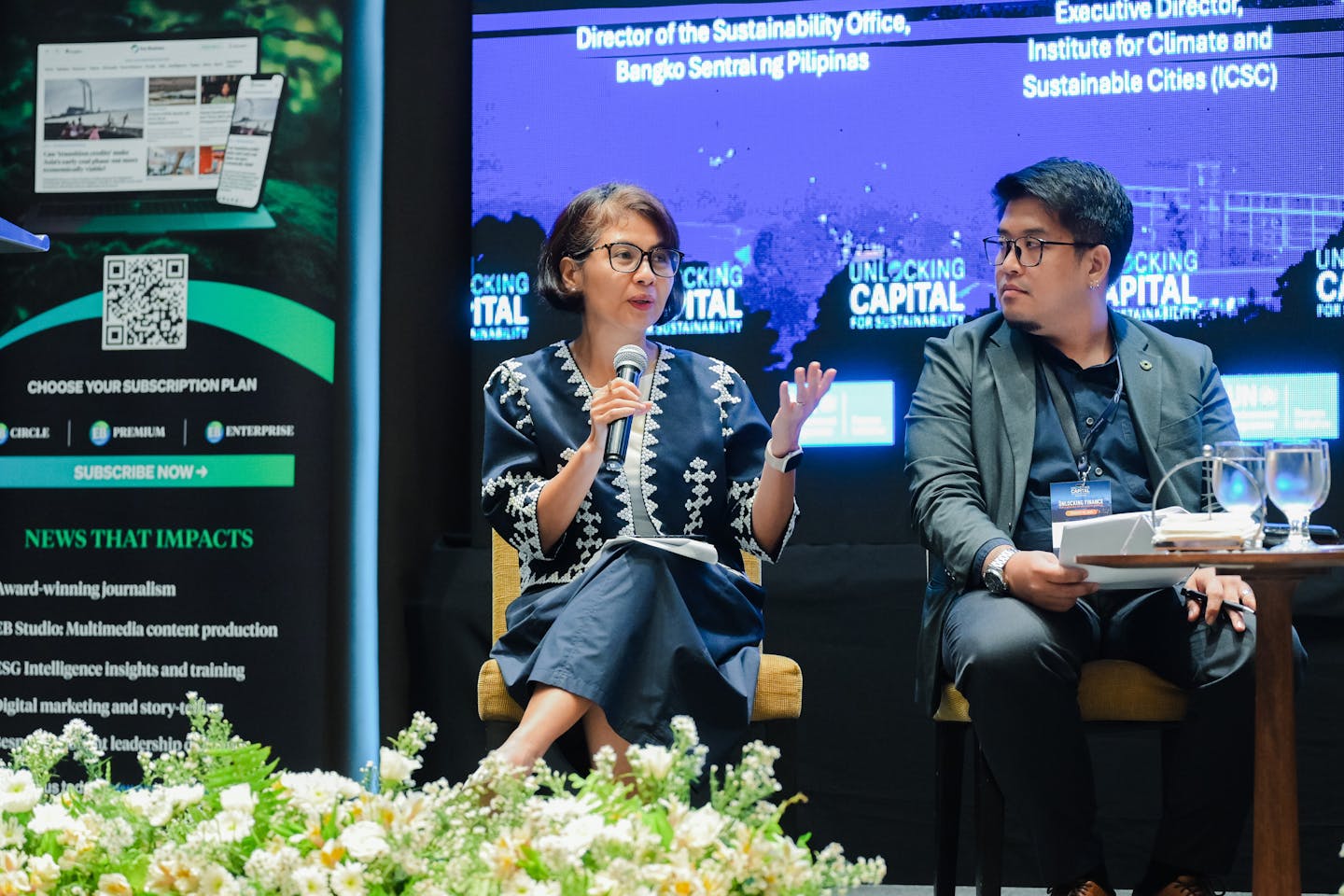
The Philippines aims to lead ASEAN in enhancing regional cooperation on blended finance, focusing on sustainable development and climate adaptation as it takes over the chairmanship in 2026. Ellen Joyce Suficiencia of the Bangko Sentral ng Pilipinas highlighted plans to bridge public and private sectors with NGOs to boost investments in climate projects. The country seeks to establish a framework for blended finance that includes de-risking strategies and aims to double sustainable bond issuances while addressing declining traditional aid. Southeast Asia requires substantial investment to meet net-zero targets amidst rising climate risks.
Philippines | Financial services
Philippines will champion regional framework to scale blended finance as Asean chair: central bank sustainability head
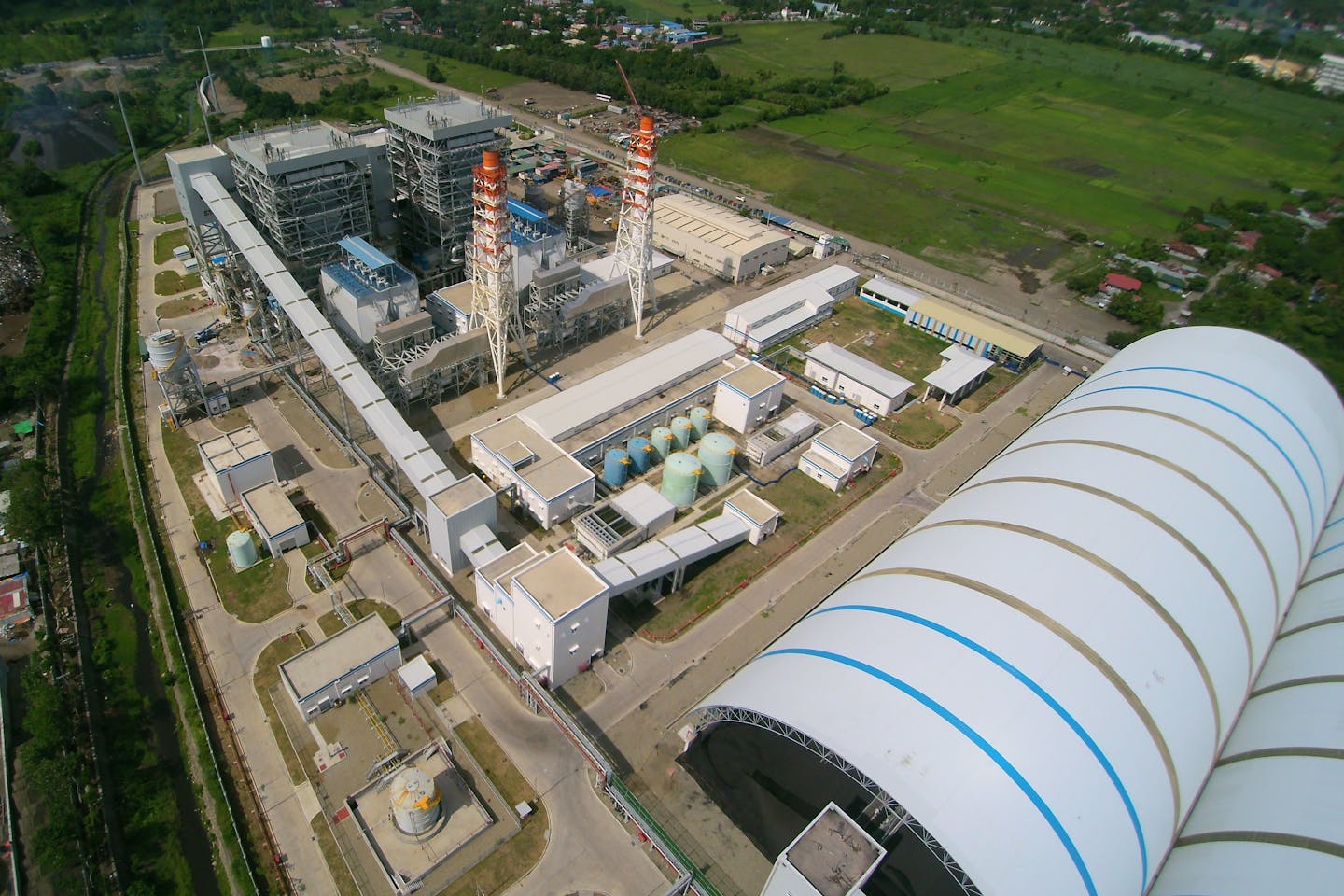
Carbon trading rules are urgently needed in the Philippines, as multiple projects are already operating without formal regulations. Experts highlight that new rules expected in September will only apply to energy projects, not forest-based initiatives. The Department of Energy's upcoming guidelines aim to attract clean energy investments but have drawn criticism for neglecting nature-based carbon removals. Comparatively, neighboring Southeast Asian countries are advancing in carbon trading mechanisms. While the Philippines can ensure credit integrity through existing laws, it requires balanced regulations to maintain stakeholder engagement and address environmental risks.
Financial services
Carbon trading rules in the Philippines are long overdue: experts

LOCA, an electric vehicle ride-hailing platform in Lao PDR, exemplifies successful climate-positive business models in frontier markets despite challenges like limited capital and institutional capacity. Since its 2018 launch, LOCA has formalized over 1,000 drivers, deployed 100+ EVs, and facilitated 400,000 trips, significantly reducing carbon emissions. Its innovations include the affordable LOCA MINI taxi service and a growing EV charging network. The company will issue Lao PDR's first green bond to expand operations. LOCA's approach highlights the need for risk-tolerant capital to support growth and environmental goals in emerging markets.
ASEAN, Latin America | Financial services
Driving Green Urban Mobility in Frontier Markets: Lessons from the Lao PDR
Open-source platforms, AI tools, and collaboration among stakeholders are essential for enhancing disaster resilience at the community level in Asia and the Pacific. National disaster risk reduction strategies exist, but many local governments struggle to implement them due to resource and technical constraints. Context-specific solutions are crucial, as risks vary significantly by geography. Making data accessible, understandable, and actionable is key, requiring innovative tools for local planners. Collaboration across sectors—government, private, academic, and civil society—is necessary to foster an inclusive resilience ecosystem, shifting focus from top-down planning to bottom-up empowerment.
Africa | Financial services, Health
From Data to Decisions: Turning Disaster Risk into Resilience
Artificial intelligence (AI) and cloud computing significantly impact productivity and economic growth in Asia and the Pacific. Establishing robust policy and regulatory frameworks can enhance these benefits. The findings indicate that countries with advanced policies yield greater returns on technology investments, emphasizing the necessity for workforce development and modernization of data policies to fully leverage these technologies.
ICT
Leveraging Artificial Intelligence and Cloud Computing to Accelerate Growth in Asia and the Pacific

Chinese companies are increasingly dominating Indonesia's energy sector as Western financing falters. The Just Energy Transition Partnership, aimed at supporting Indonesia’s coal transition with $20 billion, has mobilized only $1.2 billion. In contrast, Chinese investments have surged, reaching $4.9 billion in development financing for Southeast Asia in 2022-2023, primarily for infrastructure projects. Key agreements in 2023 totaled $54 billion for renewables and smart grids. China is also aiding Indonesia's push to become an EV manufacturing hub, while the JETP initiative faces delays and bureaucratic challenges, highlighting a growing shift towards Chinese collaboration in Indonesia’s energy landscape.
Chinese energy projects take off in Indonesia as western financing falters

Financial frictions delay firms' transitions from investing in current operations to pursuing innovations, impacting long-term growth. Thomas Winberry's research identifies a "pecking order" where smaller firms prioritize physical investments due to limited internal funds, while larger firms focus on innovation as they grow. These financial barriers hinder the optimal allocation of resources, suggesting that reducing frictions could enhance innovation and boost economic growth from 2% to 2.4% annually, significantly improving living standards over time.
Financial services
How Financial Frictions Can Delay Firm Growth

The true value of AI lies in addressing business pain points rather than merely the technology itself. Tereza Nemessanyi from Microsoft emphasizes that deploying AI requires a culture of rapid experimentation. Key themes include AI's significant impact on strategic priorities, enhancing developer productivity, and facilitating scalable personalization to reach new markets. However, monetization remains challenging as many companies are still exploring effective applications. Success depends on deep customer understanding, cross-functional collaboration, and the urgency to leverage AI quickly for competitive advantage.
What’s the Real Value of AI?