
Mission-driven leadership is essential in addressing today's interconnected global challenges, such as the climate crisis, declining public trust, and technological disruption. Leaders must inspire a shared vision for the future and deepen collaboration to tackle these issues. The World Economic Forum's Global Risks Report 2025 highlights rising environmental risks and declining trust in institutions. Young Global Leaders are leveraging innovation and community engagement to confront these challenges, demonstrated by initiatives like Pano AI for wildfire detection and Slum2School Africa for educational support. These efforts emphasize the importance of inclusive dialogue and adaptable leadership in fostering stability and progress.
Health, Education
Why mission-driven leadership matters in the new era

The EU faces a 15% tariff on exports to the U.S. after trade negotiations concluded on August 21. François Godement emphasizes the need for the EU to leverage its strengths in the digital realm to counter U.S. demands. Ongoing negotiations are complicated by U.S. tariff expansions and shifting requirements. Despite lobbying efforts and attempts for compromise, the EU's strategies have been criticized as submissive, with concerns about perceived weakness encouraging further U.S. demands. The situation highlights a precarious balance of power in transatlantic relations, with potential implications for digital regulation and trade sovereignty.
France, Japan, Ukraine, United Kingdom | Financial services, Education, ICT
Trade and Digital Agreements: EU Levers to Deal with the United States

Africa is experiencing a significant demographic shift, with its population expected to increase from 1.5 billion in 2025 to 2.5 billion by 2050, leading to a potential demographic dividend. This could drive economic growth through a larger working-age population and increased innovation. However, challenges such as high youth unemployment and an aging population threaten to undermine this opportunity. Economic growth remains uneven and primarily focused on low-productivity sectors. To harness its demographic potential, Africa must invest in job creation, education, and regional integration, while aligning labor market needs with population dynamics.
Algeria, Angola, Bangladesh, Benin, Botswana, Burkina Faso, Burundi, Cameroon, Democratic Republic of the Congo, Egypt, Eswatini, Ethiopia, Ghana, Guinea, India, Kenya, Lesotho, Malawi, Mali, Mauritania, Mauritius, Morocco, Mozambique, Namibia, Nigeria, Peru, Republic of Korea, Rwanda, Senegal, South Africa, Tanzania, Tunisia, Uganda, United Arab Emirates, United Kingdom, Zambia, Zimbabwe | Health, Education
Harnessing Africa’s Demographic Dividend: Opportunities and Emerging Challenges for Economic Transformation

World models are gaining renewed attention in AI research, particularly in the quest for artificial general intelligence (AGI). These models represent an AI's internal understanding of its environment, allowing it to evaluate decisions before executing them. Prominent figures like Yann LeCun and Demis Hassabis advocate for their importance. The concept traces back to Kenneth Craik's 1943 ideas on mental models enhancing decision-making. While earlier implementations struggled with complex environments, recent advancements in deep learning have sparked new interest. However, current generative AIs often rely on unconnected heuristics rather than coherent world models, complicating efforts to identify a consistent internal representation.
‘World Models,’ an Old Idea in AI, Mount a Comeback

Marta Lorimer discusses the rising influence of radical right parties across Europe, emphasizing their nativist and authoritarian ideologies. While these parties, labeled as radical or far right, historically reject or accept democratic systems, their recent surge is driven by cultural and economic anxieties associated with migration and inequality. Lorimer notes that while their presence in government has increased, they still represent a minority in the European Parliament. The dynamics shift as some leaders, like Giorgia Meloni, moderate their rhetoric internationally while adopting harsher domestic policies. Overall, the radical right's ideas are increasingly mainstream in European politics.
Marta Lorimer: “I’m not sure there is a single country in Europe that is resistant to the rise of the far right”
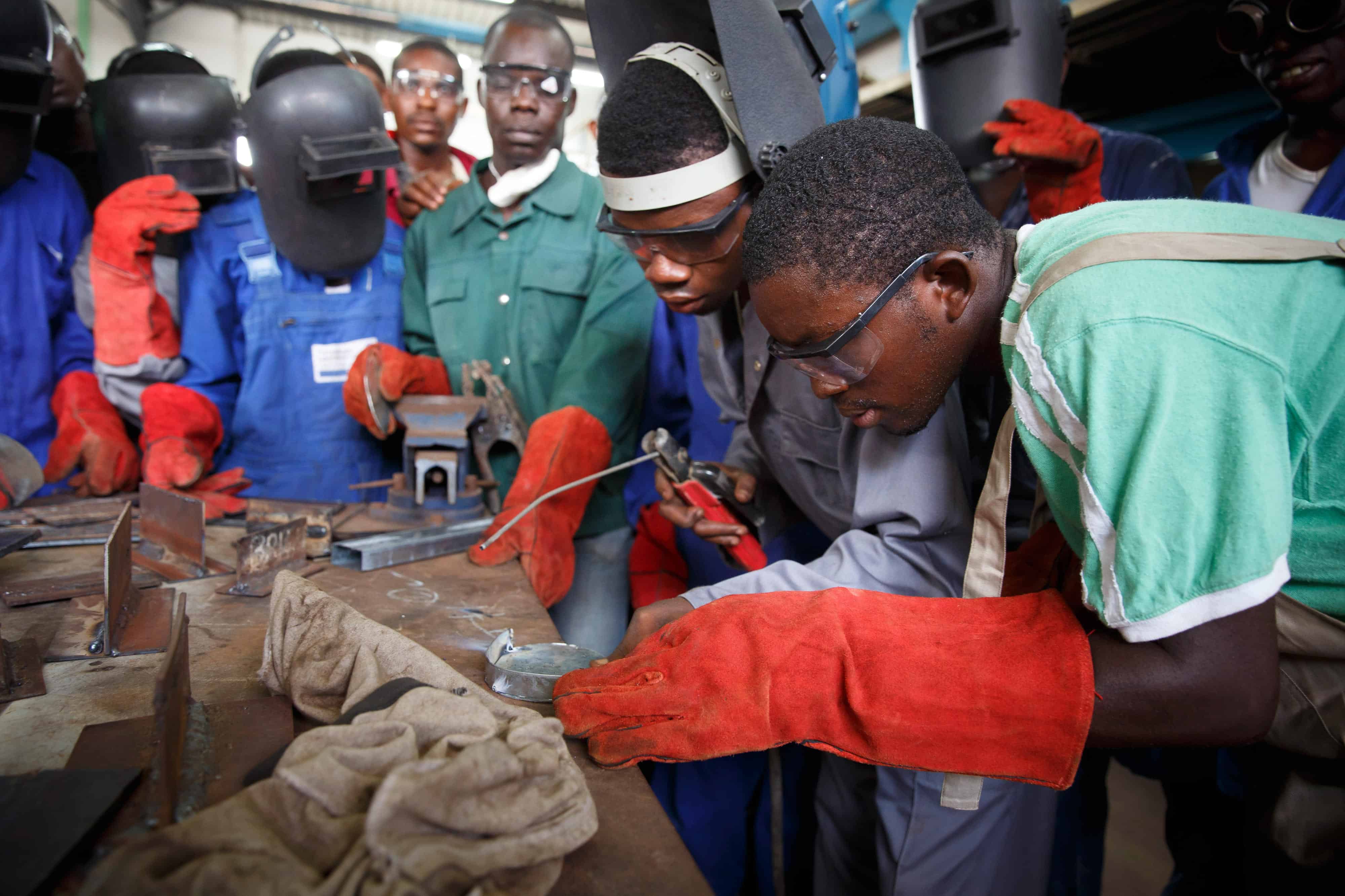
Ghana's 2025 Mid-Year Budget Review emphasizes a transition from fiscal stabilization to long-term economic transformation. The new administration, in response to enduring budget execution challenges and economic instability, commits to a resilience-focused agenda, including initiatives for economic growth and improved public services. Key priorities include macro-fiscal adjustments, sectoral spending in agriculture and infrastructure, and measures for job creation and structural transformation. Notable fiscal improvements are reported, such as reduced public debt and a significant decrease in the fiscal deficit, reflecting strengthened policy credibility and investor confidence.
Bangladesh, Botswana, Burkina Faso, Cambodia, Cameroon, Chad, Chile, Egypt, Ethiopia, Georgia, Ghana, Greece, India, Jamaica, Japan, Kenya, Malawi, Mali, Mongolia, Nigeria, Republic of Korea, Senegal, South Africa, Switzerland, Tanzania, Uganda, United Kingdom, Zambia, Zimbabwe | Financial services, ICT, Education
From Stabilization to Transformation: Realizing the Promise of Ghana’s 2025 Mid-Year Budget
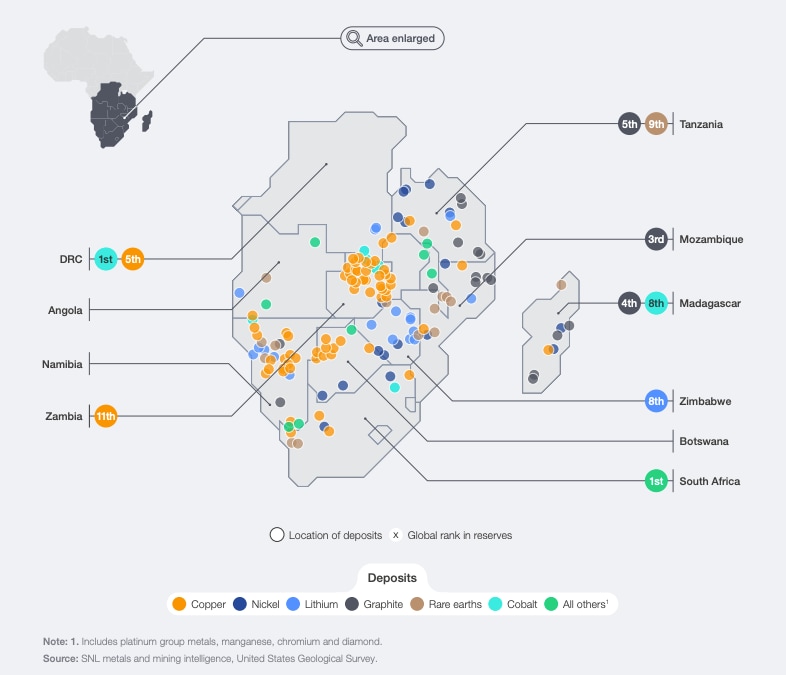
Investing in Southern Africa’s critical minerals is essential for the energy transition, with the region holding nearly 30% of the global reserves of minerals crucial for low-carbon technologies. However, it attracts less than 10% of global exploration financing. The demand for these minerals is expected to quadruple by 2040, necessitating improvements in policies, infrastructure, and innovation. Additional energy news highlights record global investment in renewable energy development, advancements in clean energy practices providing strategic advantages, and significant developments in energy production across various countries.
Burkina Faso, Democratic Republic of the Congo, Ghana, India, Kenya, Liberia, Namibia, South Africa, Zambia
Investing in Southern Africa’s critical minerals vital to energy transition, and more top energy stories
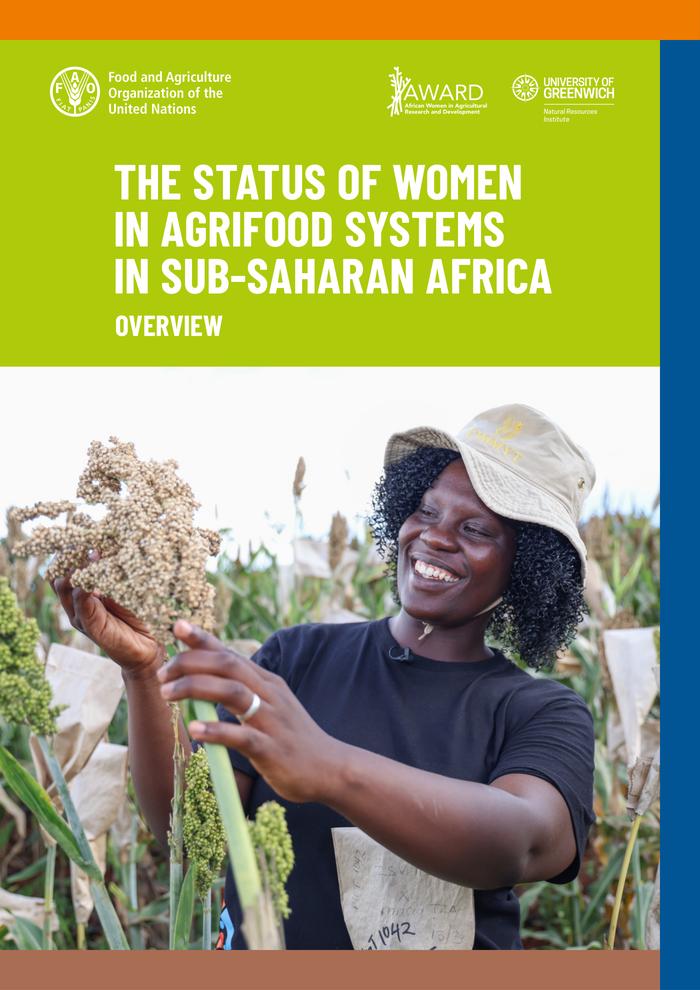
A new report reveals significant gender inequalities in sub-Saharan Africa’s agrifood systems, where women comprise 49% of the workforce. While women’s employment in off-farm activities increased from 21% in 2005 to 29% in 2022, they remain predominantly in roles linked to domestic work. More than 90% work informally and face systemic barriers to land ownership, with men holding more land rights in 28 out of 33 countries studied. The report calls for increased investment in women's empowerment to enhance economic opportunities, resilience to environmental shocks, and greater representation in decision-making, amid rising food insecurity affecting women's health disproportionately.
Africa
The status of women in agrifood systems in sub-Saharan Africa - World
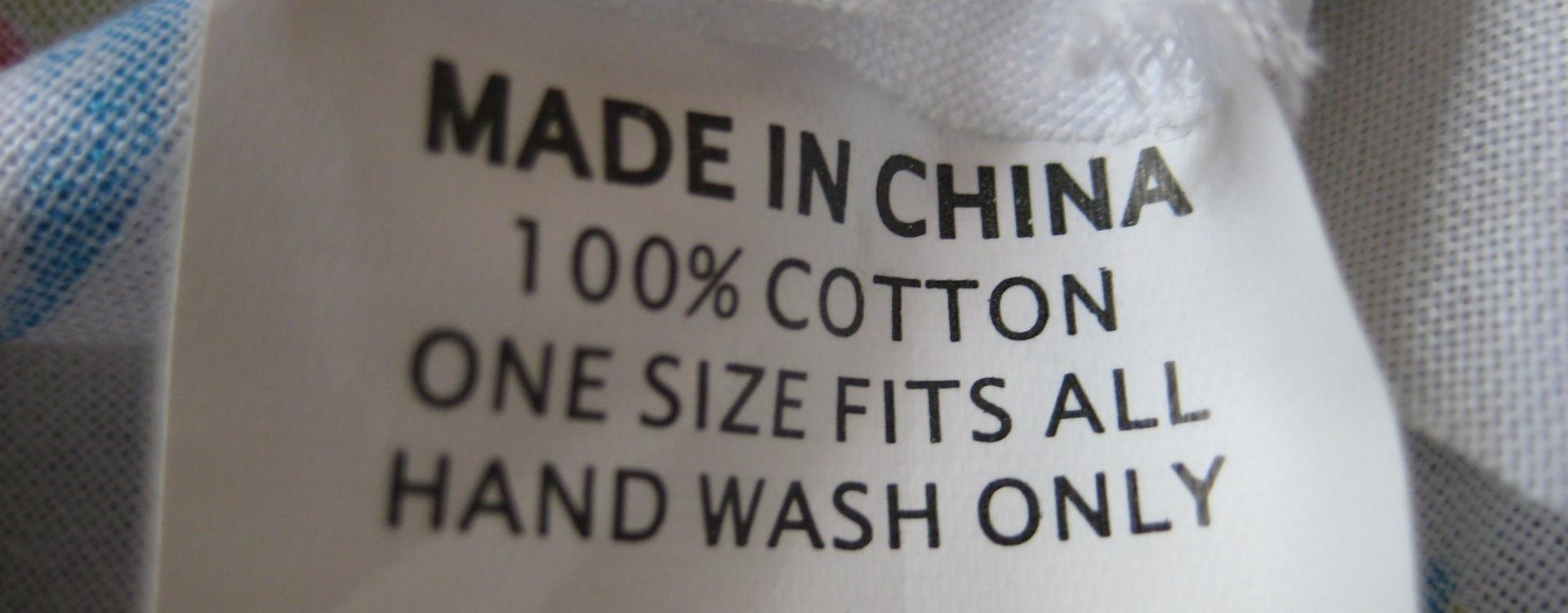
Africa's industrialization is hindered by reliance on Chinese imports and weak global value chain integration. Most African countries primarily participate in forward global value chains, exporting raw materials, which exposes them to price volatility. In 2024, Africa's trade imbalance with China worsened, reaching a US$62 billion deficit amidst a trade-to-GDP ratio 10 percentage points higher than China's. While China accounted for 22% of Africa's trade, the continent's exports to China are heavily concentrated in a few countries, with local producers receiving minimal benefits. The focus on duty-free access for African imports primarily advantages Chinese investors, reinforcing a commodity-driven trade pattern.
Afghanistan, Argentina, Benin, Burkina Faso, Burundi, Cameroon, Democratic Republic of the Congo, Djibouti, Egypt, Ethiopia, Gabon, Ghana, India, Kenya, Liberia, Malawi, Mauritania, Mauritius, Mozambique, Namibia, Niger, Rwanda, Senegal, South Africa, Sudan, Taiwan, China, Tanzania, Togo, Tunisia, Uganda, United Kingdom, Viet Nam, Zambia, Zimbabwe
Africa-China trade: openness without industry
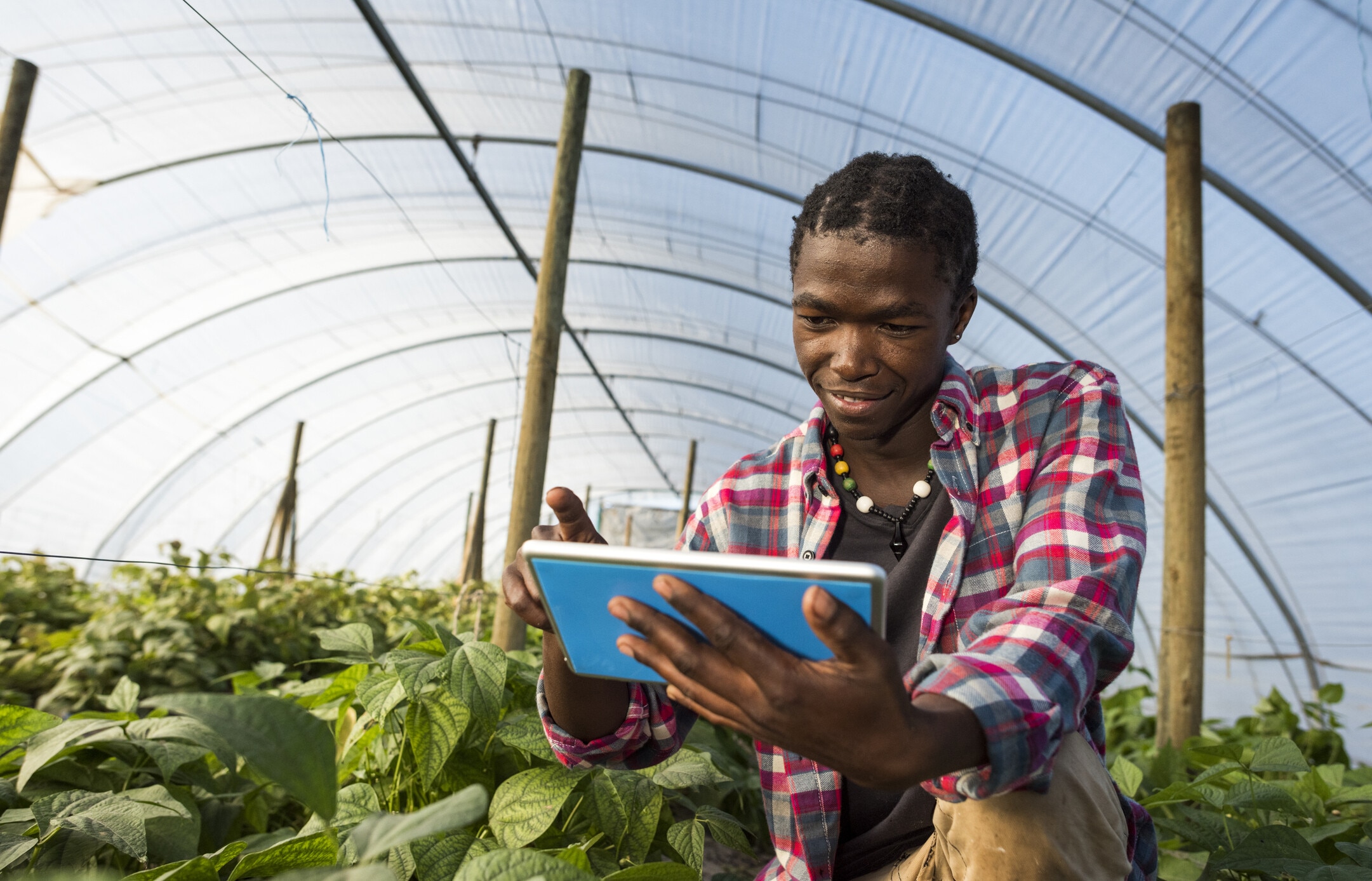
AI is addressing long-standing challenges in underserved communities by enhancing local solutions. Projects like Bridges to Prosperity leverage AI to identify optimal bridge sites and map waterways, facilitating infrastructure development in regions like Rwanda. The Darli AI platform supports over 110,000 farmers across Africa by providing agricultural advice in multiple languages via WhatsApp. Additionally, community-driven initiatives in Nigeria use GeoAI for mapping and advocacy, promoting digital equity through language-inclusive tools. These examples illustrate how localized AI applications can generate scalable benefits and empower communities.
Africa | ICT, Health, Education
How AI is powering grassroots solutions for underserved communities

Climate change is exacerbating public health crises in the Philippines, particularly through increased outbreaks of vector-borne diseases like dengue and leptospirosis following severe floods. Experts highlight significant infrastructure gaps and poor urban planning as critical issues. In Quezon City, dengue cases surged by 155% in the first eight months of the year, while leptospirosis cases rose by 26%, largely due to exposure to contaminated floodwaters. Seasonal shortages of preventive medications further complicate the health response. The intertwined impacts of climate change on health and infrastructure necessitate urgent government action to address these public health challenges.
Nigeria | Financial services, Health
Poor infrastructure planning in the Philippines worsens post-flood disease surge: experts

China and South Korea exemplify distinct models for fostering social innovation. South Korea emphasizes government and private sector collaboration to boost small and medium-sized enterprises (SMEs) and social enterprises, highlighted by initiatives like the Social Progress Credit program, which links financial incentives to measurable social outcomes. Conversely, China integrates social innovation within large corporations, as seen in Tencent's Sustainable Social Value organization, which promotes charitable contributions through its platforms and improves emergency response capabilities. Both countries demonstrate the potential for social enterprises to enhance economic growth and address societal challenges.
Republic of Korea | Financial services, ICT, Health, Education
How China and South Korea are building social innovation ecosystems

The Five Forces business framework, originally devised in the 1970s, requires an update to address current challenges facing corporations in a turbulent world. Key macro factors such as technology, climate change, societal norms, economic conditions, and geopolitical tensions have become crucial influences on business success. 

The New Five Forces highlight the threats from technological disruptions, environmental regulations, shifting societal values, economic volatility, and geopolitical conflicts. Examples like Moderna and Microsoft illustrate how companies must adapt to these forces to thrive or risk obsolescence, showcasing the need for a holistic approach in strategy.
Financial services
The new Five Forces: a blueprint for business in a turbulent world
Investing in resilient power infrastructure, such as advanced inverters and skilled workforce, is essential for mitigating disaster risks and supporting economic growth in Asia and the Pacific. Increased frequency and severity of natural disasters threaten essential services, with countries like Bangladesh and Japan adopting adaptation strategies to improve resilience. These measures, while initially costly, prevent far more significant recovery costs after disasters. Successful examples include Tonga's improvements to its electrical grid and Japan's rapid power restoration systems. Emerging challenges from renewable energy reliance and regional grid interconnections necessitate further innovation and monitoring to prevent cascading failures and maintain stability.
ICT, Financial services, Education
Wires, Warnings, and Work Crews: Building Power Systems That Bounce Back
Autism is a lifelong condition, yet less than 1% of autism research focuses on older autistic individuals. A recent review of over 70 studies indicates that older autistic adults face poorer health outcomes compared to their non-autistic peers, including a higher risk of cardiovascular disease, anxiety, depression, and lower life expectancy. Cognitive abilities show mixed results, with some maintaining cognitive skills while others experience decline. Social support is crucial for improving quality of life, but many autistic adults report isolation and inadequate healthcare access. There is a pressing need for more comprehensive research on aging and autism to inform better support and resources.
What we do (and don’t know) about autism and ageing – new research
The UK struggles with productivity despite increasing work hours due to four key factors: 

1. Austerity measures starting in 2010 led to reduced public investment and lower demand, stifling growth.
2. Political uncertainty, especially surrounding Brexit, caused firms to postpone essential long-term investments.
3. A weak industrial strategy failed to focus on transformative sectors, unlike peers with more robust policies.
4. The economy's heavy reliance on finance over manufacturing limits productivity, as industries like finance have lower growth rates compared to tech-driven sectors.

These interconnected issues have contributed to the UK's stagnating productivity since 2010.
United Kingdom | Education
Four reasons why the UK lags behind its rivals on productivity
ChatGPT mimics human conversation effectively but relies on clichés and stereotypical responses, lacking the uniqueness found in genuine human dialogue. A study comparing 240 family phone conversations with AI-generated dialogues highlighted ChatGPT's lower lexical diversity and higher repetition. It often produced predictable advice rather than the nuanced, creative exchanges typical among people, which involve sarcasm, humor, and personal touches. This tendency risks reinforcing stereotypes in communication, potentially making humans more formulaic in their conversational style and diminishing creativity in interaction.
ChatGPT only talks in cliches – here’s why that’s a threat to human creativity

Global demand for fast fashion has led to a 7.5% increase in industry greenhouse gas emissions in 2023, despite over 600 companies committing to emissions reduction targets. The Apparel Impact Institute highlights the need for emissions to halve by 2030 to align with the Paris Agreement. Many brands, however, focus on reducing emissions intensity rather than absolute emissions, resulting in a growth of 40% in emissions for some. Innovations in energy efficiency and renewable energy sources are necessary, but investments are limited, particularly among suppliers in Asia. Brands like H&M are exploring renewable energy solutions in production countries.
In data: Demand drives up fast fashion emissions despite pledges

Laurence Tubiana, special envoy to Europe for COP30, emphasizes the need for Brazil to build consensus among countries, including the US, which she believes is undermining climate efforts. Tubiana stresses the importance of reviving the cooperative spirit of the Paris Agreement amidst rising tensions and fossil fuel influence. She acknowledges challenges in energy policy and public perceptions, arguing that climate policies are misrepresented as elitist. Additionally, she suggests discussing potential taxes on energy-intensive technologies like AI and cryptocurrencies to address environmental impact, asserting that regulatory actions are necessary as the digital economy expands.
Africa | Financial services
Q&A: COP30 Europe envoy on green backlash and taxing tech

Pittsburgh has been recognized as the most affordable housing market for the fifth consecutive year, despite the global housing crisis that has rendered all major markets unaffordable. The annual Demographia report indicates that restrictive urban planning policies significantly contribute to high housing prices, pushing middle-income families towards more affordable regions. Other affordable markets include Cleveland and St. Louis. Meanwhile, Berlin is positioning itself as a budget-friendly tourist destination while Geneva has made public transport free amid a pollution crisis. China's housing market continues to struggle with declining prices and unsold properties.
Financial services, Education
The most affordable housing markets – and other urban transformation stories to read this month