
GenZero, a Temasek-owned investor, has cut 3 million tonnes of carbon emissions since its 2022 launch, nearing its 7 million tonne target by 2028. Despite success, it faces challenges in crediting and longer payback periods for technology-based carbon removal initiatives. GenZero has exited cookstove projects linked to fraud allegations and currently evaluates investments based on direct climate impact. The company emphasizes the importance of standard measurement methodologies to enhance accountability in carbon reduction efforts across various regions, particularly in Southeast Asia.
GenZero nears halfway mark to climate goal, exits scandal-hit cookstove projects

New research indicates a significant shift in unhappiness trends, revealing a peak of despair among young people, contradicting the traditional U-shaped happiness curve. Between 1993 and 2024, despair increased among young men from 2.5% to 6.6% and among young women from 3.2% to 9.3%. Conversely, levels of despair for older age groups remained relatively stable. Factors contributing to this rise may include increased smartphone use and diminishing protective effects of employment on mental health. Policymakers are urged to prioritize the escalating despair among youth in wellbeing strategies.
Lifetime trends in happiness change as misery peaks among the young – new research
The transition to secondary school in England significantly decreases children's wellbeing, a finding supported by a 2024-2025 survey involving over 80,000 pupils. Key issues include decreased school enjoyment, a drop in feelings of safety, and diminished self-efficacy, particularly among students receiving free school meals. Systemic problems, such as strict discipline policies and performance-focused school cultures, disproportionately affect neurodivergent and disadvantaged students. Many working-class pupils face additional barriers, including rigid curricula and exclusion from educational support. Improving wellbeing requires a shift towards inclusive practices that prioritize emotional support and community.
Education
Research shows English children’s wellbeing drops when they start secondary school – here’s why
The transition to secondary school in England often leads to a significant decline in children's wellbeing, with data showing lower enjoyment of school and decreased feelings of safety and self-efficacy. The move is challenging due to new academic demands and social dynamics, particularly affecting neurodivergent students and those from marginalised backgrounds. Strict discipline policies, like zero-tolerance measures, can alienate vulnerable pupils. Systemic inequalities further exacerbate these issues, especially for working-class students who may encounter rigid curricula and low expectations. A meaningful change requires a shift towards inclusive policies that foster a sense of belonging and support emotional wellbeing.
Education
Research shows children’s wellbeing drops when they start secondary school – here’s why
NATO's commitment to increase defense spending poses significant fiscal challenges for European governments, which must meet a target of 3.5% of GDP by 2035. To address this, Iain Begg proposes a "coalition of the borrowing" to collectively raise debt for defense. Options include issuing NATO bonds, creating a European Defence Mechanism, or national bond issuances, all aimed at alleviating the financial burden while addressing existing fiscal pressures. Collective debt funding could provide favorable borrowing terms and serve as a strategic investment to reduce future risks of conflict.
Financial services
Spending more on defence without damaging social spending – time for a coalition of the borrowing?

Japan emphasizes the importance of preserving wartime memories as part of its peace initiatives, especially as the population ages and survivors dwindle. The 80th anniversary of World War II underscores efforts to pass down experiences through programs training young "kataribe" or narrators. Innovative technologies, like AI-powered interactive storytelling, help bridge the gap between survivors' testimonies and younger audiences. Museums also foster empathy through immersive exhibitions, such as the "Peace in the Dark" program, allowing participants to experience pre-bombing life in Hiroshima. These initiatives aim to ensure the lessons of war are not forgotten.
Japan | Financial services, Education, Health
Japan’s peace initiatives preserving the past for the future

Nature-positive urbanism redefines urban sustainability by embedding biodiversity and ecological resilience in the built environment beyond traditional parks and gardens. It emphasizes systemic transformation to restore nature while minimizing urban impacts. Innovative approaches include transforming rooftops into green spaces, as seen in Singapore’s Oasia Hotel, and creating eco-passages in cities like Toronto to reconnect fragmented habitats. Biomimicry, drawing lessons from natural systems, can further enhance urban planning, as exemplified by Zimbabwe's Eastgate Centre. Overall, integrating nature into urban design is crucial for combating biodiversity loss and promoting healthier ecosystems.
How to create nature-positive urbanism beyond green spaces

A Swedish tech company is actively engaging employees in biodiversity restoration efforts through a collaboration with ecologist Dan Andersson in Sundbyberg’s Igelbäcken nature reserve. This initiative involves volunteers in ecological maintenance tasks like removing invasive species and supporting native flora, enhancing local biodiversity. Employees report increased community connection and ecological understanding through hands-on experiences. Ericsson also supports global tree conservation efforts with a pledge to 1t.org, demonstrating a scalable and actionable model for businesses to contribute meaningfully to environmental sustainability.
Health
How this Swedish tech company is protecting nature in cities

Despite commitments to net-zero emissions, many companies focus on short-term, low-cost projects that underdeliver on sustainability goals. Research shows that 63% of emission-reduction initiatives have a payback period of three years or less, often involving upgrades like energy-efficient lighting rather than transformative technologies. The median investment per project was only $127,000, significantly lower than the estimated $10 million to $20 million needed for meaningful impact. Consequently, firms may struggle to meet their emissions targets unless they incorporate long-term investments into their strategies.
Big Goals, Small Steps—Why Most Corporate Green Initiatives Fall Short
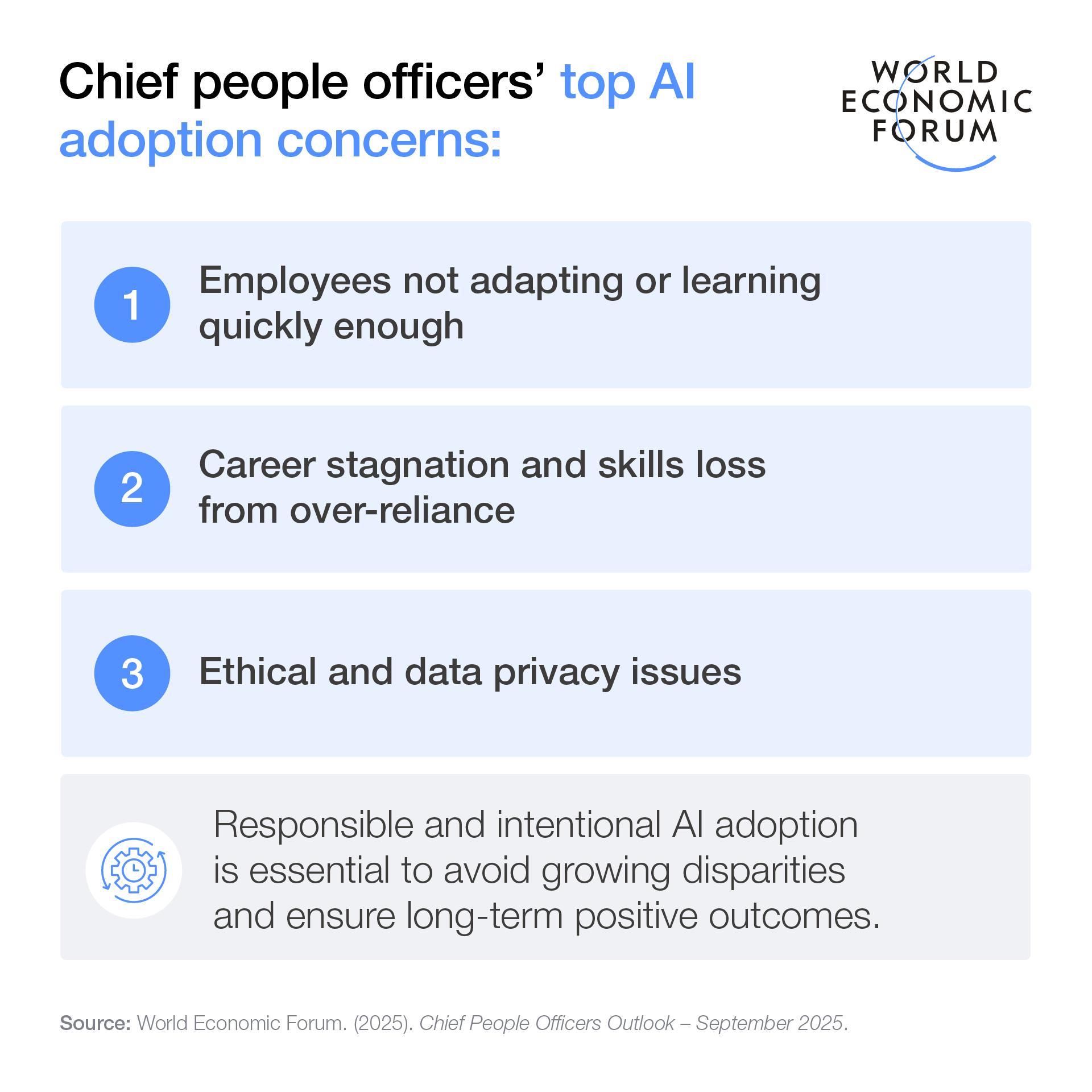
Chief people officers are currently adopting a cautious approach to hiring and restructuring due to geo-economic uncertainties and rapid technological advancements. Key talent priorities include addressing artificial intelligence (AI) adoption, tackling talent scarcity, and responding to changing workforce expectations. Organizations recognize the need for long-term transformation, emphasizing structural redesign, company culture, and human-centric AI strategies while navigating immediate challenges. Chief people officers are also responding to shifting priorities among younger workers, focusing on flexibility and purpose in the workplace. Amid these dynamics, the emphasis is on developing resilient, globally-oriented talent strategies.
Education
Chief People Officers Outlook 2025: Talent strategy amid global disruption

In mid-2025, 42% of chief people officers anticipate no change in uncertain labour market conditions, indicating a cautious outlook despite long-term transformation potential. Key influences include low vacancy rates, evolving worker expectations, and rapid AI adoption affecting organizational planning and hiring. The Chief People Officers Outlook identifies three strategic imperatives: redesigning roles, strengthening culture, and advancing responsible AI deployment. It underscores the importance of human-centred AI, agile talent strategies, and empowered leadership to navigate disruption and enhance talent management, positioning the people function as a leader in workforce transformation.
Chief People Officers Outlook – September 2025

Companies facing current geopolitical complexities should adopt four key strategies: 

1. Develop diverse future scenarios to navigate uncertainty.
2. Identify and integrate experts with deep geopolitical knowledge into the organization.
3. Shift focus from cost optimization to enhancing resilience to withstand geopolitical disruptions.
4. Cultivate leadership that can effectively interpret and communicate geopolitical realities to senior management. 

These steps will better prepare businesses for unforeseen challenges.
Iceland, Ukraine, United Kingdom
4 things that companies can do to deal with the current geopolitical situation

To navigate geopolitical disruptions like those revealed by Russia's invasion of Ukraine, companies must balance operational efficiency with resilience. Leaders should prioritize supply-chain mapping and risk modeling to identify vulnerabilities and redesign operations for a fractured world. Resilience requires foresight and investment across five dimensions: financial capacity, adaptable business models, capable personnel, robust technology infrastructure, and strong reputation. Firms like TSMC illustrate the need for reshoring critical components amid geopolitical tensions. Overall, resilience is crucial for enduring impacts rather than merely avoiding them, necessitating strategic engagement from boards and executives.
Russian Federation, Ukraine | Education, Financial services
Balance operational efficiency with resilience to weather geopolitical storms

Purpose serves as a guiding principle for companies navigating the complex geopolitical landscape, emphasizing the need to uphold core values amidst diverging stakeholder interests. Businesses, like Apple under governmental scrutiny, are increasingly challenged by political stakeholders, shifting focus away from traditional corporate social responsibility (CSR) and environmental, social, and governance (ESG) practices. To effectively manage these new dynamics, leaders are encouraged to adopt strategies of arbitrage, experimentation, and innovation, thereby adapting resource allocation and business models to align with political realities and stakeholder engagement.
Leading with purpose when stakeholder management gets geopolitical

Geopolitical dynamics are reshaping international risks, alliances, and business strategies across various regions. Key areas of concern include:

- **Eurasia**: The ongoing Russia-Ukraine war raises tensions, with potential NATO implications amid Russian aggressions.
- **Gulf States**: The conflict in Gaza impacts regional stability, further complicated by oil prices and China’s growing influence.
- **East Asia**: China’s aspirations for greater influence clash with U.S. tensions, particularly regarding Taiwan.
- **South Asia**: India navigates complex relations with China and Pakistan amidst emerging global power shifts.
- **Latin America**: The U.S.-China rivalry marks significant geopolitical plays, especially in Venezuela.
- **Polar and Space Regions**: Competition for resources and cooperation agreements may be strained amidst growing tensions globally.
Argentina, Belarus, Egypt, Iceland, Indonesia, Israel, Pakistan, Philippines, Poland, Republic of Korea, Russian Federation, Taiwan, China, Ukraine, United Kingdom, Venezuela
Mapping the geopolitical hot spots

Business leaders must prioritize geopolitical analysis in strategy due to increasing volatility and uncertainty in global markets. Effective management strategies involve anticipating different future scenarios, adapting business models, diversifying suppliers, and enhancing resilience. The interplay between technological advancements, energy dynamics, and polarized political environments demands managers broaden their analytical frameworks. Businesses should evaluate their financial capacity, workforce adaptability, technology robustness, and reputation to navigate risks successfully. As the global landscape evolves, strategic foresight and flexibility become crucial for maintaining competitive advantage.
Georgia, Iceland, Poland, Russian Federation, Spain, Ukraine, United Kingdom | Financial services
Navigating Geopolitics

The emergence of geoeconomics is reshaping corporate strategies as economic power is used for political ends, disrupting longstanding business models. Companies must reassess how they create value amidst rising tariffs and geopolitical risks. A four-step framework is suggested: identify risks, assess their root causes, estimate impact probabilities, and prepare contingency plans. Leaders are urged to develop scenario-based strategies for various timeframes, focusing on direct, indirect, and worst-case impacts. Continuous analysis of the geopolitical landscape is critical for maintaining strategic clarity and adapting to the rapidly changing environment.
Argentina, Austria, Belarus, Belgium, Bolivia, Bulgaria, Chile, Costa Rica, Cyprus, Czech Republic, Ecuador, Egypt, Estonia, Eswatini, Ethiopia, Georgia, Germany, Greece, Hungary, Iceland, Ireland, Israel, Italy, Japan, Jordan, Kazakhstan, Kenya, Kyrgyz Republic, Latvia, Lesotho, Lithuania, Luxembourg, Malta, Mauritania, Mauritius, Mexico, Morocco, Netherlands, Paraguay, Peru, Philippines, Poland, Portugal, Republic of Korea, Romania, Russian Federation, Saudi Arabia, Slovakia, Slovenia, Spain, Sweden, Switzerland, Tanzania, Tunisia, Türkiye, Ukraine, United Kingdom, Venezuela | Education, Financial services
Rethinking corporate strategy in the age of geoeconomics
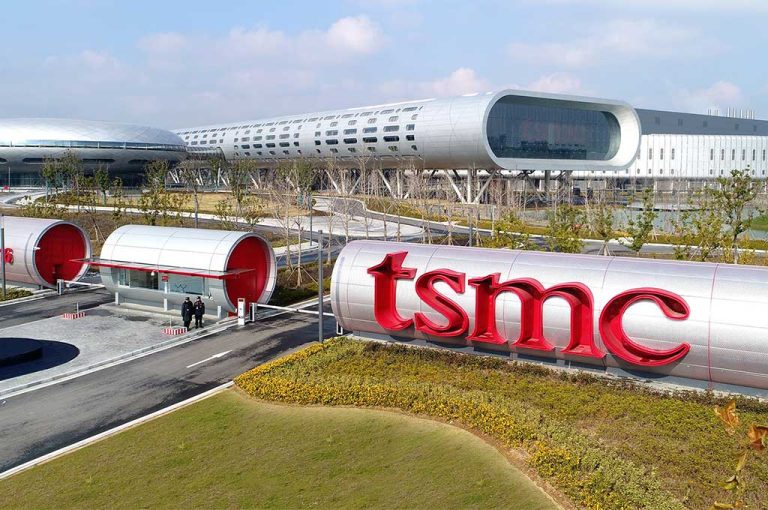
TSMC has emerged as the world's largest semiconductor foundry by adopting a unique business model focused on manufacturing chips for other companies, unlike the industry's traditional practice. Founded by Morris Chang in 1987, TSMC capitalized on the fabless trend, where design capabilities were prioritized, allowing them to concentrate resources on cutting-edge R&D and manufacturing efficiency. Supported by the Taiwanese government, TSMC embraced a long-term perspective and built a committed workforce, positioning itself as a key player in technology and supply chains, particularly as demand for advanced chips surges in the AI era.
Taiwan, China | Financial services
TSMC: lessons in strategy and operational excellence from the world’s chipmaker

Nature-based solutions provide financial models like biodiversity credits and conservation impact bonds to prioritize environmental regeneration over extraction. With human activity modifying over 77% of land and 87% of oceans, there's a critical need to rethink how nature's contributions are valued economically. A significant funding gap for biodiversity supports the urgent shift towards recognizing natural assets as essential infrastructure rather than mere commodities. This approach can enhance sustainability and mitigate ecological crises, benefiting both the environment and human livelihoods.
Financial services
The case for nature-based solutions, and how to finance them

Geopolitical rivalry is intensifying the competition for talent in the labor market. Companies need a workforce equipped with key competencies including resilience, curiosity, creativity, teamwork, leadership, critical thinking, ethical values, and a focus on the common good. Amid megatrends such as digital transformation and AI, organizations face difficulties in sourcing skilled labor necessary for innovation and strategic advantage. Education must adapt to integrate STEM subjects and prepare future leaders to align technology with global trade dynamics, ensuring long-term growth and competitiveness in a volatile landscape.
Chile, Ethiopia, Germany, Iceland, Indonesia, Philippines, Senegal, Singapore, Spain, Sweden, Tanzania, Ukraine, United Arab Emirates, United Kingdom, Venezuela | Education
These are the competencies for geostrategic advantage. Does your team have what it takes?