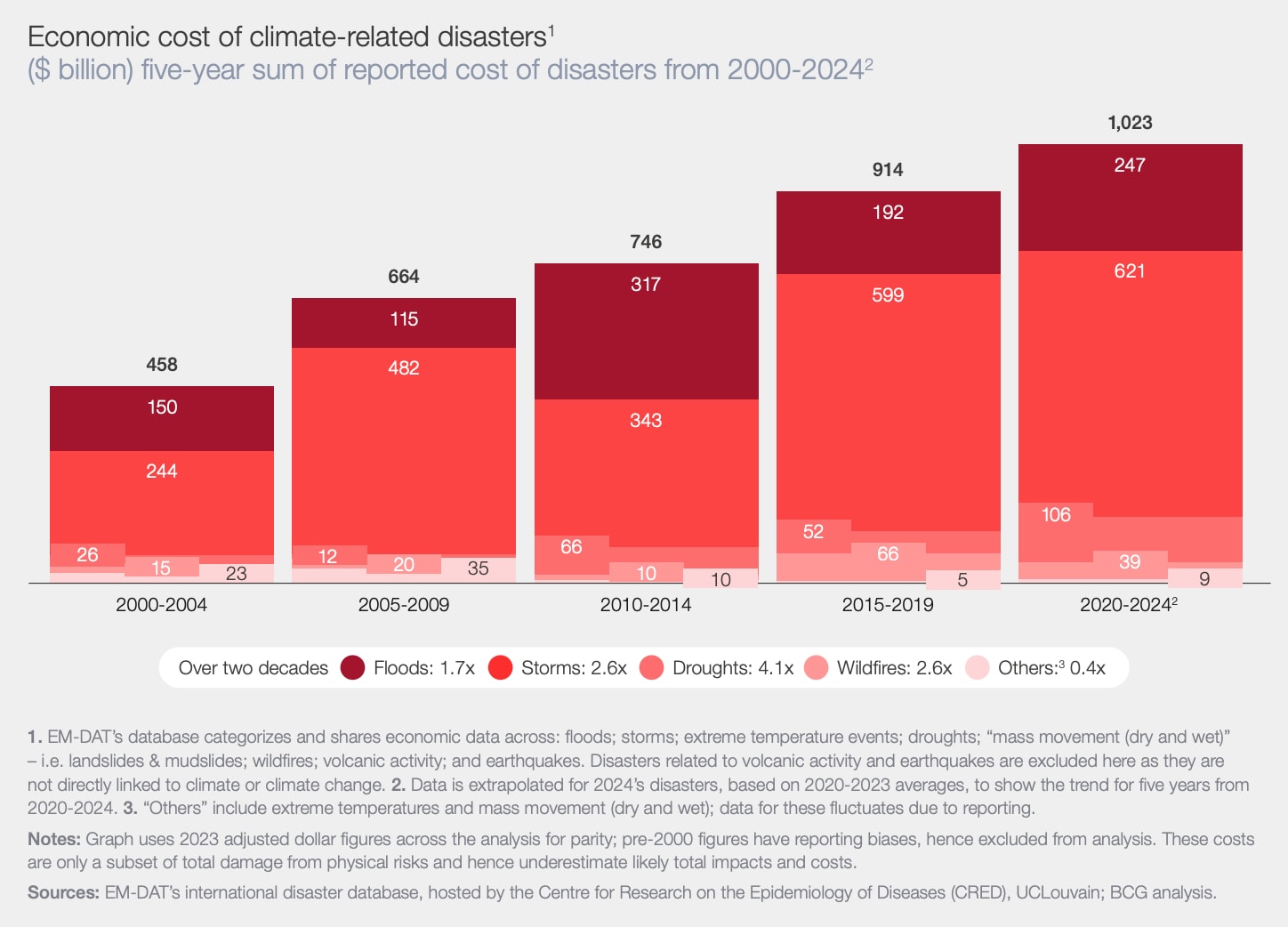
Integrating climate science into business strategies is crucial for enhancing resilience and creating a sustainable economy. Climate change has cost the global economy over $2 trillion in the last decade, with impacts expected to escalate. Businesses face increasing uncertainty from geopolitical tensions and shifting policies, leading to a retreat from ambitious decarbonization efforts. Utilizing climate science can help companies navigate these challenges, protect supply chains, and ensure long-term viability. However, a focus solely on profit maximization risks undermining necessary climate action. Continued engagement with climate science is essential for future business resilience.
Nigeria | Financial services, ICT, Health, Education
What climate science can teach companies about resilience

Non-tariff barriers (NTBs) significantly hinder the cotton sector in sub-Saharan Africa, affecting the development of regional cotton, textile, and apparel value chains (RVCs) under the African Continental Free Trade Area (AfCFTA). Despite GDP growth, intra-African trade remains low due to infrastructure gaps and inconsistent regulations. Cotton, while a key resource, sees limited processing capabilities leading to minimal global export contributions. Addressing NTBs could enhance value addition by 600% and create millions of jobs, particularly for women and youth. This report assesses the implications of NTBs and gender disparities in Benin, Burkina Faso, and Lesotho, proposing actionable recommendations to foster regional development.
Argentina, Benin, Burkina Faso, Burundi, Ethiopia, Ghana, Kenya, Namibia, Rwanda, South Africa, Tanzania, Tunisia, Viet Nam
Reducing Non-Tariff Barriers to AfCFTA Implementation in the Cotton, Textiles, and Apparel Industry
South Africa's National Dialogue aims to establish a new social compact in light of economic stagnation and societal discord. However, the initiative has faced criticism for its large budget, lack of civil engagement, and perceived attempts to bolster the ANC's political standing ahead of elections. Tensions between political leaders have emerged, and several organizations have withdrawn in protest. With high unemployment and inequality rates, the ANC's historical governance is under scrutiny. The dialogue's success hinges on inclusive national support and a clear commitment to addressing structural issues instead of perpetuating race-based policies.
South Africa
Growth and identity: right goals, wrong game plan for SA’s National Dialogue

Nearly 700 million people in Asia and the Pacific live with disabilities, facing significant health inequities. To promote disability-inclusive healthcare, five key actions are identified: 1) Acknowledge diverse disability types and their unique needs, ensuring comprehensive health plans; 2) Address systemic disadvantages that result in worse health outcomes; 3) Enhance healthcare provider training for better patient care; 4) Eliminate financial and structural barriers to access; and 5) Invest in preventive health and inclusive wellness programs. These steps aim to create equitable health systems that serve all individuals effectively.
Health
Transforming Health Systems: Five Actions for Disability-Inclusive Healthcare
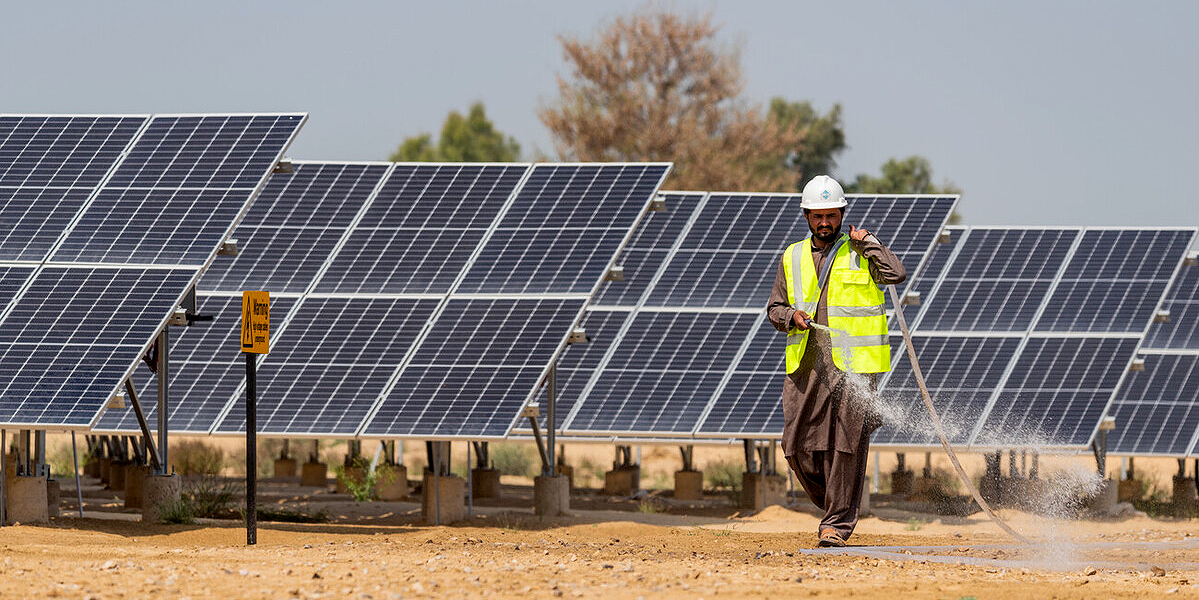
Pakistan's textile industry, crucial to its economy, is pressured by international buyers to reduce carbon emissions as new European regulations emerge. Transition finance is essential for enabling textile exporters, particularly small and medium enterprises, to invest in decarbonization initiatives such as renewable energy and wastewater recycling. A structured approach involving clear roadmaps, suitable financing instruments, and alignment with science-based targets is necessary for impactful capital flow. Transition finance can enhance competitiveness and resilience, allowing for sustainable growth and positioning early adopters favorably in the global market.
Bangladesh, Cameroon, Denmark, Egypt, Finland, France, Ghana, India, Kazakhstan, Kenya, Lebanon, Morocco, Nepal, Oman, Pakistan, Panama, Poland, Republic of Korea, Romania, Saudi Arabia, Sri Lanka, Switzerland, Tajikistan, Tanzania, Thailand, Tunisia, Türkiye, United Arab Emirates, United Kingdom, Viet Nam | Financial services
Transition Finance and the Race to Save Pakistan’s Textile Exports
Tailored strategies and strong institutions are essential for fostering clean energy growth. While global renewable energy investments have reached $2 trillion annually, they fall short of the $5 trillion needed to meet mid-century net-zero targets. Developed economies demonstrate higher per capita investments, influenced positively by industrial growth and environmental taxes, whereas developing economies face limitations that hinder renewable scaling. Factors like social globalization and the credibility of governance also impact investment decisions. Effective policymaking must consider both economic and non-economic influences to support a successful transition to renewable energy.
Nigeria | Financial services, Health, Education
Why Tailored Strategies and Strong Institutions Are Key to Clean Energy Growth
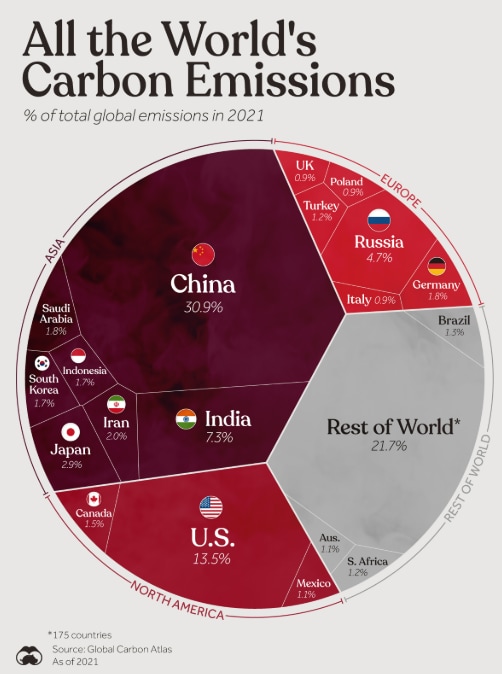
Brazil has urgently called for all countries to submit enhanced Nationally Determined Contributions (NDCs) ahead of the COP30 climate summit, emphasizing the need for a report on global heating progress. As of now, only 28 nations have submitted their plans. Additionally, research suggests that space-based solar energy could significantly reduce Europe's reliance on land-based renewables while decreasing costs. Other key news includes Spain experiencing its most intense August heatwave on record, a UN emphasis on water management in climate efforts, and new advancements in bee nutrition to combat habitat loss.
Brazil, Nigeria
Brazil makes urgent plea for updated climate plans, and other nature and climate news

India has resumed purchases of Russian crude oil, effectively sidelining Chinese refiners and intensifying competition in the global oil market. State-owned refiners have secured multiple cargoes for September and October, pressuring Middle Eastern producers to cut official selling prices (OSPs) to retain market share. While Indian imports are expected to ease in September due to additional spot acquisitions from the Middle East and the U.S., ongoing geopolitical dynamics suggest India will continue to favor Russian crude based on attractive pricing. This situation may lead to a potential price war among Middle Eastern producers.
India, Russian Federation
India back in Russian oil market, shrugs off US pressure, squeezes Dubai | Kpler - Aug 26, 2025
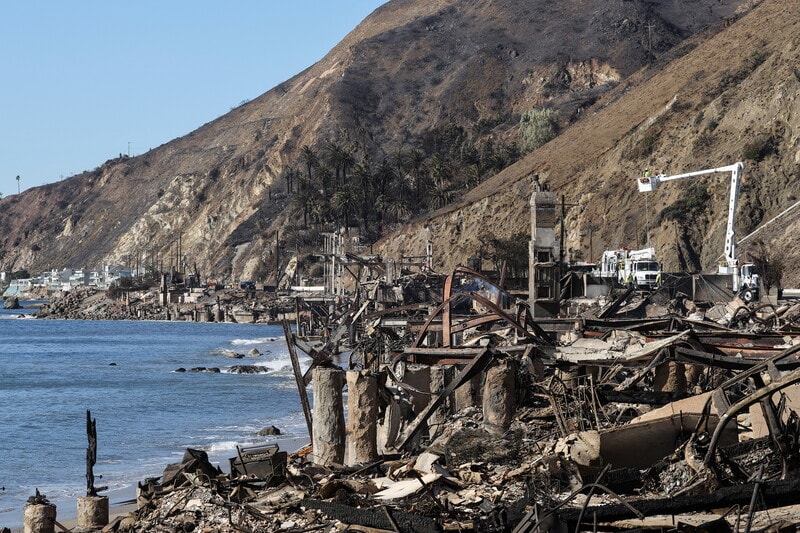
The insurance industry faces a significant protection gap, with only $140 billion of the $320 billion loss from extreme weather in 2024 insured. This gap is driven by rising costs and limited availability of coverage, particularly in vulnerable regions. Underinvestment in disaster risk reduction (DRR) exacerbates the issue, with the majority of disaster financing allocated to post-response rather than prevention. Collaborative public-private partnerships are crucial for developing pro-active policies and investment strategies. The industry must evolve from being merely reactive to a key player in enhancing resilience, leveraging data and modeling to guide adaptive decision-making and build more robust socioeconomic systems.
Africa | ICT, Financial services, Education, Health
From safety net to resilience-builder: how the insurance industry is stepping up
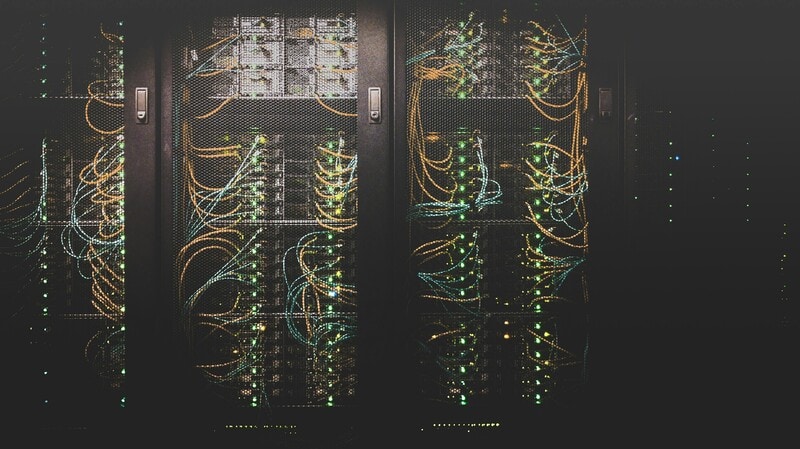
AI's increasing power demands outpace current electricity infrastructure, necessitating greater efficiency from existing systems. Innovations such as enhanced data center cooling techniques, on-site co-located power generation, and higher voltage standards can unlock additional electricity capacity for AI without new infrastructure. Cooling advancements, like immersion cooling, significantly reduce energy consumption compared to traditional methods. Implementing these strategies allows for the support of more AI compute power while alleviating strain on the grid, enabling effective management of the rising electricity surges driven by artificial intelligence.
5 ways to unlock electricity for AI without building more infrastructure

Guinea controls 73% of global bauxite exports but risks losing market share to emerging competitors like Australia, Sierra Leone, and Cameroon, potentially falling below 70% by 2030. While investments in Australian projects may boost exports, Sierra Leone's capacity is set to double to 16 Mtpa by 2026/27. Guinea's alumina ambitions face challenges from infrastructure deficits, political instability, and a global oversupply. The government's shift towards resource nationalism complicates foreign investment, and the imminent launch of the Simandou iron ore project could further pressure the bauxite sector by attracting skilled labor and potentially congesting export ports.
The future of Guinea's position in global bauxite trade and its alumina ambition | Kpler - Aug 27, 2025

A global crackdown on cybercrime, Operation Serengeti 2025, led by INTERPOL and AFRIPOL, resulted in 1,200 arrests across 18 countries and the recovery of $97 million. The operation demonstrated the effectiveness of international collaboration involving law enforcement, private sector experts, and non-governmental organizations. Authorities dismantled illegal cryptocurrency mining operations in Angola, seized illicit power stations, and disrupted scams in Zambia that defrauded thousands. These coordinated efforts highlight the need for sustained partnerships and the sharing of intelligence to effectively combat the borderless nature of cybercrime.
Africa | Financial services, ICT
Cybercrime is borderless. This global bust shows how law enforcement can be too

A phased increase in Malaysia's carbon price to RM200 (approximately US$50) per tonne is recommended to make low-carbon steel production viable and help decarbonize the steel sector by 2030. The Institute for Democracy and Economic Affairs (IDEAS) emphasizes that the current reliance on carbon-intensive blast furnace technology has increased emissions significantly, undermining national net zero targets. Implementing a carbon levy could lower costs for low-emission producers, generate substantial government revenue, and encourage the adoption of advanced technologies. However, challenges remain, including potential political resistance and the need for an emissions trading system to ensure flexibility for firms.
Phased increase of carbon price to nearly US$50 needed to decarbonise Malaysia's steel sector: think tank

Capital from Gulf nations is increasingly directed towards Asia, focusing on clean energy and green technology as part of their ESG investment strategies. This shift is driven by climate goals and economic diversification in the Gulf, aligning with Asia's urgent need for funding its net zero transition amidst regulatory challenges. Gulf countries are enhancing their ESG commitments, with ambitious targets for renewable energy and net zero emissions. To ensure impactful investments, Asian markets must establish robust ESG frameworks and de-risking mechanisms. Bilateral agreements between Gulf and Asian nations further facilitate investment and technology exchange, exemplified by initiatives like the Vietnam–Oman Investment Fund.
Bahrain, Eswatini, Japan, Jordan, Kuwait, Oman, Republic of Korea, Saudi Arabia, Singapore, Thailand, United Arab Emirates, United Kingdom, Viet Nam | Financial services
Opportunities in the Gulf: Can a strategic shift in capital from the Middle East to Asia help the region meet ESG funding gaps?
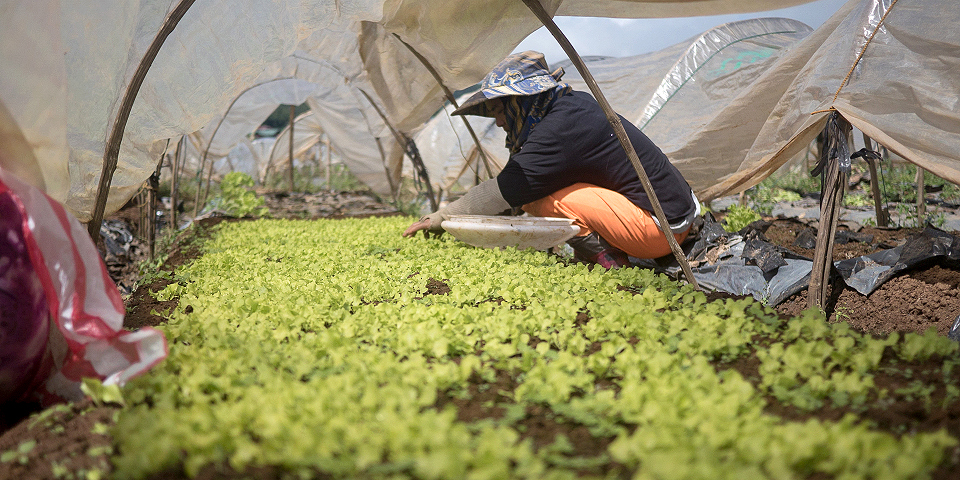
Cities face a significant funding gap for climate adaptation, with a projected shortfall of $253–387 billion annually by 2030. Only 17% of global adaptation finance reaches local communities. Building resilient cities requires a systems-thinking approach that integrates infrastructure, communities, and institutions. Effective strategies include investing in both hard (e.g., flood control) and soft (e.g., training programs) interventions. Successful initiatives like the community-based projects in Bangladesh and the Nusantara GREEN Project in Indonesia exemplify the importance of local engagement and capacity building. Employing data and local insights from the outset enhances resilience planning and leads to more sustainable outcomes.
Nigeria | Financial services, Health
How Cities Can Strengthen Climate Resilience Through People and Systems
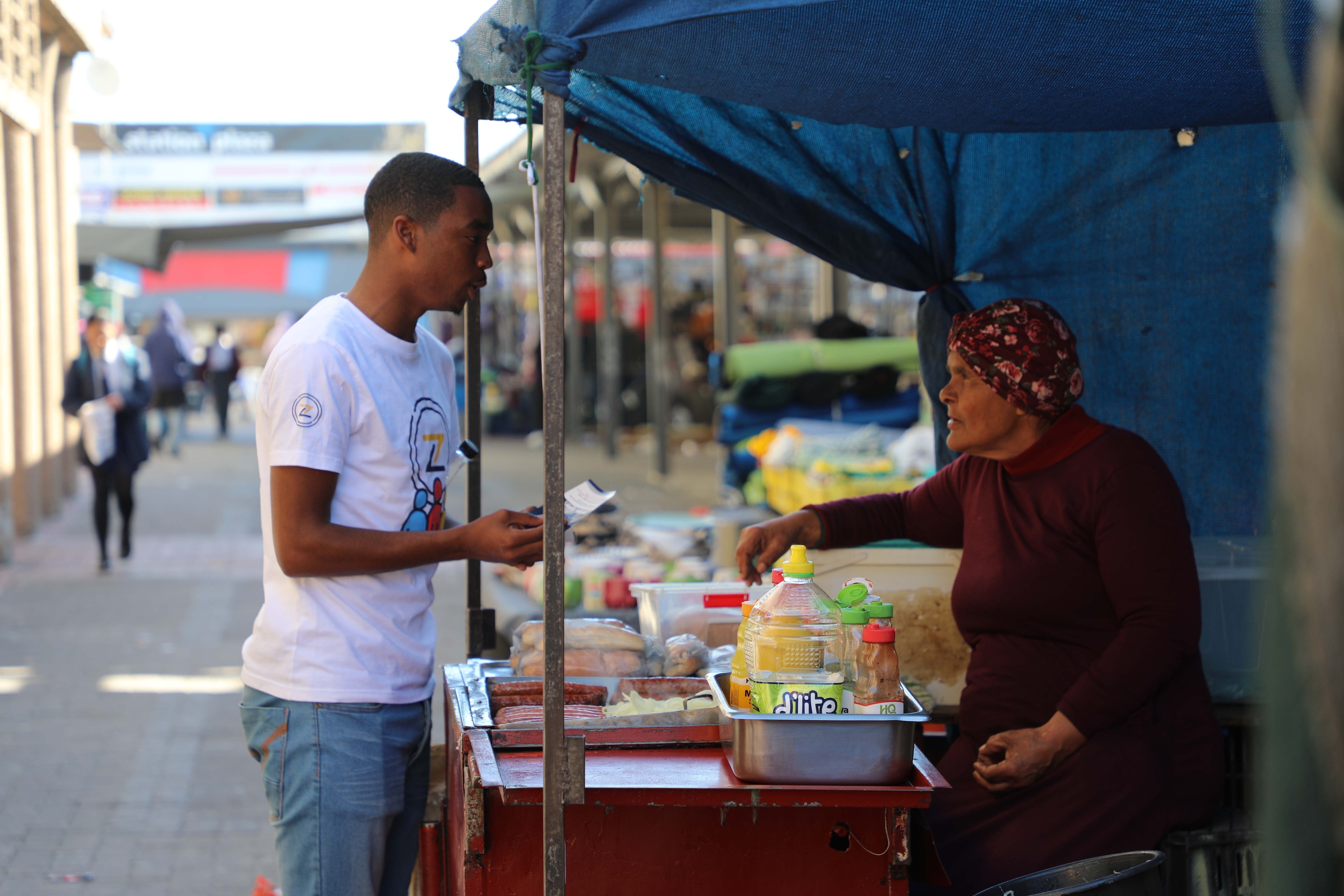
Young people are emerging as key social innovators, actively addressing pressing issues such as climate change, unemployment, and inequity. Initiatives like Zlto, Plastic Free Pakistan, and Ataa Tech highlight their innovative approaches to community engagement and skill-building. A global survey indicates that a significant majority of youth feel empowered to act on issues important to them. However, systemic barriers such as unequal access to opportunities, precarious employment, irrelevant education, and political underrepresentation hinder their progress. Addressing these challenges is essential for harnessing their potential for meaningful impact.
Africa | Financial services, Health, Education
Young people are today's social innovators – are we ready to support them?

The focus on AI safety often prioritizes foundational models, neglecting the urgent safety concerns for end users of generative AI products. To enhance the safety of bots, the fields of responsible AI and digital trust and safety must collaborate, sharing established risk management practices and methodologies. Ongoing risks includes harmful chatbot interactions and non-consensual content creation, underscoring the need for a user-centric approach. Regulatory efforts, like the EU’s Digital Services Act, further reflect this shift. Emphasizing safety-by-design in product development through industry collaboration and transparent governance is essential for fostering safe, widely adopted generative AI solutions.
Why we need to make safety the product to build better bots
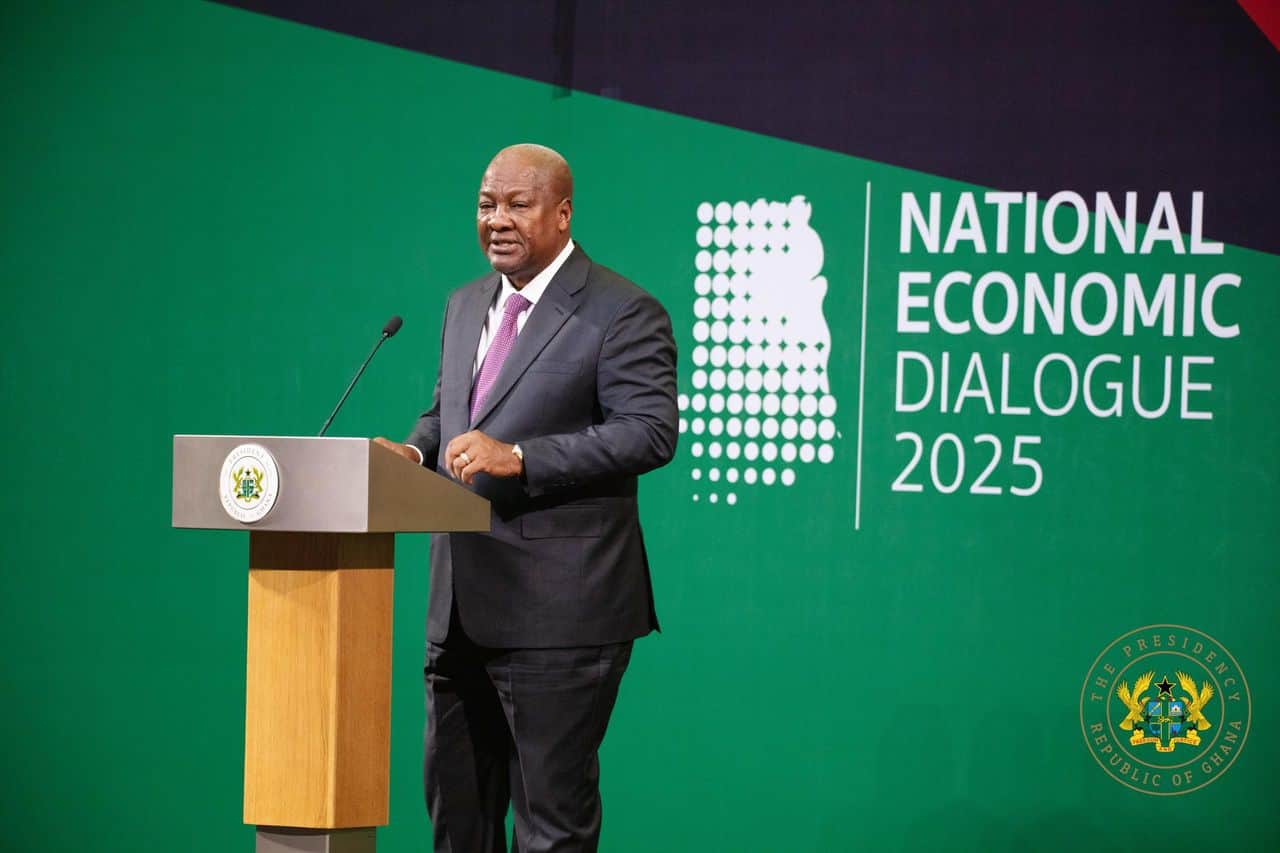
The 2025 National Economic Dialogue (NED) in Accra brought together over 500 participants to reassess Ghana's economic future amid mounting socio-economic challenges. The event highlighted the government's commitment to implementing strong recommendations aimed at fostering economic transformation, with the National Development Planning Commission overseeing their execution. Key discussions focused on improving governance, accountability, and the practical application of the DEPTH framework, which emphasizes agro-processing and aligning skills with labor market needs. The dialogue emphasized the urgency for meaningful follow-through and the necessity of strong political institutions to achieve sustainable growth and development in Ghana.
Nigeria
Reflections on the 2025 National Economic Dialogue: Resetting Ghana’s Economic Future

Financial inclusion is evolving to facilitate full participation in the digital economy for all users, not just the unbanked. In the Middle East and North Africa (MENA), communication-led platforms like Botim are transforming into multifunctional ecosystems that integrate financial services, enhancing accessibility and usability. This shift emphasizes seamless user experiences, driven by AI to provide tailored services. Strategic investments are fostering this growth, with MENA’s fintech market projected to significantly expand by 2030, catalyzing economic growth and enhancing user engagement through technology.
Africa | Health, Education, Financial services, ICT
Why communications platforms will power the next era of financial inclusion

Blended care enhances mental health support by integrating structured digital pathways with human-led therapy, addressing the accessibility and personalization gaps in current healthcare systems. With over 450 million people affected by mental health disorders globally, and rising economic costs, this approach combines the benefits of technology with professional empathy. Research indicates that video-based cognitive behavioral therapy (CBT) is as effective as in-person sessions. Blended care fosters continuous interaction between patients and therapists through AI-driven tools, promoting ongoing mental well-being beyond crisis situations. Successful implementation requires secure data systems, user-friendly interfaces, and government support for digital therapeutics.
Education
How blended care, combining therapy and technology, can improve mental health support