
Vera Spyrakou argues that the ongoing war is prompting Europe to further integrate politically. A notable meeting in Brussels between Ukrainian President Volodymyr Zelensky and European Commission President Ursula von der Leyen highlights a shift from a fragmented approach to a cohesive European response regarding Ukraine. Key priorities identified include a ceasefire as a precursor to negotiations, robust security guarantees for Ukraine, and the maintenance of sanctions against Russia. This evolving unity signifies a transition towards collective European leadership and a potential federal moment, driven by the external conflict and its implications for European security and integration.
Financial services
Is Europe’s support for Ukraine a federal moment?

Emerging technologies are crucial in reducing global food loss, which currently affects about 13% of food from harvest to retail. Implementing a circular food system with enhanced traceability is essential for minimizing waste. Innovations such as AI, IoT, and non-destructive quality inspections are improving food monitoring, decision-making, and supply chain efficiency. For example, Neolithics employs AI-assisted quality control to reduce inspection times by up to 90%, while Dockflow enhances cold chain logistics with real-time tracking to alert for temperature deviations. Together, these advancements aim to create a more sustainable and resilient food system.
How emerging technologies can advance food quality traceability and prevent waste

Batteries and green molecules are crucial to achieving net-zero emissions. Batteries provide short-term grid flexibility by storing and discharging renewable energy, while green molecules, such as hydrogen and ammonia, are essential for decarbonizing hard-to-abate sectors like steel, shipping, and aviation. Emerging markets, particularly India and the Middle East, are positioning themselves as leaders in the production of these green solutions, supported by ongoing projects and competitive pricing. The integration of batteries and green molecules is vital for a resilient renewable energy system, enabling reliable and sustainable energy transition.
Why batteries and green molecules are the final pieces in the decarbonization puzzle

The publication provides updated statistics on various economic, financial, social, and environmental indicators for the 50 regional members of the Asian Development Bank. It highlights trends in development progress and the challenges of achieving inclusive and sustainable growth in Asia and the Pacific. This 56th edition emphasizes the role of harmonized environmental-economic data in promoting resilient development and presents data aligned with the Sustainable Development Goals (SDGs) across several thematic areas.
Angola, Bahrain, Cambodia, Denmark, India, Indonesia, Japan, Kenya, Mongolia, New Zealand, Panama, Philippines, Republic of Korea, Singapore, Slovakia, Thailand, United Arab Emirates, United Kingdom, Viet Nam | Health
Key Indicators for Asia and the Pacific 2025
Large Language Models (LLMs) have significantly influenced analytical tasks across various domains. This systematic mapping study examines the use of LLMs throughout the Data Science lifecycle by analyzing papers from Scopus and IEEE databases. It categorizes types of LLMs, identifies specific stages and tasks they address, and evaluates methodological approaches. The study also details evaluation metrics and documents both the positive impacts and limitations of LLMs in data science workflows, providing insights into current trends, gaps, and future research opportunities.
Large Language Models in the Data Science Lifecycle: A Systematic Mapping Study

Europe can harness AI to enhance its industrial competitiveness by integrating it into key processes rather than merely conducting pilot projects. Effective AI deployment can potentially contribute $15.7 trillion to the global economy by 2030, with European manufacturers increasing their GDP share through innovation. Focusing on concrete business problems and industry-specific applications will yield faster returns and address existing challenges. Collaboration across various sectors, development of user-friendly tools for SMEs, and strategic regulation will facilitate this transition, ensuring that AI becomes a crucial element of operational efficiency and competitiveness.
Education
Why targeting specific industry needs can make Europe an AI powerhouse
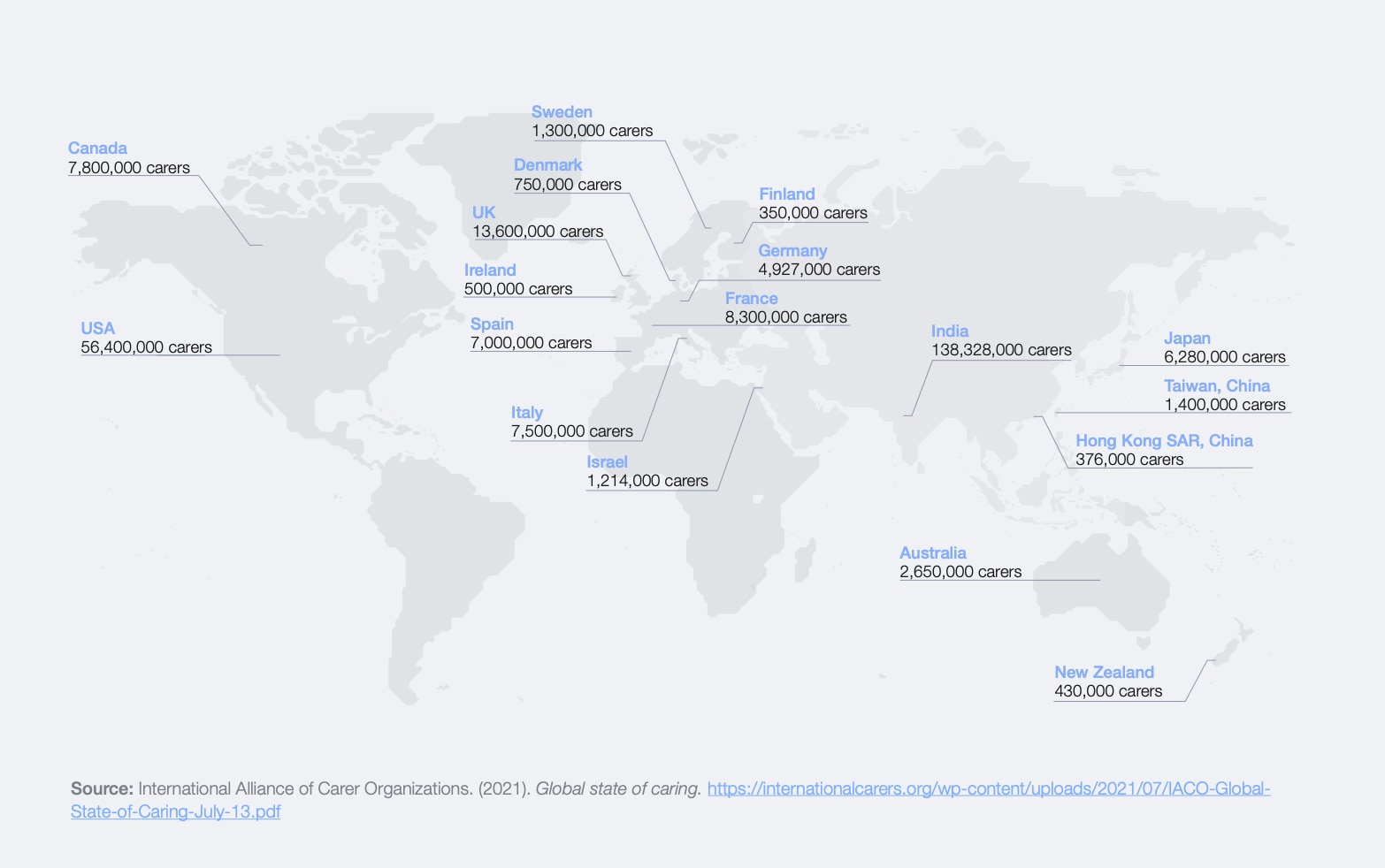
Cultural integration is essential for enhancing the longevity economy, which must encompass both economic security and health outcomes. As populations age, particularly in culturally diverse contexts, healthcare systems often falter when relying solely on out-of-pocket payments. It is vital to protect informal caregivers and support local models of care that align with cultural values, as these foster trust and community resilience. In regions with weak formal systems, traditional practices can serve as effective safety nets. Acknowledging and integrating indigenous welfare systems within broader strategies can enhance the sustainability and effectiveness of aging policies.
Africa | Education, Financial services, Health
Why we need to make cultural integration a pillar of the longevity economy

In Central Asia, the management of transboundary river basins, particularly the Irtysh River, faces challenges from climate change, impacting regional prosperity and sustainability. A study conducted by the Central Asia Regional Economic Cooperation Institute emphasizes the need for adaptive management strategies through transboundary cooperation, focusing on the interconnected water-food-energy nexus. Evidence shows increased water scarcity and rising temperatures, particularly affecting downstream areas. The study identifies successful regional adaptations, such as shifts to less water-intensive crops in upstream regions, but highlights ongoing vulnerabilities in downstream agricultural practices. Effective cooperation mechanisms, grounded in trust and equitable benefit-sharing, are essential for sustainable basin management, yet challenges in data sharing and institutional collaboration persist.
Kazakhstan, Kyrgyz Republic
Enhancing Transboundary Cooperation in River Basin Management for Climate Adaptation

Teaching individuals to "disagree well" is essential in addressing societal polarization and declining trust in institutions. This requires open-minded dialogue and mutual trust in shared forums. Misinformation exacerbates divisions, making it more crucial to foster a culture of constructive disagreement. 

The "Disagreeing Well" campaign at University College London promotes skills for effective discourse through events and resources, emphasizing active listening, acknowledging others' expertise, and practicing epistemic humility. Ultimately, these efforts aim to rebuild confidence in civic institutions and facilitate informed discussions across societal issues.
Education
In a world of growing divisions, how can we learn to disagree well?
A Milan-based researcher, Stavros Ntalampiras, has developed an AI model capable of detecting emotional tones in the calls of seven hoofed animal species, including pigs and cows. The model reveals that negative calls are often higher frequency, while positive calls are more evenly distributed across the sound spectrum. This advancement could aid farmers in detecting livestock stress, assist conservationists in monitoring animal welfare, and prompt ethical considerations about human responsibilities in animal care. Similar AI applications are being explored for other species, including whales and dogs, highlighting the potential for improved understanding of animal emotions while acknowledging the limitations of such interpretations.
Can AI teach us how animals think?
Gideon Nave, a Wharton associate professor of marketing, investigates how AI tools like ChatGPT enhance creative problem-solving and individual innovation. While these technologies can significantly boost innovation, they also pose risks of homogenizing ideas across society, potentially reducing diversity in thought and creativity.
Exploring the Benefits and Risks of AI-Powered Innovation

Technological advancement, particularly in AI, is creating a "humanity deficit," where innovation overshadows human needs. This focus has led to a mental health crisis, increased loneliness, and declining global productivity since the late 1990s. The overreliance on technology has adversely affected children's development, diminishing essential life skills and human agency. The Human Change campaign aims to address these issues by raising awareness of digital device impacts on children and advocating for changes in tech company practices and policy regulations to prioritize user well-being.
ICT, Health, Education
Is our obsession with innovation causing a humanity deficit?

Protests erupted in July in Ukraine over a proposed bill undermining anti-corruption agencies, leading to lessons for the EU regarding rule of law and governance. While Ukraine has made progress in anti-corruption efforts since the 2013 Euromaidan Revolution, the adoption of draft law No. 12414 threatened the independence of key institutions like NABU and SAP. Public demonstrations underscored civil society's resilience and the high priority of European integration among Ukrainians. This episode highlights the fragility of the rule of law in Ukraine and the need for EU conditionality to be supported by internal societal engagement.
Ukraine | Financial services
All’s well that ends well? Lessons from Ukraine’s anti-corruption crisis
The inaugural Africa Data Summit in Nairobi focused on how Africa can leverage its growing digital assets for economic transformation. Despite increasing data generation, access to meaningful data for public good remains fragmented. Key challenges include poor interoperability, outdated systems, and a lack of regulatory frameworks that foster public interest. The summit emphasized that effective data access, characterized by timeliness, quality, and interoperability, is crucial for driving economic growth. Stakeholders underscored the need for collaboration, infrastructure investment, and credible data standards to enhance trust and stimulate innovation, ultimately positioning data as a vital resource for both economic development and governance.
Angola, Burkina Faso, Ethiopia, Ghana, Kenya, Mali, Namibia, Senegal, South Africa, Tanzania | Financial services, Health, Education, ICT
Unlocking Africa’s Data Potential: A Prerequisite for Economic Transformation

Artificial intelligence (AI) has evolved over the last century, supported by sustained research funding despite many early failures. Current challenges include AI-generated "hallucinations" and widespread anxiety regarding job displacement. Those most at risk are individuals lacking AI skills. Significant potential lies in AI's capacity to contribute to scientific discoveries, although its benefits are unevenly distributed across disciplines, often favoring those with more resources for AI education. Researchers advocate for interdisciplinary collaboration to enhance AI training. Additionally, identifying AI-generated images can be challenging; clues include anatomical anomalies and unrealistic features.
Take 5: AI’s Past, Present, and Future
Uzbekistan is modernizing its transport sector through rail electrification, road upgrades, and fuel diversification, with the goal of becoming Central Asia's main transit hub and achieving upper-middle-income status by 2030. The transport sector contributes 8% to GDP and employs over a million workers, yet road density and international logistics costs are significant challenges. The aging railway infrastructure and growth of the vehicle fleet outpacing road expansion also present issues. Uzbekistan aims for extensive road and transit network expansions, a substantial reduction in greenhouse gas emissions, and improved public transport access while tackling air pollution through various policy reforms.
Afghanistan, Argentina, Armenia, Austria, Bangladesh, Belarus, Bermuda, Bolivia, Bosnia and Herzegovina, Bulgaria, Burkina Faso, Burundi, Cambodia, Czech Republic, Egypt, Estonia, Georgia, Ghana, India, Indonesia, Kazakhstan, Kenya, Kyrgyz Republic, Latvia, Lithuania, Luxembourg, Mauritania, Moldova, Mongolia, Namibia, Nepal, Norway, Oman, Pakistan, Romania, Russian Federation, Rwanda, Slovakia, Sri Lanka, Sweden, Switzerland, Tajikistan, Tanzania, Thailand, Tunisia, Türkiye, Uganda, Ukraine, United Arab Emirates, United Kingdom, Uzbekistan, Venezuela, Viet Nam, Zambia, Zimbabwe
Transport Solutions to Unlock the Landlocked
The UK government is experiencing significant setbacks in climate policy, approving airport expansions, delaying the phaseout of gas boilers, and reducing green energy levies. The Climate Change Committee (CCC) is criticized for failing to hold the government accountable and for setting net zero targets that do not align with international climate commitments. The CCC's carbon budget allocation disregards equity principles, allowing the UK to emit nearly three times its fair share while burdening vulnerable communities. Additionally, the CCC's reliance on carbon removal technologies over societal transformations underscores a concerning lack of urgency in addressing climate change effectively.
The UK’s year of climate U-turns exposes a deeper failure

Foundational shifts in global markets necessitate a fundamental rethinking of investment management. Long-term investment strategies help prevent permanent losses, while diversification, granularity, and agility are critical for building resilient portfolios. Structural shifts, such as rising public debt and demographic changes, alongside foundational shifts like geopolitical instability and technological advancements, are redefining global investing norms. A focus on long-term value by avoiding overpayment and adopting a disciplined investment process is essential. Furthermore, targeted approaches within major themes like AI and climate transition are needed to navigate evolving market landscapes successfully.
Switzerland, United Arab Emirates | ICT, Health, Education, Financial services
3 investment principles for building long-term resilience

Understanding China's role in Africa reveals that it does not pose a unique challenge compared to the US. Data analysis shows that Chinese engagement mirrors longstanding US patterns, with both nations occasionally over-engaging in trade and aid. Claims of a systematic attempt by China to dominate Africa lack empirical support, contrasting with the oversimplified narrative of "debt-trap diplomacy." The gravity model analysis finds that while there are fluctuations in engagement levels, both China and the US have shown under-engagement in recent years. Future engagement by China is projected to grow significantly, reflecting natural economic trends rather than a strategic bid for dominance.
South Africa
Right-sizing Africa’s “China challenge”

China has significantly improved the reliability of its electricity grid over the past few decades, reducing annual power outages from 16.5 hours in 1998 to under 7 hours in 2024. This progress is attributed to increased investments and relaxed regulations that opened the market to various investors. However, challenges remain due to rising electricity demand, structural supply imbalances, and the impact of climate change on extreme weather events. The transition to renewable energy sources like wind and solar adds complexity, necessitating enhanced grid infrastructure and demand-response management strategies to ensure reliability and accommodate electrification trends.
Financial services, ICT
How to future-proof China’s grid?