
Governments in Asia and the Pacific are reforming regulations to reduce business costs and attract investment, with Cambodia as a key example. The country aims to enhance its competitive edge through smart regulations that minimize compliance burdens while safeguarding public interest. Despite recent legislative reforms, regulatory uncertainty and burdens hinder private sector growth. Effective regulations should focus on clarity, efficiency, and inclusiveness, utilizing tools like regulatory impact assessments. By streamlining procedures and leveraging digital platforms, Cambodia can lower compliance costs and foster a business-friendly environment, ultimately boosting sustainable economic growth and investor confidence.
Cambodia, Indonesia, Republic of Korea, Thailand | Financial services, ICT, Education
How Smart Regulations Can Unlock Growth and Attract Investment

AI is rapidly transforming employment, leading to an emerging class termed the "AI precariat," characterized by insecurity and identity loss due to displacement from traditional job roles. As AI disrupts industries, millions may face not only job loss but also a profound crisis of purpose and belonging, with unaddressed psychological ramifications. Predictions vary on the scale of this impact, with significant portions of the workforce at risk of displacement in the coming years. Effective responses must address these psychological challenges, offering support such as universal mental health care, to help individuals adapt to a future where work does not define identity.
Education
The overlooked global risk of the AI precariat
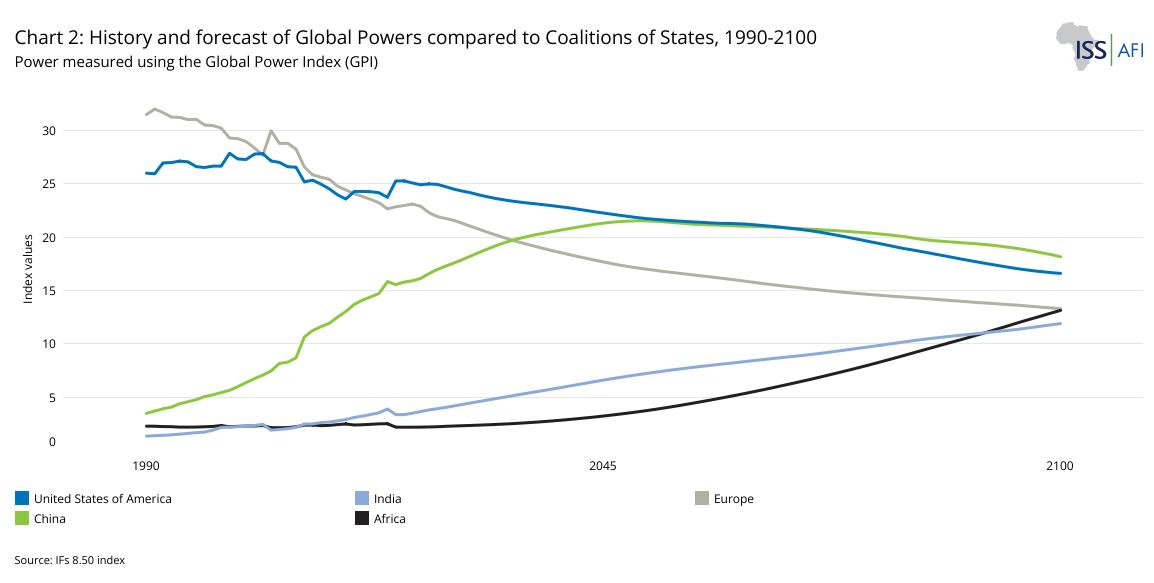
Reforming the United Nations Security Council (UNSC) is crucial to enhance its legitimacy and effectiveness in a rapidly changing global landscape. Proposed changes include establishing a new "Global Power" membership category with enhanced voting but no veto rights, expanding elected members to three-year terms, and allowing regional coalitions to act collectively. These reforms aim to address power imbalances and improve decision-making processes. Additionally, the reform plan suggests mandatory reviews every 30 years and a two-thirds majority vote for decisions, ultimately seeking a more equitable representation of states in line with contemporary geopolitical realities.
United Kingdom | Health
UN Security Council
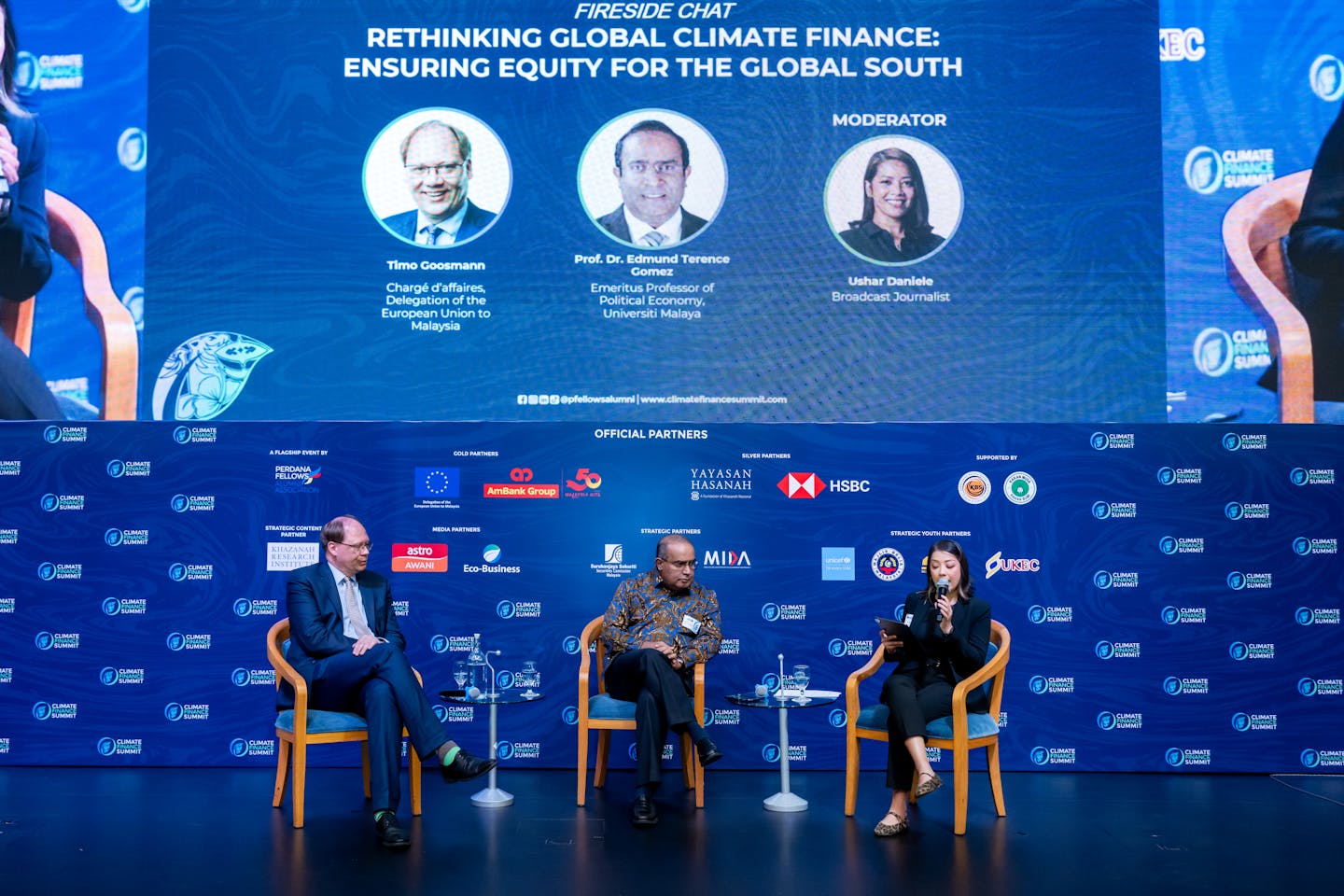
Governments in Southeast Asia prioritize foreign direct investment (FDI) for economic growth, often compromising environmental integrity. Malaysian economist Edmund Terence Gomez highlights that states facilitate land and resource exploitation through joint ventures with major powers like China and the US, which undermine local communities and ecosystems. Large investment projects, such as the China Communications Construction Company's East Coast Rail Link in Malaysia, threaten critical habitats. Gomez urges accountability from Malaysian governments on development projects affecting the environment, emphasizing the need for thoughtful policies that align economic growth with sustainable practices.
Bangladesh, Brazil, Denmark, Finland, Indonesia, Japan, Kenya, Malaysia, Thailand, United Kingdom, Viet Nam | Health, Financial services
Malaysia vulnerable to land and resource exploitation in emerging joint ventures with Chinese and US conglomerates: anti-graft expert
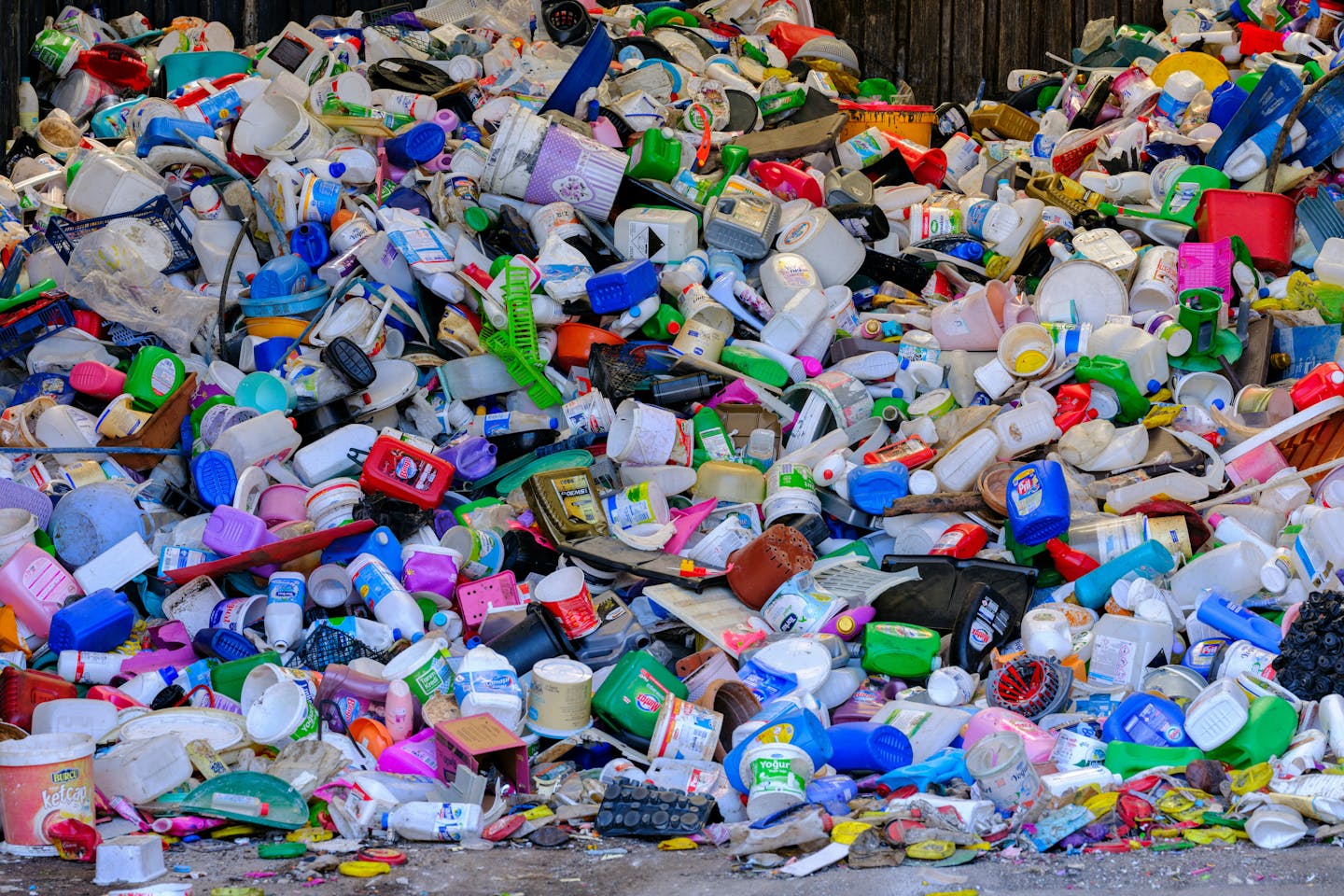
Talks in Geneva aimed at creating a treaty to combat plastic pollution ended without agreement as 184 countries rejected two inadequate draft versions, labeled as "unacceptable" by many nations. The majority of countries advocate for legally binding measures to reduce plastic production, while a minority, including petrochemical-producing states, prefer a focus on waste management only. Frustration is growing over the ongoing lack of compromise, especially as the latest draft lacked binding commitments and robust regulations. The discussions highlight a critical need for a new negotiation approach to advance meaningful solutions against plastic pollution.
After Geneva, how can the world salvage a plastics deal?
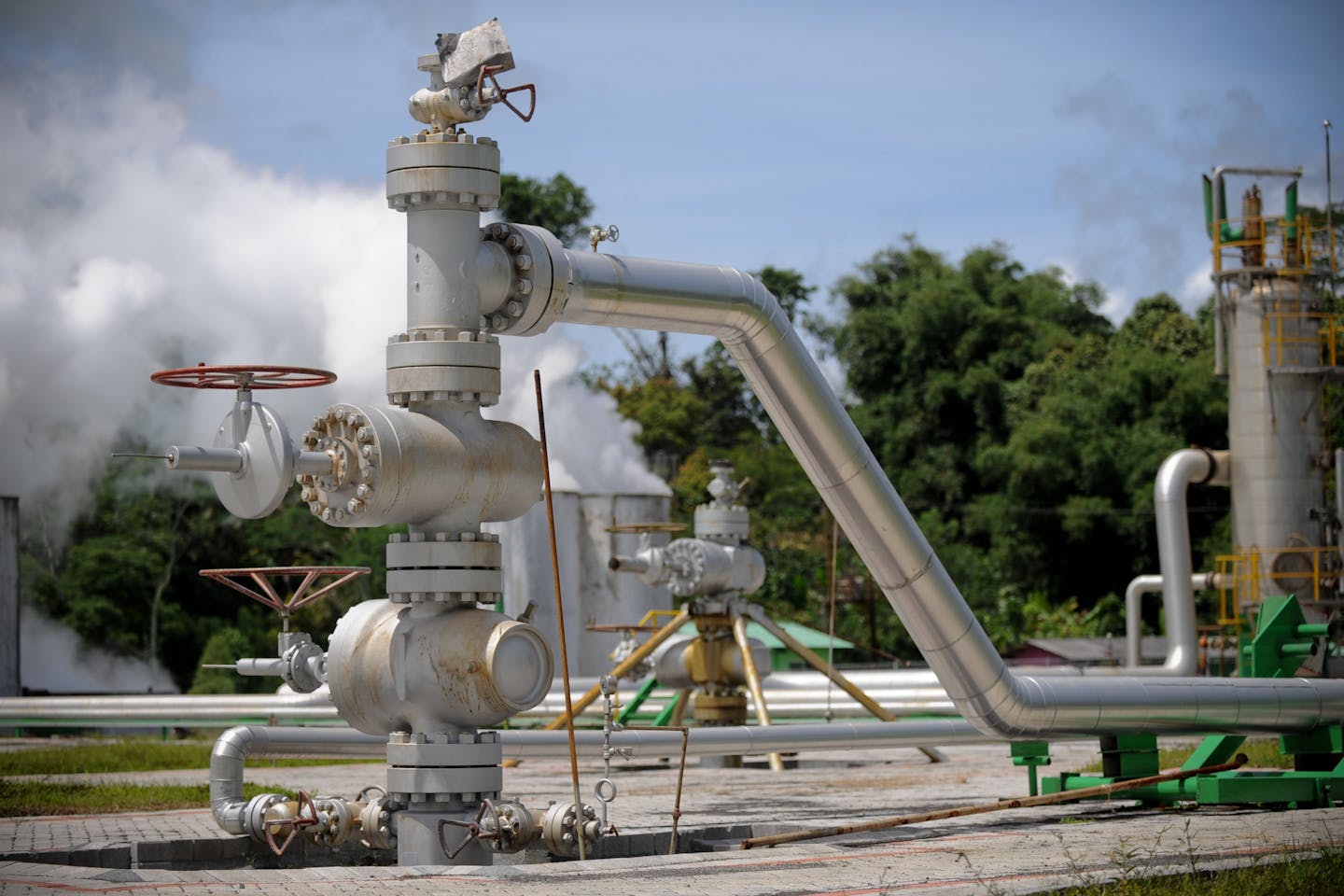
China is poised to become Indonesia’s key financing partner in its clean energy transition following the US exit from the Just Energy Transition Partnerships. Indonesia aims to have renewables constitute 35% of its energy mix by 2034, with significant green deals with China totaling $22.6 billion in the past two years. However, experts note China’s domestic challenges and reluctance to be seen as a developed country limit its financial commitments. Despite decreasing public financing overseas since 2016, China remains a dominant investor in Southeast Asia’s renewable sector, particularly through private investments.
Indonesia | Financial services
Is Chinese finance enough to feed Indonesia’s clean energy push?

Southeast Asian countries are rapidly advancing renewable energy projects to meet 2030 clean power targets, with measures like fast-tracked permitting in the Philippines aimed at expediting approvals. However, these efforts face significant local opposition due to environmental concerns and land competition. Experts emphasize the need for robust spatial planning and public consultation to mitigate ecological impacts. A multi-use land approach and the implementation of a mitigation hierarchy are crucial to balance renewable energy development with biodiversity protection, especially given the scale and intensity of such projects in ecologically sensitive areas.
Financial services
'Not a given that renewables will be harmless': How poor siting could slow Southeast Asia's energy transition

British companies are exploring investment opportunities in China as the government seeks to enhance trade relations. However, historical contexts, geopolitical tensions, and rising Chinese consumer nationalism may hinder these efforts. While the UK acknowledges China's significant economic potential, it simultaneously recognizes national security concerns linked to Chinese influence. Additionally, U.S. opposition to Chinese investments adds complexity to the situation. The UK must navigate these challenges carefully to foster a productive economic relationship with China.
United Kingdom
Britain’s Chinese “Eldorado” on the Yangtse?
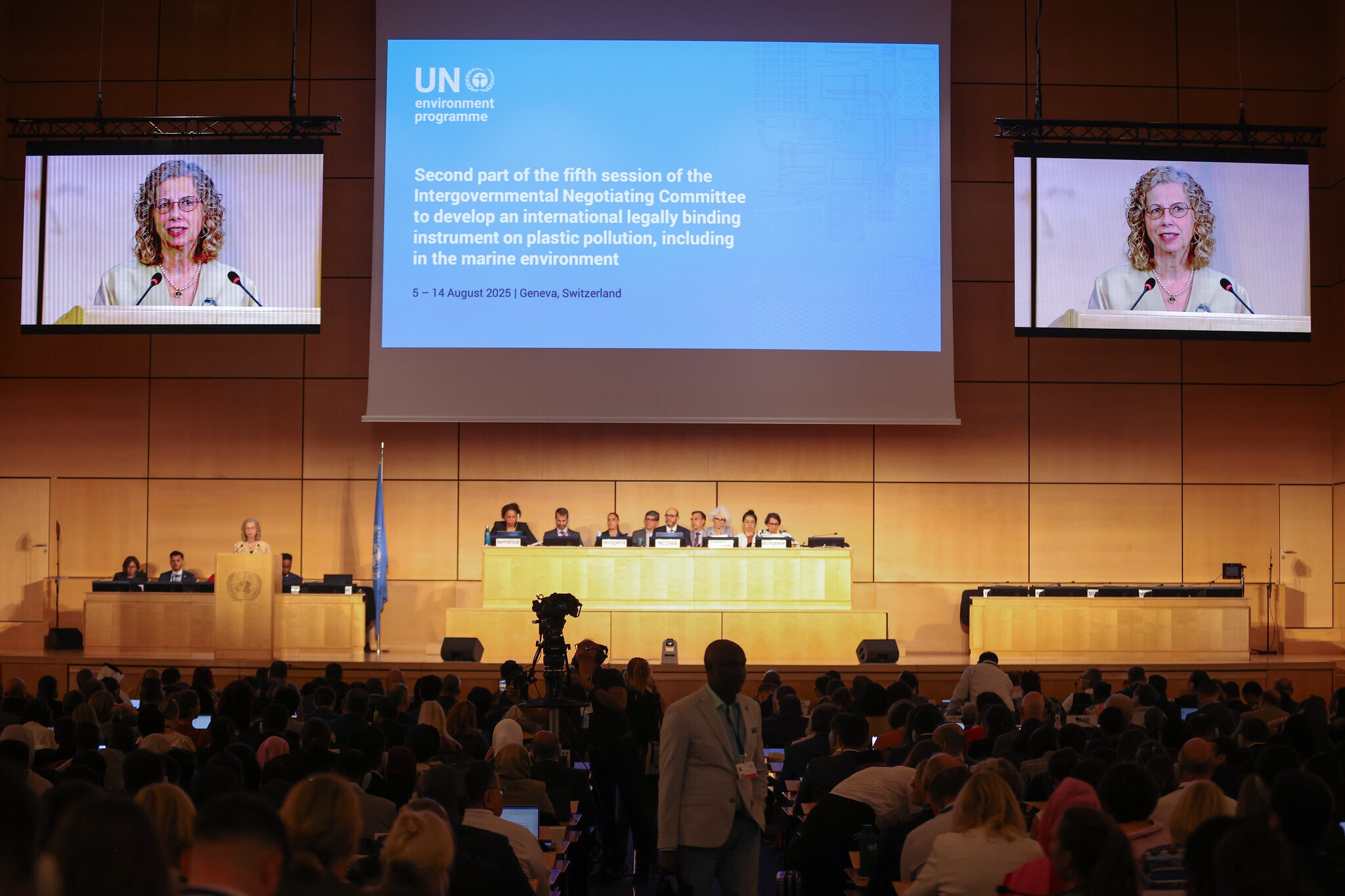
Global negotiations to establish a treaty aimed at reducing plastic pollution have collapsed after ten days without consensus on key issues, such as production caps versus waste management strategies. Despite the setback, INC Chair Luis Vayas Valdivieso remains optimistic about future talks. Concurrently, research suggests that biochar derived from human waste could address global fertilizer shortages by supplying up to 7% of the necessary phosphorus and significantly reducing waste volume. Additionally, severe flooding in Pakistan has resulted in over 300 deaths, while Alaska has successfully mitigated flooding risks with temporary barriers.
Global plastics treaty talks collapse, and other nature and climate news
Over 17,300 shops in the UK are expected to close this year, risking 200,000 jobs as rising taxes and operating costs hit retailers hard. The decline in retail has led to 15% of shops remaining empty, with some cities experiencing more closures than openings. To revitalize city centres, a shift towards an "experience economy" focusing on leisure and mixed-use developments is essential. Cities like Cardiff and Coventry are already redeveloping spaces for housing, offices, and green areas. A collective vision for change is critical to adapt high streets to evolving consumer behaviors.
Financial services
With over 17,000 shops in the UK expected to close this year, city centres must move on from retail

Remittance inflows to Africa have increased from approximately US$53 billion in 2010 to around US$95 billion in 2024, now constituting 5.1% of the continent’s GDP. They surpass both official development assistance (ODA) and foreign direct investment (FDI) in recent years, playing a crucial role in household livelihoods, particularly in low- and middle-income countries. Major remittance-receiving countries include Egypt, Nigeria, and Morocco. The potential of remittances remains underutilized due to high transfer costs and reliance on informal channels. Key strategies to enhance their impact include reducing transfer costs, formalizing remittance channels, and integrating them into national financial systems.
Africa, Latin America | Financial services
Rethinking remittances: the overlooked billions sustaining African households

A well-being economy prioritizes quality of life, ecological health, and inclusive prosperity, challenging traditional GDP-focused metrics. It emphasizes human and planetary well-being in economic decisions, aiming for holistic measures of progress. New Zealand's adoption of well-being budgets and a Living Standards Framework serves as a pioneering example. Despite increasing global interest, obstacles such as economic inertia, measurement complexities, and short-termism persist. Transformational pathways include redefining leadership as stewardship, leveraging Asia's cultural values for sustainable practices, and fostering cross-sector collaboration to implement a well-being economy effectively.
Financial services, Health
How to build a well-being economy for people and planet

Immigration has prompted a new form of labour market protectionism in Europe, as evidenced by legislative changes in Austria, Germany, Ireland, and the UK. Over recent decades, these countries have implemented measures to restrict labour market competition from immigrant workers, such as labour market tests, minimum salary requirements, and waiting periods for asylum seekers. These policies reflect a balancing act by governments between economic growth and reducing migrant exploitation. Notably, even highly skilled migrants are subjected to these restrictions, indicating a significant convergence towards protectionist policies across diverse European economies.
Latin America
Has immigration led to a new form of labour market protectionism in Europe?
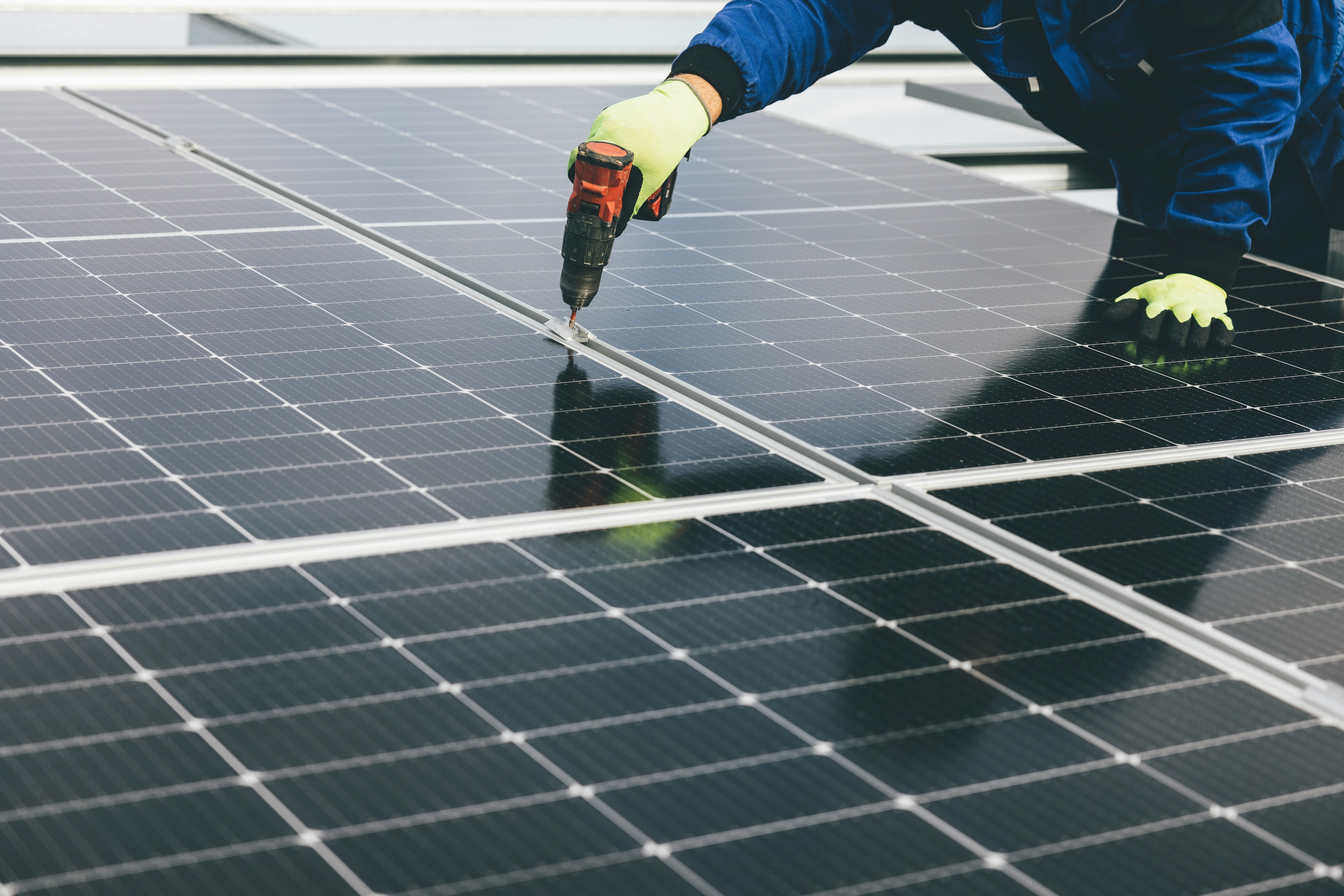
Pakistan is undergoing an energy revolution, with increasing adoption of solar-plus-battery systems by households and businesses, driven by the need for affordable and reliable electricity. The transition away from imported fuels is reducing costs and enhancing energy sovereignty. However, challenges persist, particularly regarding equitable access to energy and the sustainability of the national grid. To address these issues, Pakistan needs financing mechanisms to support underserved users and grid upgrades. Lessons from Pakistan's experience can inform other emerging economies facing similar energy challenges.
Pakistan | Financial services
How Pakistan’s energy revolution can power affordable, reliable electricity for all
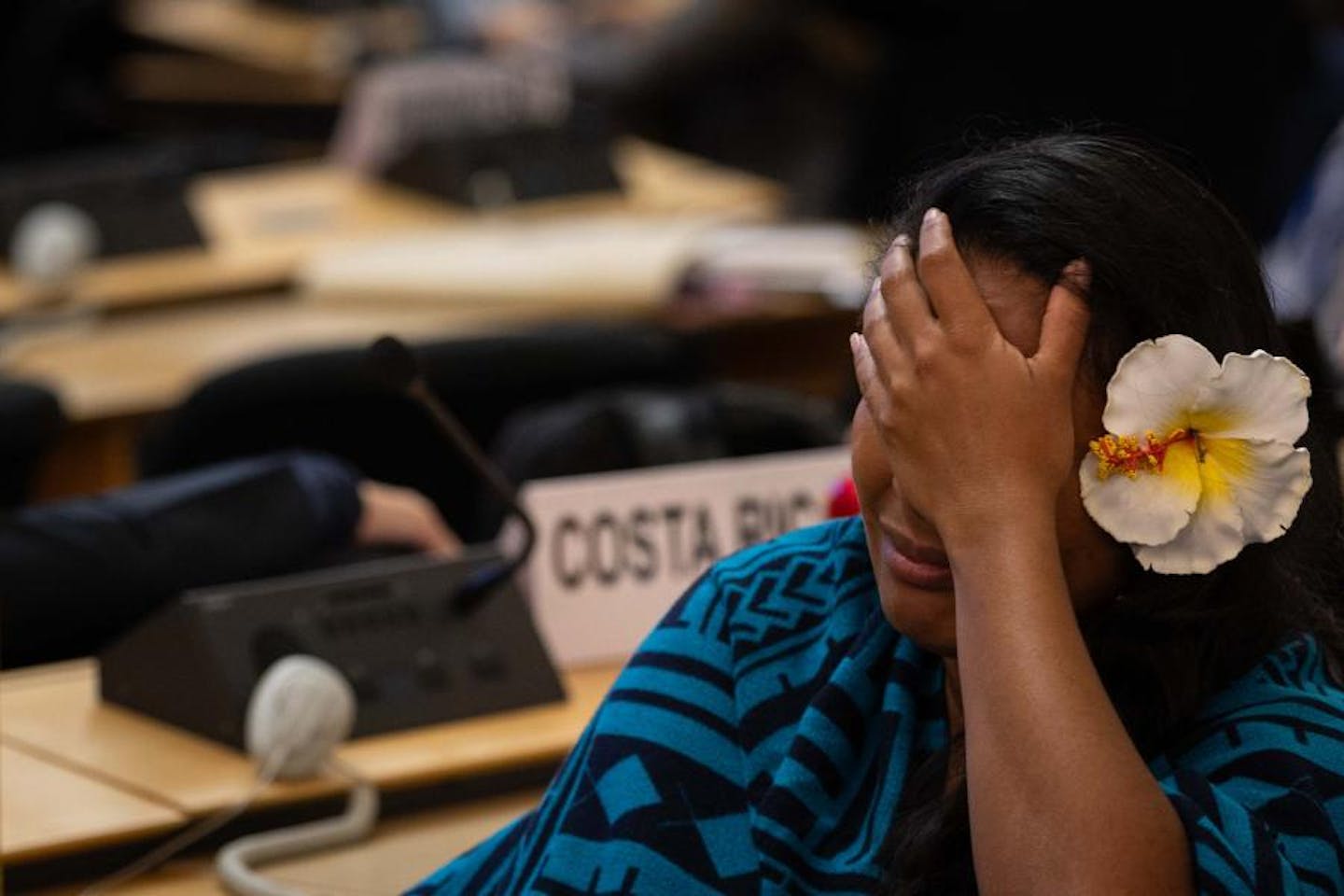
Negotiations for a global treaty to combat plastic pollution have stalled after almost three years of talks concluded without a pact in Geneva. Approximately $40 million has been spent on these negotiations, but no clear plans for future sessions or funding have emerged. A divide remains between high ambition countries pushing for production caps and a "like-minded group" focused on waste management. Major funders include Norway and Germany, while the U.S. has shifted its support. Concerns exist that without a meaningful agreement, efforts may benefit polluters rather than effectively address the plastic crisis.
Plastic treaty talks in limbo: Who will finance the next round of negotiations?
COP30, hosted by Brazil from November 10-21 in Belém, the Amazon, emphasizes the importance of nature, Indigenous peoples, and the Global South in climate diplomacy. A key target is to increase annual climate finance to $300 billion from developed to developing countries by 2035. The agenda includes the links between climate change mitigation, biodiversity, and the energy transition, alongside advancing national climate plans. COP30 aims to prioritize adaptation for developing countries, protect nature, and accelerate implementation of climate agreements, despite challenges related to fossil fuel dependency and finance commitments.
Brazil
COP30 CEO: ‘We need a better strategy to transition away from fossil fuels’

EU member states are debating defense spending, emphasizing the need for clearer security priorities. Agreement on shared objectives is crucial for improving defense capabilities, supporting Ukraine, and creating a unified market for armaments. The strategic urgency has increased following Russia's invasion of Ukraine and shifts in US policy, prompting EU leaders to enhance military spending and cooperation by 2025. Key initiatives include the European Defence Industry through Joint Procurement, aimed at boosting production capacities, and improvements in military mobility and logistics. A comprehensive industrial strategy for the defense sector has also been proposed to transform Europe's defense industry.
Strengthening Europe’s Defence Capabilities through Clear Tasks and Objectives
Micro, small, and medium-sized enterprises (MSMEs) are crucial for economic growth in Asia and the Pacific, facing challenges due to global uncertainties. This book explores strategies for MSMEs to achieve sustainable growth and resilience, focusing on digitalization, gender balance, entrepreneurship, innovative financing, and evidence-based policy. It emphasizes the role of governments in supporting MSMEs at all development stages and presents practical approaches to build an effective ecosystem that fosters inclusive growth.
Africa, ASEAN | Financial services
Strengthening the Ecosystem of Vibrant MSMEs for Resilient Growth in Asia and the Pacific

The United States has relaxed rules on semiconductor sales to China, allowing companies like Nvidia to sell certain AI processors that were previously banned. This shift is significant in the context of US-China tech competition and could influence the global tech landscape. Experts suggest that while US companies may see short-term gains, advanced manufacturing will remain concentrated in places like Taiwan and South Korea. Policymakers are urged to balance national security with commercial viability, as overly broad restrictions could hurt US firms more than intended. China is expected to continue investing in self-sufficiency regardless of the new sales permissions. The evolving competition might accelerate innovation in technologies like AI, but could also divide the global tech ecosystem.
Taiwan, China | Financial services, Health, Education, ICT
US policy pivot on chip sales in China. What does it mean for global tech?

Direct green power connections (DGPCs) provide exporters an effective means to comply with carbon border adjustment rules by ensuring traceable, clean energy use. As carbon pricing and border adjustment policies increase, businesses must demonstrate real-time energy sourcing, especially in energy-intensive industries like metals and chemicals. DGPCs allow for a direct renewable energy supply, facilitating compliance with EU regulations and enabling a competitive edge. While global interest in DGPCs grows, challenges such as technical reliability and system unpredictability remain. Developing new business models and infrastructure innovations is crucial to overcome these hurdles and capture the benefits of decarbonization.
Financial services, Education
Direct green power connections: How to navigate new carbon rules