
An AI was used to impersonate an Oxford lecturer on media and AI, creating a personalized master's course based on the lecturer's own works. The AI, set up via ChatGPT on the Nebula One platform, delivered a structured, interactive, and intellectually challenging curriculum, enhancing the lecturer’s existing knowledge while introducing new concepts. This experience highlighted the potential of AI in education, suggesting that personalized AI-driven learning could motivate students and improve educational outcomes, as supported by emerging research. The lecturer emphasized the importance of making personal works accessible to AI for future discoverability.
Education
I got an AI to impersonate me and teach me my own course – here’s what I learned about the future of education

Europe and Africa can unlock significant tech opportunities by collaborating on digital infrastructure, green industries, and tech talent development. Africa's youthful, innovative population and rich resource reserves, including critical minerals, position it as a vital partner for Europe’s digital future. Initiatives like EuroStack aim to create a cohesive digital ecosystem while promoting open standards and cooperation. By establishing joint ventures in AI, renewable energy, and advanced manufacturing, Europe can enhance its resilience and innovation capacity. This partnership must focus on mutual respect and shared benefits, moving beyond outdated models of extraction and aid.
Egypt, Ghana, Namibia, Senegal, South Africa, Tanzania, United Kingdom | Financial services, Health, Education, ICT
How Europe and Africa can unlock tech opportunities through stronger collaboration

Climate policy should prioritize wealthy polluters, as the richest 1% contributed about 16% of global CO₂ emissions in 2019, more than the bottom 50% combined. Eliminating fossil fuel subsidies, primarily benefiting the wealthy, could significantly reduce emissions without harming lower-income households. Progressive climate measures, such as carbon pricing and targeted taxes on high-consumption behaviors (like luxury vehicles and frequent flying), are crucial. Eliminating energy subsidies for excessive usage by affluent households could particularly mitigate emissions and save billions in fiscal spending globally. Overall, targeting wealthier individuals can foster more equitable climate action.
Financial services
When it comes to climate action, let's pick the low-hanging fruit of wealthy polluters first

Côte d’Ivoire is reforming its technical and vocational education and training (TVET) system to address challenges like obsolete curricula and low enrollment (6% of secondary youth), particularly among girls (18%). Key interventions include the Talent Academy, aiming to triple enrollment by 2030, and the Second Chance School, targeting out-of-school youth. A 2022 orientation law enhances governance and coordination. Concerns about the systemic exclusion of youth with disabilities were raised, urging for inclusive policies. Meanwhile, Ghana's National Apprenticeship Program exemplifies successful cross-ministry collaboration, emphasizing on-the-job training in its revamped approach to skills development.
Africa | Education
Reforming Technical and Vocational Education in Cote d’Ivoire, Reimagining Opportunities for the Youth

Scientists are increasingly recognizing the urgency of climate action amidst escalating environmental crises. Despite years of warnings, scientific knowledge alone has not spurred sufficient societal response. Many scientists are actively participating in social movements and protests, such as opposing new oil fields in the UK. They are exploring various ways to engage in activism regardless of their position or expertise. Communicating climate issues effectively, collaborating with policymakers, and supporting grassroots movements enhance credibility and influence. Collective action and advocacy within scientific institutions are essential for driving cultural and policy change for a sustainable future.
How scientists can contribute to social movements and climate action
The IBSA+Indonesia platform, comprising India, Brazil, South Africa, and Indonesia, aims to establish a Global South-led coalition for climate and energy leadership. This inclusive alliance seeks to reshape global energy transition and enhance climate cooperation amid multilateralism challenges. Representing about 2.5 billion people and over $7 trillion in GDP, the coalition leverages each country’s unique strengths in renewable energy, critical minerals, and innovative climate strategies. By fostering equitable collaboration and tailored solutions, IBSA+Indonesia aspires to address the distinct needs of Global South nations, promote shared leadership, and create resilient clean technology supply chains.
Indonesia
'IBSA+Indonesia' can be a new Global South-led force in climate and energy leadership

Rural communities in China, particularly in Xinshou, Yunnan, are adapting to climate change impacts such as water scarcity and extreme heat. With support from NGOs like Zhaotong Yongqing, villagers have formed committees to manage water resources, reducing conflicts over usage. Workshops educated residents on climate risks, fostering a collaborative spirit to address challenges. Additionally, organizations are shifting focus to include climate adaptation strategies, such as improving agricultural practices and community resilience. The collective understanding of climate issues has strengthened community ties and promoted proactive solutions.
China’s rural communities are adapting to climate change

NBS's July 2025 compilation highlights recent in-press business sustainability research from top journals, focusing on innovative studies such as the impact of immersive virtual work environments on pro-environmental behavior, labor law spillovers, and social strategies for autistic workers. Additional articles explore the intersections of corporate responsibility with the digital economy, along with diverse topics like eldercare policies, DEI strategies, and the effects of gender diversity on innovation. The compilation serves as a resource for cutting-edge sustainability knowledge in business contexts.
Indonesia, United Kingdom | Health
Table of Contents: July 2025
Strong fiscal rules, independent oversight, and coordinated policymaking are essential to protect monetary policy credibility and ensure economic stability in Asia and the Pacific. High public debt, exacerbated by fiscal stimulus during crises like the COVID-19 pandemic, pressures central banks to maintain low interest rates, often compromising their inflation-control mandates. Research indicates that countries with weak institutional frameworks are more susceptible to fiscal dominance, prompting central banks to alter policy rates in response to fiscal deficits. Effective debt-focused fiscal rules can mitigate this risk, preserving central bank independence and macroeconomic stability, while also addressing the challenges posed by high foreign-currency debt.
Financial services
Debt Rules and Strong Institutions Can Safeguard Monetary Policy
Iran's rich natural heritage, encompassing diverse ecosystems and numerous species, faces severe threats, including a biodiversity crisis highlighted by declining populations of iconic species like the Asiatic cheetah and Persian onager. Key challenges stem from an escalating water crisis driven by unsustainable agricultural practices, where over 90% of water is allocated to water-intensive crops in arid regions. Poor governance and legal barriers hinder effective conservation efforts. Experts advocate for comprehensive reforms, including modern irrigation and participatory governance, to enhance environmental stewardship and protect Iran's ecosystems.
Iran’s nature is under threat – here’s how better environmental stewardship can save it
A survey reveals that fewer than 60% of young Europeans view democracy positively, with one in five supporting authoritarianism under certain conditions. Trust in democratic institutions is eroding, particularly among younger people who feel disillusioned by persistent inequality and economic insecurity. Many no longer see democracy as ensuring upward mobility or dignity. To restore faith, democracy must provide tangible outcomes such as affordable housing and decent work, with inclusive social protection systems that prioritize younger generations' needs. Young people are not rejecting democracy itself but the ineffective version they currently experience.
Africa
Young Europeans are losing faith in democracy – here’s how to earn it back
The recent UN negotiations for a global plastics treaty ended without an agreement, maintaining existing deep divisions among countries. Key issues included ineffective drafts that did not incorporate crucial controls on plastic production or financing, alongside entrenched positions from lower-ambition states resistant to compromise. The reliance on consensus, instead of moving to votes when necessary, exacerbated the stalemate. Moving forward, high-ambition countries must build broader alliances and develop essential mechanisms outside formal talks. The urgency to address the escalating plastics crisis remains, emphasizing the need for decisive action in future negotiations.
Three reasons plastic pollution treaty talks ended in disagreement and deadlock (but not collapse)
Scientific fraud has evolved into a systematic industry, with paper mills producing formulaic research, predatory journals bypassing quality controls, and brokerages offering guaranteed publication for a fee. Researchers face immense pressure to publish due to dwindling funding, leading some to exploit these fraudulent services. The rise of generative AI has accelerated the issue, generating hastily produced papers that complicate the peer review process, which struggles to keep up with increasing submissions. This situation leads to a notable rise in batch retractions, reflecting an alarming trend undermining the integrity of scientific research. Addressing these systemic vulnerabilities is essential to protect legitimate scientific progress.
How bad science is becoming big business
Russia’s invasion of Ukraine is influenced by fundamental structures of patrimonial imperialism rather than solely NATO expansion or Vladimir Putin’s ambitions. This framework reveals that Russia’s internal state-society relations shape its imperial behavior, perpetuating a state structure that transcends regime changes. Unlike traditional imperialism, which seeks to expand externally, patrimonial imperialism maintains control over neighboring nations without formal annexation. Understanding this underlying cause is crucial for formulating effective policies and recognizing the persistent nature of such imperial structures in Russia and other countries.
Why the Russia-Ukraine war isn’t just about NATO and Putin
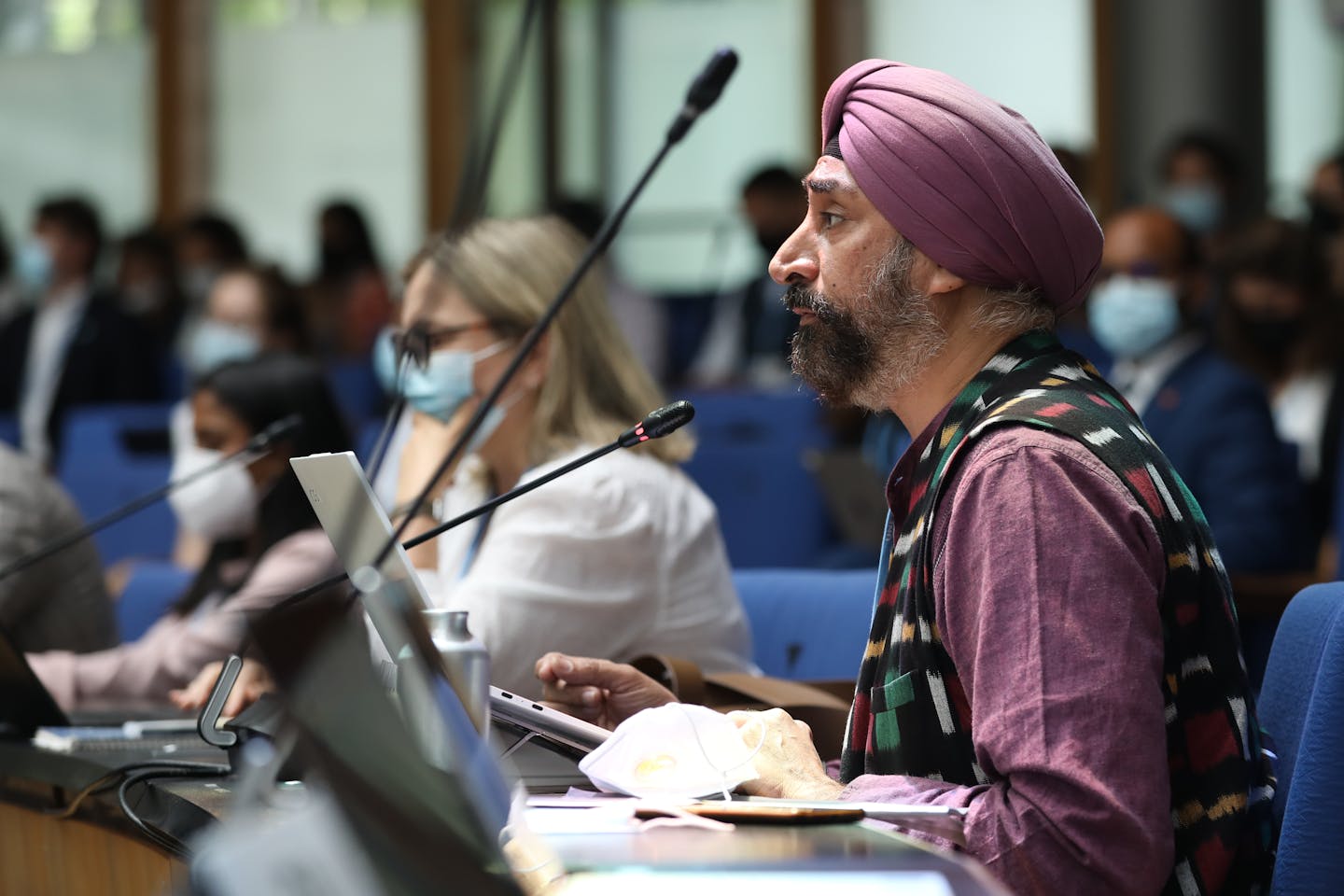
Growing discontent surrounds the UN climate process as critics argue it fails to accelerate emissions cuts, address fossil fuel reliance, and adequately support developing nations. Calls for reform have been acknowledged by the Brazilian COP30 presidency, urging reflection on the process's future. Experts emphasize the need for evolution rather than revolution, highlighting the successes of the Paris Agreement while acknowledging deficiencies in political commitments. Recommendations include enhancing trust among parties, managing negotiation workloads, and contextualizing discussions within a broader climate action framework.
Financial services, Health
COP experts: How could the UN climate talks be reformed?
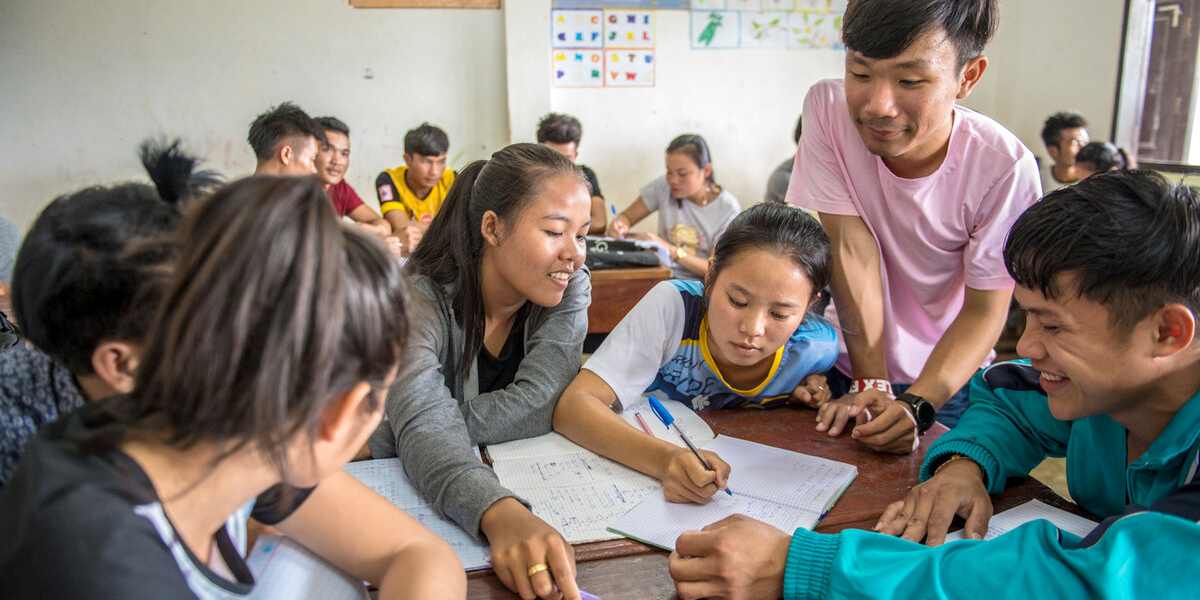
The Asia and Pacific region faces significant water resilience challenges, exacerbated by climate change and resource scarcity, impacting vulnerable communities. Youth, constituting over 60% of the population aged 15-24, are essential in driving innovative solutions. The Asian Development Bank (ADB) emphasizes the necessity of meaningful youth engagement as outlined in its Strategy 2030, integrating youth as co-creators in decision-making processes. The ADB Water and Urban Forum 2025 highlighted youth contributions, showcasing insights in the Asian Water Development Outlook and guiding the Water and Youth Action Agenda. Engaging youth effectively leads to more sustainable and impactful water initiatives.
Africa | Health, Education
A New Model for Knowledge Events: Meaningful Youth Engagement Catalyzing Water Resilience
Digitalization enhances entrepreneurial opportunities for both female and male entrepreneurs. It generally widens the gender gap in economies with dominant male entrepreneurship but has minimal effect where female entrepreneurship is prevalent. Competitive environments significantly impact female entrepreneurial potential, indicating a necessity for targeted policies to foster gender-balanced growth in entrepreneurship.
Digitalization in Shaping Female and Male Entrepreneurial Potential
Building financial resilience for households in Asia and the Pacific is essential for sustained prosperity. This necessitates a shift from a focus solely on poverty eradication to addressing lifecycle risks, such as mortality, illness, disability, and old-age insecurity. Currently, only a small percentage of the population benefits from pensions, particularly in the informal sector, leading to significant financial vulnerabilities. By 2030, the mortality protection gap is expected to reach $119 trillion, affecting millions of families. Closing these gaps requires integrating lifecycle risk protection into national strategies alongside disaster risk management, emphasizing the development of pension and insurance markets.
Africa | Health, Education, Financial services
Household Financial Stability Should Underpin Asia’s Path to Prosperity

Humans are increasingly forming emotional attachments to generative AI applications, leading to significant profits for tech companies while posing risks to user well-being. The attachment economy, characterized by personalized interactions, encourages deeper reliance on AI, potentially resulting in addiction and negative mental health outcomes. This shift from an attention-based revenue model to one that capitalizes on emotional bonds could have far-reaching consequences, including manipulation and isolation from real human connections. Regulation and thoughtful design are essential to mitigate these threats as the technology evolves.
Humans emotionally dependent on AI? Welcome to the attachment economy

GCC nations are becoming increasingly attractive to private wealth due to favorable regulatory environments, cost-effective taxation, and a high quality of life. The region offers agile regulations, zero personal income tax, and competitive corporate tax rates to appeal to family offices. Bahrain has introduced licenses for managing a variety of assets and is recognized for its cost efficiency. The UAE and Saudi Arabia are also enhancing their frameworks to attract wealthy individuals. These developments position the GCC as a new global hub for high-net-worth individuals and family wealth management.
Bahrain, Jordan, Kuwait, Oman, Qatar, Saudi Arabia, United Arab Emirates, United Kingdom | Financial services
Bahrain investment head: Private wealth is coming to the Gulf. Here’s why