
Antimicrobial resistance (AMR) poses a significant global health threat, potentially leading to 39 million deaths between 2025 and 2050. Young people, comprising over half the world's population, are vital in combating AMR due to their digital skills and connectivity. They are recognized as frontline leaders, engaging in awareness campaigns and innovative projects, such as app development for antibiotic adherence. Initiatives like the AMR Toolkit for Youth Engagement and educational policy briefs aim to incorporate AMR into school curricula and empower youth advocacy. Combining digital tools with traditional methods enhances the impact of awareness efforts, highlighting the crucial role of youth in addressing AMR.
Africa | Education, Health
Empowering the youth frontline in the fight against antimicrobial resistance
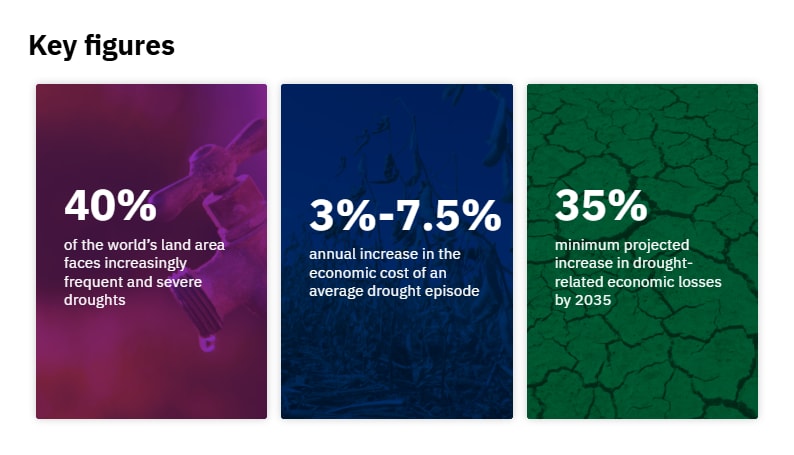
Drought is an escalating global threat with severe impacts on food security, ecosystems, and human health. The area affected by dry conditions has doubled since 1900, with extreme droughts notably affecting regions like the Horn of Africa, where millions face severe hunger and displacement. Climate change and human activities exacerbate water scarcity, leading to increased mortality rates and economic losses by 2050. Droughts threaten healthcare systems, strain societal cohesion, and impact mental health. Additionally, they disrupt ecosystems, altering soil and forest dynamics, with long-lasting effects even after rain resumes. Urgent global cooperation is needed to address this crisis.
Africa | Financial services, Health
Drought: What you need to know about this growing global risk

Public support for climate policies is often misrepresented due to vocal opposition, leading to misunderstandings among policymakers about actual sentiments. Research indicates strong backing for "pull" measures, such as subsidies for low-carbon initiatives, while "push" measures, like taxes, face resistance, especially concerning dietary restrictions. Effective policies are perceived as fair and capable of reducing emissions, which significantly influences public acceptance. Misconceptions about widespread opposition can stifle discussion, highlighting the need for clear communication of support for climate actions and designing measures that account for fairness and equity.
Why some climate policies are more popular than others – a psychologist explains
Restoring scientific collaboration between American and Russian Arctic scientists is crucial for addressing permafrost thaw, which poses significant global environmental risks. The interruption of such cooperation, exacerbated by geopolitical tensions from Russia's invasion of Ukraine, threatens biodiversity, climate stability, and infrastructure across the Arctic. Permafrost, covering 24% of the northern hemisphere, is thawing rapidly, releasing greenhouse gases and potentially reviving dormant pathogens. Urgent action is needed, and a renewed commitment to science diplomacy could provide a win-win solution for Arctic states and the world, independent of broader sanctions related to the conflict.
Trump's Easiest Deliverable in Alaska - a Win-Win for the World on Permafrost
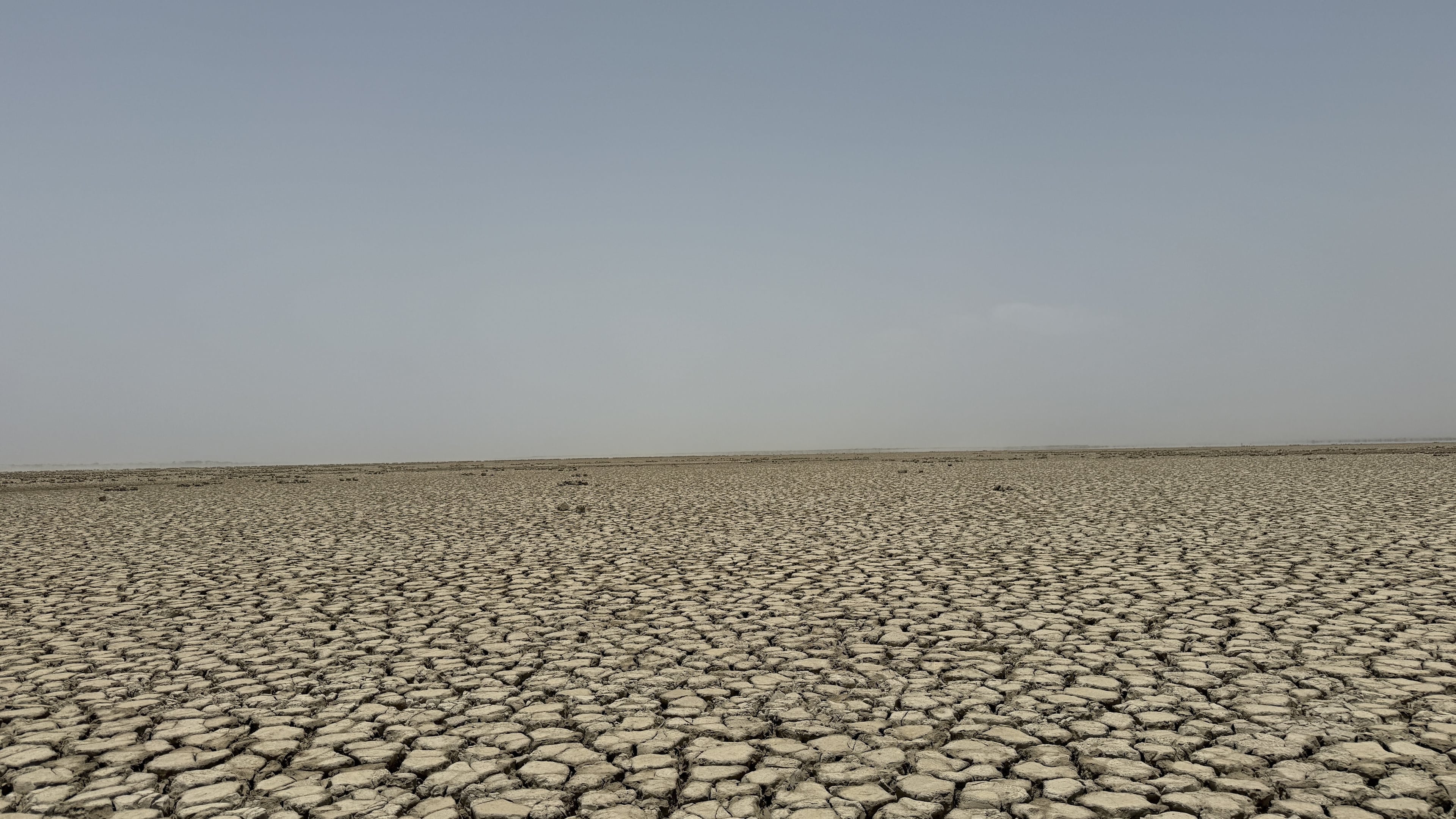
South Asia faces severe water shortages, notably in Pakistan, which suffers from significant climate vulnerabilities. The crisis exacerbates migration, vegetation loss, and livelihood challenges. To address these issues, three low-cost solutions are proposed: 

1. Building percolation pits to enhance rainwater absorption and groundwater replenishment.
2. Accelerating groundwater recharge through the use of recharge wells, which effectively conserve water and reduce flooding.
3. Planting native trees to improve soil permeability, facilitate rainwater infiltration, and combat soil runoff. 

These community-driven approaches are scalable and urgently needed to mitigate the impacts of climate change on water resources.
Africa
3 simple, low‑cost ways to ease South Asia’s water shortage
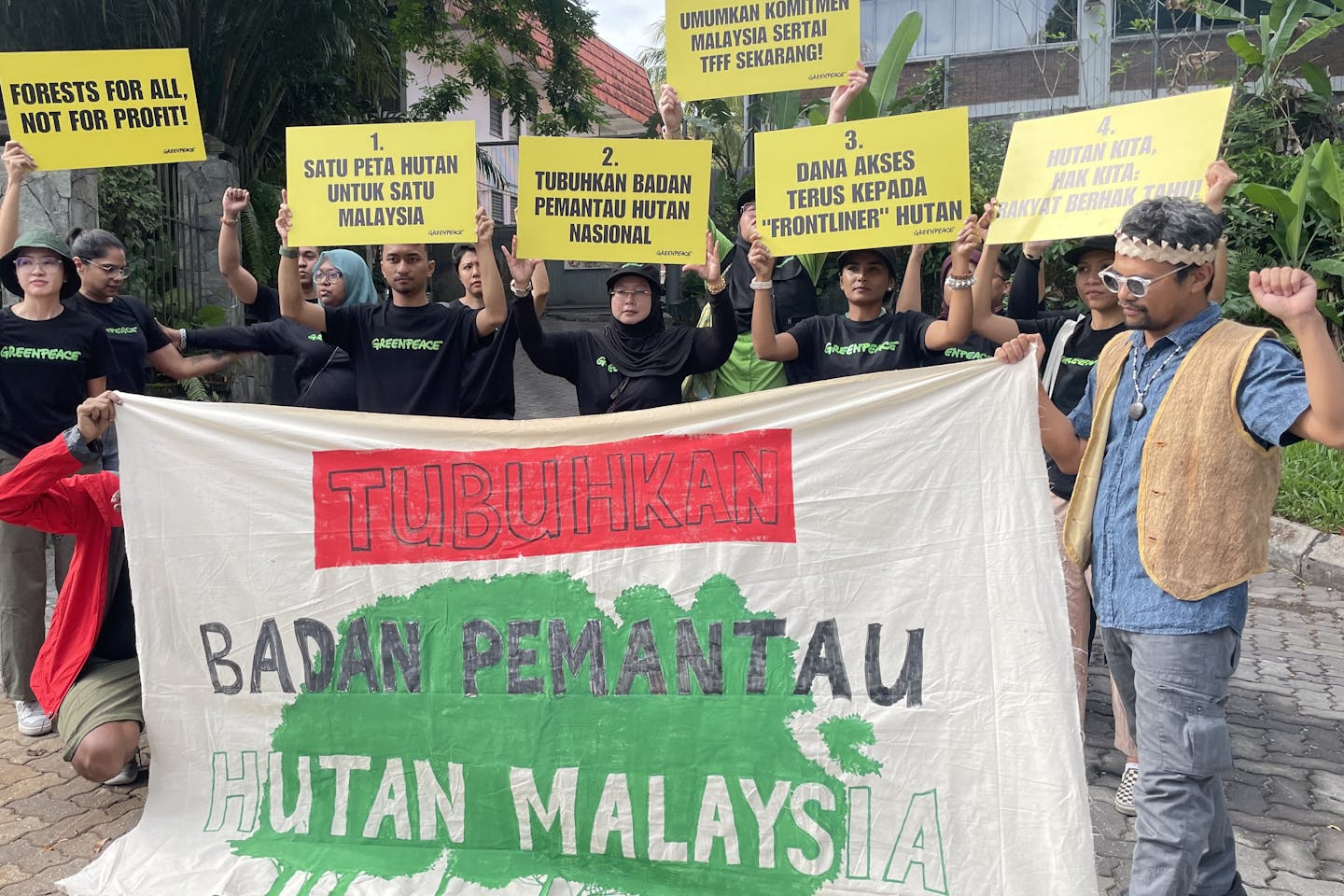
The 13th Malaysia Plan (13MP) outlines measures for decarbonization and green economy initiatives, including a pilot carbon capture project in the iron and steel industry. However, environmental groups criticize the plan for lacking concrete policies and financing mechanisms to protect forests and biodiversity. Key initiatives include facilitating carbon trading, improving access to green financing, and boosting renewable energy utilization. Critics emphasize the need for a comprehensive sustainability assessment and concern over projects like large data centers and nuclear power, which may undermine environmental goals. Targets include reducing greenhouse gas emissions intensity and increasing protected forest areas by 2030.
Malaysia
More forest protection and financing needed in 13th Malaysia Plan, say environmental groups

The WHO's One Health framework integrates human, animal, and environmental health but faces challenges in policy delivery due to fragmentation. Implementing mission-oriented policymaking, as proposed by economist Mariana Mazzucato, could unify these diverse domains under a shared Grand Challenge to prevent zoonotic pandemics and health crises. This approach would facilitate coordinated missions, like developing integrated early-warning systems and transitioning agricultural practices towards ecological sustainability. Such cross-sectoral collaboration can enhance resilience and effectiveness in addressing interlinked health and ecological challenges.
Africa | Education, Health
How the World Health Organization’s ‘One Health’ framework can benefit from mission-oriented policy
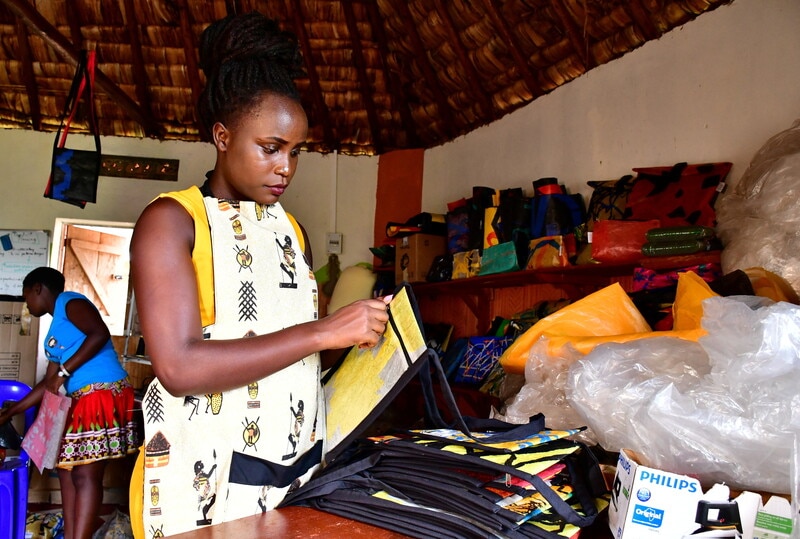
Youth in the Global South are positioned to lead social innovation with the right support systems in place. Individual entrepreneurship is insufficient without access to capital, contextual education, and community infrastructure. A mindset shift is essential, viewing youth as architects of innovation rather than passive beneficiaries. They face various barriers, including unemployment and inadequate educational resources, which require the reimagining of education to foster entrepreneurial thinking. Localized funding models have shown promise in enhancing youth innovation by empowering them with agency. The role of young people should be reframed as designers of systemic change, and support must encompass emotional infrastructure, mentorship, and holistic care.
Africa, Latin America | Financial services, Health, Education
From hustle culture to systems change: how youth in the Global South can lead social innovation
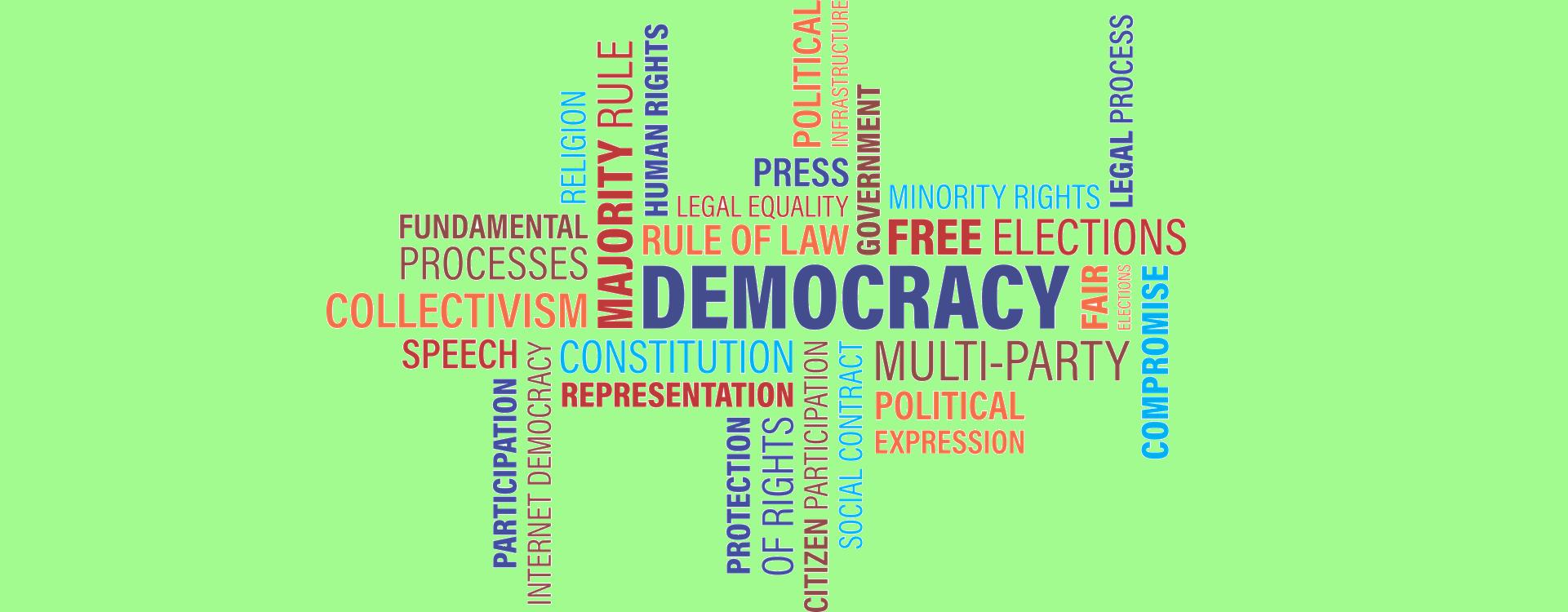
Incumbent African leaders increasingly manipulate legal frameworks to solidify their power and suppress opposition, a phenomenon referred to as 'lawfare.' Tactics include altering presidential term limits, reshuffling judicial appointments, and exploiting legal ambiguities, as seen in countries like Zimbabwe, Zambia, Tanzania, and Togo. This undermines public trust in democratic institutions and creates uneven political competition. For example, Tanzania excluded the opposition party Chadema from elections based on questionable legal interpretations, while Zambia saw inconsistent court rulings benefiting incumbents. Such actions threaten democratic accountability and erode institutional integrity across the continent.
Weaponising the law against democracy in Africa
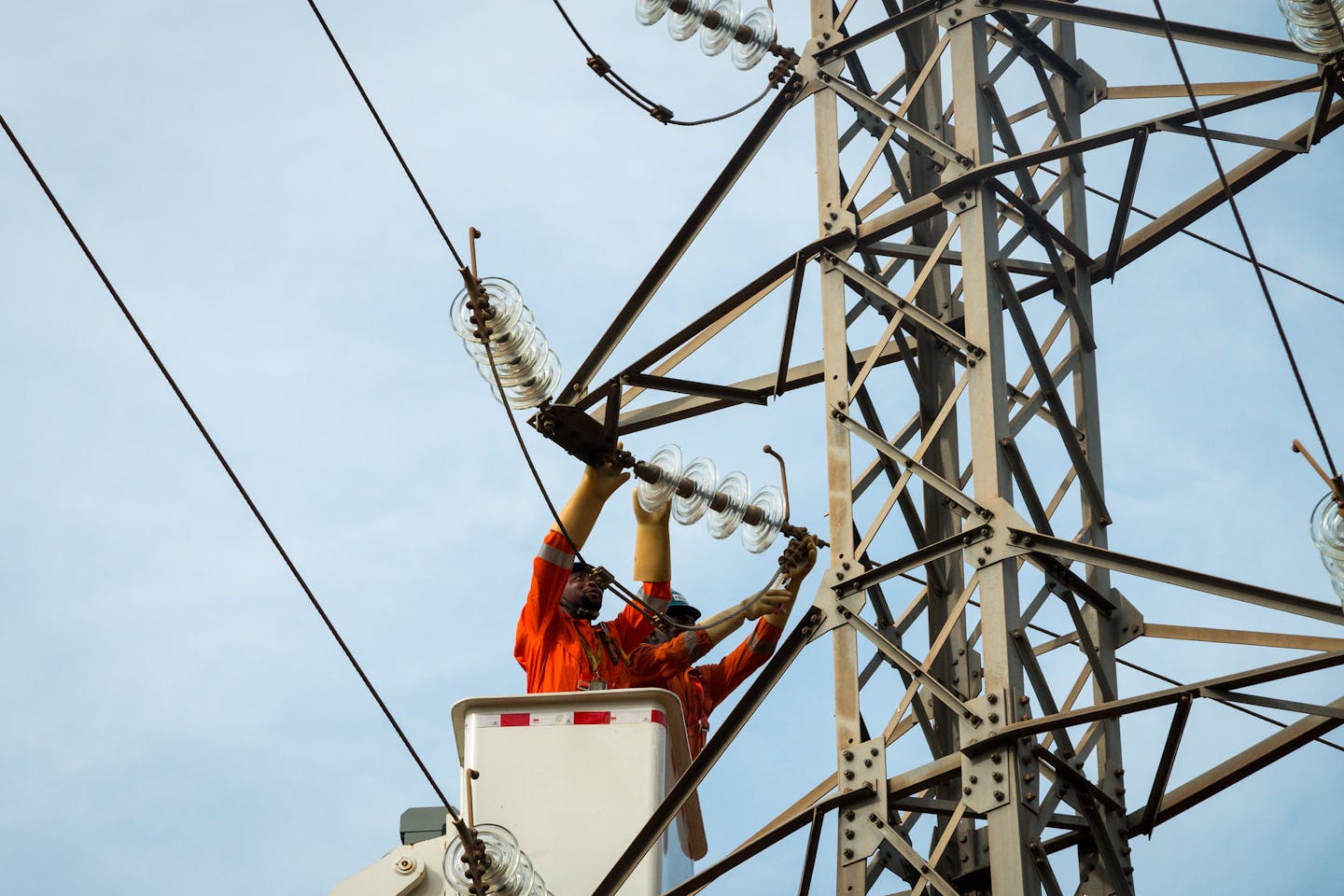
Indonesia is advancing its nuclear energy development plans, aiming for a 250-megawatt plant by 2032 and 45-54 gigawatts by 2060 to reduce emissions. The country seeks a strategic international partner, prioritizing criteria such as compatible technology, safety compliance, and local workforce involvement. China, with established high-temperature gas-cooled reactor (HTGR) technology, a competitive supply chain, and a history of collaboration with Indonesia, is a leading candidate. Indonesia's previous partnerships with Chinese organizations enhance prospects for successful nuclear deployment, particularly in small modular reactors (SMRs).
Could China win ‘beauty contest’ to be Indonesia’s nuclear energy ally?
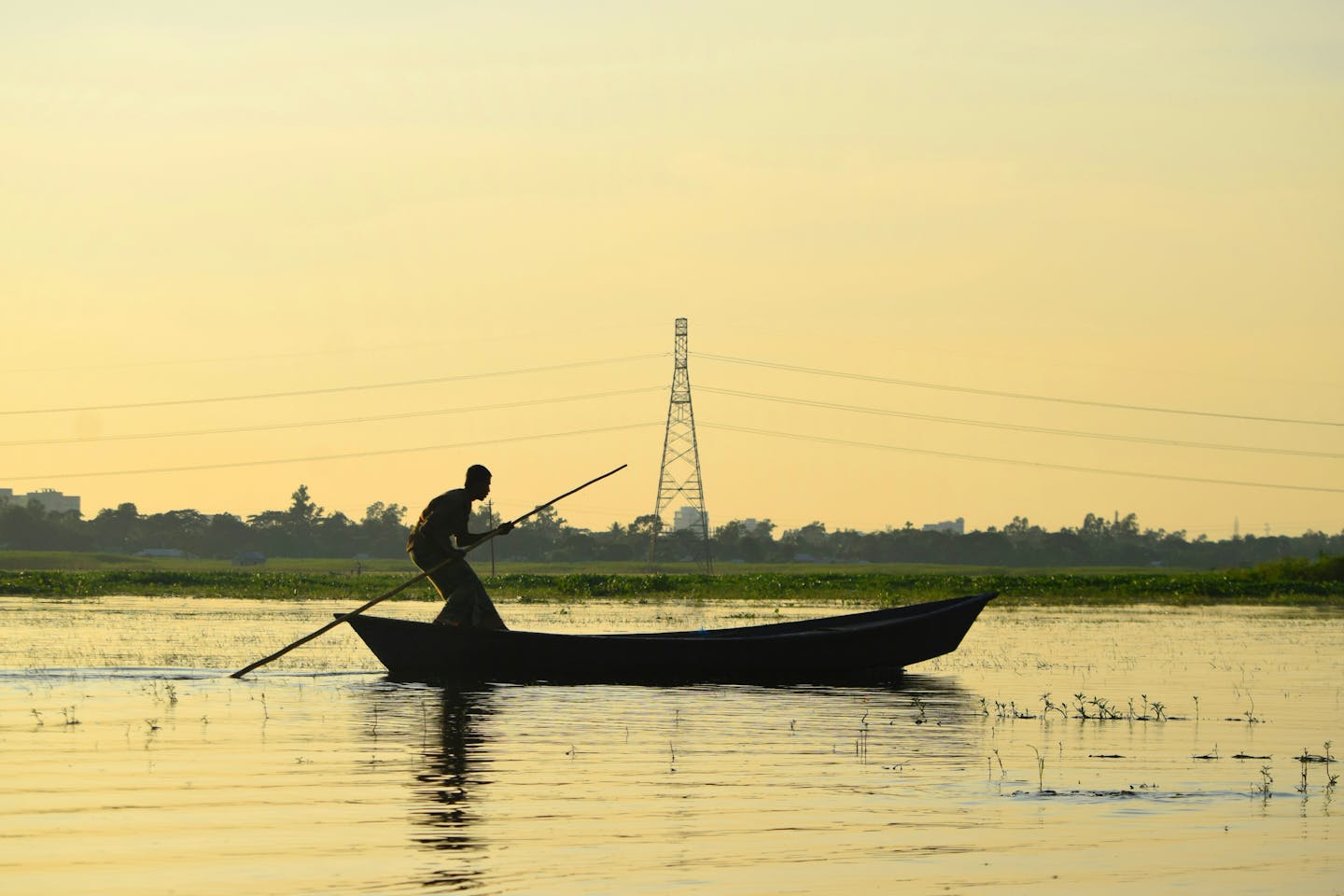
Bangladesh's interim government, following student uprisings, is attempting to reform its energy sector, which is largely fossil fuel-dependent and contributes significantly to emissions. In response to financial pressures and the need for decarbonization, the government aims for renewable energy to make up 20% of power generation by 2030 and 40% by 2040. However, investment in renewables has stalled, worsened by the cancellation of 31 solar projects and ongoing policy unpredictability. Key challenges include land acquisition, financial barriers, and currency devaluation. The upcoming elections may influence future energy policies, with promises from some parties to support renewable initiatives.
Bangladesh, Pakistan
Bangladesh struggles to keep energy transition on track
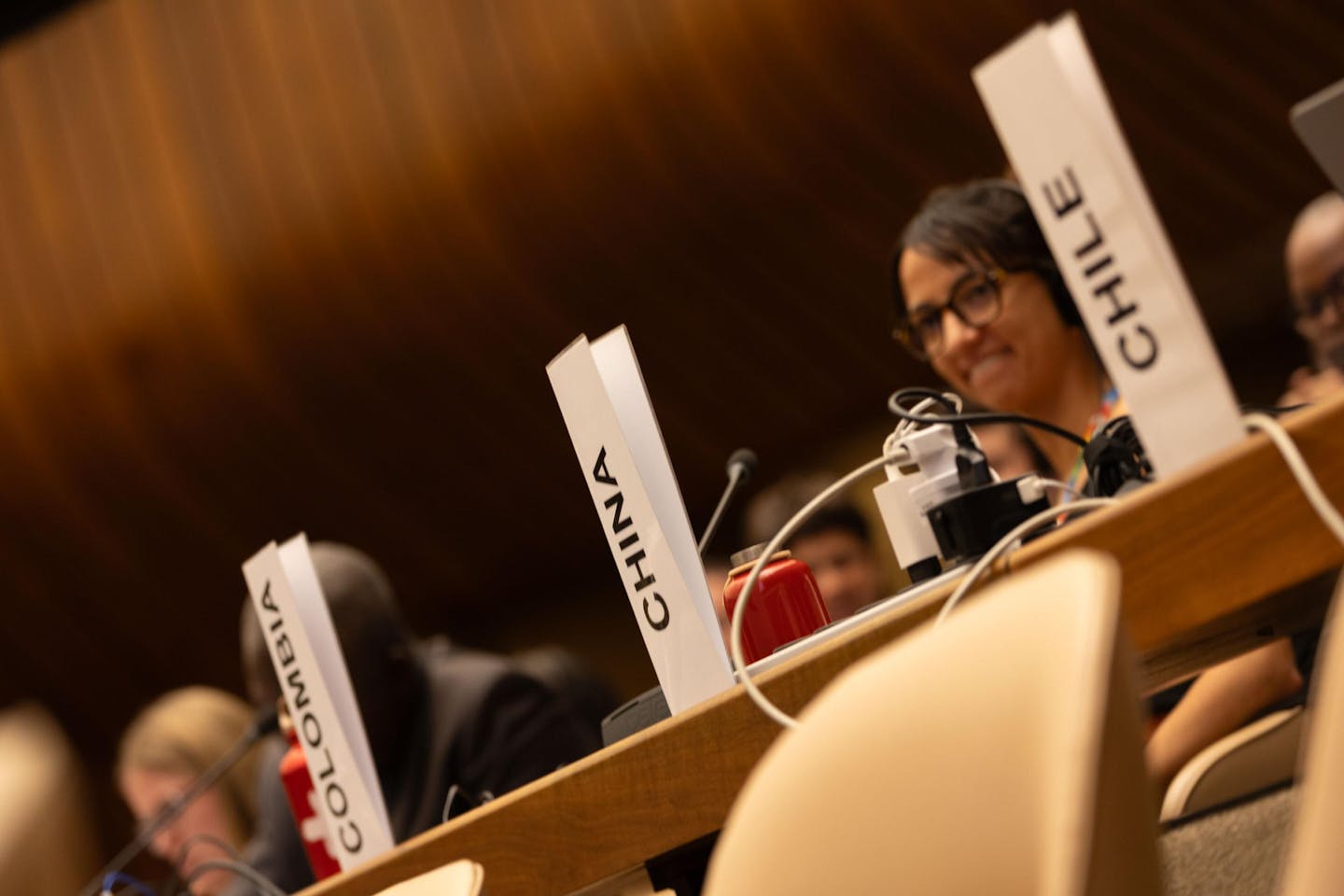
China and Indonesia have proposed ambitious measures to address plastic leakages and production in ongoing negotiations for a global plastics treaty, which face a potential collapse as discussions conclude. China has advanced textual proposals focusing on preventing pollution and emissions, while Indonesia has suggested production cuts. Despite their involvement, some nations and civil society groups have rejected the latest draft as favoring petrochemical interests and unsuitable for addressing the plastic crisis. The negotiations reveal a divide between supportive countries advocating for mandatory production cuts and petro-states opposing binding commitments.
China, Indonesia stepping up in plastics treaty negotiations: observers
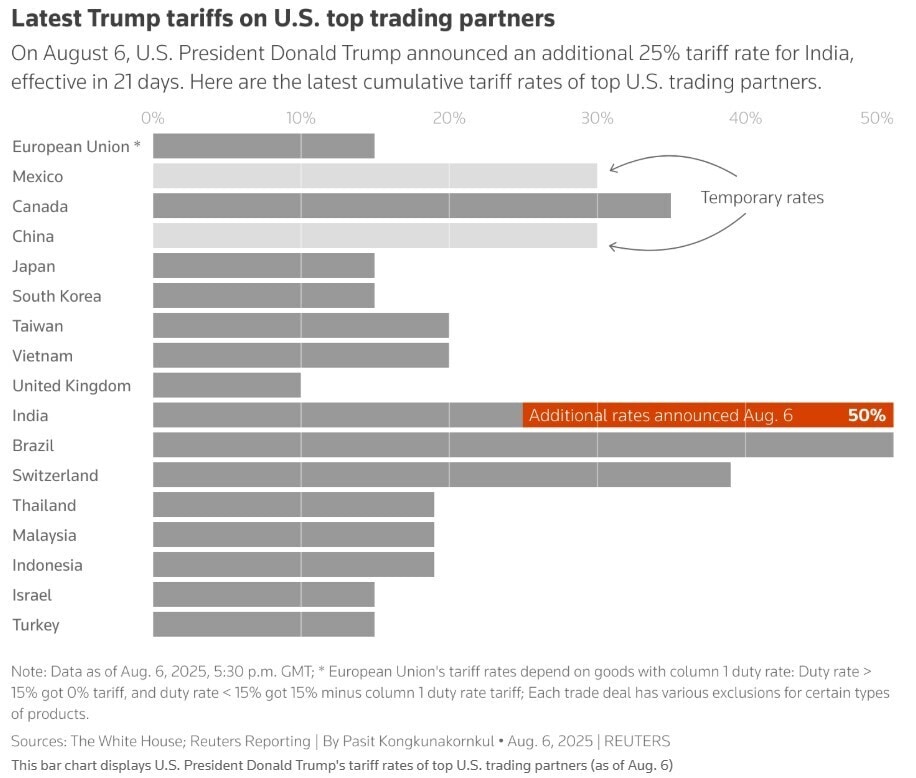
The activation of sweeping US tariffs on over 60 nations on August 7 marks the beginning of a new global trade order, leading to widespread protests from major partners like the EU and India. This is the highest average US tariff rate since 1933, with projected annual costs to US households around $2,400, disproportionately affecting lower-income families. Key developments include heightened tensions in US-India relations over oil purchases from Russia, threats of a 100% tariff on computer chips, and the extension of a US-China trade truce for 90 days. Additionally, Canada's tariffs on non-USMCA goods have risen to 35%.
Argentina, Canada, India, Indonesia, Kenya, Malawi, Namibia, Sweden, Taiwan, China, Tanzania, Thailand, United Kingdom
US tariffs come into effect, sparking global trade shakeup, and other international trade stories to know this month

Hamsa Bastani explores the integration of AI in K–12 education, highlighting both opportunities and risks. The emphasis is on the importance of foundational skills, establishing guardrails, and maintaining human connections to ensure that technology enhances student learning and motivation rather than detracting from it.
Education
Back-to-School: Navigating AI’s Impact on Student Learning and Motivation
Negotiators in Geneva are engaged in crucial discussions to finalize a legally binding global treaty on plastic pollution, but progress has been stymied by unresolved political disagreements. Despite extensive negotiations, key issues, including chemicals of concern and production standards, remain contentious, influenced by countries with strong petrochemical interests like Saudi Arabia and Russia. The growing health and environmental costs of plastic pollution are alarming, with estimates suggesting it costs the US between $510 billion and $3.4 trillion annually. As global plastic production escalates, the urgency for a robust treaty increases, and delegates are urged to act decisively to protect future generations.
We’re witnessing last-ditch talks to secure a global plastic pollution treaty
Protests in the UK regarding asylum seekers reveal a significant "empathy gap," where the emotions of refugees are misunderstood by the public. A study shows that British citizens tend to underestimate positive feelings, such as hope and happiness, among Syrian refugees while overestimating negative emotions. The proposed concept of "intersubjective empathy" encourages accurate recognition of others' feelings through direct inquiry rather than assumptions, fostering better understanding. Higher levels of this empathy correlate with decreased perceptions of refugees as threatening. However, too much empathy can lead to resentment and decreased support for refugees, highlighting the complexity of emotions within migration debates.
A new way of thinking about empathy could cool Britain’s migration rows
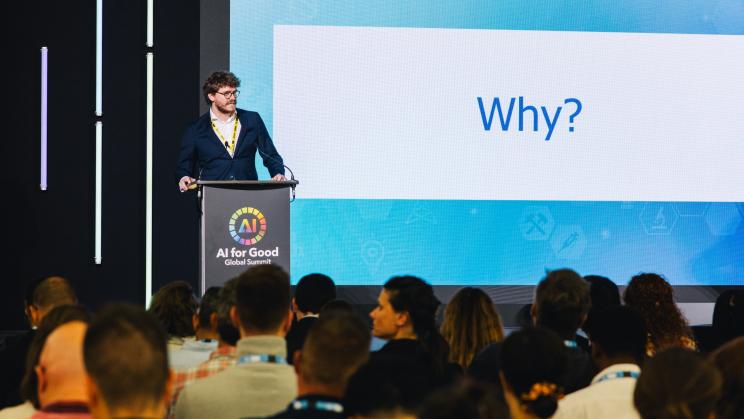
SIPRI participated in the AI for Good summit on July 8 in Geneva, a UN platform focused on leveraging artificial intelligence to address global challenges. The summit convened over 11,000 members of the global AI community. SIPRI researcher Jules Palayer highlighted risks associated with civilian AI technologies and emphasized the importance of early risk identification and mitigation. Alongside UNODA representatives, he stressed the value of education in fostering responsible AI practices. The presentation drew from a joint SIPRI-UNODA initiative, culminating in the launch of a 'Handbook on Responsible Innovation in AI for International Peace and Security.'
SIPRI brings responsible innovation into focus at global AI summit

Leaders at the G20 Compact with Africa side event in Durban introduced "CwA 2.0," a strategic initiative aimed at unlocking private investment for sustainable growth across Africa. Emphasizing mutual accountability and private-sector dynamism, the agenda focuses on deepening technical assistance, attracting catalytic capital, and fostering partnerships. With $132.3 million facilitated for 15 projects since its inception, the initiative faces challenges due to shrinking aid and a need for coherent capital flows. Commitment from countries like Germany, which announced a €10 million investment, signals support for Africa’s development as a strategic investment rather than charity.
Ghana, South Africa, Tanzania
Rewriting the Script: Mobilizing G20 Private Investment for Africa’s Sustainable Growth
Access to large, open datasets at low cost for civil society could transform the world's approach to complex issues, like climate change. By integrating constraints to mitigate harmful technological applications, we can expedite solutions globally. Philanthropy must guide technology development for the betterment of humanity, challenging the current profit-driven mindset. The past two decades illustrate the dangers of insufficient regulation, particularly regarding artificial intelligence. A more equitable and public-focused strategy is essential for future technological progress. This inflection point calls for a recommitment to practices that promote safety, sustainability, and justice.
Education, Health, ICT
Future Problem-Solving: Artificial Intelligence & Other Wildly Complex Issues
Advancements in artificial intelligence have been significantly influenced by the January 2020 OpenAI report on "Scaling Laws for Neural Language Models," led by Jared Kaplan. The report argued that larger language models would continue to improve, countering the belief that they would eventually just memorize training data. The release of GPT-3 later validated this, suggesting the potential for artificial general intelligence (AGI) by further scaling models. However, skepticism emerged, particularly from Gary Marcus, who challenged the universality of the scaling laws, but his critiques were met with harsh criticism, highlighting the divided beliefs within the AI community.
What If A.I. Doesn’t Get Much Better Than This?