
India has been actively preparing for the trade challenges posed by the Trump administration, recognizing customs barriers as a significant concern. Despite a $46 billion trade surplus with the U.S. and expectations of a tariff agreement following a joint statement with Trump, India faced a setback with tariffs rising to 26%. Nevertheless, India remains committed to negotiations, viewing its partnership with the U.S. as crucial against China's influence. The article explores the dual nature of Trump's approach, emphasizing commercial interests over security concerns, while noting India's proactive stance in global discussions.
Australia, India
[Trump’s World] - India:
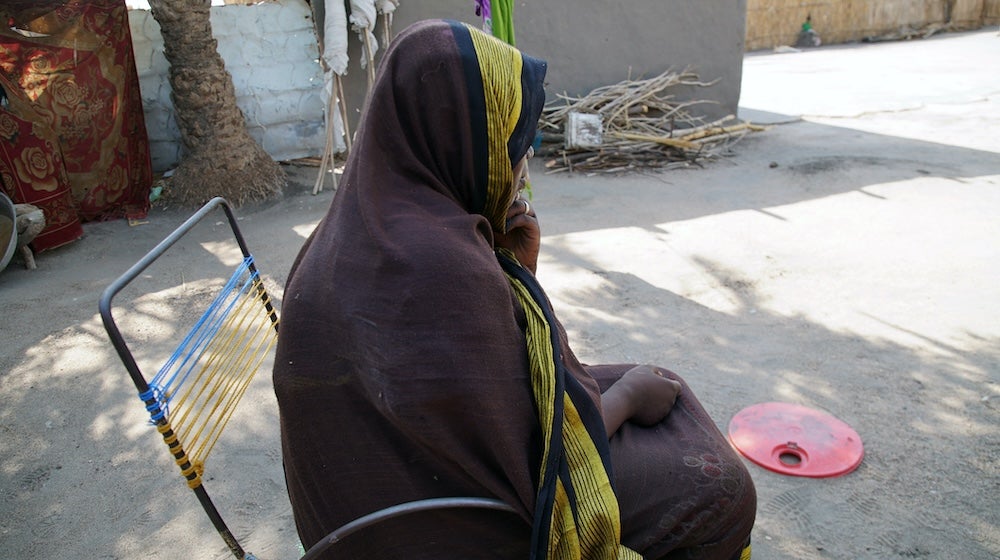
In South Sudan, gender-based violence significantly affects women and girls, exemplified by the experiences of survivors like Fatuma, a child bride who endured severe abuse. The shelter in Wau offers crucial safety, medical care, and psychosocial support for these survivors, addressing the pervasive issues of child marriage and violence normalized in society. With many women and girls facing exploitation amid ongoing conflict and displacement, support services are under threat due to declining funding. UNFPA emphasizes the urgent need for continued resources to ensure the protection and empowerment of vulnerable populations in the region.
The scars of gender-based violence run deep in South Sudan – but so does the will to heal
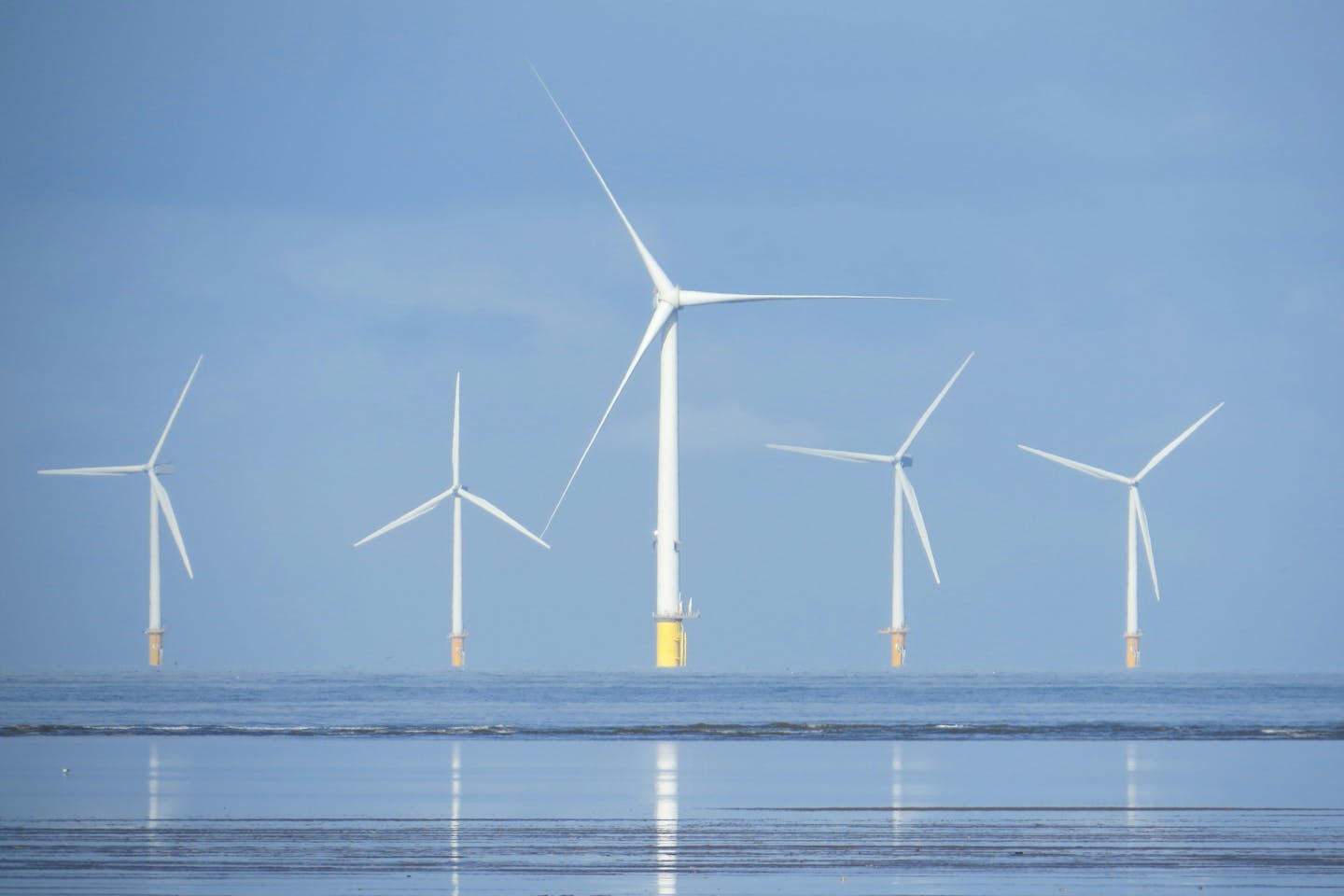
Renewables, particularly wind and solar, are set to become the world's leading power source by 2026, driven by significant growth that will see output rise from over 4,000 TWh in 2024 to more than 6,000 TWh. They are expected to fulfill over 90% of the increase in global electricity demand, while coal generation declines, particularly in China and the EU. By 2026, renewables are projected to represent 36% of global power supply, surpassing coal's 32%, marking coal's lowest share in a century. The transition occurs despite an anticipated surge in global electricity demand due to industrial growth and electrification trends.
IEA: Renewables will be world’s top power source ‘by 2026’
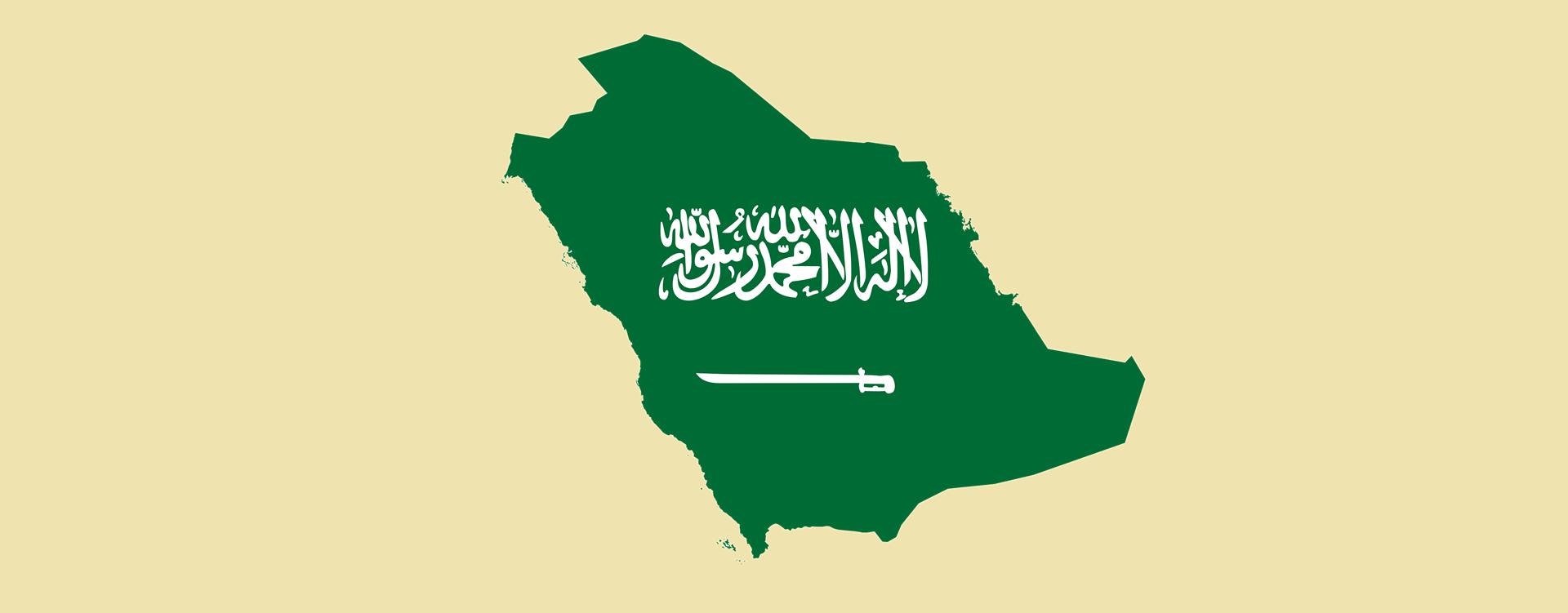
Saudi Arabia is strategically increasing its engagement in Africa, moving away from ideological religious outreach towards a focus on infrastructure and investment. As a latecomer to the continent, the Kingdom aims to diversify its economy and enhance its global influence amidst shifting geopolitical dynamics. Key areas of focus include securing critical minerals essential for future industries, advancing agricultural partnerships for food security, and promoting sustainability. This strategy is driven by the need for economic reform at home and Africa’s untapped markets, with a view to establishing long-term, sustainable relationships rather than short-term gains.
Burkina Faso, Egypt, Eswatini, Ethiopia, Ghana, India, Kenya, Lesotho, Mauritania, Namibia, Oman, Pakistan, Rwanda, Saudi Arabia, Senegal, South Africa, Sudan, Sweden, Tanzania, Tunisia, United Arab Emirates
Saudi Arabia in Africa: the Kingdom courts the Continent
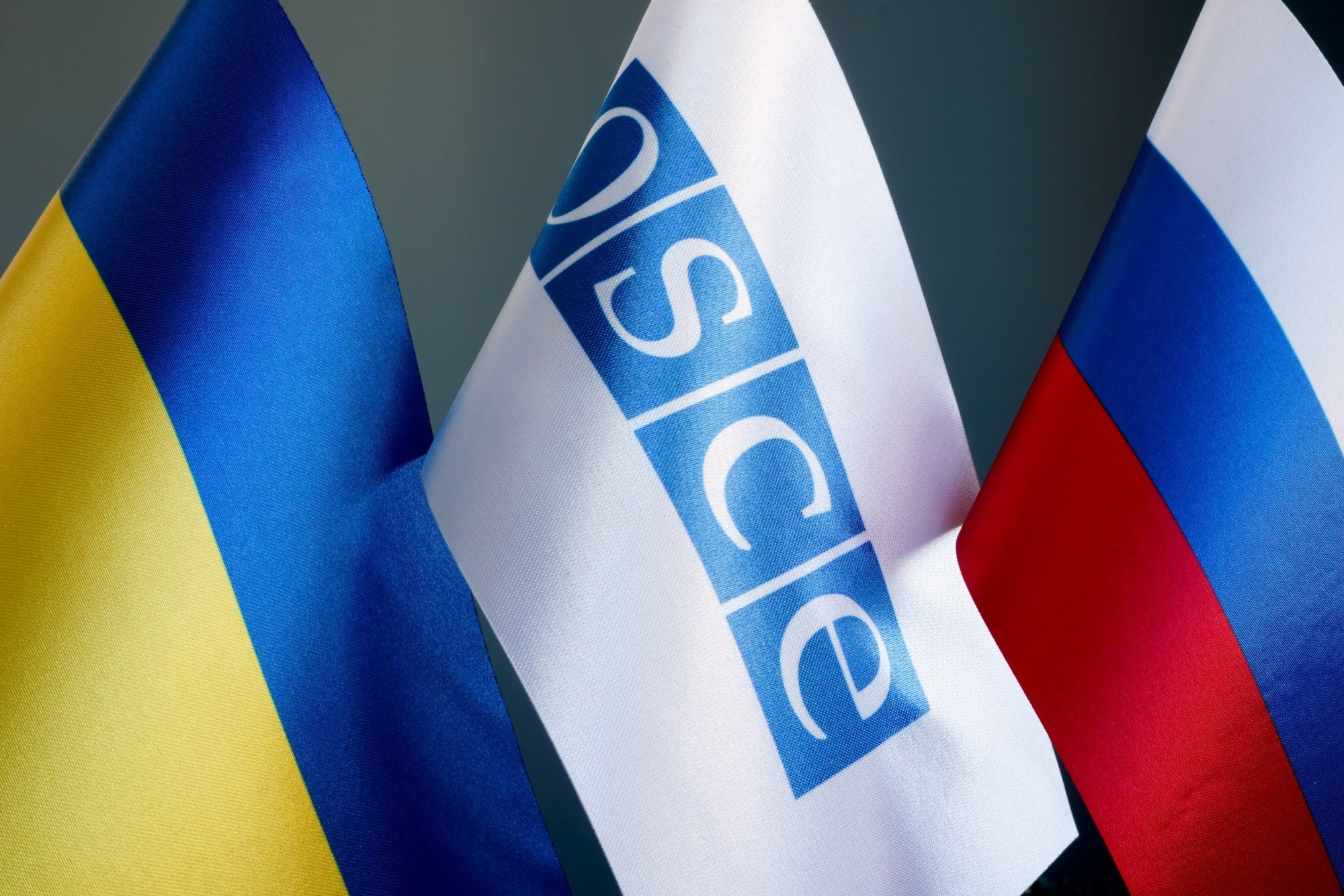
The 50th anniversary of the Helsinki Final Act is marked by a collection of essays from key figures involved in the transition from the Conference on Security and Co-operation in Europe (CSCE) to the Organization for Security and Co-operation in Europe (OSCE). While these developments initially fostered a foundation for peace in Europe post-World War II, current challenges like Russia's aggression threaten to unravel this security architecture. The contributions aim to reflect on past successes and challenges to inspire future security cooperation. The essays will be published digitally and in print, acknowledging the ongoing relevance of Helsinki principles.
The Final Act? The Legacy and Future of the Helsinki Principles and the OSCE at 50

The International Day of the World's Indigenous Peoples, observed on August 9, highlights the importance of Indigenous contributions to trade and the economy, despite their vital role in managing biodiversity and land. Indigenous Peoples, representing 6% of the global population and custodians of significant forest areas, still face challenges in trade participation due to restrictive policies and market access. The World Economic Forum's report outlines five strategies for governments, including incorporating Indigenous communities in trade agreements and policy-making, which can enhance economic opportunities and protect cultural rights. Promoting Indigenous trade is essential for sustainability and reducing economic disparities.
Indonesia, Tanzania
International Day of the World's Indigenous Peoples: 5 ways to support Indigenous trade and communities
Lighthaven, an old hotel in downtown Berkeley, has transformed into a hub for the Rationalists, a group focused on artificial intelligence and its potential to enhance humanity's future. The complex consists of multiple buildings and a park, with Bayes House named after an 18th-century mathematician. Rationalists advocate for responsible AI development to avoid risks associated with the technology. Their influence extends across major tech companies, including Google and OpenAI, impacting prominent figures in AI. Additionally, discussions often reference the provocative thought experiment Roko's Basilisk, highlighting their philosophical underpinnings.
The Rise of Silicon Valley’s Techno-Religion
Chinese military advancements, highlighted by the fielding of sophisticated weapons systems, are increasingly evident in global conflict zones. Once reliant on Soviet technology, China has made significant strides in developing advanced weapons, including the J-20 stealth fighter and drones, alongside hypersonic missiles. Recent military exercises near Australia and engagements in the Indo-Pakistani conflict demonstrate China's growing assertiveness and technological prowess. This modernization reflects China's broader push for military reform and increased defense spending, positioning it as a formidable player in international dynamics and potentially shifting the global balance of power.
China’s increased military might gives it new weapon in challenging global order
Intergenerational dance programs can enhance health and reduce age discrimination by fostering connections between younger and older individuals. Research indicates that social interactions across generations can improve physical activity, cognitive performance, and overall well-being. A pilot study in Ireland involved adolescents aged 14-16 and adults over 60, revealing positive feedback and reduced sedentary behavior among older adults. With wearable devices and assessments planned, the initiative aims to evaluate its broader health benefits and facilitate regular, enjoyable movement while bridging the age gap in society.
Getting young and old people to dance together boosts health and reduces age discrimination – new research
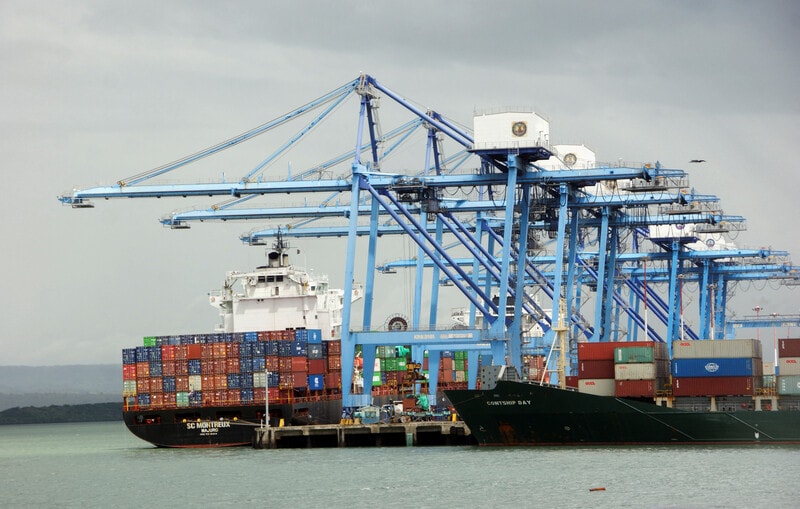
The African Growth and Opportunity Act (AGOA) expires on September 30, prompting African policy-makers to establish a new trade strategy. This strategy should focus on regional integration via the African Continental Free Trade Area (AfCFTA), enhancing financial markets, and fostering digital trade. While AGOA facilitated duty-free access to the US market for many African countries, its benefits were uneven, particularly following recent US tariff increases. Adopting targeted national strategies, improving institutional capacities, enforcing compliance within the AfCFTA, and developing stronger financial frameworks are essential for creating a resilient trade system in a shifting global environment.
Burkina Faso, Ghana, Kenya, South Africa, Tanzania | Financial services
How Africa can shape its trade future beyond AGOA
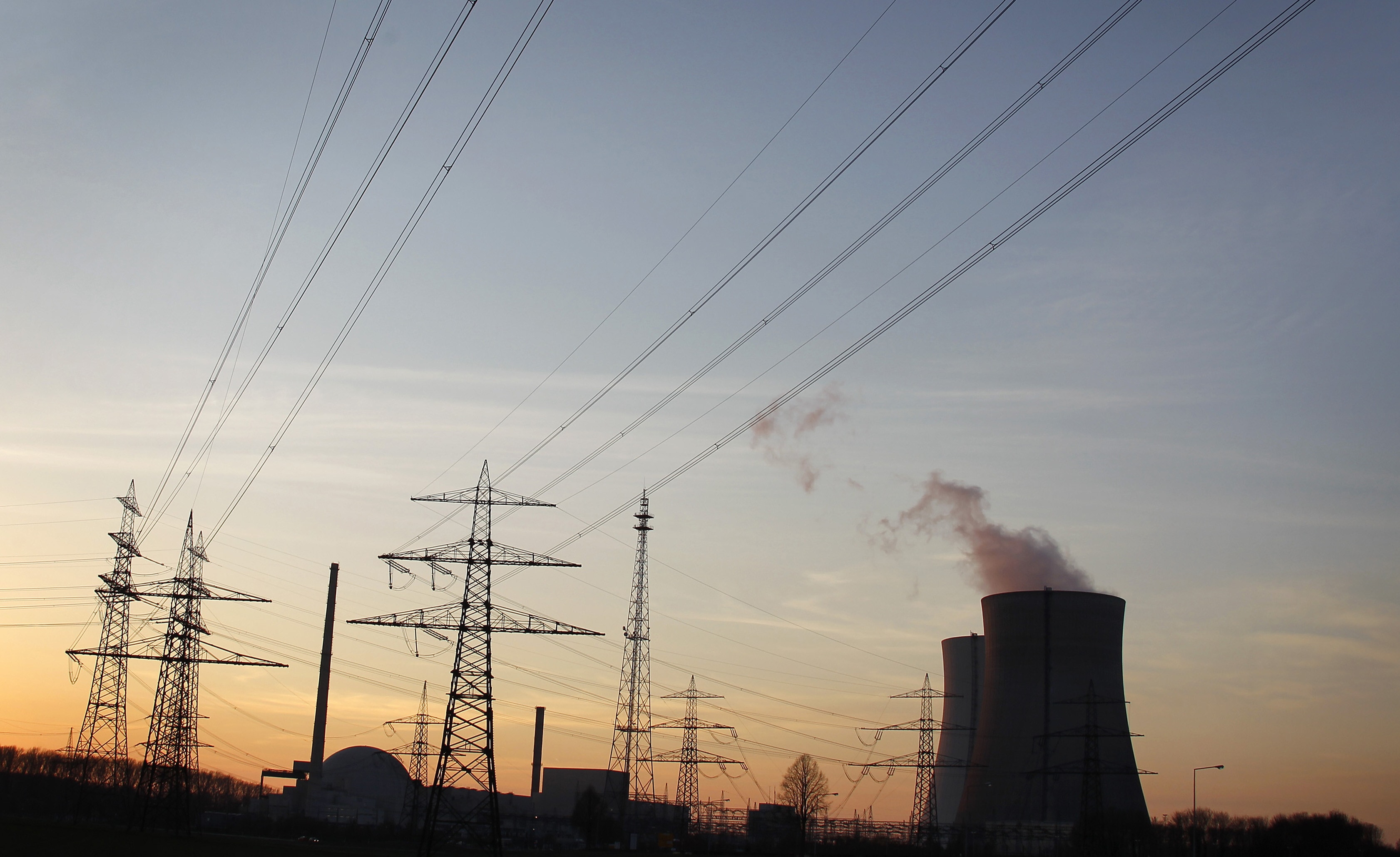
Nuclear power is seeing a revival as around 70 reactors are under construction in 15 countries due to the demand for secure, low-emission energy. Currently, about 440 reactors operate globally, generating 9% of the world's electricity, with significant contributions from France, Ukraine, and Hungary. Countries are reversing prior decisions to phase out nuclear, with investments from tech firms and commitments by over 20 nations to triple global capacity by 2050. Emerging economies, particularly China, lead in new reactor construction, highlighting a shift towards nuclear as a key solution for rising energy demands and climate challenges.
Where the world nuclear revival is happening
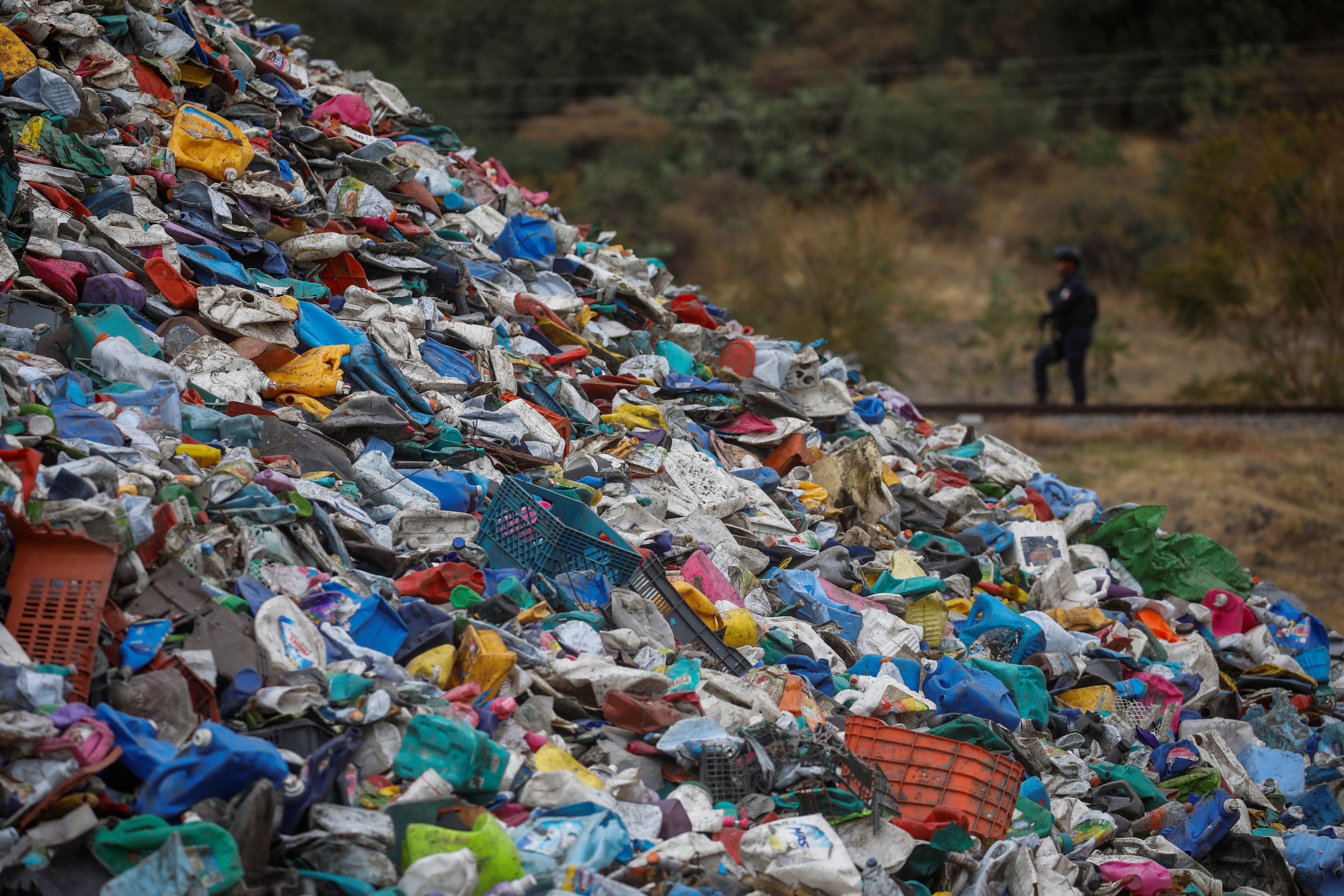
Global negotiations for a plastics treaty in Geneva seek to address the entire life cycle of plastics, from production to disposal. Effective action requires partnerships that translate commitments into real-world impacts, highlighted by initiatives like the Global Plastic Action Partnership (GPAP), which fosters collaboration across 25 countries. Inclusion of marginalized voices affected by plastic pollution is essential for equitable solutions, driven by programs that recognize local innovators. Switzerland plays a pivotal role in shaping negotiations, advocating for comprehensive measures to reduce harmful plastics while ensuring equitable resources for all countries to meet treaty obligations effectively.
Sweden
Why a global plastics treaty needs to move beyond negotiations to inclusive action

Food systems are increasingly pressured by climate change, leading to rising prices, agricultural volatility, and financial risk across markets. They account for 10% of global GDP and are highly vulnerable to climate shocks, which can directly impact financial portfolios and loan performances. The World Economic Forum highlights financing solutions for food system transformation, emphasizing tailored financial strategies to support resilience and reduce risk. Innovative financing models, such as direct incentives for sustainable farming and collaboration with food corporates, are critical to unlocking private capital and enhancing long-term creditworthiness in the agricultural sector.
Financial services
Why food finance must be on the table in the face of rising climate risks
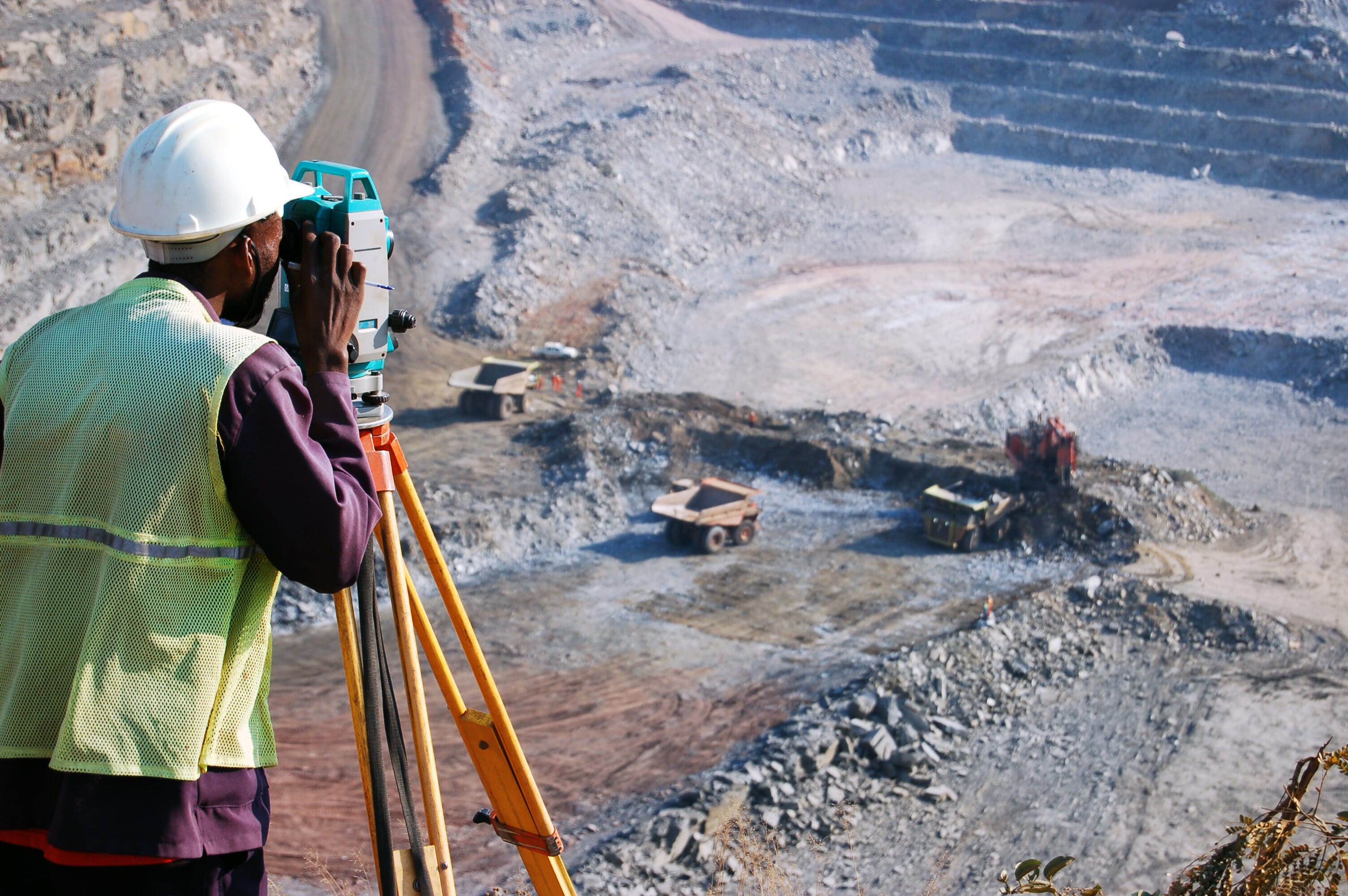
Southern Africa possesses nearly one-third of the world’s critical mineral reserves, essential for the energy transition, particularly in the production of batteries, solar panels, and wind turbines. Despite its vast mineral potential, the region faces significant financing and infrastructure challenges, with less than 10% of identified critical mineral projects progressing due to regulatory uncertainty and investor caution. Strengthening regional cooperation, aligning regulatory frameworks, and improving infrastructure could attract investment, enhance resource value capture, and stimulate local economies. Initiatives like the Securing Minerals for the Energy Transition (SMET) aim to foster collaborative efforts among stakeholders to scale responsible mineral development.
Democratic Republic of the Congo, Eswatini, Kenya, Malawi, Mozambique, Namibia, South Africa, Tanzania, Zambia, Zimbabwe
Why investing in Southern Africa’s critical minerals is key for the global energy transition

AI initiatives often fail due to unoptimized underlying business processes. Successful AI implementation requires a culture of continuous improvement and a structured approach that prioritizes process refinement before technology adoption. A Kaizen Institute poll indicates 55% of companies struggle with outdated systems, while McKinsey found only 30% experience significant benefits from digital transformations due to poor process redesign. To unlock AI's potential, companies should first map their value streams, streamline operations, and introduce targeted AI applications that deliver quick wins. This leads to business growth, enhanced efficiency, and improved customer experiences.
Why AI fails without streamlined processes - and 3 ways to unlock real value
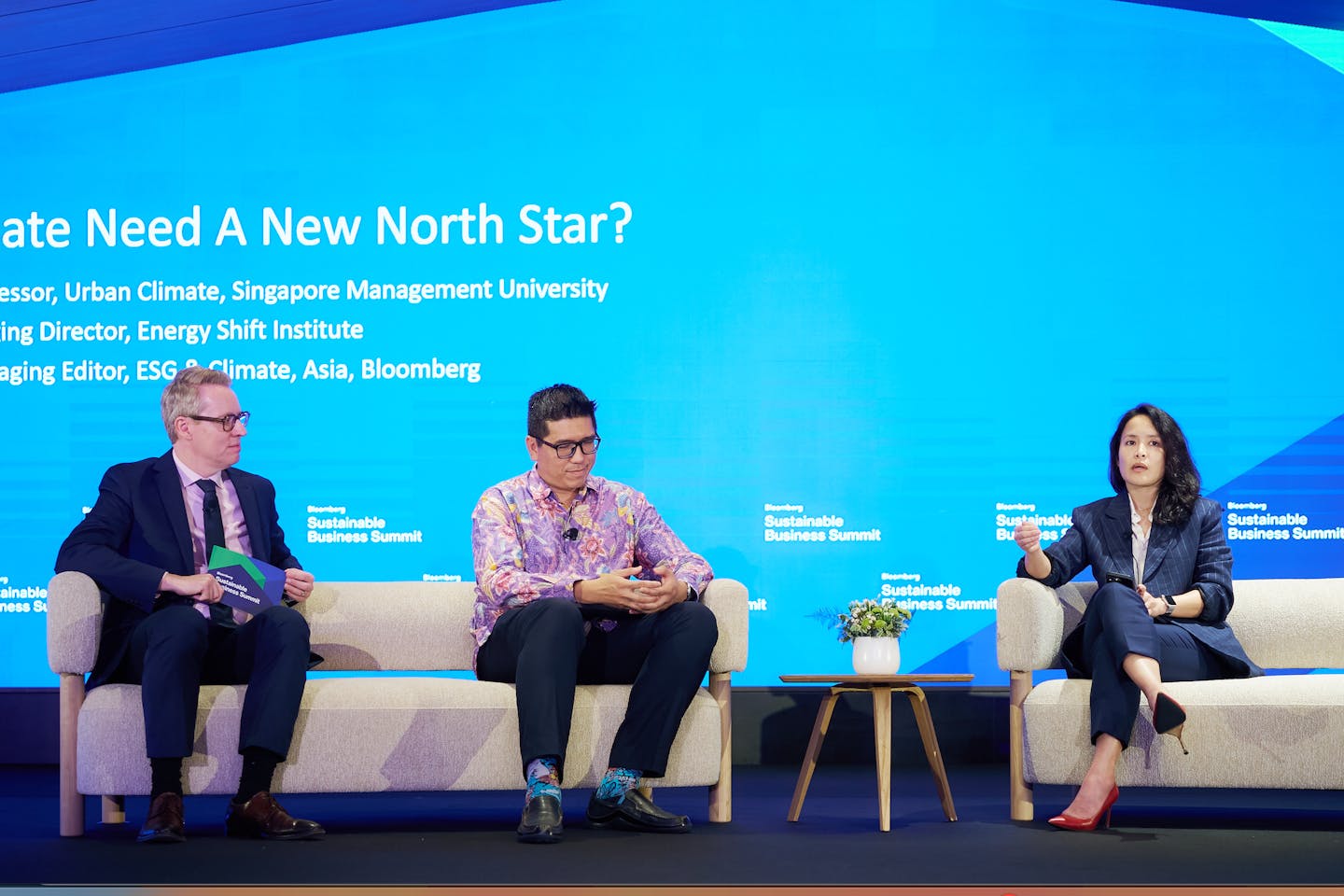
Asia's financial markets face challenges in aligning with science-based climate action due to unclear government policies on transition finance. Christina Ng, managing director of the Energy Shift Institute, emphasizes that current frameworks allow companies to raise funds without committing to phasing out fossil fuels. While Japan's Green Transformation strategy aims for a significant investment in transition bonds, concerns exist about their use for non-green projects. Ng calls for clearer criteria and accountability in transition financing, as diverging financial practices hinder efforts to meet the Paris Agreement goal of limiting global warming to 1.5°C.
Indonesia, Japan, Sweden, Thailand | Financial services
‘Pricing for delay’: Think tank head says Asia’s financial markets are diverging from science-aligned climate action
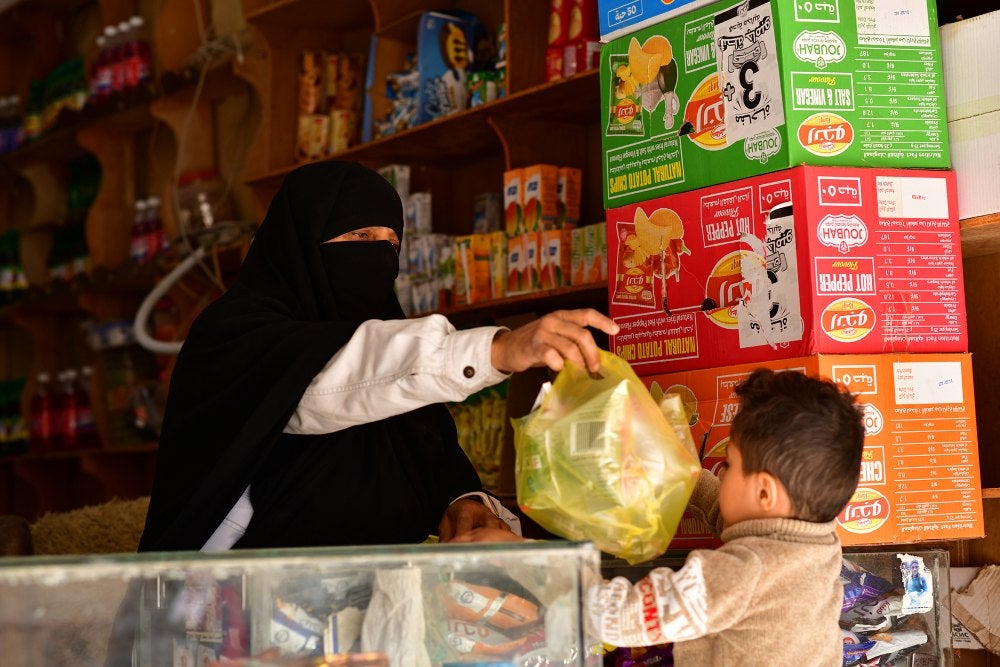
Humanitarian relief is vital during crises, but in situations like Yemen, where conflict persists, transitioning to long-term stability is crucial. Credit guarantee schemes, such as the Yemen Loan Guarantee Program, play a significant role by providing partial guarantees to financial institutions, encouraging them to lend to micro, small, and medium-sized enterprises (MSMEs). This has mobilized nearly $65 million in credit for over 13,500 businesses, aiding economic self-reliance. The program specifically targets women and youth entrepreneurs, demonstrating how tailored credit solutions can empower communities and foster sustainable recovery alongside humanitarian efforts.
Financial services
When Crisis Is Not a Moment but a Persistent Reality
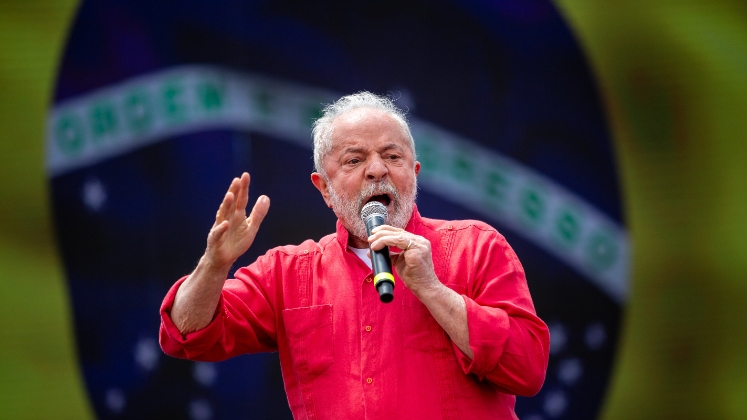
President Trump has imposed a 50% tariff on Brazilian products, attempting to pressure President Lula da Silva into undermining Brazil's judiciary regarding the prosecution of former President Jair Bolsonaro. Lula has resisted this demand, emphasizing that judicial matters must remain independent. The situation is closely monitored by other economies, as Trump's actions may signify a new form of US interventionism aimed at dismantling democratic institutions globally. Trump's trade threats lack financial sense, as the US has enjoyed a trade surplus with Brazil, indicating a hostile motive behind the tariffs linked to democratic accountability.
Argentina, Brazil
The world is watching as Brazil reacts to the US
Illinois has enacted the Wellness and Oversight for Psychological Resources Act, which prohibits artificial intelligence from providing mental health services to safeguard residents from potentially dangerous advice. The law permits AI to assist in administrative tasks but not in direct patient care. Violations can result in fines of $10,000, enforced by the Illinois Department of Financial and Professional Regulation. This legislative action follows concerns regarding AI's lack of empathy and oversight, particularly in sensitive healthcare areas.
Illinois bans AI from providing mental health services
State and local governments are increasingly exploring the integration of artificial intelligence (AI) to enhance public services and governance, aiming to improve efficiency, responsiveness, and decision-making. However, this adoption poses challenges, including concerns about privacy, bias, transparency, public trust, and long-term oversight. The report offers guidance for those involved in the implementation and management of AI in government, advocating for structured, evidence-informed strategies that align with community values and institutional goals.
Strategies for Integrating AI into State and Local Government Decision Making