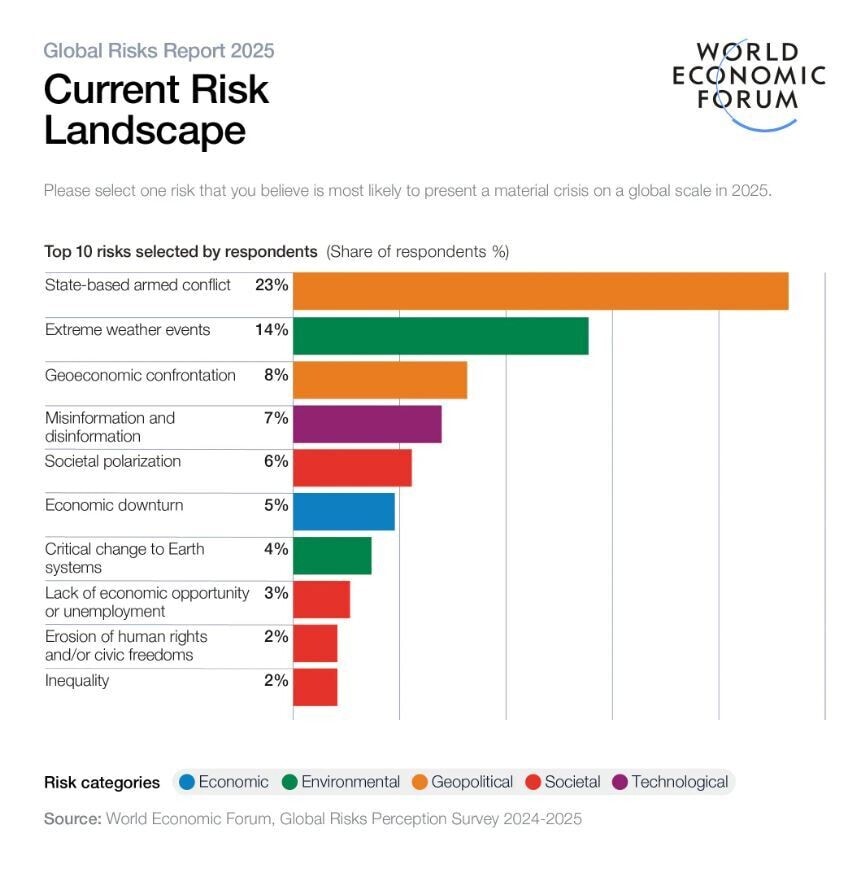
The world is experiencing significant inflection points in 2025, marked by heightened geopolitical instability, the transformative impacts of AI, and a shifting labor market. Key issues include increased armed conflicts, misinformation, and severe weather events. AI is revolutionizing industries, with projections indicating substantial cost reductions in content production. Additionally, climate change influences workforce strategies, escalating demand for sustainability and technology roles while necessitating reskilling. The interplay of these factors underscores the urgent need for equity and sustainability in navigating the global challenges ahead.
India, Indonesia, Kenya, Sweden, United Arab Emirates | Financial services, ICT, Health, Education
7 charts that explain the global inflection points of 2025, so far

Global negotiations among 180 countries in Geneva aim to establish a treaty addressing plastic pollution, highlighted by a review from The Lancet that links plastics to serious health issues, including miscarriages and cancer. Despite the potential for a health-focused treaty, petrochemical producers and industry lobbyists oppose strong measures, arguing plastics are vital for health. Key provisions in the draft include limiting plastic production and banning hazardous chemicals, though resistance from a coalition of petrostate countries threatens these elements. Campaigners advocate for a comprehensive treaty that addresses the entire plastics lifecycle and protects vulnerable populations from health impacts.
Health
Plastics and human health: what’s at stake in the global treaty talks in Geneva
Visionary politicians can gradually descend into authoritarianism, often justified as necessary reforms. This transformation is exemplified by leaders like Viktor Orbán in Hungary and Recep Tayyip Erdoğan in Turkey, who transitioned from democratic figures to authoritarian rulers, consolidating power and controlling dissent. The process is driven by the "hubris arc," where initial successes breed myopia and a neglect of institutional feedback. As leaders overreach, they eliminate opposition and redefine dissent as a threat to national identity, resulting in institutional capture. The strength of democratic institutions plays a crucial role in either restraining or enabling these authoritarian tendencies.
The hubris arc: how visionary politicians turn into authoritarians

A study published in Nature Cities reveals that a third of slum residents in the global south are exposed to significant flood risks. Over 880 million people live in slums as defined by the UN, often situated in flood-prone regions like northern India and Bangladesh. While slum communities account for 35% of the population in these areas, they make up 41% of those at risk of flooding. Socioeconomic challenges, coupled with environmental vulnerability from climate change, limit residents' ability to relocate to safer areas. As rapid urbanization continues, more slum populations are expected to be driven into flood zones.
Latin America
Third of ‘slum residents’ in global south are exposed to ‘disastrous’ flood risks
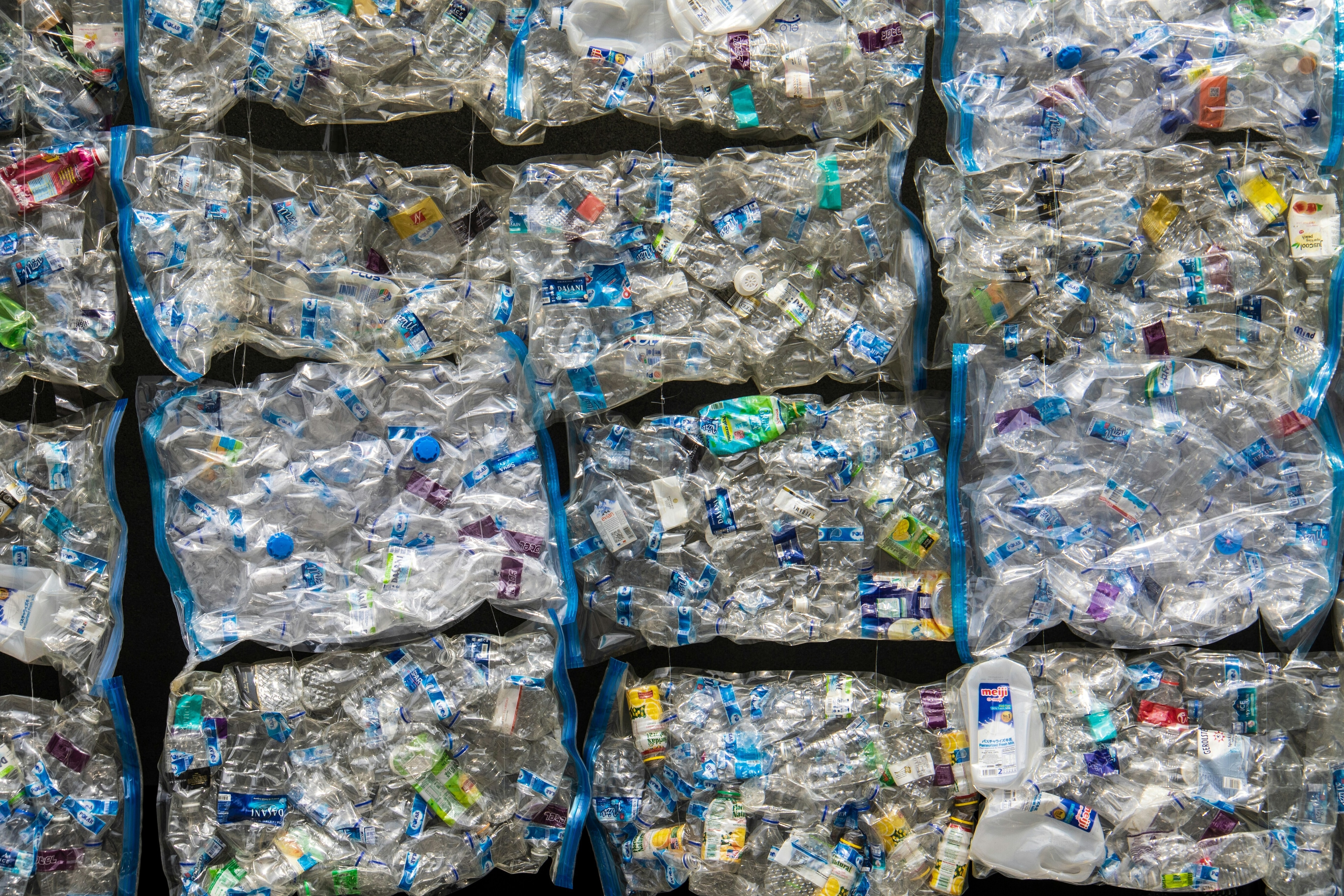
Global plastic treaty negotiations have begun in Geneva, aiming for a legally-binding agreement to combat plastic pollution, which costs around $1.5 trillion annually in health-related damages. Meanwhile, Brazil's new law easing environmental licensing could exacerbate deforestation in the Amazon, drawing criticism from UN experts. In the US, plans to remove emissions standards may impede pollution control efforts. Other notable developments include flooding in Beijing leading to evacuations, potential tourist fees in New Zealand, and discoveries of unique marine ecosystems in the northwest Pacific that thrive on toxic chemicals.
Global plastics treaty talks commence, and other nature and climate news
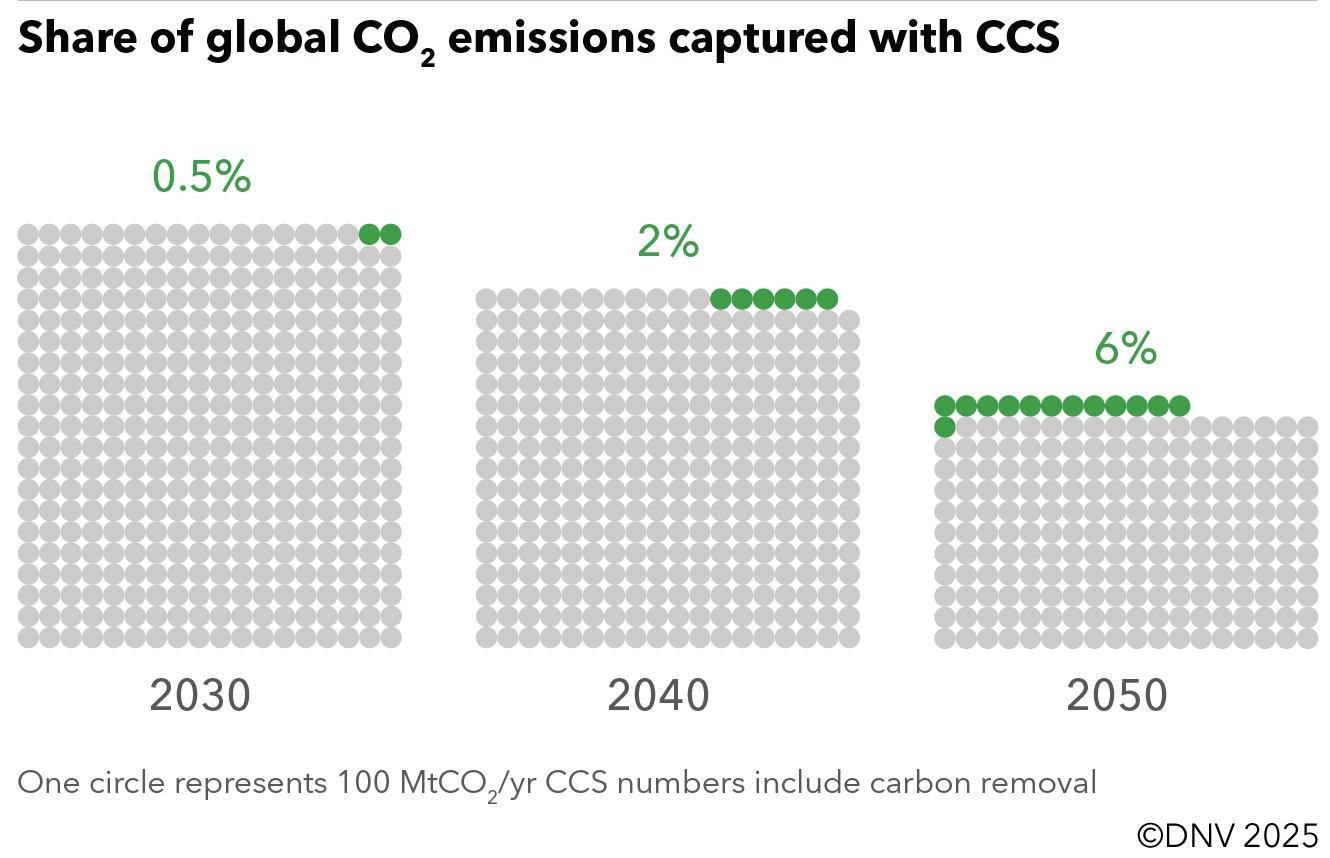
Carbon capture and storage (CCS) is positioned for significant growth, projected to capture 6% of global CO2 emissions by 2050, up from 0.5% in 2030. Key drivers include substantial investments nearing $80 billion over five years, primarily in North America and Europe. Technological advancements and supportive government policies are crucial for reducing costs and facilitating expansion, especially in hard-to-decarbonize sectors like cement and steel. CCS is essential for decarbonizing hydrocarbon production and will see most growth in manufacturing post-2030. However, achieving necessary emission reduction targets remains a challenge without more aggressive measures.
Carbon capture and storage is at a pivotal moment for decarbonization. Here's why
AI has the potential to improve or replace existing democratic institutions, yet current scholarship often operates under flawed assumptions about democracy. The prevailing paradigm emphasizes deliberation and sortition but fails to account for the complexity of enduring democratic publics and their influence on collective behavior. The authors argue for a shift in focus, suggesting that research should explore how AI might reshape these publics and impact democratic stability. This approach could lead to a more comprehensive understanding of the relationship between AI and democracy.
AI and Democratic Publics
In a rapidly changing business environment, self-awareness and soft skills are essential for effective leadership. Leaders must develop humility, introspection, and the ability to connect with teams to foster a shared purpose. Despite the challenges posed by AI and other technological advancements, human-centered leadership remains crucial. Successful leaders focus on empowering others and creating a positive culture, which enhances organizational success. The integration of AI can support leaders by handling technical tasks and providing feedback, but it cannot replace the human element necessary for engagement and employee well-being. Continuous self-improvement and adaptability are vital for leaders today.
Education
In a turbulent world, self-awareness and stability are leadership must-haves
Data reuse can significantly enhance access to essential services for youth, but insufficient youth involvement in decision-making leads to mistrust and inequality. This paper details the NextGenData project's year-long participatory research in India, Tanzania, Moldova, and Kyrgyzstan, which engaged young people aged 19-24 in co-designing responsible data reuse strategies through assemblies and deliberative methods. Emphasizing culturally sensitive facilitation and ongoing engagement, the study provides recommendations and a toolkit for practitioners to integrate youth-centered approaches in data governance, promoting ethical and inclusive service delivery.
Who Decides What and How Data is Re-Used? Lessons Learned from Youth-Led Co-Design for Responsible Data Reuse in Services
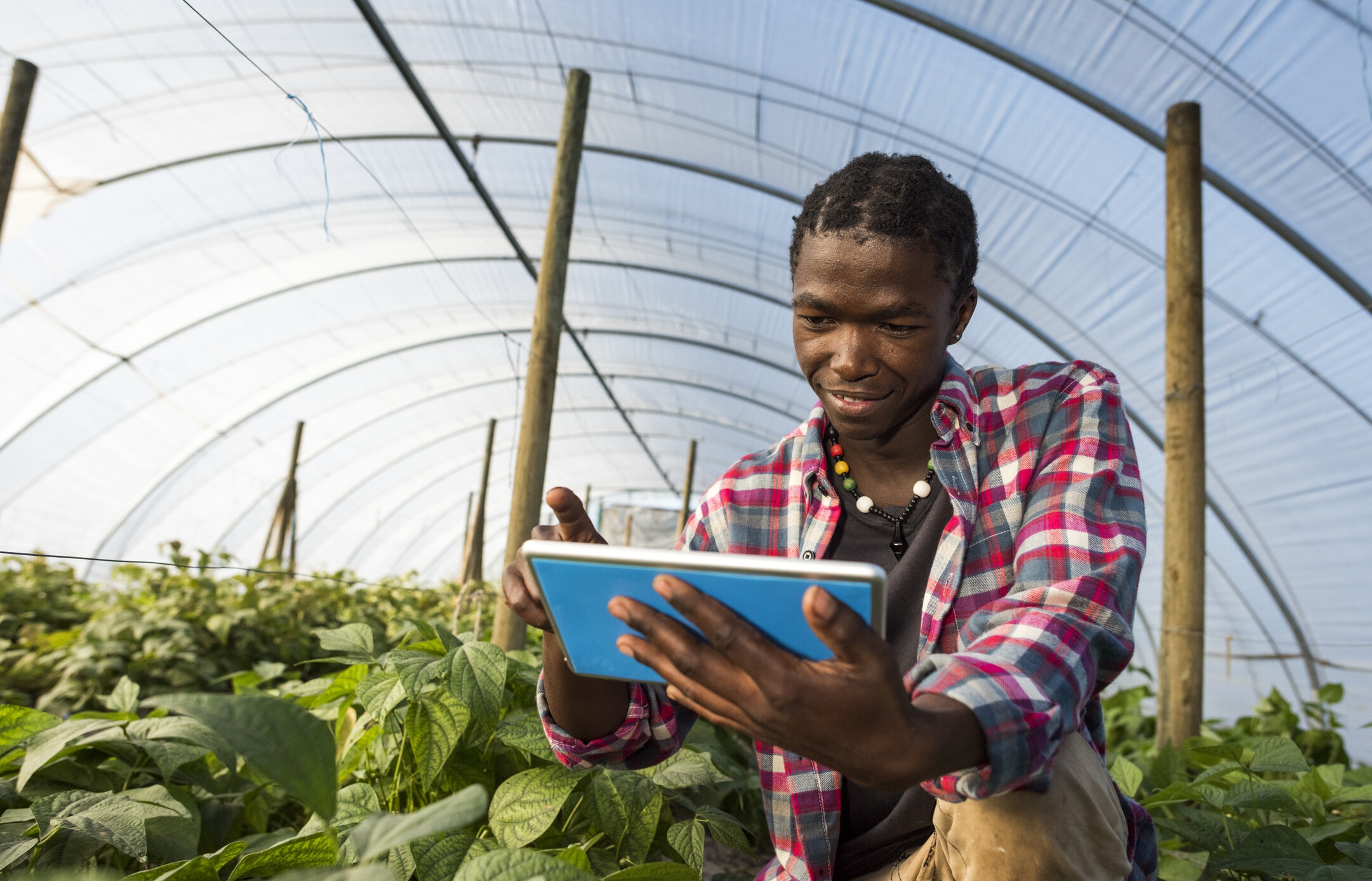
AI has the potential to transform essential services in the Global South by reducing costs and creating new job opportunities. Many critical services remain inaccessible due to economic and structural constraints. AI can enable more efficient service delivery, such as providing affordable healthcare, legal support, and agricultural advice. The demand for these services exists, with communities willing to pay for accessible solutions. AI facilitates task-level delivery, significantly decreasing the need for expensive professional credentials and improving outcomes. This shift could empower local workers and bridge the gap in service accessibility across the region.
Latin America | Education, ICT
How AI can leapfrog hurdles to unlock the Global South's job market

Trust in healthcare AI must be rooted in real-world experiences rather than solely on system design. Effective trust requires continuous feedback mechanisms that respond to clinician and patient needs. Initiatives in South-East Asia demonstrate a shift from policy-driven to practice-oriented approaches in building trust, addressing challenges such as data breaches and public skepticism. Tools like Singapore's AI2D model and aiTriage enhance operational trust through real-time accuracy and accountability. Governance must evolve with clinical realities, incorporating contextual explainability, auditability, and user feedback to align AI systems with the complexities of healthcare.
ASEAN | Health, Education
Trust in healthcare AI can't just be designed – it must be felt by clinicians and patients
Malawi's upcoming elections feature President Lazarus Chakwera competing against former leaders Peter Mutharika and Joyce Banda. Challenges persist as the country remains one of the world's poorest, with over 70% living below the poverty line and rising food insecurity exacerbated by climate shocks. Structural issues, high public debt, reliance on foreign aid, and corruption hinder progress towards middle-income status by 2030. Despite vibrant civil society demands for reform, significant transformations require comprehensive policy changes and sustained political commitment across various sectors.
Algeria, Angola, Barbados, Botswana, Burkina Faso, Cameroon, Chad, Eswatini, Ethiopia, Georgia, Ghana, Guatemala, Guinea, Kenya, Lesotho, Madagascar, Malawi, Malaysia, Mali, Malta, Mauritania, Mongolia, Mozambique, Namibia, Senegal, Sweden, Tanzania, Zambia, Zimbabwe | Health
Malawi votes soon, but prosperity lies beyond the ballot

Climate change is increasing vulnerabilities to zoonotic disease pandemics, according to a study in Science Advances. It examines nine high-risk diseases, including Zika and Ebola, finding that 9% of the world's land is at high risk of outbreaks due to factors like rising temperatures and water scarcity. The research utilizes satellite data and a machine-learning model to assess outbreak risk but has faced criticism for oversimplifying global risk assessments. Key zoonotic diseases on the WHO's priority list include SARS, Covid-19, and various hemorrhagic fevers, with an increasing number of new zoonotic diseases observed.
Latin America | Health
Climate change is creating ‘new vulnerabilities’ for disease pandemics

Bangladesh's economy is jeopardized by a weak banking sector and a non-functional capital market. The banking sector, currently under review for asset quality, poses significant risks due to structural mismatches, such as banks making long-term loans for fixed assets. A functioning capital market is essential for channeling long-term investments, yet Bangladesh lacks a bond market, leading to inefficient allocation of life insurance funds. The country’s dependence on real estate for inward remittances further hampers industrialization. Developing a robust capital market, including mortgage bonds and securitization, could enhance investment in infrastructure, housing, and industry, thus stabilizing and boosting the economy.
Bahrain, Bangladesh | Financial services
How Bangladesh Can Boost its Economy Through Capital Market and Bank Reform
Southeast Asia's air transport sector is crucial for economic growth, enhancing tourism, trade, and employment. However, rapid expansion has led to increased carbon emissions and resource strain, necessitating urgent sustainability efforts. Strategies include expanding airport capacity through multi-airport models and implementing policies like Sustainable Aviation Fuel to mitigate environmental impacts. Collaboration between ASEAN governments and aviation stakeholders is essential to prioritize green technologies, carbon-neutral policies, and public-private partnerships, promoting sustainable growth while setting a global benchmark for responsible aviation development.
Indonesia
How Can Southeast Asia’s Air Transport Sector and Governments Work Together to Expand Aviation Sustainably in the Region?
The rapid adoption of generative AI poses significant implications for various occupations, as explored by Kiran Tomlinson et al. The study analyzes 200,000 anonymized interactions with Microsoft Bing Copilot, revealing that users primarily seek AI assistance for information gathering and writing. AI itself excels in providing information, writing, teaching, and advising. The research also computes an AI applicability score for occupations, noting higher scores for knowledge work and administrative roles. Additionally, it examines the correlation between wage, education, and AI applicability, and compares actual AI usage to predictions of occupational impact.
Working with AI: Measuring the Occupational Implications of Generative AI

Commodity trading firms show a notable response to environmental regulations, particularly in Brazil's soybean industry where regulations aim to curb deforestation. Research by Sandra Schafhäutle indicates that rather than relocating operations to evade regulation, firms reduce exposure to deforestation and CO2 emissions through improved sourcing practices aided by enforcement and transparency. The study reveals that external pressures and sustainability commitments drive trading firms in both regulated and unregulated areas to enhance their sourcing, thereby promoting local sustainability. Global supply chain participants like these firms are essential for effective environmental outcomes, particularly in combatting climate change.
Indonesia, Sweden, Tanzania, Thailand
How Regulatory Enforcement and Transparency Could Bring Environmental Gains

The world is undergoing a significant transition, with old certainties eroding and power dynamics shifting. The Global North experiences anxiety and instability, while the Global South seizes this moment to advocate for justice and equity. The emergence of leaders from the Global South, as shown by recent G20 presidencies, drives a new agenda focused on climate change and social equality. Amid rising chaos, the necessity for cooperation, shared leadership, and a commitment to human rights is critical for navigating these global challenges and reimagining a more just and sustainable future.
Africa, Latin America | Financial services, Health
The Threshold of a New World Order
The Cambridge Handbook of Behavioural Data Science, edited by Ganna Pogrebna and Thomas T. Hills, explores the intersection of behavioural science and data science in understanding human, algorithmic, and systemic behaviours. The handbook unites perspectives from psychology, economics, computer science, engineering, and philosophy, organized into parts addressing Human Behaviour, Algorithmic Behaviour, Systems and Culture, and Applications. It covers topics such as cognitive modelling, explainable AI, and the ethics of large language models, offering vital insights for researchers, students, practitioners, and policymakers navigating behavioural data in a digital world.
The Cambridge Handbook of Behavioural Data Science

Human-induced climate change is increasing the frequency and severity of wildfires globally, necessitating a structural shift in management strategies. It is crucial to treat wildfires as a global threat, implementing a coordinated five-pillar response focused on global fire intelligence, precise scientific analysis, improved international cooperation, and leveraging Indigenous knowledge. Transitioning from mere emergency responses to long-term resilience strategies will require significant investment. The economic burden of inaction is expected to outweigh the costs of proactive measures, as wildfires are projected to escalate in intensity and impact, especially on vulnerable Indigenous communities and ecosystems.
Financial services, Health
Extreme wildfires are here to stay – fighting them requires a fundamental and structural shift