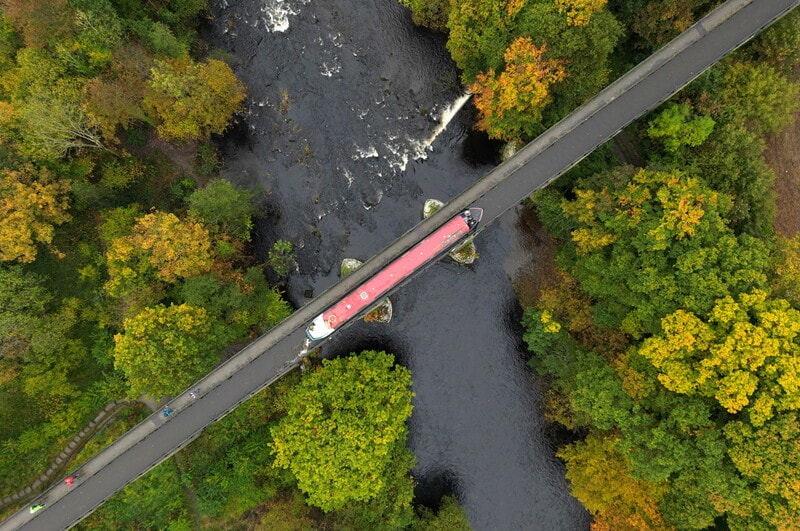
Water must be recognized as a strategic investment asset critical for socioeconomic growth and geopolitical stability. Defining the water market's size and structure can attract capital and innovation while addressing scarcity and access issues that add geopolitical risks. Key challenges include chronic underinvestment and a $7 trillion funding gap. Effective collaboration and innovative business models are crucial for mobilizing investments in water infrastructure, while each dollar invested can yield significant economic returns. By prioritizing water and enhancing its visibility in investment strategies, substantial growth and resilience can be achieved across various sectors.
Latin America | Financial services, ICT, Health, Education
What will it take to unlock investment in water infrastructure?
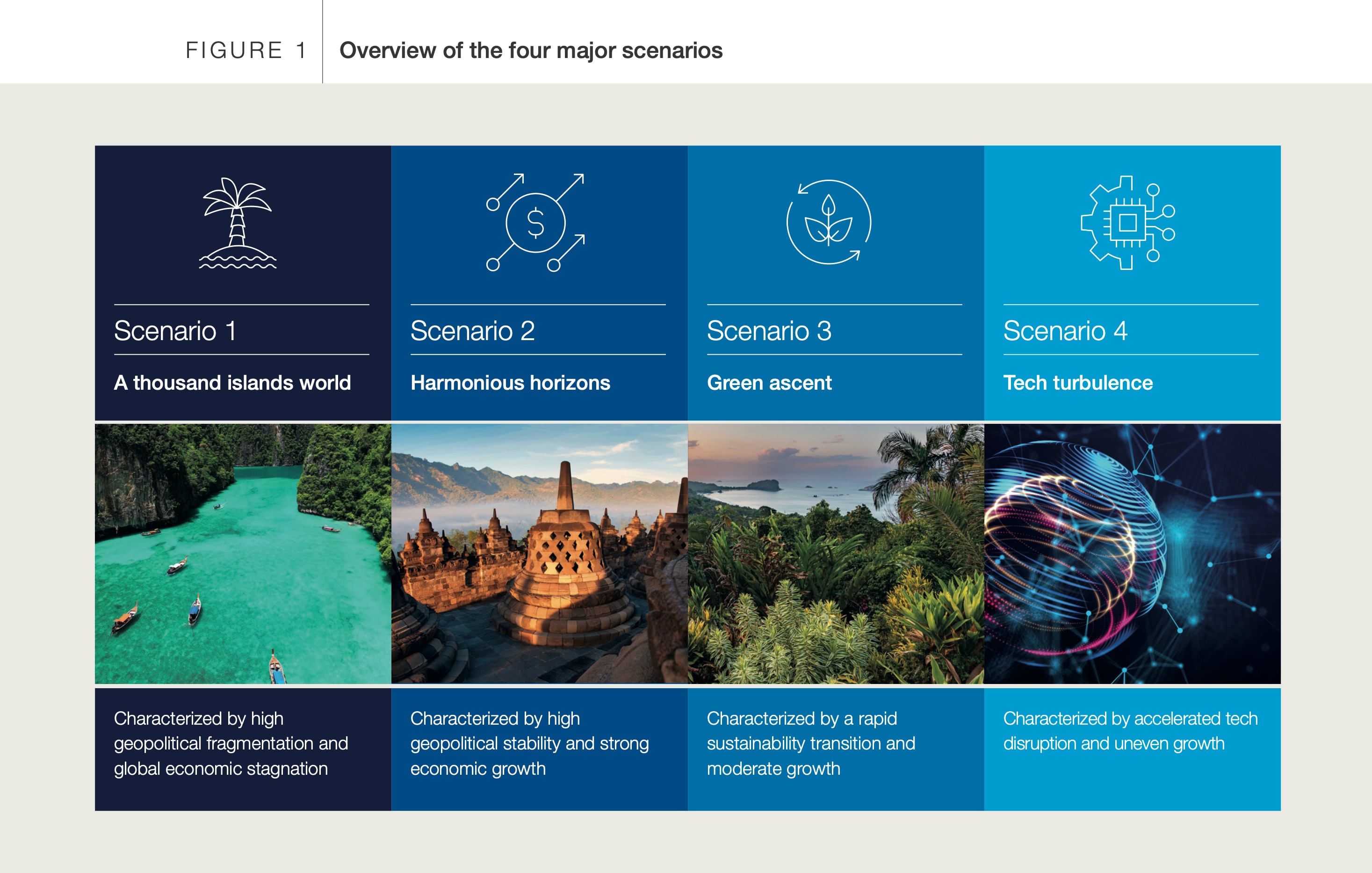
The travel and tourism sector is rebounding post-pandemic, with a projected 7% growth in spending over the next decade. A white paper from the World Economic Forum and Kearney outlines four future scenarios: 

1. **A Thousand Islands** - Geopolitical fragmentation reduces global trade and international travel, impacting low-income destinations. 

2. **Harmonious Horizons** - Strong multilateral cooperation leads to a 29% increase in international arrivals by 2030, primarily from Global South economies, though labor shortages and rising emissions pose challenges.

3. **Green Ascent** - Environmental regulation encourages low-impact tourism, driving investments in sustainable technologies while balancing growth against sustainability trade-offs.

4. **Tech Turbulence** - Rapid tech adoption transforms the sector, polarizing travelers while increasing energy consumption and resulting in both job automation and new vacancies.
Tanzania | Financial services, ICT, Education, Health
4 ways a changing world could transform travel and tourism

Young leaders from the 2025 Global Shapers Annual Summit in Geneva emphasized the need for purposeful leadership, highlighting empathy and collaboration over traditional competition. They advocate for inclusive education systems that equip youth with skills relevant to the evolving job market, particularly in technology and creativity. The leaders stress that technology, especially AI, should promote human dignity and reduce inequality. They also call for incorporating youth perspectives in policy-making to ensure technology development is equitable and effective. Overall, they envision a future shaped by diverse voices and an emphasis on social collaboration.
Education, ICT, Health
5 pathways towards an optimistic future, according to today's youth

AI integration in climate action can enhance effectiveness but must prioritize climate justice for vulnerable communities. Climate justice entails equitable treatment and inclusion regardless of background. AI systems risk exacerbating inequalities if not designed to consider marginalized perspectives and data. Essential actions include ensuring fairness in AI design, empowering local communities through data sovereignty, and maintaining transparency. Ethical governance and accountability are crucial for preventing bias and ensuring that AI serves all communities, promoting justice and sustainability in environmental interventions.
Is this how you can ensure climate justice in the age of AI?

Syria's economy has drastically declined due to over a decade of war, with GDP plummeting from $67.5 billion in 2011 to an estimated $20 billion in 2023, translating to an 80% drop in real terms. Inflation and currency devaluation have exacerbated the economic crisis, with the Syrian pound losing over 99.5% of its value. Recovery will be challenging; estimates suggest it could take decades to return to pre-war levels. The government aims to attract foreign direct investment (FDI) to stimulate growth, but there are concerns about potential monopolies and the impact on local firms. Key sectors for revitalization include agriculture, manufacturing, and tourism.
Bahrain, Cyprus, Egypt, Jordan, Lebanon, Saudi Arabia, Sweden, Syria, United Arab Emirates | Financial services
Can Syria rebuild its economy from the ashes of war?
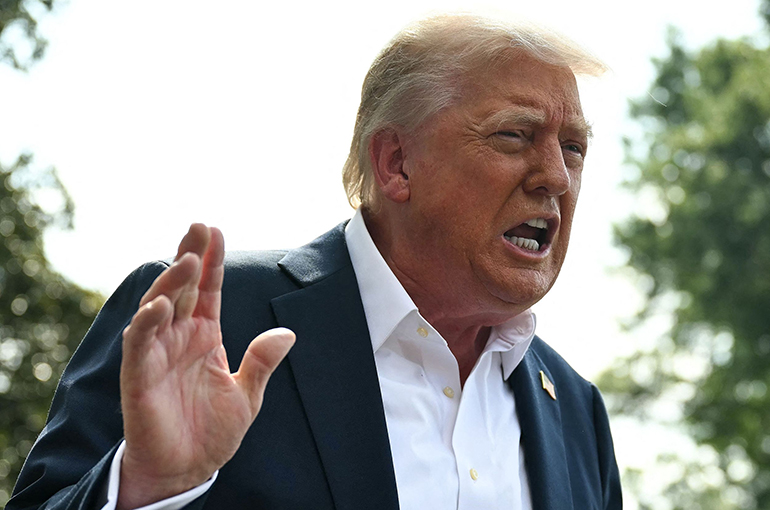
Donald Trump's recent tariffs are likened to a poker game aimed at achieving trade goals rather than starting a trade war, according to historian John Steele Gordon. He argues that Trump's intention is to promote fair competition in global trade, viewing the current trading system as unfair. Gordon also discusses the differences between US and Chinese stock markets, attributing them to differing cultural perspectives on history and optimism. He suggests that the current tariff situation is still developing and that a more balanced trading environment may emerge soon.
Trump Takes Tariffs as Poker Game Rather Than Trade War, US Financial Historian Says
Emerging technologies, including artificial intelligence (AI) and satellite imagery, are transforming economic policymaking in Africa. These tools allow for real-time insights into dynamic human economic activities, which traditional methods struggle to capture. A collaboration between the Africa Center for Economic Transformation and the South African Reserve Bank aims to develop a high-frequency economic activity index using advanced satellite data to track consumer behavior in South Africa’s economically vibrant regions. The project focuses on refining AI models and a data processing pipeline, utilizing commercial satellite imagery for accurate economic analysis while adhering to regulatory standards.
Angola, Kenya, Namibia, Senegal, South Africa, Tanzania | Financial services, ICT
New Approaches to Policymaking: Leveraging Satellite Imagery and AI to Measure Economic Activity

Decarbonization has become a key business imperative, shifting from a compliance task to a strategic growth driver. Five lessons from working with global corporations highlight that precise measurement of emissions is crucial for targeted action. Successful companies, like Reckitt and Symrise, demonstrate the necessity of a strong data foundation and long-term vision. Embracing AI technology significantly lowers costs and enhances the accuracy of product carbon footprint calculations, facilitating efficient carbon accounting. Sustainability initiatives must align with business objectives for effective transformation and compliance with evolving regulations.
Denmark, Sweden, United Arab Emirates | Education
5 lessons on decarbonization learned from working with corporates

Plastic pollution is a pressing global issue, with significant impacts on environments and livelihoods, particularly in coastal regions. As international negotiations for a plastic treaty progress, standardization via ISO standards is crucial for effective implementation. ISO's established frameworks promote circular economy principles, enhancing waste management and recycling practices and letting countries align policies with actions. Success hinges on translating treaty goals into measurable, actionable standards to prevent fragmentation and inefficiency. By fostering a consistent approach across nations, ISO standards can catalyze innovation in industry, paving the way for sustainable solutions to reduce plastic waste.
Financial services, Education
Why shared standards are the missing link to ending plastic pollution
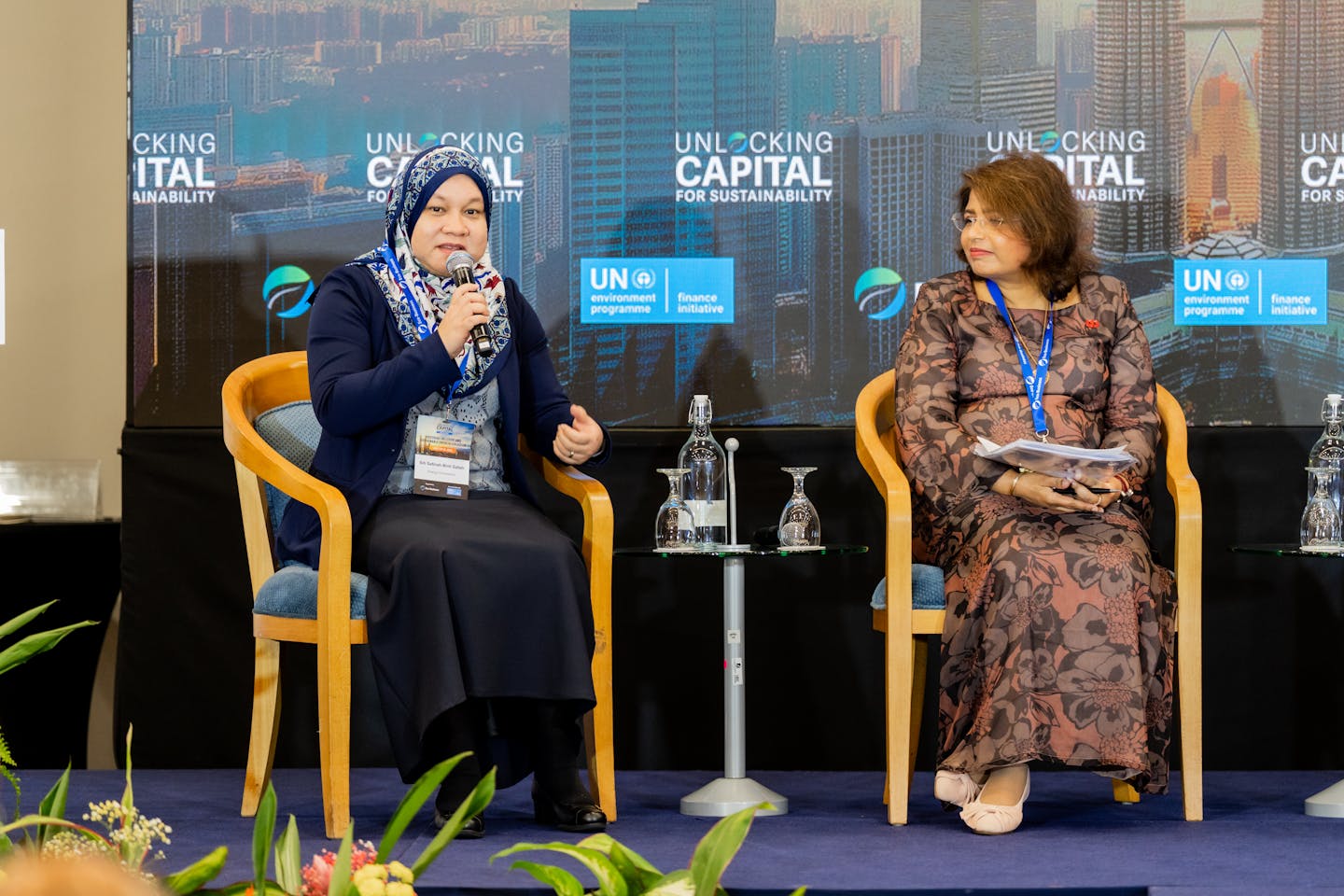
The reform of Malaysia's electricity tariff mechanism aims to accurately reflect the true costs of fossil fuels for heavy energy users, such as data centres. The new structure, effective from July 2025, separates energy and capacity charges, enabling companies to better assess their clean energy investments. While ultra-high voltage users may face a 15% increase in costs, the Automatic Fuel Adjustment (AFA) scheme will align prices with market fluctuations monthly, in contrast to the previous six-month adjustment. This change is seen as essential for encouraging clean energy adoption amid the volatile fossil fuel market.
Financial services
Malaysia's electricity tariff reforms will help companies measure true cost of fossil fuels: Energy Commission chief
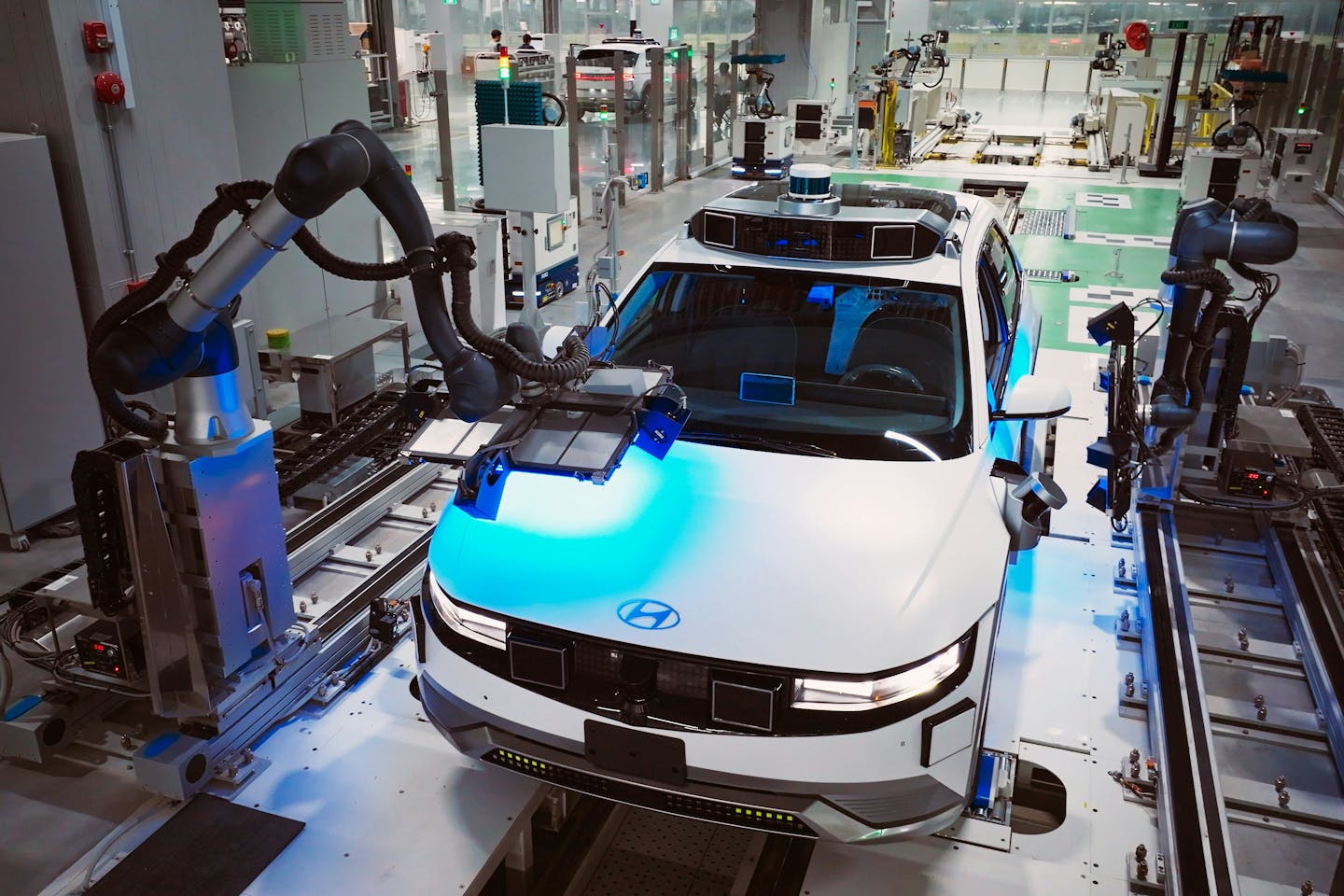
Vehicles contribute significantly to global greenhouse gas emissions, with road transport accounting for about 12%. As cleaner energy sources reduce emissions during vehicle use, manufacturing processes become increasingly critical, potentially leading to 85% of emissions stemming from raw material production by 2040. A survey of 51 major carmakers revealed limited action on supply chain emissions, with only 39% publishing such data. Electric vehicle manufacturers, in particular, lag behind traditional manufacturers in addressing emissions from steel and aluminium. Key challenges include a lack of accurate data, expertise, and affordable low-carbon materials, hindering efforts toward full decarbonization.
EV makers are still far from green
The Fourth Financing for Development summit in Seville, Spain, focused on securing capital for global development and resulted in the adoption of the Sevilla Commitment. This agreement addresses issues such as reforming the international financial architecture, emphasizing South-South cooperation, and promoting debt sustainability. Despite strong support from 192 UN member states, criticisms arose regarding the commitment's failure to address the urgent African debt crisis and lack of clear action steps. The role of China as a significant partner for the Global South was underscored. Future discussions at COP30 in Brazil are anticipated to tackle development finance challenges more concretely.
Tanzania | Health, Financial services
Roundtable: What the latest UN Finance for Development summit means for the world
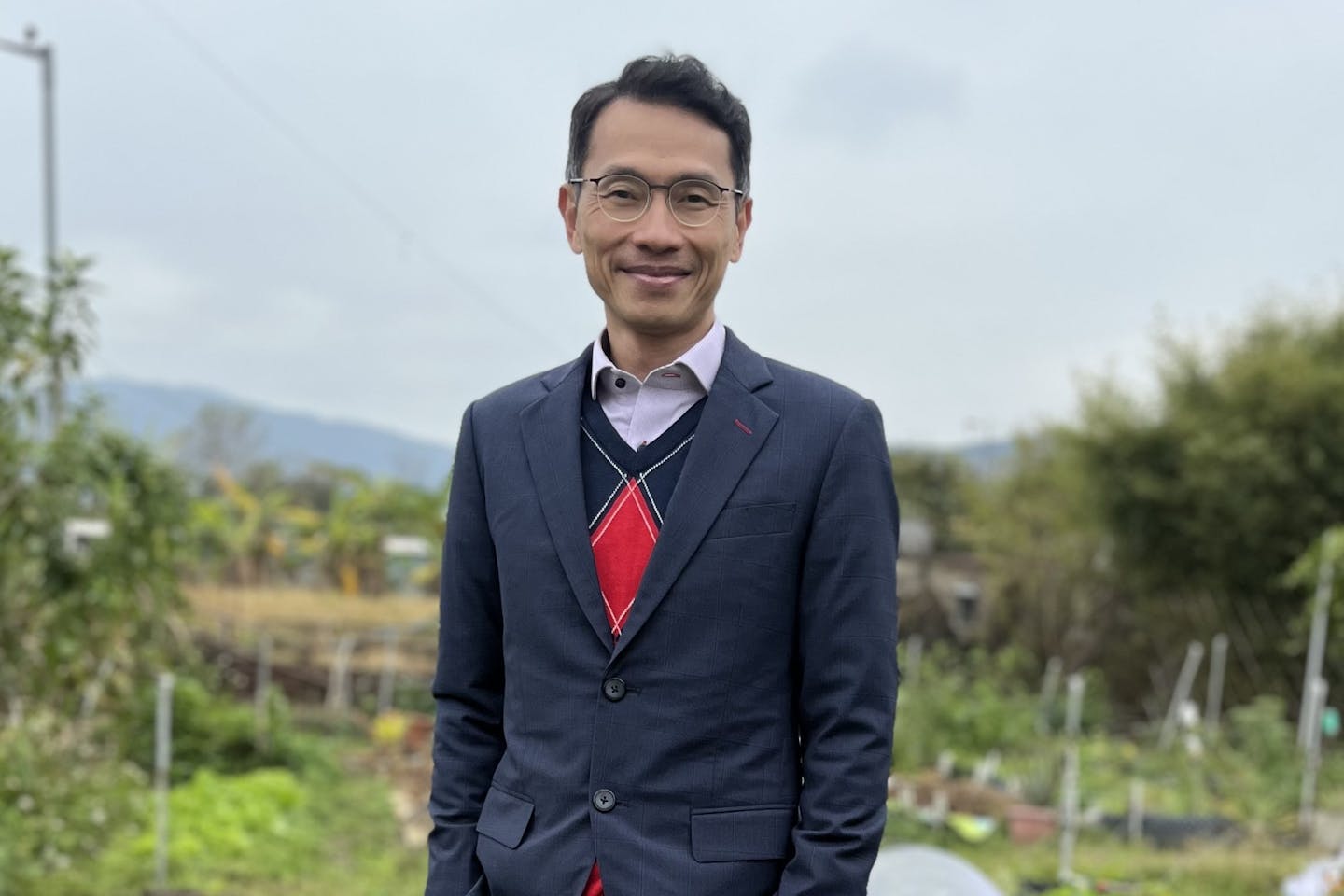
Alan To, CEO of Climate Finance Asia, emphasizes the need for corporate leaders to engage with grassroots communities and nature to foster a sustainable future. He highlights the adverse effects of climate change on local farmers in Hong Kong and advocates for integrating social equity into financial transition plans. To notes that while banks play a crucial role in financing energy transitions, many overlook the social impacts on communities reliant on existing facilities. He calls for C-suite executives to step outside their boardrooms and gain insights that could lead to more equitable and environmentally responsible finance practices.
Indonesia | Financial services
'Don't just sit in the boardroom': Hong Kong climate finance chief calls on C-suite leaders to connect with nature
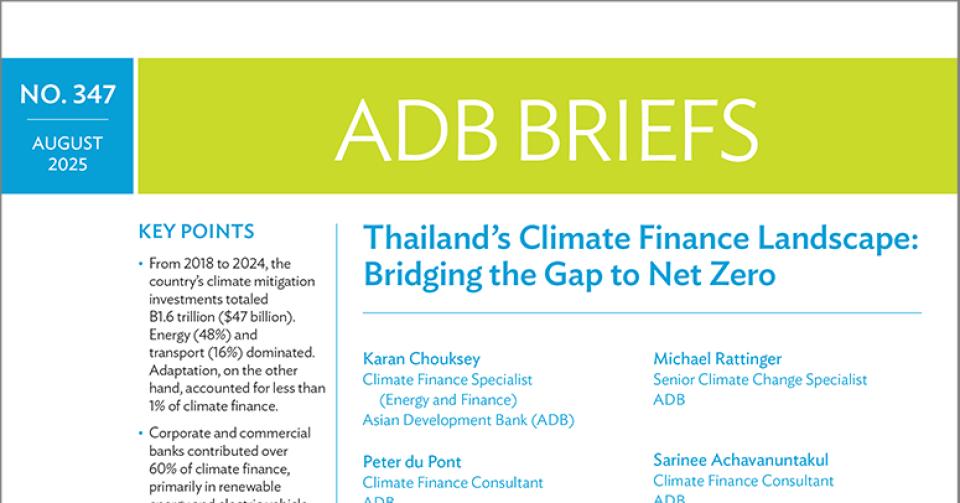
Thailand's climate finance landscape is evolving, with investments increasing in renewable energy and electric mobility. However, sectors such as water, agriculture, and climate adaptation remain underfunded. The brief identifies financing gaps, current capital flows, key barriers, and proposes reforms to improve investment planning and strengthen climate finance mechanisms, aiming to align financial flows with the country’s net-zero targets.
Thailand
Thailand’s Climate Finance Landscape: Bridging the Gap to Net Zero
Open protocols can prevent AI monopolies by promoting competition and fluidity in data usage. As AI models become commoditized, Big Tech aims to create barriers through context-aware applications that leverage user data, leading to user lock-in. Open protocols, like Anthropic's Model Context Protocol, can counteract this lock-in by facilitating access to user-owned data through open APIs. Essential measures include guaranteed data access for developers, portable memory for user data, and regulatory guardrails. Ultimately, establishing an open AI architecture fosters broad value creation, reducing monopolistic control by major firms.
Open Protocols Can Prevent AI Monopolies
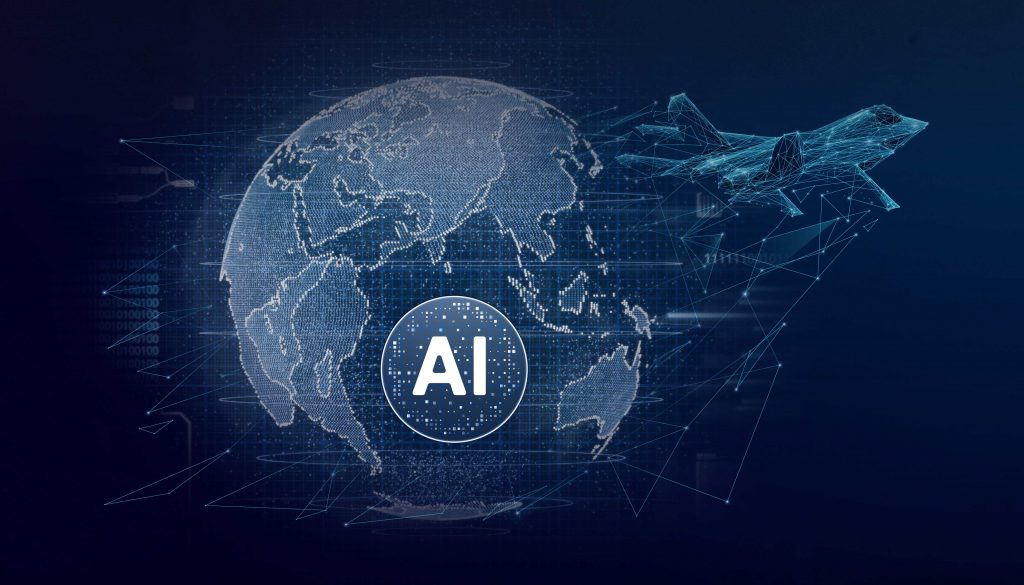
Lethal autonomous weapons systems (LAWS), including drones and autonomous missiles, are nearing operational capabilities in warfare, marking a significant shift from manual to autonomous decision-making in military technology. The debate over governance is complicated by differing national perspectives, with some nations advocating for existing legislation while others push for total bans. The use of LAWS poses challenges to international humanitarian law, potentially undermining principles like responsibility and distinction in armed conflict. Urgent and unified international regulations are necessary to mitigate risks associated with an uncontrolled arms race and to establish accountability in the deployment of these technologies.
Governing Lethal Autonomous Weapons: The Future of Warfare and Military AI
Traditional foreign aid is declining due to budget constraints and nationalism, while artificial intelligence (AI) emerges as a new support system in global development. AI is being rapidly deployed in the Global South, providing essential services through applications like Ubenwa’s neonatal diagnostic app and Hello Tractor’s fleet management. Tech companies such as OpenAI, Google, and Nvidia, along with local innovators, are taking the lead in these initiatives. The U.S. views AI as a foreign policy tool to spread influence and values, although the implications of these values remain complex and contentious.
Education
AI is the new foreign aid
The US's threat to impose a 50 percent tariff on Brazil exemplifies geostrategic coercion driven by Brazil's increasing ties with China and the US's diminishing regional influence. This shift follows Brazil's development of the Pix digital payment system, which promotes digital sovereignty favoring Chinese standards over US fintech. The US's move reflects a strategic pivot from collaborative economic engagement to punitive measures, jeopardizing decades of cooperative relations. Such tactics may prompt Brazil to further distance itself from US influence, undermining long-term partnerships and fostering resistance to coercive diplomacy.
Brazil | Financial services
US x Brazil in the era of coercive geoeconomics
Human mobility is critical to understanding the transmission patterns of infectious diseases, influencing the dynamics of epidemics and pandemics. Traditional epidemic models often rely on homogeneous mixing assumptions, which fail to reflect the varied nature of human interactions. Advances in data-driven methods allow for the integration of high-resolution mobility data into epidemic models, enhancing the precision of risk assessment and intervention strategies. This review synthesizes contemporary approaches in human mobility-informed modeling, examining data sources, transmission dynamics, and implications for epidemic management.
Health
Human Mobility in Epidemic Modeling
The U.S. is lagging in energy innovation while China advances rapidly in renewable technologies like wind, solar, and batteries. Political decisions under the Trump administration favor fossil fuels, undermining support for clean energy initiatives. Despite being a top fossil fuel exporter, the U.S. faces rising energy costs and climate change impacts. China capitalizes on this by investing heavily in renewable energy, making it cheaper than fossil alternatives. As U.S. priorities shift, global competition in clean energy innovation is intensifying, with China currently taking the lead.
Why the US is letting China win on energy innovation