
True autonomy in systems such as self-driving cars and smart cities arises from the integration of sensing, connectivity, computing, and control, paralleling the structure of biological intelligence. This approach requires collaboration among experts to design systems that mimic the human body's harmonious operation, utilizing multimodal sensors, secure communication networks, and advanced computing methods. As technologies blur the lines between these functionalities, the future will see distributed intelligence cultivated through integrated approaches, driving innovations in smart cities, factories, healthcare, and agriculture. Autonomy must be foundational, emerging from a cohesive ecosystem rather than being an added feature.
Why autonomous systems should mirror the structure of biological intelligence

Trump's tariff policy, initiated in April, aimed to increase tax revenues, lower consumer prices, boost American industry, and negotiate better trade deals, particularly to challenge China. The Federal Reserve has kept interest rates unchanged, noting that while tariff revenues have risen to about $30 billion monthly, most costs are borne by US importers, leading to price increases for consumers. Despite significant pharmaceutical investments, manufacturing sectors, like Ford, report profit declines due to tariffs. Trade agreements have been announced but lack binding commitments, leaving the overall success of the tariff strategy uncertain amid rising inflation and consumer costs.
United Kingdom
Trump’s new tariff regime has begun after months of chaos and uncertainty. But is his approach working?
The recent agreement between the European Union and the United States introduces a 15% tariff on a significant portion of European exports, amounting to €532 billion. While some view this as a harsh blow, it presents an opportunity for Europe to leverage this situation for strategic advantage rather than simply reacting with indignation. The lack of a formal, detailed trade agreement raises concerns about enforcement and transparency. Currently, the tariff replaces an earlier increase and varies for sensitive sectors like agriculture and automotive, which have higher existing tariffs. This agreement signifies a crucial moment in transatlantic trade dynamics.
Latin America | Financial services
EU-US Agreement: an Armistice that is Timely if Given the Means
AI is transforming society, akin to the Renaissance and Industrial Revolution, affecting various industries from healthcare to education. A human-first approach is crucial in guiding AI's development, ensuring it benefits humanity. AI enhances efficiency and impact, such as reducing ICU admissions by 30% and streamlining recruitment processes. While it offers vast potential, challenges like malicious use and ethical concerns necessitate careful governance and transparency. Collective efforts across sectors are essential to harness AI’s benefits while mitigating risks, ensuring a responsible and equitable future for technology.
ICT, Education
Human-first AI: What decisions today will impact AI for humanity tomorrow?

Climate change is substantially disrupting global food systems, with China taking significant steps to align its climate objectives with food security. The country has implemented a "dual carbon" pledge, targeting peak carbon emissions by 2030 and carbon neutrality by 2060 while simultaneously advancing sustainable agricultural practices. Key strategies include reducing food waste, investing in climate-smart food production, and innovating through plant-based and cultured meat technologies. China aims to recover substantial food loss—approximately 20.7% of staple grain production—and enhance cold-chain logistics to minimize spoilage. These initiatives also support sustainable agri-commodity trade with other nations.
Argentina, Brazil, Colombia, Ethiopia, India, Indonesia, Kenya, Tanzania, Thailand
How China is reshaping global food systems for the climate change era

China has reclaimed its position as the top importer of liquefied natural gas (LNG), significantly impacting Southeast Asia's energy landscape. The country holds the most long-term LNG contracts, with Malaysia and Brunei as key suppliers. Rising Chinese demand is sustaining LNG production, even as consumption declines in Japan and South Korea. However, this growth raises concerns over the potential for increased emissions and climate goals being undermined due to expanded gas infrastructure. Southeast Asian countries are being encouraged to adopt gas as a transition fuel, posing risks of inflation and financial vulnerability. China's burgeoning LNG fleet suggests an ambition for global trade, although resale restrictions complicate this potential.
Argentina, Thailand
How China’s LNG growth is shaping Southeast Asian energy plans
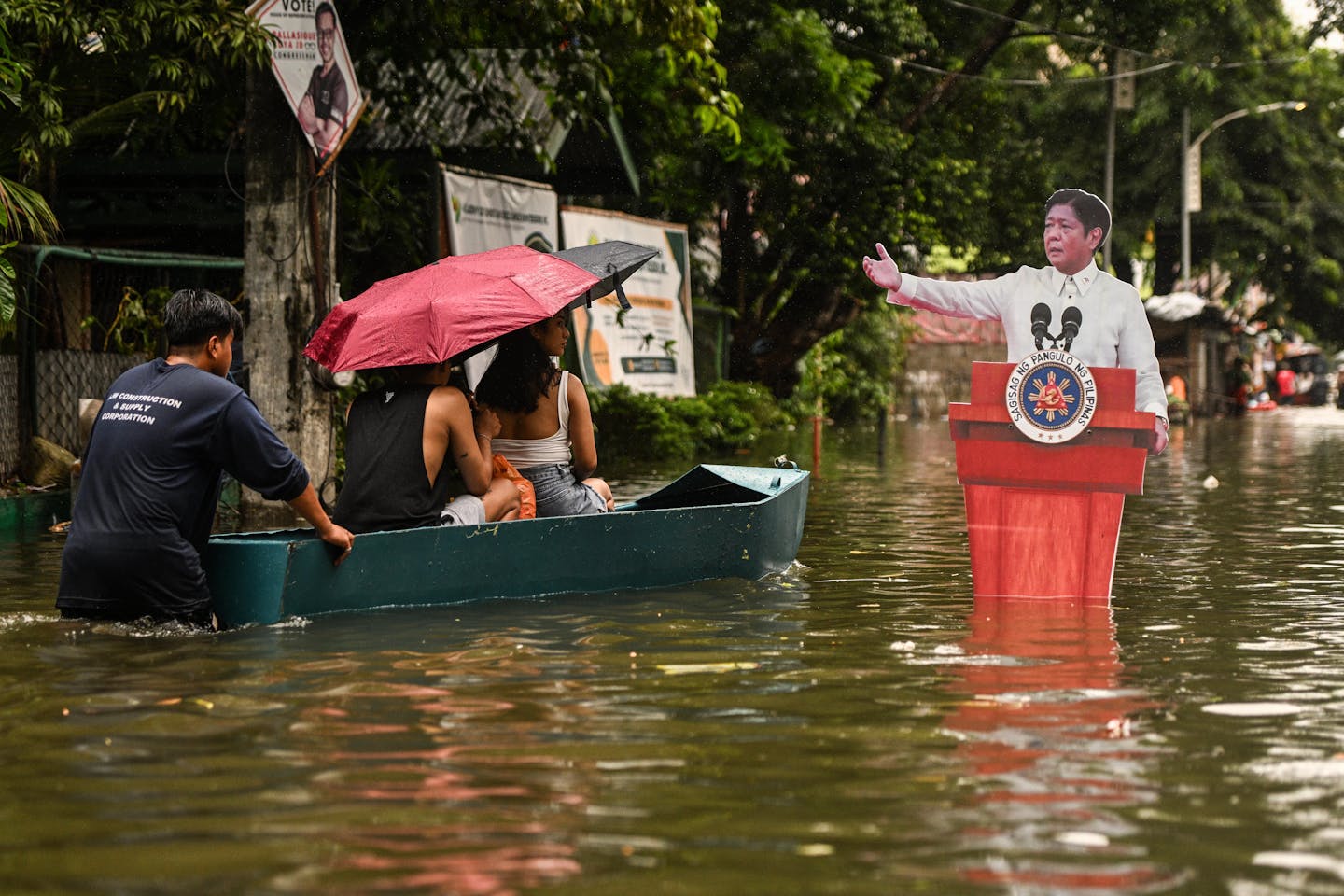
Singapore’s sovereign wealth fund GIC warns of increasing likelihood of high transition risk climate scenarios, specifically “delayed disorderly transition” and “too little too late,” influenced by rising emissions and current geopolitical challenges. The “too little too late” scenario predicts a temperature increase of 2⁰C to 3⁰C above industrial levels, while the “delayed disorderly transition” scenario suggests a gradual initial response leading to effective policy action later, keeping warming below 2⁰C by 2100. GIC emphasizes preparation for a range of possible climate outcomes to safeguard its investments and anticipates rising demand for climate adaptation solutions.
Indonesia | Financial services
High transition risk climate scenarios becoming more probable: GIC
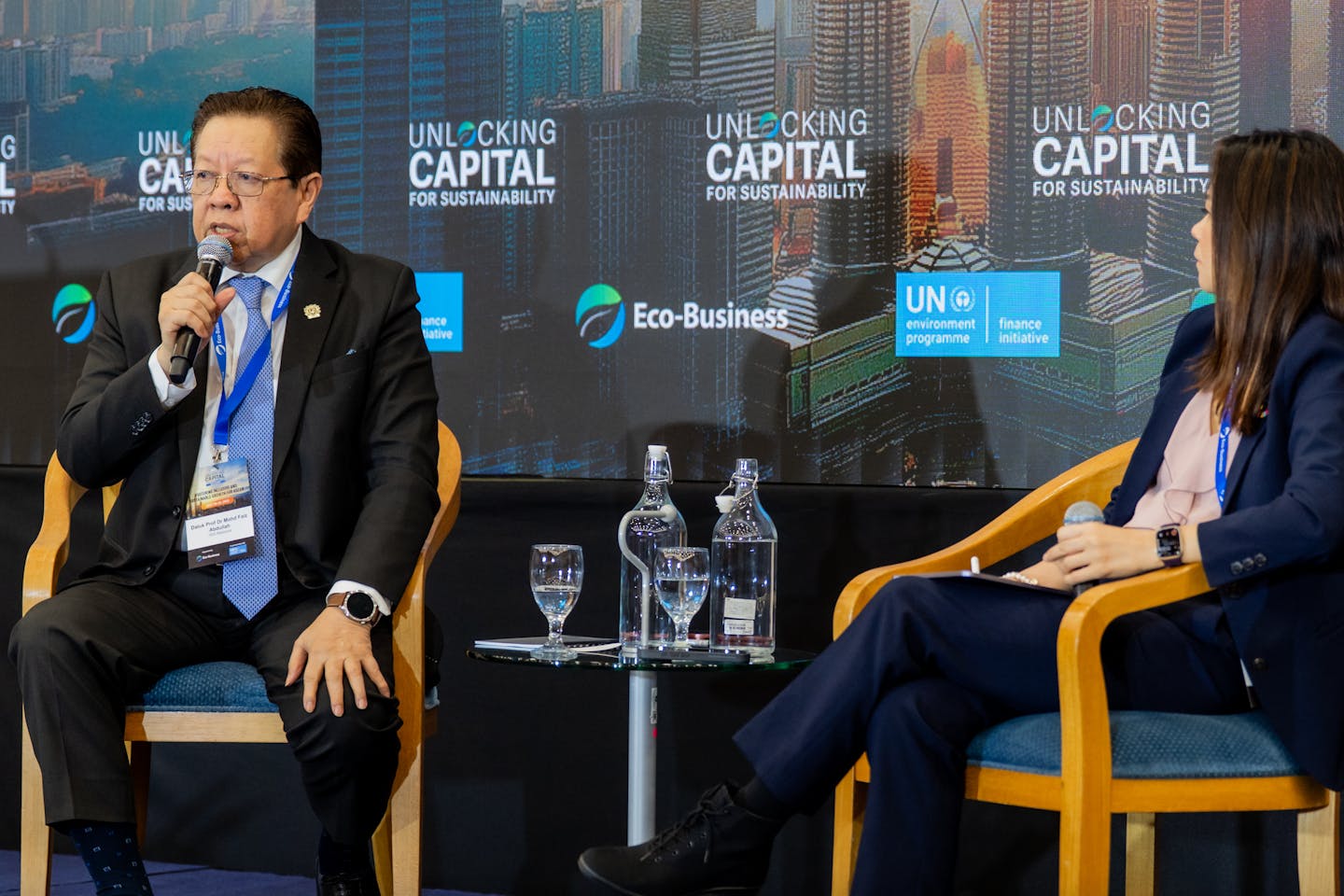
Asean can lead the climate transition by addressing immediate opportunities while advocating for necessary climate financing from the Global North, which has failed to meet promised financial support. Despite the financial constraints faced by developing countries, Asean can set the groundwork for clean energy and climate-resilient infrastructure. The Asian Development Bank highlights a significant need for over US$200 billion in adaptation investments by 2030. Prioritizing adaptation is crucial to avoid future economic losses exceeding US$1 trillion annually across Asia due to climate-related disasters.
Indonesia | Financial services, Health
Asean can lead on tackling climate's ‘low hanging fruits’ but world's financial system needs reform: global affairs expert
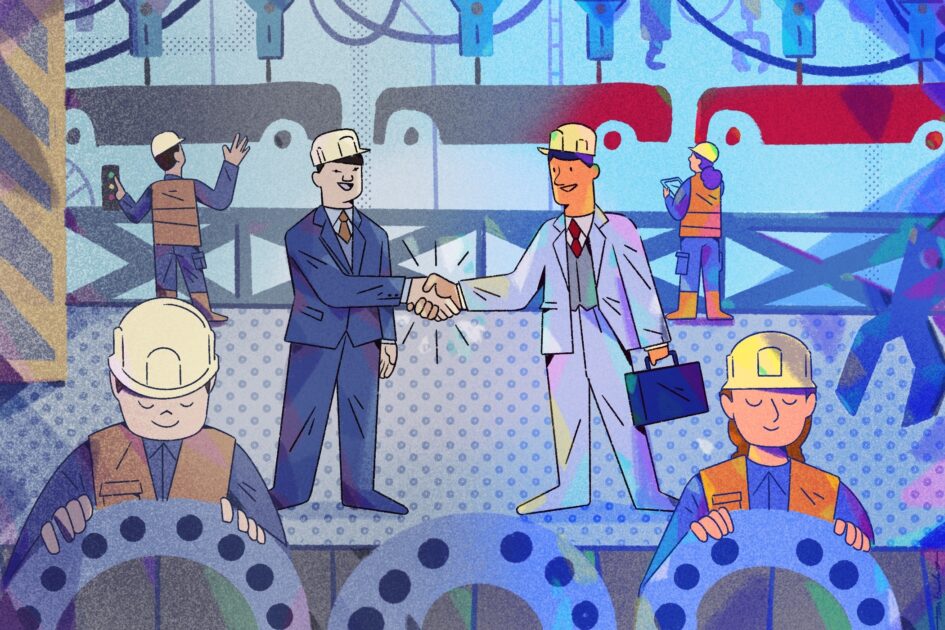
Trade secrets and knowledge spillovers from foreign partnerships have significantly boosted the quality of China's auto industry. Following foreign firms' requirements to collaborate with local manufacturers, Chinese car production improved from under a million in 2001 to over a third of global output by 2017. Research indicates that joint ventures with foreign companies contributed 8.3% to the overall quality enhancement of Chinese vehicles between 2001 and 2014. Analyzing J.D. Power surveys revealed that collaboration allowed domestic manufacturers to improve in key areas such as fuel efficiency and safety features, effectively climbing the quality ladder.
How Trade Secrets Fuel the International Auto Industry
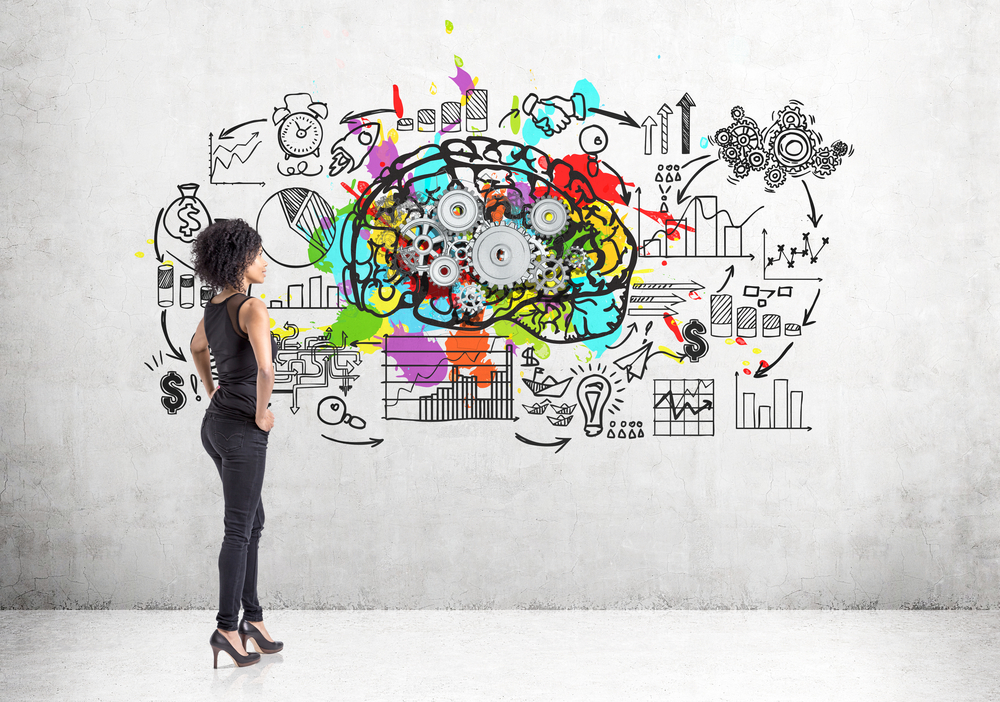
The future of economic growth is linked to optimizing 'brain capital,' which includes brain health and cognitive, emotional, and social skills. The brain economy suggests communities contribute to stability through collective brainpower. Key challenges include addressing cognitive decline, rising mental health issues, and improving workplace productivity and resilience. Investments in brain health could yield $26 trillion in global opportunities and significantly enhance GDP. As AI changes job demands, critical thinking skills may decline, highlighting the need for training that fosters independent thought and effective knowledge evaluation.
Financial services, Health, Education
The Brain Economy: The New New Thing
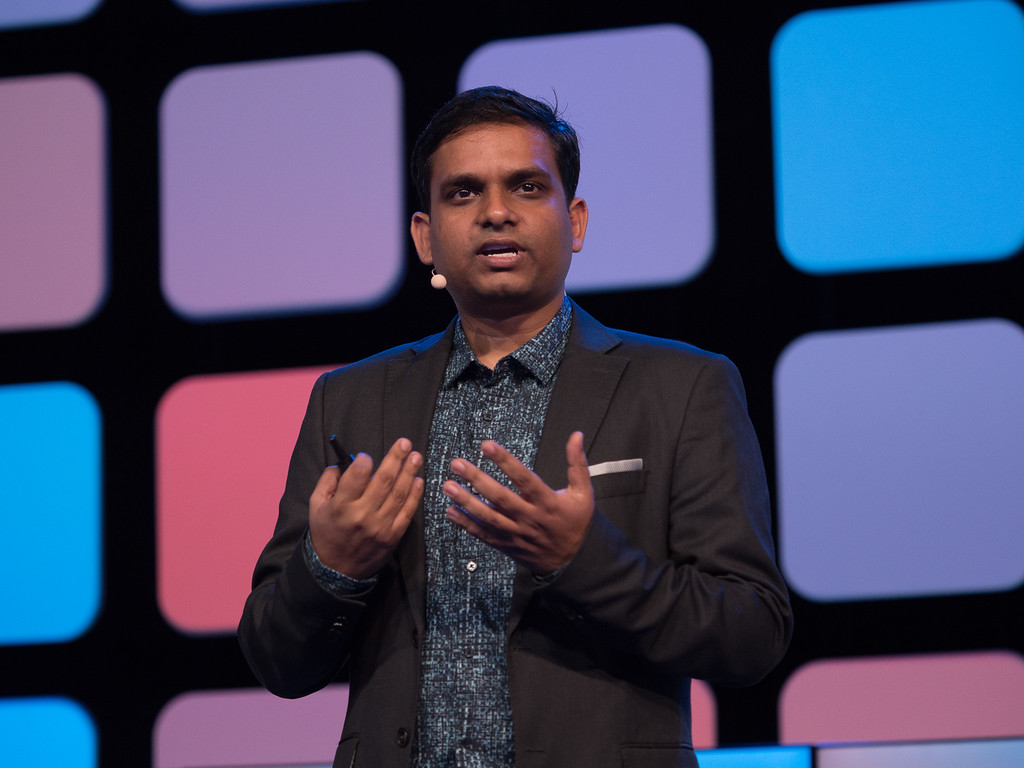
Sangeet Paul Choudary, founder of Platformation Labs and author of "Reshuffle: Who Wins When AI Restacks The Knowledge Economy," explores the dual nature of AI's impact on industries. He argues that while efficiency from AI may expand resource consumption, it can also lead to unequal benefits among stakeholders. Choudary emphasizes that today's competitive landscape is fluid; traditional strategic notions of fixed industry boundaries and positional advantage are being challenged, necessitating a reevaluation of how success is defined in the age of AI. He has advised Fortune 500 firms and is recognized as a Young Global Leader by the World Economic Forum.
Kenya, United Kingdom | Financial services, ICT, Education
Interview Of The Week: Sangeet Paul Choudary

AI models, such as those developed by Anthropic and IBM, are designed to mimic human reasoning. A study by researchers, including Blake McShane, investigated whether AI models adhere to the same statistical significance thresholds as humans, particularly the conventional P-value of 0.05. They found that AI models, like people, often interpret results dichotomously, which leads to biases and errors in interpreting statistical data. This "dichotomania" can perpetuate flawed research practices, as both AI and humans struggle with nuances in continuous data.
When AI Thinks Too Much Like a Human
Intergenerational partnerships are crucial for advancing climate solutions, as discussed at the World Economic Forum's Global Shapers Annual Summit. Youth leaders like Marcele Oliveira highlighted the urgency of climate justice and the need for diverse perspectives in shaping environmental policies. Collaborative efforts between generations can significantly enhance corporate social responsibility outcomes and decision-making effectiveness related to climate challenges. Oliveira emphasized collective action encompassing youth, families, and indigenous knowledge, while promoting climate education as vital for addressing ongoing crises ahead of COP30. Optimism and ecopreneurship remain essential components for driving impactful change.
Health
Youth perspectives: How intergenerational action speeds up climate progress
Europe faces a critical juncture in its science, research, and innovation strategy amid rising geopolitical tensions and increased investment in dual-use technologies. The EU must reimagine its research policy for strategic autonomy and global impact. Key asymmetries to address include data access, which remains concentrated among a few private entities, hindering effective research collaboration. Establishing a Data Commons with clear ethical guidelines and collaboration frameworks is essential to prevent a 'data winter' that could stifle future innovation and competitiveness.
ICT, Education
Going beyond the ‘EuroStack’ could help the EU build a truly global (open) Science Stack
The trade deal between the US and the EU, reached before the threat of significant tariffs, results in a 15% flat tariff on goods, which, while higher than the UK's recent agreement, is lower than tariffs facing China and Mexico. The EU also secured a zero-tariff arrangement on crucial hi-tech goods like semiconductors. The deal benefits European carmakers by reducing tariffs on their exports. However, it is a semi-formal agreement lacking the binding nature of a treaty, allowing both parties to declare victories while leaving critical elements ambiguous. Despite not achieving an ideal outcome, the EU has managed to contain potential damage.
European gloom over the Trump deal is misplaced. It’s probably the best the EU could have achieved
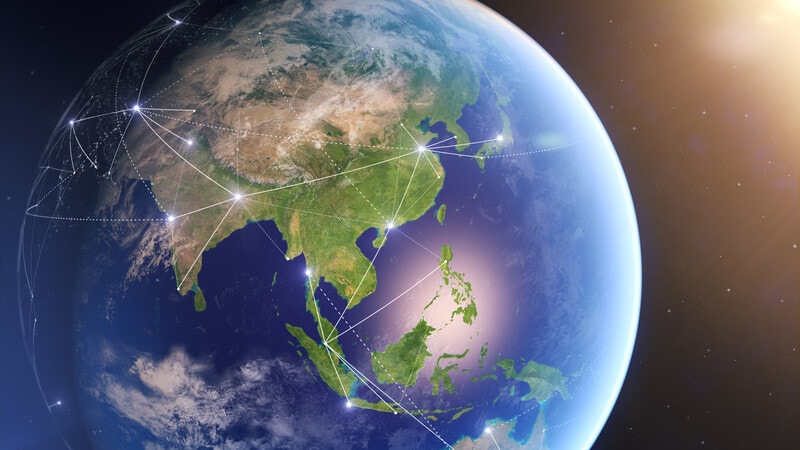
Globalization has significantly boosted global trade, but imbalances threaten its sustainability. Multinational corporations (MNCs) should adopt localization strategies to promote wealth equity and foster long-term relationships within local communities. The shift in manufacturing from developed to developing nations has created disparities, challenging the growth potential of lower-income countries. MNCs can enhance economic stability through decentralized operations and technology transfers, while prioritizing social and environmental value. Investments in local communities and sustainable practices are essential for inclusive globalization that benefits everyone.
Argentina, Bahrain, Bolivia, Colombia, Egypt, Ethiopia, Ghana, India, Indonesia, Kenya, Malawi, Malaysia, Mexico, Morocco, Mozambique, Namibia, Nepal, Philippines, South Africa, Sweden, Switzerland, Tanzania, Thailand, United Arab Emirates, United Kingdom, Viet Nam | Financial services, Health, Education
Globalization must be inclusive, not extractive. Multinationals can lead by example

European military resources are increasingly strained by climate-related disasters, impacting readiness and infrastructure. As NATO and the EU significantly increase military spending, the emphasis on traditional threats neglects the pressing issue of climate change, which poses a direct national security risk. Spain is taking steps to address this by allocating €1.75 billion from its military budget for dual-use technologies to combat climate emergencies. The growing frequency of climate events diverts military focus from core defense tasks and threatens critical infrastructure. European leaders must integrate climate resilience into defense planning to create a stable and secure future.
Europe’s defence build-up is a climate gamble – here’s how it can course correct

Enterprise AI is transitioning from passive tools to agentic systems capable of autonomous action in business processes. The rise of consumer AI, like ChatGPT, has heightened user expectations for intuitive technology in the workplace, prompting enterprise leaders to seek solutions that offer personalized and integrated experiences. Key challenges include trust, data access, and regulatory compliance, as enterprises favor proprietary, context-aware AI models over generic solutions. The movement towards AI agents that can automate a significant portion of tasks is gaining traction. Furthermore, composability—integrating and adapting AI models and infrastructure—is becoming essential for navigating the evolving enterprise landscape.
Enterprise AI is at a tipping Point, here’s what comes next
Donald Trump's declaration of "Liberation Day" aimed to address the trade deficit, raising questions about the dollar's stability amid economic challenges. Analysts Eric Chaney and Michel Duclos discuss potential threats to American institutions and the impact of Trump's fluctuating authority on domestic and international policies. Economic factors, particularly his tariff policies, may undermine his administration in the long term. Despite current political gains, a shift back to non-MAGA leadership is plausible in the future, yet the nationalist-populist sentiments may persist, as seen in other nations' political cycles.
Latin America | Financial services
[Trump’s World] - Economics - "The Main Advantage of the Dollar is not Financial, but Political."
A pioneering report evaluates the criminal justice system's response to gender-based violence (GBV) against women in the Marrakech-Safi and Souss-Massa regions of Morocco. Coordinated by Association Adala for the Right to a Fair Trial and DCAF, it draws on interviews with GBV survivors to assess service delivery aspects such as respect, protection access, and legal aid. Findings indicate improvements in respectful treatment and communication but reveal critical deficiencies in long-term psychological support, shelters, and emergency legal aid. The report offers specific recommendations to enhance justice access and reinforce the rights of GBV survivors, aiming to establish survivor-centered practices in Morocco.
Indicator on criminal justice response to violence against women in Morocco