
Japan faces challenges with its “employment ice age generation,” consisting of 17 to 20 million workers in their 40s and 50s stuck in low-wage, non-regular jobs. Since 2020, the government has initiated programs to support this group, resulting in the addition of over 310,000 regular employees. These individuals, earning significantly less than their younger counterparts, face financial instability and limited retirement prospects. To address these issues, measures include expanding recruitment in public sectors, increasing training programs, and providing employer incentives. Companies recognize the value of upskilling this generation, enhancing workplace communication and addressing labor shortages.
Financial services, Education
How Japan is rebuilding economic stability for its ‘employment ice age generation’

Technological interventions in humanitarian aid are complex and ambiguous, often revealing tensions related to sovereignty over data. Disputes arise from unauthorized data access, unconsented sharing, and interoperability demands, reflecting deeper power dynamics beyond privacy concerns. This analysis underscores the importance of viewing humanitarian data through a sovereignty lens, exploring its implications in contexts like the Rohingya in Bangladesh, Houthi in Yemen, and the humanitarian response in Ukraine. The emergence of "pseudo-sovereigns" challenging traditional norms is highlighted, advocating for scholars to prioritize sovereignty in discussions about surveillance and privacy in humanitarian innovation.
Health
Why sovereignty matters for humanitarian data
The EU's strategy for addressing interconnected environmental risks is framed by shifting geoeconomic and political conditions. The European Green Deal, bolstered by initiatives like Fit for 55 and REPowerEU, emphasizes decarbonisation despite challenges such as inflation and political resistance. The analysis outlines four potential scenarios for the EU's involvement in global governance reform, highlighting the necessity for internal and external actions to bridge the climate and social divide. It stresses the importance of engaging with emerging economies and diversifying green value chains while cautioning against excessive protectionism.
United Kingdom | Financial services, Health
Rethinking the EU's role in tackling interconnected environmental risks amid geoeconomic and political shifts

China's clean-energy exports in 2024 are projected to reduce global CO2 emissions outside of China by 1%, equating to 220 million tonnes annually, while cumulative savings over product lifetimes will reach 4 billion tonnes. The manufacturing of these exports will produce an estimated 110 million tonnes of CO2 within China, but this will be offset within less than a year of operation. China's clean-tech influence extends globally, with emissions reductions particularly significant in sub-Saharan Africa and the MENA region. Furthermore, future overseas investments in clean-energy projects are expected to enhance these savings.
Argentina, Egypt, Ghana, India, Kenya, Tanzania
Analysis: China’s clean-energy exports in 2024 alone will cut overseas CO2 by 1%
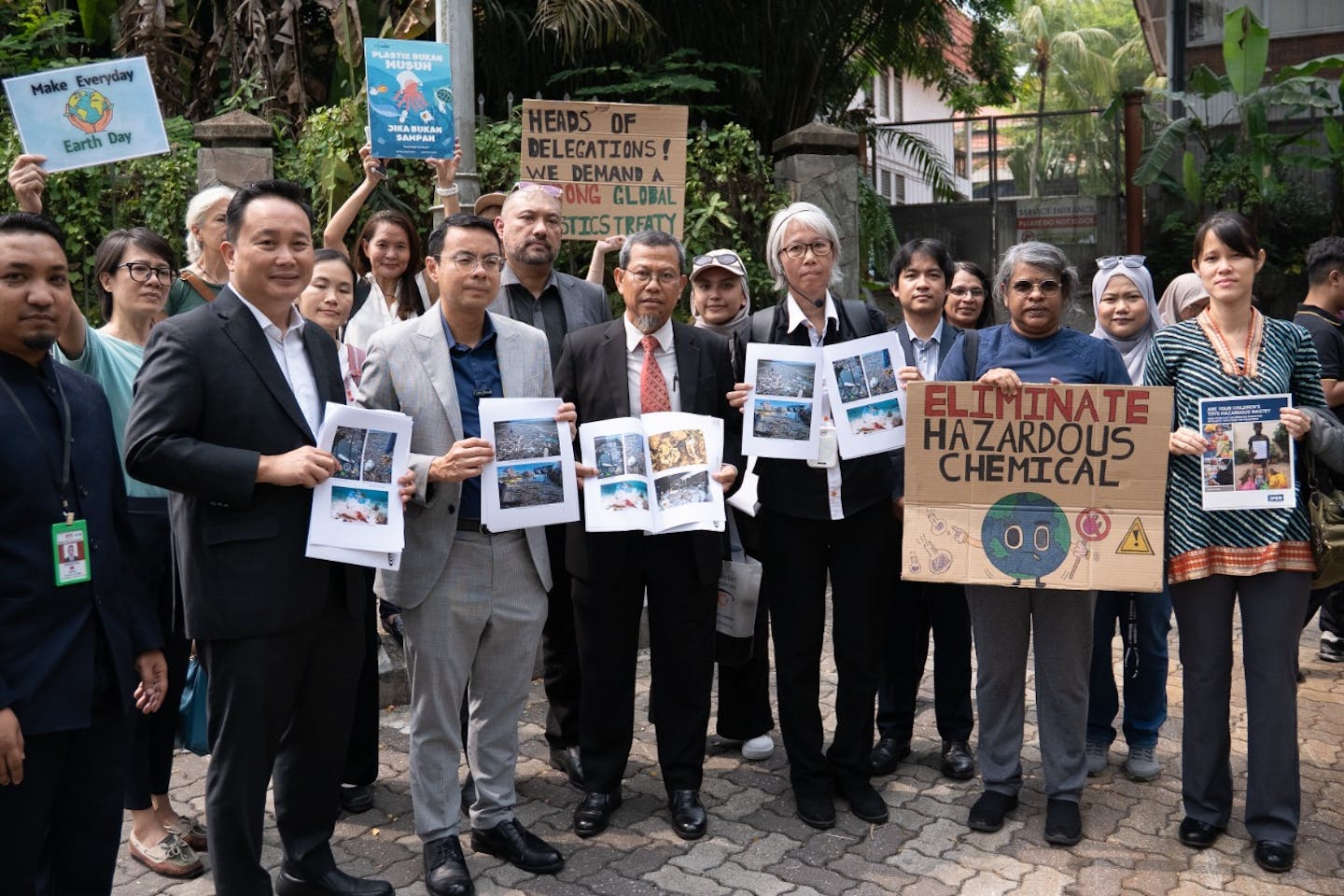
Malaysian MPs are urging the government to lead ASEAN in negotiations for a binding Global Plastics Treaty as it chairs the group. They received a memorandum from over 100 civil society organizations advocating for a treaty to address plastic production, toxic chemicals, and waste management. MPs emphasized the need for collective action to combat plastic pollution, which impacts health and the environment. Key recommendations include minimizing plastic waste through improved product design, stronger emission controls, and effective waste management. The treaty aims to regulate hazardous chemicals in plastics, addressing their long-term risks to human health and ecosystems.
INC-5.2 an opportunity for Malaysia to lead Asean in global plastics treaty talks, say parliamentarians

Maria Suryanti Jun emerged as a prominent environmental defender after the approval of a geothermal project for her community in Poco Leok, Indonesia. Alongside other Indigenous residents, she protests the project's lack of consultation, fearing loss of land and cultural heritage. Indigenous communities face high poverty levels and limited rights, exacerbated for women by traditional gender roles. As women like Maria become leaders in the resistance, they confront significant challenges, including government repression and violence. Despite these obstacles, her commitment to protect the land persists, emphasizing its cultural significance.
Indigenous women across Southeast Asia resist extraction and erasure
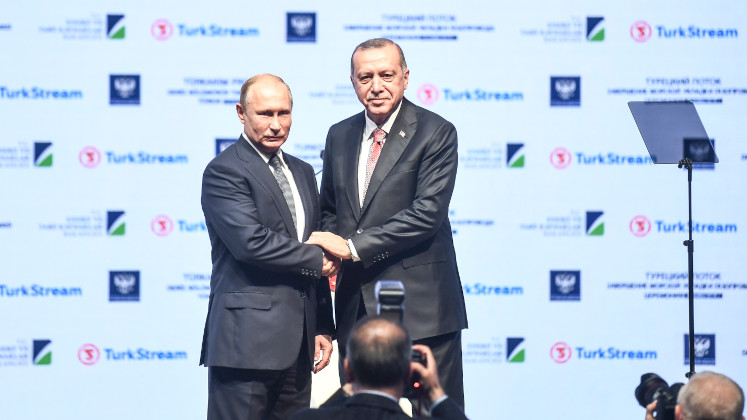
Turkey and Russia maintain a complex and ambivalent relationship characterized by "adaptive opportunism." Historically adversaries, they now engage in high-level defense cooperation while backing opposing factions in regional conflicts. This dynamic allows both countries to navigate a shifting geopolitical landscape, balancing cooperation and competition without a strict ideological alignment. Their interactions reflect pragmatic strategies rooted in mutual interests, as seen in their dealings in conflict zones like Syria and their evolving roles in the Arctic. The relationship exemplifies the trend of using transactional ties to assert influence in a multipolar world.
Russian Federation
Turkey’s “adaptive opportunist” diplomacy with Russia
ACET's Country Economic Transformation Outlook (CETO) provides a flexible framework that guides countries in their economic transformation journeys through gender-sensitive analysis. It combines rigorous research with local stakeholder engagement, focusing on national priorities and institutional capacity. The methodology includes comprehensive data analysis, stakeholder consultations, and the application of the Growth with DEPTH framework, assessing transformation in five key areas: Diversification, Export Competitiveness, Productivity, Technological Upgrading, and Human Well-being. Despite ambitious plans in countries like Ghana, Kenya, and Zambia, challenges such as implementation gaps and political dynamics hinder progress. CETO aims to bridge this gap by creating actionable roadmaps aligned with local contexts.
Cameroon, Chad, Colombia, Cyprus, Egypt, Eswatini, Ethiopia, Ghana, Indonesia, Kenya, Lesotho, Mozambique, Senegal, South Africa, Switzerland, Tanzania, Uganda, United Arab Emirates, United Kingdom | Financial services, Education
Driving Africa’s Transformation Through Country Economic Transformation Outlooks
Strengthening Pakistan's dairy sector can foster sustainable rural livelihoods through breed improvement, value chain modernization, and climate-smart practices. Approximately 80% of the sector consists of small-scale farmers, limiting economies of scale, while fragmented milk collection systems reduce farmers' profits. The majority of cattle are indigenous breeds, leading to lower productivity. With livestock contributing significantly to the GDP and supporting millions of households, addressing challenges such as climate variability is crucial. Implementing biogas, solar systems, and water-efficient practices can enhance sustainability and reduce costs.
Pakistan
Dairy Sector Outlook and Strategies for Sustainable Rural Livelihoods in Pakistan
The Organisation for Security and Co-operation in Europe (OSCE) must enhance its role by systematically engaging civil society expertise, particularly in times of conflict and crisis, as evidenced by the war in Ukraine. Civil society organizations are crucial in areas where state action is limited, contributing significantly during rehabilitation phases and in addressing security challenges. The OSCE should evolve its institutional framework to better integrate civil society actors, reflecting diverse perspectives and enhancing regional conflict management. Growing pressures on civil societies necessitate a renewed commitment to their empowerment, especially amidst geopolitical tensions.
Security Politics “from Below”
Inclusive and equitable education is essential for Ghana's national development and for achieving Sustainable Development Goal 4, which emphasizes quality education for all. Despite near-universal primary enrollment, the education system suffers from quality issues, with significant regional disparities and challenges related to socioeconomic backgrounds and demographics, including gender and disabilities. Current policies have made progress but are insufficient. A proposed policy framework aims to address these learning disparities and enhance inclusivity in Ghana's education system.
Ghana | Health, Education
Inclusive and Equitable Education: A Policy Framework for Addressing Learning Disparities in Ghana
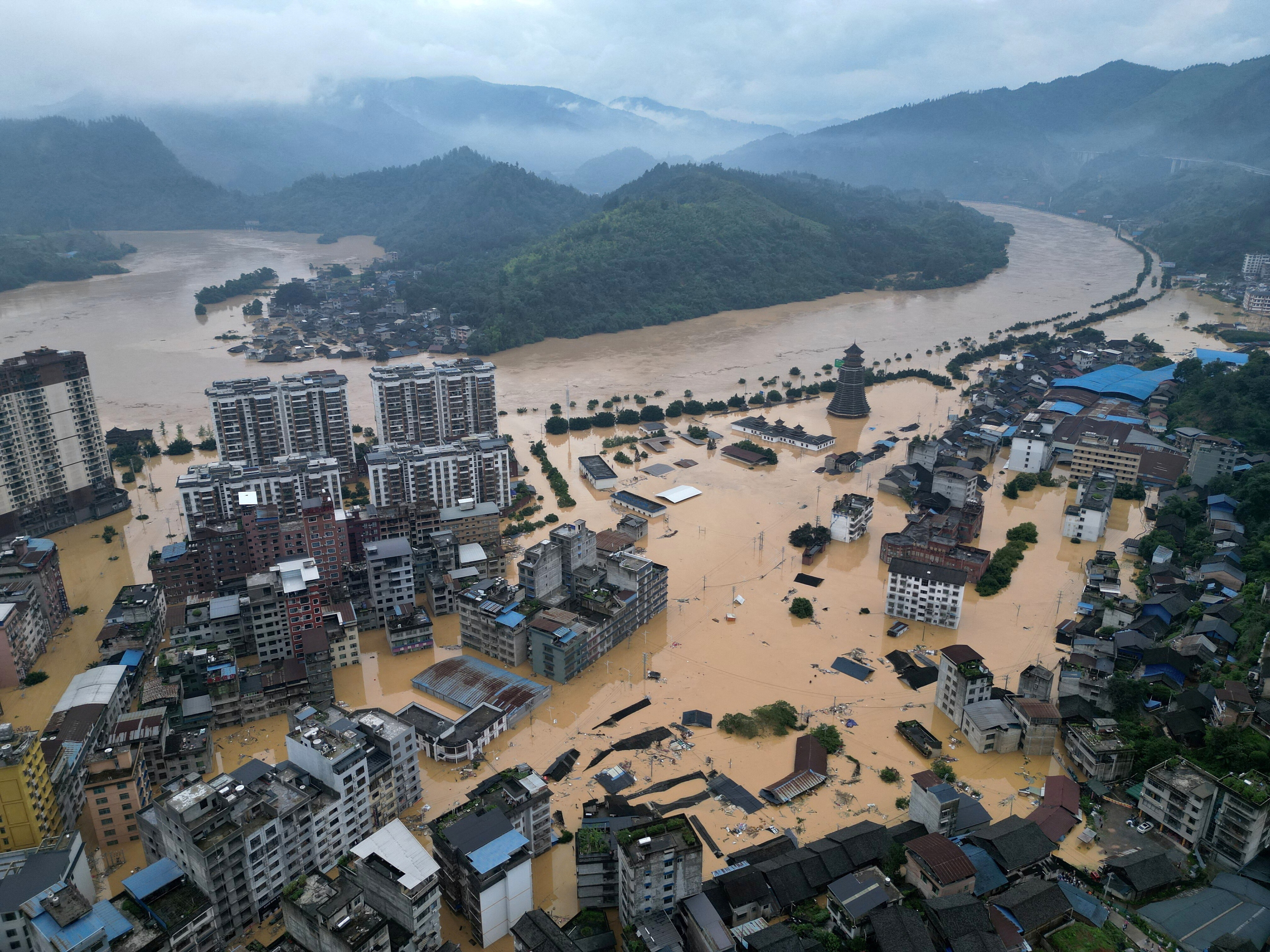
The International Court of Justice issued a landmark ruling affirming that countries have a duty to limit environmental harm, bolstering climate justice for vulnerable nations affected by climate change. UN Secretary-General António Guterres highlighted an inevitable transition from fossil fuels to renewable energy, noting that renewables are increasingly cost-effective. The EU is exploring ways to simplify sustainability laws without compromising environmental goals. Additionally, the US faces a shortage of firefighters amid extreme wildfire conditions, and seabird populations in Peru have drastically declined. Coastal erosion threatens Alexandria, while extreme rainfall has caused flooding in Northern China.
UN court issues landmark climate decision and other nature and climate news
Public trust is essential for the success of health data-sharing initiatives (HDSIs), influencing public participation. A qualitative study involving 57 semi-structured interviews with policymakers in the EU, France, Italy, and Switzerland revealed that while trust is recognized as important, there is no shared definition of it within the context of HDSIs. France prioritizes trust-building through stakeholder engagement, whereas European, Italian, and Swiss policymakers address trust ambiguously without clear strategies. Policymakers expressed a need for specific guidance on trust-building in health data policies.
Health
Operationalising public trust for health policymakers – A qualitative study in the EU, France, Italy, and Switzerland

Small and medium-sized enterprises (SMEs) are increasingly vulnerable to cyber threats, impacting global economic resilience. SMEs, which constitute around 90% of businesses worldwide, struggle with limited budgets and resources for cybersecurity. To enhance resilience, three strategies are proposed: simplify cybersecurity tools for user accessibility, emphasize that cybersecurity is a continuous practice rather than a one-time solution, and leverage managed service providers to support cybersecurity efforts. By empowering SMEs with effective cybersecurity measures, the aim is to bolster not only individual businesses but also the interconnected global economy.
Financial services, ICT, Education
3 ways to empower SMEs and create global cyber resilience

Improving AI outputs hinges on effective prompting. Six tactics enhance prompt engineering for better business results: 

1. Specify desired outcomes with clear definitions.
2. Provide context and constraints to guide AI.
3. Iterate and refine prompts for accuracy.
4. Request diverse approaches to encourage creativity.
5. Use role-playing for tailored insights aligned with stakeholders.
6. Document and reuse high-performing prompts for consistent results.

These methods, grounded in research, can maximize the utility of AI tools, significantly impacting productivity and engagement.
Six Tactics to Get Better Results From AI

Marius Guenzel's research uncovers the factors shaping professional forecasters' long-term growth expectations, emphasizing their critical role in firm valuation. Unlike short-term forecasts, which closely follow recent performance, long-run expectations reflect broader views on a firm's fundamental growth trajectory and are better predictors of future earnings over extended periods. These expectations are influenced by macroeconomic and structural factors, as well as personal biases, leading to persistent differences among forecasters. This suggests that long-run forecasts are an essential, yet often overlooked, component of market expectations, impacting investment decisions and capital movements across markets.
Financial services
What Shapes Analysts’ Long-term Forecasts?
Africa's economic future relies on leveraging its youthful population's entrepreneurial potential, particularly through innovative and tech-driven start-ups that tackle youth unemployment and promote economic diversification. The tech start-up ecosystem has grown significantly, with over 1,000 active tech hubs and substantial funding in recent years, despite being underfunded compared to other regions. Policymakers are encouraged to analyze macroeconomic policies that support start-ups, share successful practices, and create a conducive environment for entrepreneurship to enhance economic transformation across the continent.
Ethiopia, Ghana, Kenya, Namibia, South Africa, Tanzania | Financial services, Education
Macroeconomic Policies Supporting Start-ups in Africa
Africa's tech start-up ecosystem has grown significantly over the past decade, with active tech hubs increasing from fewer than 50 in 2011 to over 1,000 by 2024. Kenya has emerged as a leading innovation center in Africa, known as “Silicon Savannah,” fostering a diverse start-up ecosystem across sectors like fintech and e-commerce. Nairobi attracts tech entrepreneurs and investors due to its supportive infrastructure and talent pool. Kenya is transitioning to a policy-driven approach to enhance innovation, implementing macroeconomic policies that draw on both local experiences and international best practices to support entrepreneurial growth and economic transformation.
Burkina Faso, Egypt, Ethiopia, Ghana, Indonesia, Kenya, Namibia, Senegal, South Africa, Tanzania, Uganda
Macroeconomic Policies Supporting Start-ups in Africa: A Case Study of Kenya
Africa’s tech start-up ecosystem has seen significant growth over the past decade, with active tech hubs increasing from under 50 in 2011 to more than 1,000 by 2024. In Ghana, the start-up sector has emerged as a vital driver for transforming the economy into a modern, innovation-focused one. Government support and favorable policies have led to substantial funding growth, with start-ups raising $148.57 million in 2022 compared to $19.75 million in 2021. Effective macroeconomic policies could further enhance this growth and position Ghana as a leader in regional start-up policies.
Ghana, Kenya, Senegal, South Africa, Tanzania
Macroeconomic Policies Supporting Start-ups in Africa: A Case Study of Ghana

AI literacy is essential for ensuring safe, transparent, and responsible use of artificial intelligence in organizations and society. It enables individuals to effectively interact with, create, and manage AI technologies, enhancing problem-solving, innovation, and strategic decision-making. Recently developed frameworks highlight critical skills needed for navigating an AI-driven world. The integration of AI literacy into education is being prioritized globally, as highlighted by initiatives from the US, China, and UNESCO. Companies are investing in workforce upskilling to leverage AI's potential, driving digital transformation while fostering safety and trust.
ICT, Education
Why AI literacy is crucial for safe, inclusive and strategic AI transformation