
Taiwan's semiconductor industry, shaped by over five decades of development, emphasizes a "clients-first" business model instead of pursuing geopolitical concepts like "strategic autonomy" or "indispensability." The ecosystem serves global clients, such as Apple and Nvidia, focusing on reliability, cost-efficiency, and high-quality manufacturing. Despite growing importance of these concepts in global discussions, Taiwan maintains its strategy of integration into the global supply chain. Recently, with the rise of AI, the industry has swiftly adapted to meet the needs of leading AI companies, reaffirming its position as a critical player in this evolving landscape.
Indonesia, Italy, Kenya, Switzerland, Taiwan, China, Tanzania, United Arab Emirates, United Kingdom | ICT
Three Questions to Jeremy Chang: Taiwan’s Contract Manufacturing Model, Dancing with Clients
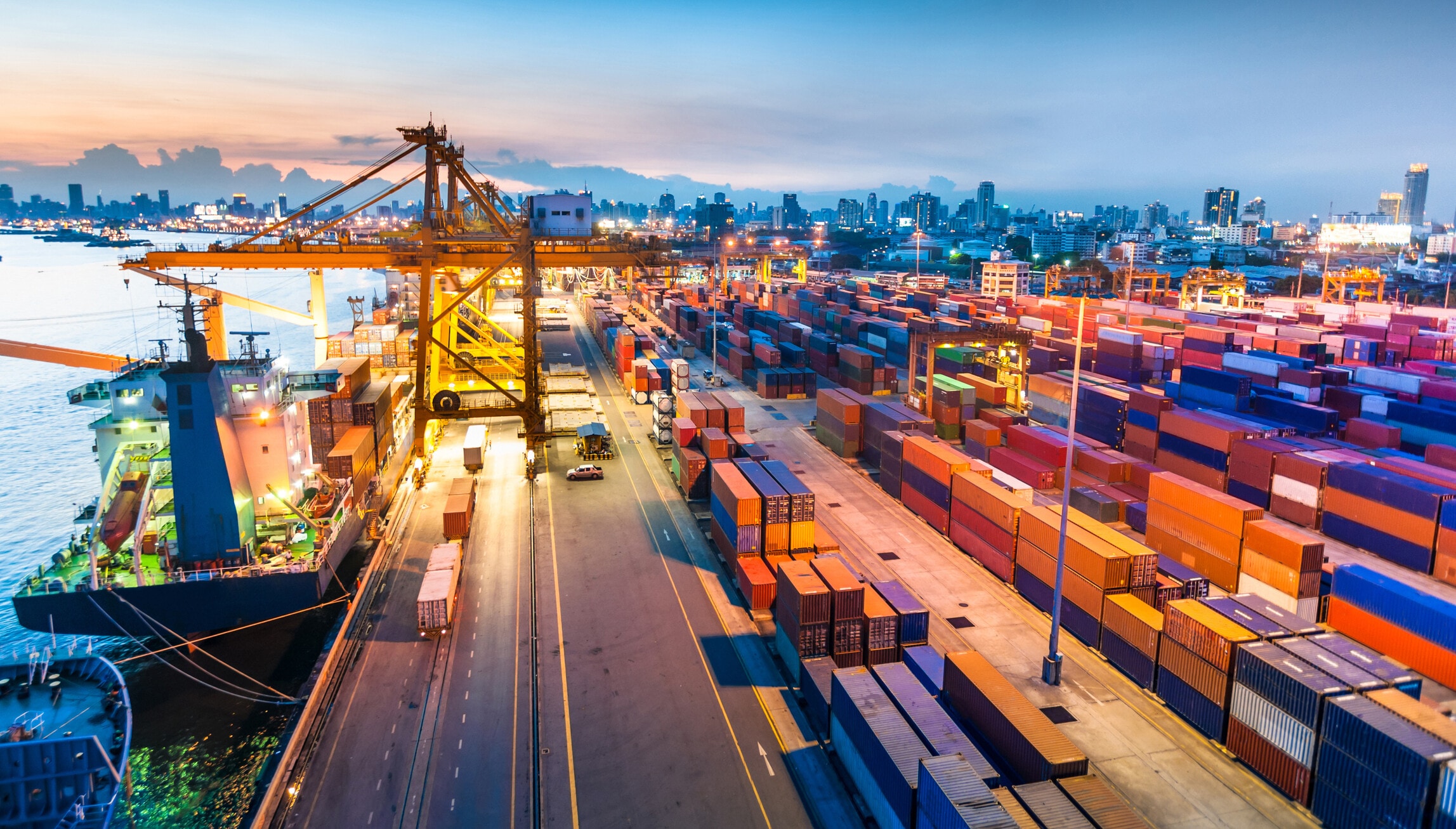
The logistics sector represents up to 11% of global greenhouse gas emissions, with emerging economies positioned to lead in green logistics through the adoption of efficient and innovative technologies. As global freight demand is expected to double by 2050, countries like China and those in the Middle East are enhancing their logistics infrastructure, embracing electric and hydrogen fuel trucks, and committing to zero-emission vehicle sales by 2040. Emerging markets can leapfrog outdated systems to foster economic growth and sustainability. A collaborative approach is crucial for a successful global transition, focusing on advancements in fuel solutions, vehicle technology, digital optimization, and infrastructure development.
Argentina, Colombia, Ethiopia, Ghana, India, Indonesia, Kenya, Tanzania, United Arab Emirates, United Kingdom | Financial services, ICT, Education
Emerging economies can lead the way on green logistics. Experts explain why

US businesses face heightened geopolitical tensions, now seen as the top risk to economic growth. Companies are encouraged to establish in-house geopolitical teams to anticipate and navigate global shifts for value creation and risk management. Key strategies include preparing for potential policy changes, identifying growth opportunities through tariffs and trade agreements, and proactively securing first-mover advantages while implementing defensive measures. Diversifying supply chains and securing inventory are crucial for stability amid uncertainties. Adaptability remains essential for maintaining US economic preeminence in a changing global landscape.
Colombia, India, Indonesia, Kenya, Russian Federation, Sweden, Switzerland, Tanzania, Ukraine, United Arab Emirates, United Kingdom | Financial services, Health
Will US businesses maintain their preeminence in a changing world?

Africa's growth is hindered by limited capital and low revenues, with initial development driven by labor before capital and technology become critical as countries progress. The World Bank identifies 22 low-income African nations, where economic growth is primarily from a skilled labor force. Middle-income countries struggle with capital access, affecting their ability to diversify and innovate. While nations like Senegal and Uganda are set for above-average growth due to foreign direct investment (FDI), Nigeria faces stagnation due to low FDI. Development aid remains vital for poorer nations, with only 3% of Africa's GDP coming from FDI, which could rise to 5.3% by 2043 with improved conditions.
Benin, Burkina Faso, Democratic Republic of the Congo, Egypt, Ethiopia, Ghana, Guinea, Kenya, Malawi, Mozambique, Namibia, Rwanda, Senegal, South Africa, Tanzania, Uganda, Zambia | Financial services
The promise of more investment
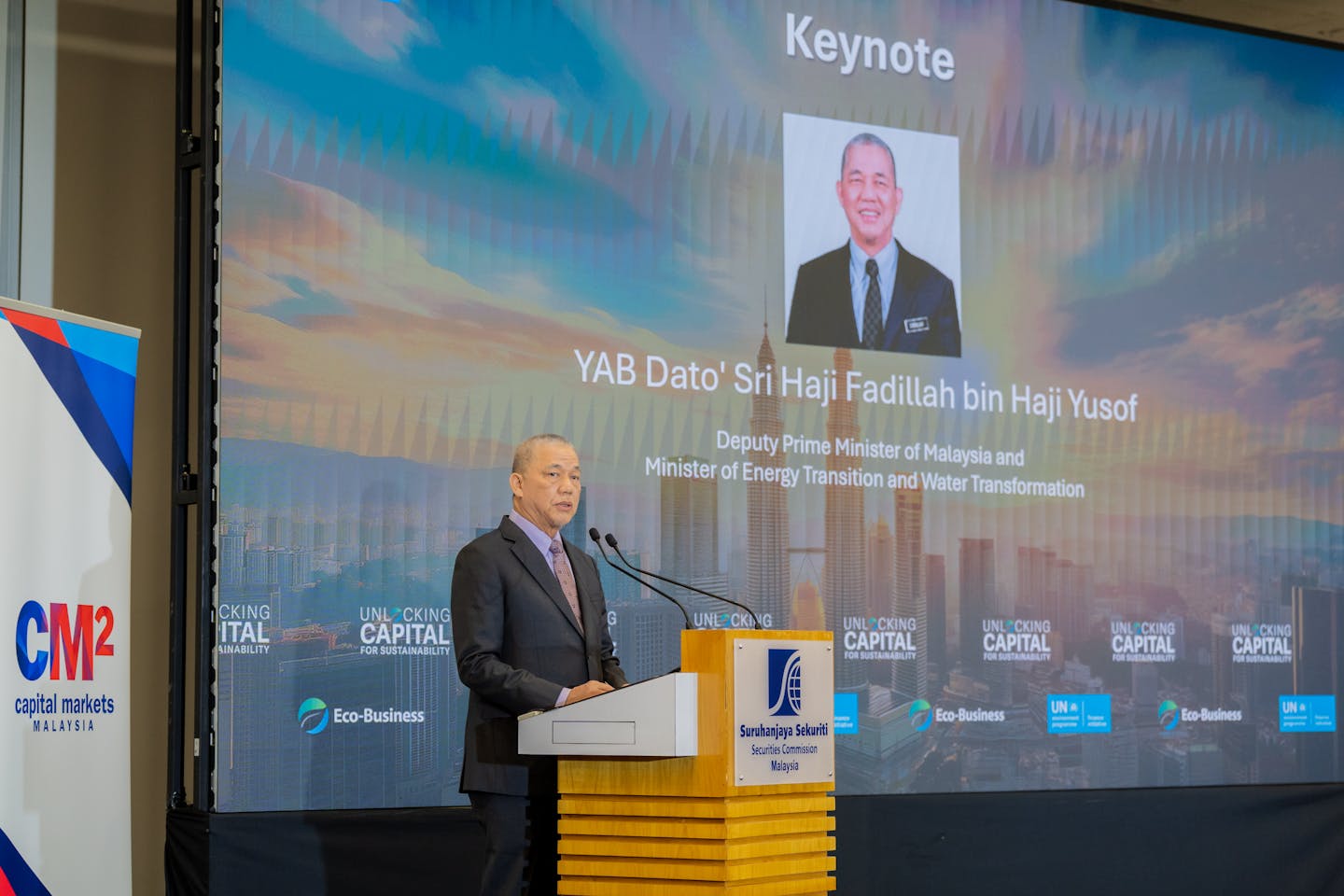
Asean member states must agree on a business model for the Asean Power Grid (APG) to attract investments, according to Malaysia's Deputy Prime Minister Fadillah Yusof. During a forum in Kuala Lumpur, he emphasized the need for standardization and a harmonized regulatory framework to facilitate the APG's development, with a meeting set for October to finalize the roadmap. Fadillah highlighted that the APG is crucial for enhancing regional energy security, reducing fossil fuel dependency, and fostering climate-aligned investments. He also addressed the need to upgrade transmission systems to support increased renewable energy integration and announced a review of wheeling charges under the Corporate Renewable Energy Supply Scheme to accommodate industry concerns.
Indonesia | Financial services
Consensus on business model needed to finalise Asean Power Grid roadmap by October: Malaysia DPM Fadillah Yusof
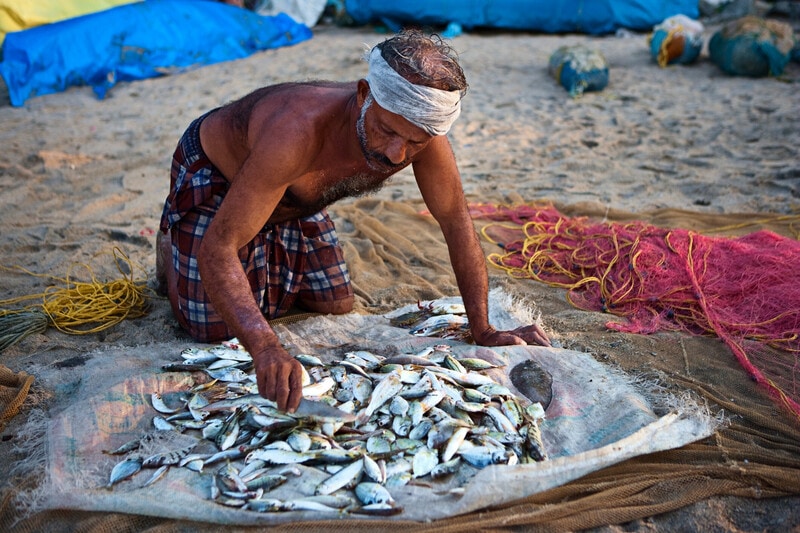
Air pollution poses significant health risks, particularly for older adults, and exacerbates socioeconomic inequalities and climate vulnerability. In India, where a substantial portion of the population is aged 60 and above, air pollution has led to increased demand for chronic healthcare services and higher morbidity rates. The economic impacts include decreased productivity and increased healthcare costs, particularly in informal sectors. Addressing this issue requires integrated strategies that align environmental, labor, health, and social policies. Recent global commitments aim to reduce air pollution and its health impacts by promoting preventive healthcare and improved workplace conditions for vulnerable populations.
Health
How air pollution affects healthy ageing and what to do about it
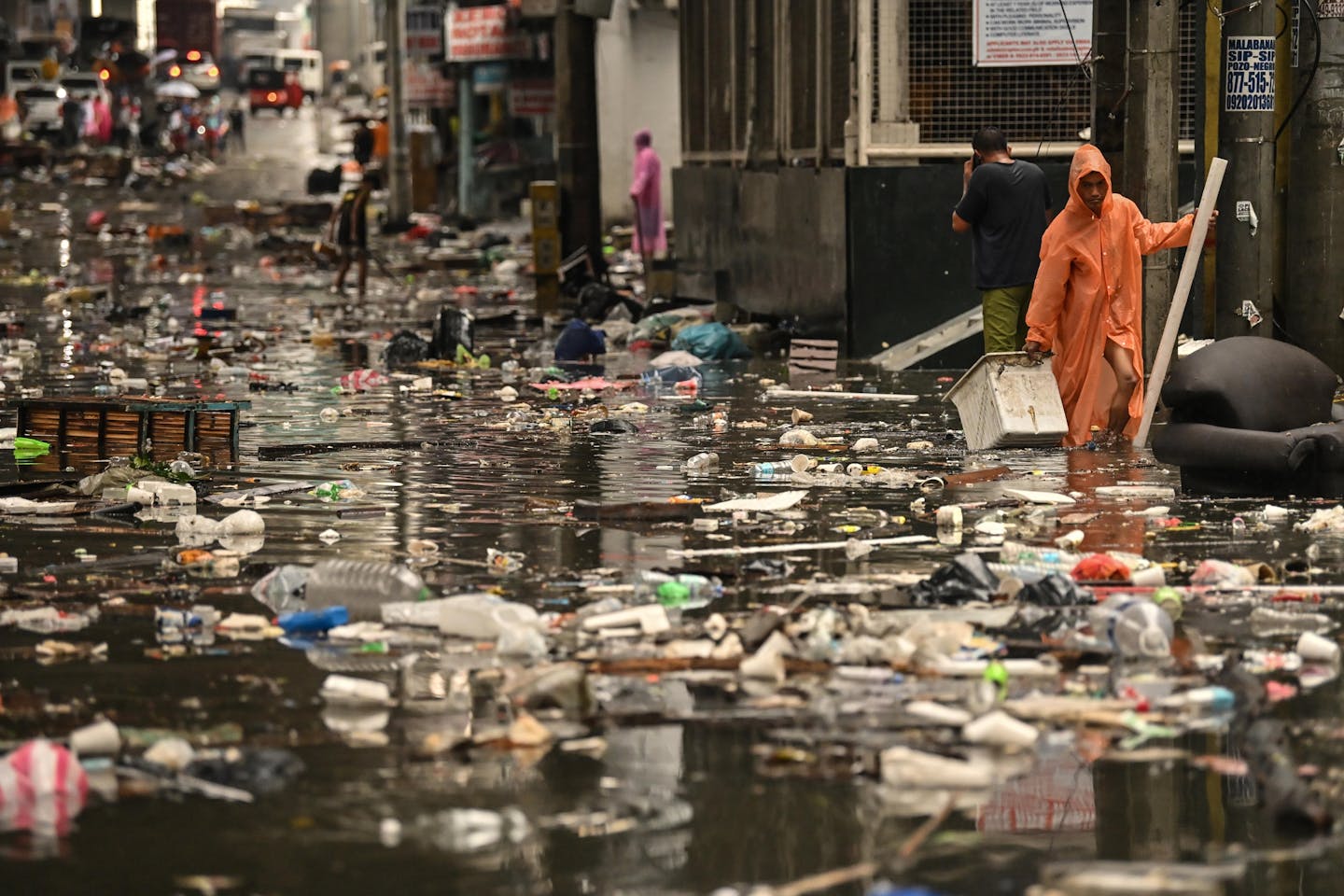
Asian countries face significant challenges in reaching consensus on a legally binding treaty to combat plastic pollution. Diverse economic dependencies and cultural perspectives hinder unity among negotiators representing varying nations, from the Gulf states to Southeast Asia. The United Nations Environment Programme (UNEP) initiated discussions to address plastics, with substantial stakes given the region's role in global plastic production and waste management. While some nations advocate for binding limits, others resist due to economic concerns linked to their petrochemical industries. Notably, China is showing signs of a more cooperative stance in treaty negotiations, indicating a shift toward finding common ground.
Asia will be hard to unite for global plastic treaty, say regional observers
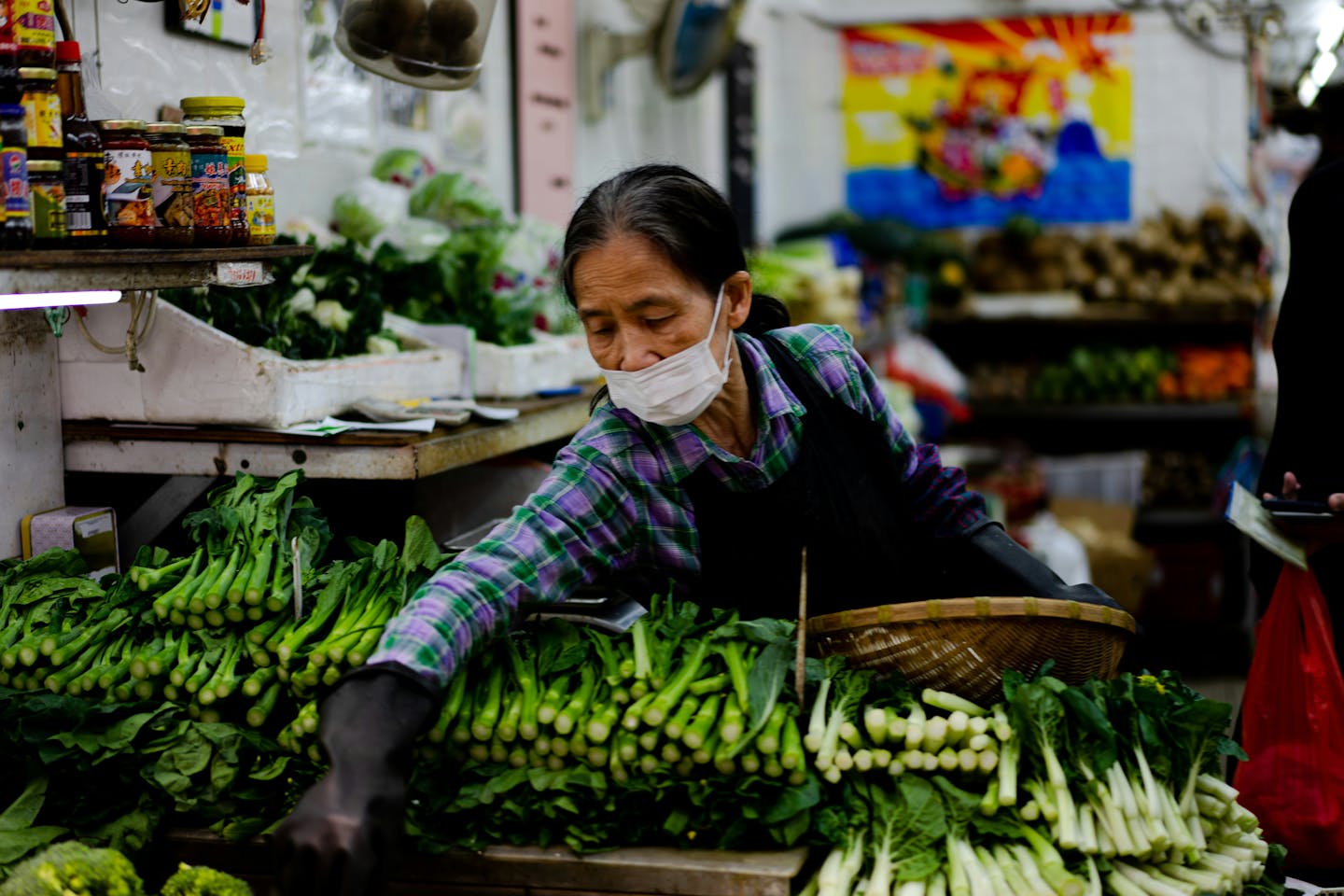
The “State of Food Security and Nutrition in the World” (SOFI) report reveals significant trends in global food insecurity. In 2024, an estimated 673 million people faced hunger, a decrease from previous years, though progress remains uneven, particularly in Africa and western Asia. Approximately 2.3 billion individuals experienced moderate to severe food insecurity, reflecting a rise since the Sustainable Development Goals were launched. The cost of a healthy diet increased to an average of 4.46 purchasing power parity (PPP) dollars per person per day. However, the number of people unable to afford a healthy diet has decreased since 2017, aided by post-pandemic economic recovery.
Namibia | Health
UN report: Five charts explaining the rise of global food insecurity
Transitioning to a nutrition-sensitive, low-carbon, and resilient agri-food system enhances urban-rural integration by consolidating five key rural revitalization forces. This includes expanded value chains that increase income and employment, improvements in nutrition and education that build human capital, and revitalized payment schemes for ecosystem services fostering sustainable growth. Cultural exchanges preserve traditions and support entrepreneurship, while reforms in rural governance improve public services. Together, these factors contribute to better health, greener growth, and lasting economic opportunities in both urban and rural areas.
Health
How Agri-Food System Transformations Drive Urban–Rural Integration: Conceptual Framework and Lessons from the People’s Republic of China
Green industrial transformation is underway across the Global South, requiring significant investments that acknowledge interdependencies in value chains, known as "inclusive investment." There is an urgent need to clarify this concept for governments, the private sector, and development stakeholders. The G20 can play a critical role by endorsing incentive-based measures that foster inclusive investment, leading to local industry growth, job creation, and value-added green exports. The policy brief offers actionable recommendations to balance immediate development needs with long-term economic transformation goals in low- and middle-income countries.
Ghana, Indonesia, Tanzania | Financial services, Health
Need for Better-Informed, Inclusive Investment for Green Industrial Transformation
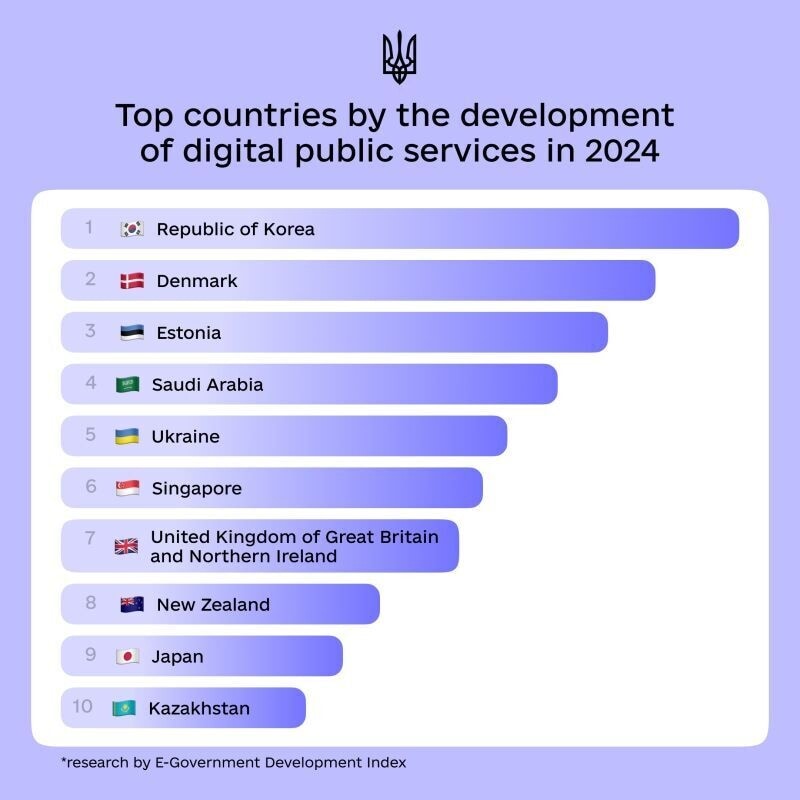
Governments can adopt start-up principles to enhance efficiency and responsiveness, particularly in crisis situations, as demonstrated by Ukraine's digital transformation during the Russian invasion in 2022. Key strategies included rapid iteration of digital services, user-centric design, and data-driven decision-making. The Air Alert app exemplifies this, developed swiftly to provide critical notifications to citizens. Ukraine's e-government platform, Diia, grew progressively based on user feedback, aiming to restore public trust through accessible services. Emphasizing innovation does not equate to abandoning public duty; it enhances governmental capacity to address urgent needs effectively.
Financial services, Health, Education, ICT
Should governments act like start-ups?
Internet research has revolutionized participant accessibility but introduced risks of data corruption and impersonation. Researchers now struggle to verify participant authenticity due to the rise of fraud via paid participants and AI-driven bots. Individuals can exploit multiple identities to participate in numerous studies, undermining the integrity of research findings. Moreover, advancements in technology like deepfakes raise concerns about real-time impersonation, prompting a return to face-to-face interviews as a solution. This shift detracts from the internet's potential to democratize research participation for marginalized groups.
How the internet and its bots are sabotaging scientific research
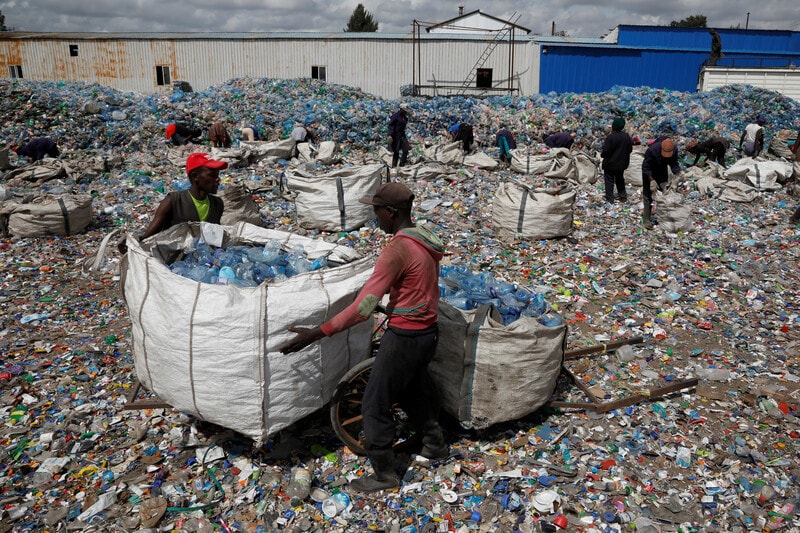
Donating 10% of Extended Producer Responsibility (EPR) fees on plastic waste from developed nations could fund waste management infrastructure in developing countries. This initiative aligns with ongoing negotiations for a UN Plastics Treaty that includes financial provisions to support low-income nations. By reallocating EPR funds, high-income countries can provide vital resources to mitigate plastic pollution rapidly, enhancing accountability through traceability standards for fund use. This approach allows countries to demonstrate commitment to treaty goals without waiting for formal agreements, thereby addressing urgent waste infrastructure needs in the Global South efficiently.
How leveraging plastics policy in the Global North could mitigate against pollution in the South
AI technologies are being explored for their potential to enhance productivity and improve customer service within public administration, particularly amid budget constraints. However, prior implementations suggest a complex reality where AI may increase stress, diminish worker skills, elevate individual responsibility, and lower decision-making quality. Specific cases include the deployment of chatbots and tools that transcribe audio and assess benefit eligibility. The impact of AI on public sector jobs, especially for marginalized groups, necessitates careful consideration to avoid exacerbating existing challenges.
AI and Government Workers: Use Cases in Public Administration
Older adults following a healthy diet experience slower accumulation of chronic diseases, according to a study of over 2,400 Swedes tracked for 15 years. Diets high in processed foods correlate with faster disease development, while the Mind, Mediterranean, and Alternative Healthy Eating Index diets are linked to better health outcomes, particularly regarding heart and psychiatric conditions. Benefits are especially marked in women and older individuals. Improved diets can reduce inflammation and enhance resilience, suggesting even small dietary changes can meaningfully impact health in later life. Emphasis is placed on consuming fruits, vegetables, whole grains, and healthy fats while avoiding processed foods and sugars.
Older adults who follow healthy diets accumulate chronic diseases more slowly – new study
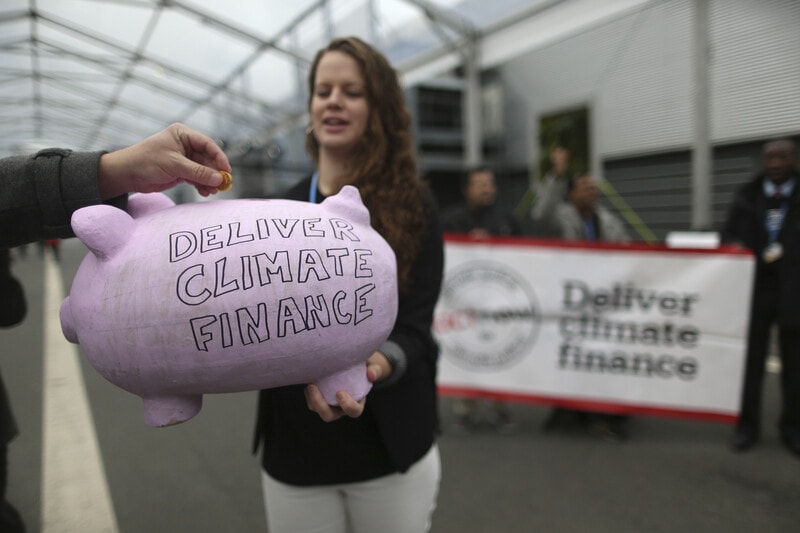
Low-carbon transition planning should integrate with core business strategies to secure executive buy-in and propel action. Transition finance must align with financial metrics to highlight the strategic significance of sustainability initiatives. Companies need to assess their emissions and map them against decarbonization pathways to set reduction targets. Establishing credible transition strategies involves demonstrating financial materiality, engaging external capital through sustainable debt instruments, and ensuring alignment with recognized standards to foster investor confidence. Communicating the credibility of these plans is essential for building reputational capital and managing short-term profitability concerns.
Financial services
How to simplify transition finance to unlock capital and executive buy-in
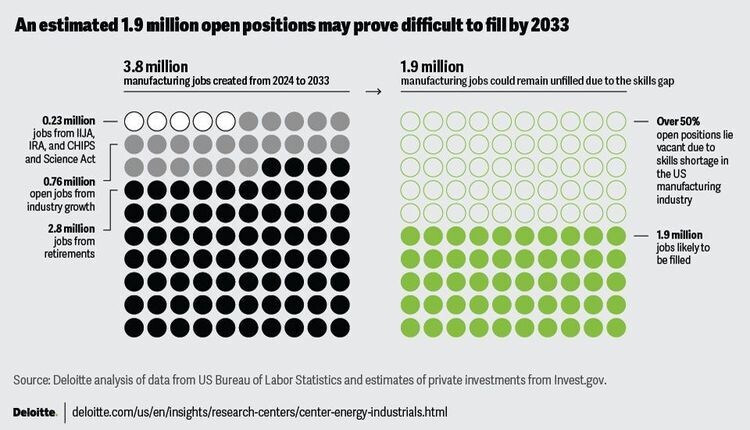
The U.S. has increased tariffs on steel imports to 50% to support domestic manufacturing but faces significant challenges in filling potential new jobs. Currently, over 400,000 manufacturing positions are vacant, with a projected 1.9 million more needed over the next decade due to an aging workforce and insufficient new talent. A skills gap complicates matters, as many manufacturers report shortages of qualified workers, with one CEO noting only one suitable candidate for every 20 open positions. Upskilling will be essential, with 40% of workers' core skills needing transformation by 2030 to adapt to technological advancements and the evolving manufacturing landscape.
Tariffs and talent scarcity: Are there enough steel workers in the US?
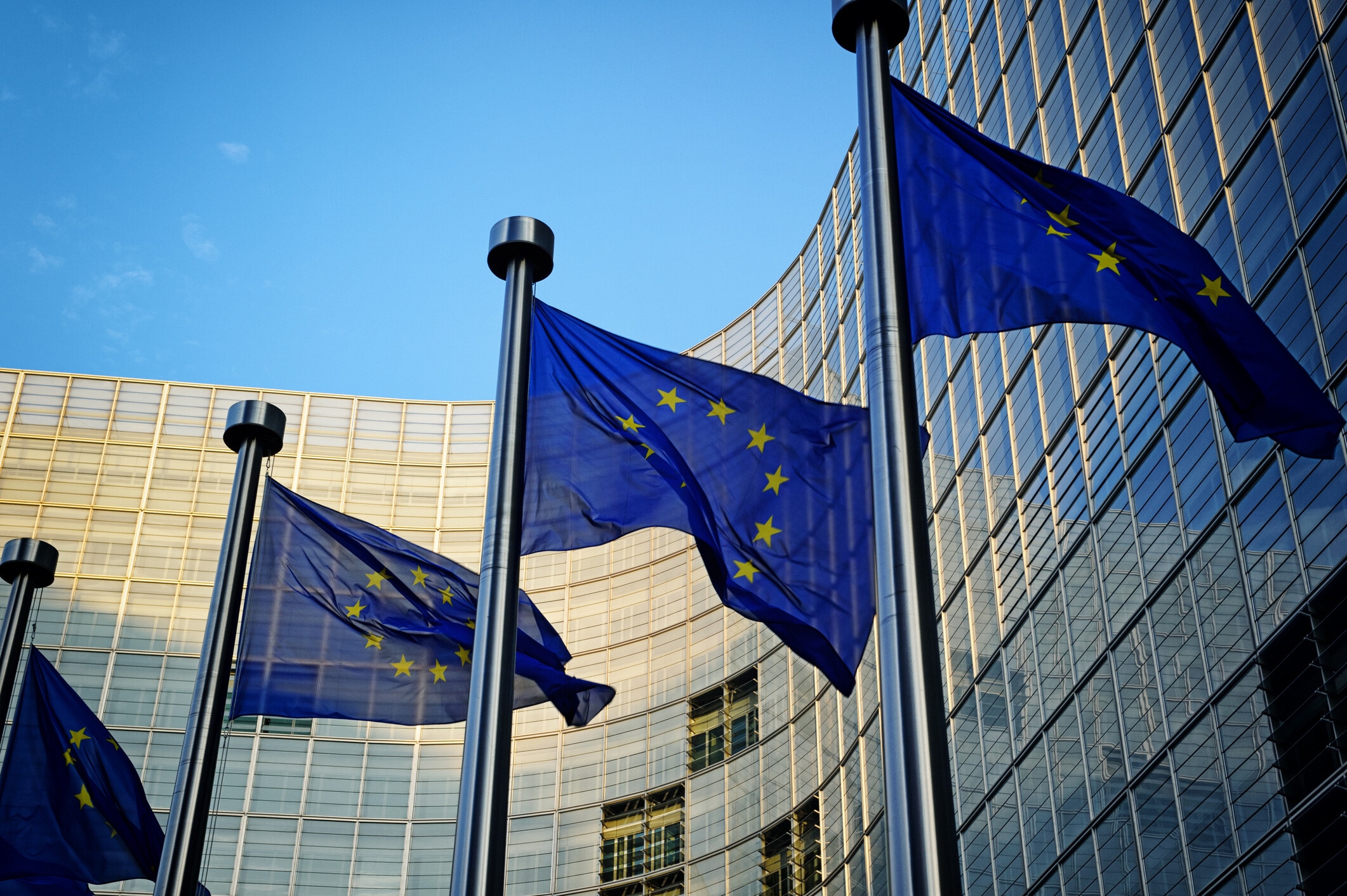
The European Union is reintroducing international carbon credits to achieve its 2040 target of reducing net greenhouse gas emissions by 90% from 1990 levels. This approach includes both domestic carbon removal methods and the option to purchase international credits, potentially allowing up to 3% of 1990 EU emission levels. The initiative aims to support a just transition in the Global South while benefiting European industries. However, challenges remain, such as ensuring environmental integrity and fair benefit-sharing to avoid the pitfalls of past carbon credit systems. Full implementation success hinges on balancing domestic investment with international credit use.
Financial services
Why the EU’s 2040 climate target could reshape global carbon markets
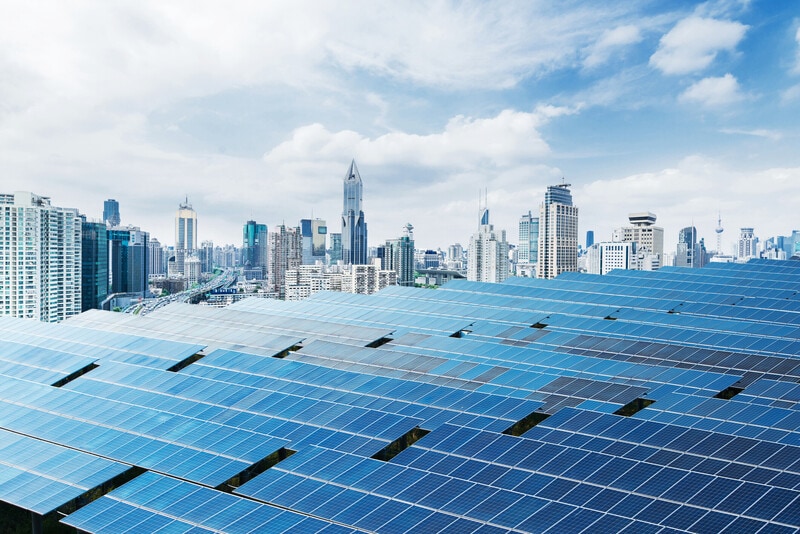
China has made substantial strides in its green transformation over the past 15 years, leading to over 40% of global renewable energy capacity and $818 billion in investments by 2024. Despite geopolitical challenges, China remains committed to its ambitious carbon neutrality goals, aiming to peak emissions before 2030 and achieve net zero by 2060. This transformation is viewed as a national security imperative, blending the dual objectives of building green energy industries while phasing out fossil fuels. China's strategy emphasizes rapid renewable expansion, energy security, and economic benefits, setting it apart from many developed nations.
Indonesia, Taiwan, China, Tanzania, United Kingdom | Financial services
'Build first, break later': How China's green transformation was built to last

Japan's approach to natural disaster preparedness combines traditional practices with modern technology. With a long history of monitoring natural disasters, the Japan Meteorological Agency, founded in 1875, plays a crucial role in assessing risks from earthquakes, typhoons, and volcanic eruptions. Recent innovations, including high-resolution weather simulators and supercomputers, enhance the accuracy of extreme weather predictions. The government issues timely alerts through various platforms to enable quick responses from residents. As global natural disaster risks increase, Japan's proactive disaster preparedness serves as a vital model for resilience and community safety.
Innovation meets tradition to transform how Japan prepares for natural disasters