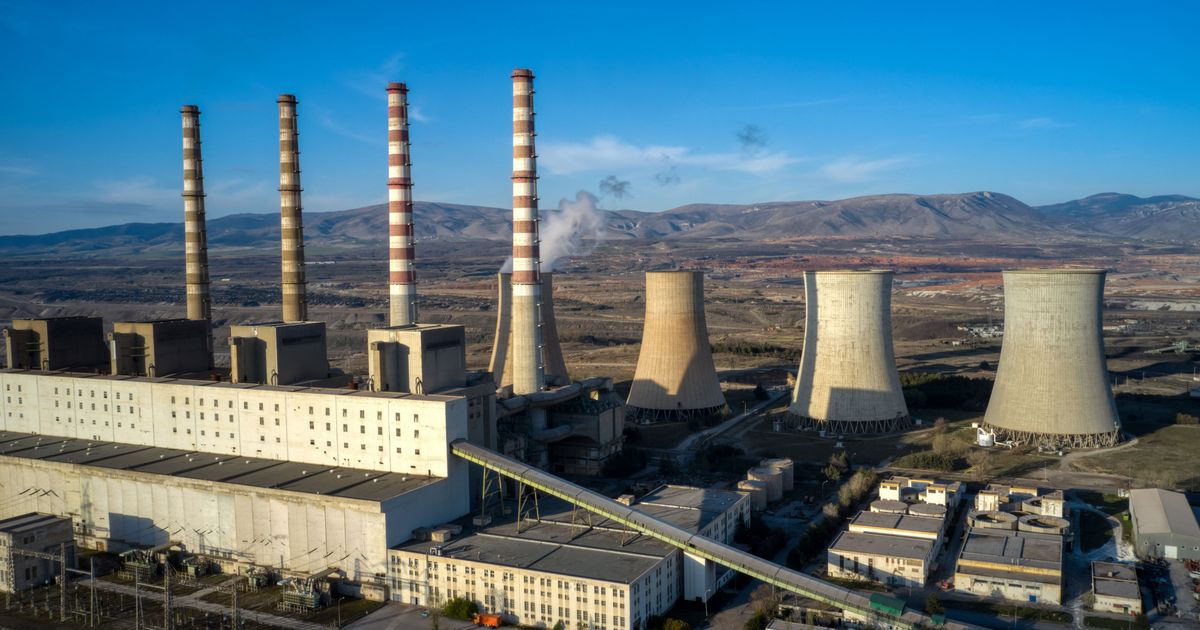
Growing energy demand and climate commitments from the Paris Agreement underscore the need for an international energy policy that emphasizes socio-economic sustainability rather than just security of supply. The shift from a transatlantic-centric global order, influenced by geopolitical changes like Russia's attack on Ukraine, sees emerging powers such as China and India redefining energy partnerships, often conflicting with Western governance models. Furthermore, the European Union has established regulatory frameworks like the Energy Union and Green Deal, yet global energy governance remains fragmented and misaligned with current energy dynamics. This situation presents significant challenges for ensuring energy security and effective transformation of energy systems.
India, Japan, Pakistan, Philippines, Poland, South Africa, Switzerland, Ukraine, United Kingdom | Financial services, ICT, Health
Energy Policy

Full global gender parity is projected to take 123 years, although advancements have been made, with nearly 70% of the gap closed since the pandemic. Nations leveraging the full talent pool demonstrate improved resilience, productivity, and innovation. Key strategies include political quotas, corporate board representation, and fostering AI skills pathways. Countries like Rwanda, Mexico, and the UAE have adopted quotas, resulting in significant increases in women's political representation. In corporate settings, mandates have proven effective, enhancing company performance. Gender equity is essential for economic growth, reshaping governance, and promoting inclusive policies.
Qatar, United Arab Emirates | Education
When women lead, economies leap: Gender parity lessons from around the world

Margarita Gómez attended the Fourth International Conference on Financing for Development in Seville from June 30 to July 3, emphasizing the critical need for Southern leadership amid global crises and the 2030 Agenda's urgency. Key outcomes include the Seville Commitment, which supported inclusive financing but lacked specific implementation mechanisms. Southern Voice highlighted the importance of proactive Southern leadership and outlined a roadmap with priorities such as resource optimization, debt restructuring, equitable domestic resource mobilization, and inclusive climate financing. The conference marked a pivotal moment for the Global South to advance its agency and influence in shaping global financing.
Reflections from the FfD4 Conference: Towards a Fairer Financing Landscape

Lebanon requires bold foreign and domestic policies to address ongoing challenges and foster an independent path. The US cannot ensure the cessation of Israeli attacks while pushing Lebanon to disarm Hezbollah, leaving the nation caught between external demands and internal divisions. To strengthen its position, Lebanon must focus on unifying security strategies, advocating for an end to Israeli aggression, improving relations with international institutions, and ensuring neutrality in foreign conflicts. The country must prioritize its interests and actively work towards holding Israel accountable, while navigating the complex geopolitical landscape shaped by regional conflicts.
Lebanon
Bypassing Hopelessness: A Call for a Bolder, Proactive Lebanon

Data centers are experiencing rapid growth, expecting to consume up to 12% of total US electricity by 2028, up from 4.4% in 2023. This expansion is driven by corporations seeking additional land and energy, but it often relies on fossil fuels, leading to increased costs borne by ratepayers. Utilities are allowed to pass the expenses of new gas plants and infrastructure onto consumers, obscuring the financial risks and environmental impacts associated with fossil fuel dependency. Profit-driven policies and inadequate regulatory protections complicate the path toward a sustainable energy future.
Who Really Pays for Data Centers Powered By Fossil Fuels?

Biophilic businesses integrate ecological values, cultural heritage, and local knowledge into their core practices, offering a distinct approach to sustainability. They prioritize renewable materials, preserve intergenerational craftsmanship, and foster local supply chains, enhancing community resilience. By emphasizing emotional ties to nature, these businesses challenge traditional economic models focused on scale and profit, highlighting the importance of the informal economy in sustainable development. Adopting a framework for futures thinking, biophilic businesses can serve as practical models for creating inclusive, resilient economies that honor cultural and ecological connections.
Financial services
Biophilic business: how cultural heritage and informal economies can reshape sustainability

Industrial parks are essential for India's clean energy transition, particularly in scaling green hydrogen production. The Gopalpur Industrial Park in Odisha exemplifies how such hubs can integrate infrastructure, policy support, and multi-stakeholder collaboration to foster clean energy deployment. The park is designed to overcome challenges like renewable energy reliability and water scarcity, which are vital for hydrogen production. As India aims for 5 million metric tons of green hydrogen capacity by 2030, industrial parks will drive investment, innovation, and coordinated solutions, positioning them as key players in achieving economic and sustainable development objectives.
India
The role of industrial parks in India's clean energy transition
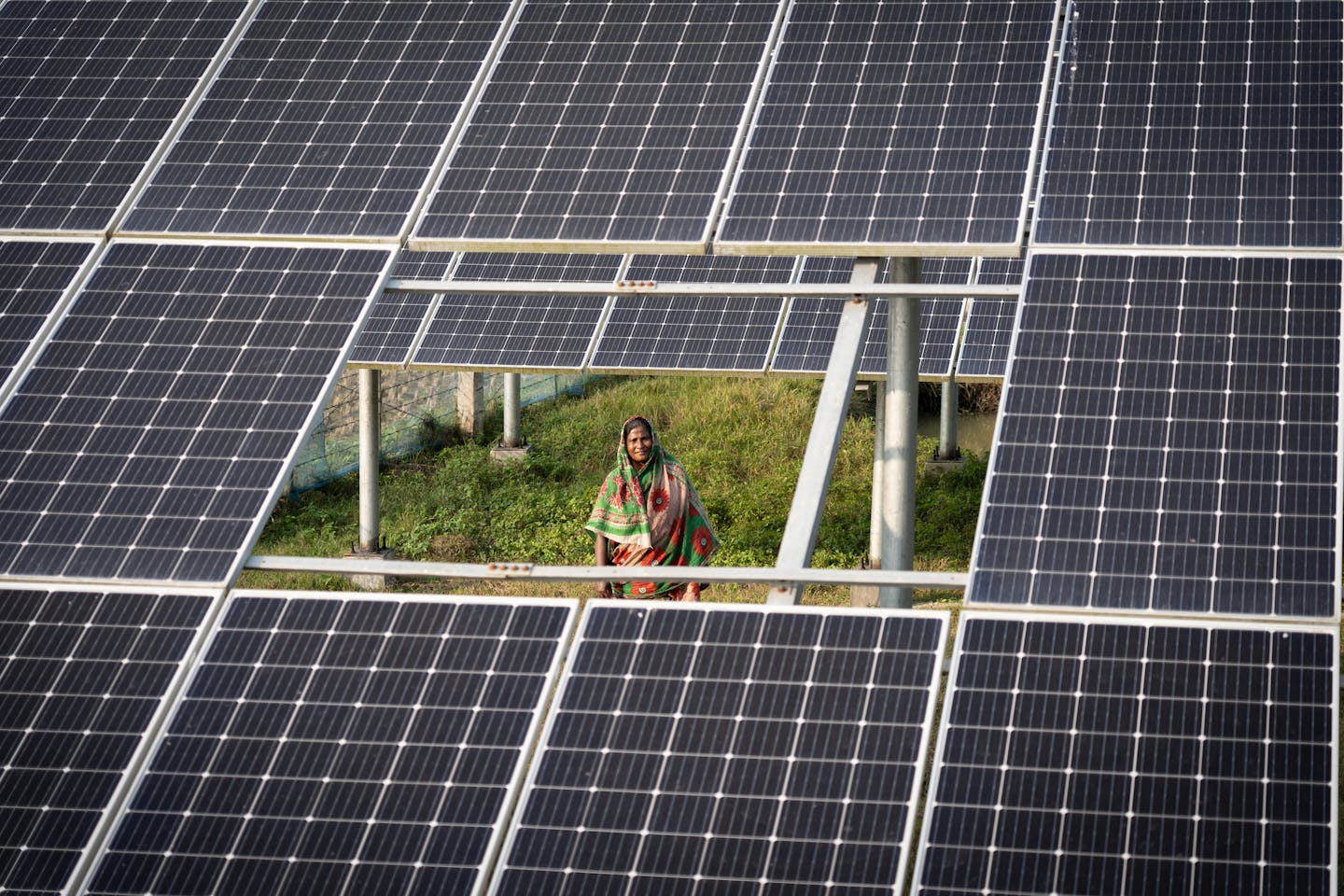
Elisa Morgera, the UN special rapporteur on human rights and climate change, emphasizes the need for a just energy transition that prioritizes human rights while phasing out fossil fuels. She advocates for monitoring progress in reducing fossil fuel reliance and stresses that climate solutions must protect nature, water, and food. Morgera's reports focus on the impacts of climate change on vulnerable communities and highlight the links between critical mineral extraction and human rights violations. She urges governments and companies to adopt a rights-respecting approach in the transition to renewable energy.
‘The energy transition must protect nature, water and food’

Crises at headquarters significantly disrupt foreign subsidiaries of multinational retailers, as shown in research involving companies like Carrefour, Walmart, and Aldi. When HQ faces challenges, investment slows for subsidiaries, particularly during banking crises when liquidity tightens. Essential goods sectors fare better during downturns than discretionary goods. Additionally, subsidiaries closer to HQ maintain better relationships and support, while centralized firms experience broader impacts due to tight capital control. Multinationals should diversify decision-making, empower regional leaders, foster local lender relationships, and prioritize data-driven responses over emotional ties to enhance resilience during crises.
Financial services
How HQ crises disrupt global retail operations

Democracy in the United States faces challenges such as polarization, public distrust, and complex societal issues, compounded by media and electoral systems favoring outrage over understanding. However, large language models (LLMs) in artificial intelligence offer new opportunities for public engagement and policymaking. When applied thoughtfully, LLMs can enhance decision-making, rebuild trust, and promote democratic values like inclusiveness and meaningful participation. These technologies have already shown potential in improving democratic processes through citizen engagement and analysis, paving the way for more effective collaboration in addressing modern challenges.
Education
How AI Can Unlock Public Wisdom and Revitalize Democratic Governance
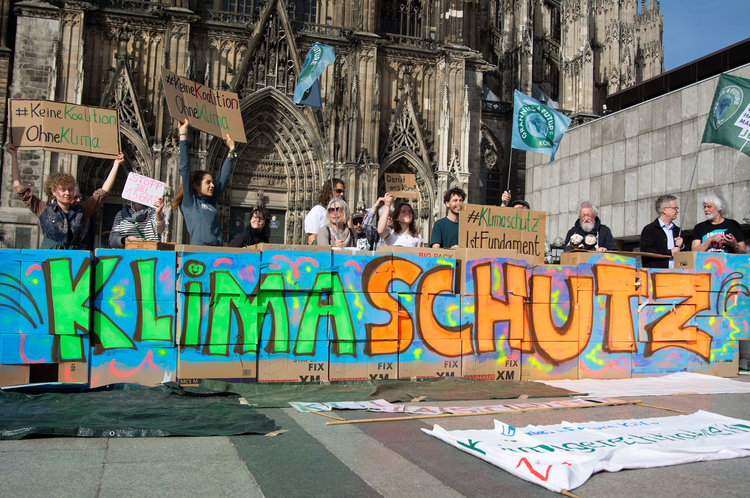
The International Court of Justice (ICJ) asserts that a clean, healthy, and sustainable environment is a human right, urging states to intensify climate crisis commitments. This opinion, delivered in July 2025, followed significant hearings where 96 states and 11 international organizations participated. Climate change litigation, encompassing various legal actions against entities and governments, is evolving globally, shaping accountability and responsibilities. Landmark rulings, such as Germany's Federal Constitutional Court acknowledging constitutional status for climate protection, serve as vital precedents, influencing the climate protection movement and legal frameworks worldwide.
Climate protection by court decision
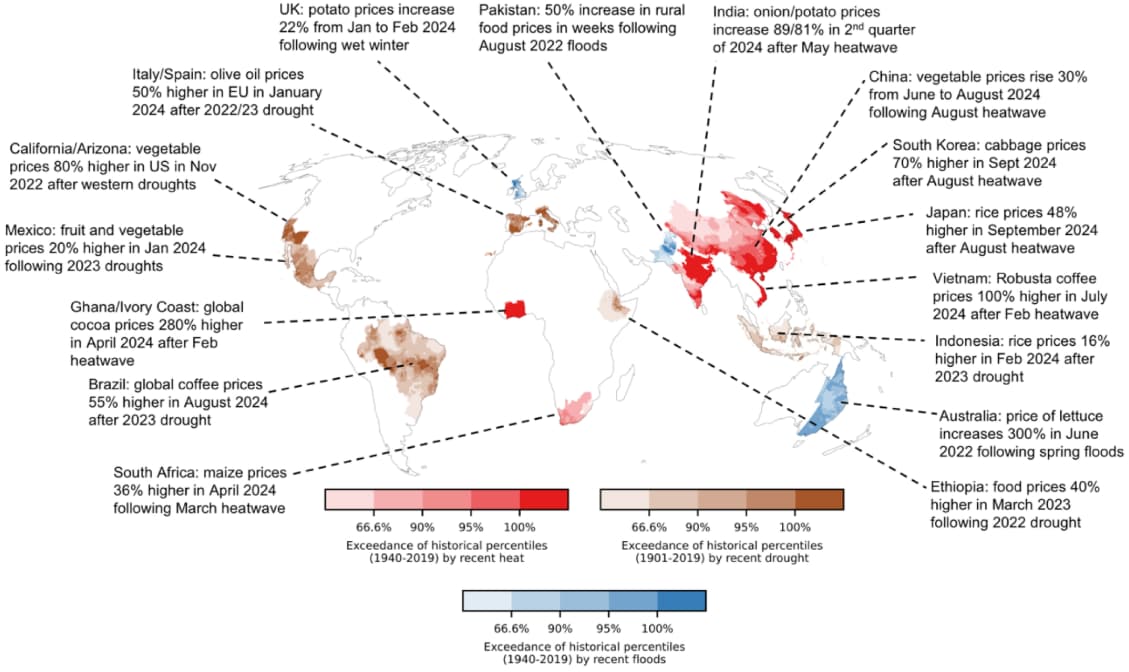
Severe weather events linked to climate change are causing significant food price spikes globally, according to research by the Barcelona Supercomputing Center and the European Central Bank. Notable price increases include a 22% rise in UK potato prices due to extreme rainfall and a 280% surge in global cocoa prices after heatwaves in West Africa. In Asia, intense monsoon rains have resulted in fatalities and destruction, with Pakistan reporting 178 deaths amid relentless storms. Additionally, UK scientists are analyzing ancient Antarctic ice for climate insights, and Greece is setting marine park boundaries for biodiversity protection.
Weather events ‘causing food price spikes’, and other nature and climate news
Human activities are drastically altering traditional seasonal patterns, giving rise to new anthropogenic seasons such as "haze season," marked by smoke from agricultural burning, and "trash season," characterized by plastic waste accumulation on shores. Some seasons are vanishing, leading to ecological disruptions like altered migratory behaviors and diminished winter sports due to less snow. "Syncopated" and "arrhythmic" seasons are emerging, causing unpredictable natural rhythms that affect ecosystems and communities. Responses to these changes require recognizing and addressing root causes while incorporating diverse time-keeping perspectives to foster sustainable solutions.
Farewell to summer? ‘Haze’ and ‘trash’ among Earth’s new seasons as climate change and pollution play havoc
Representatives from 175 countries will convene in Geneva for crucial negotiations on a legally binding UN treaty aimed at ending plastic pollution. Following a failed attempt in Busan, the challenge lies in bridging political divides to establish a strong, effective agreement. The treaty faces significant hurdles, including industry lobbying and varying national positions on production limits and chemical regulations. With over 450 million tonnes of plastic produced annually and only 9% recycled, urgent action is required to address this pervasive issue. The outcome of these negotiations could significantly impact global efforts to combat plastic pollution.
A global treaty to limit plastic pollution is within reach – will countries seize the moment?
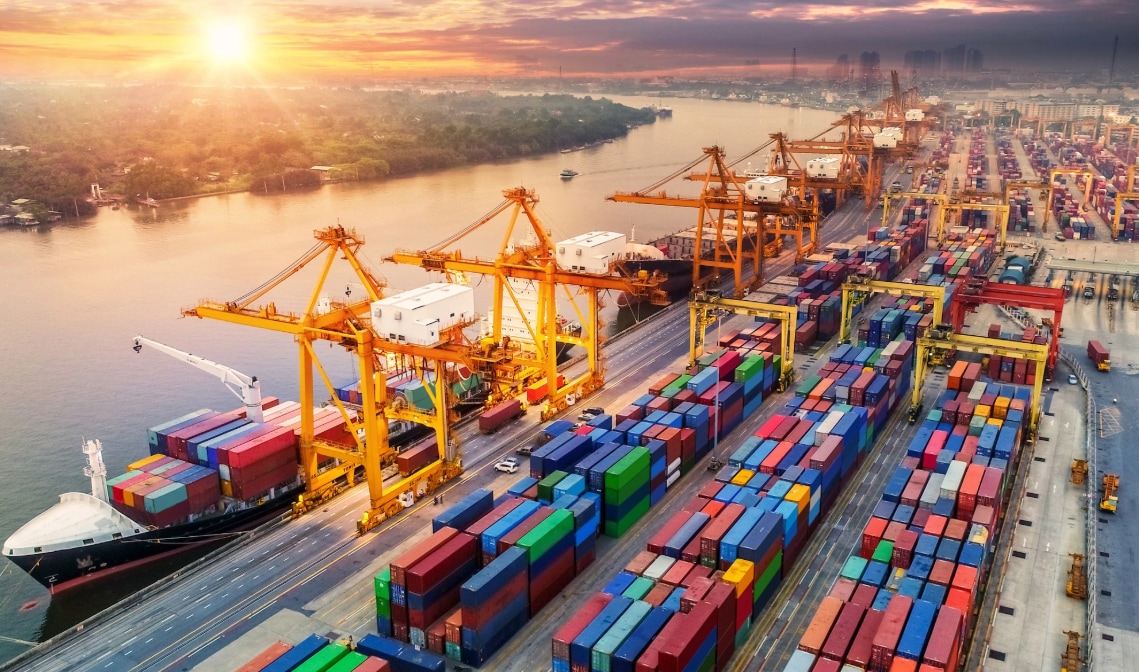
Sri Lanka is shifting its economic focus from tourism to becoming a key player in global maritime trade. Major investments from China and the US, driven by the country's strategic location and port infrastructure, aim to bolster its economy following political turmoil and economic challenges, including high inflation and agricultural failures. While the port of Colombo is thriving, Sri Lanka must balance foreign investments with national interests to maintain sovereignty. The potential of its exclusive economic zone, particularly in fisheries and marine biotechnology, positions the country for growth, though it faces environmental and geopolitical challenges that require careful management.
Bermuda, Colombia, Costa Rica, Croatia, India, Lithuania, Malaysia, Malta, Mauritius, Nepal, Panama, Philippines, Singapore, Slovenia, South Africa, Sri Lanka
As Sri Lanka’s economy pivots from tourism, it’s well placed to benefit from global trade and geopolitical jostling – new research
The political divide between young men and women has intensified, with women becoming more liberal and men leaning conservative, impacting dating dynamics. A significant increase in the number of young adults reporting no sexual activity suggests a shift away from traditional dating. Gender inequality persists in relationships, with women often bearing the brunt of domestic work, leading to increased disillusionment or "heteropessimism" around heterosexual relationships. Economic pressures and mental health challenges further complicate dating for Gen Z, contributing to a decline in romantic engagements and a move toward voluntary celibacy among young women.
Is today’s political climate making dating harder for young people?

Africa faces significant climate challenges exacerbated by rising debt and a projected $2.8 trillion funding gap for climate resilience by 2030. Innovative financial mechanisms like Gabon’s 2023 debt-for-nature swap and the Central African Forest Initiative (CAFI) provide new funding sources for environmental sustainability. CAFI supports efforts to reduce deforestation and promote low-emission development through a multi-donor Trust Fund and policy dialogues. Despite their promise, these initiatives highlight trade-offs in finance design, such as balancing innovation with transparency and immediate results with long-term sustainability.
Burkina Faso | Financial services
Innovative Climate Finance in Africa: Lessons from Gabon’s Debt-for-Nature Swap and the Central African Forest Initiative
Tackling Scope 3 downstream emissions, which account for 67% of the total emissions for many companies, presents both a challenge and an opportunity for corporate climate action. A handbook from the Alliance of CEO Climate Leaders and BCG outlines 12 strategic levers to help businesses reduce these emissions and turn them into a competitive advantage. Key strategies include designing for sustainability, attracting customers to greener options, and managing financial flows towards green initiatives. Addressing the complexities of downstream emissions can lead to cost reductions, improved customer engagement, and progress towards net-zero commitments.
Financial services
Tackling Scope 3 downstream emissions can become your advantage. Here’s how
The JRC European Commission Report explores how public administrations can enhance collaboration by shaping the behaviors, routines, and mindsets of public servants. Utilizing insights from cognitive, behavioral, and organizational sciences, it provides a comprehensive review of key collaboration drivers and offers twelve actionable principles to help effectively address complex policy challenges.
Education, Health
Collaborative Policymaking

South Africa's foreign policy under the Government of National Unity (GNU) reflects a lack of focus on national growth, marked by conflicting priorities within its ruling parties. The GNU's foreign policy statement is vague, lacking concrete commitments to economic priorities. The nation grapples with strained relations with Western partners while maintaining a biased approach to regional democracy and human rights. Although South Africa seeks to position itself as a leader in BRICS, it faces significant trade challenges, particularly with China. Its economic future is increasingly tied to trade within Africa, which offers greater potential for growth compared to reliance on more traditional partners.
Argentina, Burkina Faso, Burundi, Democratic Republic of the Congo, Djibouti, Egypt, Eswatini, Ethiopia, Gabon, Ghana, Kenya, Lesotho, Liberia, Malawi, Mauritania, Mozambique, Namibia, Niger, Poland, Rwanda, Senegal, South Africa, Sudan, Tanzania, Uganda, United Kingdom, Zambia, Zimbabwe
Regional trade could focus South Africa’s muddled foreign policy