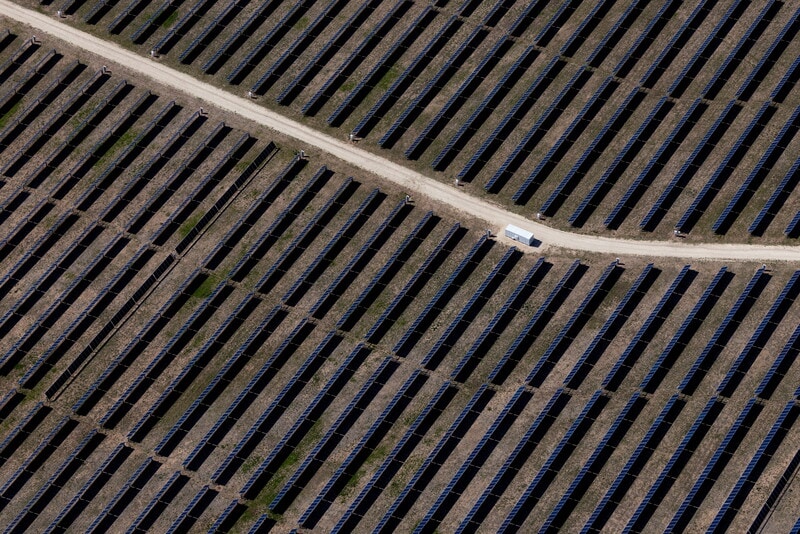
Demand for food, energy, and water is anticipated to rise significantly by 2050, with food demand projected to increase by over 50%, energy by up to 19%, and water by 30%. The energy, food, and water nexus is complex, with disruptions in one area affecting the others, necessitating integrated approaches to resource management. Initiatives like Germany’s Nexus Regional Dialogues and India’s Mission Kakatiya exemplify successful nexus strategies. The interdependence of these systems highlights the urgent need for coordinated policies, particularly as climate risks escalate and global trade dynamics shift. Transitioning to a green economy could create millions of jobs and enhance resilience.
Colombia, India, Japan, Nigeria, Pakistan, Philippines, Switzerland, United Arab Emirates, United Kingdom | Financial services, Education, ICT, Health
Tackling the energy, food and water nexus – here are the key priorities

Experts emphasize the need for an in-depth study on decarbonisation pathways for the Asean Power Grid (APG) to meet regional climate targets. The Asean Centre for Energy (ACE) requires a mandate from Asean leaders to execute this study effectively. Interconnection among Asean countries can enhance energy security, economic growth, and facilitate the transfer of surplus power. While most Asean nations aim for net zero emissions by 2050, collaborative efforts in renewable energy production and electricity trading could provide cost-effective decarbonisation solutions. Establishing a well-integrated low carbon grid is critical for the region's energy future.
ASEAN
Asean Centre for Energy must study low-carbon options for regional power grid: experts

The convergence of challenges threatening digital democracy includes shrinking civic space, a decline in funding for digital rights initiatives, and diminishing legitimacy in global governance. This post-truth era has seen governments weaponize technology to suppress dissent, transforming civic spaces from venues of resistance to areas of control. Trends in digital repression have emerged, with increased surveillance and censorship targeting activists and vulnerable groups. Advocacy efforts must adapt to these structural changes to foster resilience and rebuild trust in digital democracy.
Africa, Latin America | Financial services, Education, ICT, Health
Shrinking Civic Space, Digital Funding, and Legitimacy in a Post-Truth Era
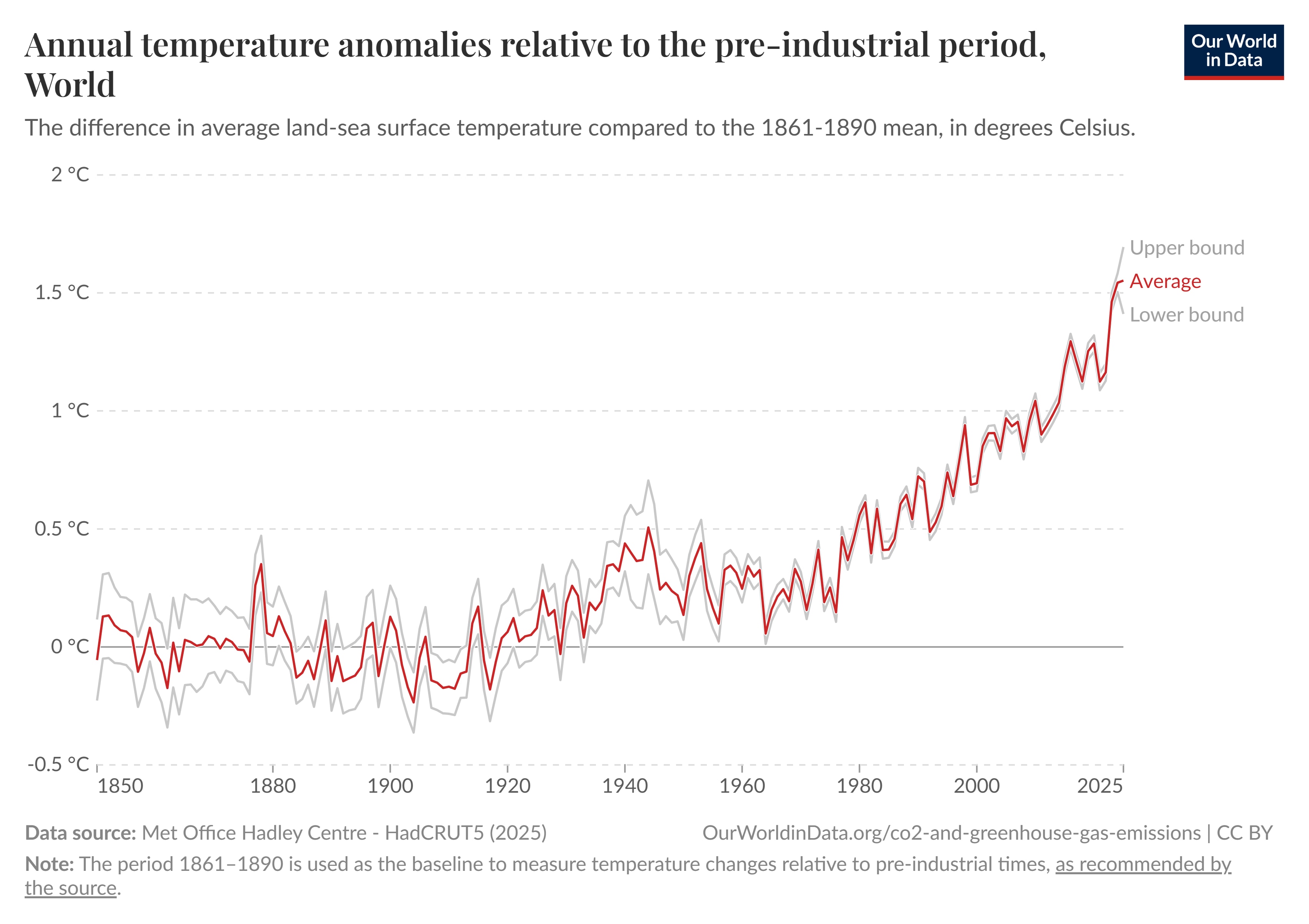
Climate proofing infrastructure is essential for economic sustainability and public safety, shaping the future well-being of upcoming generations. Rapid climate change necessitates the reevaluation of current design principles, as existing infrastructure is often based on outdated climate data. Holistic approaches to cost-benefit analysis and adjusted discount rates are crucial for long-term resilience planning. Successful examples include the Sydney Metro and projects in Worcester, Gothenburg, and Beira, which integrate climate resilience and nature-based solutions. Governments are increasingly recognizing the need for long-term infrastructure assessments to mitigate climate risks effectively.
Financial services
How climate proofing our built environment can safeguard future generations

Brunei’s BruHealth platform exemplifies digital health transformation, initially designed for COVID-19 tracking but now encompassing comprehensive health management services. Approximately 63% of residents engage weekly, utilizing features such as appointment scheduling and result access. Key strategies include iterative development based on citizen feedback and gamified incentives, like the BruPoints system, to encourage healthy behaviors. Challenges such as the digital divide and language barriers are actively addressed through targeted support. The Ministry of Health emphasizes that genuine citizen engagement, equity, and institutional capacity are crucial for building resilient healthcare systems amid a growing need for innovative solutions.
Education, Health
How Brunei’s BruHealth journey charts the future of digital health
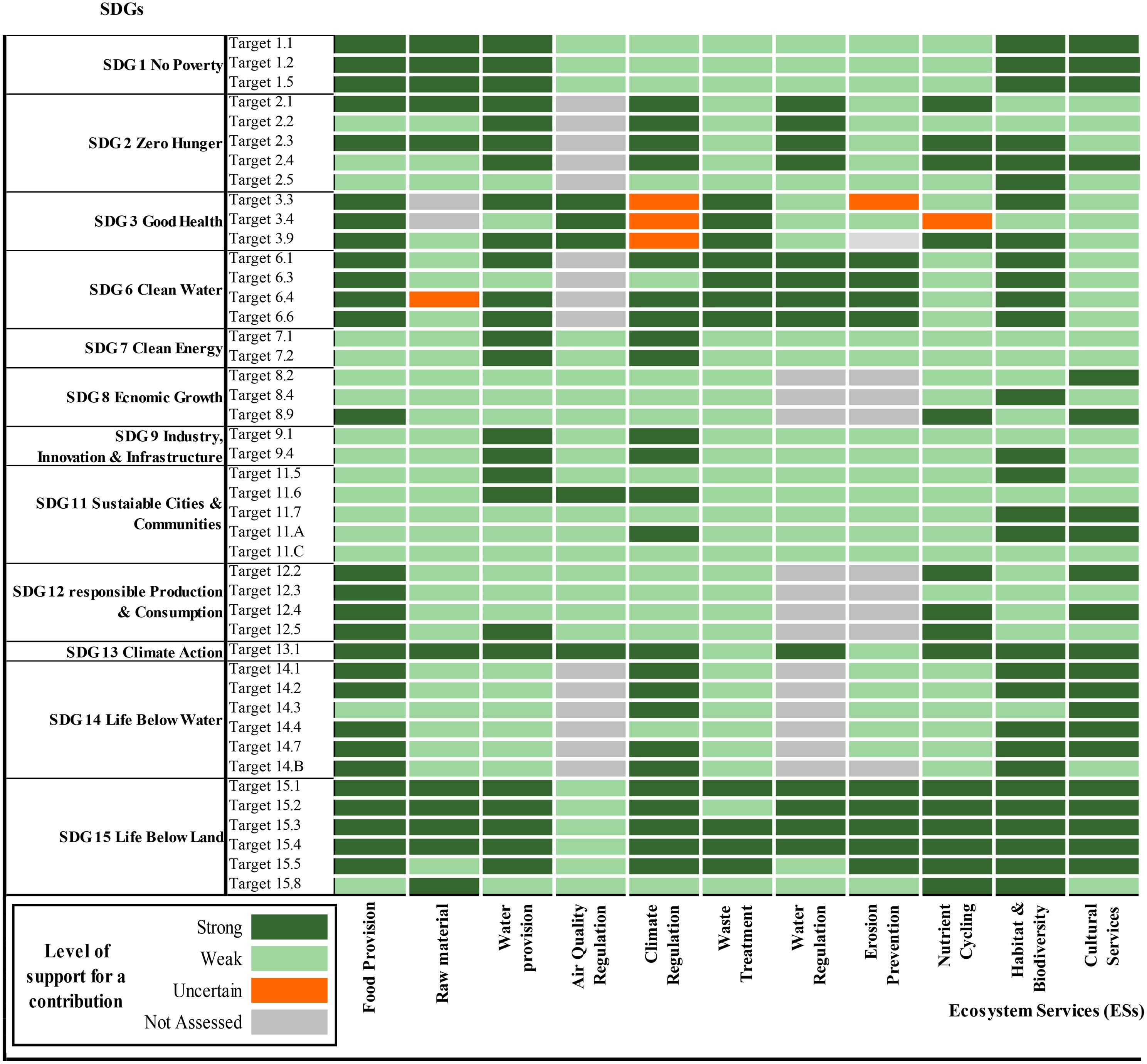
Ecosystem services (ES) are critical for achieving sustainable development goals (SDGs), but trade-offs between conservation and development pose challenges. A study on the Batticaloa Lagoon Watershed in Sri Lanka analyzed changes in ecosystem service values (ESV) and SDG scores over 40 years. The findings revealed a significant decrease in total ESV from $917.41 million per hectare in 1979 to $731.37 million in 2000, followed by a recovery to $818.62 million by 2021, primarily driven by food production, erosion management, and water regulation. The ES-SDG Index score declined from 32.1 in 1979 to 21.0 in 2000 but increased to 24.3 by 2021. Prioritizing SDG6, SDG11, and SDG12 may enhance the interconnectedness of the SDGs in the watershed and globally.
Botswana, Eswatini
Harmonizing ecosystem services assessments with sustainable development goals: a case study of the Batticaloa Lagoon Watershed, Sri Lanka
The working paper outlines principles for a Just Transition that aligns climate action with inclusive, sustainable development. It emphasizes creating opportunities for decent work, improved energy access, better health outcomes, and social inclusion. Additionally, it provides a 10-step guide to facilitate the transition, aiming to help governments set goals, institutionalize governance, engage stakeholders, assess risks, and implement interventions, adaptable to various national contexts.
Supporting a Just Transition to a Low-Carbon and Climate-Resilient Future in Asia and the Pacific
Advances in artificial intelligence (AI) have created transformative opportunities in health and biomedical sciences, addressing challenges like rising care costs, staff burnout, and an aging population. The report "An Artificial Intelligence Code of Conduct for Health and Medicine" proposes a unified AI Code of Conduct (AICC) framework aimed at promoting responsible AI development and application across all levels of decision-making. This framework is intended to enhance trust, safeguard patients, and ensure that AI-driven innovations benefit society.
Health
An Artificial Intelligence Code of Conduct for Health and Medicine
The world is facing significant social, political, economic, and ecological crises, raising doubts about the efficacy of democratic governance. Current democracies depend on limited institutions and processes, perpetuating power inequalities and ongoing democratic issues. The field of democratic innovation, rooted in both participatory and deliberative traditions, has advanced but risks falling under the dominance of a non-critical deliberative democracy. The authors advocate for a participatory corrective to enhance democratic innovation, highlighting four areas—pluriversality, policy, political economy, and empowerment—as critical for fostering effective, emancipatory change.
Education, ICT, Health
Democratic innovation for change: A participatory corrective to deliberative hegemony
The 5W1H framework, introduced by Matthew Liao et al., provides a structured approach to analyze AI governance proposals through six critical questions: what to regulate, why regulation is necessary, who should regulate, when regulation should happen, where it should occur, and how it should be implemented. The framework assesses the European Union’s comprehensive, risk-based AI Act against the fragmented, sector-specific US regulatory landscape. It serves as a tool for policymakers and stakeholders to improve AI governance in light of rapidly advancing technologies and associated risks.
Health
Navigating the Complexities of AI and Digital Governance: The 5W1H Framework
Public sector innovation labs (PSI-labs) are experimental spaces where governments generate knowledge for uncertain, technology-driven futures. The knowledge produced is often "liquid," relational, and difficult to integrate into traditional bureaucracies. An ethnographic study of Rotterdam's digital innovation lab, Vonk, reveals how knowledge is created, shared, and sometimes fails to embed in policymaking. The study emphasizes the importance of dynamic actor-networks in turning knowledge into action and advocates for strategic mechanisms to enhance the visibility and usability of this knowledge.
Education
The public sector’s new knowledge: Narrating the life of liquid knowledge in public sector innovation labs
Organizations seek improved employee data to gauge satisfaction and enhance company culture. However, the collection methods of this data significantly impact its value. Many companies collect excessive data without consent, leading to privacy concerns and eroded trust. Survey findings show a majority of Americans are uncomfortable with how their data is used. To foster trust in AI systems, organizations must prioritize voluntary and respectful data practices that prioritize employee consent and cooperation.
Why the most valuable workforce data is voluntary – and how to get it

Germany is at a pivotal point in recalibrating its climate policy and relations with China following the formation of a new government. The upcoming EU-China Summit offers an opportunity for Germany to assert leadership, focusing on international climate cooperation amid geopolitical tensions. New Chancellor Friedrich Merz is expected to adopt a more assertive stance regarding China while retaining potential collaboration in clean technology. The government is revising its China strategy to balance climate cooperation with domestic industry protection. Continued dialogue between Germany and China highlights the crucial role of climate action in bilateral relations.
Germany
Germany must seize the chance to engage China on climate action

Data sharing among companies forms a networked asset that influences performance, market valuation, and responses to economic shocks. Research reveals that firms become interconnected through data, leading to novel economic linkages beyond traditional supply and product relationships. These connections contribute to synchronized stock market movements, even among firms from different industries. Furthermore, disruptions can propagate through this data network, affecting data-sharing firms similarly to financial contagion. Firms also exhibit herding behavior in product design choices, balancing user engagement with monetization strategies.
Financial services, ICT
How Companies Benefit From Sharing Data

The growing "AI Divide" risks leaving many behind in leveraging AI's benefits, as revealed by polls showing that only 44% of U.S. adults use AI tools and many fear negative impacts. Scott A. Snyder's book, "Your AI Life," aims to help individuals identify their "AI superpower" by explaining key AI concepts and outlining five transformative trends: Everyone gains AI capabilities; interaction with personal AI Assistants will replace screens; AI coaches will enhance learning; AI will act as co-workers; and data will become a personal currency. Embracing AI requires a commitment to gradual and personalized transformation across various life areas.
How Everyone Can Feel Empowered to Ride the AI Wave
A quiz developed by The Open University and Age UK aims to help individuals assess their current habits in five key areas essential for healthy aging: nutrition, hydration, physical activity, social connections, and mental engagement. The Take Five to Age Well project offers personalized resources to encourage small, manageable changes that promote well-being and independence in later life. Recognizing that healthy aging encompasses more than just avoiding illness, the initiative supports participants in building stronger connections and improving their quality of life as they age.
Are you ageing well? Take the five-part quiz that could help change your future
Youth activist organizations are mobilizing a global movement for climate justice, focusing on an advisory opinion from the International Court of Justice (ICJ) set for July 23, 2025. This collaborative effort began in 2019 with students from the Pacific Islands advocating for legal accountability for climate harms. Four international courts are simultaneously addressing nations' legal obligations regarding climate issues. Concurrently, there are over 3,100 climate-related cases influencing environmental governance. The involvement of youth in litigation, negotiation, and activism is pivotal, reshaping climate governance and emphasizing their role in advocating for systemic change.
How young people have taken climate justice to the world’s international courts
President Emmanuel Macron has announced a significant increase in France's defense budget, raising it to €64 billion by 2027 in response to global instability, particularly the conflict in Ukraine. This decision comes alongside a new National Strategic Review and Prime Minister François Bayrou's presentation of a €43.8 billion savings package, which includes cuts to public expenditure. Macron emphasized the importance of strength for national security, asserting that the military budget will expand to enhance capabilities against evolving threats. However, France's military spending will still fall short of NATO's guidelines, raising questions about the balance between defense and domestic fiscal policies.
France
[Decoding France] - Defense Spending and the Budget: Macron-Bayrou’s Three-Step Waltz

Disinformation has become increasingly complex, necessitating robust media and information literacy (MIL) for individuals across all sectors. MIL equips people with skills to critically engage with diverse information formats, fostering resilience against sophisticated disinformation campaigns. The World Economic Forum's report introduces a holistic ecosystem model that identifies intervention points to enhance information integrity, addressing gaps in current education and training efforts. The socio-ecological model highlights the interplay of individual behaviors and broader social systems, emphasizing the importance of coordinated actions at community and institutional levels to combat disinformation effectively.
Education, ICT
Why media and information literacy are essential in the age of disinformation
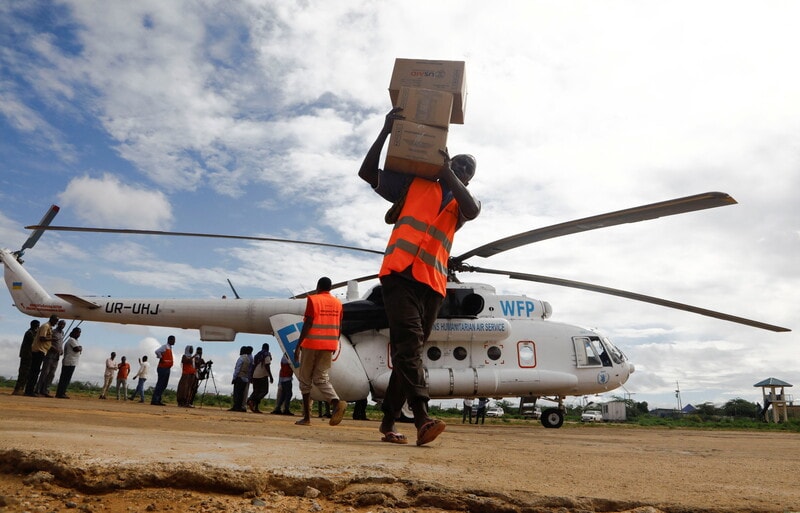
Humanitarian aid is facing a critical juncture, with increasing needs driven by climate change and protracted conflicts outpacing existing response capabilities. A shift towards innovative financing, including blended finance and community-centric approaches, is essential. Key strategies include tailoring financial tools to specific contexts, sharing risks, and allowing recipients to determine aid delivery methods. Successful examples, such as the Refugee Investment Facility and parametric insurance schemes, demonstrate how adaptive funding models can foster resilience and rebuild livelihoods. Emphasizing partnership and flexibility can enhance the effectiveness and sustainability of humanitarian efforts.
Financial services, Education, Health
Aid as we know it is changing – it’s time to innovate humanitarian finance