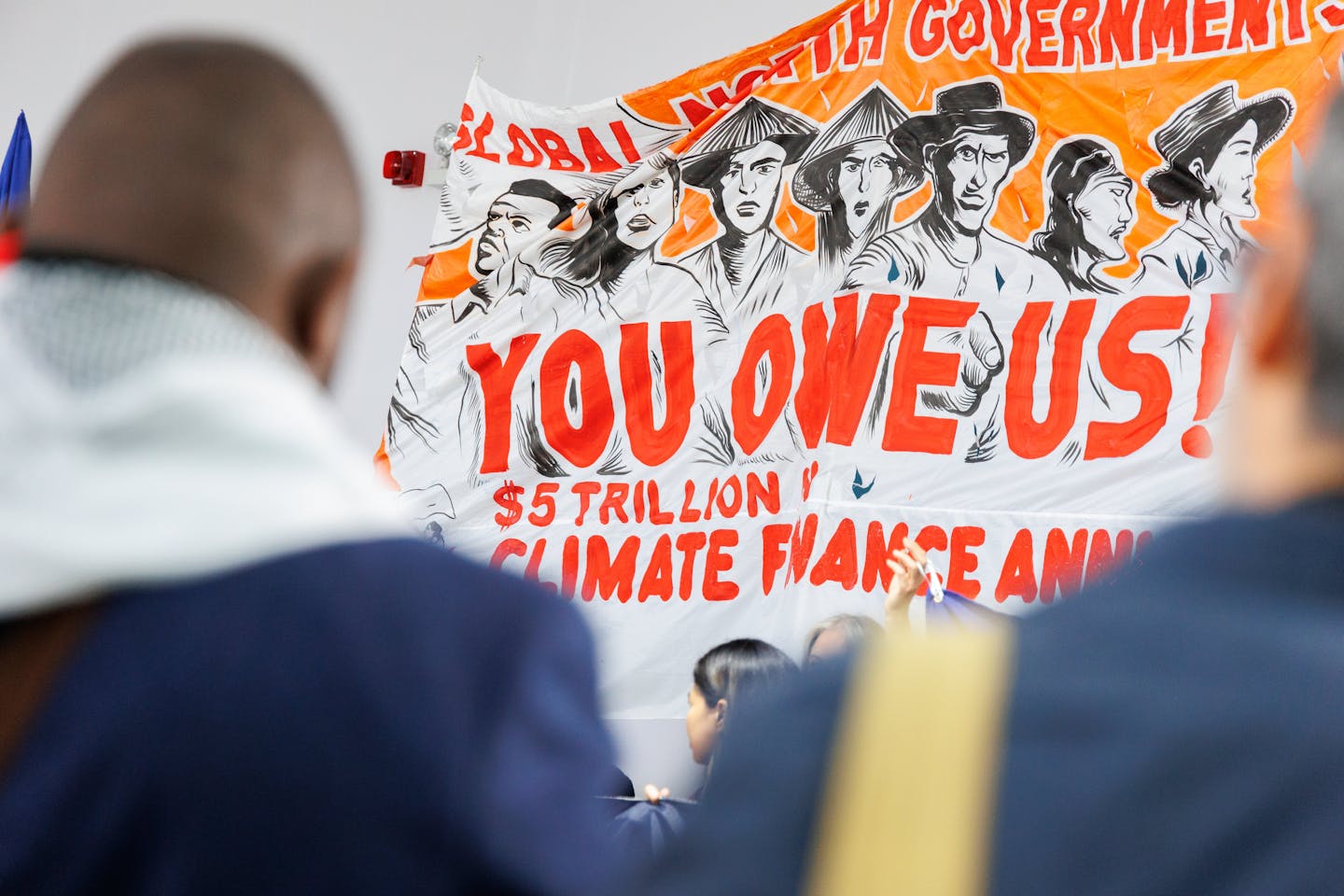
Stricter border and visa regulations are obstructing the participation of individuals from the Global South in crucial international conferences, particularly in climate and health discussions. Sudanese activist Roaa and Ugandan advocate Joseph Robert Linda faced visa rejections despite significant preparations, emphasizing the emotional and economic toll of these barriers. A substantial economic cost is associated with these rejections, with Africans losing around 60 million euros on denied Schengen applications in 2024. This exclusion perpetuates inequalities, as the nations most affected by global issues remain underrepresented at critical decision-making events.
Africa | Health
Tighter borders bar poor nations from summits – on poor nations
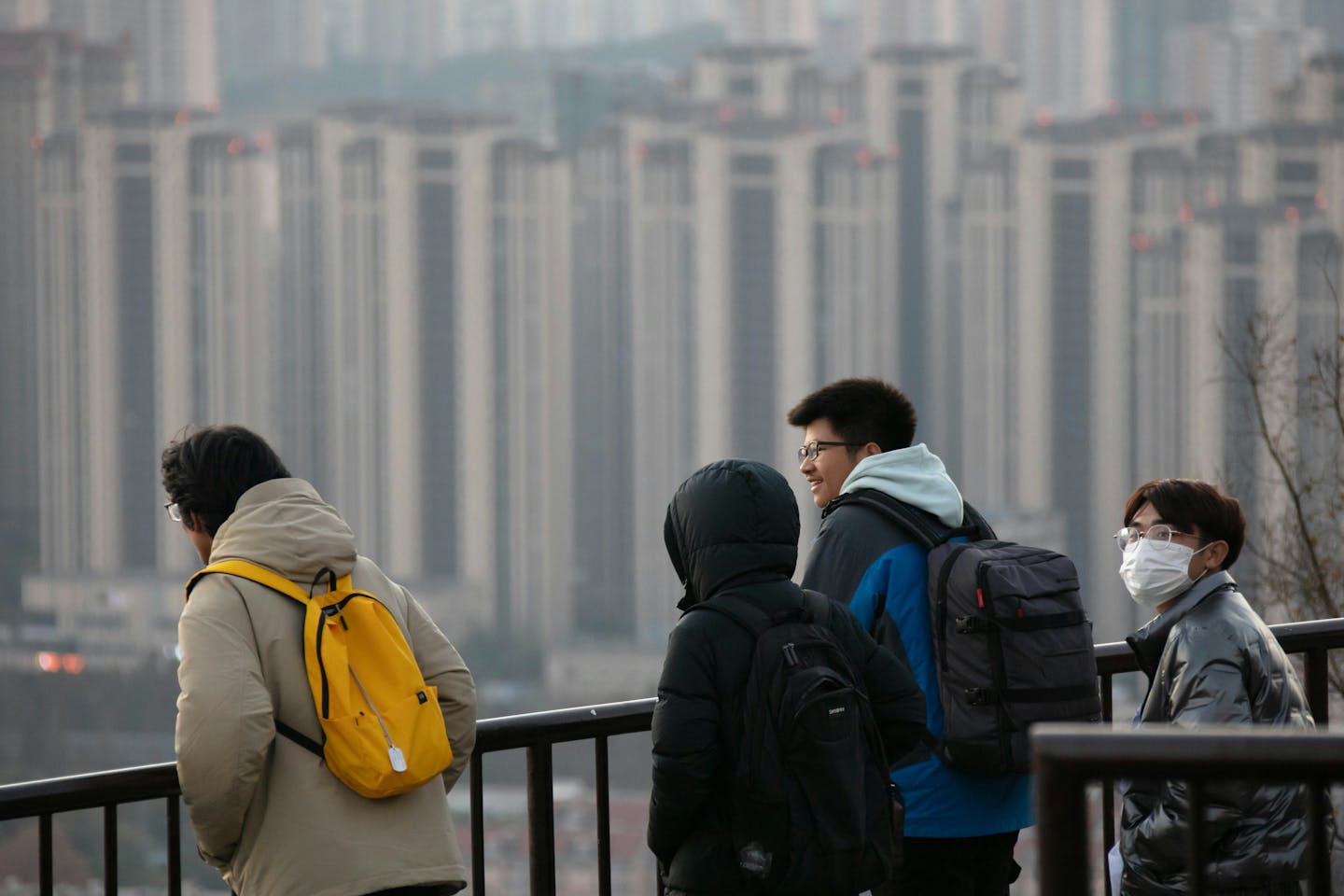
China has significantly improved air quality since 2013, with PM2.5 levels dropping 36% overall from 2015 to 2022. Efforts largely focused on eastern regions like Beijing-Tianjin-Hebei, but air pollution is now rising in southern and western provinces such as Guangxi and Yunnan due to industrial relocation. In the first quarter of 2025, PM2.5 levels rose by 32% in Guangxi and 14% in Yunnan, largely driven by emissions from energy-intensive industries. Factors contributing to increased pollution also include festivities and agricultural practices.
Denmark, Germany, Ghana, Japan, Philippines, United Arab Emirates, United Kingdom | Health
Why is China’s air pollution shifting west?
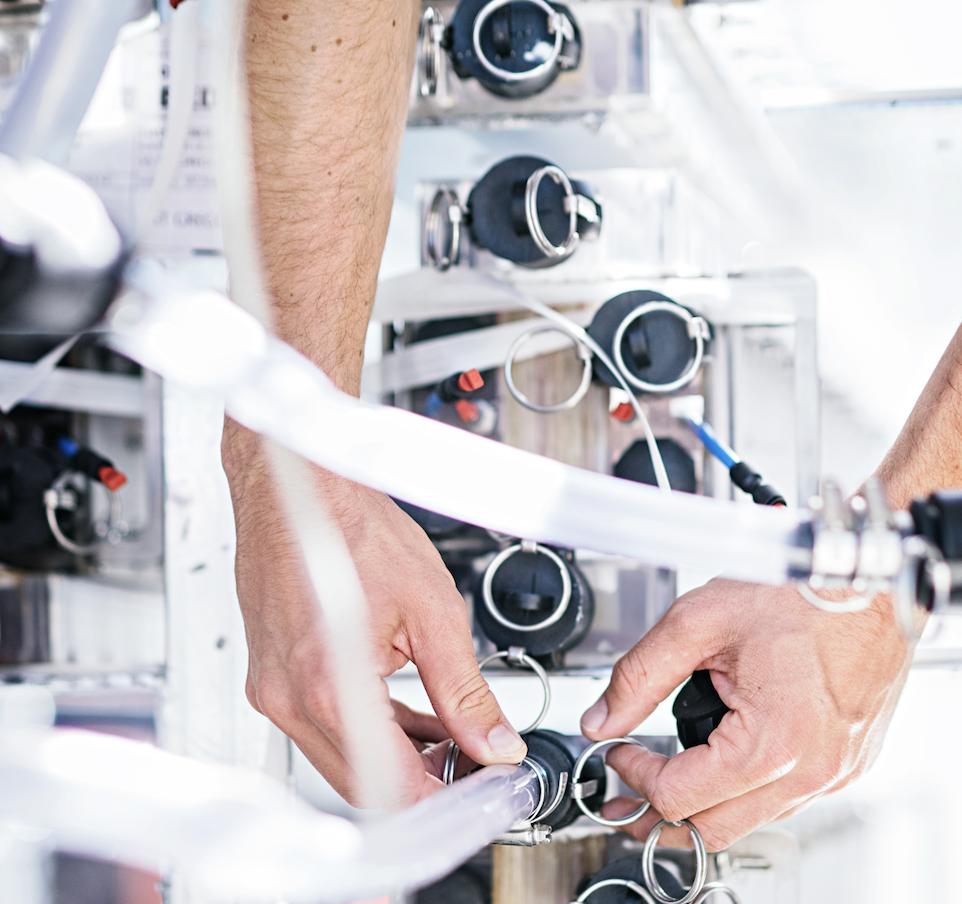
Sweetch Energy harnesses osmotic energy from the salinity difference between river and seawater to produce renewable, carbon-free electricity using nanofluidics and biomaterials. Their OPUS-1 demonstrator in France, initiated with Compagnie Nationale du Rhône, aims to validate this technology, potentially generating 500 MW to power over 1.5 million people. Osmotic systems could meet nearly one-fifth of global electricity needs, leveraging natural resources in coastal areas, particularly in salt-rich regions. Breakthroughs in membrane technology have enhanced their viability, with significant potential for widespread adoption following financial investments.
Osmotic Energy Could Generate One-Fifth Of The World’s Energy Needs
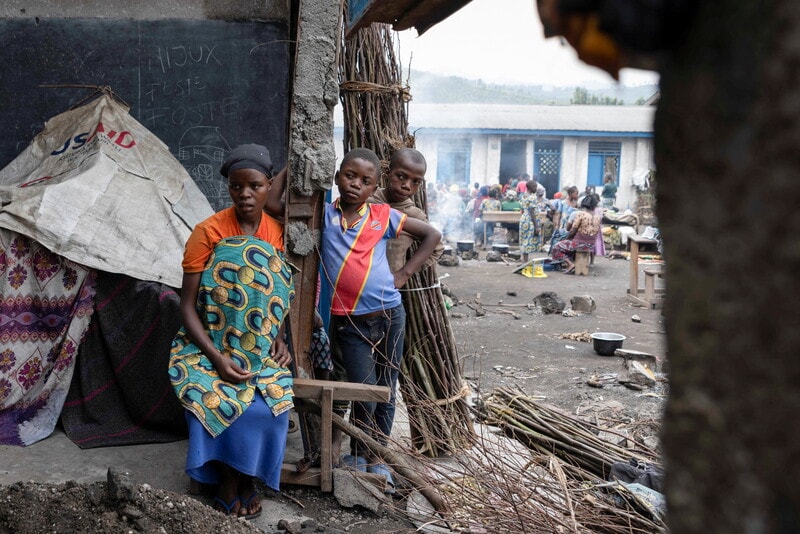
The number of internally displaced persons (IDPs) has risen to over 83 million due to conflict, climate change, and violence. Lasting solutions, led by national governments, are essential in addressing this crisis. Key lessons include the necessity of local government involvement, the importance of integrating solutions into initial humanitarian responses, and the high costs associated with rebuilding lives post-displacement. Successful case studies show that with proper leadership and funding, significant progress can be made in providing pathways to solutions for IDPs.
Financial services, Health
3 lessons for building solutions for the world's 83 million internally displaced people

Japan and South Korea exemplify effective governmental strategies for fostering innovation and competition against the US and China. Both countries integrate startups with national champions like Samsung and Toyota, focusing on collaboration rather than disruption. South Korea's centers for creative economy and Japan's tax incentives for acquisitions facilitate innovation by embedding startups within large firms. Initiatives like J-Startup and K-Startup Grand Challenge connect startups with industrial mentors, enhancing access to resources and technologies. This collaborative model contrasts with the more competitive, disruptive approach seen in Silicon Valley, offering alternative strategies for global competitiveness.
Japan, Republic of Korea | Financial services, Education
Japan and South Korea can show governments how to compete with China and US

Surveys conducted by the Center for News, Technology & Innovation reveal significant gaps in perceptions of journalism between journalists and the public, especially regarding the ability to distinguish journalism from other information types. While 49% of journalists believe the public can discern journalism, confidence varies by region. Two-thirds of Australians and Americans see a difference, in contrast to lower agreement in Brazil and South Africa. Furthermore, both groups acknowledge that individuals outside traditional journalism can produce journalism, reflecting a shared openness to diverse information sources in today’s landscape.
ICT
What journalists and the public think about journalism and technology

Leadership models must adapt to a world characterized by paradoxes, where linear planning and top-down control are insufficient. Modern leaders face competing demands that require them to prioritize adaptability and resilience over certainty. Organizations should be structured to embrace tensions rather than eliminate them, allowing for flexibility in decision-making and operations. New production strategies, such as X-shoring and right-shoring, emphasize a dynamic approach to balancing cost, speed, and stability. Companies are learning to manage tensions between resilience and efficiency, centralized and localized operations, and optimization versus optionality, thereby redefining effective leadership in a complex environment.
Japan, Switzerland, United Arab Emirates, United Kingdom | Financial services, ICT, Health, Education
Leadership in the age of paradox
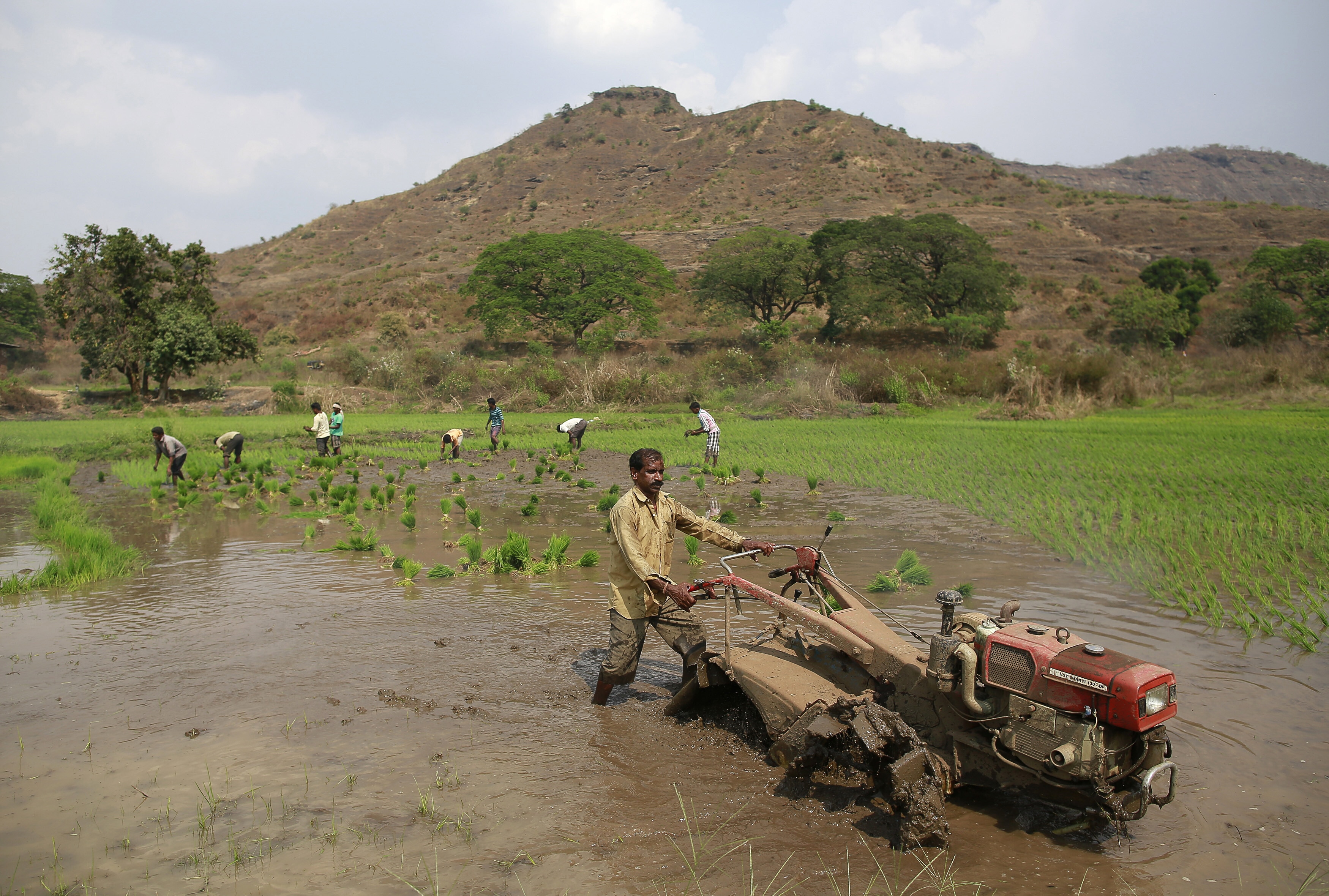
The HRI's Framework for Frontier Market Cooperation promotes cross-sector collaboration to enhance global development and aid systems, focusing on private sector engagement and local community involvement. This innovative model shifts from short-term aid to long-term value creation by aligning public and private sector efforts. It emphasizes stakeholder integration, addressing local needs in investment decisions, increasing community engagement post-investment, and facilitating better collaboration among capital providers. The framework aims to transform fragmented initiatives into a cohesive approach, ultimately driving impactful solutions in frontier markets and benefiting vulnerable communities.
Financial services, Health
From crisis to resilience: a new framework for cross-sector cooperation
The Dubai Future Foundation (DFF) introduces a classification system for visual representation of human-machine collaboration in research, design, and publications. This system aims to enhance transparency by providing a standard mechanism to indicate the extent of machine involvement in research outputs. Acknowledging a gradual transition toward increased machine autonomy in various fields, the DFF will incorporate specific icons in their research reports to uphold ethical research practices and promote clarity for readers and decision-makers.
Icons for human – machine collaboration (HMC): Visual Standards for Research and Publications

Nigeria must transition from reactive governance to proactive, youth-driven policymaking to address future challenges. With a projected population of 380 million by 2043 and 89 million living in extreme poverty by 2040, the country needs strategic foresight to navigate climate change, technology disruptions, and economic inequality. Reforming governance towards long-term risk planning is crucial, highlighting the need for institutional shifts that emphasize inclusion and future-focused financing. Establishing policy labs and digital platforms for youth input can ensure that today's decisions create opportunities for future generations, enhancing resilience and sustainable growth.
Benin, Ghana, Niger, Nigeria, South Africa | Financial services, ICT, Health, Education
Can Nigeria govern for tomorrow, today?
Generative AI, particularly large language models (LLMs), enhances foresight analysis and strategic decision-making in policy research. It aids in identifying trends, developing scenario narratives, and provides immersive experiences, empowering foresight analysts to navigate uncertainties more effectively. However, critical evaluation of AI's limitations and biases is necessary, emphasizing the importance of human oversight and ethical considerations. The integration of generative AI with human expertise can lead to improved strategic planning in policymaking, enabling more informed and nuanced approaches to complex future challenges.
Augmented foresight
Global trade tensions have escalated with the US imposing a 30% tariff on imports from the European Union and Mexico, effective August 1, alongside additional tariffs on other nations. As a result, traders are rapidly shipping copper to the US to avoid a forthcoming 50% tariff, generating significant profits and causing disruptions in supply chains. The EU and Mexico have criticized these tariffs, with the former signaling potential countermeasures. Meanwhile, the International Energy Agency warns that the global oil market may be tighter than reported, forecasting a slowdown in oil demand growth.
Argentina, Ghana, India, Mexico, Niger, South Africa, Türkiye, United Arab Emirates, United Kingdom | Financial services
Global trade tensions escalate amid new US tariffs, and other international trade stories to know this month
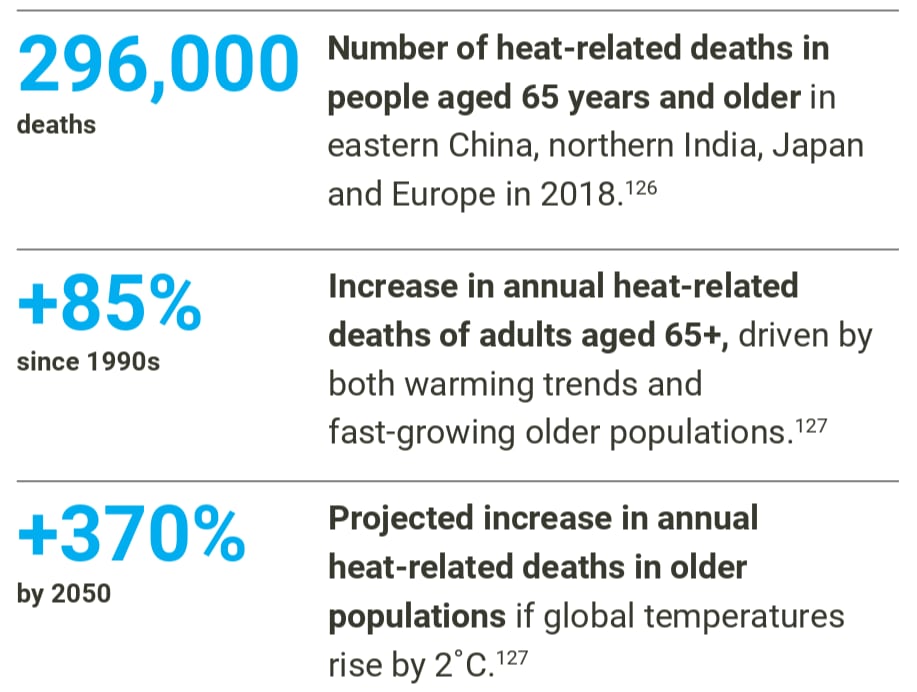
Annual heat-related deaths among older adults have increased by 85% since the 1990s, with heatwaves posing heightened risks, particularly in urban areas. The UN warns that rising global temperatures amplify health threats, stressing the need for improved urban planning and access to climate information for the elderly. In other health news, the first malaria treatment for infants has been approved by Swiss authorities, promising to improve outcomes in endemic regions. The FDA has also authorized Moderna's COVID-19 vaccine for young children at higher risk. Additionally, a robot successfully performed an unassisted surgery, showcasing advances in medical technology.
Financial services, ICT, Education, Health
Heightened heatwave risks for the elderly, and other health stories

Genuine foresight into potential crises requires structured approaches like scenario planning to navigate various variables and outcomes. The World Economic Forum utilizes scenario planning to analyze critical economic aspects, identifying potential scenarios for productivity and competitiveness by 2030. These scenarios range from negative conditions, such as decreased innovation and protectionism, to positive outcomes driven by stability and growth. Historical financial crises highlight the dangers of ignoring warning signs, emphasizing the importance of strategic analysis to mitigate risks and avoid panic.
Financial services
Why don’t we see bad things coming? Real foresight isn’t as simple as that
Christophe Gouache proposes a new approach to policymaking inspired by design. He critiques the traditional policy cycle model established by Lasswell in 1957, highlighting its linearity and lack of real-world applicability. Gouache also questions Howlett's policy threads model for its actionability. By incorporating design thinking and methodology, along with the ability to navigate uncertainty, a more dynamic model—termed the Policy Design Journey—aims to enhance the effectiveness of public policies.
What if design could transform the way we think and make public policies? Proposing a new model: the Policy Design Journey

The global issue is not a housing shortage but a mismatch of supply, demand, affordability, and access to suitable housing. While many homes exist, they are often poorly located, overpriced, or unsuitable for current living needs, leading to overcrowding in urban areas and vacancies in rural regions. Countries like the U.S., Japan, and Italy illustrate this disparity, with significant numbers of vacant homes amid homelessness and depopulation. Housing strategies should shift focus from quantity to quality, ensuring homes are better situated to meet actual resident needs rather than simply increasing construction. Access to affordable land, rather than construction methods, is key to addressing the mismatch.
We don’t have a global housing shortage – we have a global housing mismatch
Local authorities face overwhelming challenges in processing public feedback on planning documents, often receiving thousands of submissions that require synthesis. Researchers at the University of Liverpool developed an AI tool, Plan AI, to streamline this process. In a real-world experiment, Plan AI summarized 320 submissions in 16 minutes, compared to over 60 hours for a human planner, achieving comparable quality. By adopting AI, local authorities could reduce administrative burdens, allowing planners to focus on core tasks and enhance public engagement. While concerns exist about potential misuse, AI can also provide safeguards against skewed consultations, ultimately improving democratic processes in planning.
The government wants local authorities to embrace AI – here’s one way it could work in practice
UK Chancellor Rachel Reeves encourages Britons to invest more in stocks, particularly due to the economic benefits of a more active capital market. Only 23% of UK citizens engage in stock investment, compared to nearly two-thirds in the US, reflecting a higher risk aversion among Britons. This hesitance may stem from media coverage that emphasizes market volatility and declines, often obscuring the long-term recovery potential of stocks. Low-cost exchange-traded funds (ETFs) present an accessible investment opportunity; however, negative perceptions fueled by alarmist headlines deter participation. Historically, stock markets have shown resilience, often rebounding quickly after downturns.
United Kingdom | Financial services
Britons are less likely than Americans to invest in stocks – but they may not have the full picture

Generative AI is being integrated into dating apps, with companies like Bumble and Grindr exploring its potential to enhance user experiences. AI could function as a personal dating concierge, suggesting compatible pairings, aiding in photo enhancement, crafting bios, and facilitating conversations. A survey revealed significant interest among younger users in AI's ability to improve dating efficiency and address dating fatigue. However, ethical concerns remain, including potential over-reliance on technology, reinforcement of unhealthy dating norms, and risks of misrepresentation. Critics urge companies to prioritize building authentic connections rather than solely enhancing technology.
AI can be your wingman when online dating – but should you let it?

The Chief Geopolitical Officer (CGO) role is essential for businesses amid a fragmenting global order. It integrates geopolitical intelligence into core decision-making, addressing systemic risks identified by the UK Cabinet Office and the World Economic Forum. Traditional risk management strategies are inadequate as geopolitical threats rise. Companies face challenges such as regulatory divergence, military actions, cybersecurity threats, and economic sanctions. Leading firms are increasingly appointing senior roles focused on geopolitical issues. The CGO will proactively navigate the political landscape, enhance stakeholder management, and drive crisis response, transforming geopolitical awareness into a strategic imperative.
Philippines, Russian Federation, Switzerland, United Kingdom | Financial services, Health
Why every company now needs a Chief Geopolitical Officer