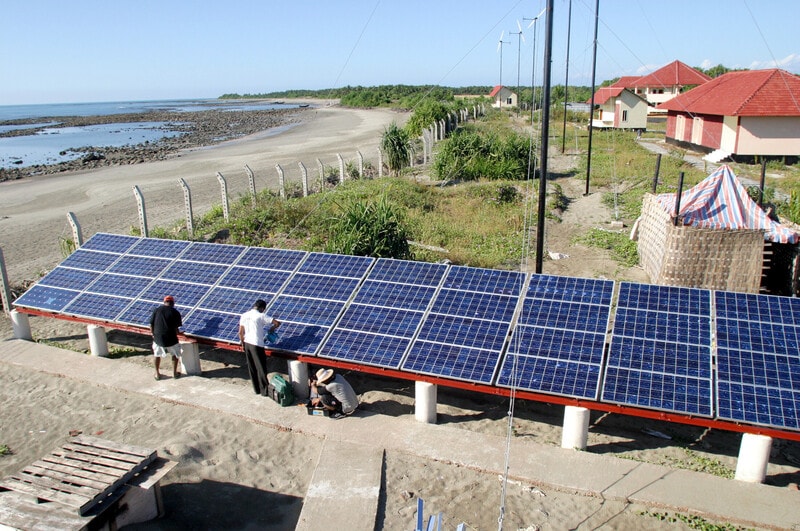
Bangladesh's Renewable Energy Policy aims to significantly increase electricity supply from renewable sources to 20% by 2030 and 30% by 2040. Achieving this requires substantial upfront capital, with estimates of $980 million needed annually for 2030 and up to $1.46 billion per year over the next decade. Key barriers include rapid policy changes, currency devaluation, and challenges in land acquisition and financing processes. The government must ensure stable policies, mitigate risks for investors, and facilitate private sector involvement through public-private partnerships (PPPs). Additionally, measures such as creating a currency hedging facility and pre-financing options for small projects can enhance investment in renewable energy.
Bangladesh | Financial services
Why unlocking finance is essential for Bangladesh’s green energy transition

UK interest rates, currently at 4.25%, may be too high according to Costas Milas, who projects they could drop by 0.9 to 1.7 percentage points by mid-2027 due to factors including trade wars initiated by Donald Trump. Bank of England Governor Andrew Bailey indicated larger cuts could occur if the jobs market weakens. The model Milas uses suggests the Bank Rate could be 3.8% by mid-2025, indicating current monetary policy is too tight. Trade uncertainty impacts inflation and GDP, causing initial inflation increases followed by a decline that could prompt further rate reductions.
United Kingdom | Financial services
Are UK interest rates too high?
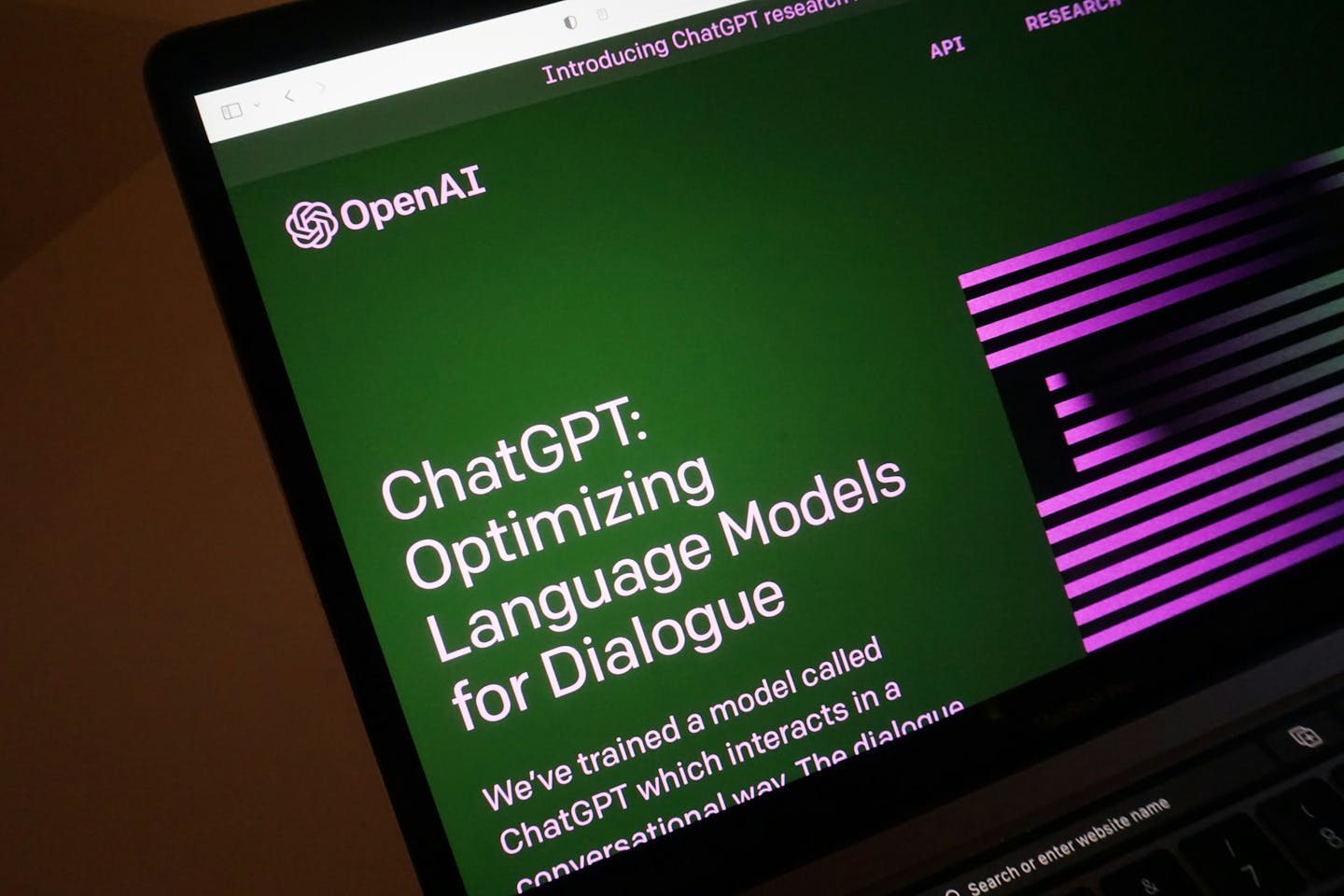
EPIC launched PromptZero, a tool aimed at reducing the carbon emissions of AI models like ChatGPT by promoting shorter, more efficient responses. This tool activates a "low-emission mode" that encourages concise replies, thereby minimizing computational effort and energy usage. Each PromptZero interaction estimates the CO₂ emissions avoided. While concerns about AI's energy and water demands grow—ChatGPT-4 queries consume significant electricity and water—PromptZero serves as a step toward more sustainable AI practices and calls for wider adoption to decrease environmental impact.
Financial services, ICT
ChatGPT tool launches to cut AI emissions with shorter responses
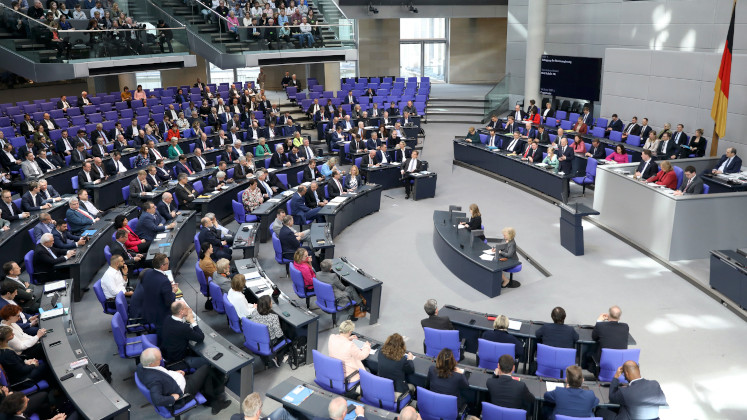
Ideological polarization significantly influences political discourse in the German Bundestag, affecting who debates whom. A study by Elias Koch and Andreas Küpfer reveals that divergence in ideological preferences leads inviting MPs to seek discourse more frequently, while invited MPs tend to reject these interactions, especially from far-right parties. Furthermore, opposition MPs are more active in seeking discourse compared to government representatives. The research indicates a decline in substantive discourse as polarization increases, highlighting a troubling trend for democratic engagement in parliamentary settings.
When do politicians engage in discourse – and when do they avoid it?

Quantum technologies are rapidly evolving with significant applications in financial services. The "Quantum Technologies: Key Strategies and Opportunities for Financial Services Leaders" white paper highlights real-world case studies and offers actionable insights for stakeholders. It emphasizes six foundational pillars for successful integration: research and development, infrastructure enablement, public-private collaboration, entrepreneurship support, education and workforce development, and responsible deployment. Prioritizing these areas is essential for effectively leveraging quantum technologies within the financial ecosystem.
Financial services
Quantum Technologies: Key Strategies and Opportunities for Financial Services Leaders

Quantum technologies are rapidly advancing and have significant applications in financial services. The white paper, developed with Accenture, evaluates the current landscape of these applications, using real-world case studies to provide insights for key stakeholders. It identifies six foundational pillars essential for maximizing quantum technology's potential: research and development, infrastructure enablement, public-private collaboration, entrepreneurship support, education and workforce development, and responsible deployment. Prioritizing these areas will facilitate the strategic integration of quantum solutions within the financial ecosystem.
Financial services, ICT
Quantum Technologies: Key Strategies and Opportunities for Financial Services Leaders

Digital economy agreements can significantly enhance trade across Asia and the Pacific by addressing regulatory fragmentation and promoting inclusion in the digital market. The region faces challenges due to varying regulatory advancements, which may disadvantage vulnerable populations and exacerbate inequality. Innovative frameworks, like the Digital Economy Partnership Agreement, allow countries to adapt components based on their readiness, fostering flexibility for developing economies. Furthermore, establishing digital standards and modernizing cross-border payment infrastructure is crucial for facilitating trade. Addressing digital taxation challenges through coordinated rules will also play a vital role in maximizing benefits from the digital economy.
ASEAN, Latin America | Financial services, ICT
Digital Agreements Can Boost Trade Across Asia and the Pacific
Border carbon adjustment (BCA) policies can effectively reduce emissions and enhance economic performance, according to a computational general equilibrium model. However, significant emissions reductions may be negated by underlying growth trends. Furthermore, the adverse effects of carbon pricing and trade-related taxes may disproportionately impact poorer regions.
Modeling the Impact of Carbon Border Policies on Emissions, Global Value Chains, and Welfare

Effective maritime monitoring is crucial for managing global trade routes, as disruptions can lead to significant financial losses. Researchers from the Asian Development Bank developed a computational framework using automatic identification system (AIS) data for near real-time monitoring of maritime passageways. This method enhances vessel tracking by introducing a third data collection point, improving detection accuracy by about 10%. The framework supports traffic flow monitoring and disruption impact analysis, demonstrated through the Suez Canal blockage case. It successfully identified vessel delays and rerouting behaviors, showcasing its scalability and applicability to various maritime disruptions.
Financial services
Monitoring Passageways for Smarter Maritime Transport and Trade

Cooperative behavior at scale is essential for a sustainable future, yet understanding how intelligent actors can jointly enhance their well-being in complex environments is challenging. Complex systems science (CSS) enriches comprehension of collective phenomena and cooperation evolution, but often overlooks individual complexity and environmental contexts. Multiagent reinforcement learning (MARL) can address these oversights through concrete cognitive formalizations. Bridging CSS and MARL is proposed to foster a science of collective, cooperative intelligence, enhancing both fields' capacities to understand emergent phenomena and cooperative dynamics. Future research pathways are also highlighted.
Collective cooperative intelligence
Artificial intelligence is significantly changing web navigation, with users now turning to chatbots for direct answers instead of links from traditional search engines. This shift has led to drastic traffic declines for content publishers, including news, forums, and reference sites like Wikipedia. The economic model of monetizing human traffic via online advertising is under threat, prompting content producers to seek new compensation from AI companies. Following the rise of ChatGPT, traditional search engines like Google have adopted AI features, but this has resulted in reduced website visits, with overall search traffic dropping by about 15% in the past year, severely impacting numerous categories, particularly science, education, and health sites.
AI is killing the web. Can anything save it?
Design's relationship with policy can be framed as not only serving policy but also engaging with it in complex ways. The authors critique existing literature that focuses on specific practices, urging deeper consideration of the motivations behind these practices. They propose a typology categorizing design's roles in policy into three relationships: instrumental, where design acts as a tool; improvisational, enabling responsiveness to evolving situations; and generative, fostering new visions for policy making. This framework seeks to enhance understanding of the diverse intents and implications within the design-policy intersection.
How do policy and design intersect? Three relationships

AI is increasingly utilized by companies to enhance customer service efficiency and reduce costs, yet challenges remain in achieving quality interactions. Wharton professor Christian Terwiesch emphasizes the necessity of a balance between technology and human involvement, stating that AI can handle 80% of customer interactions but often requires human support for the remaining 20%. He highlights the cost-quality trade-off in service delivery and suggests that while AI tools, including chatbots, offer benefits like language assistance and persuasive communication, many organizations may need to educate customers on self-service options. A hybrid approach of combining AI with human agents is deemed the most effective solution at present.
Can AI Fix What’s Wrong With Customer Service?
Children's right to play is often undermined by urban environments that prioritize cars over community spaces. This lack of inclusive design limits access to playgrounds, particularly in deprived areas. International examples illustrate how temporary play installations in cities like Sydney, Paris, Belfast, and Milan have successfully promoted children's play in unconventional spaces, fostering community connections post-pandemic. However, these initiatives faced pushback from adults concerned about displacement and public space usage. The findings highlight the ongoing tension between children's needs and adult perceptions, necessitating supportive policies for long-term success in urban play.
Education
How to give children the freedom to play all across the city – not just in playgrounds
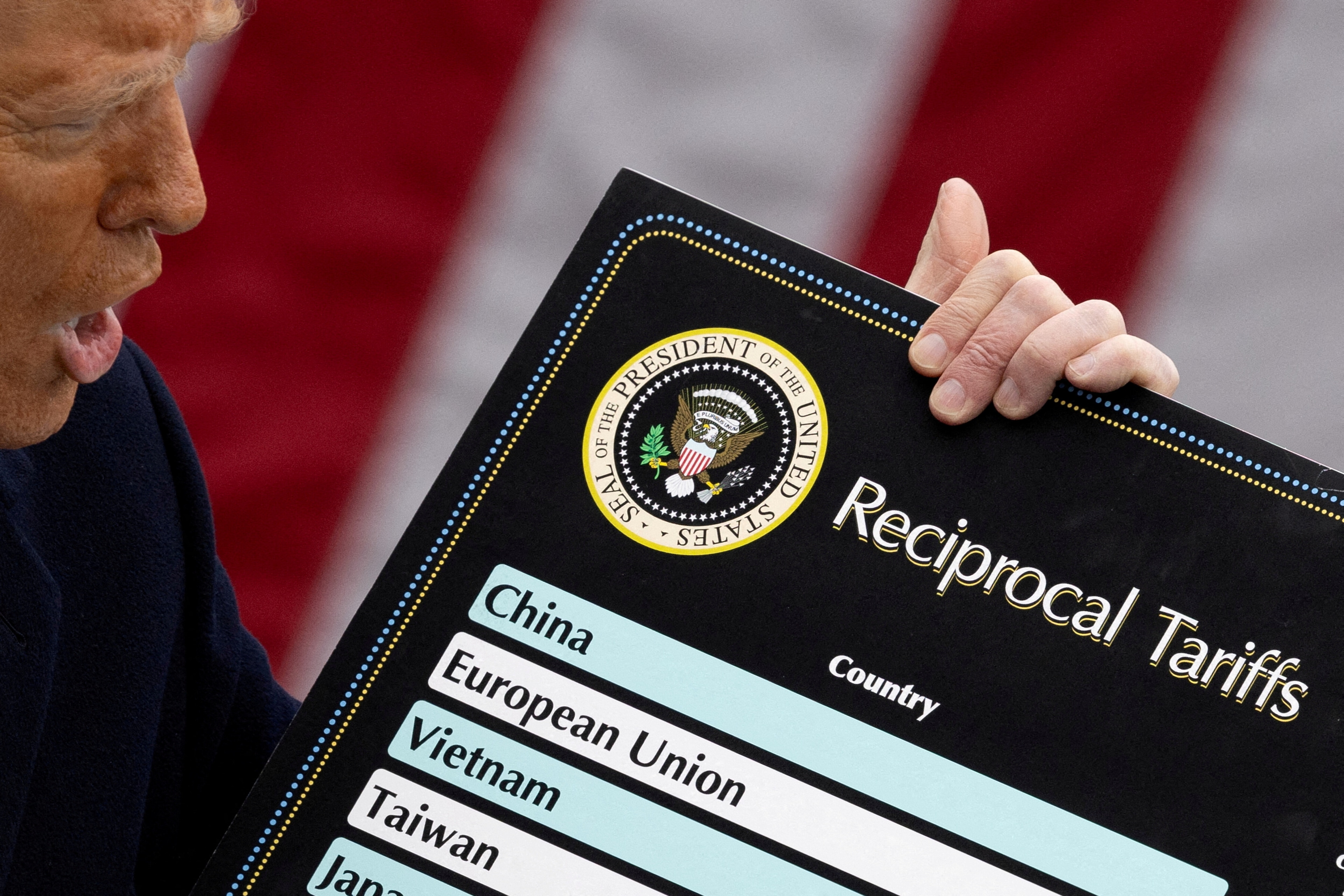
The US is poised to reimplement sweeping tariffs, ending a 90-day pause, with proposed tariffs of up to 50% on imports from Brazil and 35% on Canadian goods, among others. This uncertainty is influencing global trade dynamics, leading countries like Canada and South Korea to seek alternative trade agreements, particularly with ASEAN and the EU. Global trade grew by $300 billion in early 2025, mainly benefiting developed economies, while developing nations struggle. Additionally, a shift in currency markets favors the euro as confidence in the dollar wanes, amid concerns about rising debt burdens for lower-income countries and the need for coordinated financial strategies.
Denmark, Germany, India, Japan, South Africa, United Kingdom | Financial services, Health
Tariffs return to centre stage amid broader global shifts, and other key economic news to know

To close the digital skills gap, AI and digital literacy must be integrated into education early, alongside fostering human-centric skills such as curiosity, leadership, and continuous learning. Currently, 450 million young people lack the skills necessary for an AI-driven labor market, with many feeling unprepared for the workplace. Employers are focused on reskilling, yet foundational AI literacy must begin with educators to effectively guide students. Emphasizing a culture of digital confidence and continuous learning through practical applications in real-world contexts is crucial for developing relevant skills in this evolving environment.
Education
Youth Skills Day: 3 leaders weigh in on closing the digital skills gap
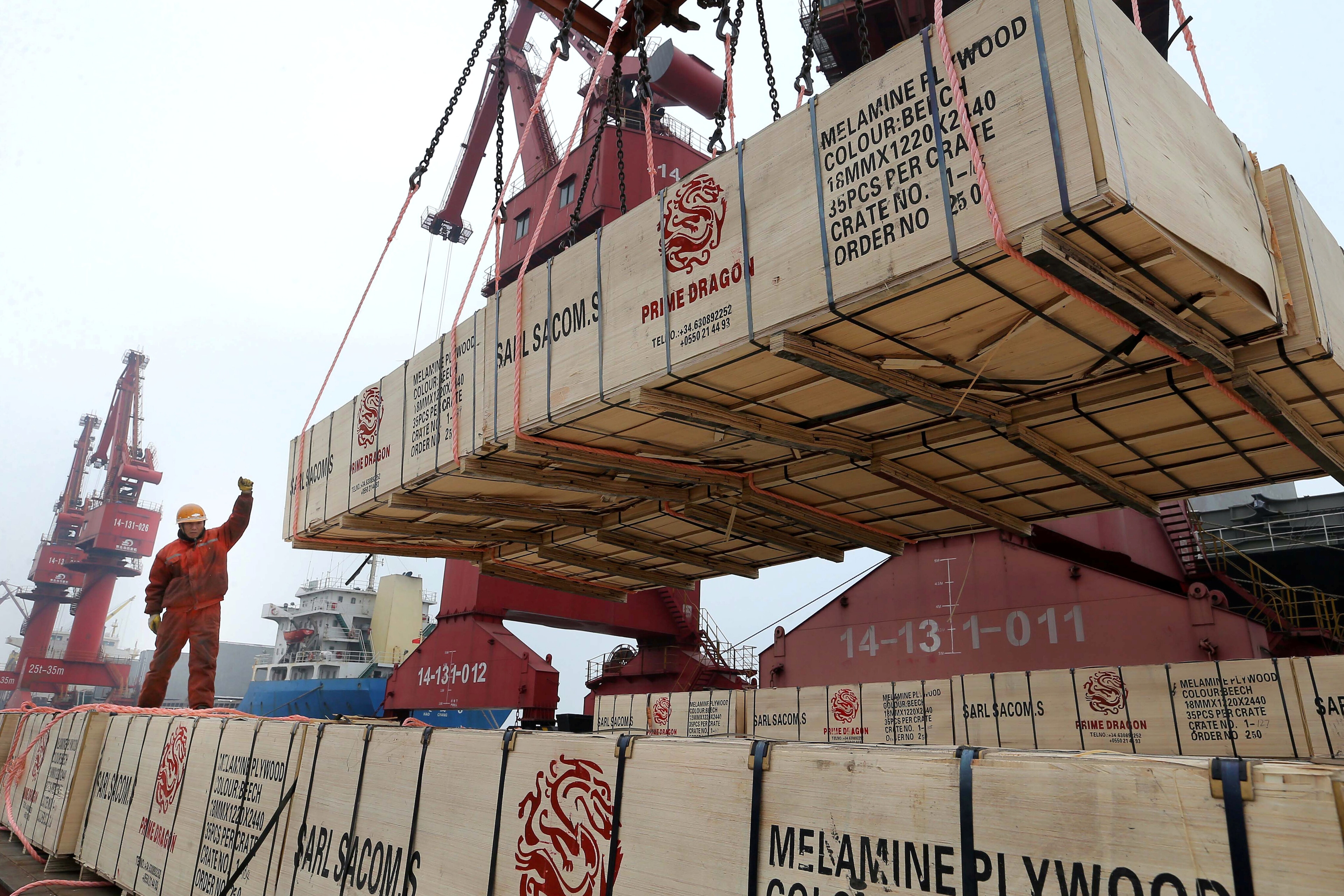
Globalisation will persist but will transform due to recent disruptions and policy changes. Guy Miller argues that the value of global trade has been emphasized by challenges like rising U.S. tariffs and COVID-19, which exposed vulnerabilities in global supply chains. While trade expansion rates are now below global growth rates, the demand for choice and lower production costs will sustain trade's relevance. The "China+1" strategy reflects a shift towards diversification. Despite uncertainties from protectionist policies, a new equilibrium in global trade may emerge, fostering bilateral agreements and adaptability among nations.
Argentina, Chile, Costa Rica, Croatia, Czech Republic, Denmark, Germany, India, Ireland, Italy, Japan, Malta, Mauritius, Morocco, Nepal, Peru, Philippines, Portugal, Romania, Slovenia, South Africa, Sweden, Switzerland, Taiwan, China, Tunisia, United Arab Emirates, United Kingdom | Financial services, ICT, Education, Health
Globalisation is here to stay, but not as we’ve known it

A significant increase in gender-based violence in Gaza has led to a surge of survivors seeking assistance, particularly in Deir El-Balah. Case workers face extreme challenges, including repeated displacements and lack of resources, which hinder their ability to provide support. The ongoing conflict has exacerbated domestic violence, sexual exploitation, and mental health issues, as families are torn apart and essential services collapse. Many survivors remain unreported due to stigma and fear, while humanitarian operations are on the brink of collapse. Despite these conditions, case workers strive to support vulnerable women and girls amid overwhelming pain and loss.
“The pain and loss were overwhelming”: As gender-based violence rises in Gaza, case workers tell of harrowing conditions

Generative AI offers potential productivity and cost-cutting advantages while also enhancing employee well-being. Companies must center their AI strategies around workers, understanding psychological impacts and adoption patterns. Effective AI deployment requires parallel tracks: technical solutions and employee communication, addressing concerns about job security and personal benefits. Generative AI can enhance feelings of competence, autonomy, and relatedness but may also pose threats to these aspects. Balancing the benefits and risks is crucial for successful integration into workplace environments.
Education
Mind & Machine: Gen AI Workplace Revolution | Stefano Puntoni

Africa's manufacturing sector significantly lags, contributing less than 15% of GDP and declining from 3% to under 2% of global manufacturing since the 1970s. Key regions like North Africa show relative strength, while Southern Africa faces deindustrialization due to energy issues. Only Eswatini meets a UNIDO target of 20% GDP from manufacturing; giants like South Africa and Nigeria are below this threshold. Infrastructure deficits, mainly in power and transport, hinder potential growth, with countries like Nigeria losing billions annually to outages. A shift to low-value service-led growth is impeding meaningful economic transformation on the continent.
Angola, Argentina, Benin, Burkina Faso, Burundi, Cameroon, Democratic Republic of the Congo, Djibouti, Egypt, Eswatini, Ethiopia, Germany, Ghana, India, Jordan, Kenya, Lesotho, Madagascar, Malawi, Mauritania, Mauritius, Mexico, Morocco, Mozambique, Namibia, Niger, Nigeria, Philippines, Rwanda, Senegal, South Africa, Sudan, Tanzania, Tunisia, Uganda, United Arab Emirates, United Kingdom, Viet Nam, Zambia, Zimbabwe
Unlocking Africa’s manufacturing potential