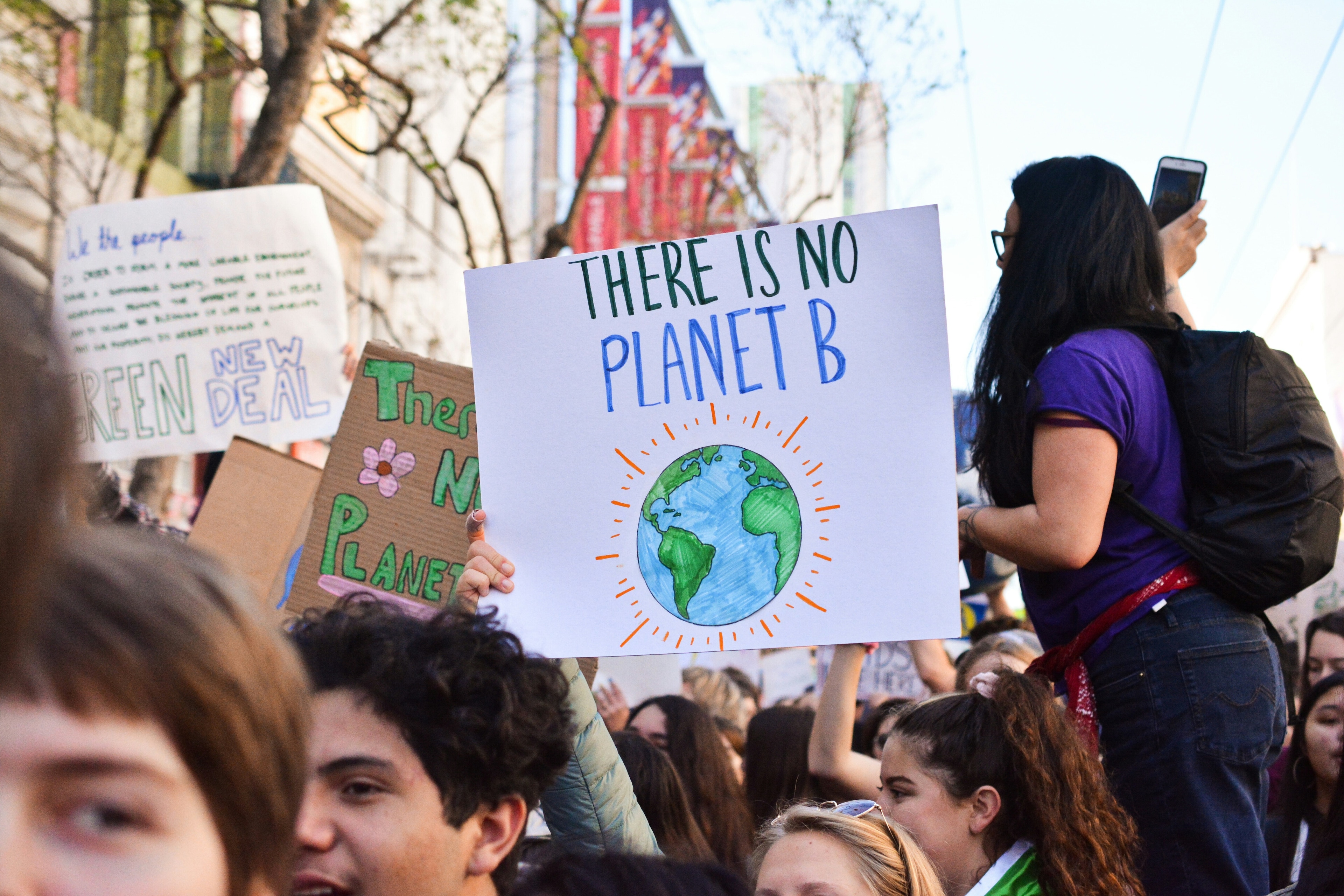
Young people, despite being significantly impacted by climate change, are underrepresented in climate policymaking. With a population of 1.8 billion, they must be included in shaping long-term climate decisions due to their stake in future outcomes. This exclusion exacerbates democratic deficits and undermines effective climate action. Youth involvement can enhance policy ownership, ensure relevance, and drive implementation success. As innovators, they can leverage technology to expedite climate solutions. Movements like FridaysForFuture exemplify how youth can influence policy and drive systemic change, advocating for true representation over mere tokenism in climate discussions.
Health, Education
Why youth need to be drivers of policymaking for climate action
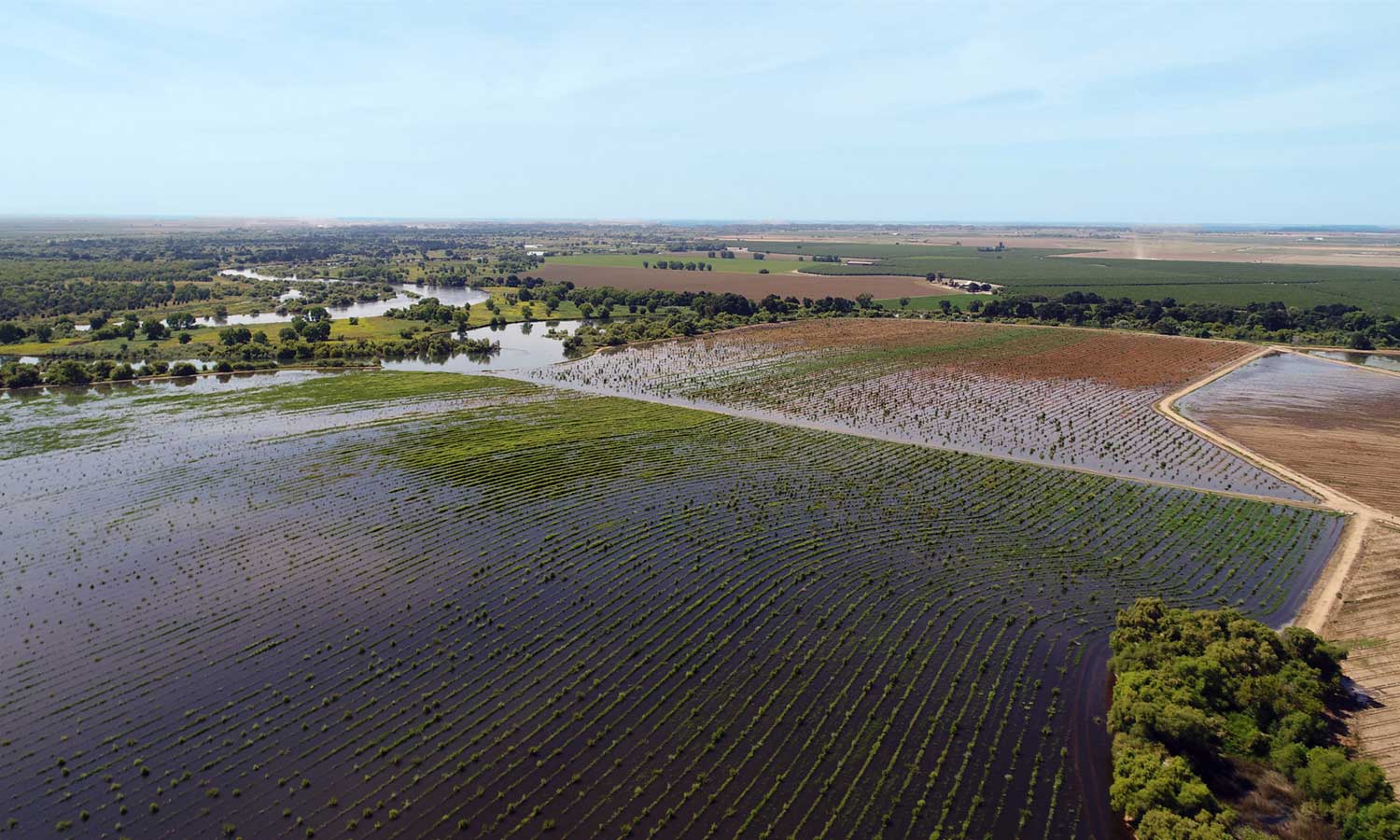
California faces the challenge of transitioning irrigated agricultural land to sustainable uses due to unsustainable groundwater overpumping. A comprehensive framework has been developed to guide this transition, emphasizing collaboration among community leaders, farmers, scientists, and advocates. The framework outlines six core objectives, including socioenvironmental justice, ecological resilience, sustainable agriculture, and community engagement. It also identifies seven best practices for successful cropland repurposing, prioritizing public health and accountability, while focusing on maintaining livelihoods, enhancing local economies, and addressing social needs.
Best Practices for Just Land Transitions in California

The Kurdistan Workers’ Party (PKK) officially ended its armed struggle against Turkey and began disarmament in July, following a symbolic weapon-burning ceremony. Despite initial progress in peace talks that commenced in autumn 2024, lasting peace faces challenges due to Turkey's geopolitical interests in Syria and President Erdoğan's domestic power maneuvers. The disarmament process lacks a clear strategy, international oversight, and reintegration measures, raising concerns about its effectiveness. Without institutional reforms and a commitment to democratic legitimacy, secure peace remains uncertain, highlighting the need for continued dialogue and engagement from external parties like Germany.
PKK Disarms – But Will This Bring Peace?

Strategic foresight is vital for organizations to prepare for emerging risks amid rapid change in geopolitical, technological, and environmental landscapes. This capacity enables organizations to anticipate potential futures, allowing them to adapt strategies proactively rather than reactively. Leading companies like Shell and Cisco exemplify successful foresight practices, fostering resilience and innovation. Public and non-profit sectors are also adopting foresight to inform policy and enhance resilience. The EDHEC Business School and Dubai Future Foundation's new self-assessment tool aims to benchmark foresight capabilities, aiding organizations in navigating complexities and crafting sustainable futures.
Education
Why strategic foresight ensures your organization is ready for the future
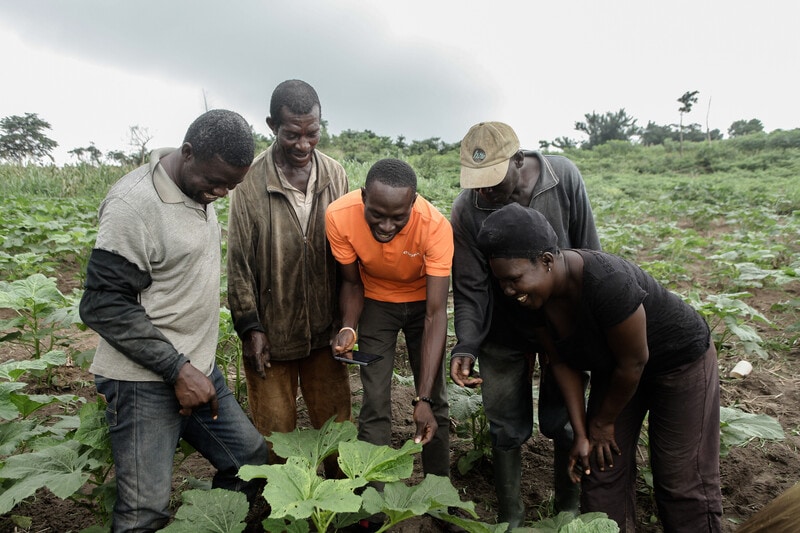
African Union Heads of State have adopted the continent’s first 10-Year Strategy on the Social and Solidarity Economy (SSE), marking a commitment to institutionalizing inclusive economic models. Social enterprises across Africa are addressing critical gaps, creating jobs, and driving growth in underserved communities. The SSE approach emphasizes community-driven capital, job creation, and resilience against climate shocks. Key examples include Nigeria's Babban Gona cooperative, which has significantly improved farmers' yields and job creation, and Ghana's Esoko, enhancing income stability for farmers through technology. Several African nations, including Morocco and Senegal, have initiated national SSE policies to support this transformative strategy.
Senegal, South Africa
How Africa's social economy is shaping its development

Developing nations must seek climate adaptation funding beyond multilateral negotiations, according to Liz Thompson from the Climate Vulnerable Forum and Vulnerable 20 group. With decreasing global climate finance, Thompson emphasized the need for collaborative solutions and best practices among vulnerable countries. The CVF-V20's Global Shield against Climate Risks initiative aims to provide quick financial assistance during climate disasters, having already disbursed nearly $2 million to Ghana. Additionally, there are calls for rapid disbursement procedures in the loss and damage fund to effectively address emergency funding following natural disasters.
Africa | Financial services, Health
Developing nations must find ways to access climate finance amid shrinking global funding: CVF-V20 chief

Professor Chuanwen Dong emphasizes the importance of balancing efficiency, sustainability, and interconnection in both his daily life and research. His work focuses on sustainable supply chain design, corporate social responsibility, and the role of AI, illustrating an integrated approach to complex systems. By exploring how contractual changes within supply chains can promote greener choices without sacrificing profitability, Dong advocates for greater coordination and clearer incentives. He also addresses platform economics, highlighting how growth-driven models can lead to accountability issues. His holistic perspective aims to uncover "win-win zones" for improved outcomes across systems.
Financial services
Systems Within Systems: Chuanwen Dong and the Quiet Architecture of Change

Enzymatic technology revolutionizes materials production by utilizing enzymes, which are biological catalysts, to create chemicals and textiles more sustainably. As global demand for chemicals is set to quadruple by 2050, traditional, resource-intensive manufacturing methods are inadequate. Enzymatic processes are more energy-efficient and produce higher yields with minimal waste, achieving up to 100% conversion. Notably, enzymes can degrade plastics like PET rapidly and convert CO2 into valuable materials, marking a shift from resource extraction to synthesis from waste streams. This innovation promises to decouple economic growth from environmental degradation, making sustainable production economically viable.
Introducing enzymatic technology: The process reinventing materials production

Biodiversity is critical for food security, clean water, and mental well-being, yet it is declining rapidly. A white paper proposes high-level principles to ensure that biodiversity credits yield benefits for people, wildlife, climate, and overall well-being. Following the Kunming-Montreal Global Biodiversity Framework (GBF) signed by 196 parties in December 2022, which endorsed biodiversity credits as a solution for financing biodiversity, these principles aim to establish integrity standards for the market, guide developers in creating quality credits, and assist buyers in making informed decisions.
Financial services
High-Level Principles to Guide the Biodiversity Credit Market

The Iran-Israel conflict has severely impacted Pakistani fishing communities, particularly in Balochistan. The closure of the Pakistan-Iran border has disrupted fuel supplies and fish exports, exacerbating existing challenges from climate change and overfishing. Local fishers contribute approximately 340,000 tonnes of catch annually, valued at nearly PKR 19.9 billion (US$70.1 million), yet face financial crises due to halted operations. Women in fish processing experience wage cuts, and low-income families struggle to afford food. Access to the Iranian market is vital for the tuna fishery's survival, with exports significantly supporting local livelihoods.
Pakistani fishers feel the impact of Iran-Israel war

Alexander C. Karp criticizes the U.S. government's withdrawal from technology development, arguing that it has placed excessive faith in the market. He contends Silicon Valley has deviated from its roots, with founders focusing on trivial consumer applications instead of significant innovations. Karp believes the current tech leaders lack conviction and shy away from controversy. However, the review suggests that Karp's arguments overlook the complex ecosystem of innovation, which involves various public and private factors. Ultimately, it highlights that Karp’s viewpoint may conflate private company success with national progress.
Where Are the Moonshots?
News audiences largely desire transparency regarding journalists' use of artificial intelligence (AI), according to findings from Trusting News. Surveys revealed that 94% of respondents want disclosures on AI usage, with 87% seeking explanations for its application and 92% wanting assurance that human vetting occurred. News organizations can enhance trust by tailoring AI disclosures to their audiences, varying the details to avoid repetition, and integrating transparency into storytelling for greater impact. The findings emphasize the importance of communicating editorial decisions to improve public perception of journalistic integrity.
What U.S. audiences want newsrooms to disclose about their AI use: 4 insights from Trusting News
Bridging generational gaps requires a focus on similarities rather than perceived differences. Michael Bruter from the London School of Economics highlights that misunderstandings arise from misconceptions about generational concerns. Effective communication should prioritize how questions are framed, as younger generations often seek a voice in society rather than just policies. Barriers such as frustration and hopelessness hinder understanding, exacerbated by "mirror perceptions" where each generation wrongly believes the other dislikes them. Solutions lie in encouraging reflection and accommodating different viewpoints across generations to foster genuine connection and understanding.
Education
Here’s how to bridge the generation gap, according to an expert

In 2025, consumption of news is increasingly shifting towards social media and video platforms, with traditional media like TV and print declining in popularity. The Reuters Institute’s report highlights that in the U.S., 34% of people now primarily use social media for news, surpassing TV and websites. Younger audiences are particularly reliant on these channels. Emerging trends include the rise of podcasters and AI as news sources, while concerns about misinformation grow. Despite a stable trust in news at 40%, many fear the consequences of misinformation from online influencers and AI-generated content.
Africa | Financial services, Health, Education, ICT
This is how people in 2025 are getting their news

Disinformation, including fake news and deepfakes, has resulted in significant financial losses for corporations, totaling an estimated $78 billion annually worldwide due to market crashes and poor decisions. The rise of AI technologies makes disinformation faster and more convincing, posing a severe economic threat. Companies must prioritize trust as a business asset by enhancing detection and crisis management strategies. Disinformation influences consumer perceptions, contributing to substantial revenue losses and reputational damage, with fake reviews costing businesses around $152 billion globally. As trust becomes essential, effective reputation management tools are critical to navigate this evolving landscape.
Financial services, ICT
What's the real cost of disinformation for corporations?
Technology monitoring and assessment (TMA) is crucial for research and innovation policy orientation and influences socioeconomic factors related to emerging technologies. A report by the European Commission evaluates TMA systems in China, the US, and the EU, highlighting their advantages, features, and the challenges faced by the EU's TMA approach. It concludes with recommendations for EU policymakers to enhance the EU TMA system, positioning it as a competitive edge in the global innovation landscape.
Technology monitoring and assessment
AI offers transformative potential to enhance climate resilience in informal settlements throughout Latin America and the Caribbean, where over 120 million people reside. Rapid urbanization and inadequate infrastructure render these communities highly vulnerable to climate risks. Advanced geospatial technologies and AI can accurately map and analyze urban vulnerabilities, shifting from reactive to proactive urban planning. Proposed innovations include the Predictive Climate Resilience Index and digital twins for simulating future climate scenarios. Additionally, community-led mapping initiatives using AI can capture vital ground-level data, improving planning efficiency and fostering social equity in climate adaptation efforts.
Latin America
See how AI can help protect and improve informal settlements in Latin America

AI is being harnessed to improve healthcare access and disease management, particularly in controlling Mpox outbreaks in countries like Rwanda. AI tools enhance early detection and outbreak control by allowing health workers to use mobile devices for skin image detection at borders. By expanding existing AI applications in Global Fund-financed countries, healthcare systems can be enhanced to manage various infectious diseases. Implementing AI requires a staged approach, matching technology deployment with a country’s digital maturity while ensuring secure digital foundations. This strategy can transform health systems sustainably and equitably.
Health
How we can harness AI for a healthier, more equitable world

Start-up founders are emerging as modern internationalists, countering rising nationalism and deglobalization by prioritizing global expansion from their inception. Leveraging AI, these entrepreneurs are enabling multilingual collaboration and accessing distributed talent, facilitating rapid internationalization regardless of their market size. A significant shift has occurred, with many European start-ups now expanding to the US at earlier stages compared to previous years. AI enhances this capability, allowing start-ups to connect with global customers and talent. Today's founders are fostering global connections, transcending political barriers while maintaining the need for a solid local foundation for successful expansion.
United Kingdom | Financial services, Education
The new internationalists: How founders are uniting a divided world
Reductions in air pollution in East Asia, particularly China, have contributed to the recent acceleration of global warming since 2010. A significant 75% reduction in sulfur dioxide emissions has unmasked the warming effects of greenhouse gases, previously muted by air pollution, which had been cooling the Earth by up to 0.5°C. Computer simulations indicate that this cleanup has resulted in an additional global warming of around 0.1°C. The study illustrates how cleaner air has intensified the effects of climate change, despite ongoing greenhouse gas emissions.
Cleaner air in east Asia has driven recent acceleration in global warming – new study