
Reductions in air pollution in East Asia, particularly a significant decrease in sulfur dioxide emissions since 2013, may be driving an acceleration in global warming observed since around 2010. As countries like China implement strict air quality policies, the previously masked effects of human-induced warming are becoming evident. While greenhouse gas emissions remain the primary cause of global warming, the cleanup of air pollution has lifted an artificial cooling effect that had moderated warming by up to 0.5°C. Modeling suggests this cleanup accounts for approximately 0.1°C of the recent increase, indicating that the current acceleration may be temporary as the climate continues to respond to both past and ongoing greenhouse gas emissions.
Cleaner air in east Asia may have driven recent acceleration in global warming, our new study indicates

The AI workforce is predominantly composed of white men, with women making up only 26% and underrepresentation among Black and Hispanic individuals evident as well. Built-in biases in AI systems can mirror societal prejudices, impacting crucial areas like hiring and healthcare. Efforts to increase diversity, such as initiatives by AI4ALL, emphasize the importance of inclusive perspectives in developing AI technologies. However, recent government pushbacks against Diversity, Equity, and Inclusion (DEI) initiatives threaten progress towards a more representative AI industry, as experts warn these trends could hinder opportunities for marginalized groups in tech.
Tech's diversity crisis is baking bias into AI systems

The financial inclusion sector requires foundational elements such as data trails and data exchange to leverage AI effectively for underserved customers. Data trails are crucial for integrating excluded individuals into the data economy, while data exchange allows for the movement of consented personal data between institutions, enhancing access to services. Various AI applications are emerging, including chatbots for client communication and tools aimed at streamlining reporting for microfinance institutions. However, the challenge lies in the cost and scalability of these initiatives, raising questions about their financial viability.
Financial services
From Data Trails to Impact: Building the Foundations for AI in Inclusive Finance

The report analyzes Pakistan's digital ecosystem, focusing on digital infrastructure, government, economy, and society. It evaluates policy frameworks, emerging technologies, digital literacy, climate impact, and cybersecurity to inform a 10-year digital growth roadmap. Actionable recommendations aim to enhance sustainable digital development and support upskilling for policymakers.
Pakistan | ICT
Pakistan’s Digital Ecosystem: A Diagnostic Report
An analysis of 480 corporate reports from 293 leading firms in East Asia and Southeast Asia reveals a focus on environmental, social, and governance (ESG) topics, with economic and governance risks being the most frequently addressed. The study utilized deep learning and natural language processing techniques to examine 13 ESG topics, highlighting significant regional variations among companies from China, Japan, South Korea, Indonesia, Malaysia, the Philippines, Singapore, and Thailand.
Denmark, Indonesia, Japan, Philippines, Singapore
The Environmental, Social, and Governance Emphasis of Leading Companies in East Asia and Southeast Asia Unveiled by Deep Learning
The EU legal framework for data access and portability has evolved significantly, especially concerning health data through initiatives like the European Health Data Space (EHDS). This shift emphasizes a more utilitarian perspective, extending data-sharing obligations to co-generated data within digital health ecosystems. The framework promotes data co-use instead of private ownership and establishes 'data commons' to encourage innovation. The increasing focus on fairness in EU regulatory and competition law aims to recognize stakeholder contributions and ensure equal economic opportunities in the digital health sector, while addressing competition-related bottlenecks and the implications of current regulations.
ICT, Health
Access to Health Data, Competition, and Regulatory Alternatives: Three Dimensions of Fairness

Achim Steiner, concluding his eight-year tenure as chief of the United Nations Development Programme (UNDP), emphasizes the increasing fragmentation of the international community amid global challenges. He warns that current threats—such as cyberterrorism, pandemics, and climate change—require cooperative strategies rather than isolationist approaches. Steiner criticizes the retreat from multilateralism and funding for international organizations, asserting that claims of ineffective development are unfounded. He champions the Hamburg Declaration on Responsible AI, advocating for equitable and sustainable AI deployment to support developing countries, emphasizing the need for collective action to harness AI's transformative potential.
Financial services, Education, Health
‘Saying development doesn’t work is a ridiculous claim’: Achim Steiner

Vannevar Bush, a 1940s American engineer, identified research inefficiencies due to growing volumes of scientific publications. He proposed the "memex," a personal desk device using microfilm for data storage and associative indexing, allowing users to quickly access and connect documents without sifting through index cards. Bush's vision influenced later developments in hypertext systems, laying the groundwork for the internet. He believed the memex could enhance creative thought by enabling users to manipulate ideas readily, a concept further realized today with advanced AI technologies.
The forgotten 80-year -old machine that shaped the internet – and could help us survive AI
Corruption-related services are increasingly relocating from traditional financial centers like London to more permissive jurisdictions such as Dubai, due to tightening regulations on dubious funds. This trend enables corruption to thrive, complicating enforcement efforts. Key professionals—bankers, lawyers, and accountants—play a pivotal role in facilitating corrupt dealings, often employing “jurisdictional arbitrage” to escape stricter regulations. The UAE has emerged as a leading new hub for these activities, promoted by authoritarian governance and a lack of civil society scrutiny. Recent sanctions against figures like Isabel dos Santos highlight ongoing efforts against corruption, but enforcement remains insufficient.
Switzerland, United Arab Emirates | Financial services
‘Come meet us in Dubai’: the new offshoring of grand corruption

Inclusive cities enhance economic resilience by fostering productivity, innovation, and entrepreneurship. Data from the Open for Business City Ratings reveals that cities prioritizing LGBTQ+ inclusion have superior human capital performance, outperforming less inclusive counterparts in various metrics. As cities face technological disruptions, embracing inclusivity is essential to attract and retain diverse talent needed to navigate change. However, economic disparities between inclusive and non-inclusive areas may widen, creating self-reinforcing challenges for marginalized communities. Urban leaders must prioritize inclusion to secure economic growth and attract younger generations who value authenticity and social equity.
Financial services, ICT, Education
Why inclusive cities are essential for economic resilience

Hackers are increasingly impersonating employees to breach security systems, highlighting humans as the weakest link in cybersecurity. A significant cyberattack on Australian airline Qantas, linked to hacker group Scattered Spider, potentially compromised data for six million customers. OpenAI is collaborating with the US Department of Defense on a $200 million cybersecurity initiative. Other significant incidents include a data leak at SK Telecom in South Korea and North Korean hackers exploiting fake Zoom updates. Generative AI poses emerging threats, with over 75% of energy and manufacturing firms facing cyberattacks last year.
Why humans are the weakest link, and other cybersecurity news

Malaysian SMEs are under increasing pressure to enhance sustainability disclosures due to the National Sustainability Reporting Framework (NSRF), which mandates large companies to report their entire value chain's greenhouse gas emissions by 2027. The framework emphasizes Scope 3 emissions, covering indirect emissions that many SMEs struggle to report, often due to voluntary compliance and lack of data. Despite recognizing the long-term benefits of ESG practices, many SMEs face challenges such as resource constraints and insufficient expertise. Initiatives like the Simplified ESG Disclosure Guide aim to support SMEs in aligning with global sustainability standards and improving their reporting capabilities.
As Scope 3 reporting deadline looms, Malaysian SMEs under pressure to provide sustainability disclosures

To effectively manage AI agents, businesses should emphasize their familiar aspects rather than their complexities. AI agents function similarly to human employees, requiring onboarding, training, and defined roles. By viewing both humans and AI as interconnected agents within a multi-agent system, organizations can optimize task allocation based on each agent's strengths. While AI excels at data-intensive tasks, humans are better suited for complex, relational responsibilities. This understanding fosters collaboration and adaptability, enhancing overall organizational performance and allowing humans to focus on more creative and strategic thinking.
To manage AI agents, start by demystifying them
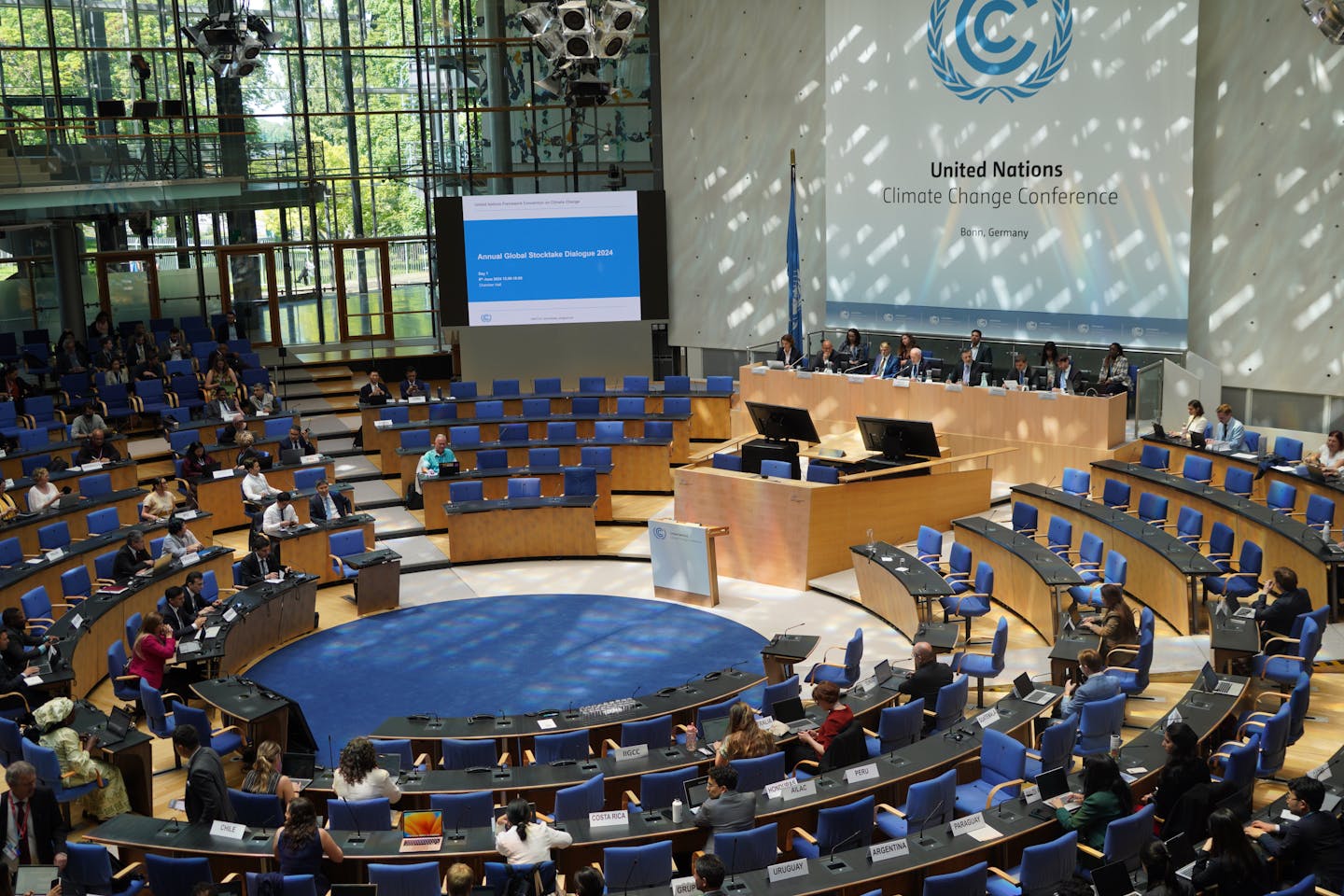
The Bonn climate talks in June 2023 highlighted divisions among nations regarding climate finance and trade measures. It served as a preparatory checkpoint for the upcoming COP in Belém, Brazil. The US did not participate, marking a historic absence, yet negotiations advanced across multiple fronts without major agenda items dominating the discussions. Key priorities included achieving a just transition to a low-carbon economy, implementing findings from the Global Stocktake, and addressing the Global Goal on Adaptation. Negotiations also focused on forest protection and scaling up climate finance as outlined in the Baku-to-Belém Roadmap, setting the stage for further discussions in Belém.
Latin America | Financial services
Bonn climate talks expose divisions over climate finance and tariffs
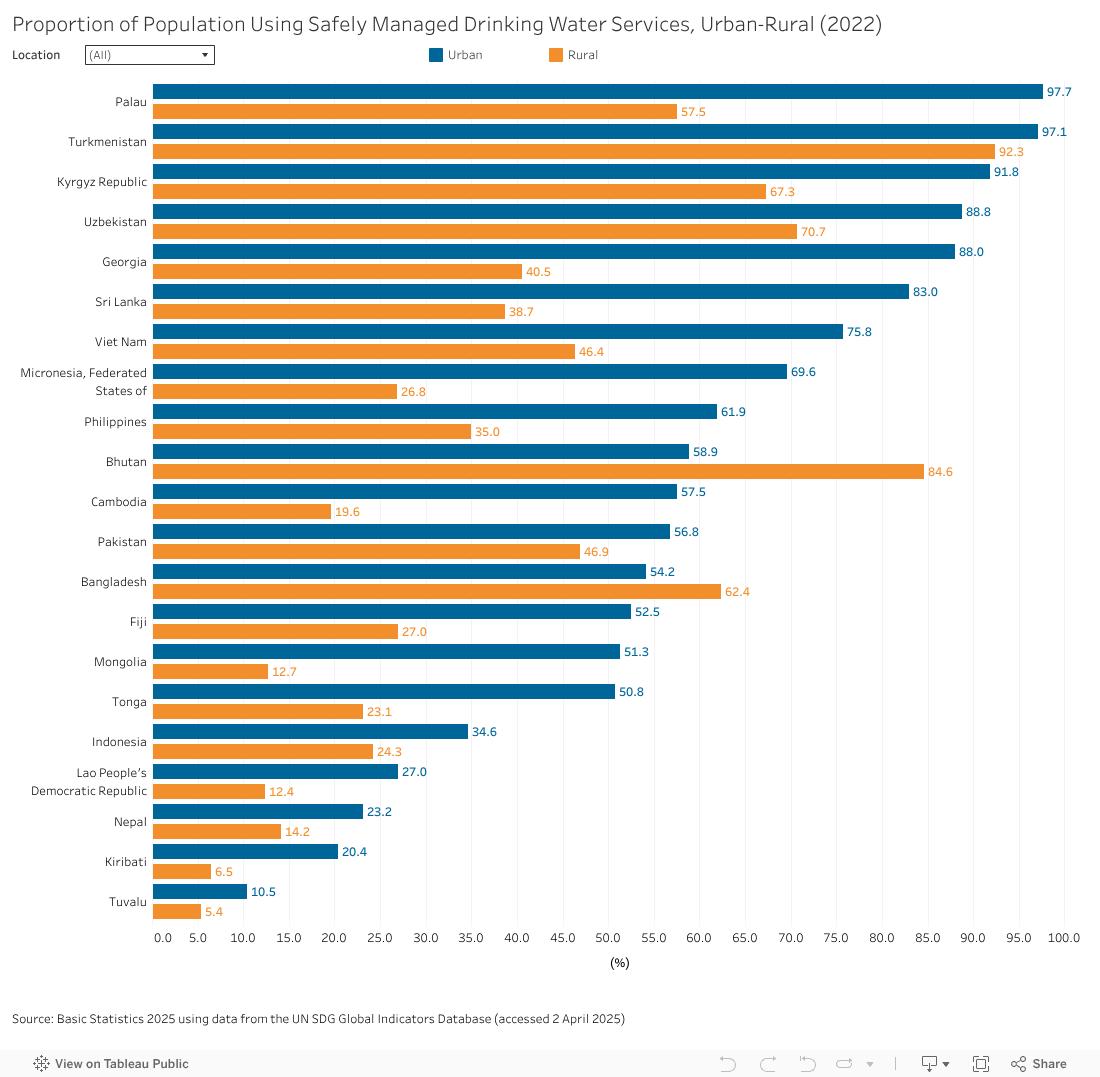
A significant disparity exists between urban and rural access to safe water in Asia and the Pacific. Rural communities are often at a disadvantage, with access to clean water being only about 30% of that in urban areas. Factors such as population density, economic priorities, and geographical challenges exacerbate the issue. While innovative solutions like Clear Cambodia's Biosand Filters help treat contaminated water in rural settings, comprehensive strategies involving infrastructure investment and microfinance are essential. Collaborative efforts aim to address inequalities and ensure universal access to safe water, improving health and socioeconomic conditions for all populations.
Bridge the Urban-Rural Water Gap Through Infrastructure and Microfinance
Populist governments in Latin America often foster division by labeling dissenting groups as adversaries, which hampers open communication and collaboration among governments, civil society, think tanks, and other stakeholders. This polarization and democratic backsliding undermine core values like freedom of expression, civic participation, and the rule of law, complicating consensus-building. Additionally, reduced international funding, partly due to shifts like U.S. aid cuts, constrains think tanks' resources and collaborative capacity. These conditions force think tanks to navigate complex choices about engaging with opposing political actors while striving to maintain independence and contribute to the public good.
Latin America | Health
Collaboration under the mantle of populism
The rivers of Bangladesh, crucial for the livelihoods of millions, are facing extreme pressure due to climate change and increasing demands from urbanization and agriculture. An analysis revealed that four out of ten major rivers, including the Ganges, are below their "safe operating space," jeopardizing food security and biodiversity. Water flow reductions and rising salinity threaten fish populations and the vital Sundarbans mangrove forest. Addressing this crisis requires cooperative transboundary management and sustainable treaties among neighboring countries to ensure fair water distribution and ecosystem restoration.
Bangladesh
The Bangladesh delta is under a dangerous level of strain, analysis reveals
Wimbledon’s 2025 tournament replaced human line judges with the Hawk-Eye electronic line-calling system, causing controversy and dissatisfaction among players due to its errors and lack of accountability. Although the technology improves accuracy, it lacks legitimacy, as mistakes are not transparent or open to appeal. The removal of traditional line judges diminishes the event's atmosphere and trust, highlighting the challenges of integrating technology in sports. The situation reflects broader issues with technology adoption in various sectors, where institutions often fail to adapt effectively, leading to confusion and frustration among users.
Financial services, Education
Wimbledon’s electronic line-calling system shows we still can’t replace human judgment
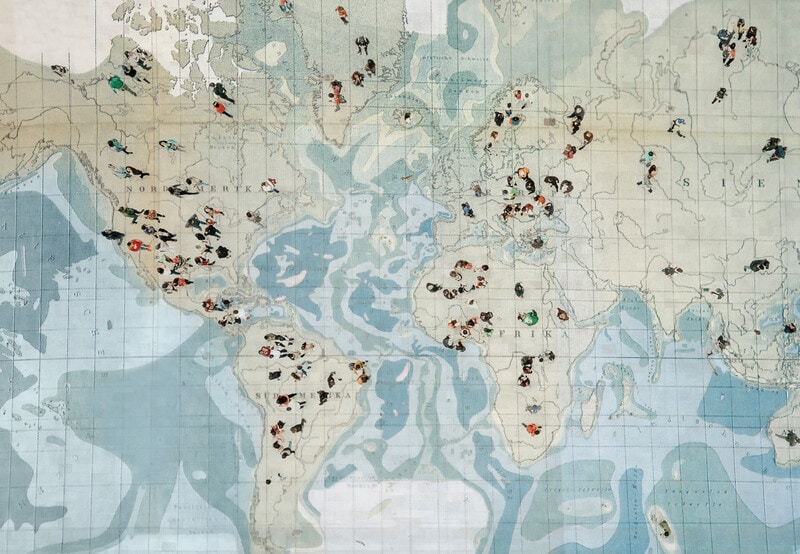
New research highlights that entrepreneurs in the Global South, particularly from Latin America and Caribbean regions, lead in sustainability metrics. The Global Entrepreneurship Monitor (GEM) identified four criteria for entrepreneurial engagement in sustainability: motivation to make a difference, integrating sustainability into strategies, prioritizing sustainability, and taking action to promote sustainability. Findings showed higher motivation among women, younger entrepreneurs, and those in low-income economies, with awareness of the UN Sustainable Development Goals (SDGs) being fragmented but not necessarily linked to action. Entrepreneurs can significantly contribute to achieving the SDGs, with tailored support required for different income economies.
Germany, Jordan, Kenya, Saudi Arabia, South Africa, Switzerland, United Arab Emirates, United Kingdom | Financial services, Education, Health
4 global trends on entrepreneurship and sustainability

Effective climate partnerships thrive on three proven principles. Firstly, starting small with aligned actors fosters trust and accelerates decision-making. Secondly, clear governance structures and inclusive decision-making are crucial for collaboration. Lastly, designing for scalability from the beginning enables long-term systemic change across regions and sectors. Successful examples like Built by Nature and Together for Sustainability illustrate the importance of leveraging existing networks and embedding adaptability in governance for impactful climate action. Such collaborations are essential to address the urgent challenges posed by climate change while creating economic opportunities.
Health
These innovators reveal proven principles for effective climate partnerships