
Transformation in manufacturing often fails due to inadequate communication rather than complex technologies. Trust among employees is fragile, affected by change fatigue and unclear messaging. Organizations need digital platforms for synchronized, consistent communication to support transformation efforts. Effective communication should be embedded in leadership culture, addressing change fatigue with real-time feedback, and providing clear narratives about the transformation's purpose and outcomes. Building internal and external trust through participatory practices and transparent dialogue is crucial for successful industrial transformation in a time of rapid change.
Education, ICT
Accelerating transformation in manufacturing, from the factory floor to the boardroom
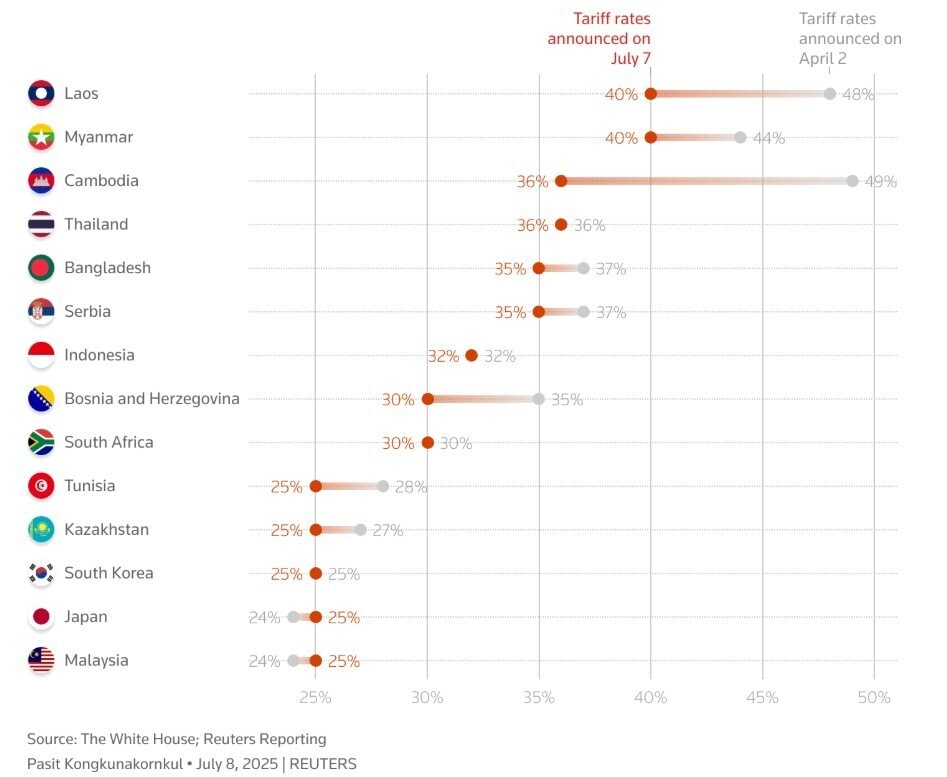
US tariff updates have led to a muted response in global markets, with major US indices stabilizing after initial dips. President Trump’s warnings of tariffs ranging from 25% to 49% on imports from 14 countries, including Japan and South Korea, contributed to a rise in government bond yields due to investor concerns. While there is hope that Trump may forego full tariffs, analysts warn ongoing uncertainty could impact business investment and consumer spending. Meanwhile, Asian markets are adapting, with increased foreign investment and production diversification occurring as companies hedge against reliance on China. Additionally, US copper prices surged after tariff announcements, indicating potential future demand shifts.
United Kingdom | Financial services
US tariff update fails to rattle global markets, and other finance news to know

China Trends #23 explores the dynamics between China and middle powers Canada, Japan, and Australia, especially regarding their role as potential swing states in the context of US-China relations. The publication highlights the economic interdependence that these countries share with China, particularly in energy and raw materials for Australia and Canada, and in industrial partnerships for Japan. Despite experiencing trade tensions, these nations are considering normalization and potential upgrades in their relationships with China, driven by uncertainties about US reliability and a desire to reassess their strategic positioning ahead of the EU-China summit.
Australia, Canada, France, Japan, Taiwan, China
China Trends #23 - Canada, Japan and Australia: Swing States or Pawns for China?

The Global Shapers Innovation Prize 2025 recognizes 12 youth-led projects focused on social innovation to tackle pressing issues like food insecurity, gender equity, and environmental justice. The initiative enhances young leaders' efforts by providing funding, mentorship, and a global platform for their transformative ideas. Winning projects, such as Abuja Hub's Recycle for Education, which uses plastic recycling to fund school scholarships, and Brasilia Hub's Solar Cerrado, providing affordable solar energy, exemplify impactful, scalable solutions that address local challenges while promoting sustainable development and community empowerment.
Education, Health
Innovation Prize 2025: 12 next-generation projects shaping a better future

Ghana's digital initiatives, including the introduction of smart IDs and AI hubs, present significant opportunities for economic growth and advancement. Despite a historical comparison with South Korea, where a focus on education and healthcare propelled development, Ghana’s faster urbanization—projected to reach 69% by 2043—could facilitate accelerated economic progress. The country is expected to enter a demographic dividend by 2033, providing a critical opportunity for growth. Success will depend on effective governance and the strategic use of digital technologies to modernize its economic systems and services.
Angola, Benin, Botswana, Burkina Faso, Cameroon, Democratic Republic of the Congo, Denmark, Ethiopia, Gabon, Georgia, Germany, Ghana, Guinea, Kenya, Malawi, Mali, Mauritania, Niger, Republic of Korea, Senegal, South Africa, Tanzania, Uganda, United Kingdom, Zambia | Financial services
The potential of digitisation in Ghana

The travel and tourism (T&T) industry has experienced a significant recovery, surpassing pre-pandemic expectations and playing a crucial role in global prosperity. Japan and Greece report record visitor numbers while new partnerships enhance international travel corridors. However, challenges such as rapid technological change, evolving consumer demands, and geopolitical and environmental pressures present critical inflection points for the industry. Collaborating with Kearney, this white paper outlines four future scenarios influenced by geopolitical stability, economic growth, sustainability, and technological disruption, providing stakeholders with strategies to foster innovation and public-private collaboration, ensuring T&T remains a catalyst for global connectivity.
Germany, Greece, Japan, Jordan, Kenya, Philippines, Switzerland, Taiwan, China, Tajikistan, Tanzania, Thailand, Trinidad and Tobago, Tunisia, Türkiye, United Arab Emirates, United Kingdom | Financial services, Education, ICT, Health
Four Scenarios for the Future of Travel and Tourism

The travel and tourism industry has made a remarkable recovery, exceeding pre-pandemic expectations and demonstrating its crucial role in global prosperity. Despite its resilience, challenges such as rapid technological change, evolving consumer demands, and geopolitical and environmental pressures present a critical inflection point. This white paper, created with Kearney and informed by diverse stakeholders, outlines four plausible future scenarios influenced by geopolitical stability, economic growth, sustainability transitions, and technological disruption. It provides actionable strategies for leaders and stakeholders to promote innovation and strengthen collaboration, ensuring the sector continues to foster global prosperity and cross-cultural connectivity.
ICT, Health
Four Scenarios for the Future of Travel and Tourism
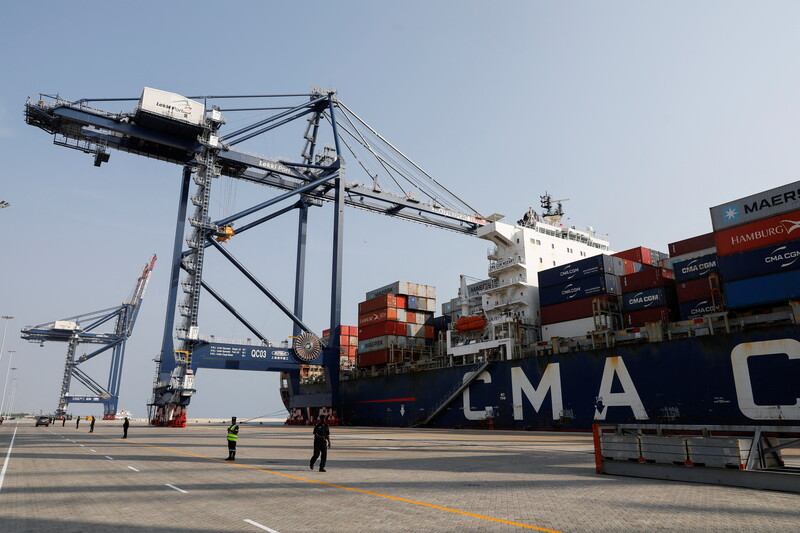
West Africa must transform its untapped trade potential into reality by implementing effective regional trade policies and ensuring coordination across member states. The region has abundant resources and a young population but struggles with practical integration despite existing frameworks. Recent calls for action emphasize the importance of harmonizing national ambitions with a regional strategy, focusing on transport, energy, and customs. Success depends on delivering concrete results, reinforcing accountability, and inspiring investor confidence. West Africa aims to define its unique trade model, fostering economic autonomy and collaboration for long-term advancement.
Benin, Burkina Faso, Burundi, Cameroon, Ethiopia, Gabon, Ghana, India, Kenya, Liberia, Malawi, Mauritania, Namibia, Niger, Rwanda, Saudi Arabia, Senegal, South Africa, Tanzania, Uganda, United Arab Emirates, United Kingdom, Zambia
From ambition to alignment: Why West Africa must become a global trade powerhouse
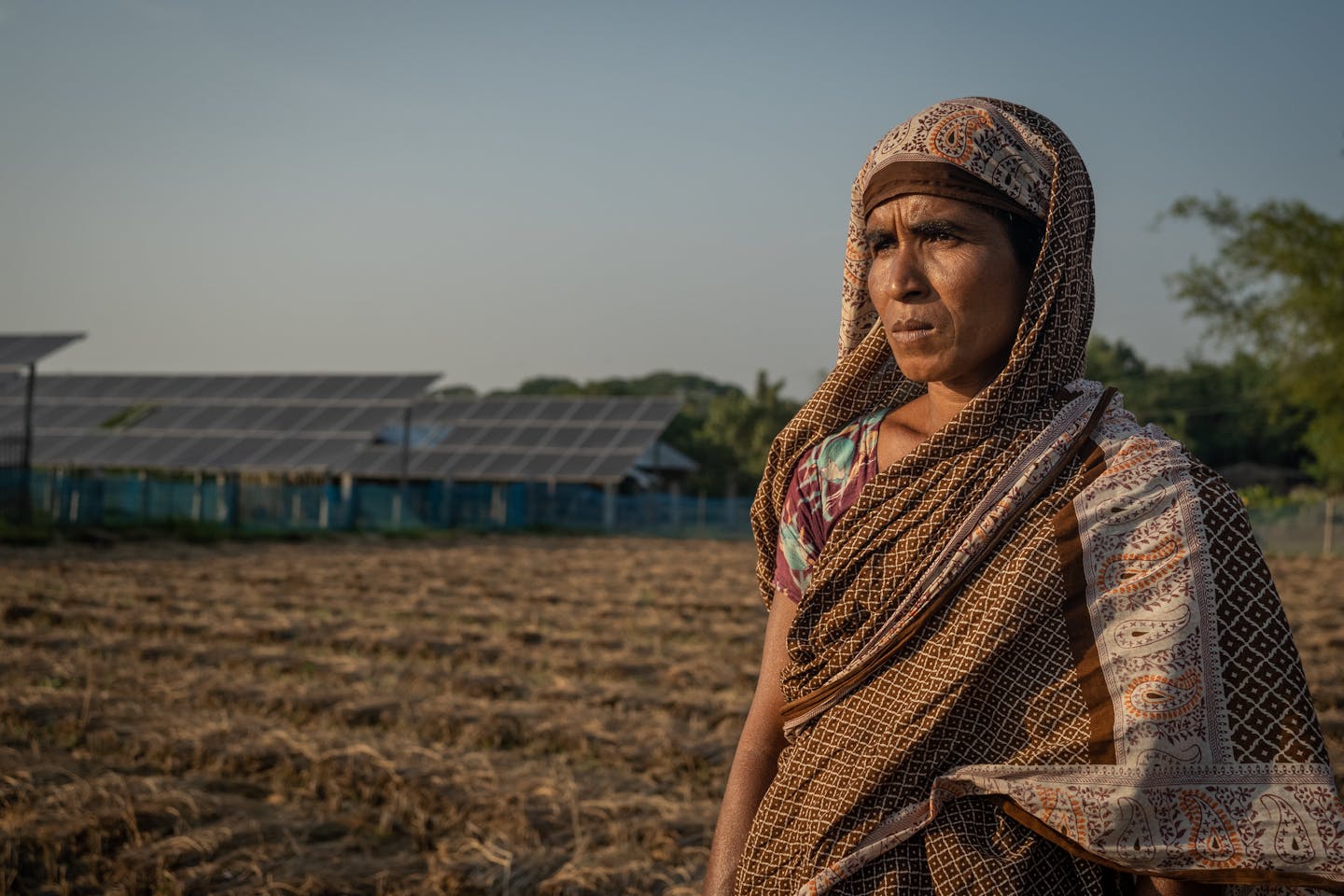
The conference highlighted urgent calls for action to prevent crossing critical climate tipping points due to rising global temperatures. Convened by prominent climate research institutions, experts warned that the opportunity to avert irreversible changes is rapidly diminishing, emphasizing the need for immediate policy action, particularly ahead of COP30 in Brazil. Discussions covered both harmful and positive tipping points, with experts stressing the importance of understanding planetary boundaries. Risks are escalating, with potential catastrophic impacts from ice sheet collapses and Amazon dieback. Effective communication of these risks is crucial to inspire action.
Antarctica | Financial services, Health
Tipping points: Window to avoid irreversible climate impacts is ‘rapidly closing’
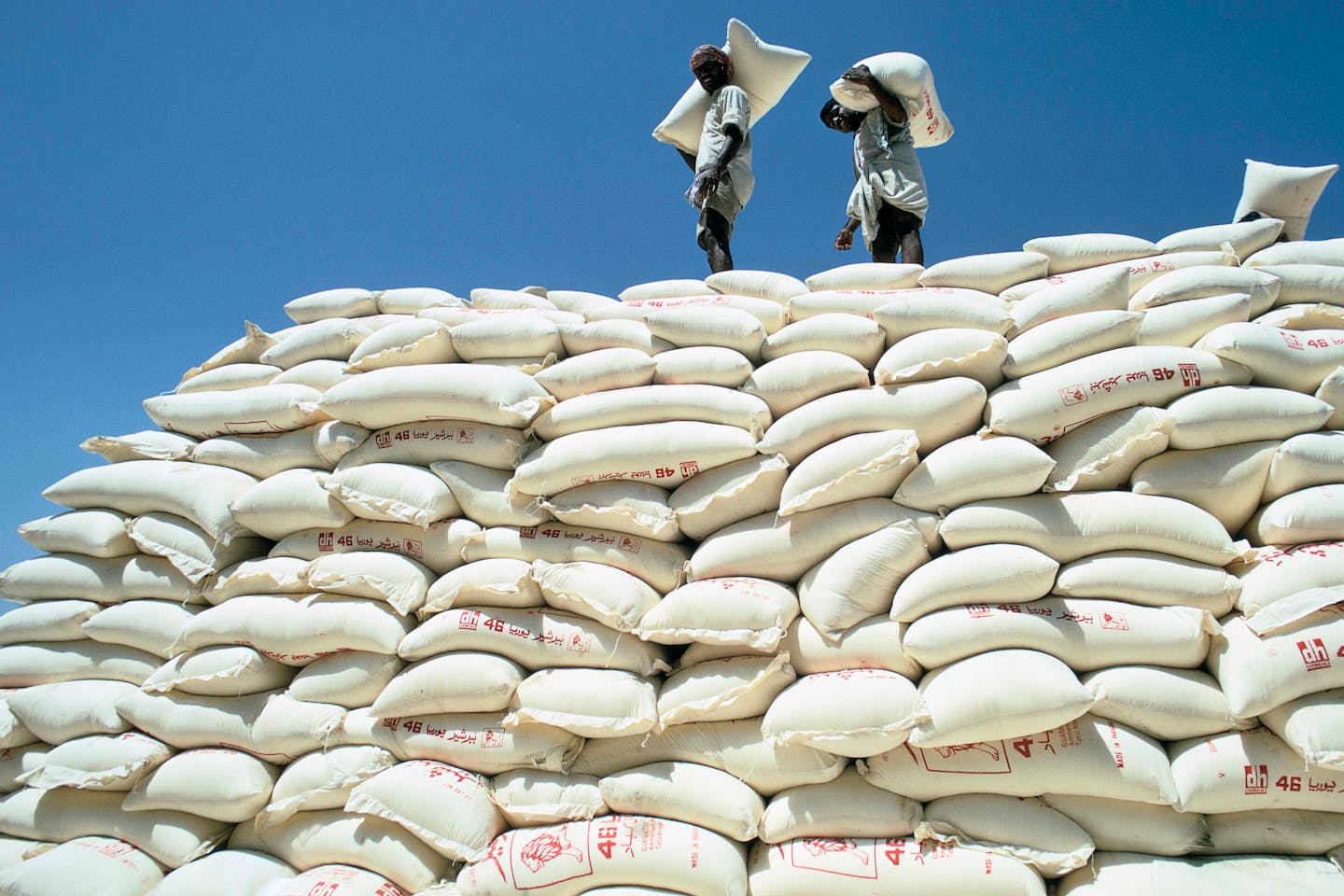
A comprehensive report by the US National Drought Mitigation Center and the UN Convention to Combat Desertification reveals that severe droughts from 2023 to 2025 are causing widespread poverty, hunger, and ecosystem collapse, affecting millions across Africa, the Mediterranean, Latin America, and Southeast Asia. The report highlights critical food insecurity, with over 90 million people affected in Eastern and Southern Africa, and alarming declines in agricultural output and livestock. Climate change and the 2023-24 El Niño worsened the crisis, leading to significant human and environmental impacts like mass wildlife deaths and increased school dropouts. Urgent global cooperation is necessary to address this escalating catastrophe.
Africa | Health
Droughts emerging as silent global catastrophe: report
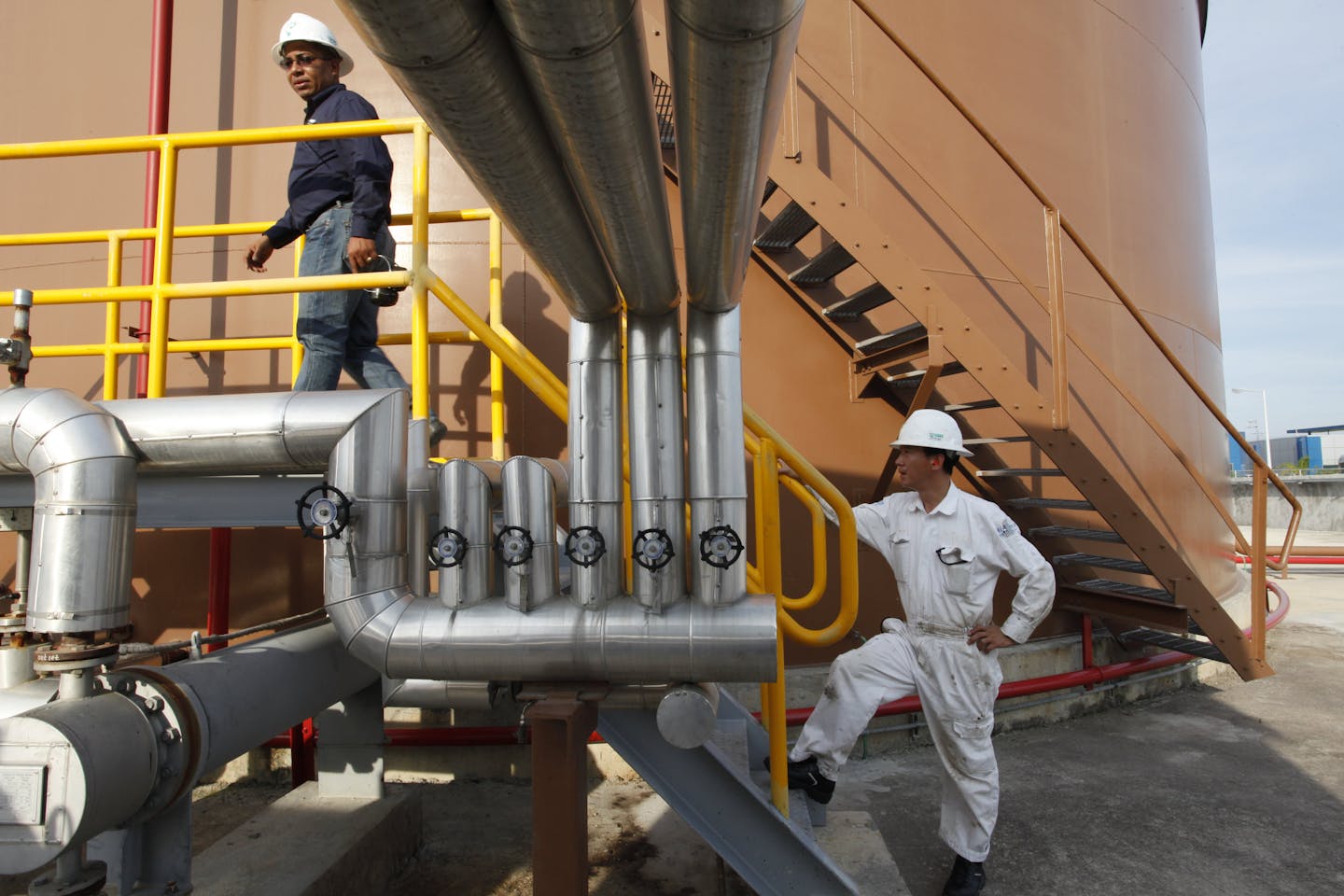
Soaring oil prices, triggered by geopolitical tensions, may accelerate the global shift to green energy, according to experts. High oil costs are seen as incentivizing investments in renewable technologies, making them more competitive. However, immediate reactions may lead some countries to revert to fossil fuels like coal in the short term. The UK and Ethiopia are cited as examples, with the latter promoting electric vehicles to mitigate high fuel costs. Conversely, oil-producing nations may capitalize on elevated prices to expand fossil fuel production. Long-term trends, nonetheless, suggest a decline in fossil fuel reliance.
Soaring oil prices may accelerate global green energy transition
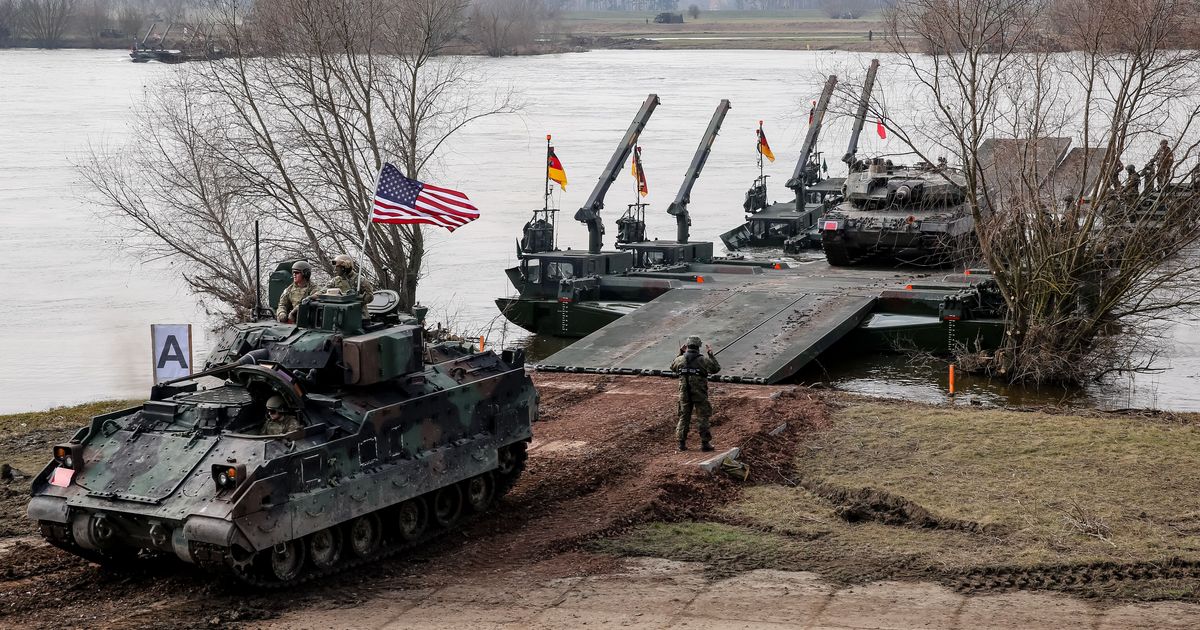
Europe faces a critical debate on reliance on US extended nuclear deterrence amid deteriorating transatlantic relations. Three scenarios emerge: 
1. A crisis of trust where Europe maintains faith in US support but pressures for greater unity and investment in deterrence.
2. A breach of trust necessitating stronger conventional forces and escalation control.
3. Complete US withdrawal, leading to unpredictable consequences for European security. Analysts argue for a more nuanced understanding of European leaders' confidence in US guarantees and the need for independent capabilities, particularly focusing on France and the UK.
US Extended Nuclear Deterrence in Europe: Three Scenarios

The circular economy is not merely a sustainability trend but a crucial business strategy for long-term resilience and value creation. Businesses must transition from incremental changes to comprehensive market transformation, emphasizing collective action and innovative leadership. With 75% of companies now prioritizing circular initiatives, collaboration among firms is essential to overcome systemic barriers and drive policy change. Focusing on shared goals, like achieving circularity in critical minerals, can mitigate risks and enhance competitiveness. Ultimately, effective governance and innovation-supporting policies are vital to develop a thriving circular economy that benefits both business and the environment.
Financial services
Why it’s time to transform markets and embrace the circular economy

Climate change is significantly disrupting lives and jobs in the Western Balkans, posing a threat to health and deepening social inequality. The green transition, while necessary, risks exacerbating employment vulnerabilities without proper safeguards. Nearly 3 million jobs in the region are at risk due to climate shocks, with an estimated 16% potential GDP loss from extreme weather impacts. The reliance on outdated coal-fired power plants compounds the crisis, threatening livelihoods in communities built around these industries. A well-planned and inclusive approach is essential to ensure resilience and avoid increased instability during this transition.
Latin America | Financial services
Climate change is already rewriting the job market in the Western Balkans
China aims to assert greater control over the selection of the next Dalai Lama to reinforce its authority in Tibet, which it considers vital due to its strategic position and resources, including water supplies and lithium deposits. The current Dalai Lama stresses that the succession process is solely the responsibility of the Gaden Phodrang Trust, signaling defiance against Beijing’s interference. Control over Tibet's water resources, particularly affecting the Mekong River, is also central to China's geopolitical strategy, contributing to regional tensions with countries dependent on these vital waterways.
China’s interest in the next Dalai Lama is also about control of Tibet’s water supply
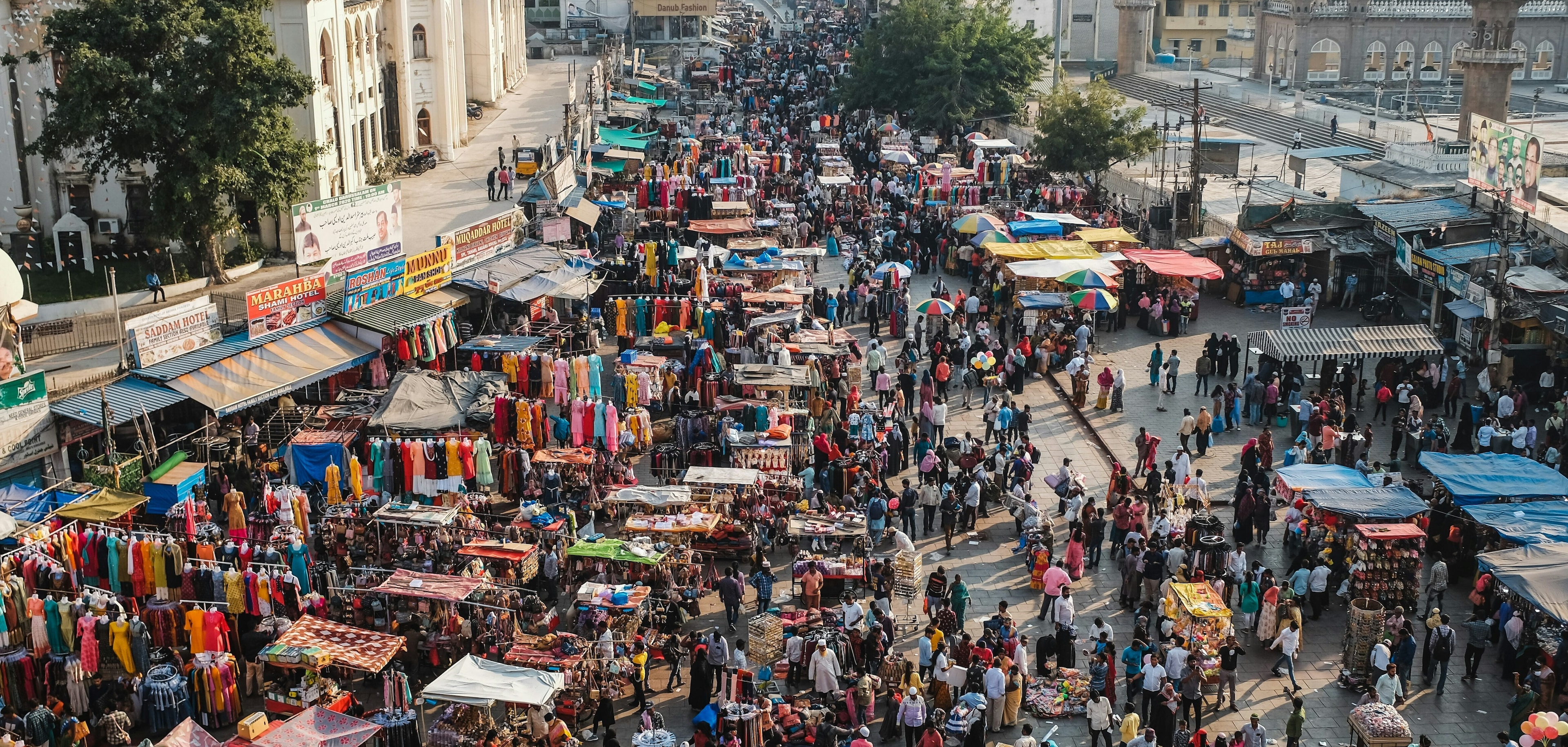
Collective action is essential for fostering resilient emerging markets, according to experts at the World Economic Forum's inaugural Resilience Leaders’ Roundtable. The event emphasized the need for private-sector-led growth and innovation while addressing structural barriers like supply chain vulnerabilities and regulatory issues. Key discussions included the role of businesses in creating robust supply chains, the importance of regulatory reforms to attract foreign direct investment, and the necessity of expanding access to finance and capital. A collaborative approach involving local adaptations and strategic public investments was deemed vital for sustainable economic development.
Jordan, Saudi Arabia, United Arab Emirates | Education, Health, Financial services
Resilience roundtable: How emerging markets can thrive amid geopolitical and geoeconomic uncertainty
Effective decision-making in crises requires more than adherence to processes; it demands adaptive, team-oriented approaches that facilitate rapid and informed choices amid uncertainty. Leaders must adopt a systemic view to grasp the bigger picture, while teams should foster cooperation, diversity, conceptual expertise, clear responsibilities, and a shared understanding. Collective sense-making and joint action are crucial for leading with resilience, clarity, and confidence, despite challenges posed by uncertainty.
Influence of Uncertainty on Decision-Making
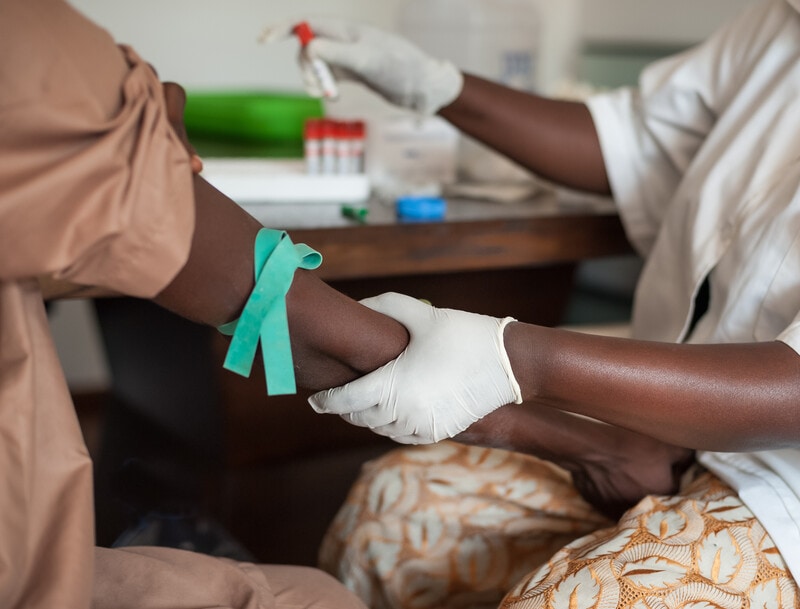
The private sector possesses significant strengths that can enhance global health systems. Engagement should not solely focus on funding but also on achieving systemic outcomes through clarity of function and alignment with public health priorities. Effective collaboration requires understanding the diverse motivations within the private sector, including pharma, logistics, and AI firms. Adaptive design is essential, tailoring solutions to local needs rather than imposing high-income innovations. Successful integration of systems and coordination among stakeholders is crucial to build resilient health infrastructures. Future capacity building must focus on developing institutional adaptability and operational competencies across all health system levels.
Education, Financial services, ICT, Health
Why we should be redefining the private sector's role in global health
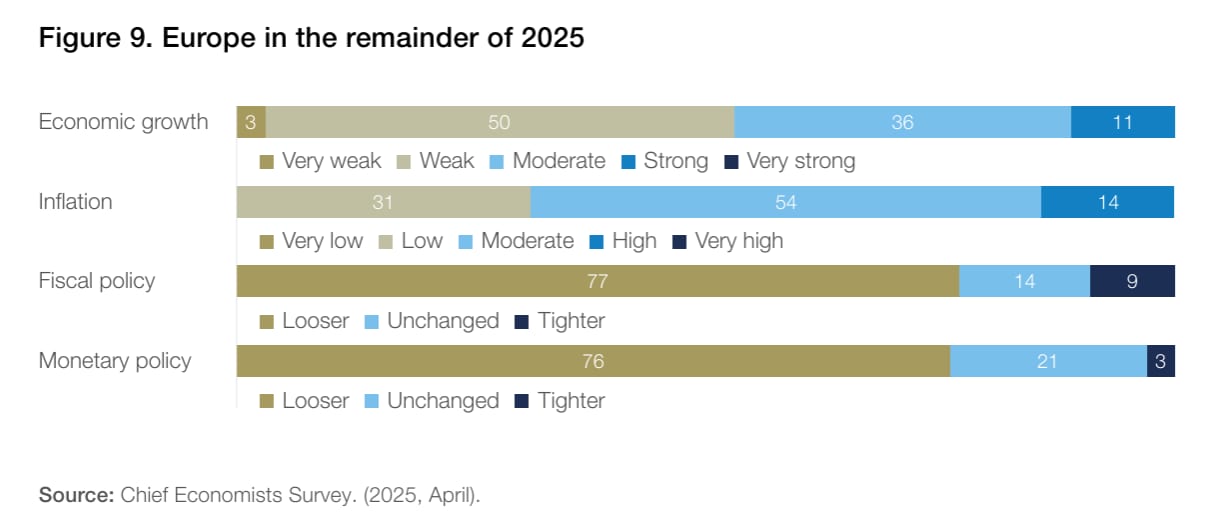
The inaugural meeting of Leaders for European Growth and Competitiveness was held in Brussels on July 1, convened by the World Economic Forum. The meeting aimed to enhance Europe's economic trajectory focusing on clean energy, financial markets, strategic alliances, and technology. Eurozone growth is projected at a subdued 0.8% amid geopolitical tensions, although European prospects look brighter due to proactive policymaking. Key leaders highlighted the need for a distinct European approach to foster growth and innovation. Europe is also working to increase its green technology production to 40% by 2030 under the Net Zero Industry Act, addressing the competitive gap with Asia.
Belgium, Bulgaria, Czech Republic, Denmark, Estonia, Georgia, Germany, Greece, India, Japan, Jordan, Kenya, Latvia, Luxembourg, Netherlands, Philippines, Poland, Slovakia, Slovenia, Switzerland, Ukraine, United Arab Emirates, United Kingdom | Financial services
European competitiveness - what will it take? 'Everything, everywhere, all at once' - say top leaders

Radical collaboration across sectors is essential to address climate and nature challenges effectively. Organizations must be prepared to establish transformative partnerships and invest in collaboration. This report provides strategic insights for working with diverse stakeholders, drawn from interviews and case studies of GAEA Award winners. Key recommendations include starting small and leveraging existing relationships, fostering trust through transparent governance, and planning for scale to achieve systemic change.
Health
Making Collaboration Work for Climate and Nature: Practical Insights from GAEA Award Winners