
Radical collaboration across sectors is essential to address climate and nature challenges. Organizations must embrace transformative partnerships and invest in collaboration capabilities. This report, based on interviews and case studies from the GAEA Awards, provides strategic insights for effective multi-stakeholder partnerships. Key recommendations include starting small by leveraging existing relationships, fostering trust through transparent governance, and designing initiatives for scalability to facilitate broader systems change.
Health
Making Collaboration Work for Climate and Nature: Practical Insights from GAEA Award Winners

The Data Governance Toolkit serves as a comprehensive resource for policymakers and regulators, providing guidance on key data governance priorities such as legal frameworks, institutional roles, and cross-border data flows. It emphasizes four foundational components: Purpose, Principles, People and Processes, and Practices and Mechanisms to manage data responsibly. Additionally, it includes a self-assessment framework, a glossary of terms, and a curated list of related resources. The Toolkit aims to be adaptable for various regions and sectors while promoting ethical and efficient data usage in the digital landscape. Translation efforts and pilot implementations are planned to enhance global accessibility.
ICT
Data Governance Toolkit: Navigating Data in the Digital Age

The 2025 Global Shapers Annual Summit, themed "Next Generation Now," is convening 500 young leaders from over 150 countries in Geneva to address urgent global crises like climate change, economic inequality, and political polarization. The summit focuses on collaboration, equity in economic systems, youth-led innovation, and collective climate action. Participants aim to build inclusive environments, redesign resilient economies, and pioneer human-centered solutions. The Global Shapers community has already launched over 3,000 initiatives to enact systemic change, emphasizing that young leaders are actively shaping the present, not just the future.
Education, Health
Why bringing young leaders together now matters more than ever

The integration of artificial intelligence (AI) into economic policymaking enhances decision-making precision and inclusivity. Ensuring gender inclusivity in AI applications is crucial to prevent biases that can distort economic outcomes. Structural barriers and underrepresentation of women in data impact AI model development, potentially leading to skewed economic policies. Initiatives like the African Center for Economic Transformation's AI for Economic Policymaking project aim to mainstream gender considerations in AI tools and data governance. For effective AI usage, datasets must capture diverse economic actors, including gender-disaggregated data on informal sectors and unpaid work, to produce equitable economic models.
Education
Why Gender Matters in AI-Informed Economic Policymaking?

Temasek, Singapore's sovereign wealth fund, is reevaluating its climate scenario based on rising global temperatures and warning signs from climate science. The fund is reassessing its baseline assumption of 1.8°C warming used for portfolio resilience, consulting experts on how policy changes and technology adoption could impact future projections. Recent reports indicate that climate risks are underestimated, with significant potential economic losses and irreversible climate changes if tipping points are crossed. The reassessment aims to ensure robust risk management amidst increasing volatility and climate challenges.
Temasek to review its baseline 1.8°C climate scenario

Antitrust policies in the US focus on incentivizing innovation, while the EU emphasizes preventing market concentration. Both approaches are under pressure to ensure the resilience of innovation amid global economic volatility. Antitrust can serve as a tool for systemic resilience by fostering diverse and adaptable innovation ecosystems. The EU's Digital Markets Act aims to maintain market contestability, while overly burdensome regulations may hinder new entrants. Balancing circumvention and gatekeeping innovations is essential for fostering a robust system. Ultimately, a shift in antitrust perspective is necessary to adapt to current global economic challenges.
Germany, United Kingdom | Education, Financial services, ICT
Antitrust is being challenged to guarantee the survival of innovation
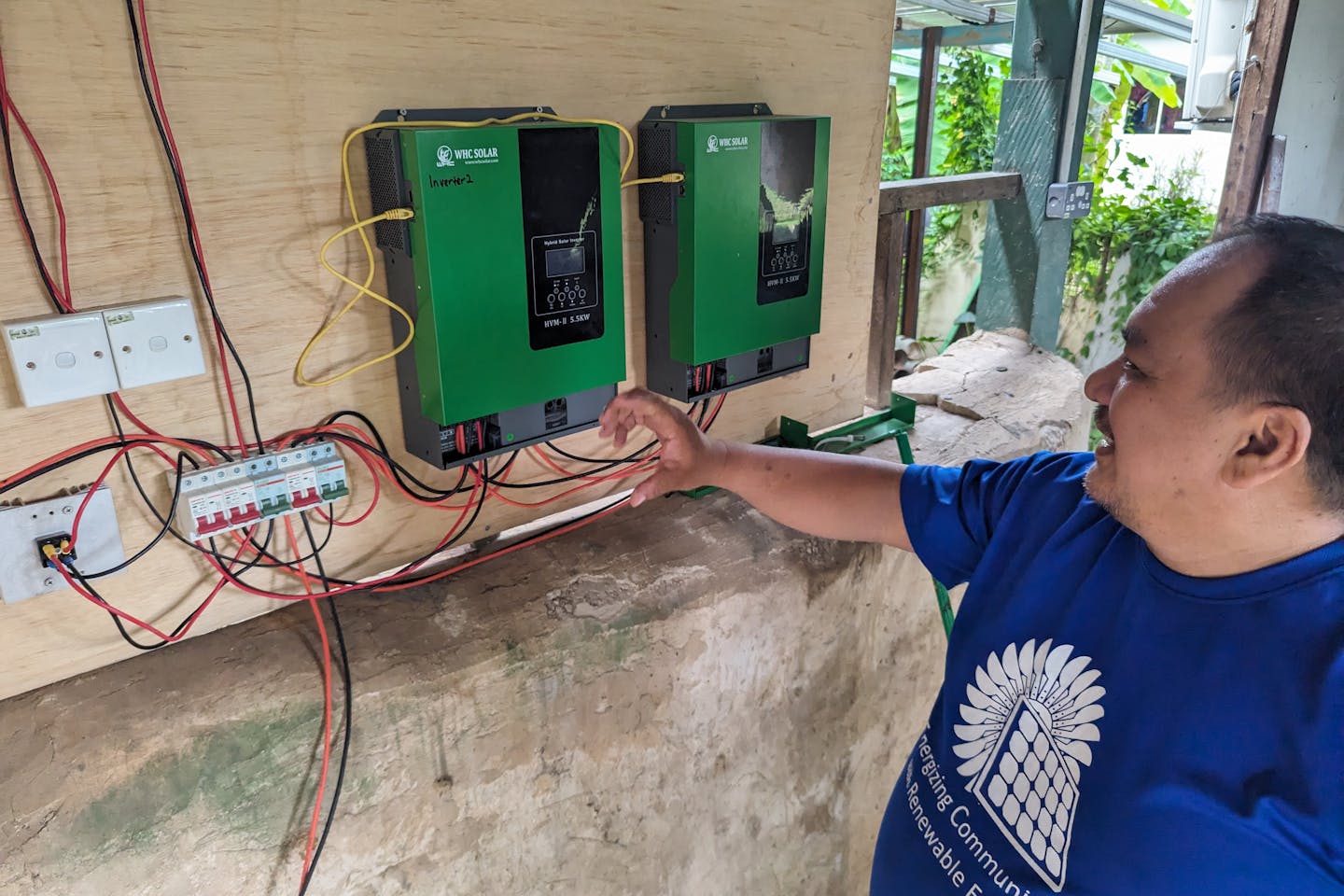
Hybrid solar-hydro grids are being implemented in Sabah to enhance rural electrification, addressing the need for clean and stable electricity in underserved villages. This approach combines micro hydropower systems, which convert river flow into electricity, with solar panels to create a hybrid system that manages alternating and direct currents. While solar power deployment is faster and modular, challenges include the environmental impact of battery and panel production, along with disposal issues. The Sabah government aims for 100% rural electrification by 2030, with NGO-led initiatives mapping and developing microgrid systems across unelectrified areas.
Financial services
Are hybrid solar-hydro grids the future of Sabah's rural electrification drive?

Chinese firms are increasingly embracing sustainable palm oil practices, reflecting a shift in commitment toward environmental, social, and governance (ESG) standards. Despite initial challenges, only 8-9% of palm oil in China being certified sustainable, there has been notable growth in RSPO membership and procurement, reaching approximately 500,000 tonnes in 2023. Leading companies, like Yili, have begun forming strategic agreements to promote sustainable sourcing. RSPO aims to enhance awareness and practices in China as it marks a decade in the market, seeing significant progress in corporate commitment and sustainability.
Chinese firms’ growing influence in palm oil value chain will endure despite global volatilities: RSPO China head
Multilateral development banks are crucial in promoting artificial intelligence (AI) as a digital public good to tackle complex challenges in Asia and the Pacific. AI has significant potential to drive economic growth and enhance public services but is hindered by access issues. Recognizing AI as a digital public good ensures it serves public interests rather than corporate profit, fostering equity and ethical governance. By financing enabling mechanisms, shaping governance frameworks, and promoting dialogue, these banks can bridge societal inequalities and enhance trust in AI systems. Research and collaboration across various sectors are vital to anchoring AI in ethical principles for public benefit.
Financial services
Boost Equity and Resilience by Advancing AI as a Public Good

Sovereign debt is worsening in the Asia and Pacific region, where developing countries face pressing climate challenges requiring significant financial resources. Since 2008, external debt has more than doubled, with debt servicing costs exceeding pre-2020 levels by over 40% relative to government revenue. This unsustainable debt threatens fiscal stability and hampers efforts to address climate goals, creating a detrimental cycle of debt, climate change, and underdevelopment. The need for concerted actions and potential debt relief is critical for achieving sustainable growth in the region.
Latin America | Financial services, Health
Debt, Climate, and Development in Asia and the Pacific: Breaking the Vicious Circle

Road traffic incidents in Asia result in over 694,000 deaths annually, making road injuries a major public health emergency. Addressing this crisis requires a dual approach focusing on both prevention (safer roads, vehicles) and post-crash care (emergency response, rehabilitation). Improving post-crash care involves enhancing first aid management, ensuring comprehensive care integration, joint monitoring, and promoting multi-agency collaboration. This coordinated effort between health and transport sectors is vital for reducing fatalities, improving recovery, and building resilient healthcare systems while aligning with broader development goals.
Health
Transport and Health: Investing in Road Safety and Post-Crash Care in Asia
Technological advancements such as artificial intelligence, quantum computing, and synthetic biology are outpacing regulatory frameworks. In response, the World Economic Forum, in collaboration with the UAE’s General Secretariat of the Cabinet, has launched the Global Regulatory Innovation Platform (GRIP) to promote human-centered, forward-thinking, and coordinated regulation. GRIP aims to build trust, reduce uncertainty, and accelerate innovation for public benefit, addressing the inadequacies of traditional, reactive regulatory models in the face of rapid change.
Financial services, Education, ICT, Health
How a new platform is future-proofing governance for the intelligent age
"Artificial Democracy" examines the transformative relationship between democracy and big data. It highlights how data collection and analytics are reshaping political practices, government policies, and the foundations of democracy. The book compiles insights from a diverse group of contributors, addressing issues such as micro-targeting in electoral campaigns and the tension between privacy and surveillance. It considers both the risks and benefits arising from the interplay of big data and artificial intelligence, and explores the evolving nature of citizen-government relations.
Artificial Democracy: The Impact of Big Data on Politics, Policy, and Polity
Human ingenuity has evolved from basic tool use to advanced science and technology, raising the question of whether society controls these tools or is influenced by them. The trajectory of technology is shaped by debates and choices, emphasizing the responsibility to ensure technology enhances society. Todd L. Pittinsky's book consists of 18 chapters that explore various topics, including technology's impact on child development, big data, algorithms, democracy, gender dynamics, international development, robot consciousness, and the future of labor in an automated world. It encourages critical thinking and active engagement with these pressing issues.
Education
Understanding Technology and Society
OpenAI's initiative invites volunteers to uncover "lost cities" in the Amazon using satellite data, LiDAR, historical texts, and indigenous oral histories. The OpenAI to Z Challenge, hosted on Kaggle, promotes itself as a global digital archaeology project, offering $400,000 in prizes. Participants analyze various data to geolocate potential archaeological sites. However, critics argue it primarily serves OpenAI's commercial goals by converting public knowledge into proprietary advancements in geospatial AI, framing the activity as a crowdsourced endeavor rather than genuine archaeological research.
Unpacking OpenAI’s Amazonian Archaeology Initiative
AI has the potential to enhance literature reviews by expediting searches and filtering processes. However, concerns arise regarding its ability to produce unreliable content, including fake papers, which threatens the integrity of evidence synthesis. A proposed solution involves creating continuously updated evidence databases managed by various institutions, serving as "living" collections to support rapid and reliable reviews. While systematic reviews remain the standard for evidence synthesis, AI's implementation must be approached with caution to ensure reliability and reduce bias.
Will AI speed up literature reviews or derail them entirely?
Kenya's economic transformation, guided by Vision 2030, aims to achieve middle-income status through industrialization. From 2000 to 2020, the economy grew at an average rate of 5%, primarily due to infrastructure and governance improvements. However, agriculture's GDP contribution has declined, and the manufacturing sector faces challenges from import competition. Issues like poverty, inequality, climate insecurity, and gender barriers hinder progress. The Kenya Country Economic Transformation Outlook (CETO) assesses these challenges, focusing on MSME manufacturing and the digital economy, while offering gender-responsive recommendations for sustainable growth.
Algeria, Angola, Argentina, Benin, Botswana, Burkina Faso, Burundi, Cambodia, Cameroon, Chad, Chile, Costa Rica, Croatia, Cyprus, Democratic Republic of the Congo, Denmark, Ecuador, Egypt, Estonia, Eswatini, Ethiopia, Gabon, Georgia, Germany, Ghana, Greece, Guinea, India, Indonesia, Israel, Japan, Jordan, Kazakhstan, Kenya, Kuwait, Kyrgyz Republic, Lesotho, Madagascar, Malawi, Malaysia, Mali, Malta, Mauritania, Mauritius, Morocco, Mozambique, Namibia, Nepal, New Zealand, Niger, Paraguay, Peru, Philippines, Republic of Korea, Rwanda, Saudi Arabia, Senegal, Slovenia, South Africa, Sri Lanka, Switzerland, Tanzania, Tunisia, Türkiye, Uganda, United Arab Emirates, United Kingdom, Yemen, Zambia, Zimbabwe
Country Economic Transformation Outlook (CETO): Kenya
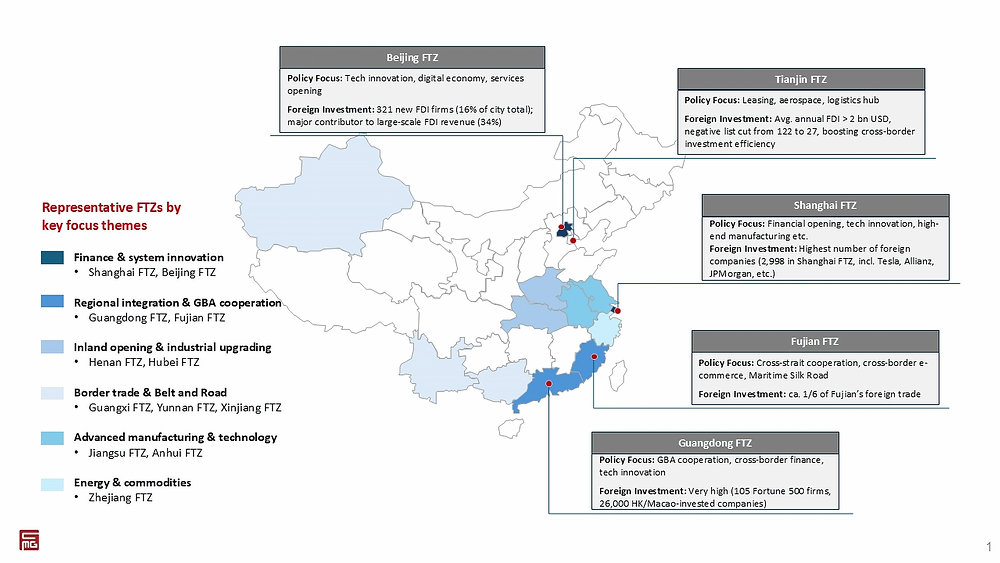
Beijing is advancing its commitment to opening up the economy, aligning with decisions from July's "Third Plenary Session." China's trade policy now emphasizes integrating with international standards, particularly through its updated approach to Free Trade Zones (FTZs), which includes 77 new measures focused on digital trade, intellectual property, and government procurement. This strategic initiative aims to prepare China for major trade agreements like the CPTPP and enhance compliance with WTO norms. Additionally, China is fostering a "Sino-centric trading network" while promoting global trade cooperation, aiming to reshape its economy from a manufacturing hub to a self-sustained, demand-driven system.
Germany, Taiwan, China, Zimbabwe
CMG analysis: beyond preferential policy, Free Trade Zones again at forefront of China’s next chapter of opening-up #CMG-pub
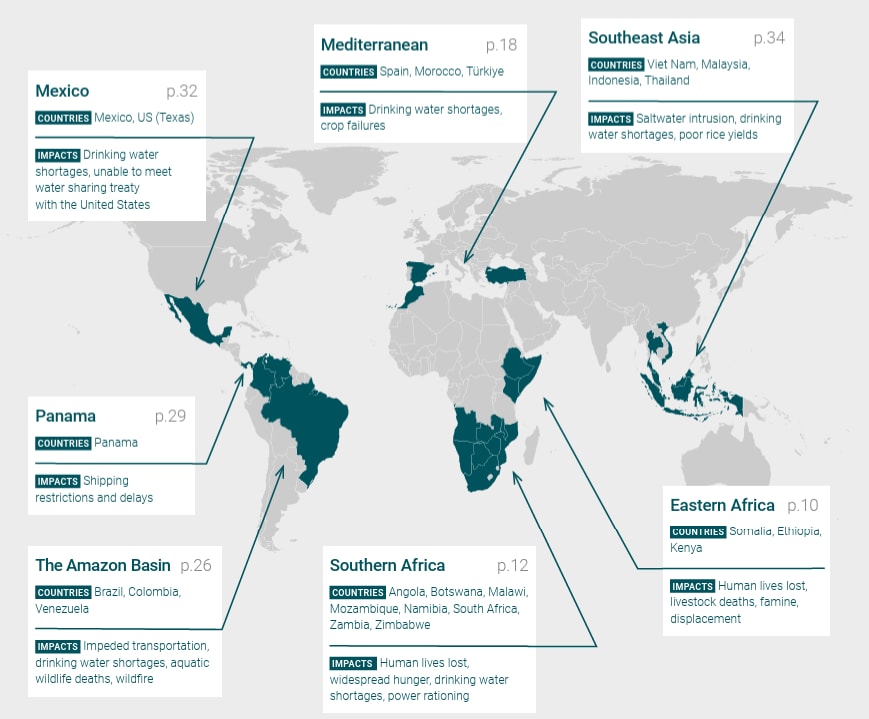
Droughts are significantly impacting food security globally, with over 90 million people in eastern and southern Africa experiencing extreme hunger. Somalia faces severe food insecurity, endangering 1.7 million children under five due to malnutrition. The crisis extends to healthcare and energy systems. At the UN development summit, significant commitments were made to address the $4 trillion annual financing gap for sustainable development, including debt relief initiatives. Additionally, climate finance demands from BRICS nations highlight the responsibilities of wealthy countries. The GCF plans to invest $1.2 billion in climate projects, while Japan's matcha production suffers from drought.
Nigeria | Health
Drought fuelling food insecurity, and other nature and climate news
The global economy is perceived as unfavorable due to four key factors. First, the pursuit of economic growth is complicated by geopolitical and technological challenges, and public investment takes time to yield benefits. Second, increasing inequality allows the wealthy to dominate economically and politically while marginalized communities suffer. Third, globalization creates economic disparities, benefiting some regions while leaving others behind, exacerbated by pandemic-related supply chain issues. Lastly, climate change poses significant economic threats, with countries often neglecting necessary emissions reductions, leading to further disruption and economic instability.
Nigeria, United Kingdom | Financial services, Health
Four reasons why many of us feel the global economy is not on our side