
The Global Regulatory Innovation Platform (GRIP) has been launched by the World Economic Forum and the UAE’s General Secretariat of the Cabinet to address the regulatory gap caused by rapid technological advancements like AI and blockchain. GRIP promotes globally coordinated, human-centered regulatory approaches that are agile, iterative, and designed with stakeholder collaboration. It aims to build trust, reduce uncertainty, and enhance innovation that benefits the public good. By facilitating cross-jurisdictional learning and supporting the development of adaptive regulatory tools, GRIP seeks to create a proactive governance model that prioritizes societal needs.
Financial services, Education, Health, ICT
How a new platform is future-proofing governance for the intelligent age
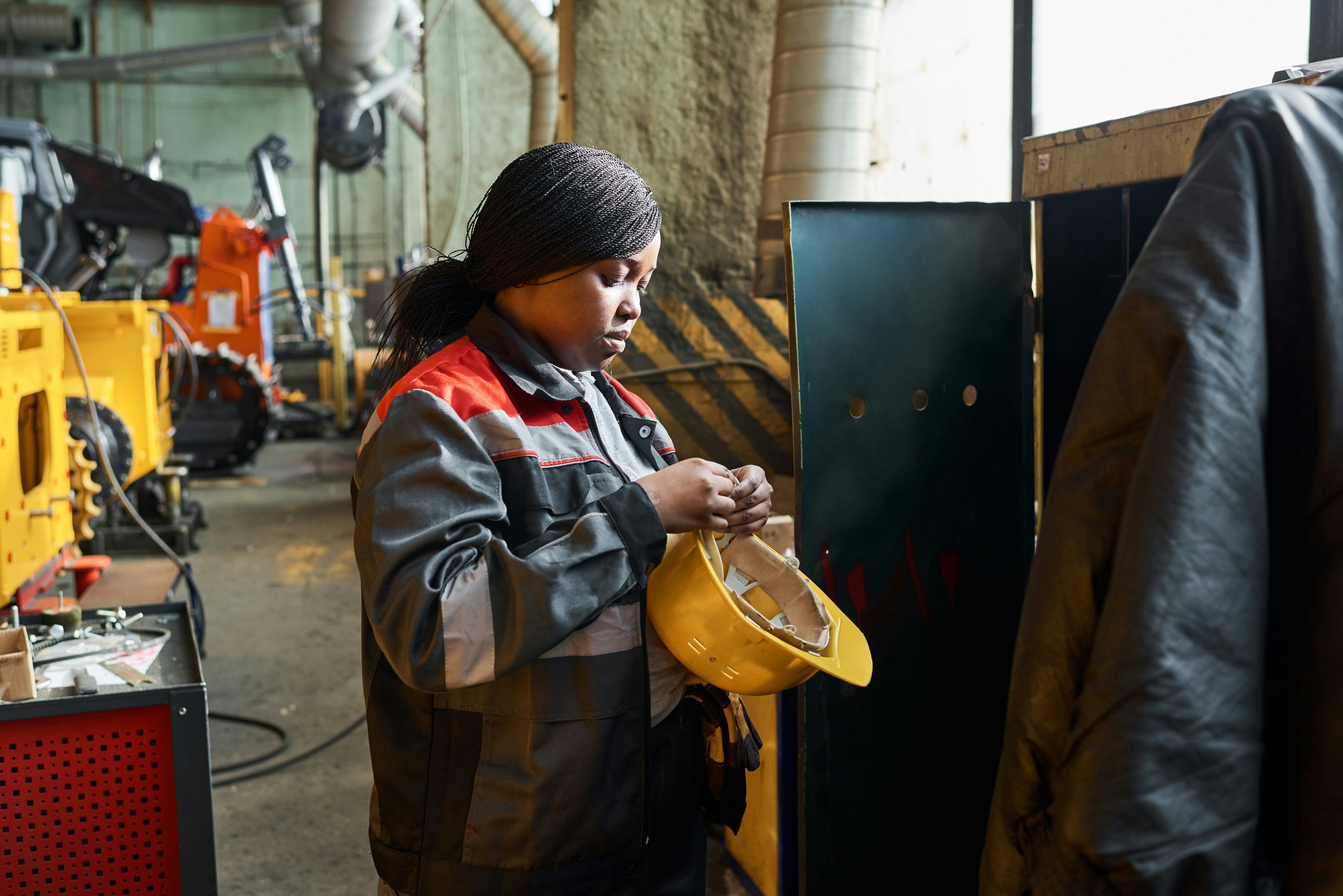
Women are significantly underrepresented in manufacturing and supply chain roles, particularly in leadership positions and STEM fields. Currently, women constitute only 30-35% of the workforce in these sectors and make up less than 25% of top management in manufacturing. To attract young women to these industries, leaders emphasize the importance of curiosity, confidence, and strong support systems. Educational institutions should provide practical experiences and strong role models. Encouragement to explore and engage in technology and innovation is vital for fostering interest and success among young women in these fields.
Education
How to attract young women into industrial jobs and why it matters – 3 leaders weigh in

Andrew Maynard, a professor at Arizona State University and director of the ASU Future of Being Human initiative, discusses the implications of exponential technological change, particularly in AI. He expresses concern that traditional innovation processes can't keep pace with rapid advancements, leading to potential unpreparedness for scenarios like AI superintelligence by 2027. Maynard emphasizes redefining risk as a threat to value, urging executives to reconsider how they address less quantifiable risks, which often pose significant challenges in innovation. Understanding these "orphan risks" is vital for effective decision-making and stakeholder engagement.
Education
Interview Of The Week, Andrew Maynard, Tech Transitions Expert
Chicko Sousa and Raphael Guiguer founded GreenPlat in 2016 to address Brazil's waste management reporting law. Initially, they faced challenges in attracting clients due to lack of enforcement. A significant shift occurred when GreenPlat donated its software to São Paulo, leading to increased compliance and prompting new federal regulations. Today, 722,000 companies are registered, and 45,000 are compliant. The success exemplifies that effective waste management requires more than technology; a systemic approach is vital. Successful case studies, such as a McDonald’s franchise enhancing used cooking oil processing, illustrate the economic benefits of improved visibility and data measurement in sustainability efforts.
Why Going Green Requires More Than Tech

AI and automation are reviving a 21st-century servant economy, where gig workers like maids and couriers are essential domestic service providers. This shift is driven by structural economic changes, including rising inequality and altered time allocation by high earners, who outsource domestic tasks for convenience. Historical data shows that as industrial automation increased from the 1970s, so did the demand for these services, with a significant correlation between industrial robots and rising inequality. The emergence of platforms facilitating these services has further boosted demand while improving wages for gig workers. Education remains crucial in mitigating inequality.
Education
The return of domestic servants – thanks to AI and automation

Since 1970, global wildlife has declined by 73% alongside a doubling of the world population. While depopulation is expected in many countries by 2050, studies in Japan reveal that biodiversity continues to decrease despite population decline. Research involving 1.5 million species observations indicates that stable human populations are necessary for maintaining biodiversity. Land use changes and abandonment due to depopulation hinder natural succession and biodiversity recovery. Challenges include regulatory issues and continued construction amid rising vacant properties. Effective biodiversity recovery in depopulating areas requires active management, yet Japan has few rewilding efforts in place.
Japan
Fewer people doesn’t always mean better outcomes for nature – just look at Japan
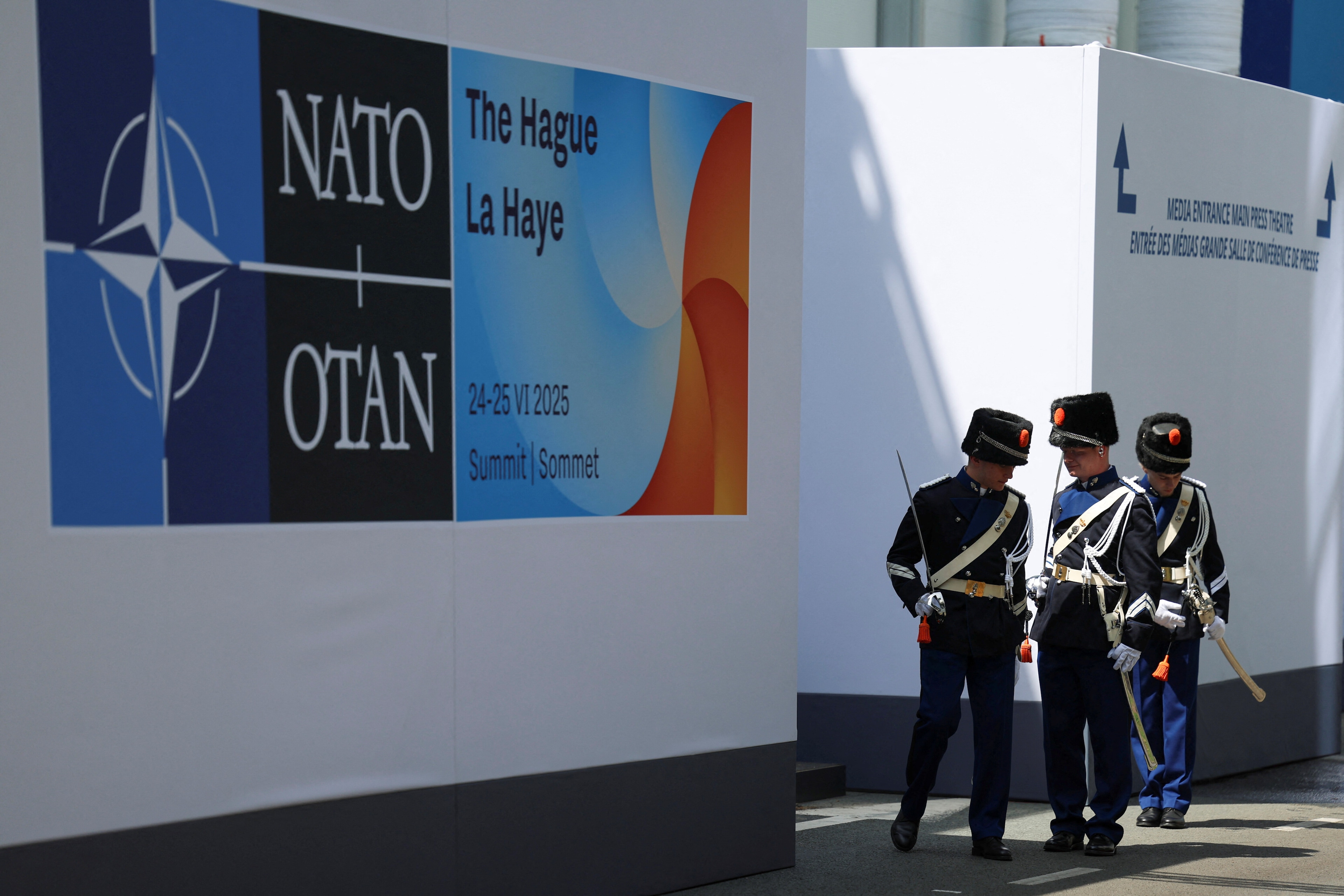
NATO members, primarily European nations, have pledged to increase defense spending to 5% of GDP by 2035, a significant shift from recent trends. This change comes in response to rising security concerns, particularly following Russia's invasion of Ukraine. Many countries, known for strong social safety nets, now face the challenge of reconfiguring their economies to accommodate military spending, potentially requiring difficult budget adjustments. Current military expenditures, historically low, may need to double or triple. The commitment signals a political shift toward heightened defense readiness amid growing global instability.
The price of security: Europe is set up for a serious challenge
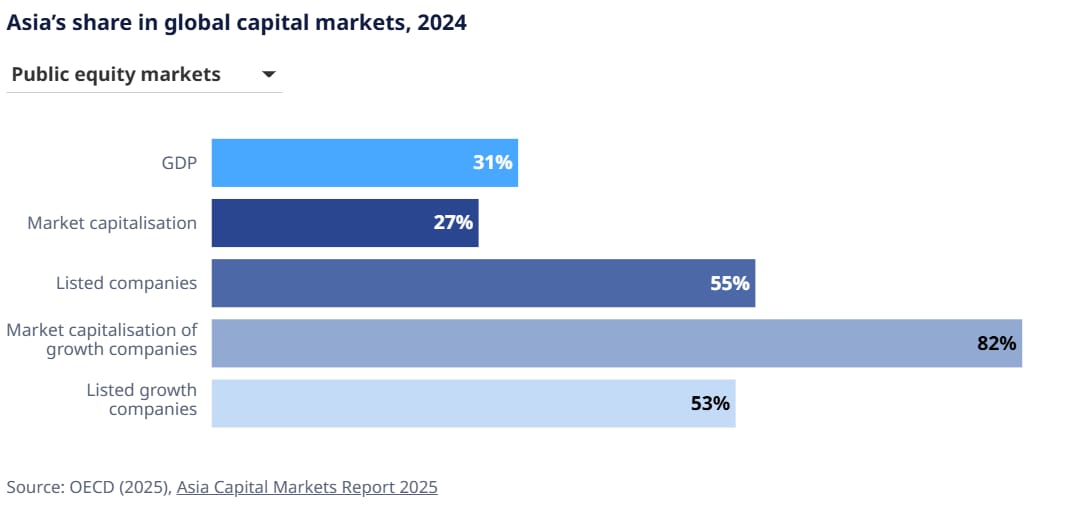
Asia's potential to lead the global economy by the end of the century remains a topic of discussion, particularly in the context of "Asia's Century," a vision initiated by the Asian Development Bank. At the World Economic Forum’s Annual Meeting of the New Champions, leaders from various Asian countries debated the impacts of geopolitical tensions, economic slowdowns, and the need for a new form of globalization. Key strategies proposed included fostering innovation, deepening economic integration, and promoting entrepreneurship. Emphasizing soft power, the discussions highlighted the region's demographic advantages and infrastructure improvements as essential for achieving sustainable growth and stability.
Australia, India, Indonesia, Japan, Malaysia, Republic of Korea, Singapore, South Africa
Here’s how soft power can help Asia’s Century get back on track
The UK is ranked 24th out of 39 European countries for electoral integrity, reflecting a decline in democratic quality. Key issues include an unfair voting system that disproportionately favors major parties, resulting in Labour’s significant parliamentary majority despite low overall support. Voter registration is inadequate, with an estimated 7-8 million unregistered individuals, and participation has dropped, with only half of adults voting in recent elections. The introduction of compulsory voter ID requirements and the influence of disinformation have further hindered electoral engagement. Urgent reforms are needed to address these challenges.
Low turnout and an unfair voting system: UK elections ranked in the bottom half of countries in Europe

Air quality is crucial yet often overlooked in corporate decision-making, despite its significant health and economic impacts. Businesses integrating air quality into their strategies can enhance talent acquisition, investor trust, and overall sustainability. Notable examples include Patagonia and IKEA, which have adopted innovative practices to address air pollution. Companies can start by tracking emissions and committing to initiatives that reduce pollution, leading to healthier employees and stronger brand trust. As awareness grows, making air quality a strategic priority can position businesses for resilience and leadership in the 21st century.
Health
Why and how business leaders should include air quality in decision-making

Latin America's fintech sector is experiencing rapid growth driven by financial exclusion and progressive regulatory frameworks. The number of fintech platforms more than doubled between 2018 and 2021, addressing the needs of the 70% of the population that is unbanked or underbanked. Key innovations include real-time payment systems like Brazil's Pix and a supportive regulatory environment that fosters financial inclusion. Major players, such as Nubank and Rappi, are reshaping the landscape by offering digital banking services to previously excluded individuals, positioning LatAm as a leader in fintech innovation.
Africa, Latin America | Education, Financial services, ICT
How centralized regulation is driving a fintech revolution in Latin America

South Africa and Nigeria require distinct strategies for their informal sectors due to differing economic conditions. While Nigeria has a significant informal sector contributing to lower unemployment rates (2.9%), South Africa faces a staggering unemployment rate of 33.2% in 2024, driven by its smaller informal workforce and deep inequalities. South Africa's economy, shaped by centralized monopolies and extractive policies, limits support for small businesses, while West Africa thrives on informal employment, despite pervasive working poverty. Forecasts indicate South Africa's informal sector will grow amidst stagnant economic growth, contrasting with trends in other regions.
Burkina Faso, Kenya, Namibia, Nigeria, South Africa | Education
South Africa and Nigeria need divergent strategies for the informal sector

The technology sector, valued at $8.9 trillion in 2024, relies heavily on natural resources, creating significant environmental challenges, including water stress, pollution, and greenhouse gas emissions. Sustainable growth requires proactive strategies to mitigate these impacts and utilize nature in an economically beneficial manner. The World Economic Forum's Nature Positive Transitions initiative aims to guide the tech sector in addressing its environmental dependencies and impacts. Key dependencies include water use for data centers, climate stability for operations, and reliable weather for supply chains. Failure to manage these factors results in substantial environmental costs, highlighting the need for a nature-positive approach in the tech industry.
ICT, Education
Addressing the tech sector's nature impacts and dependencies is a prerequisite for growth

Financial institutions are facing increasing challenges due to fragmentation in the global financial system, driven by rising trade barriers and geopolitical tensions, particularly between the US and China. Global growth is projected to slow to 2.3% in 2025, as restrictions on trade and investment create an uncertain environment. Institutions should assess their geopolitical risk exposure, engage in scenario planning, and enhance communication with stakeholders. Long-term strategies involve diversifying partnerships, adjusting market positioning, and implementing robust risk management frameworks to navigate volatility and potential costs of fragmentation, estimated between $0.6 trillion and $5.7 trillion.
Germany, Japan, Jordan, Kenya, Switzerland, United Arab Emirates, United Kingdom | Health, Financial services
How should financial institutions navigate a fragmented world?
The climate finance landscape is multifaceted and crucial for achieving a just green transition. Key concepts include:

- **Blue Bonds**: Debt instruments funding ocean conservation projects, with Seychelles issuing the first blue bond in 2018.
- **Carbon Border Adjustment Mechanism**: A proposed EU policy imposing carbon taxes on imports from countries with lax climate regulations, aimed at preventing "carbon leakage" and promoting global low-carbon innovation.
- **Carbon Budget**: The maximum allowable CO₂ emissions to maintain a 67% chance of limiting global warming to 1.5°C, estimated at 400 billion tonnes from 2020 onward.
- **Carbon Credits**: Permits allowing companies to emit a limited amount of CO₂, aimed at incentivizing reductions in emissions.
- **Carbon Offsetting**: Initiatives to compensate for emissions through projects like tree planting, though often criticized for enabling "greenwashing."
United Kingdom | Financial services
Your essential guide to climate finance
The Kurdish movement experiences cautious optimism amid evolving Turkey–Öcalan talks and a historic pan-Kurdish conference in Rojava. The Kurdish Question, deeply rooted in colonial legacies, remains unresolved as the Kurds, one of the largest stateless nations, navigate political dynamics in Turkey, Syria, Iraq, and Iran. The Democratic Autonomous Administration of North East Syria (Rojava) has established a model of grassroots democracy. A significant shift occurred when Abdullah Öcalan called for the disbandment of the PKK, influencing the Kurdish struggle for autonomy in a complex regional landscape marked by ongoing reconciliation efforts and challenges.
The Kurdish question and the quest for peace: emerging dynamics in the 21st century Middle East - LSE Human Rights
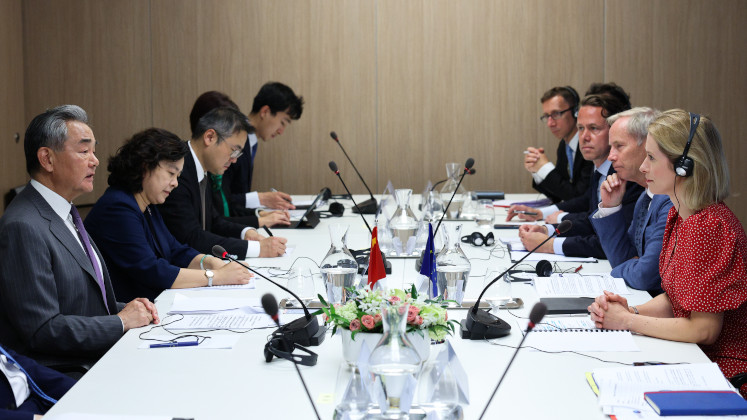
The EU's status as a normative power faces challenges from internal divisions and external pressures, prompting a critical reevaluation of its global role. As the geopolitical landscape becomes increasingly volatile, marked by populism and a retreat of the liberal order, the EU must balance preserving its values with becoming a strategic, autonomous actor. Historical reliance on the US for security is under scrutiny, leading to a push for European defense cooperation and strategic autonomy. The EU's evolving approach blends normative objectives with strategic, geoeconomic actions, emphasizing resilience and capability enhancement while maintaining transatlantic ties.
United Kingdom | Financial services
Can the EU become a strategic-normative power in a fractured world?
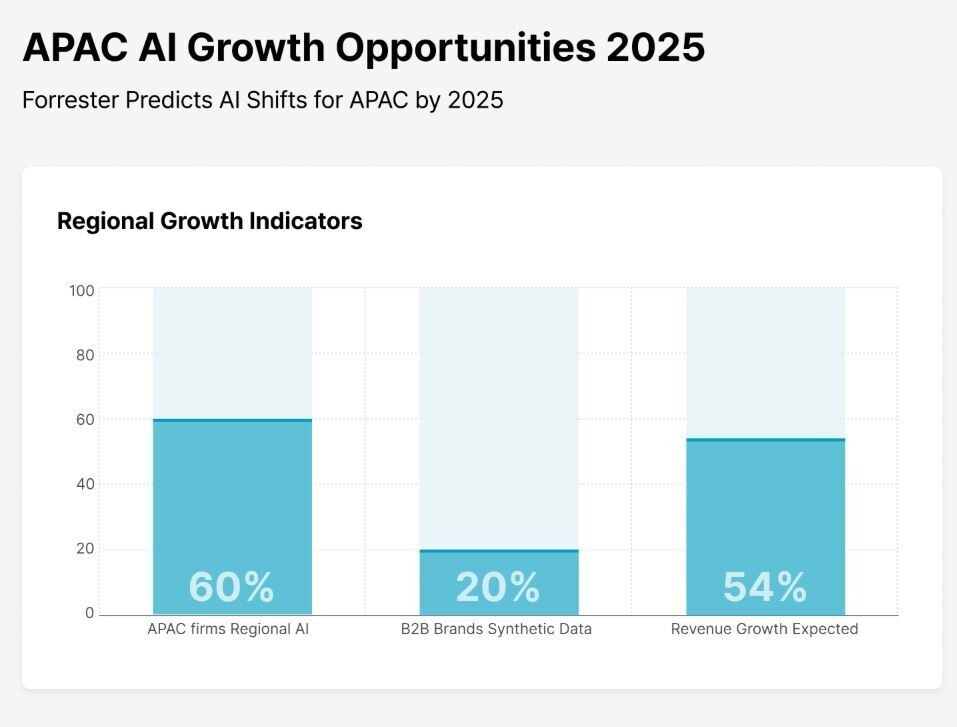
The Annual Meeting of the New Champions 2025 in Tianjin highlighted significant trends in the Asian labor market. The gig economy, particularly strong in China with 200 million workers, is evolving amid regulatory challenges and innovative initiatives, like Ola's zero-commission model. The influencer economy is rising, driven by AI, with successful examples like AI avatars generating significant sales in live-streaming e-commerce. Additionally, algorithmic management is becoming prevalent, particularly in the Asia-Pacific region, improving productivity but also prompting ethical concerns, illustrated by Meituan's policy changes due to public pressure.
Education
What we learned about the future of work in Asia at AMNC25, and other trends in jobs and skills this month
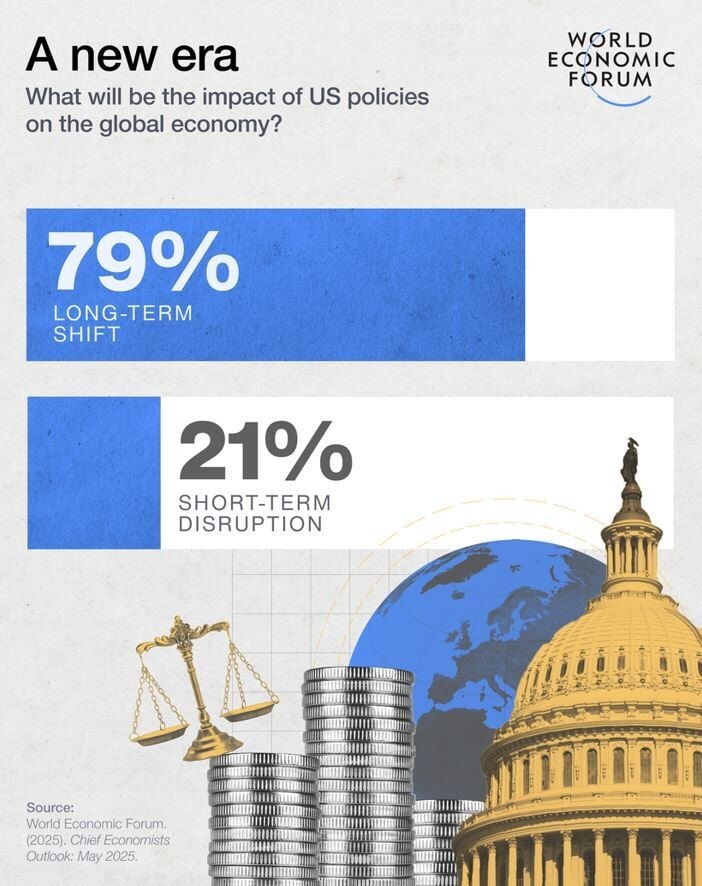
Leaders at the World Economic Forum's "Summer Davos" in Tianjin, attended by 1,700 participants, emphasized key priorities for the remainder of 2025, including the responsible adoption of AI and finding new growth drivers amid economic uncertainty. There is a call for AI’s benefits to be inclusive, addressing gender disparities and ensuring workforce inclusion. Leaders highlighted the importance of partnerships over tariffs for balanced trade and urged investment in Africa's development potential. The discussions reflected a need for global collaboration amidst geopolitical tensions and economic challenges.
Algeria, Angola, Argentina, Armenia, Australia, Austria, Bangladesh, Belgium, Benin, Bermuda, Bolivia, Bosnia and Herzegovina, Botswana, Brazil, Bulgaria, Burkina Faso, Burundi, Cambodia, Cameroon, Canada, Chad, Chile, Costa Rica, Cyprus, Denmark, Ecuador, Egypt, Eswatini, Ethiopia, Finland, France, Germany, Ghana, Greece, Guinea, Hungary, India, Indonesia, Ireland, Israel, Italy, Japan, Jordan, Kazakhstan, Kenya, Latvia, Lebanon, Lesotho, Luxembourg, Malawi, Malaysia, Mali, Malta, Mauritania, Mauritius, Mexico, Mongolia, Morocco, Mozambique, Namibia, Nepal, Netherlands, New Zealand, Nigeria, Norway, Oman, Pakistan, Panama, Peru, Philippines, Poland, Portugal, Republic of Korea, Romania, Russian Federation, Rwanda, Saudi Arabia, Senegal, Singapore, South Africa, Sri Lanka, Sweden, Switzerland, Taiwan, China, Tajikistan, Tanzania, Thailand, Tunisia, Türkiye, Uganda, Ukraine, United Arab Emirates, United Kingdom, Venezuela, Viet Nam | Financial services, ICT, Education, Health
Mid-year check-in: What are leaders focusing on now as we hit 2025's half-way point?
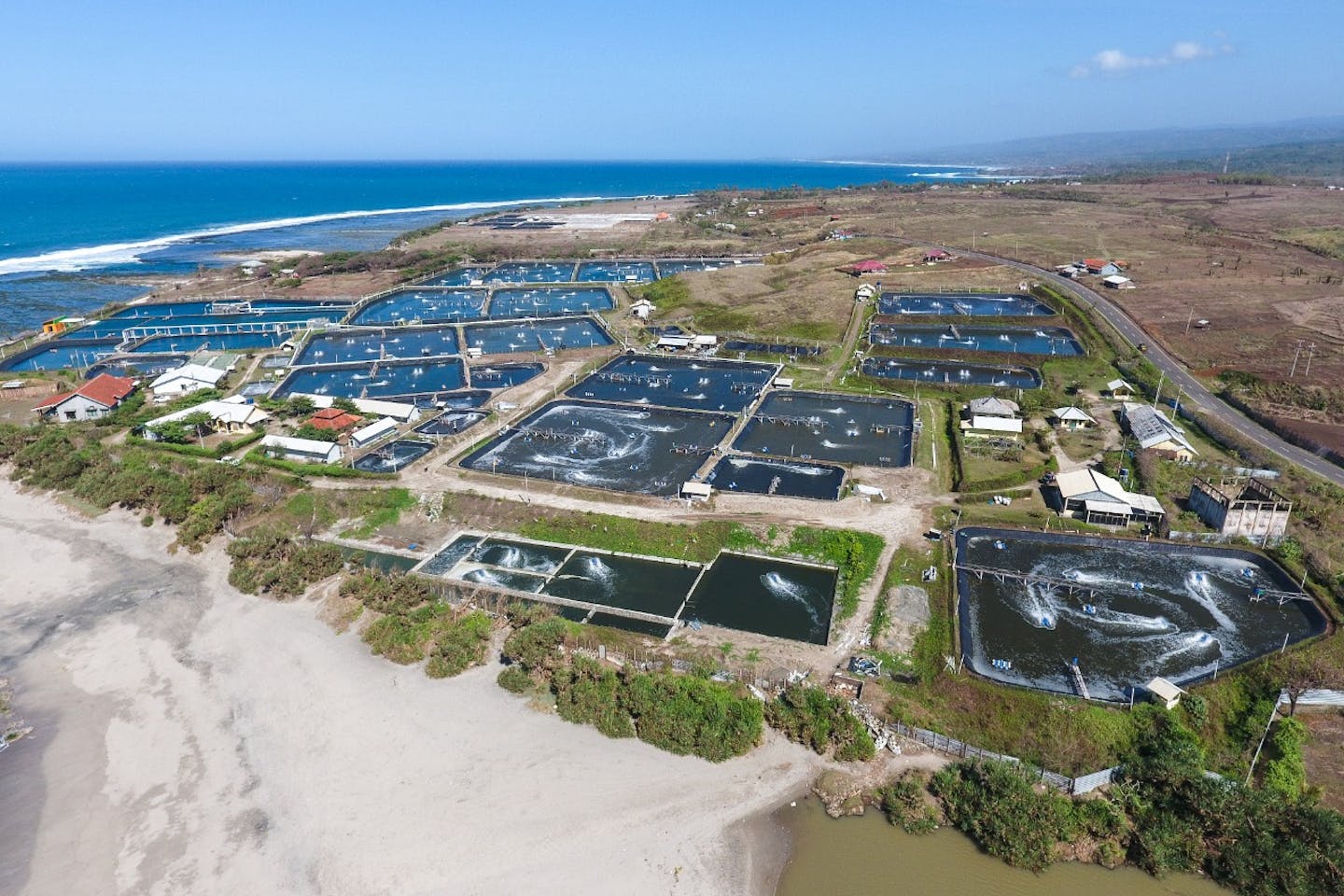
Indonesia's blue economy faces challenges, including unreliable data and perceptions of high risk, hindering access to financing for its aquaculture sector. While key industries, such as seaweed and shrimp farming, show potential to contribute significantly to GDP, confidence is undermined by scandals and lack of communication to investors. The need for better verification systems and specialized financing solutions is critical, as many small operators struggle with obtaining necessary loans due to insufficient records. Experts emphasize that banks must enhance their support for sustainable marine resources to realize the blue economy's potential.
Denmark, Indonesia, Kenya, Malaysia | Financial services
Indonesia’s aquaculture sector needs technical assistance, finance to match blue economy hype to reality: experts