Market sentiment alone is insufficient to drive sustainable financial practices in banks, as evidenced by a study published in the Journal of Corporate Finance. While eco-conscious shareholders hope to influence banks toward greener lending, there is no significant correlation between increased eco-investor ownership and changes in banks' loan allocation strategies. Reasons include superficial commitments from shareholders, potential conflicts of interest, and a regulatory environment that constrains influence. Banks primarily engage in sustainability for public image, lacking innate incentives due to the absence of tangible financial benefits. To effectively promote green finance, a stronger regulatory framework and alignment of green investments with financial returns are essential.
Financial services
Can market sentiment alone drive greener financial practices in banks?
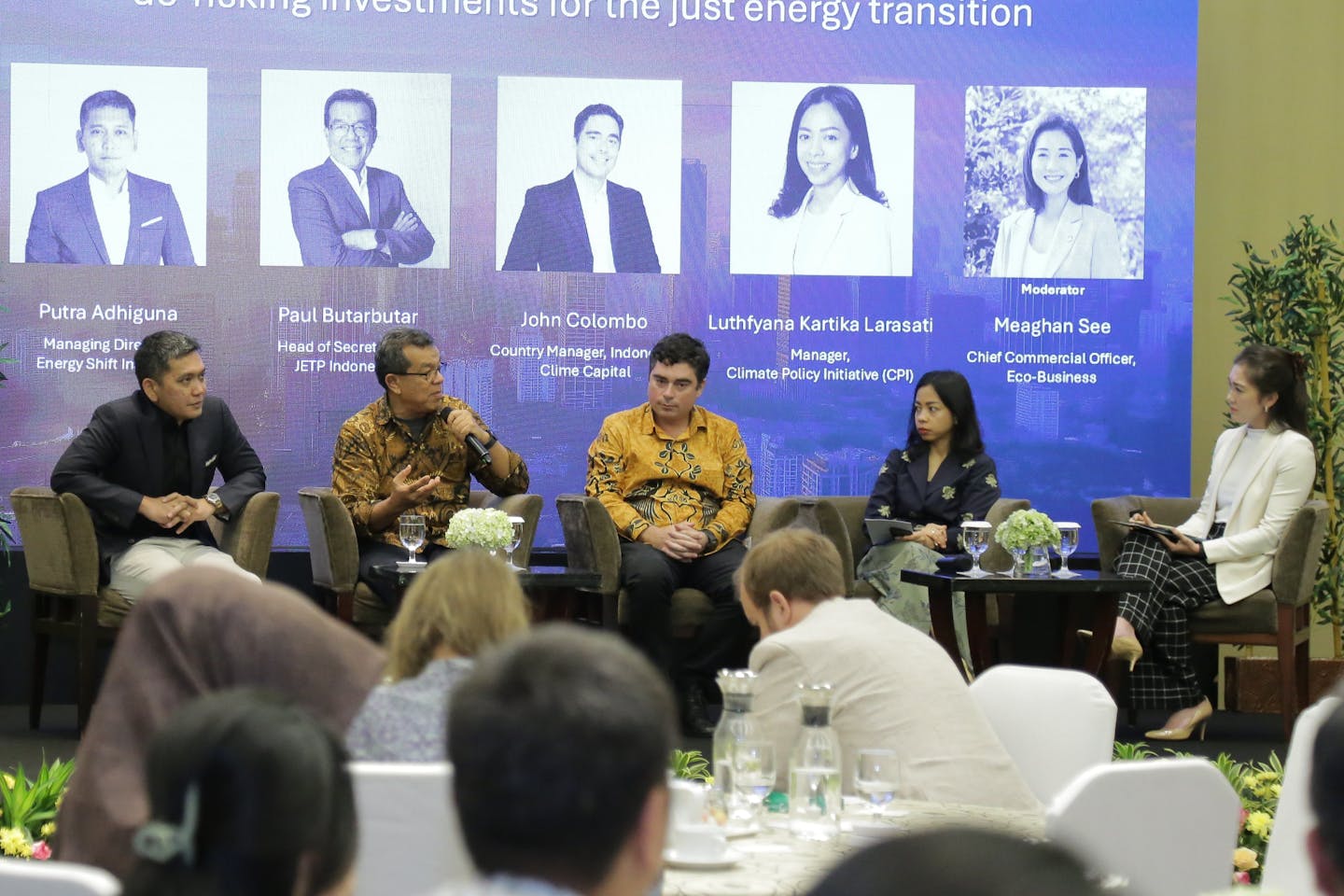
Indonesia's new 10-year power procurement plan, aiming for 69.5 GW of new capacity by 2034 with 76% from renewables, signals a shift toward clean energy investment. It focuses on enhancing solar, hydropower, wind, and geothermal resources. Industry experts emphasize the need for policy reforms to ensure funding flows to these projects and to support energy efficiency initiatives. Despite the ambitious goals, concerns remain regarding implementation gaps and the necessity for regular updates to maintain investor confidence, especially given Indonesia’s historical reliance on coal and recent global energy challenges.
Indonesia’s new 10-year power procurement plan sends positive signal on renewables push: investors and JETP secretariat

In Bosnia and Herzegovina, war and societal challenges have led to significant trauma for women, particularly survivors of sexual violence. Jasna, a survivor, transformed her life through the support of the NGO Snaga Žene, which provides resources for empowerment and healing. Involvement in vegetable gardening helped her gain financial independence and improve her marital situation. Approximately half of working-age women in the country are unemployed, necessitating critical support for economic empowerment. This initiative fosters not only individual healing but also stronger communities and families, underscoring the importance of gender equality for societal progress.
Bosnia and Herzegovina
Gender equality as a path to empowerment for refugee women and survivors of sexual violence in Bosnia and Herzegovina

Europe aims to reduce its strategic dependence on China in cleantech sectors through comprehensive policy measures. This involves enhancing domestic production capabilities, diversifying supply chains, and investing in sustainable technologies. The goal is to strengthen energy security, foster innovation, and ensure economic resilience while addressing climate change challenges. The initiative highlights the importance of international cooperation and effective governance for successful implementation.
Cleantech: Reducing Europe’s Strategic Dependence on China
Investing in climate-vulnerable countries presents significant financial opportunities. Projects like the US$850 million flood-resistant infrastructure in Chittagong, Bangladesh, not only protect communities but also highlight the importance of climate adaptation, which often receives less funding than mitigation efforts. Private investors are beginning to engage more through tools like low-interest loans and partnerships. The Green Climate Fund has approved significant financing for adaptation projects, which yield benefits such as improved access to clean water, food security, job creation, and enhanced education and healthcare. Supporting these initiatives is essential for sustainable growth and resilience against climate change.
Financial services, Health
Why investing in climate-vulnerable countries makes good business sense
Conversational AI, particularly large language models (LLMs) like GPT-4, can now analyze latent meanings in text, showing capabilities comparable to humans in detecting sentiment, political leaning, emotional intensity, and sarcasm. A recent study assessed seven LLMs, revealing GPT-4's consistency in recognizing political leanings and emotional valence, while findings on sarcasm detection were mixed. These advancements could revolutionize fields like social science and journalism by streamlining content analysis, though issues of transparency and fairness in AI remain critical. Future research should focus on the stability of AI's analytical outputs for reliable applications.
AI might now be as good as humans at detecting emotion, political leaning and sarcasm in online conversations

Strategic partnerships among technology providers, contractors, and public entities are crucial for advancing digital transformation in the construction industry. The sector faces challenges in optimizing digital investments, with 70% of organizations unable to realize their potential. Emphasizing cross-sector collaboration, workforce investment, and a culture of continuous learning is key. Successful models, like the Dubai Metro project, demonstrate the benefits of innovative partnerships and advanced digital tools. As construction becomes more digital and interconnected, a skilled workforce is essential, supported by government initiatives targeting upskilling and resource investment, to ensure the sector meets growing demands sustainably.
Financial services, Education, Health, ICT
Is construction future-ready? 3 key insights on the sector’s digital transformation
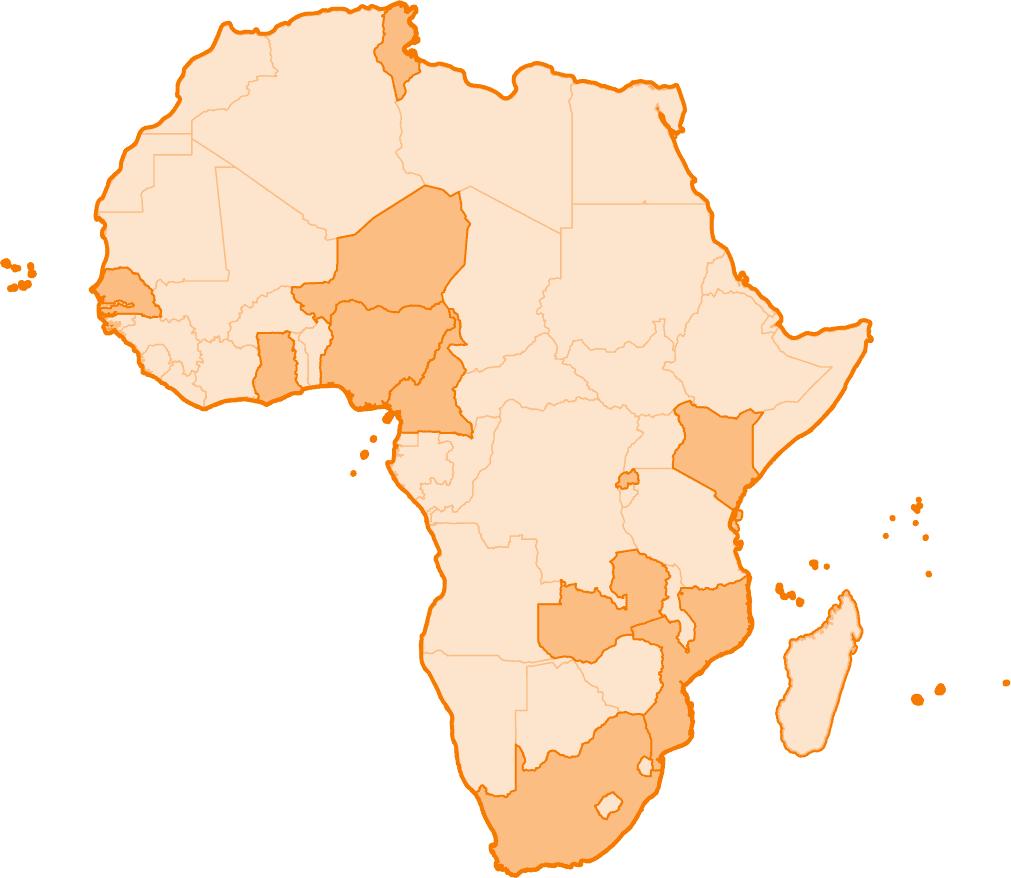
Digital technologies are shaping global economies, prompting the G20 to prioritize investment in digital public infrastructure (DPI) to facilitate equitable transformation in Africa, especially in low- and middle-income countries. The brief discusses innovative strategies to scale DPI, including public-private partnerships and decentralized technologies for improved data governance and financial inclusion. It offers case studies from G20 economies and the Global South, governance frameworks for interoperable DPI, and policy recommendations to foster sustainable digital ecosystems.
Botswana | Financial services, Education, Health, ICT
Scaling Digital Public Infrastructure for Transformative Development

Tourism is projected to contribute $16 trillion to the global GDP by 2034, despite facing challenges such as resident-visitor tensions, global disruptions, and environmental pressures. Sustainable tourism requires strategic management that benefits both visitors and local communities. Solutions include redistributing tourist flows, diversifying experiences, and fostering under-visited regions. Successful examples include Rwanda's investment in nature-based and MICE tourism and Mexico’s Experiencias Rarámuri initiative, which empowers Indigenous communities and promotes inclusive growth. Collaborative approaches can turn tourism into a driver for local development while aligning with sustainability goals.
Tourism could be a $16 trillion industry by 2034. This is how destinations can create sustainable growth
A new data centre in Brescia, Italy, leverages waste heat from computer servers to warm over 1,350 apartments, reducing CO2 emissions by 3,500 tons annually. Developed by utility company A2A and French firm Qarnot, this innovative project employs advanced liquid cooling technology, showcasing urban transformation potential. Additionally, German cities are tackling population decline with initiatives offering free housing to attract new residents. Other notable developments include cities in the US facing extreme heat, significant investment in Geneva to support international institutions, and Morocco's efforts in water management amidst drought challenges.
Data centre to warm homes in Italian city – and other urban transformation stories to read this month

Germany is significantly increasing defense and infrastructure spending, raising concerns about potential violations of EU fiscal rules. The government is utilizing an “off-budget” fund totaling €500 billion for these initiatives, alongside existing off-budget funds amounting to €869 billion. While this approach allows Germany to bypass stringent national fiscal rules, it faces scrutiny under the EU's more rigid fiscal oversight. The complexity of EU fiscal calculations can lead to delays in assessing the impact of such spending, highlighting the opaque nature of fiscal compliance assessments. Calls for a reform of EU fiscal frameworks are growing amid these tensions.
Germany | Financial services
Germany, EU fiscal rules and the illusion of objectivity
Cloudflare has implemented default blocking of A.I. data scrapers in response to growing concerns among content creators about unauthorized use of their material. Major A.I. companies, including OpenAI and Anthropic, have faced legal action from publishers for allegedly using their content without permission or compensation. Some publishers, like The New York Times and Amazon, have established licensing agreements to receive payment for their material. Time's COO expressed support for Cloudflare's decision, stressing the need for fair compensation for content creators affected by data scraping.
Cloudflare Introduces Default Blocking of A.I. Data Scrapers
Artificial intelligence is increasingly integrated into daily life, requiring extensive data collection that impacts collective action and assembly. AI can undermine free assembly by profiling individuals without consent and reinforcing social biases while enabling authoritarian surveillance. However, new forms of community organization are emerging in response to these challenges, such as algorithmic audits in the US and human rights initiatives in East Africa. The work advocates for a digital future that prioritizes privacy and equitable practices, moving beyond corporate and state control.
AI and Assembly: Coming Together and Apart in a Datafied World

The travel and tourism sector is poised for significant growth, expected to contribute $16 trillion to global GDP by 2034, representing over 11% of the world economy. However, it faces challenges such as environmental pressures, workforce shortages, and visitor-resident tensions. This report by the World Economic Forum and Kearney outlines key growth drivers like changing traveler profiles, wellness tourism, and technological advancements. It introduces ten principles for transformation, emphasizing sustainability and collaboration among governments, businesses, and communities to enhance tourism's potential for global resilience and cultural understanding.
Germany, Jordan, Kenya, Malaysia, Republic of Korea, Tanzania, Trinidad and Tobago, Tunisia, United Arab Emirates, United Kingdom | ICT, Education, Health
Travel and Tourism at a Turning Point: Principles for Transformative Growth

The travel and tourism sector is projected to contribute $16 trillion to global GDP by 2034, exceeding 11% of the world’s economy. However, it faces significant challenges, including environmental sustainability, workforce shortages, and visitor-resident tensions. Key growth drivers identified include evolving traveler profiles and technological innovations. The report outlines 10 guiding principles for transformation, emphasizing regenerative practices and collaborative frameworks for governments, businesses, and communities. These principles aim to harness tourism's potential while addressing sustainability, fostering global resilience, cultural understanding, and inclusive prosperity.
Germany, Japan, Jordan | Health, Education
Travel and Tourism at a Turning Point: Principles for Transformative Growth

Over 120 million individuals have been displaced globally, including 43.7 million refugees facing barriers to accessing finance necessary for business ventures. Major challenges include lack of credit history, collateral, proper documentation, and preconceived biases against them. Despite these obstacles, refugees often possess valuable skills and entrepreneurial spirit, leading to resilience and proactive community-building efforts, such as savings and credit associations. Financial service providers can benefit from tailoring services to this diverse group, recognizing refugees not as unbankable but as a profitable market segment. Addressing their financial needs can unlock economic contributions in host countries, turning a potential growth opportunity into reality.
Financial services
Refugees: A Growth Opportunity Hiding in Plain Sight

AI agents are predicted to replace traditional apps as the primary interface for interacting with digital products and services. This shift will require a reevaluation of digital market architecture, economics, and governance. Current advancements in large language models (LLMs) facilitate a wide range of functions traditionally handled by multiple apps. For example, in parking scenarios, AI agents could bypass the need for individual parking apps by directly interacting with middle layer APIs, streamlining user experiences. This transition hints at a future where dedicated apps may become obsolete as AI agents manage these interactions autonomously.
AI agents will eliminate the need for apps

Generative AI tools like ChatGPT can enhance individual creativity but may hinder team brainstorming by producing less diverse ideas. A study from Wharton found that while AI improves the quality of ideas, it leads teams to generate similar suggestions, reducing the variety essential for innovation. For instance, participants using ChatGPT tended to create overlapping responses, with only 6% of ideas considered unique compared to 100% from human groups. To combat this, users are encouraged to vary their prompts, as small changes can yield a broader range of ideas, reinforcing the need for diversity in creative processes.
Does AI Limit Our Creativity?
Norwegian hydropower significantly aids Europe's climate action efforts, as it produces about 90% of the country's electricity. As Europe shifts towards weather-dependent renewables like wind and solar, the demand for flexible, reliable power sources increases. Norwegian hydropower can quickly adjust to supply fluctuations and is connected to the European grid via undersea cables, enabling it to balance energy demands across countries. The HydroConnect project by the Fraunhofer Institute analyzes the potential and impacts of hydropower on the European energy landscape, considering scenarios for future capacity and its implications for emissions and environmental conditions.
Norway
“Key Player in the European Energy Market”

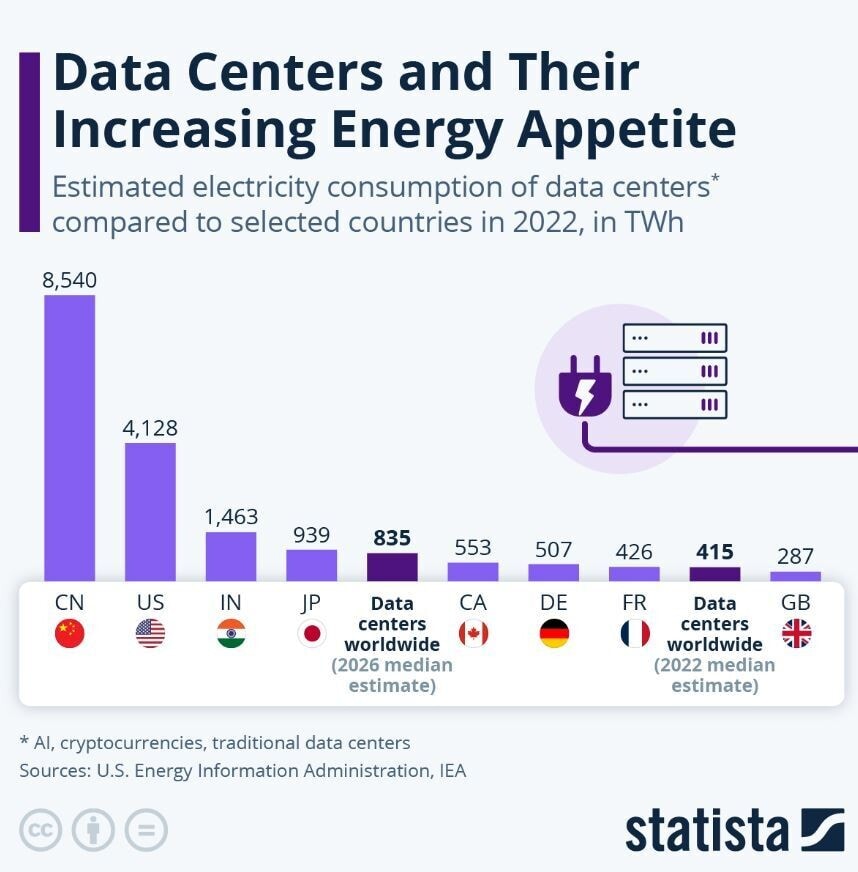
AI is transforming various industries but poses significant energy demands, with U.S. data centers projected to consume 9% of the power grid by 2030. As AI-optimized data centers could quadruple electricity use in five years, a sustainable energy backbone becomes critical. Solutions like advanced nuclear, geothermal, and dispatchable solar are essential to support this growth with clean, reliable power. Dispatchable solar, in particular, offers a scalable option by storing solar energy as heat, thus ensuring consistent electricity delivery. The shift to innovative energy sources is vital for making the AI revolution environmentally sustainable and accessible.
ICT, Education
How AI infrastructure could become the backbone of a sustainable future