Younger investors, particularly Generation Z and millennials, are driving a significant shift in retail investing, as highlighted by the Global Retail Investor Outlook 2024. This demographic prefers tech-enabled wealth management solutions, often leveraging AI for financial advice. They began investing earlier than older generations, and while they value automation, they still seek personalized guidance. The financial industry is adapting by offering hybrid models that blend technology with human expertise. Younger investors show a higher willingness to use AI for investment management compared to baby boomers, emphasizing the need for institutions to meet their expectations.
Education, Financial services
How younger investors are leading a retail investment shift

Europe is currently experiencing an extreme heatwave, with temperatures exceeding 40°C in some areas. The UK and several countries face heat warnings, while wildfires have erupted in Turkey and France. A 10% increase in the UN climate budget was agreed upon by nearly 200 nations, raising it to €81.5 million. European nations are urged to maintain their green transitions despite challenges. Notable developments include the rise in electric vehicle purchases in the UK, Tuvaluans applying for climate visas to Australia, and increased lone star tick populations in the US linked to warmer climates.
Antarctica
Extreme heat hits Europe, and other nature and climate news

Larry Summers emphasizes the necessity for business flexibility amidst economic uncertainties, including inflation, AI advancements, and geopolitical instability. He critiques current U.S. tariffs, labeling them detrimental as they increase prices, unemployment, and reduce competitiveness. Summers argues that businesses should focus on their products and adapt strategies to thrive despite unfavorable policies. He highlights the importance of maintaining stability amid macroeconomic fluctuations and suggests that the labor market and policy agendas will shift in response to emerging technological and economic factors.
Larry Summers: ‘Smart Businesses Are Going to Maintain Flexibility’
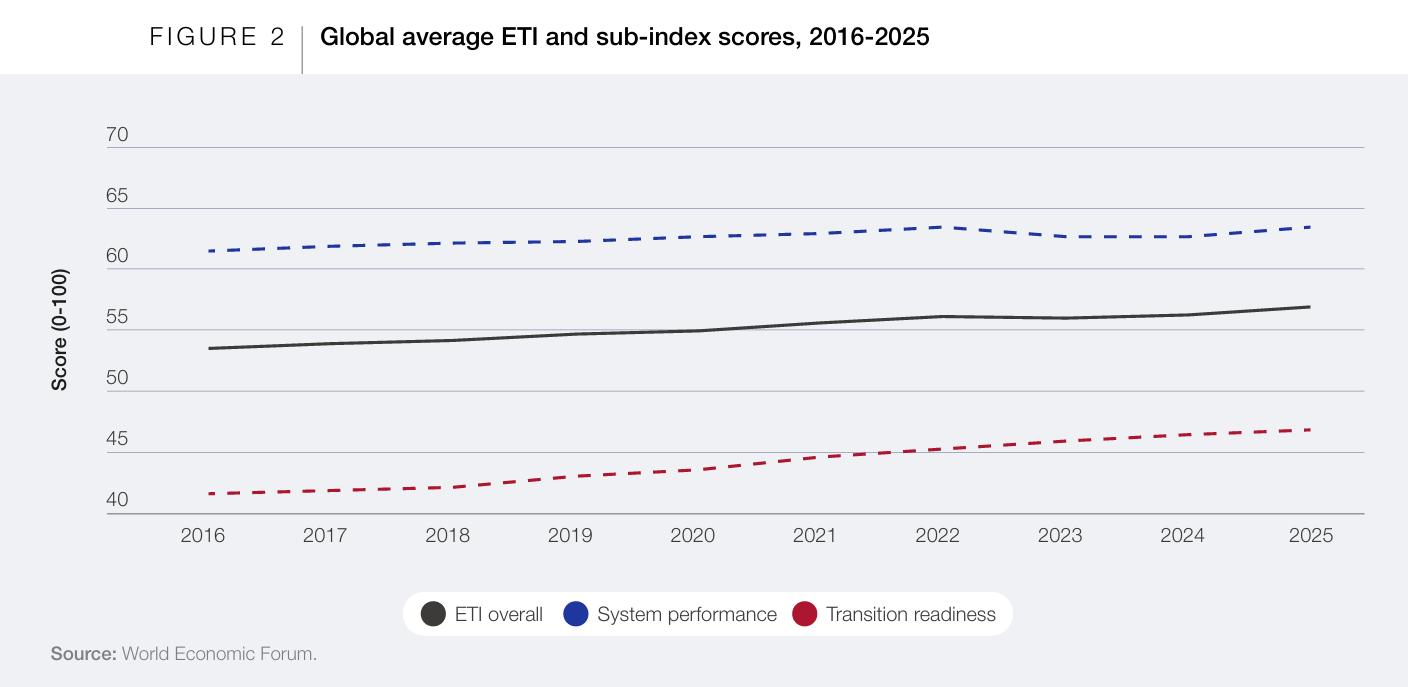
The World Economic Forum's Energy Transition Index 2025 indicates a 1.1% rebound in the global energy transition, with two-thirds of surveyed countries making progress toward decarbonization despite geopolitical challenges. Clean energy constitutes only 14.8% of the energy mix, underscoring the need for further advancements for net-zero targets by 2050. Energy equity saw notable gains, particularly in Romania, while sustainability improved with Albania and Bulgaria leading in renewable adoption. However, energy security remains a challenge, indicated by lagging progress and recent outages in Spain and Portugal. Investment in clean energy surpassed $2 trillion, yet growth has slowed due to economic pressures.
Algeria, Angola, Chad, Denmark, Egypt, Estonia, Germany, Guinea, India, Jordan, Kenya, Kuwait, Malaysia, Mongolia, Norway, Qatar, South Africa, Switzerland, Tunisia, United Arab Emirates, United Kingdom | Financial services, Education, ICT
How far advanced is the energy transition?

China is transitioning from an export-led growth model to a "Dual Circulation" strategy, focusing on domestic resilience and reduced external dependency. This approach includes six key pillars: industrial upgrading to enhance efficiency; market governance through extensive regulation; increased openness to international trade; social rebalancing to address equity and labor protection; prioritizing domestic demand to stabilize the economy; and a de-risking principle to balance development with security needs. This strategic shift responds to global uncertainties and internal economic factors amplified by the COVID-19 pandemic.
Denmark, Germany, India, Jordan, Kenya, Malaysia, Peru, Philippines, Republic of Korea, South Africa, Spain, Switzerland, Taiwan, China, United Arab Emirates, United Kingdom | Education, Financial services, Health, ICT
6 ways Chinese policy-making has prepared for trade disruption and geopolitical shocks
The "Twelve-Day War" marked a pivotal moment in U.S.-Iran relations, with President Trump claiming a foreign policy victory. The limited military strikes, targeting key Iranian nuclear sites, resulted in a consensus that while the program was degraded, Iran is likely to pursue covert nuclear capabilities. The Iranian regime responded with a symbolic counterattack and internal crackdowns, aiming to maintain authority amid economic decline and civil unrest. This conflict may lead to a harder stance within Iran and disrupt regional stability, with rising concerns among neighboring countries about the implications of U.S. actions on power dynamics.
Iran: The Twelve-Day War, The Day After

Guinea has vast mineral resources, including the world's largest bauxite reserves and significant iron ore deposits, yet struggles with widespread poverty despite economic growth driven by mining. In 2023, approximately 42% of the population lived on less than $3.65 daily, with over 66% classified as multidimensionally poor. The potential of the Simandou iron ore project could drive economic transformation, but requires strategic investment and governance reforms to ensure benefits are widespread. Addressing education and skill gaps, particularly among youth, is crucial for sustainable development and reducing dependency on extractive industries.
Bangladesh, Benin, Burkina Faso, Democratic Republic of the Congo, Gabon, Ghana, Guinea, Kenya, Malawi, Mali, Mauritania, Nigeria, Senegal, South Africa | Education
Can Guinea turn its mineral wealth into inclusive prosperity?

Data centres and advanced manufacturing facilities are placing significant pressure on the US electricity sector, prompting a reevaluation of pricing models. There is a growing consensus that these large-load customers should incur the costs associated with the infrastructure serving them, yet current regulatory frameworks complicate this shift. Distribution network operators are developing new tariffs to directly recover costs, but face risks of stranded assets if large customers leave. Additionally, the deregulated market model creates tension, as it limits the ability to differentiate tariffs, potentially leading to higher prices and grid reliability issues for all customers.
Denmark, Germany, United Kingdom | Financial services, ICT
How data centres challenge the electricity regulatory model
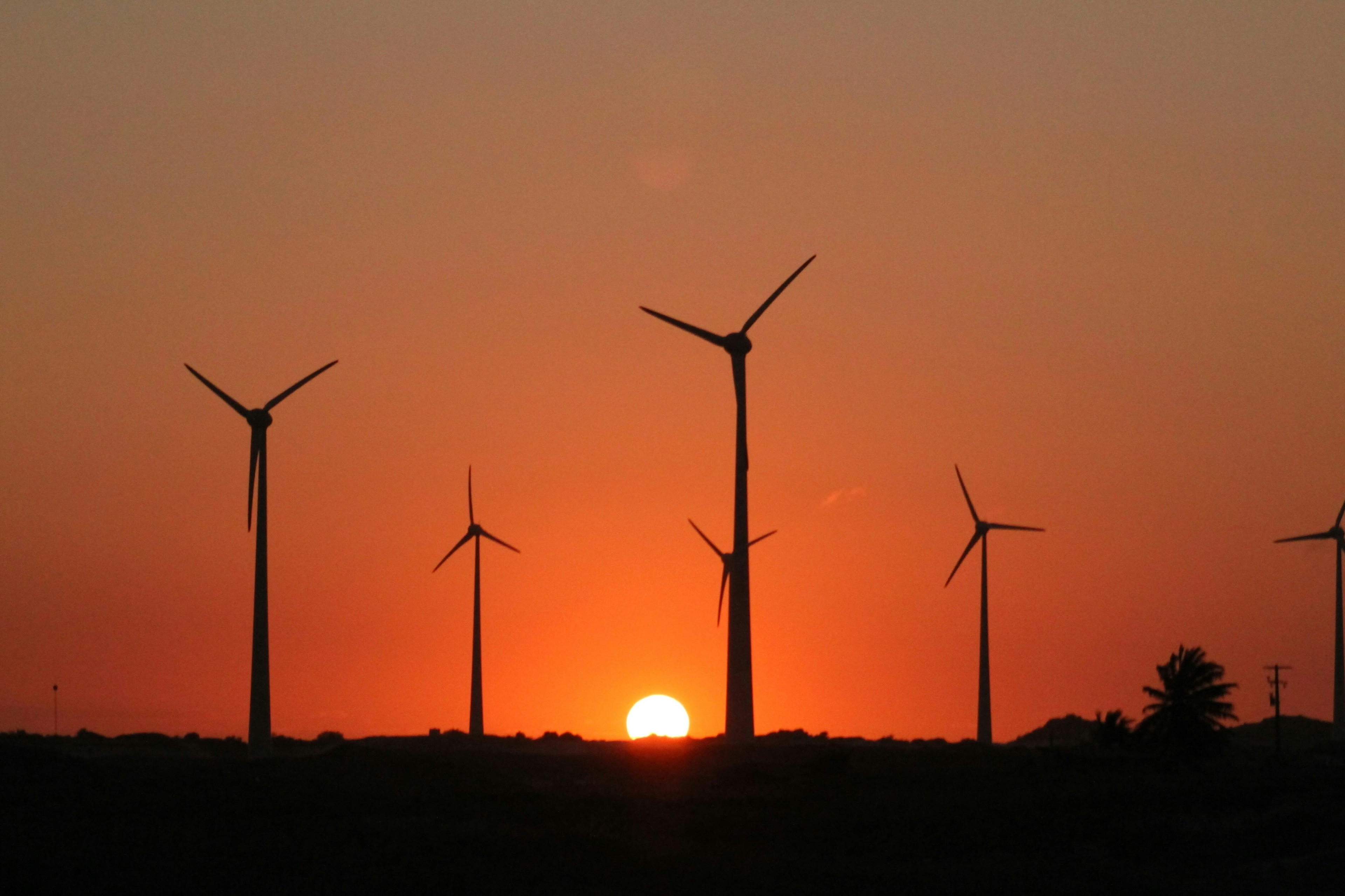
A comprehensive overhaul of the energy system is essential to combat climate change and achieve net zero emissions over the next two decades. While renewable energy sources are integral, they alone cannot meet energy demands; an integrated approach combining electricity and gas is critical. This hybrid model allows for the use of green hydrogen during low renewable generation and supports various industry demands, especially in energy-intensive sectors. Advanced simulation models can help optimize interactions between these sources, highlighting the importance of green hydrogen, biomethane, and carbon capture technologies, along with international energy interconnections to enhance overall efficiency and sustainability.
Financial services
Why we must roll out multiple energy transition solutions to reach net zero

AI's competitive advantage for companies lies in enhancing their unique cultures rather than relying solely on technology. By creating a 'work graph' to capture team interactions and workflows, organizations can train AI systems to align with their operations, resulting in improved productivity and effective human-AI collaboration. As technology becomes commoditized, an enterprise's distinct operational style will differentiate it in the market. Continuous optimization of AI within the unique context of a business ensures that AI remains relevant and enhances the corporate ethos, allowing teams to focus on complex, uniquely human tasks while automating supporting activities.
Education
The context advantage: Why your company's collective ethos is the new AI frontier

Neurodivergent individuals are crucial for advancing ethical AI governance, offering unique creativity and insights often overlooked in current frameworks. Their exclusion from AI design leads to tools that misinterpret or alienate those they aim to serve. Marketers and tech professionals with neurodivergent experiences improve innovation, with studies showing significant productivity boosts. Incorporating their perspectives can refine AI tools, making them more inclusive and effective. Emphasizing storytelling from neurodivergent voices helps illuminate their needs and challenges, ultimately guiding the development of more equitable AI systems.
How neurodivergent minds could humanize AI governance
The failure of François Bayrou's pension reform conclave, which collapsed on June 23, raises questions about the effectiveness of ongoing reform efforts since 2017. Despite discussions on crucial issues, no agreement was achieved, leaving France facing a projected €6.6 billion pension deficit by 2030. Bayrou maintains that progress was made, particularly in changing perspectives on retirement age and funding. However, the situation reflects broader weaknesses in France's labor unions and employer organizations, which lack influence and have struggled to reach consensus. This deadlock highlights a collective failure in the political and social dialogue surrounding pension reforms.
France
[Decoding France] - Bayrou on the Edge, 2027 in the Air

A study analyzing over 3,000 environmental conflicts reveals that just 104 multinational corporations, primarily from high-income countries, are responsible for 20% of these conflicts. These "superconflictive" companies, involved in sectors like mining and fossil fuels, disproportionately impact Indigenous and marginalized communities, with 50% of conflicts occurring in the Global South involving Global North firms. The findings highlight the urgent need for binding laws requiring human rights and environmental due diligence, as voluntary self-regulation has proven ineffective.
One-fifth of global environmental conflicts traced to 104 companies: report

Research by Jake Teeny and Taly Reich found that exposure to creative works attributed to AI enhances self-confidence in individuals' creative abilities compared to works attributed to humans. Participants consistently reported feeling more capable of creating their own jokes, art, or stories after believing they had seen AI-generated content. This effect is driven by the perception that AI is generally less skilled, leading individuals to feel superior in comparison. The findings emphasize the potential of AI to boost self-confidence and encourage participation in creative tasks, thereby influencing innovation.
Knock Knock. Who’s There? Generative AI.
Creative Commons has introduced "CC Signals," a framework enabling creators to express their preferences for how their works are used in AI, particularly for training systems. This initiative aims to incorporate reuse preferences and benefits into AI development, addressing gaps in global copyright laws. It complements ongoing efforts to establish a Social License for Data Reuse, which facilitates community-driven governance and engagement regarding data reuse. Both frameworks emphasize trust and legitimacy but differ in their scope, methodology, and theoretical foundations.
A New Social Contract for AI? Comparing CC Signals and the Social License for Data Reuse

The fashion industry contributes up to 8% of global greenhouse gas emissions, yet progress towards net-zero targets is slow. A Stand.earth report reveals that many brands are not funding necessary emissions reductions in supply chains, leading to a financial burden on suppliers. In Bangladesh, 83% of garment emissions stem from fossil fuel use, and a staggering $4.8 billion investment gap exists to meet 2030 targets. Only a few brands, like H&M, are actively financing decarbonization efforts. Experts emphasize that collaboration and financial support are crucial for achieving sustainable transformation in the industry.
Fashion brands drag feet on their green promises

Fiber internet access remains low in the U.S., reflecting broader market failures in meeting demand for essential services. Research by Andrew Dillon and Nicoló Tomaselli investigates how to create markets in underserved areas like low-income countries. They argue that missing markets result from both demand and supply-side issues, particularly the “last-mile problem,” where isolated communities lack investment in infrastructure. Their study in Mali shows that organizing village input fairs after harvest, with flexible payment options, significantly increases fertilizer purchases by farmers, demonstrating that timing and financing are crucial for market success.
Fixing a Market Mismatch
Paul Keller's white paper advocates for interventions to sustain the information ecosystem amid the rise of generative AI. It emphasizes generative AI as a transformative cultural technology, highlighting two major risks: concentration of knowledge control and the decline of human-driven information production. The paper proposes creating public AI infrastructures and implementing a levy on commercial AI systems that utilize publicly available information. This levy would fund creators, public service media, cultural institutions, and open content platforms, aiming for a balanced digital knowledge commons.
Education
Beyond AI and Copyright
SAM: African Inclusive Finance Week has evolved to reflect the changing landscape of the financial inclusion sector, moving beyond microfinance to include incubators, fintechs, and innovators. Laura Foschi, Executive Director of ADA, highlights the urgent need for collaboration with the private sector as public resources dwindle. She emphasizes the importance of adapting to emerging trends and client needs in response to political, social, and environmental uncertainties. By engaging diverse stakeholders, the conference aims to envision a more inclusive and sustainable financial future.
Education, Financial services
Adapting to Times of Uncertainty: Co-Creating the Future of Inclusive Finance
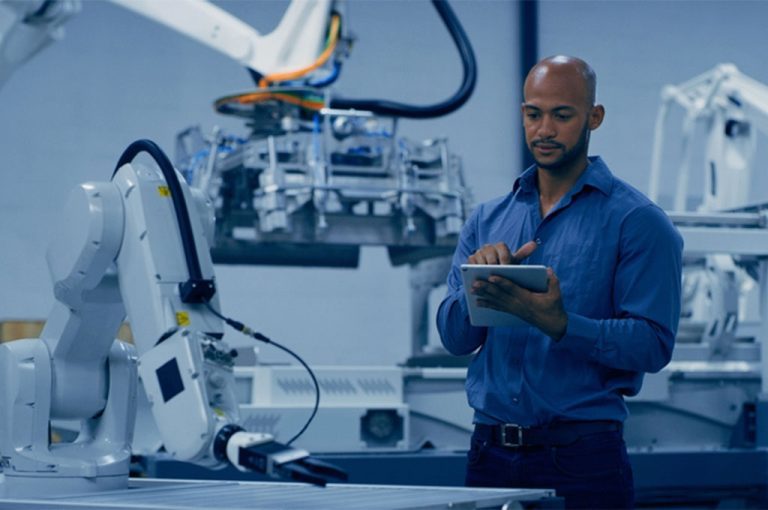
Artificial intelligence (AI) is positioned as a transformative force with the potential to enhance employment, productivity, and growth, contrary to fears of mass job loss. Research suggests that AI can not only automate tasks but also boost labor productivity by facilitating idea generation. Studies, including one on a Fortune 500 company, showed that AI tools increased productivity significantly, especially among less experienced workers. To harness AI's benefits, immediate investment in training, innovation, and policies is essential. By doing so, AI can support individuals and societies without exacerbating inequality.
Financial services, ICT, Education
Job maker or job taker? How artificial intelligence is defying the doomsayers