
Internet shutdowns in Africa significantly disrupt digital trade, mobile payments, and SME operations, undermining economic growth and investor confidence. These intentional disruptions lead to substantial financial losses for national economies, particularly affecting sectors dependent on real-time connectivity. As Africa's digital economy expands, shutdowns threaten financial stability and innovation, widening inequality and eroding public trust in institutions. Legislative reforms and collaborative efforts are essential to safeguard digital rights and ensure sustainable economic progress. Recent court rulings indicate a growing recognition of the need for stronger protections against such shutdowns.
Africa | Financial services, ICT
How internet shutdowns silently drain Africa’s economy

The UK’s reliance on hotel accommodations for asylum seekers has surged, particularly post-COVID, due to insufficient dispersal housing options. This shift, prompted by a spike in asylum applications and prolonged decision-making processes, resulted in 51,000 asylum seekers housed in over 400 hotels at a daily cost of £8 million by mid-2023. Critics highlight the high costs—averaging £158 per night for hotels versus £20 for dispersal housing—and the negative effects on asylum seekers’ health and community tensions. In response, Chancellor Rachel Reeves announced plans to phase out hotel use, aiming for significant cost savings and improved housing solutions.
How the UK became dependent on asylum hotels
The significance of critical energy infrastructure has heightened due to geopolitical tensions, extreme weather, supply chain issues, and hybrid threats. The April 2025 blackout in the Iberian Peninsula highlighted the reliance on effective power grids. Aging grids in the US and Europe, designed for centralized electricity flow, face challenges in adapting to renewable energy demands, leading to investment gaps and regulatory hurdles. China's emergence as a grid innovator presents additional risks. A coordinated US-EU approach to grid technology can enhance resilience, competitiveness, and innovation, while reducing dependencies and driving job creation.
Financial services
Aligning US-EU Energy Grid Strategies: From Risk to Resilience

Investisseurs & Partenaires (I&P) and Triple Jump's research highlights the challenges and innovations within African SME fund management. Key findings show that 71% of analyzed funds are managed by African or mixed teams, yet many face difficulties in fundraising due to stringent criteria and limited track records. Emerging funds are leveraging innovative financial instruments and progressive fundraising techniques to improve liquidity and growth, often surpassing traditional benchmarks. Fund managers are proactively negotiating terms with Limited Partners, tailoring fund structures, and exploring secondary markets to better align with SME investment realities and enhance capital mobilization.
South Africa | Financial services, Education
Mobilizing More Capital for African SME Funds: New Research Reveals Persistent Market Constraints — And a Growing Focus on Innovation
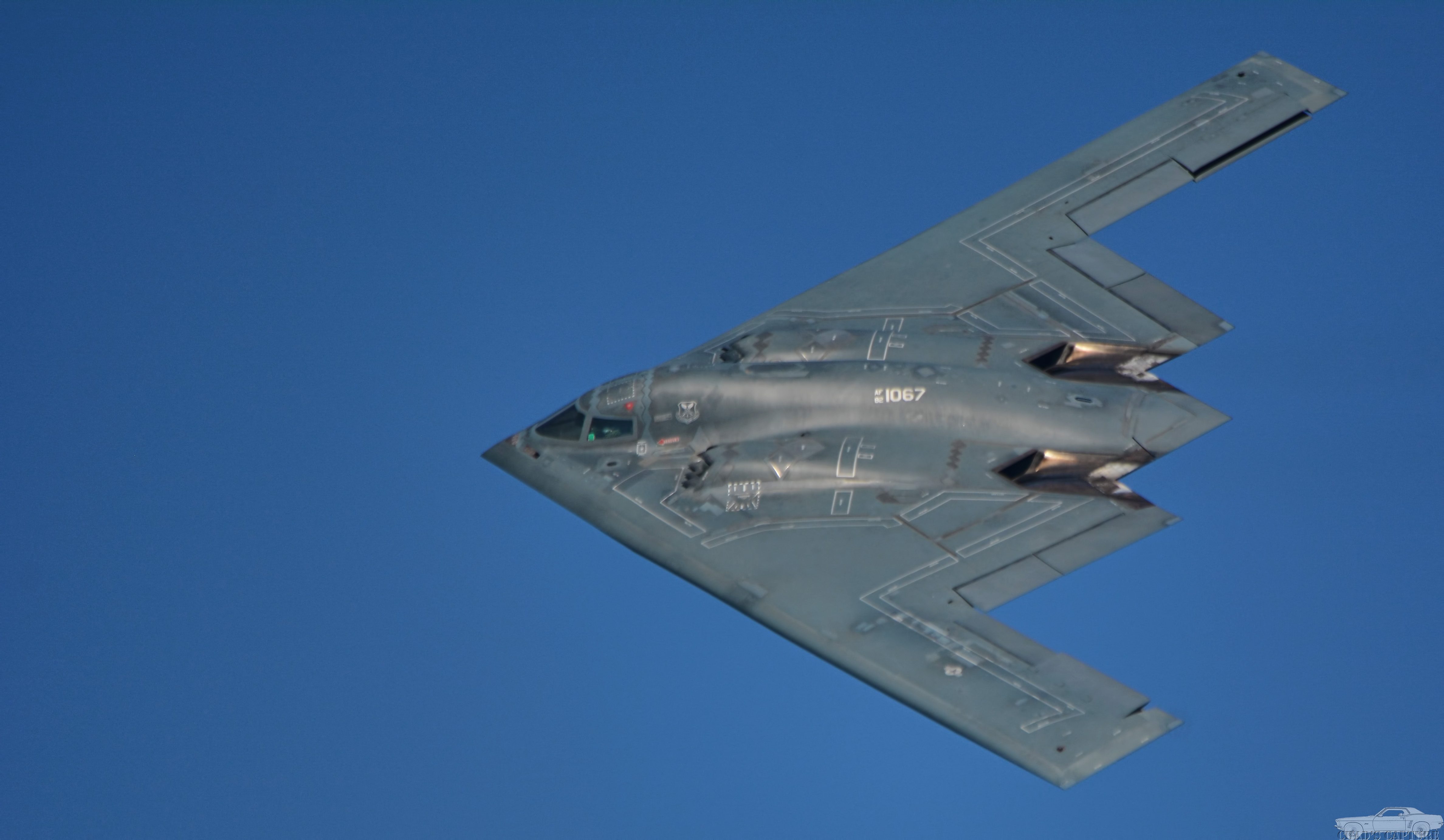
European leaders have reacted quietly to recent Israeli and US attacks on Iranian nuclear facilities, seemingly accepting violations of international law. French President Macron recognized the lack of legal basis for the strikes but justified them as necessary for neutralizing Iran’s nuclear capabilities. This stance contrasts sharply with the EU's previous condemnation of Russia for similar actions in Ukraine. Experts warn these attacks undermine the 1968 Treaty on the Non-Proliferation of Nuclear Weapons (NPT) and call for a diplomatic resolution. The assaults against Iran, a non-nuclear weapon state, violate international law and threaten the NPT's integrity.
Europe should help repair the damage to non-proliferation and international law from the attacks on Iran

Diffusion models, which drive image-generating AI like DALL·E, appear creative despite being designed to replicate training images. A recent study asserts this creativity arises from inherent flaws in the denoising process, establishing it as a deterministic outcome of the models' architecture. Researchers found that the same characteristics leading to imperfections—locality and translational equivariance—actually enable these models to generate novel images. This insight could enhance future AI research and deepen understanding of creativity in both machines and humans.
Researchers Uncover Hidden Ingredients Behind AI Creativity
Europe must urgently reevaluate its reliance on US extended nuclear deterrence amid Russia's actions in Ukraine and the US's strategic pivot to the Indo-Pacific. The continent's options for developing credible deterrent capabilities are limited to three: strengthening France's force de frappe, creating an Anglo-French nuclear umbrella, or establishing a European Multilateral Nuclear Force within NATO. A balanced approach is recommended to enhance European autonomy while maintaining transatlantic cohesion, advocating for structured dialogue on Europe's nuclear future within NATO.
Europe’s Nuclear Alternatives: A Time of Reckoning

Global development faces significant challenges, including donor government pullbacks and public fatigue with nonprofits, exposing long-standing complacencies in the sector. Traditional measures of success have centered on outputs rather than impact, leading to inefficient practices. To overcome these issues and avoid “good-enough charity,” the development sector must adopt business-like disciplines, emphasizing understanding cost-effectiveness, independent impact audits, and sunset clauses for underperforming programs. A shift towards accountability and continuous reassessment of community needs is crucial for maximizing social returns and ensuring resources are effectively utilized.
Education, Financial services, Health
Beyond the ‘Good Enough’ Charity (SSIR)
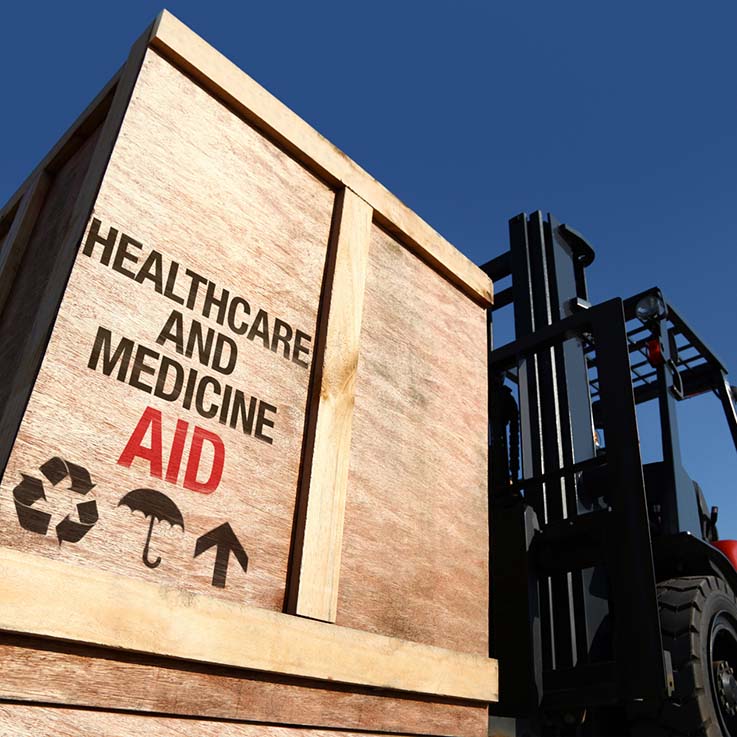
The global development sector faces significant challenges as skepticism towards international cooperation rises. Historically, global development has thrived amid crises, supported by frameworks like the Millennium and Sustainable Development Goals. However, the U.S. withdrawal from multilateralism and a shift towards prioritizing national interests threaten to unravel decades of progress. This change has led to funding cuts and halted key humanitarian projects, leaving millions without essential support. A cascading effect is evident, as other nations follow suit, resulting in the first drop in Official Development Assistance since 2017 and an overall decline in global development initiatives.
Latin America | Financial services, Education, Health
Development in Retreat? (SSIR)

Philanthropy in the development sector should transition from a patronage model to a partnership approach that emphasizes shared accountability and mutual respect. Donors are encouraged to view their contributions as risk capital that fosters measurable public value, rather than as discretionary kindness. This shift requires recipients to rigorously document outcomes and data to justify funding. A pending generational wealth transfer is driving this change toward more collaborative and impact-focused philanthropy. Effective partnerships must prioritize transparency, shared credit, and clear pathways to impact, reclaiming the catalytic essence of philanthropy to accelerate sustainable solutions.
Education
Development Philanthropy Must Be Partnership Not Patronage (SSIR)
North Korea poses a significant cyber threat to South Korea, the EU, and other regions. South Korea's response includes a new cybersecurity strategy and the EU–ROK Digital Partnership. The analysis identifies four priority areas for enhancing EU–South Korea cooperation: public awareness, building institutional capacity, enforcing sanctions, and ensuring secure research and development collaboration. Improving coordination in these areas is essential for strengthening shared cyber resilience and addressing transnational hybrid threats.
Republic of Korea
Enhancing EU–South Korea Cooperation Against Authoritarian Cyber Threats
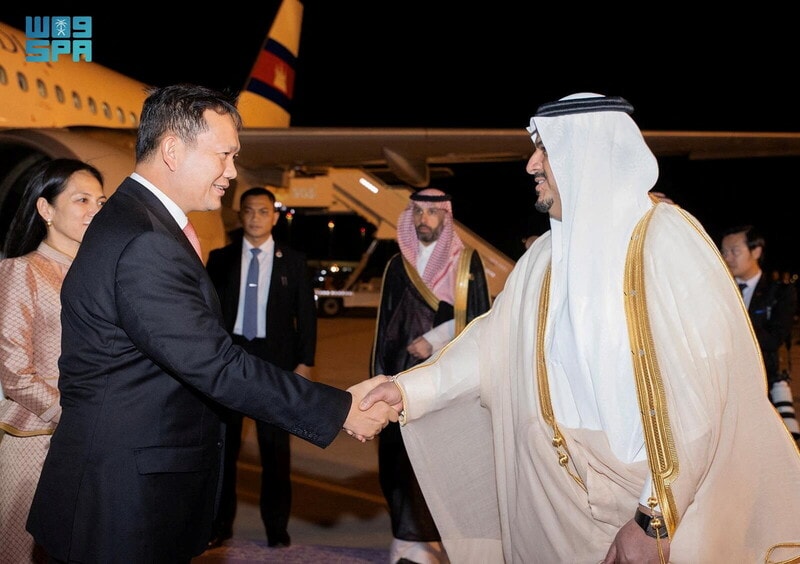
Friendshoring is becoming integral to the Gulf Cooperation Council (GCC) nations, promoting supply chain resilience through partnerships with political and economic allies. The GCC's strategic location enables businesses to enhance trade efficiency with direct access to major markets in Asia, Africa, and Europe. This model supports local economies by reducing import dependence and fostering regional trade. Moreover, GCC countries are forming diverse international trade agreements, attracting investment through Special Economic Zones offering tax incentives. The region's robust logistics infrastructure, including new ports and a planned railway, further enhances its role as a secure global trade hub.
Argentina, Austria, Bahrain, Bermuda, Burkina Faso, Burundi, Cambodia, Cameroon, Canada, Czech Republic, Denmark, Djibouti, Egypt, Georgia, Germany, Ghana, India, Jordan, Kazakhstan, Kenya, Kuwait, Kyrgyz Republic, Lebanon, Luxembourg, Malaysia, Mauritania, Mauritius, Morocco, Netherlands, New Zealand, Norway, Oman, Pakistan, Qatar, Republic of Korea, Rwanda, Saudi Arabia, Senegal, Singapore, South Africa, Spain, Sudan, Switzerland, Tanzania, Tunisia, Uganda, United Arab Emirates, United Kingdom, Yemen | ICT
How friendshoring is transforming the Gulf into a global trade hub
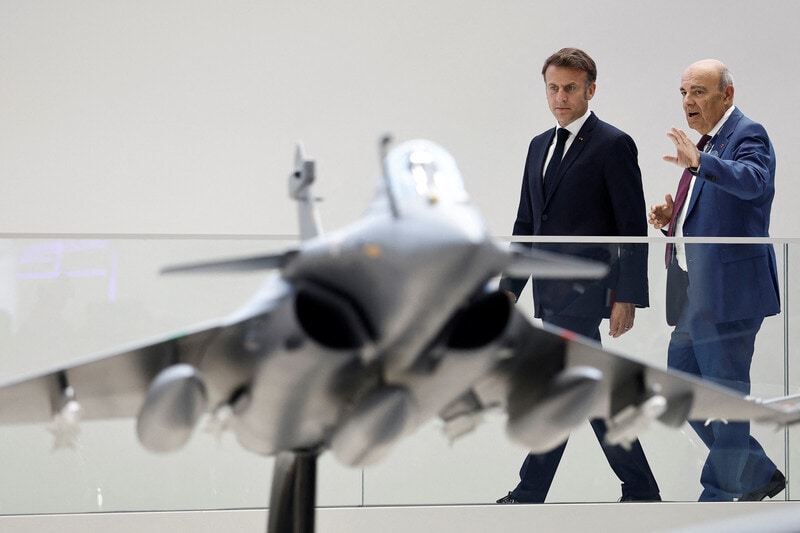
The Paris Air Show 2025 showcased the aviation industry's shift from ambition to implementation regarding sustainability and innovation. Key highlights included a focus on sustainable aviation fuel (SAF), advancements in hydrogen and electric propulsion, and the importance of efficient fleets. Major deals were announced, such as Airbus's $21 billion in orders and sustainability-driven initiatives by companies like TotalEnergies and ZeroAvia. Collaborations across sectors were emphasized as essential for achieving net-zero targets, culminating in the launch of the Aviation Research and Innovation Strategy for Sustainability (ARIS) program, promoting collective efforts in innovation.
ICT
Here are the top sustainability and innovation insights from the Paris Air Show 2025
The report "Visionary Versus Reactionary. The Future of Space Security in the Age of Artificial Intelligence" presents a transformative approach to conceptualizing and operationalizing space security. It emphasizes the potential of AI to enhance outer space operations and improve threat mitigation strategies, fostering a more secure and peaceful space environment. Additionally, the report notes the technical and regulatory challenges posed by AI, which the international community must consider as states develop mechanisms for space security.
Visionary Versus Reactionary. The future of space security in the age of artificial intelligence
European digital sovereignty relies on strategic investments and enhanced state capacity. Mario Draghi's report highlights that Europe significantly lags behind the US and China in technological development, urging an annual investment increase of €750-800 billion. It advocates for an “entrepreneurial state” that actively shapes market outcomes, as well as the creation of a new EU vice-presidential role for regulatory simplification. The report emphasizes the necessity of developing a competitive European digital sector, proposing initiatives like EuroStack to bolster infrastructure and ensure preferential access for EU companies. Additionally, Europe should implement strict antitrust measures and require foreign firms to share technology to protect its digital landscape.
Denmark, France, Germany, Italy, Spain, United Kingdom | Financial services, Education, ICT
Why European Security and Sovereignty Depend on Its Digital Sector

Positive tipping points can restore degraded ecosystems and promote sustainable human behavior. Examples include the recovery seen in Yellowstone and Rajasthan, where small actions lead to significant ecological improvements. While individual successes are promising, scaling these methods is essential to achieve global biodiversity targets, such as the Kunming-Montreal Global Biodiversity Framework's objective to restore 30% of degraded ecosystems by 2030. Understanding the feedback loops in nature and society is crucial, as these insights can facilitate lasting changes that enhance biodiversity, climate resilience, and human well-being.
The positive tipping points helping nature bounce back
The Futures of State Governance in the Global South examines how global trends such as demographic shifts, climate change, digital disruption, and geopolitical changes are redefining state roles and legitimacy. The report utilizes governance indicators, scenario planning, and regional consultations to outline challenges and opportunities across various domains. It develops four scenarios—Growth World, Sustainable World, Divided World, and World at War—each reflecting different future governance configurations. Conclusions emphasize the importance of anticipating complexity in governance, adapting policy planning, and recognizing that governance futures depend on collective responses from states, societies, and international actors.
Algeria, Angola, Botswana, Ghana, Guinea, Kenya, Lesotho, Mali, Republic of Korea, South Africa, United Kingdom | Financial services, Health
Futures of the State in the Global South
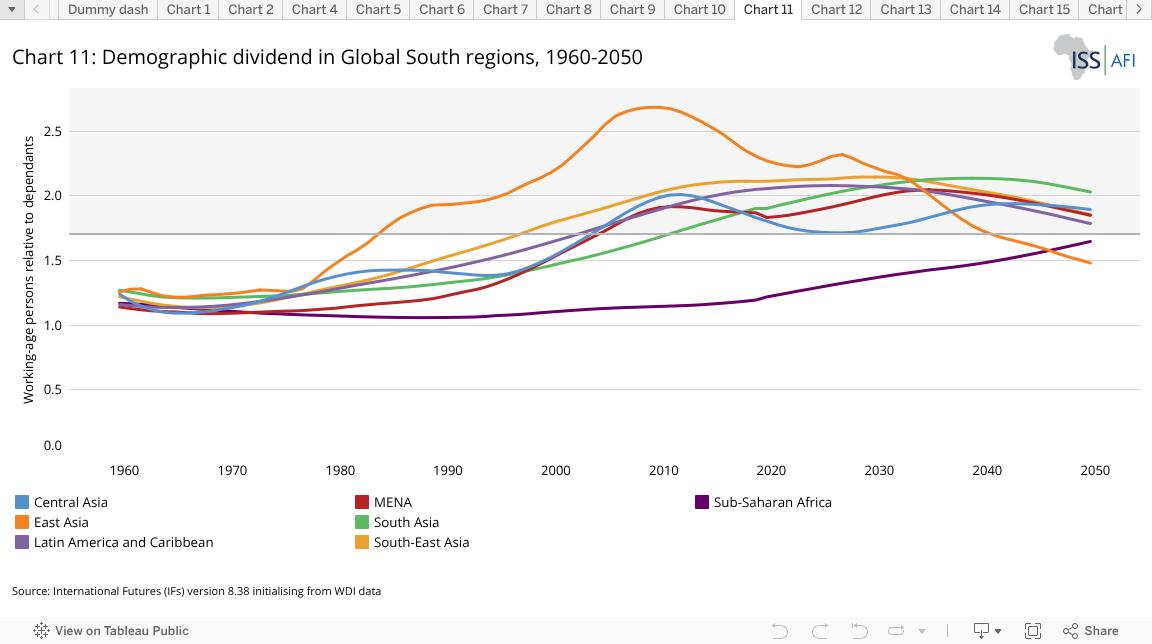
Emerging global trends such as demographic shifts, climate change, digital disruption, and geopolitical realignment are reshaping state roles, capacity, and legitimacy in the Global South. The analysis incorporates governance indicators and regional consultations to identify challenges and opportunities across various domains. Four future governance scenarios—Growth World, Sustainable World, Divided World, and World at War—are proposed, illustrating different state evolution pathways. Key recommendations include rethinking governance approaches, enhancing participatory mechanisms, and embedding foresight into policy planning to navigate increasing complexity.
Algeria, Angola, Argentina, Armenia, Australia, Austria, Bahrain, Bangladesh, Belgium, Benin, Bolivia, Bosnia and Herzegovina, Botswana, Brazil, Bulgaria, Burkina Faso, Burundi, Cambodia, Cameroon, Canada, Chad, Chile, Costa Rica, Croatia, Cyprus, Czech Republic, Denmark, Ecuador, Egypt, Estonia, Eswatini, Ethiopia, Finland, France, Georgia, Germany, Ghana, Greece, Guinea, Hungary, Iceland, India, Indonesia, Ireland, Israel, Italy, Japan, Jordan, Kazakhstan, Kenya, Kuwait, Kyrgyz Republic, Latvia, Lebanon, Lesotho, Lithuania, Luxembourg, Malawi, Malaysia, Mali, Malta, Mauritania, Mauritius, Mexico, Mongolia, Morocco, Mozambique, Namibia, Nepal, Netherlands, New Zealand, Nigeria, Norway, Oman, Pakistan, Panama, Peru, Philippines, Poland, Portugal, Qatar, Republic of Korea, Romania, Russian Federation, Rwanda, Saudi Arabia, Senegal, Singapore, Slovakia, Slovenia, South Africa, Spain, Sri Lanka, Sweden, Switzerland, Taiwan, China, Tajikistan, Tanzania, Thailand, Tunisia, Türkiye, Uganda, Ukraine, United Arab Emirates, United Kingdom, Venezuela, Viet Nam | ICT, Financial services, Health
State Futures in the Global South
The European Trade Union Confederation (ETUC) is advocating for a new directive to protect workers from extreme heat, intensified by climate change. A recent resolution highlights the pressing need for regulations addressing heat risks, affecting 130 million workers in Europe. Common heat-related health issues include heat stress and organ damage. The directive proposes establishing maximum working temperatures, mandatory heat risk assessments, and adaptive measures like cooling areas. Workers should also have rights to health monitoring, training, and the ability to suspend work in hazardous conditions. This proposal aligns with existing EU occupational health and safety frameworks.
As Temperatures Rise, European Workers Face a Looming Threat
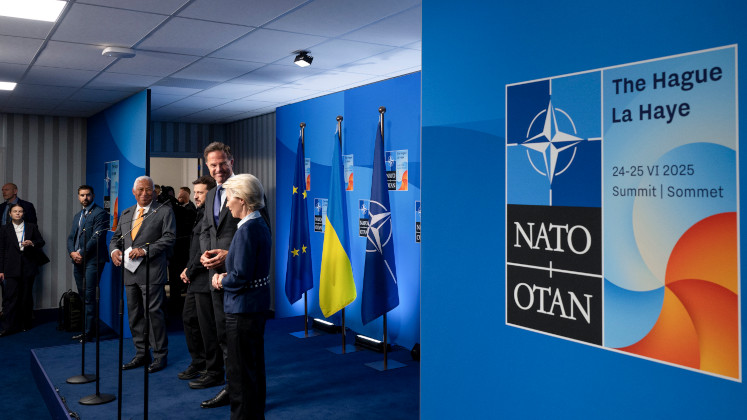
NATO member states have agreed to increase defense spending from 2% to 5% of GDP by 2035, significantly impacting Europe's innovation policy. This shift will channel approximately €100 billion annually into military R&D at the expense of civilian sectors, potentially reducing competitiveness and increasing reliance on American technology. Despite claims that higher spending will enhance strategic autonomy, it risks deepening economic disparities among EU countries and may hinder sustainability goals by locking in fossil fuel usage. Overall, this military focus jeopardizes Europe’s innovation objectives and may create further tensions within the Union.
Financial services, Education
The new NATO spending target will hamper Europe’s innovation policy