
Private sector investment is crucial for addressing global challenges as public development aid declines. A report by the Schwab Foundation proposes a system for treating positive social and environmental outcomes as measurable assets, introducing "impact credits," akin to carbon credits, which reward actions generating public goods. Successful examples include South Korea’s Social Progress Credit program and South Africa's Zlto platform, both demonstrating the effectiveness of financial incentives for social progress. The report outlines key enablers for scaling these models, emphasizing the need for robust verification and inclusive governance to drive meaningful change.
Financial services, Education
We have the blueprint for turning social progress into economic value, now let’s take action

Generation Z, the first true digital natives, is reshaping cybersecurity by integrating values of sustainability, inclusivity, and social justice into the digital landscape. As they increasingly enter the workforce, their commitment to ecological responsibility influences corporate strategies, prompting new roles like "Cyber Sustainability Officers" and energy-conscious practices. The rise of interconnected digital economies, particularly cryptocurrency, exposes Gen Z to significant cyber threats, highlighting the need for robust cybersecurity measures. Furthermore, Gen Z is advocating for cohesive global cyber governance that prioritizes human rights over fragmented national approaches, reflecting their experience in borderless digital communities.
Financial services, Health, Education, ICT
From crypto to climate: How Gen Z can redefine the future of cybersecurity

NATO leaders have committed to increasing defense spending to 5% of GDP by 2035, framed by U.S. President Trump as a significant achievement for U.S. influence. Despite the belief that higher military spending deters conflict, research suggests this approach may not enhance societal or economic productivity. Historical precedents indicate that brinkmanship can lead to costly miscalculations, as seen in the Vietnam War. Additionally, increased military expenditure diverts funds from more productive investments and contributes to climate change, with projections indicating significant greenhouse gas emissions from NATO's rearmament efforts.
Nato leaders pledge increased defence spending – is this really the price for peace and prosperity?
Anticipated growth in artificial intelligence (AI) development demands a significant increase in power capacity in the U.S. by 2030. The report assesses potential electricity generation increases and proposes a capacity metric for measuring load changes, particularly in relation to AI data centers. It identifies challenges with the current energy grid and evaluates the U.S.'s current and planned capabilities to meet the expected rise in power demand.
Assessing the United States' Additional AI Power Capacity by 2030
Artificial intelligence models trained on large biological datasets, referred to as AI-bio models, can significantly enhance scientific research but also pose risks due to their dual-use potential. These models could enable malicious actors to design harmful pathogens, influenced by the biological data used in their training. Recommendations include governance strategies for data training, experiment oversight, and access controls, aimed at mitigating dangerous capabilities while promoting beneficial research outcomes. The study emphasizes the need for better understanding and regulation of the link between biological data and AI model functionalities.
Data and AI-Enabled Biological Design
The COVID-19 pandemic revealed significant challenges in real-time data generation and management for clinical research and epidemiological analysis. The WHO Pandemic and Epidemic Intelligence Forum underscored the need for effective data integration, which amalgamates diverse data sources to enhance understanding of disease patterns. This integration, incorporating contextual factors like socioeconomic determinants, is critical for outbreak prediction and intervention evaluation. Although there is a growing recognition of its importance for public health, challenges such as interoperability, data standardization, and ethical issues remain. Success hinges on developing a unified technical and legal framework, global collaboration, and data protection.
Financial services, ICT, Education, Health
Data integration and synthesis for pandemic and epidemic intelligence
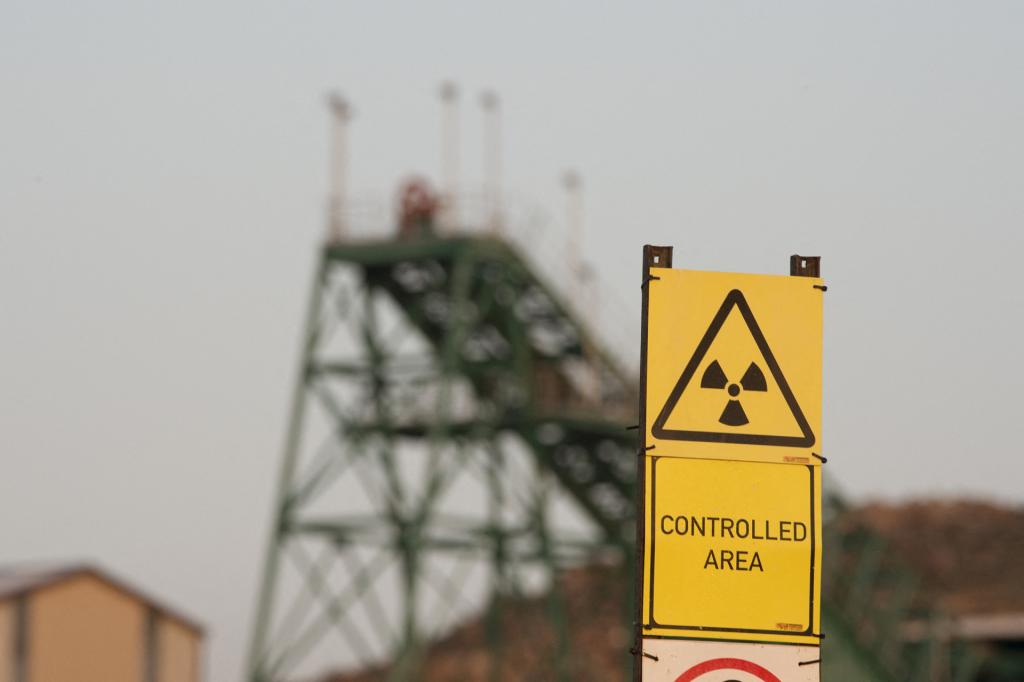
South Africa and the EU can enhance their cooperative efforts on critical minerals to promote sustainable development and economic growth. With the EU as South Africa's largest trading partner, both parties stand to benefit from increased engagement in minerals trade, supported by significant financial commitments from the EU. Despite geopolitical challenges, including diverging views on conflicts, their relationship remains strong. Initiatives like the Clean Trade and Investment Partnership and potential memorandums of understanding on critical minerals further underline the opportunities for deeper strategic interdependence in this vital sector.
Democratic Republic of the Congo, Eswatini, Ghana, Kenya, Mauritania, Mozambique, South Africa, Zambia
South Africa and the EU Should Collaborate to Build Strategic Interdependence in Critical Minerals
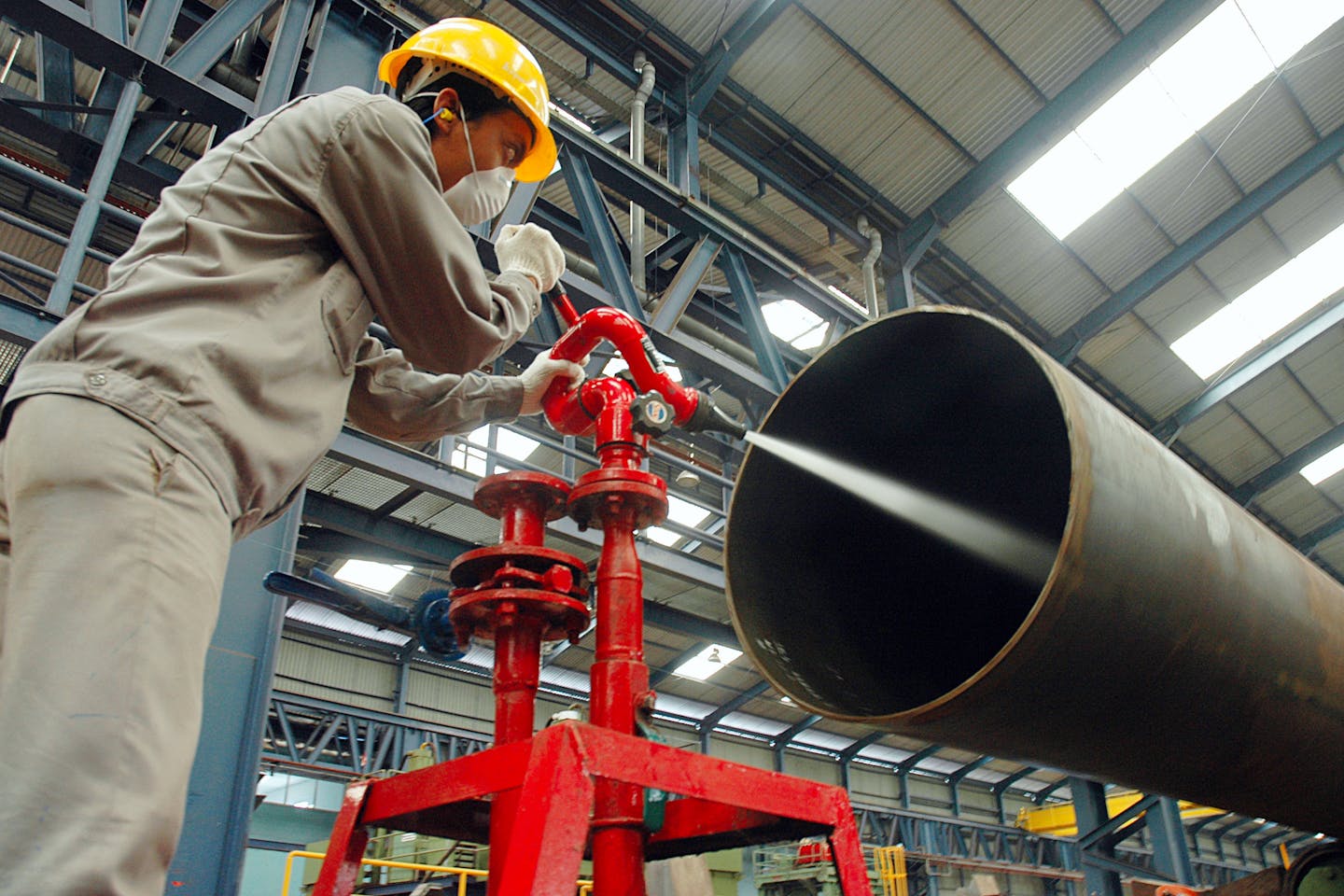
Transition credits provide a financial mechanism for poorer countries to shut down coal power plants early and pivot to clean energy. These carbon credits allow governments or companies to compensate coal plant owners by monetizing the emissions avoided through early closures. The revenue can cover costs such as contract buyouts, workforce transitions, and necessary subsidies for renewable energy infrastructure. The initiative aims to support developing markets in achieving decarbonization while ensuring stakeholders remain financially stable. Transition credits are particularly targeted at operational coal plants in developing regions that would not retire otherwise.
Q&A: Can we pay poor countries to ditch coal?
Air and water pollution are interconnected challenges that disproportionately affect vulnerable populations. A systems thinking approach, which promotes cross-sector collaboration and holistic understanding, can enhance urban resilience by addressing these issues comprehensively. With urbanization increasing, cities must embrace integrated strategies, such as green infrastructure and participatory systems mapping, to improve health outcomes and resource management. By recognizing the complexity of pollution sources, cities can innovate effective solutions that minimize unintended consequences and promote social equity in urban environments.
Financial services, Health
Bridging air and water resilience: How systems thinking can create innovative urban solutions
AI hardware development is increasingly dominated by a select few, leading to a loss of consumer agency and increased societal issues such as anxiety and loneliness. As major tech companies invest in physical AI interfaces, there is a pressing need for open hardware solutions that promote transparency and user influence. This presents a unique opportunity for a resurgence of the maker movement, which encourages learning through hands-on creation in accessible environments. This grassroots movement prioritizes collaboration and innovation, challenging the notion that technology should be exclusive or intimidating.
Why AI hardware needs to be open
Governments have agreed on a framework for a just transition addressing the needs of workers and communities affected by the shift away from fossil fuels during climate change discussions in Bonn. This draft text outlines approaches to capacity-building, financing, and technology transfer, supporting developing countries in adopting just transition pathways prior to COP30 in Belém, Brazil. Activists advocate for integrating these discussions into Brazil's Belém Action Mechanism to promote inclusive climate action. The progress on the just transition work programme is seen as a critical opportunity for civil society amidst global crises, highlighting the need for prioritizing people’s needs in climate planning.
Pre-COP talks concretise just transition framework text
AI development is currently dominated by a few large firms, leading to issues like privacy violations, environmental harm, and bias in AI applications. This concentration of power undermines transparency and democratic control. However, AI cooperatives are emerging as a viable alternative, operating on principles of democratic governance and community ownership. Examples include agricultural cooperatives applying AI for enhanced operations. To influence the future of AI, cooperatives must organize and form partnerships, leveraging their model for more accountable and equitable technology development.
5 Ways Cooperatives Can Shape the Future of AI
AI supercomputers are rapidly advancing, with their computational performance doubling every nine months. A dataset encompassing 500 supercomputers from 2019 to 2025 reveals that hardware costs and power needs each double yearly. By March 2025, xAI's Colossus led with 200,000 chips, costing $7 billion and consuming 300 MW of power. The ownership landscape is shifting, with companies increasing their share of performance while government and academic contributions decline. The U.S. holds around 75% of the global performance, followed by China at 15%. Projections suggest the leading supercomputer by 2030 could achieve 2×10^22 FLOP/s, cost $200 billion, and require 9 GW of power.
Trends in AI Supercomputers
Spain's food and beverage industry is facing significant transformations due to geopolitical uncertainties, economic and regulatory challenges. A survey of 141 industry professionals reveals key priorities: adapting to volatility (32%), expanding through diversification and alliances (25%), and attracting talent (15%), particularly in agriculture where an aging workforce poses a threat. Additionally, 14% emphasize innovation and sustainability. Companies increasingly utilize artificial intelligence (AI) for process optimization and decision-making, although many still lag in adoption. Meeting stringent regulatory targets, such as a proposed deposit-return system for plastics, adds further pressure. A mindset of constant transformation is essential for navigating these challenges.
Argentina, Chile, Denmark, France, Germany, Iceland, Israel, Kenya, Mexico, Saudi Arabia, Spain, Switzerland, United Arab Emirates, United Kingdom, Venezuela
Challenges and strategic priorities of the food and beverage industry in Spain

In 2023, the Asian Development Bank and India’s Ministry of Health established five High-Level Principles for Health Care Climate Action to enhance climate-resilient, low-carbon health systems. This document outlines nine national policy recommendations and ten operational strategies for health facilities to reduce their climate impact across various sectors, including energy, transport, and waste management. These principles have guided commitments made during the 2023 G20 summit, emphasizing the need for an enabling policy environment for effective health care climate action in Asia and the Pacific.
Health
Climate-Resilient Health Development: High-Level Health Care Climate Action Principle 1
The Asian Development Bank, in collaboration with India's Ministry of Health, developed five High-Level Principles for Health Care Climate Action in 2023. This paper presents the second principle, proposing nine national policy recommendations and ten operational strategies for health facilities to foster low-carbon, climate-resilient health systems. The recommendations cover various sectors, including energy, transport, and waste management, aimed at reducing the climate footprint of health care systems across Asia and the Pacific. Considerations on equity, finance, and involvement of the private sector and civil society are also addressed.
Health
Sustainable and Low-Carbon Health Systems: Health Care Climate Action High-Level Principle #2

The 2025 G7 Summit, hosted in Alberta, Canada, occurred during a period of significant geopolitical tension, marked by Donald Trump's return to the presidency. Under Prime Minister Mark Carney's leadership, Canada sought to reshape multilateralism and address ideological divides among G7 leaders. The summit prioritized energy transition, with Canada highlighting advancements in clean energy and a trilateral pledge from Japan, the EU, and Canada on rare earths supply. Carney proposed the AI Transparency Compact, gaining support from five nations, but faced U.S. rejection. Trump's confrontational agenda led to a fragmented G6 summit, raising concerns over military aid to Ukraine and AI regulation.
Canada
Alberta at the Helm: The 2025 G7 Summit and the New Contours of Global Power
A divergence in AI development narratives is emerging, with the Global North focusing on artificial general intelligence (AGI) ambitions, while the Global South emphasizes applied AI (AAI) for immediate, practical solutions. AAI seeks to address real-world problems using existing technology and limited resources, prioritizing functionality over theoretical concepts. This approach includes applications like offline crop disease detection and multilingual chatbots, which cater specifically to regional needs and facilitate local innovation and accessibility.
AGI vs. AAI: Grassroots Ingenuity and Frugal Innovation Will Shape the Future
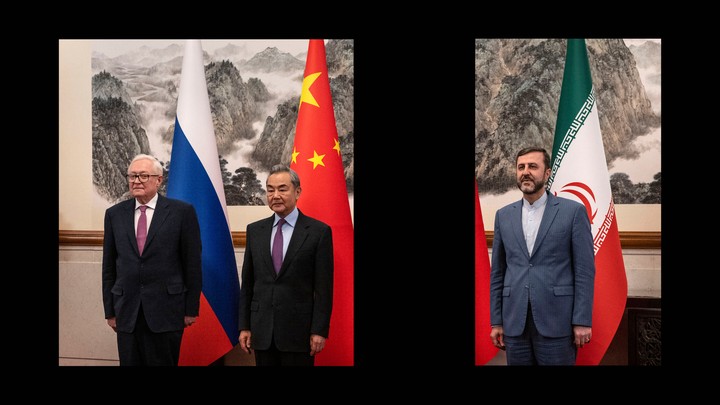
The recent military confrontations involving Iran, Israel, and the U.S. have exposed cracks in the Iran-China-Russia alliance. Despite a history of collaboration fueled by anti-American sentiment, China's response to Israel's actions has been cautious, prioritizing diplomacy over a defensive stance for Iran. China's leadership refrained from strong condemnation and emphasized global economic stability, indicating that its economic interests with the West outweigh its commitments to Iran. Similar reticence has been observed from Russia, revealing divergent strategic aims among the three nations and questioning the solidity of their partnership.
The Iran-China-Russia Axis Crumbles When It Matters
Discovery has evolved from ancient knowledge systems across various civilizations, long before formal science existed. Early humans utilized systematic observation and abstraction in practices like agriculture, astronomy, and medicine, intertwining discovery with ritual and survival. While intelligence encompasses broader adaptations, discovery signifies pivotal moments of framing new insights. Today, advancements in AI challenge traditional notions of discovery, as machines analyze data and generate insights without human awareness. This raises questions about the nature of scientific discovery itself and what constitutes a genuine scientific breakthrough.
Education
What Counts as Discovery?