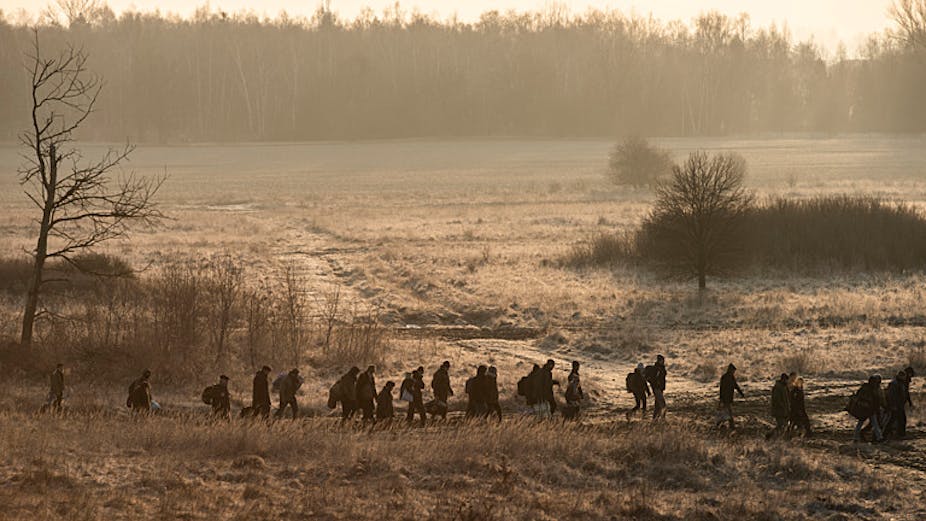
Generative artificial intelligence is increasingly impacting democracy by spreading disinformation and manipulating electoral outcomes. A.I. tools have produced fake media of candidates, enhancing social divisions and fueling extremist sentiments, particularly in right-wing politics across Europe. In Romania, A.I. interference led to a new presidential election after a manipulated result. Experts warn that as A.I. evolves, it threatens electoral integrity and democratic consensus. In 2024, A.I. was involved in over 80 percent of elections globally, highlighting its growing influence on political processes.
A.I. Is Starting to Wear Down Democracy
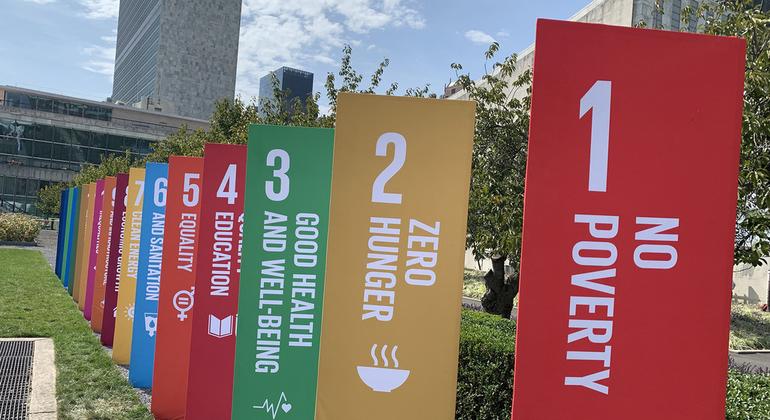
Funding cuts to international development overshadow the UN-led conference on challenges faced by the Global South. Spanish Secretary of State for International Cooperation, Eva Granados, emphasizes the enduring importance of global solidarity and development financing, despite a trend of reduced aid from wealthy nations. Spain has increased its development aid by 12%. Granados argues for the moral and political duty of nations to support each other, especially in facing global issues like climate change. She advocates for collaborative international efforts to bridge the €4 trillion funding gap for development and aims for actionable agreements at the upcoming conference in Seville.
Health
‘Global solidarity benefits us all’: Spain makes the case for development funding
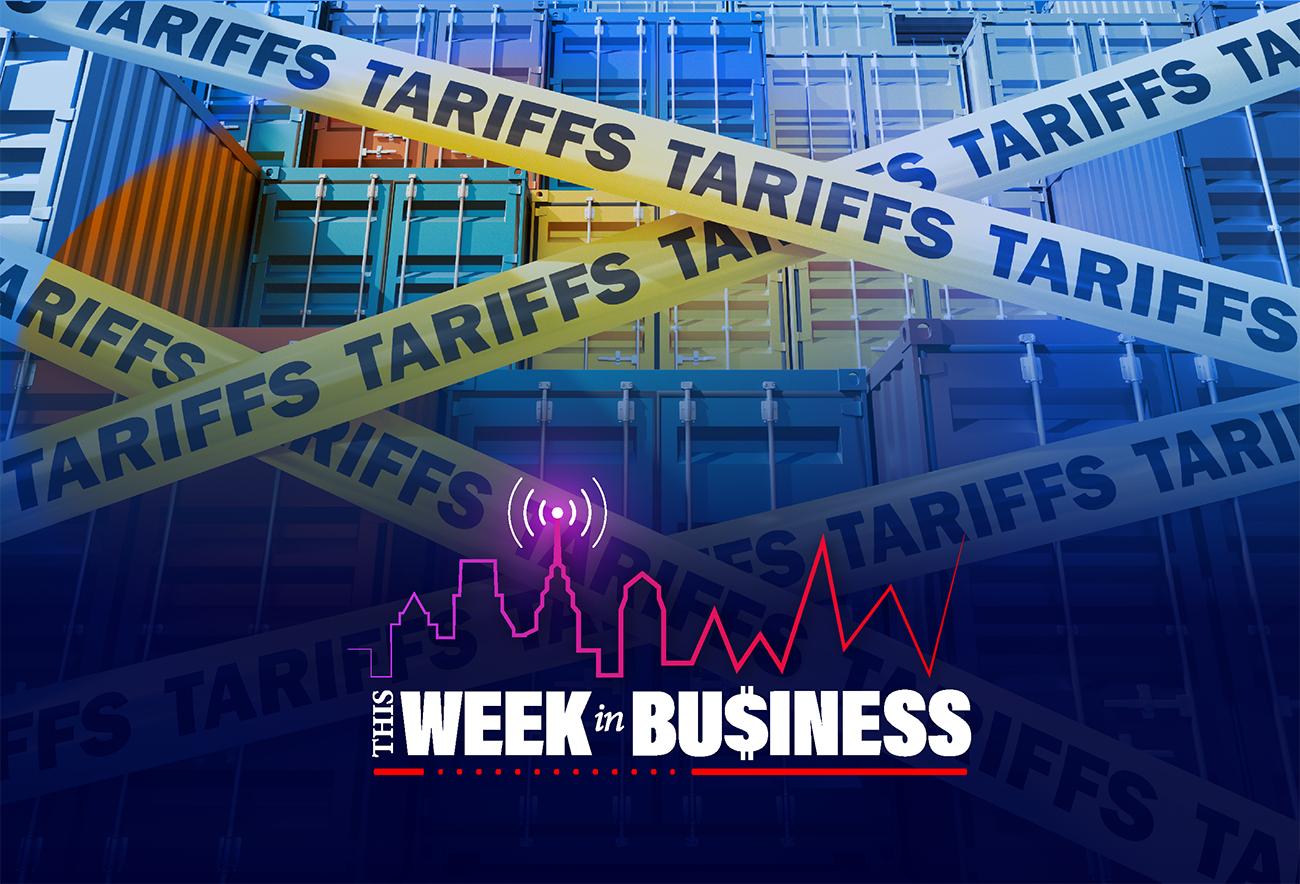
Markets are reacting to global instability and the potential for renewed tariffs. Jeremy Siegel, a finance expert, emphasizes the Federal Reserve's position on interest rates and suggests that artificial intelligence may provide a buffer against economic challenges.
Financial services
Markets Brace for Tariffs and Look to AI for Relief
AI chatbots, like ChatGPT, rely on human feedback for safe and helpful responses, clarifying their outputs through a process called alignment. They learn through tokens rather than words, which can sometimes lead to unexpected interpretations. These chatbots have a knowledge cutoff and may struggle with recent events, requiring web searches for up-to-date information. They can "hallucinate," generating false information due to reliance on patterns and inadequate real-world understanding. Despite advancements in fact-checking tools, errors can still occur in their responses.
Five surprising facts about AI chatbots that can help you make better use of them
Industrial policy is pivotal in addressing the EU's polycrisis of climate change, social inequality, energy insecurity, and geopolitical instability. Current EU frameworks, however, contradict their own aims, failing to strengthen essential public services while seeking resilience and sustainability. The industrial policy lacks clear definitions of critical sectors, impacting foundational sectors that support low-income households. To foster real resilience, the EU must prioritize public control over essential services, focus on reducing resource demand, and invest in sustainable transport and retrofitting. Ultimately, demand reduction should be central to achieving energy independence and enhancing security in Europe.
Denmark, India, Jordan, Poland, Switzerland, United Kingdom | Financial services, Health, ICT, Education
Climate, conflict and energy security – our research shows how the EU’s industrial policy must change to face this polycrisis
The UK government has unveiled a ten-year industrial strategy aimed at enhancing productivity and innovation across eight core sectors, emphasizing clean energy, particularly nuclear, as a cornerstone for a low-carbon future. The strategy allocates significant funding, including £14.2 billion for the Sizewell C nuclear power project, but faces challenges like regional disparities, skills shortages, and dependence on nuclear over renewables. The creative industries sector will benefit from increased R&D investment and support for regional economies, while advanced manufacturing will receive £4.3 billion to boost production in key industries, despite ongoing import dependencies and energy costs.
India, Republic of Korea, Spain, United Arab Emirates, United Kingdom | Financial services, ICT, Education
The UK has published a ten-year industrial strategy to boost key sectors of the economy – here’s what the experts think

The global economy faces unprecedented uncertainty due to geopolitical tensions, technological changes, and climate vulnerabilities. The World Economic Forum, in collaboration with Accenture, highlights strategies for maintaining competitiveness in its white paper, "Global Economic Futures: Competitiveness in 2030." Decision-makers emphasize that geopolitical risk, particularly in banking, and technological innovation, especially in finance, are transformative forces. The energy sector is adjusting to new supply dynamics post-Ukraine war, with increased focus on resource security and renewables. Companies are urged to embed risk assessments into strategies and enhance resilience to navigate these challenges effectively.
Algeria, Angola, Bahrain, Belgium, Bolivia, Bosnia and Herzegovina, Botswana, Brazil, Bulgaria, Chad, Chile, Costa Rica, Croatia, Cyprus, Denmark, Ecuador, Egypt, Estonia, Finland, Germany, Greece, Guinea, Hungary, Iceland, Ireland, Israel, Jordan, Kazakhstan, Kenya, Kuwait, Kyrgyz Republic, Latvia, Luxembourg, Malaysia, Mali, Mongolia, Netherlands, New Zealand, Norway, Peru, Philippines, Poland, Portugal, Qatar, Republic of Korea, Romania, Russian Federation, Saudi Arabia, Slovenia, South Africa, Spain, Sweden, Switzerland, Ukraine, United Arab Emirates, United Kingdom, Venezuela | Financial services, Health, ICT, Education
The future of global competitiveness: 4 decision-makers reveal their strategies for surviving uncertainty

Japan is innovating its economy by enhancing local supply chains through the use of native crops like bamboo and tea, fostering regional resilience. Initiatives are merging traditional materials with modern technology to revitalize farming and reduce environmental impact. The matcha tea market is growing, prompting partnerships to improve production sustainability, while bamboo is being explored for its potential as a lightweight alternative in advanced materials. These efforts not only aim to support local economies but also address labor shortages and enhance ecological stability.
Japan | Financial services
How Japan is innovating with native crops to build a resilient future
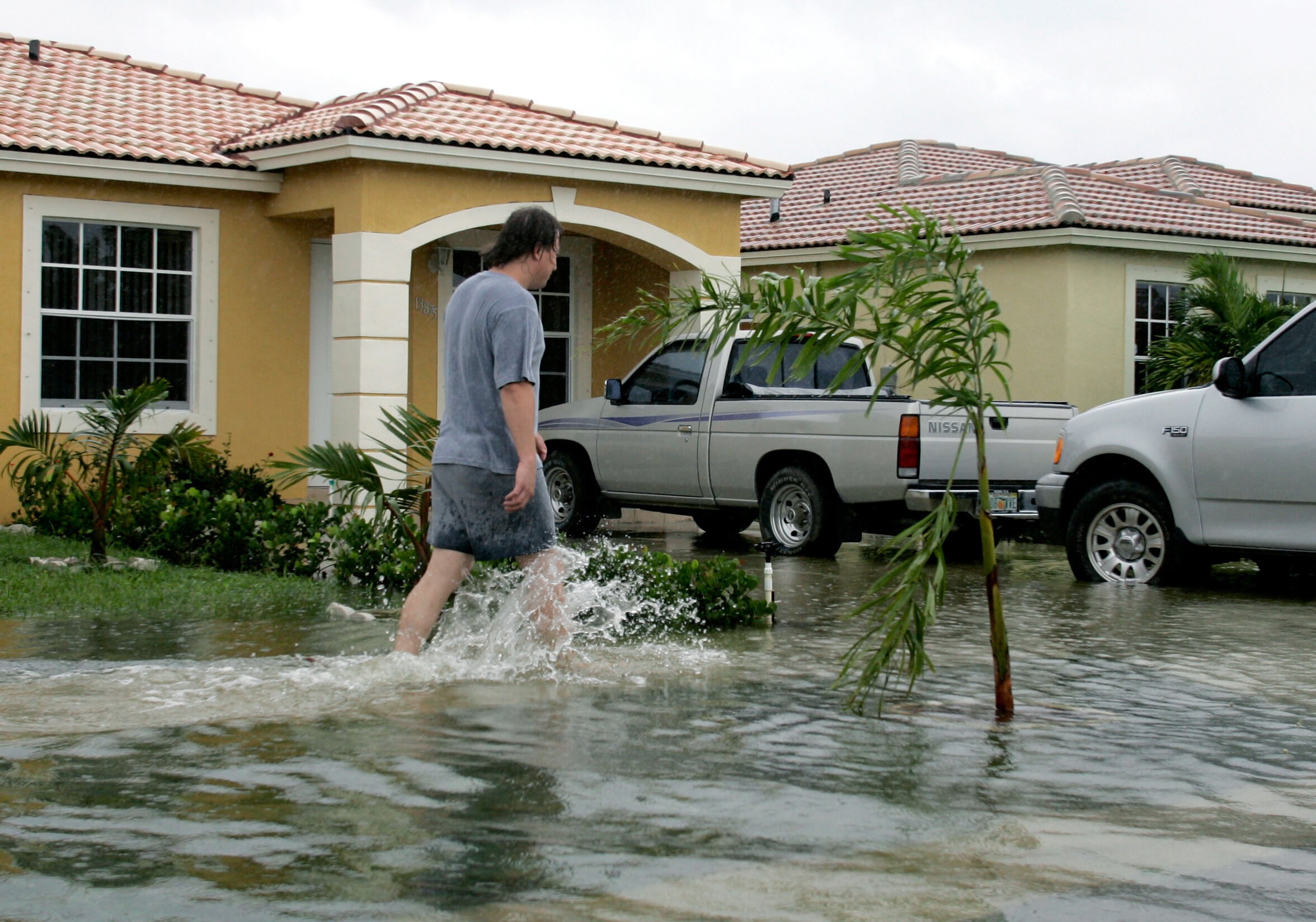
Green and blue infrastructure, including urban parks, wetlands, and water plazas, is essential for improving city resilience to climate change, as traditional grey infrastructure (like sea walls and flood pumps) faces increasing limitations. Cities are experiencing intensified weather-related disasters due to climate change, highlighting the need for adaptive, nature-based solutions. Examples such as New Orleans and Jakarta demonstrate the failures of over-reliance on grey infrastructure. In contrast, nature-based solutions, like the Big U Project in Manhattan, not only mitigate disasters but also enhance social cohesion and community health, making them crucial for sustainable urban recovery.
Why we must leverage green and blue infrastructure to make cities more resilient to climate change

Tensions between India and Pakistan have persisted since their independence in 1947, evolving through cultural, political, and military confrontations. The conflict intensified in 1998 following Pakistan's nuclear test, which, along with India's earlier capability, transformed the regional struggle into a global nuclear concern. Pakistan has effectively utilized its nuclear arsenal for both deterrence and as a "soft power" strategy to enhance its international standing and unify the Muslim community around the "Islamic bomb." This paper analyzes the historical patterns of escalation and de-escalation in this conflict, emphasizing the multifaceted roles of nuclear capabilities in statecraft and the dynamics of nuclear adversaries.
The Indo-Pakistani Conflict in Light of the “Islamic Bomb”
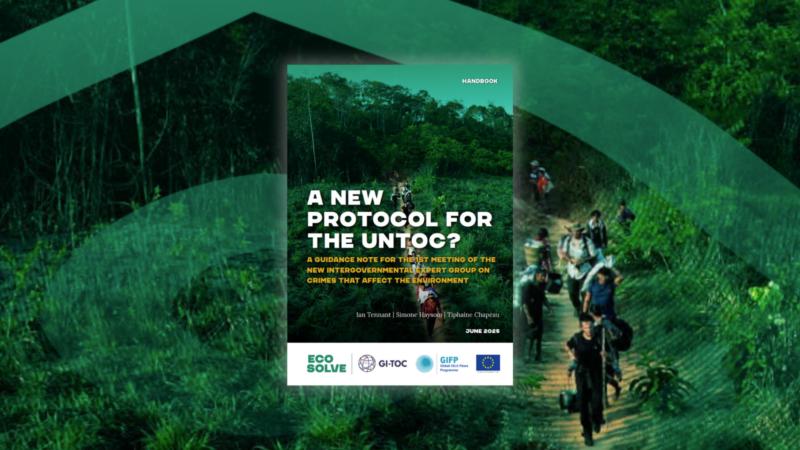
Brazil, France, and Peru proposed a resolution at the 12th session of the UN Convention against Transnational Organized Crime (UNTOC) in October 2024 to initiate an intergovernmental process examining how the convention addresses environmental crimes. The resolution aims to identify gaps in the current legal framework and discuss the development of an additional protocol. The newly established intergovernmental expert group (IEG) will meet in Vienna from June 30 to July 2, 2025, to focus on these issues and report at the 13th UNTOC COP in October 2026. This process reflects an ongoing effort to strengthen international cooperation against evolving environmental criminal activities.
A new Protocol for the UNTOC?
Danish TV drama "Families Like Ours" depicts a future Denmark faced with evacuation due to rising sea levels, highlighting the emotional and bureaucratic struggles of climate displacement. While it challenges the notion that wealthy nations are immune to climate change, it inaccurately suggests imminent uninhabitability, ignoring scientific projections that predict gradual sea level rises over decades. Climate-driven migration often remains within regions rather than resulting in mass exodus. The narrative risks oversimplifying complex issues and focusing on extreme scenarios, while state-led adaptation strategies can mitigate the impacts of sea level rise.
What Danish climate migration drama, Families Like Ours, gets wrong about rising sea levels

As foreign aid declines, national development banks are recognized as crucial in mobilizing domestic resources and fostering inclusive growth. Empowering these institutions has become a top global priority, particularly as the commitment to official development assistance (ODA) diminishes due to shifting domestic priorities and political polarization in wealthy nations.
Latin America | Financial services, Health
The Key to Unlocking Development Finance

Financial institutions can enhance risk management and identify opportunities by designing portfolios with a focus on nature, which underlies over half of global GDP. With 65% of China's GDP exposed to nature loss, urgent action is needed to meet international targets, such as those set by the Paris Agreement. Major sectors, including energy and agriculture, impact nature and must be coordinated to achieve sustainability goals. Challenges like inadequate data, pricing methods, and business models hinder progress. A systemic approach is crucial to integrate nature into financial strategies, ensuring a comprehensive response to environmental issues.
Switzerland, United Kingdom | Health, Financial services
Why financial institutions should design sustainable portfolios with a nature lens
The International Monetary Fund (IMF) and the World Bank play critical roles in the global financial system, promoting stability and reducing poverty. However, both face criticism for failing to address the needs of vulnerable members, particularly in Africa, where the current quota and voting share systems disproportionately favor high-income countries. This leads to a cycle of dependency for African nations, which struggle for equitable resource access and representation. A report from the African Center for Economic Transformation proposes reforms to improve governance and increase parity for developing countries within these institutions.
South Africa | Financial services
Reforming the IMF Quota System and World Bank Voting Shares

AI is increasingly integrated into business operations, with nearly 80% of companies utilizing AI in some capacity. Effective management now requires optimizing both human and AI worker collaboration. Industry leaders emphasize the need for continuous adaptation of skills due to AI's rapid evolution. Women must be more involved in AI development and data usage. The focus is shifting towards practical applications of AI, particularly in software development, with significant productivity gains reported. Companies are exploring AI's role in knowledge retention amid workforce changes, particularly in aging populations.
ICT, Education
AI and business: Agents, AI+, data, ethics and more – here's what leaders need to know
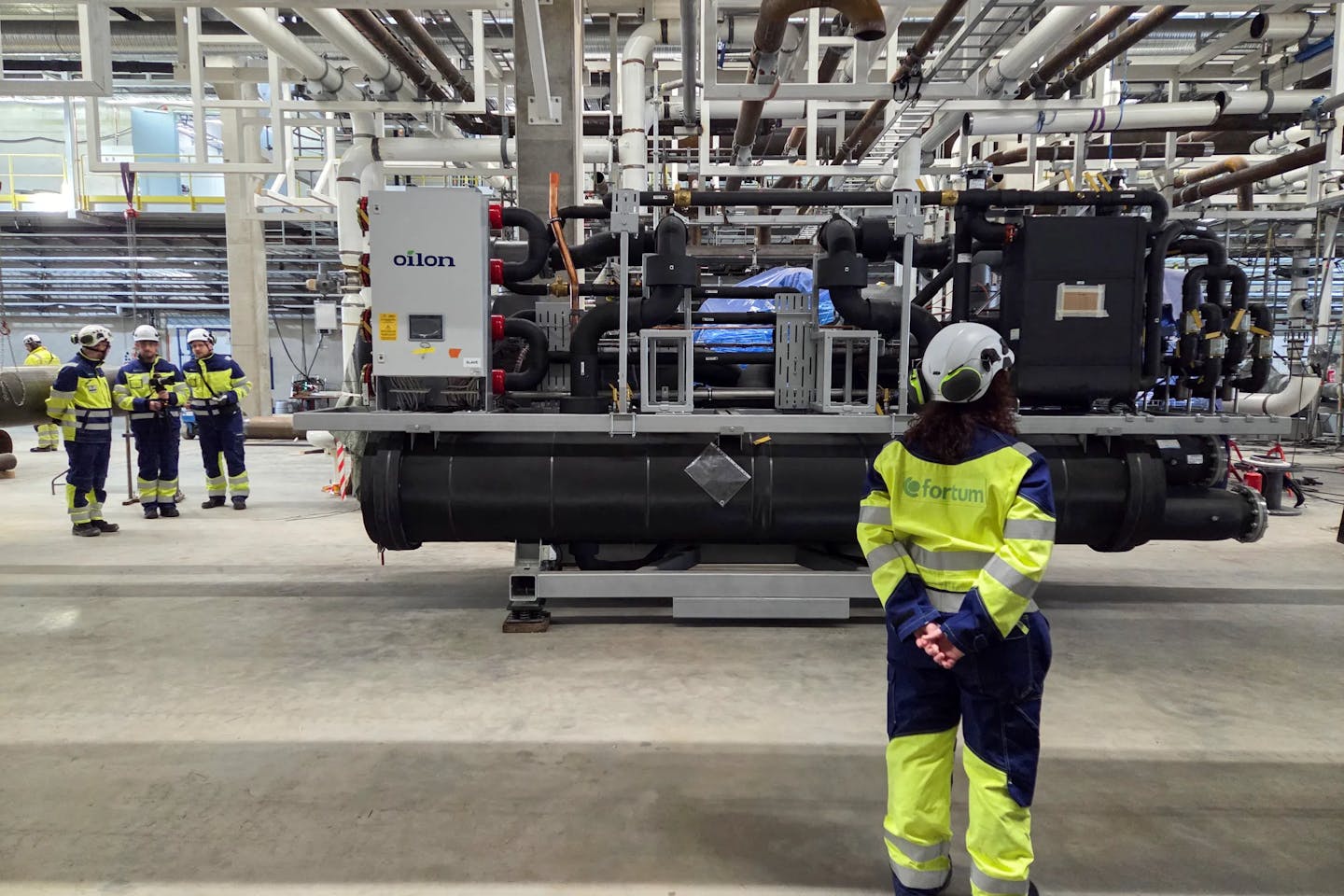
Big Tech's rising energy demands threaten their climate commitments, as highlighted by a NewClimate Institute report. The transition to AI and cloud services has drastically increased electricity and water usage, with companies like Microsoft witnessing a threefold rise in electricity demand since 2020. Despite pledges for net-zero emissions by 2030, the growing reliance on data centers risks undermining these goals, which may only cover a fraction of total emissions. Companies such as Meta and Amazon are criticized for incomplete sustainability plans and vague accounting practices that obscure actual emissions growth.
AI data-centre boom could destroy Big Tech's net-zero plans

Rocks in Hudson Bay, Canada represent the only known remnants of Earth's earliest crust, dating back to the planet's formative eon. Additionally, 'solar-powered' sea slugs, specifically Elysia crispata, can steal chloroplasts from algae, storing them for energy use during food shortages, enabling survival for up to four months without additional food sources. The use of artificial intelligence in research also highlights its role in enhancing surveillance capabilities.
Daily briefing: The oldest rocks on Earth
Small island developing states in the Pacific face high energy costs and a reliance on fossil fuel imports, making them vulnerable to climate impacts despite low global emissions. A transition to renewable energy is essential for affordable and reliable energy access. These islands spend over $1 billion annually on imported fossil fuels, which affects their economies significantly. Challenges to this transition include inadequate infrastructure, regulatory constraints, and financial limitations. Key strategies for growth include enhancing local capacity, strengthening regulatory frameworks, building resilient energy infrastructures, and leveraging indigenous knowledge for sustainable solutions.
Renewables and Resilience: How Small Island States Can Secure an Affordable Energy Future

Social media significantly influences public discourse and development policy, yet it remains largely overlooked in the international development community. Platforms shape opinions, impacting sectors like health and education, where misinformation can undermine initiatives. The opacity of algorithms can lead to polarization, affecting political outcomes and public narratives around issues such as migration and aid. The lack of comprehensive evidence on social media's effects complicates understanding its role in development, particularly as AI technologies become more prevalent. Policymakers must recognize the importance of these platforms in fostering resilient and inclusive systems.
Kenya, Republic of Korea, South Africa, United Arab Emirates | Financial services, Health, ICT, Education
Reclaiming the Feed: Why Social Media Is a Development Issue