AI's heavy energy consumption and growing carbon footprint pose significant environmental challenges, particularly in countries with low AI investment per capita. While AI can contribute to a greener future, only the US and Singapore have reached the spending thresholds necessary for this transition. Most countries remain on the negative side of the AI-emissions curve, with rising energy demands tied to fossil fuel reliance and insufficient renewable energy integration. Urgent action is needed to enhance investments in AI and clean energy to accelerate the green transition and mitigate environmental impacts.
Green AI: Most countries are still on the wrong side of the curve
Artificial intelligence is transforming key sectors like healthcare, energy, and finance through the World Economic Forum's MINDS programme, which showcases impactful AI applications. The first cohort demonstrates real solutions such as a hybrid AI platform in industrial manufacturing that halved quality variation and improved production speed, a multimodal healthcare AI system achieving over 90% diagnostic accuracy for millions, and an AI marketplace enhancing factory efficiency by improving machine utilization and reducing waste. These innovations exemplify purposeful AI deployment to tackle complex global challenges.
What’s working in AI? Real-world transformations from the first MINDS cohort

South Korea leads the global high-bandwidth memory (HBM) market, essential for AI chip development, with SK Hynix and Samsung Electronics dominating the sector. The growth of HBM is critical as data centers expand. However, concerns about technology transfers to China, energy sustainability, and financial uncertainties affect the industry. During Donald Trump's Gulf visit, U.S.-UAE cooperation on AI, particularly through the Stargate Project, highlighted regional ambitions to diversify economies beyond oil and gas and build local semiconductor capabilities.
Republic of Korea, Saudi Arabia, United Arab Emirates | ICT
Three Questions to June Park: South Korea, the United States, and the Gulf-Semiconductors in the Development of AI
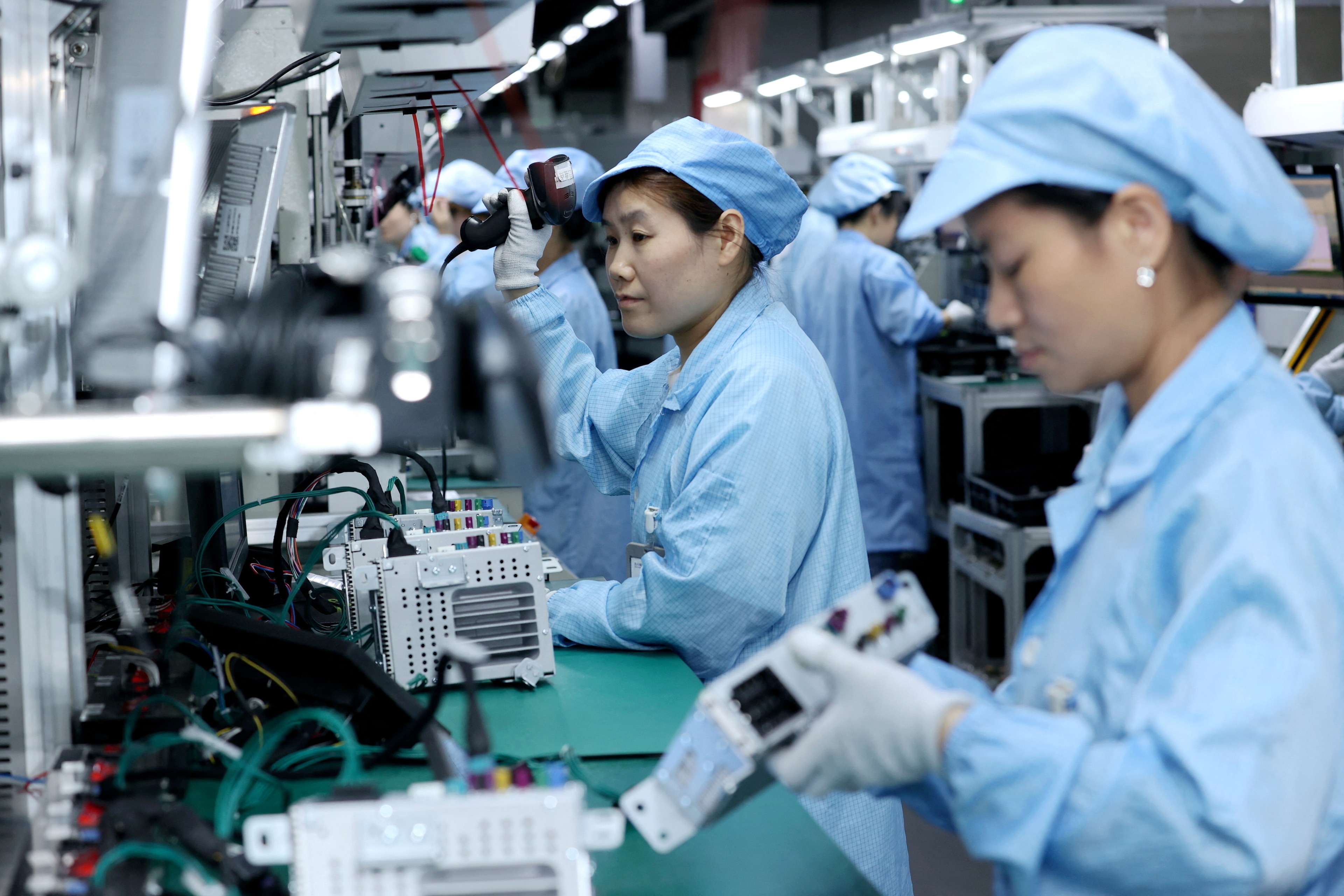
Made in China 2.0 represents a new phase of China's industrial evolution, focusing on AI-enhanced, green energy-driven, and self-reliant manufacturing. Building on the original "Made in China 2025" strategy, this transformation aims to redefine global manufacturing standards amid shifting geopolitical landscapes and supply chain disruptions. Despite substantial achievements in sectors like electric vehicles and solar technology, challenges remain in areas such as advanced semiconductors and biopharmaceuticals. The ongoing strategy reflects a shift towards innovation ecosystems that may offer an alternative to traditional liberal market models.
Ethiopia, India, Malaysia | Financial services, ICT, Education
Made in China 2.0: The future of global manufacturing?
Asia is at the forefront of the global gig economy, which accounts for about 12% of the labor market and is rapidly expanding, particularly in China, India, and Indonesia. While gig work offers flexibility and income, it also poses challenges such as economic insecurity, algorithmic control, and gender disparities. Collaborative actions from platforms, governments, and worker organizations are essential to empower gig workers, ensuring fair pay, safety, and upskilling opportunities. By fostering a human-centric gig economy, Asia can lead in shaping sustainable, inclusive work models for its diverse workforce.
ASEAN | Education
How Asia’s booming gig economy is reshaping the future of work

The 'Summer Davos' 2025 focused on five significant shifts in entrepreneurship amidst contemporary challenges. Key insights included the notion that geo-strategic competition fosters rather than hinders innovation, highlighting crisis-driven breakthroughs. AI was identified as a co-creator in business, transforming traditional metrics and enabling one-person billion-dollar ventures through advanced sensory data applications. The evolving relationship between humans and machines redefines leadership, emphasizing effective management of digital workers. Overall, the discussions underscored a new entrepreneurial epoch driven by innovation and collaboration.
Education
5 shifts in a new era for entrepreneurs: Reflections from 'Summer Davos' 2025

Safer gaming is essential for children's digital safety, with nearly 80% of kids aged 5 to 18 engaging in video games. The World Economic Forum’s report highlights two key initiatives: Microsoft’s Xbox Gaming Safety Toolkit, which empowers parents with tailored guidance, and k-ID’s platform that provides age-appropriate experiences in games. These tools aim to enhance user safety and trust by addressing risks like grooming and bullying proactively. Both interventions advocate for collaborative approaches to design and implementation, stressing the importance of empowering both parents and game developers to foster a safer online environment.
Education, ICT
Safer gaming is a cornerstone of the digital safety movement. Here's how to achieve it

Comorian agriculture is vital for economic stability and social cohesion, contributing approximately 34.5% to GDP and employing over 70% of the workforce. Despite its significance, challenges such as outdated practices, poor infrastructure, and climate change limit agricultural output, requiring high food imports. Comoros produces only 40-45% of its food needs, resulting in dependency on imports. High-value crops like ylang-ylang, vanilla, and cloves drive export revenue. Investments in mechanization and infrastructure could enhance productivity and food security, vital for addressing poverty and uplifting the economy as part of the Plan Comores Emergent initiative.
Burkina Faso, Ethiopia, Kenya, Malawi, Mauritania, Mauritius, Morocco, Mozambique, Rwanda, South Africa, Tanzania
Comorian agriculture: key driver of inclusive growth or a persistent challenge?
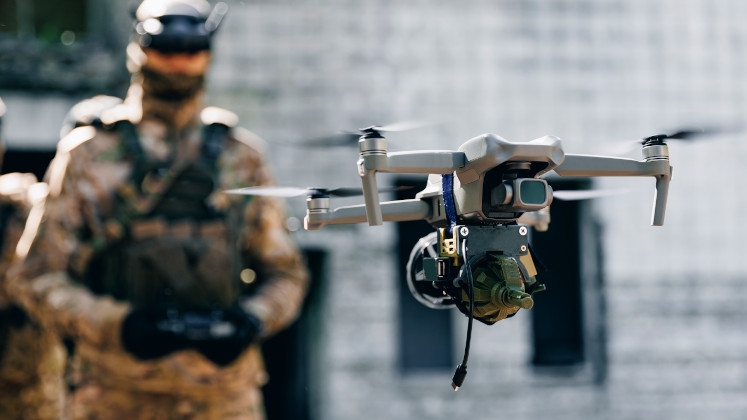
Drones have been crucial in Ukraine's defense during the Russia-Ukraine war, showcasing an innovative drone warfare ecosystem. The report emphasizes that success relies not just on drone technology but also on a supportive network of diverse actors, including military, civilian experts, and industry. Key factors for NATO allies to consider are the speed, scale, and urgency of Ukraine’s decentralized approach, which fosters rapid iteration and community involvement. With over 200 drone types developed, Ukraine is streamlining the most effective systems for increased production and support to allies, urging others to adapt swiftly to these lessons.
Ukraine, United Kingdom | Education
Europe has much to learn from Ukraine’s drone warfare ecosystem
On June 26, 2025, the CHIPDIPLO consortium held a closed-door dialogue in Eindhoven, focusing on the strategic direction for the European semiconductor industry, addressing the concepts of "Strategic Autonomy" versus "Strategic Indispensability." The event gathered around fifty industry leaders and experts to evaluate EU policies and their implications amid global shifts. Key discussions highlighted Europe's strengths, vulnerabilities, and dependencies in semiconductor supply chains. Participants aimed to outline actionable public policy recommendations to navigate the evolving international environment and enhance the EU's semiconductor strategy. The initiative seeks to foster coordinated policies among EU members and improve risk management in the sector.
CHIPDIPLO Eindhoven Dialogue: Strategic Autonomy or Strategic Indispensability?
The study analyzes the influence of 16 key parameters of the Georgian economy on economic inequality, utilizing the Perelman model and Ricci flow methods. It focuses on how socio-economic challenges and technological advancements affect the Gini coefficient. Key findings reveal that technological innovations and social protection programs positively reduce inequality. Enhancing productivity, education quality, and R&D investments fosters inclusive development. Additionally, social mobility and infrastructure significantly impact economic stability. The research provides strategic recommendations for promoting technological progress and expanding social protection to achieve sustainable economic growth and reduced inequality.
Georgia
The Impact of Socio-Economic Challenges and Technological Progress on Economic Inequality: An Estimation with the Perelman Model and Ricci Flow Methods

All ten ASEAN countries are projected to fall short of global health goals related to infectious diseases by 2030. While some may eradicate malaria, challenges persist for HIV/AIDs, tuberculosis, and hepatitis B, with rising HIV cases. Singapore is the only nation on track for non-communicable disease targets. Socio-economic inequities, healthcare access, and climate change vulnerability hinder progress. Recommendations include targeted investments in primary care and sharing successful strategies among nations. Political accountability by maintaining the 2030 deadline is emphasized, rather than extending timelines.
ASEAN | Education, Health
Southeast Asia set to miss SDGs to end diseases by 2030
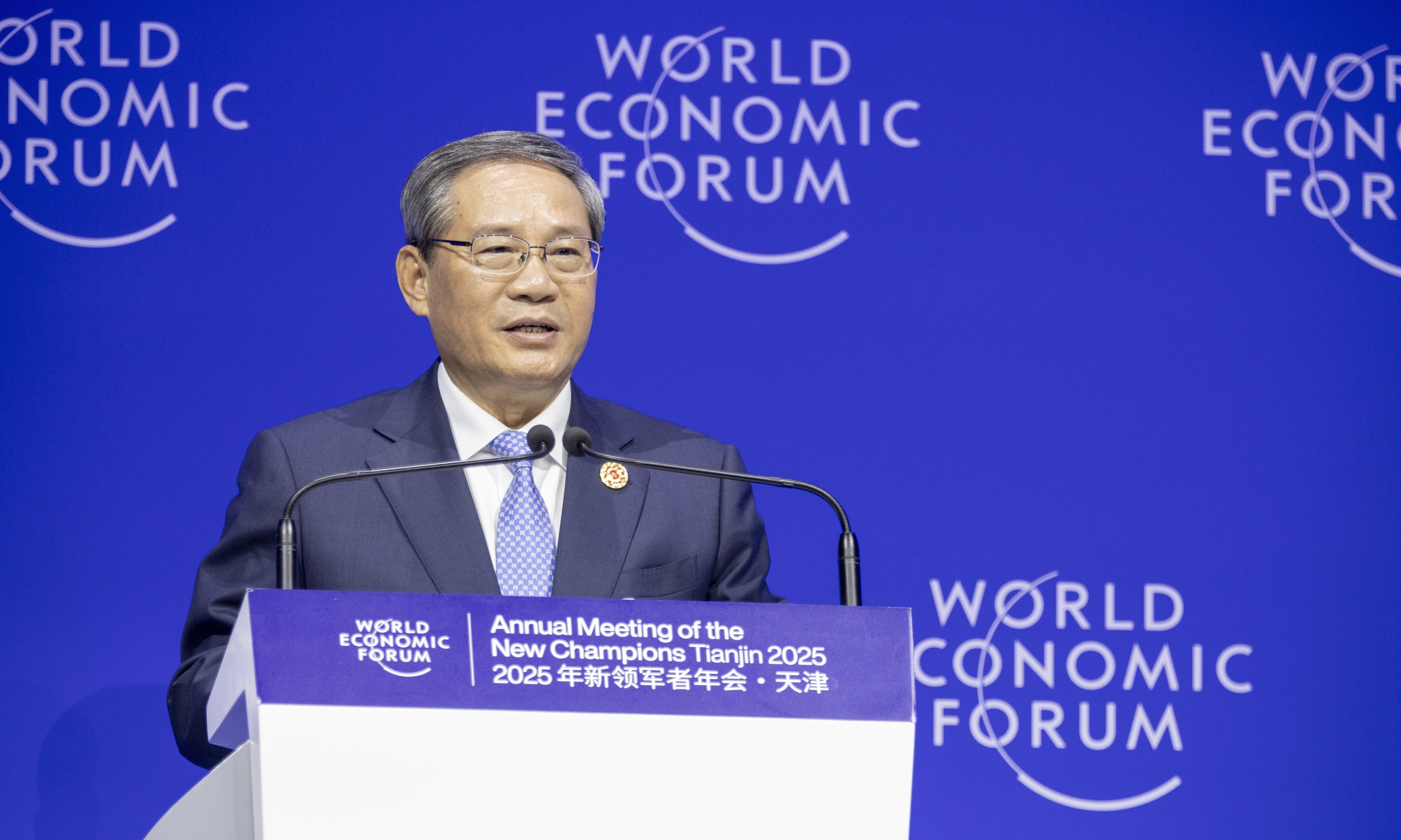
Chinese Premier Li Qiang addressed the Annual Meeting of the New Champions 2025 in Tianjin, emphasizing the crucial role of entrepreneurship in the global economy. He acknowledged the profound changes affecting international trade and the rise of the Global South as a major market. Premier Li highlighted the contrasts between slowing traditional sectors and the growth of digital and green trade. He pointed out the challenges facing global trade mechanisms and the increasing reliance on regional collaborations amid rising protectionism. Additionally, he noted declining cross-border investment and the fragmentation risks in industrial supply chains.
Argentina, Ethiopia, India, Malaysia, Peru, Republic of Korea, Taiwan, China, Tanzania, United Arab Emirates, United Kingdom | Financial services, ICT, Health
Address by China Premier Li Qiang to the Annual Meeting of New Champions 2025
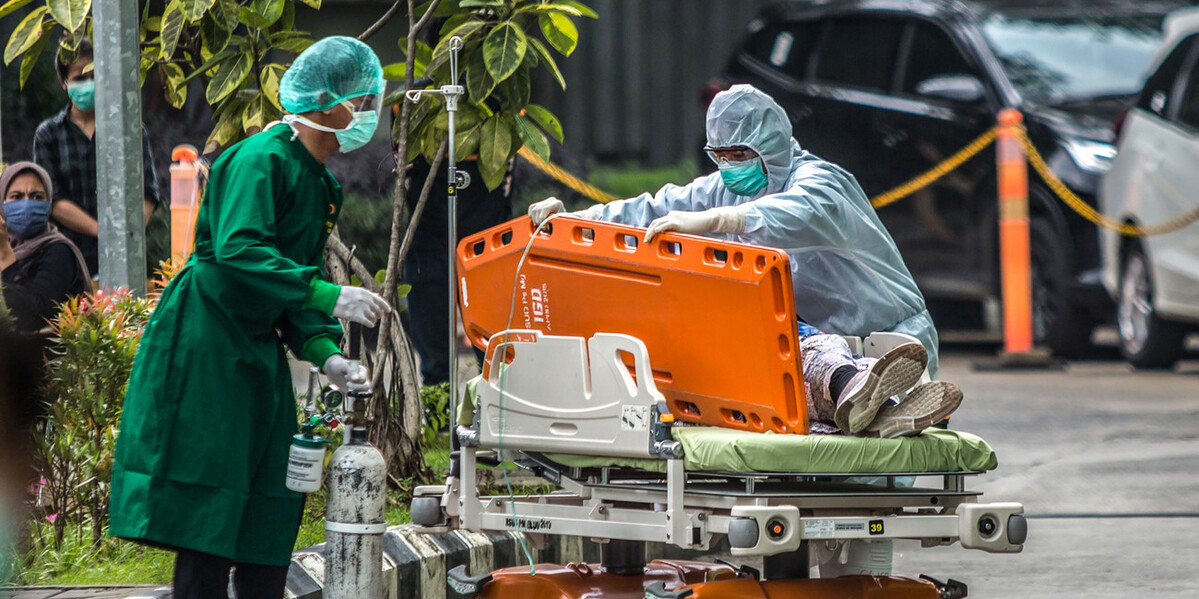
Asia and the Pacific have seen an 11% reduction in road traffic fatalities since 2010, but disparities in post-crash care persist, especially in low- and middle-income countries. In 2021, over 694,000 people died in road crashes, highlighting a public health crisis. Effective post-crash care systems can reduce mortality by 15-20% and improve recovery, yet many regions lack coordinated trauma response. Recommendations include enhancing emergency communication, transport, triage, and training. A multisectoral approach is vital for developing comprehensive post-crash care, ultimately improving health outcomes and economic resilience.
Health
Bridging Transport and Health: Why Post-Crash Care is Critical for Road Safety Progress in Asia

Central banks in Asia and Pacific economies have increasingly aligned their policies with sustainable macroeconomic development, particularly in the wake of financial and policy shocks. Financial inclusion is critical for achieving Sustainable Development Goals (SDGs), but this study reveals that factors beyond financial inclusion also influence SDG outcomes. An analysis of 1,815 documents using topic modeling and fixed-effect panel regression over 31 years indicates that central banks' policy orientations have strengthened due to significant policy interventions. The findings reflect a collective intent among central banks to support national objectives related to sustainable development.
Health, Financial services
Financial and Policy Shocks: An Application of Topic Modeling on Central Banks’ SDG-Driven Policy Predilection for Asia and Pacific Economies

Authoritarian states are increasingly utilizing non-state cyber capabilities to broaden their operational reach, blurring the lines between state and non-state activities. This trend complicates attribution and hinders international cooperative responses. While Western focus on cyber threats has historically emphasized certain state actors, such as China, Iran, Russia, and North Korea, non-state operations constitute a significant portion of cyber incidents. Effective countermeasures require enhanced information sharing, trusted partnerships, and tools that operate independently of political attribution, necessitating a comprehensive assessment of threats posed by both state and non-state actors.
Republic of Korea | Financial services
Hand and Glove: How Authoritarian Cyber Operations Leverage Non-state Capabilities

Barnes & Noble survived Amazon's disruption of the bookselling market by effectively framing the threat as an opportunity. While both Borders and Barnes & Noble initially viewed Amazon as a significant challenge, only Barnes & Noble integrated online sales with its physical stores, enhancing customer experience. Key to this success was its CEO's consistent communication style, characterized by intensity, concreteness, future orientation, and inclusiveness, which mobilized action and aligned the organization. In contrast, Borders' ambiguous and detached approach to e-commerce led to its bankruptcy. This approach to opportunity framing holds lessons applicable to various industries facing disruptive changes.
How did Barnes & Noble survive the threat of Amazon? It was all about opportunity framing
Data is essential for informing decisions and addressing global challenges, serving as a crucial element in the digital economy and impacting various sectors. It carries both economic value and sensitive personal information, demanding careful protection. This paper argues for the establishment of an international data governance framework, identifies barriers to its creation, and outlines the costs of inaction. It emphasizes the United Nations' unique role in hosting such a framework and leverages historical lessons to highlight the potential for global solutions.
United Kingdom | Education, Financial services, Health, ICT
Further Reflections on the Journey Towards an International Framework for Data Governance

AI is transforming the workplace, potentially increasing inequalities. A study analyzed over 300 articles to highlight how AI systems can perpetuate existing biases through design choices and implementation. Researchers identified four forms of workplace inequality: encoded, evaluative, wage, and relational. These inequalities are interconnected and can cascade, leading to unintended negative consequences, such as discriminatory hiring. The authors emphasize the importance of interdisciplinary collaboration to mitigate these effects and improve AI's impact on labor. By understanding the values behind AI design, organizations can address and reduce workplace inequality effectively.
Slowing AI’s Domino Effect on Workplace Inequality
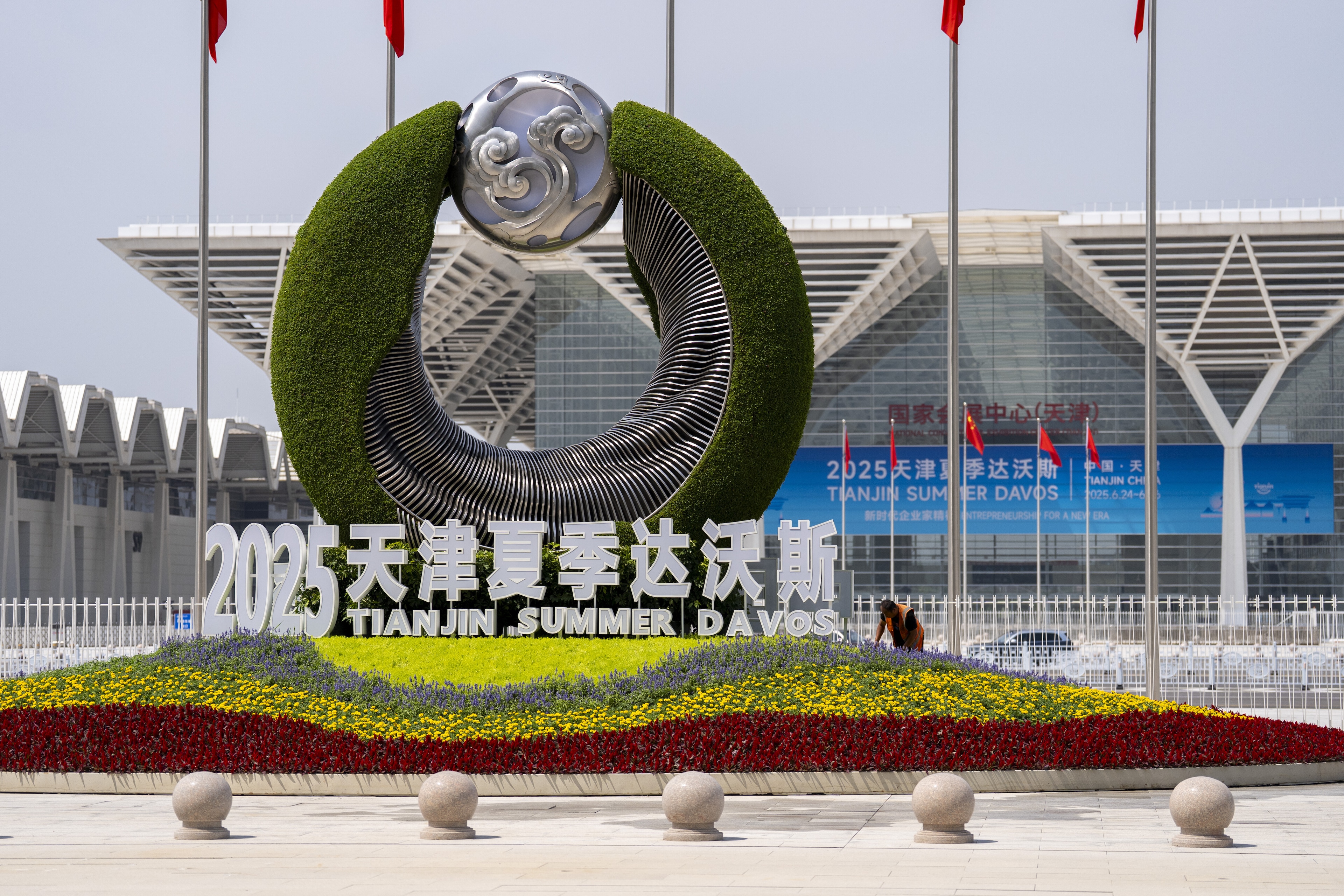
The 16th Annual Meeting of the New Champions, or ‘Summer Davos’, is taking place from June 24-26 in Tianjin, China, under the theme "Entrepreneurship for a New Era." Over 1,700 participants, including 150 political leaders, are discussing global economic challenges, China's economic strategies, Africa's growth potential, and the importance of cooperation over confrontation. Key remarks include Chinese Premier Li Qiang emphasizing openness and innovation, Senegal's Ousmane Sonko promoting economic resilience, and Vietnam’s Pham Minh Chinh advocating for boosted growth. Additionally, the inclusion of women in the global economy is highlighted as crucial for progress.
Argentina, Costa Rica, Djibouti, Ethiopia, India, Italy, Jordan, Kenya, Madagascar, Malaysia, Malta, Nepal, Peru, Rwanda, South Africa, Sri Lanka, Tanzania, Uganda, United Arab Emirates, United Kingdom, Viet Nam, Yemen
Heads of state and political leaders gather at ‘Summer Davos’. Here’s what they are saying