
African development finance institutions (DFIs) are mobilizing over $150 billion to unlock trillions in local capital, spearheading significant infrastructure and industrial projects such as the Lobito Corridor. Their co-investment model emphasizes local ownership and international partnerships, reshaping global development finance. The Alliance of African Multilateral Financial Institutions is driving this shift towards sustainable growth. With over $4 trillion in mobilizable capital, targeted reforms could reallocate pension fund resources to infrastructure, enhancing economic sovereignty. DFIs are crucial in structuring bankable projects, attracting global investments and fostering regional integration, highlighting the potential of Africa's financial systems.
South Africa | Financial services
How African investment leadership can play a key role in a post-aid world

Supply chains must adapt to a shifting global landscape shaped by geopolitical tensions and economic uncertainty. Organizations need to build adaptive, digitally enabled networks that emphasize diversification, agility, and strategic readiness. The World Economic Forum and Kearney outline four potential future outlooks for supply chains, influenced by geopolitical fragmentation and global economic convergence. These scenarios highlight distinct operating environments and challenges, such as regulatory divergence and shifting partnerships. Businesses are encouraged to act decisively despite uncertainties, focusing on investments in digitalization and resilience to enhance supply chain performance.
Canada, Chile, Colombia, Egypt, Ethiopia, Germany, Guatemala, India, Jordan, Kenya, Malawi, Malaysia, Nepal, Pakistan, Paraguay, Peru, Philippines, Republic of Korea, Rwanda, Senegal, South Africa, Spain, Sweden, Switzerland, Tanzania, Tunisia, Uganda, United Arab Emirates, United Kingdom | Financial services, Education, Health, ICT
How supply chains need to adapt to a shifting global landscape

Artificial intelligence (AI) is transforming global markets by enhancing trading efficiency but also increasing the risk of market abuse. AI's capabilities extend beyond analytics to creating autonomous trading tools, raising concerns about collusive behaviors in financial systems. Regulatory frameworks, while aimed at preventing systemic abuse, have become strained due to geopolitical fragmentation, as seen in post-Brexit regulations. The rise of AI necessitates a reevaluation of regulatory strategies, suggesting a need for either greater global harmonization or self-regulation among market participants. AI-powered surveillance systems are essential for improving detection of market manipulation and ensuring compliance in evolving financial landscapes.
Financial services
How the new age of AI can guard global markets

Humanitarian workers face significant emotional strain from their frontline roles in crises, often experiencing levels of stress similar to combat situations. This strain is exacerbated by recent cuts in foreign aid, leading to feelings of moral injury—psychological distress stemming from actions that conflict with their values. Aid cuts in the UK and US are linked to rising disillusionment and burnout among workers, who express feelings of complicity in failing systems. This crisis threatens the sector’s ethical integrity and effectiveness, highlighting the need for support that addresses the psychological impact of such funding reductions.
How aid cuts may be affecting humanitarian workers
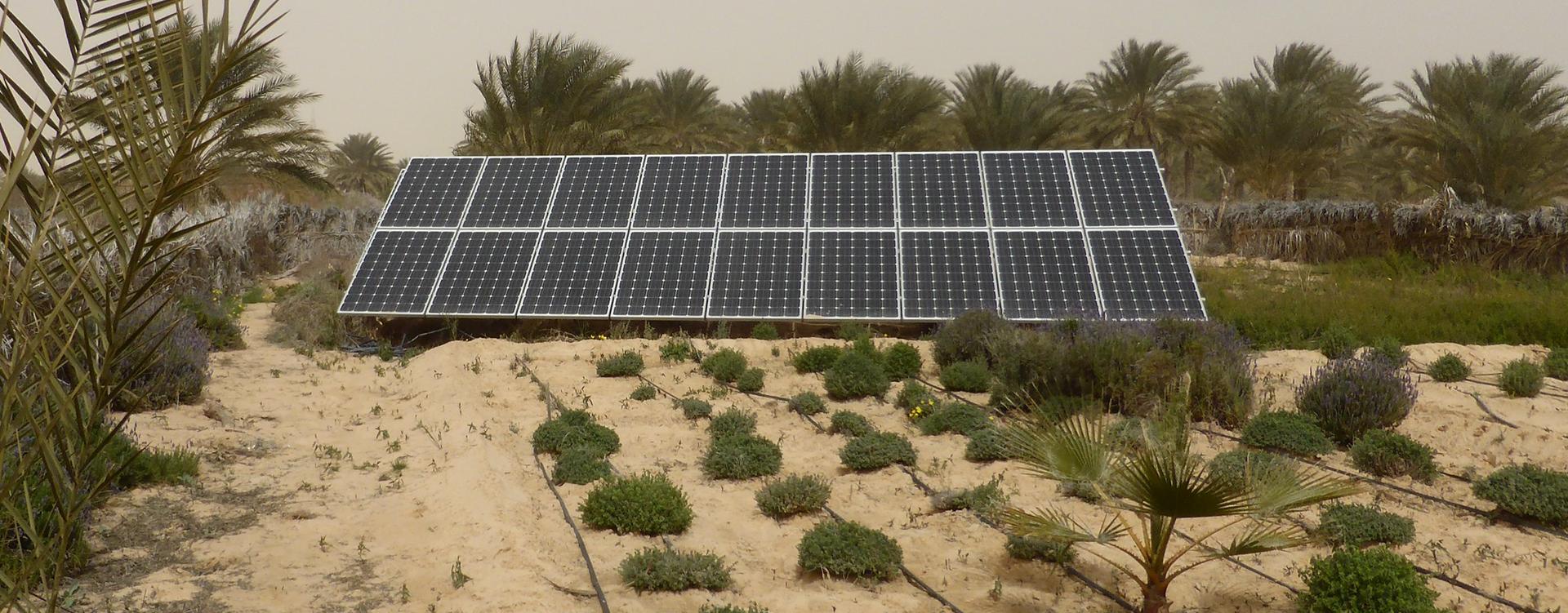
Tunisia's 2050 energy plan aims for significant clean energy self-sufficiency, targeting 35% renewable energy in the mix by 2030 and at least 80% by 2050. Currently, over 95% of its electricity comes from gas, with renewables providing only 4%. The plan seeks to reduce fossil fuel dependency and gas imports, addressing a 56% primary energy deficit while catering to rising electricity demand. A capital investment of approximately $43.5 billion is needed, with 66% aimed to come from public-private partnerships. However, Tunisia faces challenges including fiscal deficits and governance issues that may hinder investment and reform implementation.
Burkina Faso, Egypt, Ghana, Haiti, Mali, Mauritania, Namibia, Tajikistan, Tanzania, Trinidad and Tobago, Tunisia
Will Tunisia’s 2050 energy plan deliver primary energy self-sufficiency?

Artificial intelligence is transforming materials innovation by revolutionizing research and development. Through data-driven discovery and automated integration, AI platforms can quickly generate and screen millions of molecular structures, predict properties, and propose efficient synthesis pathways. This technology allows materials scientists to overcome traditional development challenges and creates breakthroughs essential for green technologies. Initiatives by leading technology companies and emerging startups are enhancing the scale and precision of materials research, fostering advancements in chemistry and materials science, ultimately aiming to accelerate the development of advanced materials necessary for achieving carbon neutrality.
How AI can help in materials innovation – from discovery to design

Nigeria’s music industry, particularly driven by genres like Afrobeats, is a significant player in the global creative economy but lacks adequate representation in national economic data. Existing data collection systems fail to capture key metrics, hindering effective policymaking and investment. The African Center for Economic Transformation (ACET) has initiated an AI in Economic Policymaking project to improve data analysis and capture for the music sector, collaborating with governmental and statistical agencies. This effort aims to create a comprehensive data strategy that informs economic planning, recognizes various musical genres, and supports cultural preservation while paving the way for improved insights into Nigeria's creative economy.
Benin, Burkina Faso, Cameroon, Egypt, Ethiopia, Gabon, Ghana, Jamaica, Kenya, Malawi, Mali, Mozambique, Namibia, Niger, Nigeria, Senegal, South Africa, Tanzania, Uganda, United Arab Emirates | Financial services
Toward Inclusive, Data-Driven Economic Policymaking In Nigeria’s Creative Sector
Progress toward the Sustainable Development Goals (SDGs) is significantly off-track, with only 17% of targets expected to be achieved by 2030. The Global Financial Architecture (GFA) requires urgent reform to support sustainable development financing, as half the global population lives in nations hindered by debt and lack of capital. Key indicators show regressions in targets related to obesity, press freedom, and corruption, while some countries excel in basic service access. Barbados leads in multilateralism, whereas the U.S. ranks last, indicating a broader trend in international engagement and commitment.
Albania, Algeria, Angola, Azerbaijan, Bangladesh, Barbados, Botswana, Brunei Darussalam, Burkina Faso, Cambodia, Cape Verde, Chad, Democratic Republic of the Congo, Denmark, Dominican Republic, Egypt, El Salvador, Gabon, Georgia, Ghana, Guatemala, Guinea, Haiti, Honduras, Hungary, Iceland, Ireland, Jamaica, Kuwait, Lesotho, Madagascar, Malawi, Mali, Malta, Mauritania, Moldova, Mongolia, Montenegro, Namibia, New Zealand, Qatar, Senegal, Serbia, Seychelles, Singapore, Slovakia, Sweden, Trinidad and Tobago, Uganda | Health
Sustainable Development Report 2025
The World Economic Forum identifies ten emerging technologies for 2025 aimed at addressing global challenges through increased connectivity and collaboration. Key innovations include collaborative sensing, which enhances real-time coordination among vehicles, traffic systems, and emergency services to improve safety and reduce congestion. Additionally, generative watermarking aims to combat misinformation by tagging AI-generated content. The report emphasizes the importance of investment, infrastructure, and collaboration among businesses, governments, and the scientific community to ensure these technologies benefit the public good.
Ethiopia, Tanzania, United Arab Emirates, United Kingdom | Financial services, Health, Education, ICT
From Safer Cities to Healthier Lives: The Top 10 Emerging Technologies of 2025

China's recent advancements in generative AI, including models like DeepSeek and MiniMax, are rooted in a strategic national framework established over years of investment in technology, talent, and infrastructure. Despite US export restrictions on advanced chips, Chinese firms have adapted through innovation and open-source collaboration, showcasing resilience. Key factors include a supportive culture of techno-optimism, aligned public-private efforts, and significant STEM education. By 2024, Chinese models began outperforming Western counterparts, demonstrating the inevitable rise of a robust AI ecosystem cultivated through disciplined policy and regulatory support.
Taiwan, China, United Arab Emirates | Education
Why China’s AI breakthroughs should come as no surprise

Businesses face significant risks from climate change, with potential annual earnings losses of up to 7% by 2035. The World Economic Forum's report highlights various climate hazards affecting fixed assets and supply chains across industries, estimating global losses between $560 billion and $1.1 trillion annually by 2055. Investing in resilience strategies can yield notable returns, with $1 invested generating up to $19 in avoided losses. Countries like China are enhancing climate risk management through substantial public investments and advanced forecasting systems. Companies must integrate climate resilience into core business models to maintain competitiveness and foster innovation.
Nigeria | Financial services
The resilience imperative: Why companies must adapt to a +1.5 degrees world
AI can revolutionize agriculture by addressing the pressures from climate change, geopolitical instability, and a growing population. Traditional farming methods are becoming insufficient due to longer droughts and erratic weather patterns. AI technologies enable predictive monitoring of crops, early detection of pests, and facilitate knowledge sharing across regions. Tools must be user-friendly and affordable, especially for smallholder farmers, to empower them with data-driven insights for decision-making. Successful applications, like BeeHero’s AI-driven pollination optimization, illustrate the potential for accessible AI solutions in enhancing agricultural resilience and sustainability.
ICT
How AI can help improve food systems in the agricultural revolution

UOB's head of sustainable business, Melissa Moi, stated that the bank’s recent decision to adjust its climate target to below 2 degrees Celsius aims to encourage more regional banks to engage in decarbonisation efforts. The shift from the stricter 1.5 degrees Celsius goal reflects a pragmatic approach to inclusivity in sustainability commitments, especially in Southeast Asia, where economic growth remains linked to energy dependence. Despite geopolitical uncertainties, countries like Malaysia, Thailand, and Singapore continue to uphold their decarbonisation plans, recognizing the growing importance of energy security alongside renewable energy development.
Singapore | Financial services
Net-zero banking group's 'pragmatic reset' would open doors for once-sceptical lenders to join: UOB's Melissa Moi
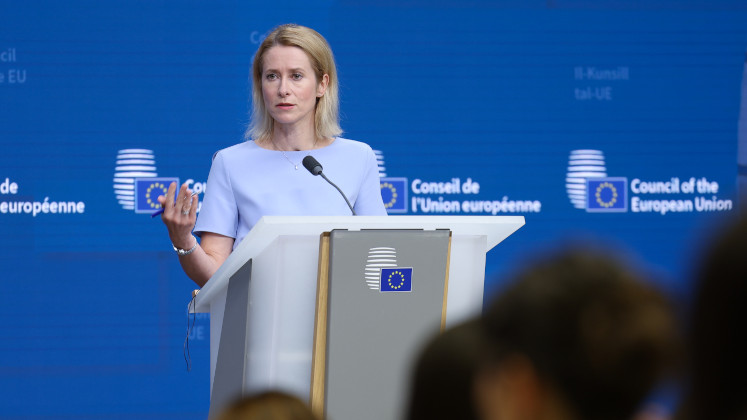
Defence spending among EU member states has risen significantly, over 30% since 2021, in response to Russia's invasion of Ukraine. Kamil Zwolski emphasizes the necessity of a coherent long-term security strategy to complement this increased spending. The war has unveiled Europe's over-reliance on NATO and the US, inadequate military readiness, and fragmented national defense policies. Key lessons include the importance of military preparedness, the limits of EU unity on sanctions, and the need to address hybrid warfare. Europe must navigate strategic pathways that balance deterrence with diplomatic efforts, addressing fundamental vulnerabilities and promoting cohesion among member states.
Ukraine
How Europe can rethink its security strategy towards Russia

Start-ups are driving global innovation, increasingly enabled by artificial intelligence and advanced research tools. However, while the geography of innovation is diversifying, essential support systems, including mentorship, policy access, and community networks, remain concentrated, creating disparities. Founders face isolation and need connections for support and perspective. Healthy innovation ecosystems promote not only funding but also emotional resilience and collaboration, ensuring that groundbreaking ideas from around the world receive the attention and resources they require to thrive. Initiatives like incubators and public-private partnerships are crucial for fostering these ecosystems.
Financial services, ICT, Education
Why we need to build support systems for founders everywhere

AI can mimic the human immune system in industry by preventing issues, adapting to changes, and enhancing resilience. Industrial copilots and AI agents facilitate collaboration between humans and machines, significantly decreasing downtime and boosting productivity. Successful implementation depends on access to high-quality industrial data. AI agents, like those being developed by Siemens and EPLAN, automate tasks such as updating machine components, ensuring efficiency and reducing errors. The development of an industrial foundation model relies on collective data sharing to train AI effectively, aiming to improve industry-wide performance and safety.
ICT
How AI can help engineer an 'immune system' for industry

Collaboration among technology, policy, and clinical insights is essential to enhance China's healthcare system amid the rising prevalence of chronic diseases due to an aging population. With over 296 million people aged 60 and above, equitable access to early detection and care is increasingly critical. Innovations must focus on local needs, utilizing partnerships with healthcare professionals to identify care bottlenecks and co-develop solutions. Initiatives like helium-free MRI systems and tele-interventions demonstrate how technology can improve diagnostic access and patient care. Building collaborative healthcare ecosystems is vital for achieving sustainable, high-quality, and patient-centered care.
Singapore, Taiwan, China | ICT, Education, Health
Partnerships key to unlocking China's healthcare potential

Entrepreneurship plays a vital role in navigating current global challenges, including climate change, technological disruptions, and economic tensions. During turbulent times, effective leaders harness entrepreneurial spirit to innovate, build partnerships, and align profit with purpose. Entrepreneurs drive industrial reinvention, particularly in green technologies like electric vehicles, significantly contributing to decarbonization efforts. Additionally, technology offers opportunities for democratizing access to education but requires ethical oversight to prevent biases. Creative collaboration across various sectors is essential for creating sustainable solutions and driving progress toward the Sustainable Development Goals.
Burkina Faso, Cape Verde, Ethiopia, Ghana, Haiti, Indonesia, Nigeria, Rwanda, Senegal, Tanzania, United Kingdom | Financial services, Health, ICT, Education
Why entrepreneurship is key in shaping tomorrow’s world

Southeast Asia's oil and gas sector is unlikely to shift towards renewables despite recent market volatility driven by geopolitical tensions. EY-Parthenon’s Andy Brogan noted that fluctuations in oil and LNG prices are historically managed through trading houses, and significant price hikes would be needed to prompt a rapid transition to cleaner energy. While some argue for a pivot towards renewables to mitigate risks, think tanks caution that the economic impact of fossil fuel price volatility could strain government finances. Experts suggest local solar exports could support renewable goals in the region.
Afghanistan, Uzbekistan, Venezuela
Volatility in oil and gas prices unlikely to drive pivot to renewables in Southeast Asia: consulting firm
China's new generation of companies, led by professionally trained, globally educated entrepreneurs, significantly contributes to the economy, with private firms generating 60% of GDP. As older founders transition out, younger leaders prioritize innovation over imitation, leveraging data-driven decision-making and building expansive ecosystems to streamline operations. This shift enables Chinese firms to expand internationally while adapting to local markets and cultures. To achieve global success, these companies must foster strategic partnerships, gain insights into new markets, and embrace a truly global organizational structure. Their focus is on leading to create unique value in a competitive landscape.
Japan, Singapore, Taiwan, China | Financial services, Education
How China's new generation of companies can embrace global opportunities