
Small states tend to be more democratic, benefiting from socio-political proximity that enhances participation and policy implementation. However, smallness can lead to issues like personalism, clientelism, and power concentration. Larger states may have greater institutional checks but also face socio-political distances. This paper explores how democratic innovations can address the challenges faced by small polities, focusing on the effectiveness of direct and deliberative democratic practices to mitigate the downsides of smallness.
How to Make Small Beautiful: The Promise of Democratic Innovations
Governments are navigating a complex environment influenced by demographic, environmental, and digital changes, coupled with low public trust and limited fiscal resources. To address these challenges, focus is needed on enhancing citizen dignity in government interactions, restoring security amidst societal shifts, and improving government efficiency to bolster productivity and public finances. The OECD report emphasizes the necessity of leveraging digital tools and data, as current usage remains suboptimal, with only 47% of high-value datasets openly accessible. The governance of the green transition is highlighted as a critical priority.
Albania, Algeria, Angola, Armenia, Austria, Azerbaijan, Bahrain, Bangladesh, Barbados, Belgium, Benin, Bolivia, Botswana, Brunei Darussalam, Bulgaria, Burkina Faso, Cambodia, Cameroon, Cape Verde, Chad, Chile, Costa Rica, Croatia, Cyprus, Czech Republic, Democratic Republic of the Congo, Denmark, Dominican Republic, Ecuador, Egypt, El Salvador, Estonia, Eswatini, Ethiopia, Finland, Gabon, Georgia, Germany, Ghana, Greece, Guatemala, Guinea, Haiti, Honduras, Hungary, Iceland, Indonesia, Ireland, Israel, Jamaica, Japan, Jordan, Kenya, Kuwait, Kyrgyz Republic, Latvia, Lebanon, Lesotho, Lithuania, Luxembourg, Madagascar, Malawi, Malaysia, Mali, Malta, Mauritania, Moldova, Mongolia, Montenegro, Netherlands, New Zealand, Nigeria, Norway, Oman, Panama, Paraguay, Peru, Philippines, Poland, Portugal, Qatar, Republic of Korea, Romania, Russian Federation, Rwanda, Senegal, Serbia, Seychelles, Singapore, Slovakia, Slovenia, Spain, Sweden, Switzerland, Taiwan, China, Tanzania, Thailand, Trinidad and Tobago, Tunisia, Uganda, Ukraine, United Arab Emirates, United Kingdom, Uruguay, Venezuela, Yemen, Zambia, Zimbabwe | Financial services, ICT, Education, Health
Government at a Glance 2025
A global demographic data crisis is emerging as fewer countries conduct population censuses, critical for informed public policy decisions like resource allocation for hospitals and schools. Many recent censuses have also undercounted specific groups, exacerbating the issue. Addressing this crisis necessitates increased investment, technological innovations, political engagement, and new partnerships to ensure accurate demographic data collection.
Disappearing people: A global demographic data crisis threatens public policy

Ongoing tariff uncertainties and fluctuating consumer confidence are significantly affecting retailers' pricing strategies, supply chains, and overall economic outlooks. These dynamics play an important role in shaping the broader macroeconomic context.
Financial services
How Tariffs Are Disrupting Retail and Consumer Confidence

The UAE has established a robust national cybersecurity model emphasizing collaboration between government, industry, and society to combat increasing cyber threats as the digital economy expands. Initiatives include a national cybersecurity strategy implemented by the UAE Cyber Security Council, stringent data protection laws, and enhanced international intelligence-sharing. Active private sector involvement and public awareness campaigns are essential for building cyber-resilience. This cooperative approach has strengthened the UAE's global cybersecurity standing, attracting innovation and fostering a culture of preparedness against evolving cyber risks.
Azerbaijan, Brunei Darussalam, Cyprus, Egypt, Jordan, Qatar, Seychelles, United Arab Emirates, Yemen | Financial services, Education, ICT
The power of partnership: How the UAE is securing cyberspace
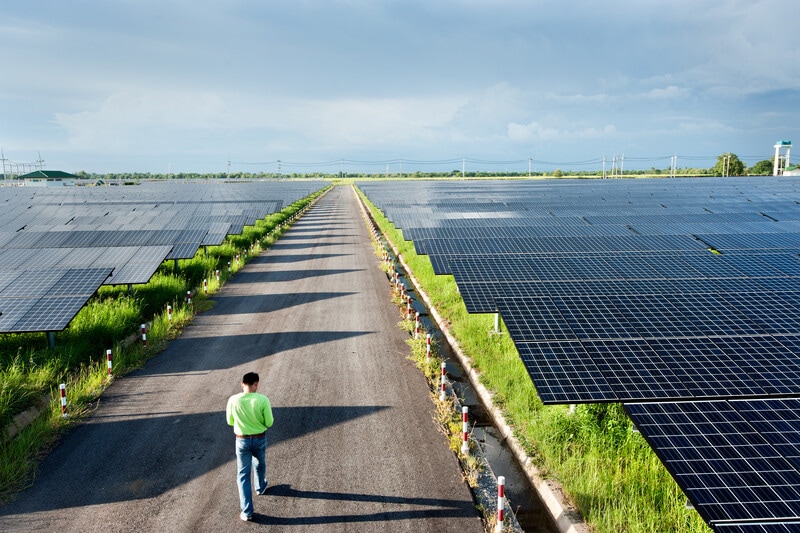
Innovation is currently driven by technological advances, but this focus has led to unsustainable environmental costs, exemplified by rising carbon emissions and global temperatures. While sectors like robotics and electric vehicles thrive, green innovation struggles to gain momentum. Effective transformation requires a shift towards climate-first technologies, supported by policies, capital, and cultural change. Governments must align regulations with long-term sustainability, while financial backing is essential for scaling clean technologies. Furthermore, building social trust and cultural acceptance is crucial for embracing eco-centric innovation practices.
Nigeria | Financial services, Health, ICT, Education
From tech-first to climate-first: Why we must redefine how innovation is measured
Doomscrolling and negative news can warp perceptions of humanity, leading to doubts about people's inherent goodness. In response, researchers Scott Barry Kaufman and colleagues introduced the "light triad," which emphasizes positive traits such as Kantianism, humanism, and faith in humanity. Those scoring high on this scale value others and believe in human goodness. Balancing our understanding of human nature reveals our capacity for kindness and compassion amidst darker traits. Encouraging small acts of kindness, showing compassion, spreading positivity, listening intentionally, and connecting through community can help reignite hope in humanity.
The light triad: psychology’s answer to our darkest fears about people

Discussions on the EU's 2040 greenhouse gas mitigation target are increasingly focused on the role of international credits, especially following Germany's proposal to allow up to 3% of the target to be met through these credits. This has reignited debates surrounding their quality and effectiveness, amid concerns of potential conflicts in upcoming legislative processes. The emphasis should be on durable carbon dioxide removal technologies, as international credits could aid in achieving net-negative emissions while addressing residual emissions. The renewed interest in international credits stems from a changing political landscape and the need for comprehensive strategies for meeting climate targets.
Financial services
International Credits in EU Climate Policy: Old Conflicts, New Challenges

Edge AI enhances energy infrastructure by processing data locally at the edges of power networks, leading to real-time insights and improved management of distributed energy resources. As renewable energy sources increase grid complexity, edge AI enables faster automated control, predicts equipment failures, and balances energy loads. Successful implementation requires robust digital infrastructure, strong cybersecurity measures, rapid communication technologies like 5G, and significant investment in modern technologies. Collaborative global standards and governance are essential to ensure interoperability, protect data privacy, and equitably share the benefits of a smarter energy grid.
What is edge AI – and why is it so important for energy delivery?

Georgia is experiencing significant democratic backsliding, marked by contentious parliamentary elections and the reintroduction of the "Transparency of Foreign Influence" law. The ruling Georgian Dream (GD) party has suspended the EU accession process until 2028, prompting public protests against this decision. Internally, GD's approach has led to the establishment of a parliament with no true opposition, deepening political crisis and accusations of authoritarian practices. Recent laws have curtailed protest rights and media independence, reflecting a shift in both domestic and foreign policy, particularly in distancing from the EU and aligning more closely with Russia.
Georgia, Moldova
Georgia at a Crossroads
The famine in Gaza, exacerbated by Israel's blockade and obstruction of aid, amounts to a possible war crime under international law. In December 2023, 93% of Gaza's population faced severe food insecurity, with estimates of famine looming without intervention. Israeli actions, including obstructing aid and destroying agricultural resources, may violate humanitarian law. The urgency for reparations has escalated due to widespread destruction, which severely impacts food supply and healthcare. Legal accountability, alongside immediate humanitarian relief, is essential to uphold justice and deter future violations, necessitating international mechanisms for compensation due to barriers faced by victims in seeking redress.
Famine as a war crime in Gaza: Israel’s legal liability, reparations, and structural justice under International Law - LSE Human Rights
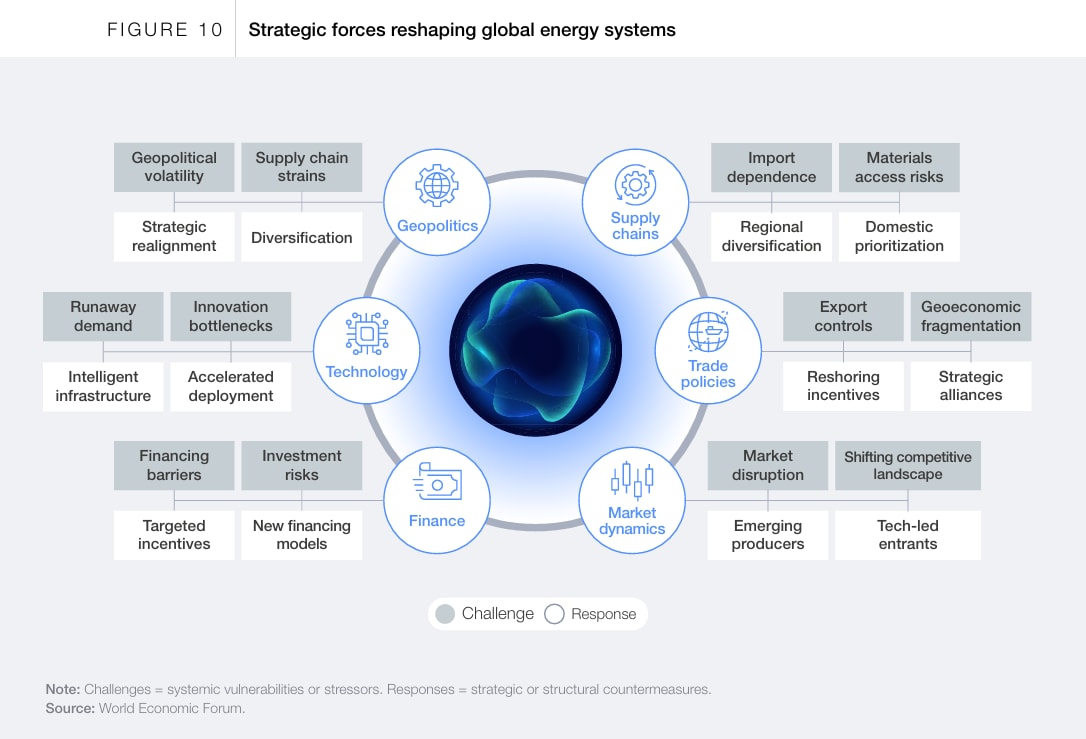
Six structural shifts are reshaping global energy markets as highlighted in the World Economic Forum's Fostering Effective Energy Transition 2025 report. Countries are prioritizing energy security, affordability, and sustainability in response to geopolitical and economic risks. Key developments include the rise of liquefied natural gas (LNG) as both a bridge and destination fuel, a growing momentum for small modular nuclear reactors (SMRs), and advancements in energy efficiency—projected to cut global energy consumption by 31%. Energy storage technologies are also crucial for integrating renewables, while clean energy investments reached $2.1 trillion in 2024, leading the transition.
Egypt, India, Qatar, Russian Federation, Ukraine, United Kingdom | Financial services, Health, ICT, Education
6 shifts reshaping global energy markets

Digital fashion is revolutionizing personal expression and cultural identity through the integration of technology, creativity, and inclusivity. This transformation blurs the lines between physical clothing and digital assets, introducing concepts like NFT wearables and virtual styling. Luxury brands, such as Balenciaga and Nike's partnership with RTFKT, are redefining luxury in the digital age by creating authenticated digital items that hold real value. This new ecosystem promotes sustainability by reducing waste, democratizes design, and encourages collaboration between creators and users. Ultimately, digital fashion reflects broader cultural shifts towards authenticity and environmental responsibility, shaping the future of the industry.
ICT, Education
Digital fashion: Where technology, culture and creativity collide
Private capital is increasingly crucial in emerging markets, as donor funding declines amidst rising global needs. Strategic investments in sectors like healthcare and technology not only promote economic growth but also address social challenges by creating jobs, empowering women, and driving productivity. Unlike philanthropy, these investments provide a sustainable, scalable approach, unlocking innovation and attracting further capital. Emerging markets, rich in opportunity despite perceived risks, are becoming hubs for growth, particularly in manufacturing, fintech, and education. Long-term, managed investments can yield substantial returns and facilitate critical knowledge transfer, fostering lasting societal change.
Burkina Faso, Egypt, Ethiopia, Ghana, Indonesia, Kenya, Philippines, Rwanda, South Africa, Uganda, United Arab Emirates, United Kingdom | ICT, Education, Financial services, Health
How private capital can provide a blueprint for impact when global aid is in decline

ASEAN is experiencing a critical energy transition, being the world’s fourth-largest energy consumer with a 3% annual demand increase. The region requires $200 billion annually in energy investments by 2030, primarily for clean energy. The Energy Transition Meeting highlighted the need for regional collaboration to address energy challenges, including developing financial mechanisms for coal phase-out and fostering innovation. Key initiatives include the ASEAN Power Grid project, aimed at enhancing multilateral energy trade and resilience. Participants emphasized the importance of harmonized regulations and cooperation to achieve a sustainable energy future for Southeast Asia.
Cambodia, Egypt, India, Indonesia, Malaysia, Philippines, Singapore, Tanzania, Thailand | Financial services, ICT
What happened at the Energy Transition Meeting in ASEAN

Integrated and regenerative leadership is essential to navigate the complexities and uncertainties of today's global value chains, characterized by disruptions like trade tensions and climate change. Effective leaders must embrace ambiguity and hold multiple perspectives while fostering resilience. Frameworks such as the Inner Development Goals (IDGs) and initiatives like InEx leverage AI to promote inner development and ethical leadership. These approaches emphasize the importance of personal values and relational dynamics, encouraging leaders to cultivate self-awareness and collaboration. Ultimately, leadership transformation hinges on shared purpose and trust among individuals, enhancing organizational adaptability and sustainability.
Ethiopia, Ghana, Indonesia, Senegal, United Arab Emirates, United Kingdom | Financial services, Health, ICT, Education
Why integrated and regenerative leadership is vital for the future of global value chains

The Make America Great Again (MAGA) movement has leveraged narratives around globalisation and economic hardship that once aligned with progressive ideals. Moises de Souza emphasizes that progressive parties must reclaim these narratives to effectively address the populist tide. The left’s shift towards neoliberalism has led to a retreat from economic justice, weakening their appeal. Current youth are increasingly disillusioned, wanting practical solutions over ideology. Political forces need to adapt and respond effectively to the changing economic and cultural landscape to regain relevance and trust.
Latin America
What the left can learn from MAGA

Jean-Claude Burgelman is the director of the Frontiers Planet Prize, a global competition established by the Frontiers Foundation to promote actionable scientific research for sustainability solutions. The prize, akin to a Nobel Prize for sustainability science, involves over 10,000 scientists and 610 research institutions from 62 countries. This year’s International Champions include Dr. Arunima Malik, Professor Zahra Kalantari, and Dr. Zia Mehrabi, recognized for their impactful research on international supply chains, urban sustainability, and agricultural practices, respectively. The prize fosters collaboration to address global sustainability challenges.
Financial services, Health
Interview Of The Week: Jean-Claude Burgelman, Frontiers Planet Prize Director

Sexual violence has become a pervasive weapon in the ongoing conflict in Sudan, affecting every woman and girl. It is used to instill terror and exert control, with over 12 million people at risk of gender-based violence. Survivors face severe physical and emotional trauma, often compounded by stigma and lack of access to healthcare. Funding cuts have diminished essential services, with many facilities closing, leaving survivors to navigate a landscape of danger and inadequate support. UNFPA emphasizes the urgent need for resources to combat this crisis and support the rights and health of women and girls in Sudan.
“As widespread as guns and bullets”: Sexual violence used to terrorize Sudan’s women and girls
In June 2024, a survey of 412 researchers from 66 countries revealed experts' concerns about the global information environment, with 63% expecting it to worsen. The primary threats identified include social media platform owners and generative AI, which 63% believe has negatively impacted the information landscape. While acknowledging AI's potential for bias and misinformation, 67% express optimism about its ability to enhance content detection and journalism. Key recommendations for improvement involve promoting independent media and digital literacy initiatives. Major barriers for researchers include limited data access.
Health
Trends in the Global Information Environment: 2024 Expert Survey Results