
The rapid increase in the use of war drones and large language models like ChatGPT raises significant privacy and cybersecurity concerns. The lack of regulation and the misuse of AI technologies could lead to severe consequences. Drones, while critical in military operations, often suffer from insufficient accuracy testing, resulting in harmful misclassifications. Additionally, the security measures protecting these drones are inadequate, making them vulnerable to adversarial attacks. With ChatGPT, users unknowingly share private data, highlighting the need for stronger legal frameworks that prioritize data ownership and cybersecurity in AI development.
A warning about the risks of drones and ChatGPT

China's energy sector is rapidly expanding gas-fired power, adding 19.5 GW in 2024, though still behind coal and renewables. Gas constitutes only 3.2% of its power generation compared to 43% in the U.S. Despite being seen as a cleaner alternative to coal, gas faces high costs and supply uncertainties, making it a less viable option for transitioning to cleaner energy. Challenges include historical supply shortages and heavy reliance on imported gas, which raises costs significantly. Additionally, recent installations focus on combined-cycle plants intended more for baseload power than for flexible peak demand management.
Why betting on gas is a short-sighted strategy for China

The "protocol economy" leverages cryptocurrencies to incentivize blockchain participants, enhancing operational efficiency, transparency, and real-time record-keeping in traditional asset management. Franklin Templeton's foray into digital assets led to the development of blockchain technology and a tokenized US government money market fund. Key insights include the need for native tokens to facilitate transactions and incentivize network validators, while blockchains function like digital nation-states, supporting entrepreneurship and application development. Programmable tokens and open-source protocols enable seamless integration of various applications, fostering user engagement and increasing transaction demand for native cryptocurrencies.
Financial services
What is the ‘protocol economy’ and how is it impacting the crypto world?

China's economic transformation over the past 40 years is rooted in a blend of foundational policies established during the Mao era and post-1978 reforms initiated by Deng Xiaoping. Key elements included the establishment of Special Economic Zones (SEZs), strategic state-led investments in infrastructure and education, and a dual-track approach to economic liberalization that avoided drastic shock therapy. These policies facilitated remarkable GDP growth, lifted hundreds of millions from poverty, and positioned China as a technological superpower. The leadership's foresight and careful management of privatization were crucial in maintaining social stability throughout this rapid transformation.
Australia, Bahrain, Bangladesh, Benin, Bolivia, Cambodia, Chad, Chile, Denmark, Egypt, Ethiopia, Georgia, Germany, Ghana, Hungary, India, Indonesia, Japan, Jordan, Kazakhstan, Kenya, Malaysia, Mongolia, Namibia, Nepal, Nigeria, Pakistan, Peru, Philippines, Poland, Republic of Korea, Russian Federation, Rwanda, Senegal, Seychelles, Singapore, South Africa, Sweden, Switzerland, Taiwan, China, Tajikistan, Tanzania, Thailand, Tunisia, Uganda, Ukraine, United Arab Emirates, United Kingdom, Viet Nam, Zambia, Zimbabwe | Financial services, Health, ICT, Education
How China got rich: a deep dive into China’s 40-year history of economic transformation

The circular economy is increasingly essential for businesses, driven by regulatory changes and consumer preferences for sustainable products. Companies must integrate circular principles into their strategies, focusing on business models, services, and product design simultaneously. Key regulations within the EU, such as the Ecodesign for Sustainable Products Regulation, support this transition. Successful examples include Philips, aiming for 25% revenue from circular solutions by 2025, and Houdini, which seeks a fully circular ecosystem by 2030. Both emphasize redesigning operations to create value through sustainability, customer relationships, and efficient resource use.
Education
How do you translate circular economy principles into a solid business development strategy?

The UK's strategic defence review aims to enhance military capabilities through artificial intelligence (AI) and autonomy, increasing lethality but risking ethical and legal concerns. Key international humanitarian law principles like distinction and precautions in attacks require human judgment, which may be compromised by AI systems prioritizing speed over ethical considerations. AI-enabled targeting systems could lead to rapid decision-making with little time for legal or moral evaluation, increasing the potential for civilian harm and uncontrolled conflict escalation. While the UK government acknowledges these risks, the integration of AI in warfare presents significant ethical challenges that may undermine military integrity.
Britain’s plan for defence AI risks the ethical and legal integrity of the military
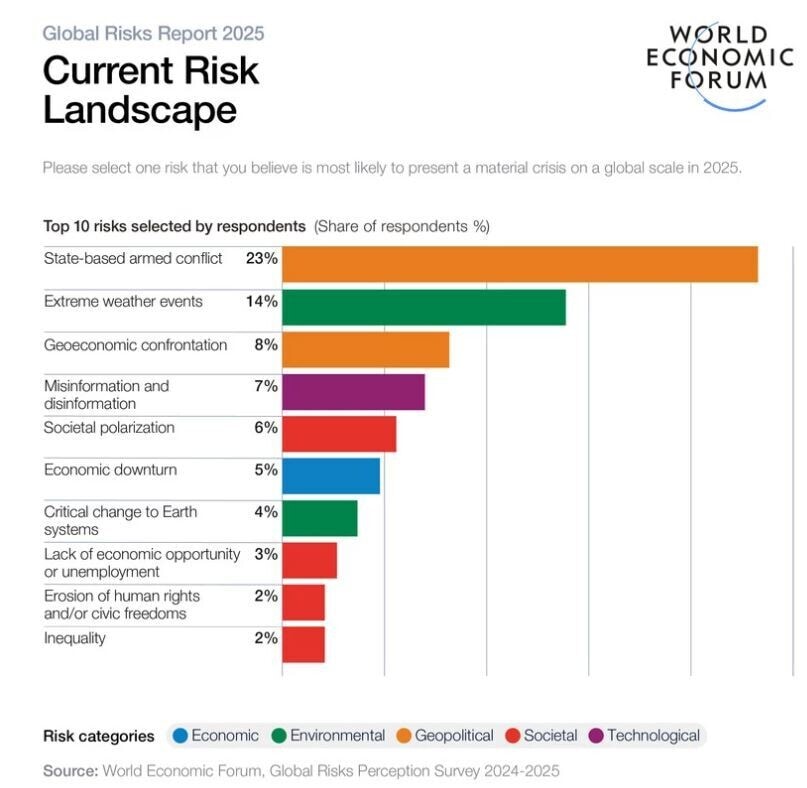
NATO will hold a summit in The Hague on June 24-25, addressing increased defense spending, deterrence strategies, and support for Ukraine amid rising geopolitical tensions. Established in 1949 primarily in response to Russian expansionism, NATO has expanded to include 32 member countries, with Sweden and Finland joining recently. Key topics for the summit include defense investment plans and the debate over members’ GDP contributions to defense spending. The World Economic Forum's Global Risks Report 2025 identifies state-based armed conflict as a significant risk, emphasizing the need for coordinated action among nations.
What is NATO? The North Atlantic Treaty Organization explained

Asia faces a $1.1 trillion annual investment gap to meet climate and nature goals, necessitating catalytic capital to unlock private investments. The region, responsible for 51% of global carbon emissions, requires a shift from fragmented initiatives to a cohesive investment ecosystem. Challenges include underfunded high-impact projects and isolated capital providers. The new GAEA and IST report outlines strategies for scaling investments, emphasizing the role of blended finance and philanthropic capital in driving systemic change. Highlighted initiatives, like Singapore's FAST-P and Indonesia's Just Energy Transition Partnership, showcase innovative finance models crucial for accelerating climate solutions.
Nigeria | Financial services, Health
Can catalytic capital scale climate solutions in Asia?
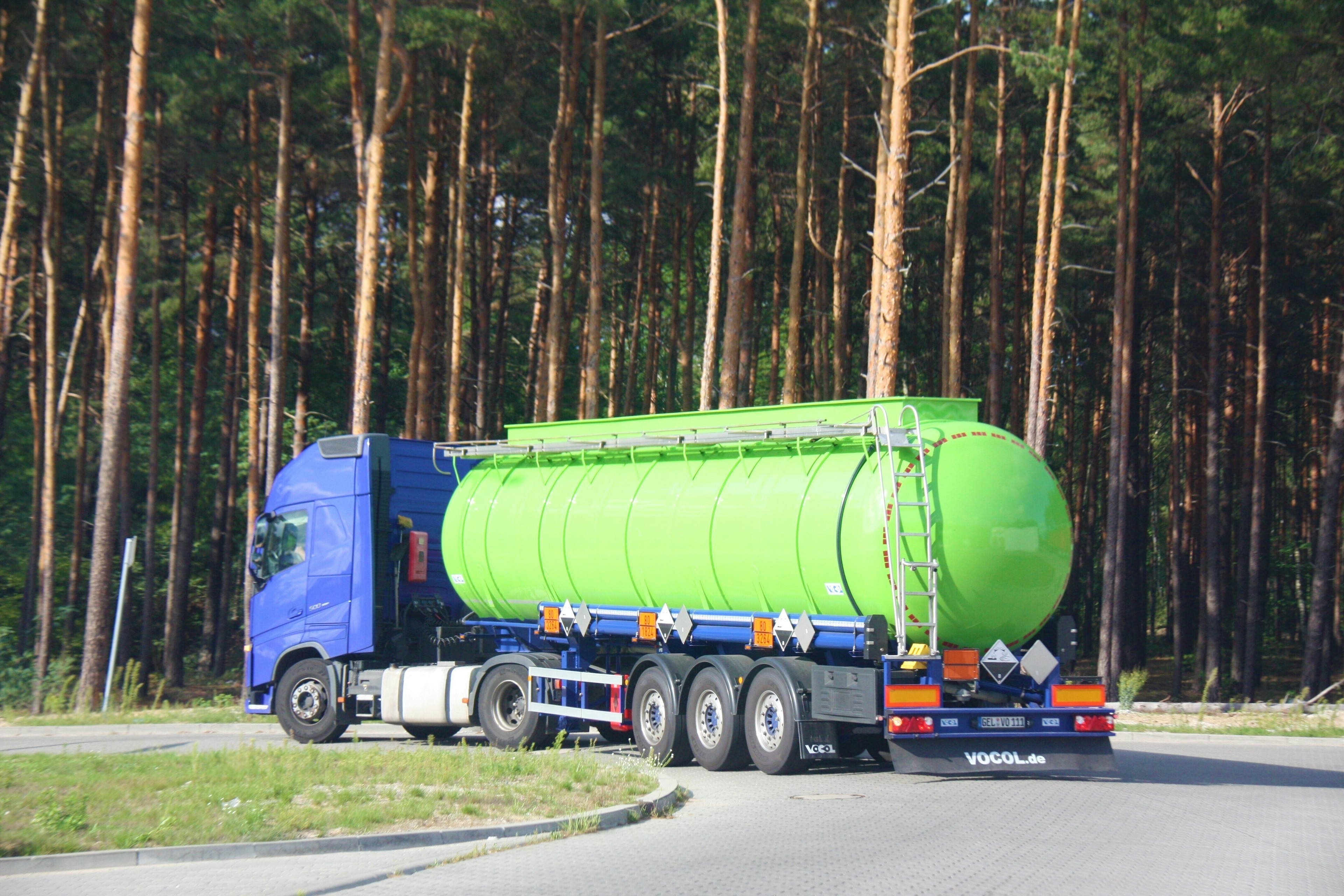
The $2.5 billion road freight market is undergoing significant transformations driven by AI technology, aiming for sustainability and net-zero emissions. AI-driven planning supports more efficient electrification, potentially reducing CO2 emissions by up to 95%. Traditional one-to-one electric truck replacement is inadequate for scaling; a system-level AI approach has shown to enhance electrification rates, achieving 85% battery electric truck payload utilization compared to 57% with the default method. This AI strategy also results in a 13% reduction in total cost of ownership, optimizing vehicle deployment and charging schedules while reducing reliance on subsidies.
From concept to competitive edge: what AI means for the future of road freight
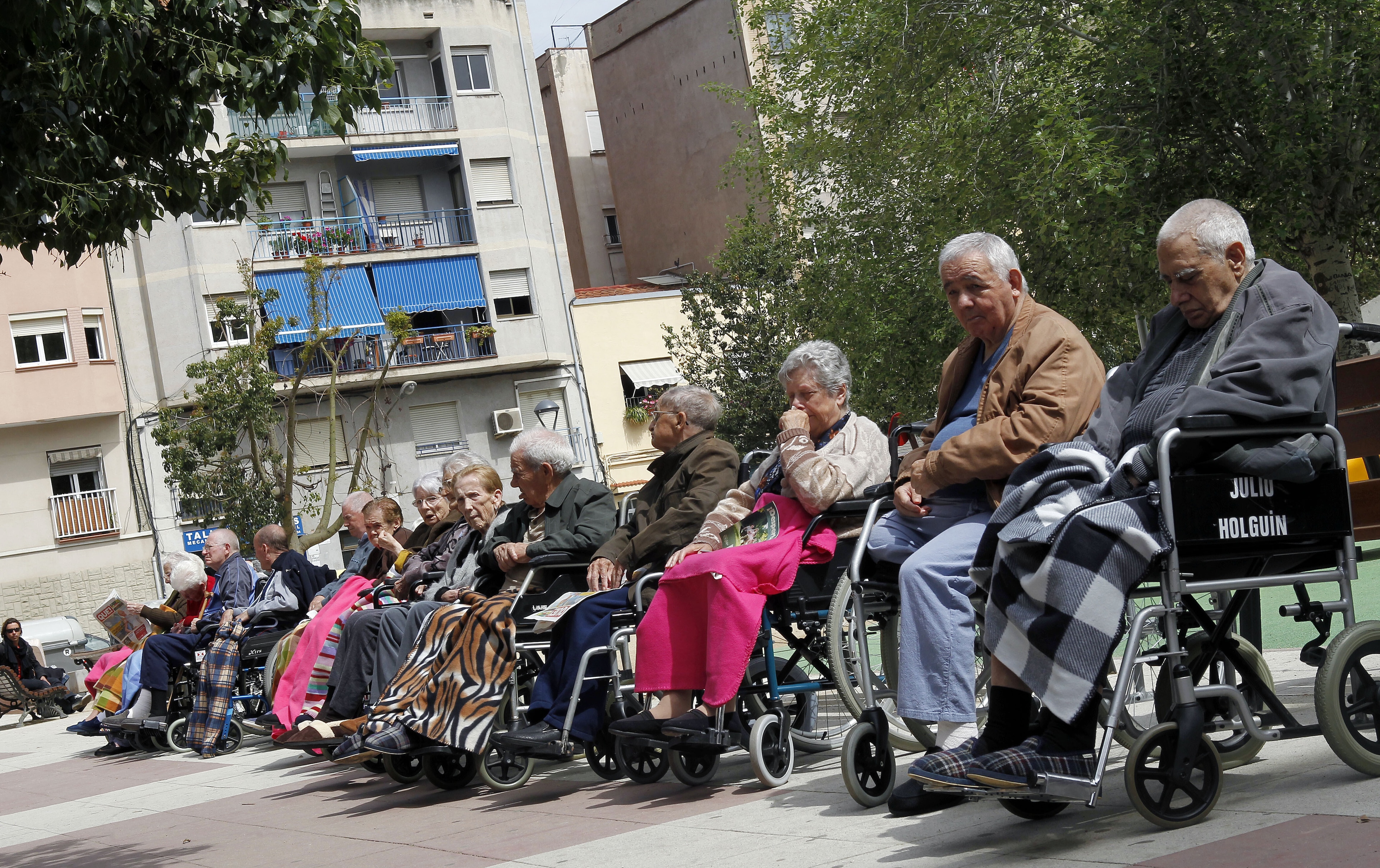
Societies are experiencing rapid aging, with life expectancy rising and the number of retirees set to double. This evolution necessitates changes in pension schemes and long-term investments to address extended retirement periods. The longevity economy emphasizes the need for flexible, multigenerational work, lifelong learning, and the integration of new technologies. Key challenges include ensuring financial security for seniors, maintaining social security sustainability, and enhancing living standards despite longer lifespans. Reforming pension systems and promoting diversified growth sources are essential strategies to harness the potential of aging populations for economic advancement.
Singapore | Health, Financial services, Education
How a longevity economy can make growth work for every generation
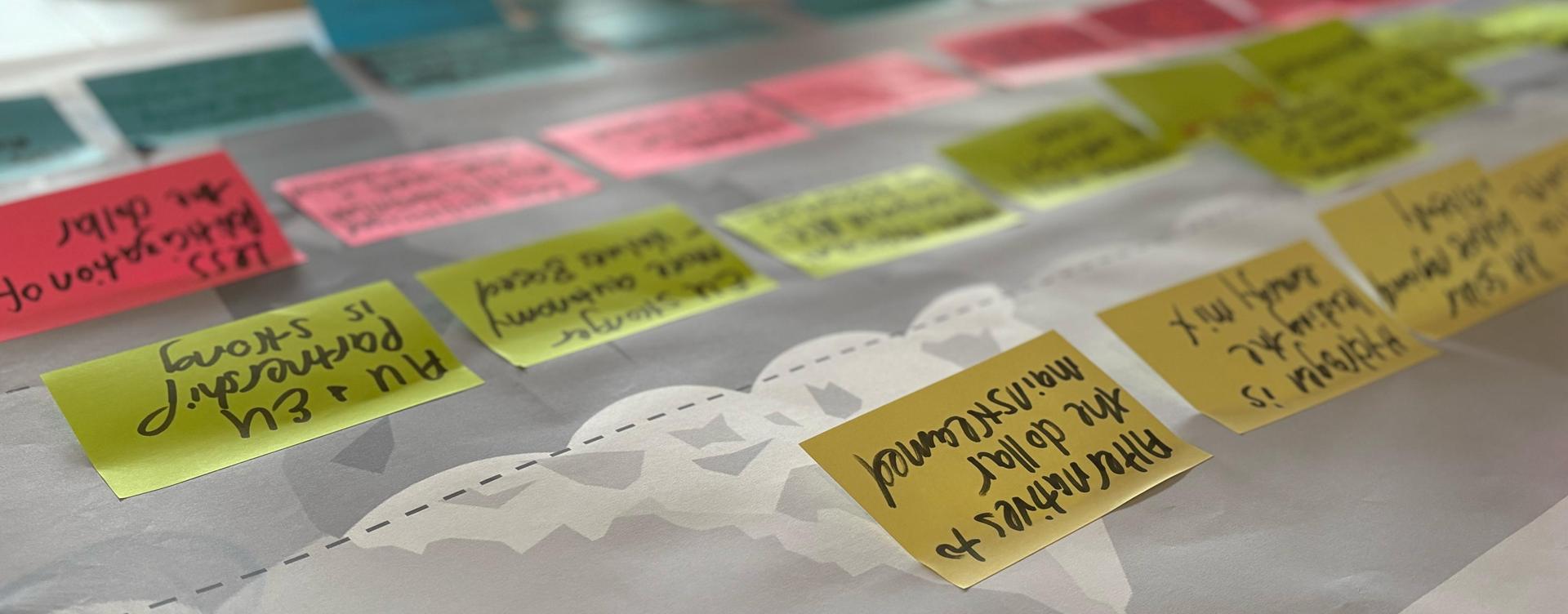
Climate diplomacy must evolve beyond traditional targets and funding, emphasizing honest exchange and co-creation. The Futures Dialogue between South Africa and the Netherlands highlighted the importance of understanding what "just transitions" truly mean for varying contexts and the need for adaptive, equitable collaboration that addresses Africa's development and energy challenges alongside Europe’s decarbonization goals. Engaging in imaginative diplomacy can reshape narratives and partnerships, turning climate challenges into opportunities for development. Meaningful progress requires confronting existing tensions rather than conforming to past models of interaction.
Nigeria, South Africa | Health
Why climate diplomacy needs more imagination
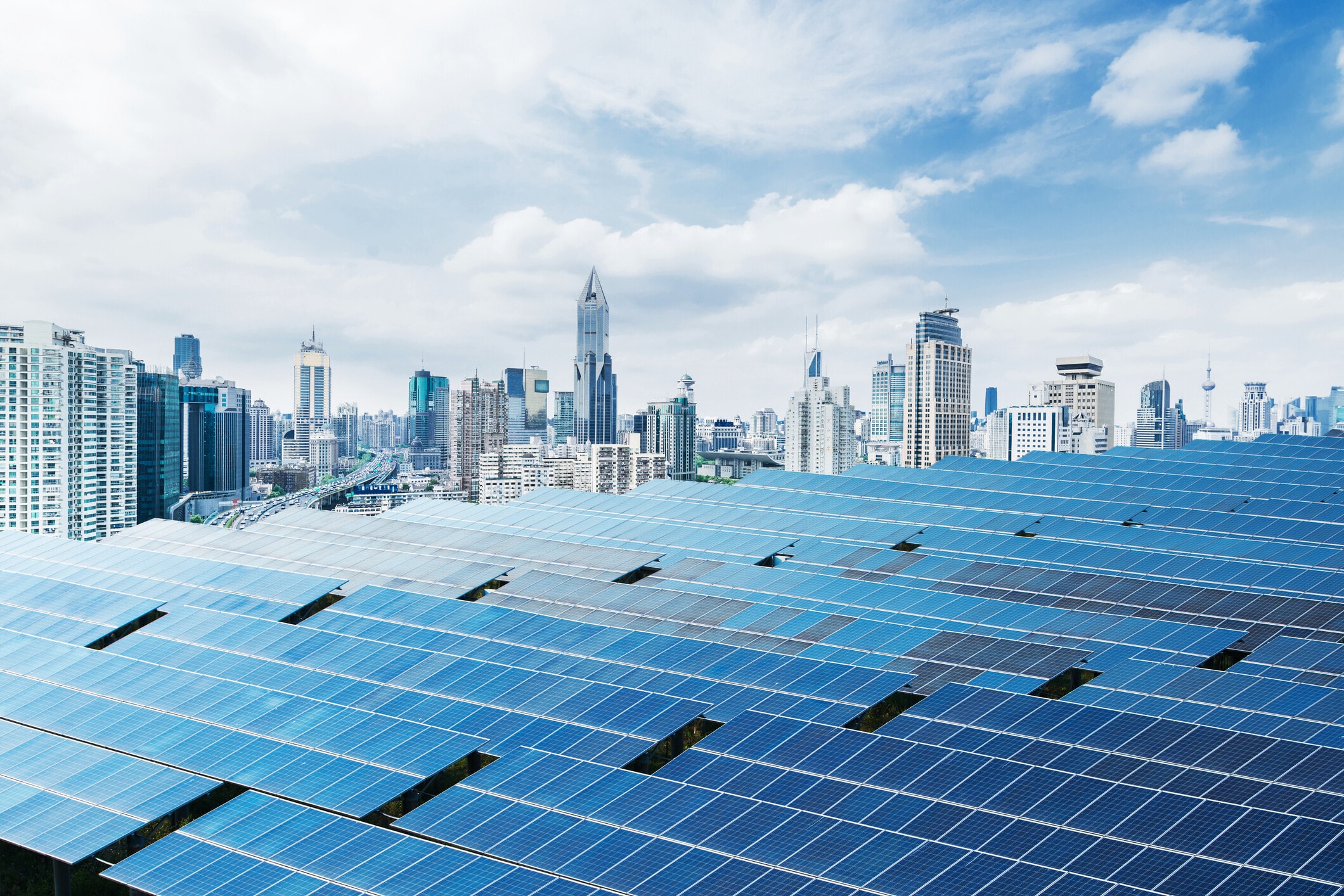
China's greenhouse gas emissions have decreased for the first time, attributed to a significant increase in clean energy production, with emissions falling by 1% over the last year and 1.6% in the first quarter of 2025. This decline occurred despite rising economic activity. Over the past 15 years, China has become a leader in renewable energy, ranking 12th globally in energy transition progress and accounting for 60% of new global renewable capacity through 2030. However, emissions remain close to peak levels, raising concerns about future trends amidst various geopolitical and economic challenges.
Clean energy has caused China’s emissions to drop for the first time, but will they keep falling?

A systemic realignment in Portugal's electoral politics has emerged, shifting from a left-right dichotomy to a landscape shaped by geographic and demographic factors. The centre-right Democratic Alliance secured 91 seats, while the far-right Chega, gaining 60 seats, eclipsed the Socialists, who fell to third. This transformation reflects discontent in traditionally left-leaning regions, where concerns over services, crime, and economic opportunities have driven voters towards Chega. The left's narrative has increasingly diverged from voters' realities, leading to substantial losses and fractures in their support base. Demographic patterns indicate that Chega thrives in areas marked by neglect and socioeconomic challenges.
Cape Verde, Portugal
From discontent to disruption – the shifting geography of politics in Portugal

Global ESG performance can only improve through coordinated regulation that addresses gaps across countries. Multinational corporations often exploit regulatory differences by reallocating ESG-intensive activities to subsidiaries in regions with weaker standards, resulting in a deceptive appearance of overall improvement. Research shows that when parent companies adopt stringent disclosure mandates, their subsidiaries frequently experience increased ESG breaches, particularly in less regulated countries. This highlights the need for a cohesive global ESG regulatory framework that prevents regulatory arbitrage and ensures that sustainability efforts yield genuine benefits across all operations.
Barbados, Eswatini, Ghana, Hungary, Japan, Luxembourg, Poland, Singapore, Sweden, United Kingdom | Health, Financial services
ESG needs global regulation
The 2024 Annual Report highlights DCAF’s achievements and key moments, underscoring its commitment to conflict prevention, social cohesion, and the promotion of sustainable peace and human dignity for everyone. DCAF envisions a world where democratically governed security sectors meet the needs of all individuals without discrimination, contributing to just, peaceful, and inclusive societies. For a comprehensive overview of results, the report can be accessed online or through downloadable stories available in English and French.
DCAF Annual Report 2024
Traditional funding models are inadequate for tackling social and environmental challenges. The Schwab Foundation's white paper, in collaboration with SK Group and Rockefeller Philanthropy Advisors, proposes a solution: tradeable impact. This approach converts verified social outcomes, such as improvements in education, health, and caregiving, into economic value, generating financial incentives for social enterprises, businesses, investors, and governments. By learning from carbon markets and initiatives like South Korea's Social Progress Credit and South Africa's Zlto, the paper presents a blueprint for impact markets, highlighting how impact credits can create new revenue streams and support a sustainable economy.
Financial services, Education
Redefining Value: From Outcome-Based Funding to Tradeable Impact
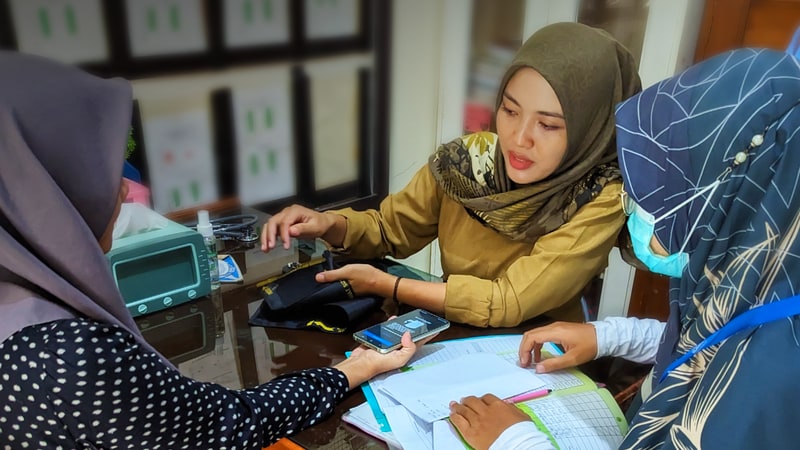
Traditional funding models are inadequate for addressing current social and environmental challenges. The Schwab Foundation, in collaboration with SK Group and Rockefeller Philanthropy Advisors, proposes a new concept called tradeable impact. This approach converts verified social outcomes, such as improved education and health, into economic value, incentivizing social enterprises and stakeholders. Drawing from examples like carbon markets and initiatives in South Korea and South Africa, the paper outlines a framework for developing impact markets, which could generate new revenue streams and contribute to a sustainable economy.
Redefining Value: From Outcome-Based Funding to Tradeable Impact

The Frontiers Planet Prize honors innovative research that leverages systems thinking to tackle interconnected global issues like climate change and food insecurity. It recognizes 19 national champions and awards $3 million annually to three international champions whose work promotes sustainable development within planetary boundaries. Research highlights include Dr. Arunima Malik’s exploration of international trade impacts on sustainable development, Professor Zahra Kalantari’s strategies for enhancing urban resilience through nature-based solutions, and Dr. Zia Mehrabi’s advocacy for diversified farming systems. Collectively, their work illustrates effective, interdisciplinary approaches toward a sustainable future.
Financial services, Health, ICT, Education
Frontiers Planet Prize: Breakthrough systems thinking powering environmental futures

Latin America's startup ecosystems are expanding, particularly in Argentina and Chile, despite only capturing 2% of global venture capital. The region's rich biodiversity and reliance on natural resources position it well for climate technology innovations. Successful examples include Kilimo, which utilizes AI for efficient agriculture irrigation, and Suncast, which enhances clean energy efficiency. Chile’s proactive public-private policies, like the Startup Chile accelerator and the upcoming StartupsLabs initiative, have bolstered innovation. In Argentina, fragmented yet thriving tech hubs have emerged through strong public education and support from private funds, though challenges remain in developing a robust ecosystem.
Antarctica, Argentina, Bolivia, Chad, Chile, Colombia, Ecuador, El Salvador, Nigeria, Paraguay, Peru, Philippines
How we bridge the gap in climate innovation and investment in Latin America

Cybersecurity jobs in the U.S. have surged by 12% over the past year, with over 514,000 positions sought by public and private employers amid global economic uncertainty. Significant investment in cybersecurity talent aims to address a persistent skills gap, with only 14% of organizations possessing the skilled personnel needed to meet their objectives. Cooperation through public-private partnerships (PPPs) is emphasized to strengthen the cybersecurity workforce, enhance skills development, and create sustainable talent pipelines. Rapid technological advancements, including the demand for artificial intelligence skills, have further complicated efforts to build these teams.
Africa, Latin America | Education, ICT
Cybersecurity jobs on the rise as US industries navigate economic uncertainty