
The food industry employs extensive lobbying tactics to resist scientific recommendations aimed at reducing the environmental impacts of animal agriculture. A concept known as stranded assets underlies this resistance, referring to investments in harmful practices that lose value due to shifts in policy and market conditions. Investing heavily in meatpacking and processing infrastructure, the industry faces a challenge in transitioning to sustainable food production. Key actions needed include disclosing unsustainable investments, supporting firms through transitions, and addressing who bears the financial burden of stranded assets, with a call for strong political leadership to ensure accountability for polluters.
Financial services
Coal power plants were paid to close. Is it time to do the same for slaughterhouses?
Investing in NHS staff wellbeing is critical for improving healthcare sustainability and efficiency in the UK. The recent spending review emphasized technological advancements in the NHS, such as AI and single-patient records, but neglected the need for resources aimed at reducing staff burnout and enhancing mental health support. High staff stress leads to absenteeism, errors, and longer patient waiting times, negatively impacting healthcare outcomes. Prioritizing staff wellbeing can yield significant financial returns and enhance the effectiveness of technological investments, ultimately benefiting both patients and the healthcare system. A balanced focus on innovation and workforce support is essential for achieving modernisation goals.
Investing in NHS staff wellbeing could produce economic benefits the UK desperately needs
Chancellor Friedrich Merz's government prioritizes revitalizing the Weimar triangle, a partnership involving Germany, France, and Poland, crucial for European security. Following Merz's meetings with Emmanuel Macron and Donald Tusk, Polish leaders emphasized a significant potential shift in relations. Established in 1991, the alliance aims for EU cooperation, particularly after Russia's invasion of Ukraine, highlighting the necessity of a united response. While Poland's nationalist president poses challenges, the Tusk government seeks to reconcile pro-European and nationalist sentiments. A cohesive Weimar triangle is essential for bolstering EU security amid ongoing geopolitical tensions.
Poland
The Weimar triangle: how Germany’s new government could reinvigorate an important European security alliance

Demographic aging poses significant challenges globally, with projections indicating that by 2050, the number of individuals over 65 will double to 1.6 billion. Key planning considerations for retirement involve understanding longevity and adjusting savings targets, as individuals now require substantially more assets than in the past to ensure financial security in retirement. Experts advocate shifting focus from merely extending lifespans to enhancing "healthspans"—the years lived without chronic diseases. Solutions include advancing geroscience, improving workplace health initiatives, and promoting healthier lifestyle choices through community and policy efforts.
Singapore | Health, Financial services, Education
The Future of Healthy Aging and Retirement

In 2022, only 37 percent of women in Sub-Saharan Africa had access to banking or mobile money accounts, highlighting significant gender disparities in economic participation. The African Women’s Inclusion Index identified challenges in gathering robust gender data, noting that nearly 80 percent of Sub-Saharan countries lack comprehensive gender statistics. This data deficiency hampers effective policymaking and reinforces inequalities, particularly affecting marginalized women. To bridge the gender data gap, investment in national gender data systems, inclusion of women's perspectives, and disaggregated data collection are essential for informed policy and inclusive economic transformation.
Algeria, Angola, Botswana, Burkina Faso, Democratic Republic of the Congo, Egypt, Ethiopia, Ghana, Guinea, Haiti, Kenya, Malawi, Mali, Mozambique, Rwanda, Senegal, South Africa, Tanzania, Uganda, Zimbabwe
What We Don’t Count, Doesn’t Count: Closing Africa’s Gender Data Gap
The European Commission's report evaluates the EU's progress in digital transformation, focusing on digital infrastructure, business digitalization, digital skills, and public service digitalization. While advancements have been made, issues remain, including slow deployment of connectivity infrastructure, insufficient adoption of AI and cloud technologies, and a significant skills gap with only 55.6% of Europeans possessing basic digital skills. The report highlights challenges like fragmented markets and regulatory complexity, suggesting that increased investment and improved access to venture capital are necessary for innovation and growth.
Albania, Algeria, Angola, Austria, Azerbaijan, Belgium, Botswana, Cape Verde, Chad, Estonia, Georgia, Germany, Guinea, Haiti, Ireland, Luxembourg, Mali, Serbia | Education, ICT
2025 State of the Digital Decade
AI can significantly enhance democratic deliberation by scaling it to a larger audience, potentially improving individual agency, political efficacy, and trust in institutions. The interest in scaling deliberation arises from its proven benefits, as well as the perception that larger processes yield greater legitimacy and quality in outcomes. Additionally, scaling deliberation can help redistribute political power and influence decision-making. It is crucial to remain focused on empowering citizens amidst rising authoritarianism, fostering a resilient populace that values connection, empathy, and collective decision-making aligned with societal values.
Five dimensions of scaling democratic deliberation: With and beyond AI
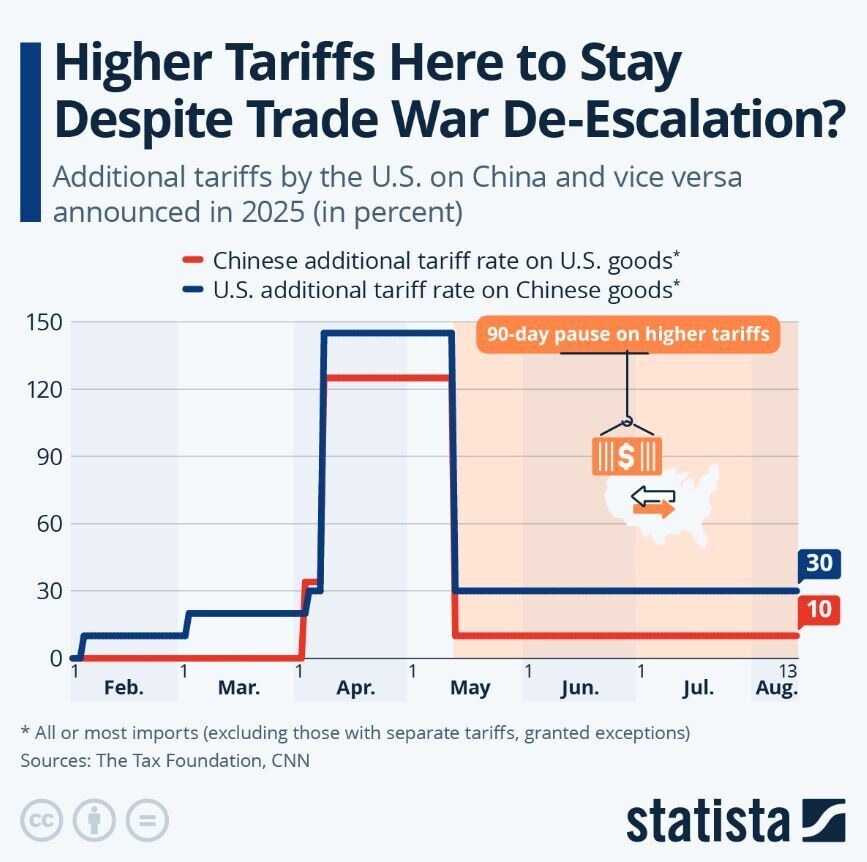
The US and China have reached a preliminary trade agreement, with President Trump announcing a 55% tariff on Chinese goods, while Chinese tariffs remain at 10%. This comes amidst significant declines in bilateral trade, with US imports from China dropping 28.5% year-over-year in May. The World Bank has revised its 2025 global growth forecast down to 2.3% due to ongoing trade tensions. Meanwhile, ASEAN has launched a five-year plan to enhance economic integration and aims to become the world's fourth-largest economy by 2045, promoting increased intra-regional trade and improved connectivity.
Afghanistan, Argentina, Armenia, Australia, Austria, Bahrain, Barbados, Belarus, Belgium, Benin, Bermuda, Bolivia, Brazil, Bulgaria, Burkina Faso, Burundi, Cambodia, Cameroon, Canada, Chile, Colombia, Cuba, Democratic Republic of the Congo, Denmark, Djibouti, Ecuador, Egypt, Estonia, Eswatini, Ethiopia, Finland, France, Gabon, Georgia, Germany, Ghana, Greece, Guatemala, Hungary, Iceland, India, Indonesia, Ireland, Israel, Italy, Jamaica, Japan, Jordan, Kazakhstan, Kenya, Latvia, Lebanon, Lesotho, Liberia, Luxembourg, Madagascar, Malawi, Malaysia, Malta, Mauritania, Mauritius, Moldova, Morocco, Mozambique, Myanmar, Namibia, Nepal, Netherlands, New Zealand, Niger, Norway, Oman, Panama, Papua New Guinea, Peru, Philippines, Poland, Portugal, Republic of Korea, Russian Federation, Rwanda, Saudi Arabia, Senegal, Seychelles, Singapore, South Africa, Sri Lanka, Sudan, Sweden, Syria, Taiwan, China, Tajikistan, Tanzania, Thailand, Togo, Trinidad and Tobago, Tunisia, Türkiye, Uganda, Ukraine, United Arab Emirates, United Kingdom, Uzbekistan, Venezuela, Viet Nam, Yemen, Zambia, Zimbabwe
US-China trade framework agreed and other international trade stories to know this month
One-third of the Earth's land surface is degraded, impacting over 2.6 billion people and costing countries up to $10.6 trillion annually due to diminished ecosystem services. Unhealthy soil contributes to biodiversity loss and affects food security and climate regulation. AI technologies, satellite remote sensing, and big data can monitor soil health and support farmers and governments in sustainable land management. The first global AI-powered map of soil salinisation predicts hotspots by 2100. Successful restoration projects in locations like China’s Loess Plateau and Ethiopia’s Tigray demonstrate the potential for scalable, AI-driven solutions to tackle soil degradation and improve livelihoods.
Declining soil health is a global concern – here’s how AI could help
The report by the European Commission’s Joint Research Centre examines Generative AI (GenAI) and its transformative potential within the EU. It highlights GenAI's ability to drive innovation and societal change across sectors like healthcare and education, while also presenting challenges such as misinformation, bias, labor disruption, and privacy concerns. The report outlines GenAI's technological aspects, economic implications, and societal impacts, emphasizing the need for a multidisciplinary approach and adaptation of skills. It discusses the current EU regulatory framework aimed at promoting trustworthy AI, concluding that a nuanced policy approach is essential to harness GenAI’s benefits while managing its risks.
Education
Generative AI Outlook Report
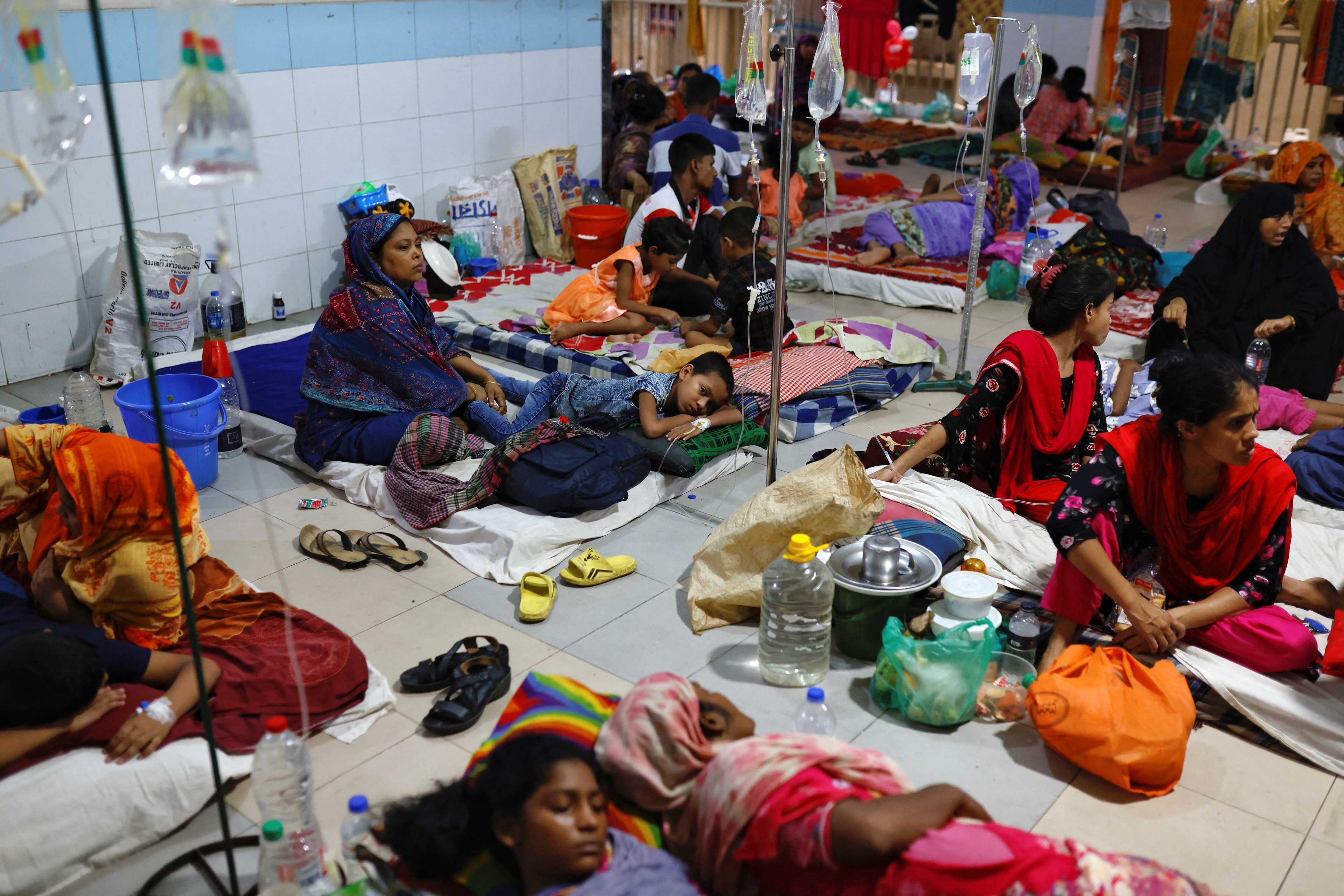
The climate crisis directly impacts global health, necessitating health innovation that strengthens systemic resilience rather than focusing solely on technological advancements. The World Health Organization projects climate change could lead to 250,000 additional deaths per year by 2050 due to its effects on health systems. Effective health innovation must prioritize climate resilience, exemplified by initiatives in the Global South, such as flood-resilient clinics in Bangladesh and climate-informed disease prediction in Colombia. To address these challenges, increased investment in climate-resilient healthcare infrastructure and integrated climate metrics within health financing is essential.
Nigeria | Education, Financial services, Health
Why climate resilience is the next benchmark for health innovation

Nearly 100 economies have narrowed gender gaps in political and economic inclusion over the past two decades, significantly enhancing competitiveness, innovation, and resilience. Current trends show the global gender gap has closed to 68.8%, yet full parity remains 123 years away. Leaders emphasize that gender parity boosts business outcomes, with diverse teams driving better decisions and fostering long-term resilience. Efforts like the World Economic Forum’s Global Gender Parity Sprint stress that achieving gender equality is not only a moral imperative but also critical for economic growth and sustainability.
Bahrain, Brunei Darussalam, Kuwait, Qatar, Singapore, United Arab Emirates | Education
‘An economic necessity’: 6 leaders on why gender parity can’t wait

A UNICEF-led study highlights that 60% of Gen Z feels overwhelmed by global events, affecting their mental health and sense of empowerment. This generation, while informed and passionate about change, seeks intergenerational accountability from leaders across sectors. They desire collaboration in co-creating solutions for mental health challenges and prefer employers who prioritize mental health support. Businesses are urged to make mental health a strategic priority, invest in early intervention, and advocate for policy changes while empowering young leaders to address systemic issues. The mental health of Gen Z is critical for fostering resilient communities and a productive workforce.
Education, Health
Gen Z wants to be part of the solution when it comes to mental health

Climate change significantly impacts politics, as revealed in research presented at the 2025 LSE Festival exhibition by António Valentim. Findings show that European political parties generally fail to increase their environmental focus in response to extreme weather events, with only Green parties exhibiting a brief uptick in climate messaging. Additionally, while climate emergencies elevate environmental issue salience among voters, the English Green Party does not strategically allocate more candidates in affected areas, demonstrating constraints in responsiveness. Conversely, repeated climate protests, like those from Fridays for Future, have been shown to boost support for the German Greens through increased voter turnout and attitude changes. Finally, flooding events in Brazil influence the types of candidates entering mayoral races, potentially impacting socio-economic inequalities.
Climate change, political inertia and the power of protest – insights from the LSE Festival exhibition

Africa faces a worsening debt crisis, with external debt rising from under 13% to 25% of GDP between 2009 and 2023, driven by increased reliance on private and bilateral lenders. The debt-servicing burden has also surged from 3% to 10% of government expenditure. China has become a dominant creditor, accounting for 40% of Africa's bilateral debt. Many loans are used for unproductive purposes, leading to "ghost projects" and further economic fragility. This shift in creditor structure complicates assessments of debt sustainability and highlights the urgent need for fiscal reforms to ensure long-term growth.
Benin, Burkina Faso, Cameroon, Democratic Republic of the Congo, Ghana, Lesotho, Malawi, Mauritania, Nigeria, Senegal, South Africa, Zambia, Zimbabwe | Financial services, Health
Indebted and underfunded

Artificial intelligence has advanced significantly, mastering creative processes like music composition, poetry, and dream interpretation while enabling brain-machine interactions. While AI presents remarkable capabilities, it lacks subjective experience and consciousness. Current innovations are reminiscent of ancient human aspirations, such as healing and telepathy. Tools like AI-enhanced headbands are emerging to aid lucid dreaming and interpret dreams through machine learning, offering valuable insights into emotions and experiences. This evolution combines technology with traditional practices, suggesting new modes of understanding and manipulating the subconscious.
AI, neuroscience and the magic of consciousness
Policymakers can reduce digital disparities and promote inclusive growth through digitalization by enhancing infrastructure for connectivity, advancing digital skills, and ensuring equitable participation in the digital economy. Key regulatory approaches include easing constraints while maintaining digital security and harmonizing regional regulations to boost interoperability and trade. This brief is informed by research evidence and insights from the Asian Think Tank Network Forum 2024.
Bangladesh | Financial services, Education, Health, ICT
Digitalization for Inclusive Growth

Companies must adapt to new workforce demands by identifying key skills needed in 2025, driven by AI, remote work, and generational shifts. Essential transversal skills include teamwork, learning agility, and analytical thinking, but significant gaps exist in innovation, execution, and resilience, especially among younger employees. While 63% of companies plan to adopt AI, only 7% have made significant progress, hampered by a lack of necessary skills and ethical considerations. As remote work becomes standard, important traits like time management and discipline are crucial. Additionally, organizations must address demographic changes to promote intergenerational collaboration and inclusivity.
Spain | Education
What skills will your workforce need in 2025?
Personal data donations could revolutionize AI for public good by creating a system similar to blood banks. Currently, large companies dominate the data landscape, leaving mission-driven AI initiatives struggling for essential data. Despite public hesitance to share personal information due to privacy concerns, data continues to be collected by various platforms without transparency. This creates a systemic data scarcity for researchers and innovators focused on societal benefits. Addressing this bottleneck can lead to significant advancements in AI tools that improve lives and tackle pressing public needs.
A New Paradigm for Fueling AI for the Public Good
The Energy and AI Observatory by the IEA delivers updated data and analysis on the relationship between the energy sector and artificial intelligence (AI). It focuses on both the energy required for AI and the applications of AI that enhance efficiency, innovation, resilience, and competitiveness in the energy sector. This unique platform, created by the IEA with collaboration from industry and tech partners, complements the IEA's Special Report on Energy and AI.
Energy and AI Observatory