AI cannot independently resolve productivity issues, despite its potential as a tool for enhancing efficiency. Historical data shows that despite advancements in computing, labor productivity growth in advanced economies has declined significantly. The promise of the internet to amplify knowledge sharing and foster innovation has not materialized, with recent studies indicating that an overload of projects hampers researchers' ability to produce groundbreaking work. Effective innovation relies on deep focus and exploration, rather than merely accelerating existing processes. True economic advancements stem from significant discoveries rather than incremental improvements.
Education
AI alone cannot solve the productivity puzzle
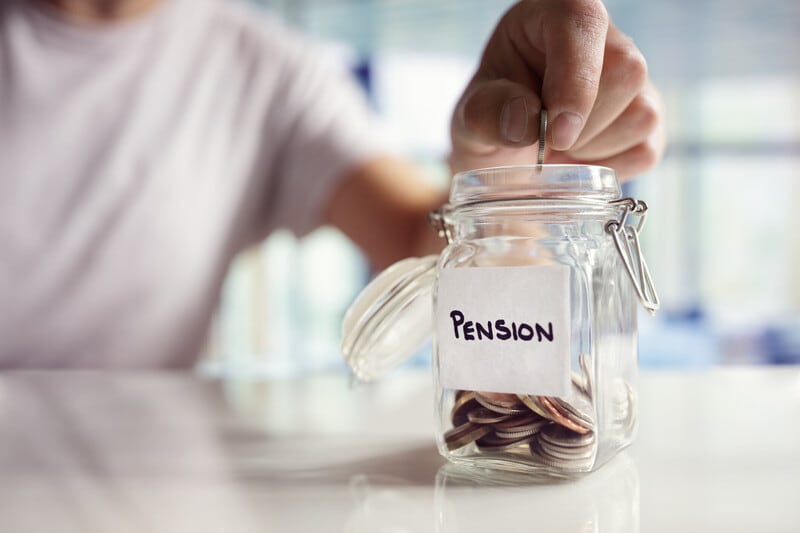
AI is making financial advice more accessible and equitable by offering tailored guidance to individuals regardless of their financial background. Only 35% of Americans have a financial plan, largely due to high costs and limited access to advisors. Traditional financial planning methods are becoming outdated as lifespans increase and retirement needs evolve. AI technologies enable personalized financial strategies by analyzing comprehensive financial data and adjusting to life changes. This allows both advisers and individuals to create dynamic financial plans, bridging gaps in access and improving financial literacy among diverse demographics.
Financial services
How AI is making financial advice more accessible
TikTok faces a potential forced sale or ban in the U.S. amid escalating U.S.-China tech rivalry over data privacy and national security concerns. The platform's unique algorithm, which uses micro-interactions to shape user content through addictive feeds, raises fears it could be weaponized for political manipulation. The conflict signifies a significant shift in digital power dynamics, reflecting broader geopolitical tensions. Potential outcomes include a forced sale, a symbolic ban, or a lengthy legal battle, highlighting a divide in global digital ecosystems. TikTok's fate raises questions about the intersection of technology, national security, and free speech.
The battle for TikTok is at the forefront of a deeper geopolitical trend

Red teaming is a proactive testing method that identifies vulnerabilities in generative artificial intelligence (GenAI) systems before real-world exploitation occurs. It requires well-defined safety policies that outline risks and acceptable behaviors. Effective red teaming combines automated and manual testing approaches to expose weaknesses and simulate attacks. Common strategies include role-playing and encoding to bypass AI safety measures. Red teams must also consider multimodal inputs, as vulnerabilities can arise from text, image, and audio sources, emphasizing the need for rigorous testing to ensure the safety and reliability of AI systems.
What is 'red teaming' and how can it lead to safer AI?

Narratives that emphasize tangible benefits are crucial for mobilizing support for nature-positive initiatives. While traditional methods focused on facts and regulations have failed to inspire widespread change, innovative solutions from various sectors demonstrate that progress is possible. Effective storytelling can reshape public perceptions, helping to frame nature restoration as vital for economic stability. Successful examples, such as Costa Rica's deforestation reversal and sustainable agricultural practices, highlight potential pathways. Ultimately, bridging the gap between ecological realities and market perceptions is necessary for fostering genuine investment in a greener future.
Nigeria | Financial services, ICT, Education, Health
Changing the future of nature: 5 principles for shifting narratives

Humanoid robots are set to transform various sectors, including healthcare, retail, and personal assistance, potentially leading to billions in operation by 2040. Powered by advanced AI, these robots are designed to work alongside humans, enhancing productivity while driving significant market growth, projected to reach up to $66 billion by 2032. The global competition, especially between the US and China, accelerates innovation in this field. While concerns about job displacement exist, humanoid robots may improve workplace safety and create new roles, necessitating thoughtful policies to manage their impact on the workforce.
Humanoid robots offer both disruption and promise. Here’s why

The Annual Meeting of the New Champions 2025 in Tianjin, China, will showcase how art, AI, and ecology intersect, featuring installations from Thijs Biersteker and Ronen Tanchum. Biersteker's "Fungal Faculty" combines AI with ecological themes, using mycelium networks to challenge perceptions of intelligence and sustainability. Tanchum's "Seeds of Tomorrow" employs generative AI and real-time motion tracking to create an interactive experience that explores the relationship between nature and technology. These exhibitions foster dialogue about the evolving dynamics of humanity with ecological and technological advancements.

How art, AI and ecology will intersect at the Annual Meeting of the New Champions 2025
Natural capital is recognized as crucial infrastructure, with 85% of S&P Global 1200 companies reliant on nature. It may help combat geopolitical uncertainty, biodiversity loss, and economic instability, as 20% of countries face potential natural system collapse. Environmental risks, such as ecosystem degradation, threaten global stability and are increasingly tied to market risks. The importance of integrating natural capital into public policy, finance, and corporate strategies is underscored by initiatives in countries like China and corporate efforts from companies like Puma and Natura. Regulatory frameworks are evolving to support this transition, indicating a shift towards valuing nature in economic planning.
Nigeria, Senegal | Financial services
What is natural capital, and can it help economic resilience and global stability?

India faces a severe groundwater crisis exacerbated by overextraction and outdated regulatory frameworks. Groundwater supports over 60% of irrigation and 80% of rural drinking water needs in the country. Regions like Punjab and Rajasthan experience acute depletion, with a significant portion of aquifers classified as over-exploited. Current laws, rooted in colonial-era frameworks, link water rights to land ownership, perpetuating social inequality and limiting access for marginalized communities. Reform calls stress the need for progressive governance centered on sustainability, local factors, and environmental protection amidst rising demands and climate change challenges.
Bangladesh, Nigeria | Health
As India’s groundwater runs dry, calls for reform grow

The longevity economy necessitates a shift in financial planning as retirement now spans up to 30 years, presenting challenges to traditional models. Fintech innovations, including robo-advisors and AI financial coaches, enhance financial resilience by providing personalized, adaptable tools for managing longer life spans. Collaborative efforts among fintechs, banks, and policymakers are crucial to making financial tools accessible. Dynamic income planning strategies, such as flexible withdrawal methods and access to alternative investments, help retirees adjust to market fluctuations and personal needs. Overall, technology plays a vital role in reshaping wealth management for longer lives.
ICT, Education, Financial services
Planning for 100-year lives: How fintech can reshape wealth for the longevity economy

Global value chains are transforming rapidly due to geopolitical disruptions, climate shocks, and technological advancements, prompting a shift from globalization to regionalization among 90% of manufacturers. Decision-makers face challenges that go beyond immediate responses, focusing on long-term resilience and competitive positioning. "From Shock to Strategy: Building Value Chains for the Next 30 Years," developed by the Global Future Council on Advanced Manufacturing and Value Chains, identifies eight key forces shaping global manufacturing and presents a strategic framework for 2030, 2040, and 2050, providing a roadmap for resilience and competitiveness.
Chile, Ethiopia, Georgia, Germany, Ghana, Indonesia, Japan, Jordan, Kenya, Kyrgyz Republic, Malaysia, Mozambique, Philippines, Republic of Korea, Russian Federation, Rwanda, Senegal, Singapore, Switzerland, Tanzania, Thailand, Uganda, Ukraine, United Arab Emirates, United Kingdom, Venezuela, Viet Nam | Financial services, ICT, Health
From Shock to Strategy: Building Value Chains for the Next 30 Years

Global value chains are transforming due to geopolitical disruptions, climate shocks, and technological advancements. Over the past decade, manufacturers have shifted from globalization to regionalization, with 90% adapting their strategies. The white paper identifies eight key forces shaping manufacturing over the next 30 years and provides a strategic framework spanning 2030, 2040, and 2050. It aims to offer manufacturers a roadmap for enhancing resilience and competitiveness amid a complex global landscape.
From Shock to Strategy: Building Value Chains for the Next 30 Years
Opportunities for expanding circular economy investments in Asia and the Pacific are highlighted, focusing on designing waste and pollution out of systems, keeping materials in use, and regenerating natural resources. The Asian Development Bank collaborates with partners to promote these approaches, emphasizing efficient resource management, waste reduction, and sustainable development through policy measures, investments, and capacity development.
Advancing the Circular Economy: Creating a Sustainable Future in Asia and the Pacific

Key challenges for the banking sector in Spain include the need to scale operations in Europe and adapt to global fragmentation. A survey of 81 banking professionals highlighted that 38% prioritize enhancing competitiveness, while 32% focus on adapting to regulatory changes. The growing influence of artificial intelligence is noted, with 30% utilizing it for process automation and 24% for risk assessment. The digital euro project aims to reduce fragmentation in payment systems. These insights underscore banking's strategic importance in Europe's recovery and integration efforts.
Spain, United Kingdom | Financial services
Challenges and priorities for the banking sector in Spain
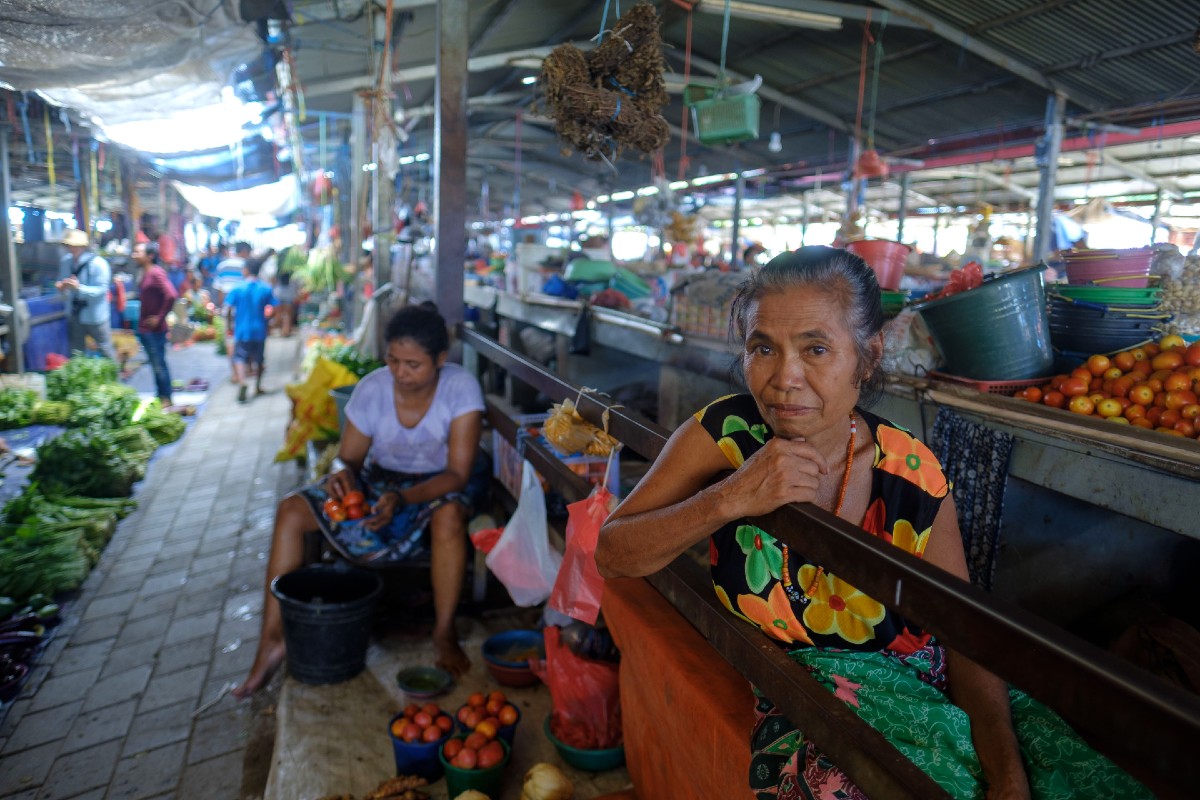
Timor-Leste aims to transition from an oil-funded economy to a private sector-driven model by joining ASEAN, which presents significant opportunities for investment and trade growth. The country is enhancing its investment framework with fiscal incentives and legal protections while preparing for its 2024 World Trade Organization accession. Challenges include low private investment and structural issues affecting export growth. To overcome these, Timor-Leste should adopt targeted strategies for investment promotion, enhance business processes, and implement evidence-based planning. Additionally, robust marketing to showcase niche products and improve the business environment through regulatory reforms and investor support systems are essential for sustainable economic transformation.
Armenia, Australia, Bulgaria, Cambodia, Chile, Czech Republic, El Salvador, Estonia, Ethiopia, Germany, Ghana, Hungary, Indonesia, Japan, Jordan, Kenya, Lebanon, Lesotho, Malaysia, Moldova, Mozambique, Peru, Philippines, Portugal, Republic of Korea, Rwanda, Senegal, Seychelles, Singapore, South Africa, Sri Lanka, Taiwan, China, Tajikistan, Tanzania, Thailand, Trinidad and Tobago, Uganda, United Arab Emirates, Viet Nam | Education
How Timor-Leste in ASEAN Can Drive Investment and Export Growth
Machine learning benchmarks, akin to standardized tests, are essential for assessing AI model performance and facilitating comparisons between models. Notable benchmarks include ImageNet and SQuAD. However, their development has often been arbitrary, leading to a call for benchmarks that align with public interests and priorities in AI technology. This alignment is crucial for fostering positive AI futures that meet community needs and expectations.
Community-Aligned A.I. Benchmarks
Policymakers and strategists within the American alliance network are reevaluating nuclear deterrence strategies due to uncertainties surrounding security guarantees linked to Donald Trump's potential return to the White House. The global nuclear landscape, traditionally stable due to treaties like the Nuclear Non-Proliferation Treaty and the U.S. nuclear umbrella, faces potential change as nations consider developing their own deterrent capabilities amid renewed tensions and nuclear threats.
A New Nuclear Calculus?
New technologies enable unprecedented manipulation by companies and politicians, often creating an illusion of choice while directing individuals towards outcomes that diminish wealth, health, and democracy. Cass Sunstein's book, "Manipulation," provides a modern definition of manipulation, differentiating it from innocuous influence like nudges. He discusses the detrimental impacts of digital manipulation, including the roles of AI, algorithms, deepfakes, social media, and deceptive designs. Sunstein offers strategies to counteract manipulation, aiming to safeguard freedom, personal agency, and well-being in consumers' lives.
Manipulation: What It Is, Why It's Bad, What to Do About It
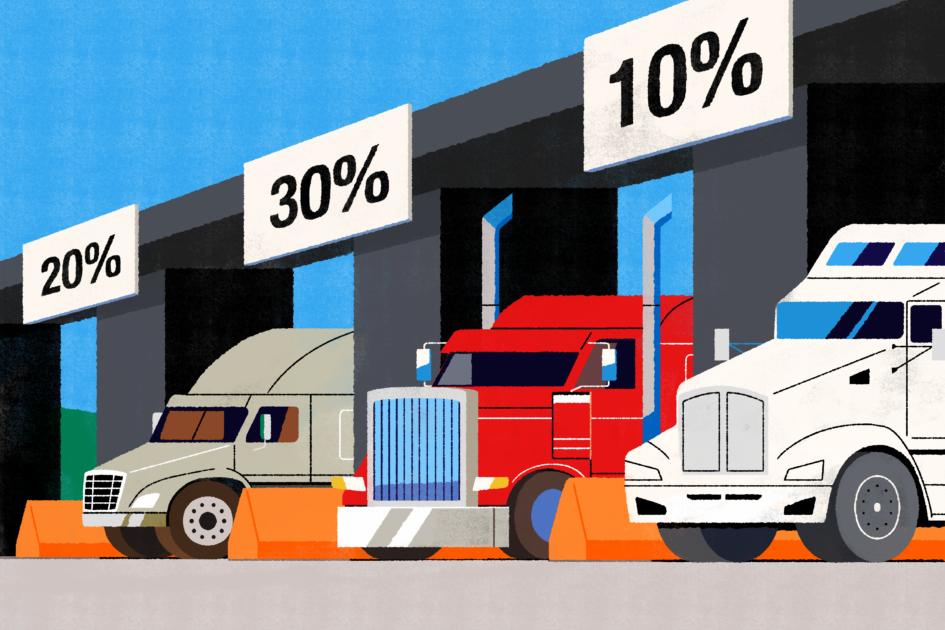
Businesses must adapt to the new landscape of international tariffs by reevaluating their supply chains. With the imposition of tariffs potentially raising costs and altering sourcing strategies, companies are encouraged to diversify their supply sources and consider local production adjustments. For instance, businesses like Apple have shifted their imports to countries with lower tariffs, such as India. Companies are advised to build optionality in their sourcing to mitigate future risks, despite the short-term costs. In a volatile environment, proactive planning and flexibility can help businesses navigate tariff challenges effectively.
Taiwan, China | Financial services
How Your Business Can Adapt to Tariffs—and Come Out Ahead

The Trade Worldwide Information Network (TWIN) Foundation has been launched to revolutionize global trade by making it digital and seamless. This initiative aims to cut trade costs by up to 25%, potentially unlocking $10 trillion in global trade value, especially benefiting small businesses and developing economies. TWIN utilizes open-source, distributed ledger technology for secure data exchange, ensuring data sovereignty and interoperability. Key projects already demonstrate significant improvements, such as reduced customs clearance times and costs in East Africa. By fostering partnerships and focusing on transparency and sustainability, TWIN aspires to modernize international trade infrastructure.
Benin, Ethiopia, Rwanda, Tanzania, Tunisia | ICT
This initiative could cut the cost of global trade by 25%