
Alexander Sukharevsky is the managing partner of QuantumBlack, McKinsey’s AI division, which has gained recognition for its leadership in applied artificial intelligence. QuantumBlack supports organizations in transforming operations and enhancing performance through responsible AI use. Sukharevsky leads McKinsey’s research into generative AI and future technologies, emphasizing the importance of aligning technology with strategic business processes. His new initiative, "agents at scale," aims to provide businesses with customizable AI agents that enhance operational agility and drive revenue, while addressing systemic challenges in integrating AI into existing workflows.
Interview Of The Week: Alexander Sukharevsky, McKinsey

The 2025 FIFA Club World Cup, featuring 32 clubs across 12 US cities, exemplifies the trend of "polycentric" hosting in global sports, where multiple locations collaborate for events. This approach, also seen in the upcoming World Cups and the 2026 Winter Olympics, reduces financial burdens and infrastructure demands on single hosts while promoting local economies and fan engagement. Despite challenges like potential fragmentation, the model fosters innovation and cultural exchange, offering considerable environmental and economic benefits. Shared hosting is emerging as a sustainable alternative in the future of sports.
The Club World Cup 2025 shows sharing the stage is the future of global sport
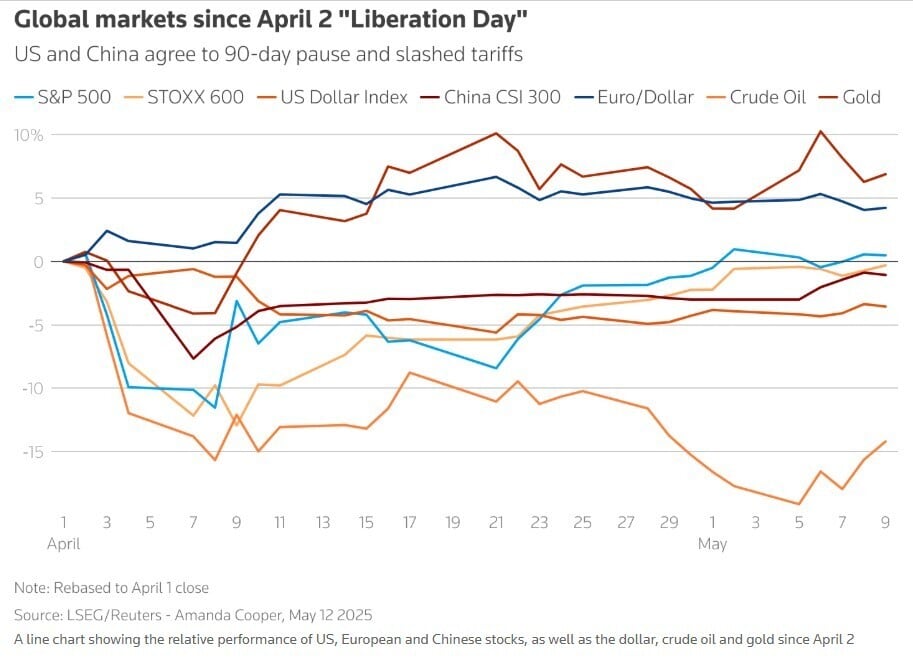
The US and China have agreed on a framework for trade discussions, easing tensions between the two economies, though markets remain cautious due to a lack of details. China's producer price index dropped 3.3% year-on-year amid deflation and economic challenges, prompting expectations for more stimulus. Meanwhile, US regulators delayed new data reporting rules for private fund advisers as investors pivot to silver and platinum amidst rising gold prices. Gold has now become the second-most important global reserve asset, surpassing the euro.
Ghana, Taiwan, China | Financial services
Markets cautious in wake of US-China trade framework, and other finance news to know
Youth strategies from organizations like the EU and ASEAN are pivotal for empowering young people and enhancing civic engagement, particularly in the face of rising political extremism. Young voters often seek alternatives to mainstream parties, gravitating toward ideologically extreme options due to dissatisfaction with existing governments. Strategies such as the EU Youth Strategy and ASEAN Youth Strategy are designed to foster political participation by connecting youth with democratic processes, offering platforms for expression, and providing civic education. These initiatives strengthen democracy by ensuring that youth concerns influence governance and policy-making.
ASEAN, Latin America
Can youth strategies contribute to democracy? - LSE Human Rights
The 2025 AfDB Annual Meetings featured an Intergenerational Dialogue focusing on the pivotal role of young Africans in driving gender-inclusive economic transformation. Key discussions highlighted the urgent need for financial inclusion and employment opportunities, particularly for women and youth. Initiatives such as the AfDB’s AFAWA aim to enhance access to finance, while young innovators showcased successful projects addressing local challenges. Participants emphasized the necessity for African-led financing and decision-making, urging governments to increase investments in youth. The event underscored that young Africans are already leading transformational changes in their economies.
Africa
Young Africans Leading the Charge: Driving Gender-Inclusive Economic Transformation
The UK government's spending review highlights concerns that small businesses, which account for 60% of private-sector employment, are becoming increasingly disconnected from the economy. Rising costs from increased national insurance contributions and minimum wage laws, coupled with ineffective government support, threaten their viability. Many micro-enterprises struggle with regulatory demands, leading to informal operations that undermine tax receipts and growth.

Structural barriers, such as the VAT threshold and restrictive eligibility criteria for support programs, discourage business expansion. Consequently, many small firms limit growth to avoid registration, exacerbating economic challenges. Support schemes often overlook the needs of the smallest businesses, further hindering their potential contributions to the economy.
Education
The UK’s small businesses should be fuelling the country’s growth ambitions. Here’s why that’s not happening
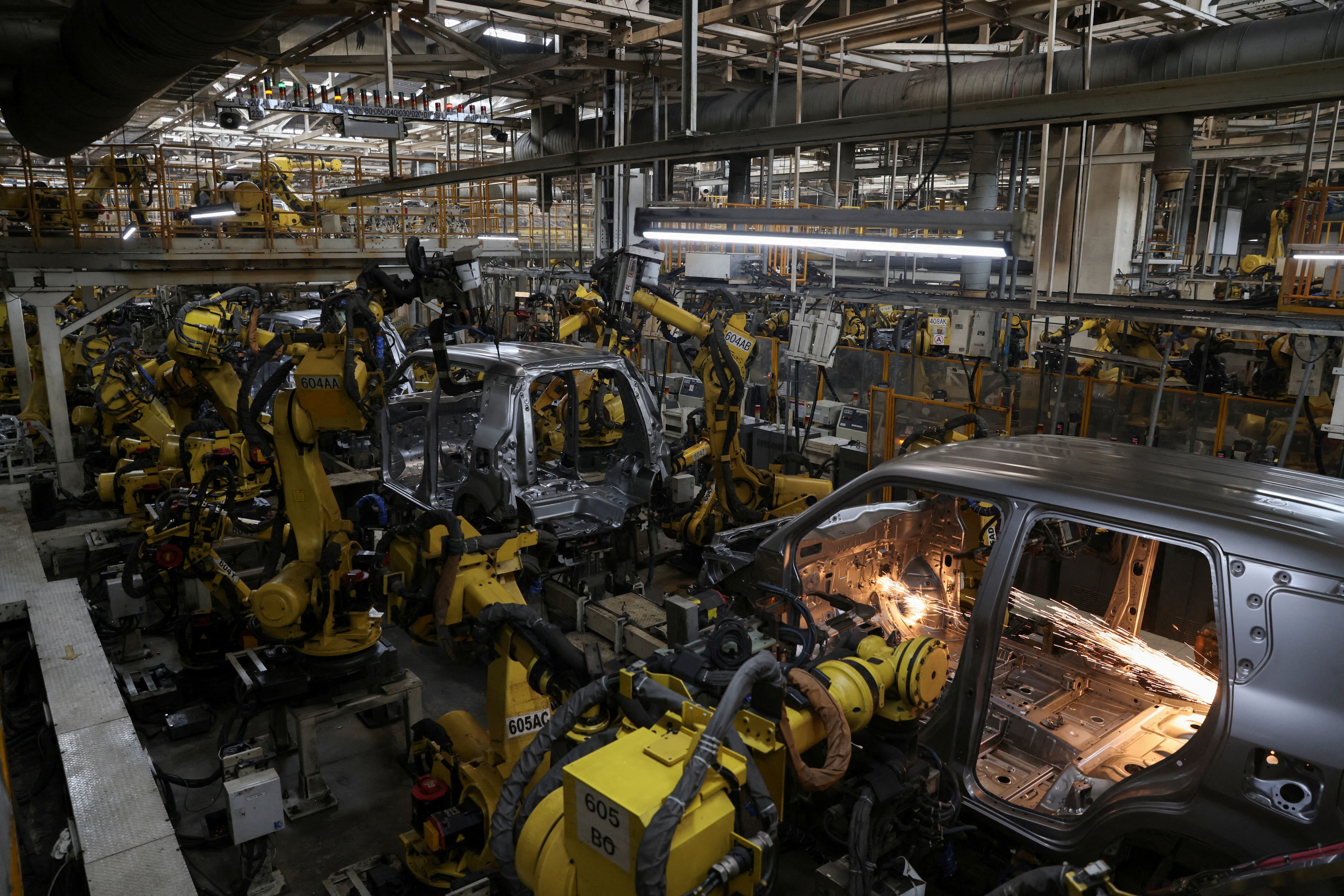
Manufacturing is undergoing critical transformations in technology, sustainability, and resilience. As geopolitical pressures rise and environmental issues escalate, leaders must integrate resilience into their strategies, equating it with digitization and sustainability. The industry is shifting from point and application solutions to systemic innovations that create exponential value. A coordinated "Twin Transformation" of digital advancements and sustainability efforts can enhance organizational efficiency, market differentiation, and return on investment. Adding resilience as a third pillar in operations allows manufacturers to adapt to volatility and optimize processes, positioning them competitively in a complex world.
Tanzania | ICT, Education, Financial services
This is the next stage in manufacturing’s evolution

Rising fiscal pressures globally are leading to increased concerns over public debt levels, with the US projected to face deficits reaching 6.9% of GDP and a debt burden of 125% by 2034 due to a proposed tax bill. The IMF predicts that global public debt will exceed 100% of GDP by the decade's end, heavily impacting developing nations facing declining aid and burgeoning debts. Bond markets are reacting, with yields increasing as risk perceptions rise, particularly in countries like Japan. Despite challenges, nations are adapting by enhancing regional ties and economic integration initiatives. Global GDP growth is expected to weaken to 2.3% this year, reflecting these economic shifts.
Bahrain, Barbados, Burkina Faso, Egypt, Georgia, Germany, Ghana, Greece, Japan, Nigeria, Singapore, South Africa, Taiwan, China, United Kingdom, Zimbabwe | Financial services, Health
Pressure on budgets starts to bite amid upheaval, and other key economic news to know
The legal system in England and Wales, crucial for fostering trust in commerce, is deteriorating due to significant funding cuts since 2011-12. This under-resourcing has led to increased court backlogs, extended wait times for hearings, and unpredictability in justice outcomes, adversely affecting both businesses and individuals. Presently, civil claims take an average of 77 weeks to resolve, while tribunal backlogs have surged, delaying essential financial decisions for many. The weakened justice system poses a threat to economic growth, emphasizing the need for it to be treated as vital national infrastructure.
The deteriorating justice system in England and Wales is hindering economic growth
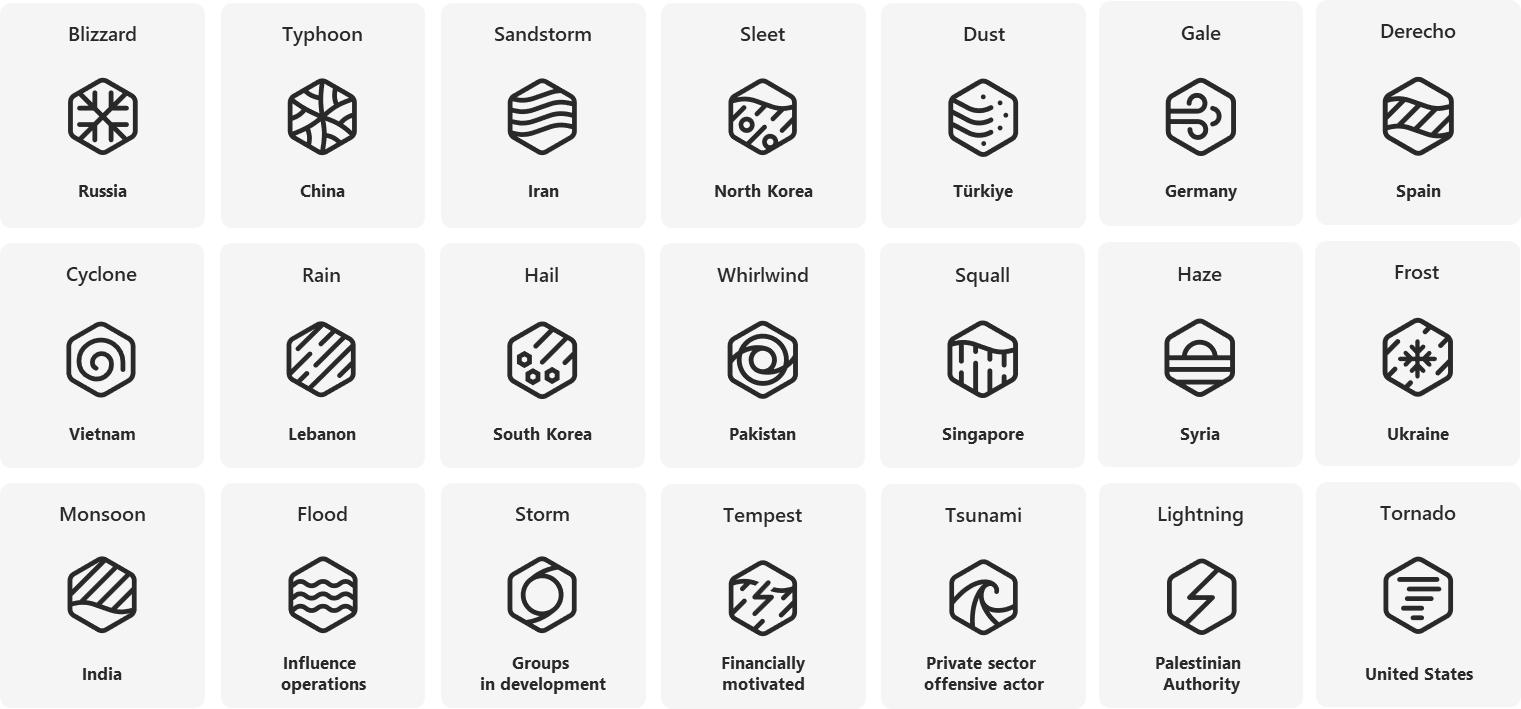
Four tech companies—Microsoft, Google, CrowdStrike, and Palo Alto—are collaborating to create a public glossary of cybercriminals and state-sponsored hacking groups, aiming to standardize naming conventions and enhance collective cybersecurity responses. The EU is also reinforcing its cybersecurity efforts, particularly in light of vulnerabilities exposed by recent incidents, with Microsoft offering free programs to bolster defenses. Japan has enacted the Active Cyber Defence Law to address threats, while luxury jewelry retailer Cartier has reported a data breach. Additionally, the U.S. has imposed sanctions on a company linked to cyber scams.
Financial services, ICT
Companies partner to create a who's who of hackers, and other cybersecurity news

Migration governance in North Africa faces critical challenges influenced by external pressures and security concerns, undermining human rights and sustainable development. Countries like Libya and Tunisia implement fragmented policies that focus on border control, neglecting the safety and dignity of migrants. Libya's over-securitized approach leads to human rights abuses and dangers for migrants, while Tunisia’s reliance on EU agreements compromises its domestic policy and migrants' rights. Similarly, Egypt struggles with increasing migrant populations but resorts to restrictive measures that heighten vulnerabilities. A shift toward prioritizing human rights and socio-economic development is essential for effective migration governance.
Algeria, Burkina Faso, Egypt, Ghana, Guinea, Mauritania, Nigeria, South Africa, Tunisia
North Africa’s migration governance: time for a new approach

Cities globally are implementing innovative mobility strategies to improve air quality. Key approaches include low emission zones (LEZs), electric city fleets, cycling infrastructure, and shared delivery micro-hubs. LEZs restrict high-polluting vehicles, significantly reducing air pollution, as seen in London's ULEZ. Electrification of city fleets has led to marked improvements in air quality, exemplified by Wellington’s increased electric bus presence. Expanding cycling networks in cities like Paris have doubled bike usage, contributing to substantial reductions in nitrogen dioxide and particulate matter. Finally, shared delivery micro-hubs are transforming freight logistics to reduce emissions and congestion.
4 schemes helping cities achieve clean air – and how to scale them globally
Many AI investments falter due to unclear business value, poor planning, and lack of ROI tracking, necessitating smarter funding strategies. A portfolio-based investment approach, combined with metrics and adoption readiness, is essential for achieving impactful AI outcomes. Generative AI alone is expected to create $7 trillion in value and enhance US labor productivity. However, 30% of generative AI projects may stall by 2025 due to various challenges. Organizations should focus on building AI readiness and adopting a use-case-driven strategy to ensure successful AI integration, supported by a structured AI ROI Framework to measure project impact and guide investment decisions.
Why AI needs smart investment pathways to ensure a sustainable impact
Human security provisions are analyzed in ceasefire and peace agreements across Eastern Europe, the Caucasus, and Central Asia, emphasizing that sustainable peace must address civilians' everyday needs beyond halting violence. The publication introduces the Human Security Index (HSI), which assesses seven dimensions of human security through nine case studies, including the Russia-Ukraine war and conflicts in Abkhazia, Transnistria, and the Tajik-Kyrgyz border. It finds peace agreements generally more inclusive of human security than ceasefires, with multilateral agreements showing higher integration levels. For effective peace, human security must be central to agreements, especially regarding root conflict causes.
Health
Human security provisions in ceasefire and peace agreements: case studies from Eastern Europe, Caucasus and Central Asia
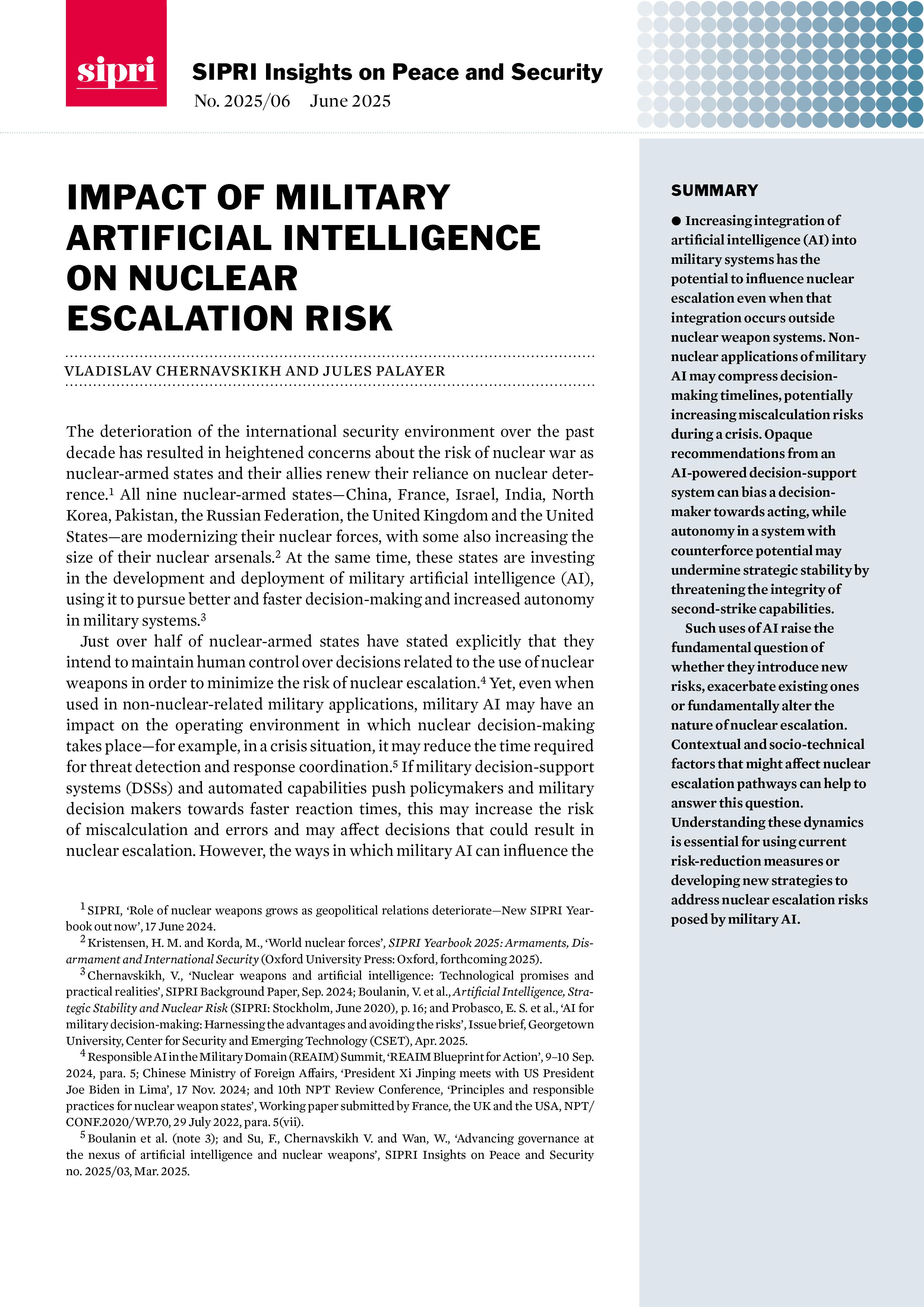
Increasing military integration of artificial intelligence (AI) can raise nuclear escalation risks, even outside of nuclear systems. Non-nuclear AI applications may shorten decision-making timelines, increasing the chances of miscalculations during crises. AI-driven decision-support systems can bias leaders towards rapid action, while autonomous systems with counterforce capabilities may jeopardize strategic stability. The interplay of AI's socio-technical impacts and contextual factors is crucial for understanding these risks and formulating effective risk-reduction strategies in a nuclear context.
Impact of Military Artificial Intelligence on Nuclear Escalation Risk

Closing the global gender gap is projected to take 123 years at the current pace, with significant disparities in workforce representation, pay, and leadership. The World Economic Forum’s Gender Parity Accelerators, active in 18 economies, are addressing these issues by supporting over 1 million women through targeted public-private initiatives. These accelerators focus on reforms in childcare, parental leave, and workplace inclusion, mobilizing over $24 million in resources. Specific country efforts include advancing gender parity laws in Ecuador, enhancing resources for women entrepreneurs in Honduras, and promoting inclusion through data platforms in Guatemala.
18 Economies, 1 Mission: Accelerating Economic Gender Parity by 2030

Corruption in healthcare undermines trust, exacerbates inequality, and costs an estimated $455 billion globally. While institutional reforms are necessary, they are insufficient without addressing the social norms that perpetuate corrupt practices. Informal payments are prevalent in countries like Bulgaria, Greece, and Moldova, where patients often feel compelled to pay for entitled services. Effective policy must include comprehensive measurement of corruption's roots and recognition of the influence of perceived social norms. Approaches to reform should focus on promoting integrity, utilizing role models, and crafting culturally sensitive messages to reshape public expectations and behaviors regarding corruption.
Latin America | Health
Why money alone won’t cure corruption in healthcare

Robotics are significantly transforming healthcare through multiple innovations. Key advancements include speeding up diagnoses with AI systems like DAISY, enhancing surgical precision with robotic platforms like da Vinci, and improving patient mobility through exoskeletons and muscle-assisting technologies. Robotics also support telemedicine, as demonstrated by a fully automated dental procedure. The global medical robotics market is projected to expand from $16.6 billion in 2023 to $63.8 billion by 2032, reflecting the growing reliance on robotics in various medical applications.
6 ways that robotics are transforming healthcare

Max Han Kai Ding emphasizes the importance of reconnecting Southeast Asians with their land to enhance environmental rights and climate justice. His childhood experiences with transboundary haze ignited his commitment to activism, leading him to co-found Youths United For Earth (YUFE) at 19, which focuses on empowering marginalized youth in climate action. Currently a Rhodes Scholar pursuing a master's in environmental change at Oxford, Han is involved in drafting Southeast Asia’s first Environmental Human Rights Framework and has received the Future Nobel Laureate Scholarship for his advocacy efforts. He believes that a deep cultural connection to the land is essential for achieving environmental justice in the region.
Rekindling our sacred ties with the land is key to upholding environmental rights in Asean: Max Han Kai Ding
Digital transformation and artificial intelligence can drive inclusive growth in emerging economies, but success hinges on effective data usage rather than mere collection. Developing countries often struggle to implement existing data due to fragmented infrastructures. Governments like Zambia, Rwanda, and India succeeded by embedding data analysts in policy-making, addressing real issues through a demand-first approach. Machine learning can uncover patterns and inform decisions, but successful implementation requires granular data, human judgment, and long-term commitment. Sustainable data reform fosters public capital, enhancing governance and accountability while risking increased inequality if poorly executed.
Albania, Algeria, Angola, Bangladesh, Botswana, Burkina Faso, Chad, Egypt, Ethiopia, Georgia, Germany, Ghana, Haiti, India, Indonesia, Kenya, Mali, Rwanda, Senegal, Singapore, South Africa, Tanzania, Uganda, Zimbabwe | Financial services, Education, Health, ICT
How to navigate the data jungle in emerging economies