
The Global Gender Gap Index 2025 benchmarks gender parity across 148 economies, revealing that the global gender gap is now 68.8% closed. The report highlights that it will take approximately 123 years to achieve full parity at the current pace. Iceland leads with 92.6% of its gender gap closed, marking 16 years at the top. Among the top 10 economies, eight are European, and all have closed at least 80% of their gaps. Significant progress is noted in the Health and Survival (96.2%) and Educational Attainment (95.1%) dimensions, while Political Empowerment remains at 22.9%.
Albania, Algeria, Angola, Armenia, Austria, Azerbaijan, Bahrain, Barbados, Belgium, Bolivia, Bosnia and Herzegovina, Botswana, Brunei Darussalam, Burkina Faso, Cambodia, Cape Verde, Chad, Cyprus, Denmark, Ecuador, Egypt, El Salvador, Estonia, Eswatini, Gabon, Georgia, Germany, Ghana, Greece, Guatemala, Guinea, Haiti, Hungary, Iceland, Indonesia, Ireland, Israel, Jamaica, Japan, Kazakhstan, Kuwait, Kyrgyz Republic, Latvia, Lebanon, Lesotho, Lithuania, Luxembourg, Madagascar, Malawi, Malaysia, Mali, Malta, Mongolia, Montenegro, Morocco, Namibia, Nepal, New Zealand, Panama, Paraguay, Philippines, Poland, Qatar, Serbia, Seychelles, Singapore, Slovakia, Slovenia, Sweden, Taiwan, China, Tajikistan, Thailand, Tunisia, United Arab Emirates, United Kingdom, Yemen, Zambia, Zimbabwe | Financial services, Education, Health
Global Gender Gap Report 2025

It will take 123 years to achieve gender parity globally, as reported by the World Economic Forum’s Global Gender Gap Report 2025, though this is an improvement from 132 years last year. Iceland ranks first for the 16th consecutive year, with 92.6% of its gender gap closed. The report indicates that 68.8% of the global gender gap has been closed, with significant progress among lower-income economies. Notably, the UK has risen to fourth place due to increased political empowerment. Latin America and the Caribbean leads regions on track to close their gaps within 57 years, while Central Asia and the Middle East face much longer timelines.
Albania, Algeria, Azerbaijan, Botswana, Brunei Darussalam, Cape Verde, Chad, Egypt, Georgia, Guatemala, Guinea, Haiti, Hungary, Iceland, Kuwait, Mali, Mongolia, Montenegro, Paraguay, Poland, Qatar, Serbia, Singapore, Sweden
Progress despite uncertainty: Key findings from the Global Gender Gap Report 2025

The Global Gender Gap Report 2025 indicates that while progress has been made in closing the gender gap, over 30% remains, with a current projection of 123 years to achieve full parity. Iceland ranks first for the 16th year, followed by other Nordic countries. The report benchmarks gender parity across economic participation, education, health, and political empowerment, serving as a vital tool for policymakers and businesses. Despite improvements, persistent disparities hinder global economic potential, emphasizing the necessity of measuring the gender gap to drive change.
Albania, Algeria, Angola, Azerbaijan, Bahrain, Barbados, Bolivia, Botswana, Brunei Darussalam, Burkina Faso, Cambodia, Cape Verde, Chad, Denmark, Egypt, El Salvador, Estonia, Eswatini, Georgia, Ghana, Greece, Guatemala, Guinea, Haiti, Hungary, Iceland, Ireland, Israel, Jamaica, Kuwait, Latvia, Luxembourg, Madagascar, Malawi, Malaysia, Mali, Mongolia, Montenegro, Namibia, New Zealand, Norway, Paraguay, Poland, Qatar, Serbia, Seychelles, Singapore, Sweden, Taiwan, China, United Kingdom
Yes, we still need to measure the global gender gap — here’s why

Recent technological advancements offer significant opportunities for processing health data in the public interest. However, fragmented governance frameworks hinder the full realization of these opportunities. Key areas for analysis include the convergence of governance frameworks across jurisdictions, the harmonization of national procedures for secondary health data use, and public perceptions regarding health data usage. The paper examines these areas and presents collective findings related to the convergence of legal bases for secondary data use.
Denmark, Germany, Hungary, Sweden, United Kingdom | Financial services, Education, Health, ICT
Facilitating the secondary use of health data for public interest purposes across borders
AI is enhancing democratic participation in Africa by transforming electoral processes, particularly in voter education and campaigning. AI-driven platforms offer citizens real-time, standardized electoral information on digital devices, making it more accessible regardless of location. For example, Nigeria's CitiBot and South Africa's Thoko the Bot provide voters with crucial information about voting procedures and civic duties. These innovations reduce costs for political actors and increase engagement by making information personalized and readily available, fostering more inclusive democracies.
5 Ways AI is Boosting Citizen Engagement in Africa’s Democracies
UK Chancellor Rachel Reeves has outlined a spending review focused on boosting economic growth through public investment, totaling approximately £113 billion until the end of the current parliament. Major allocations include £39 billion for social and affordable housing, along with significant increases for health and defense to address COVID-19 impacts and geopolitical challenges. However, some departments face real-term cuts due to strict fiscal rules requiring day-to-day spending to be funded by tax revenues. The success in stimulating GDP growth hinges on effective investment in technology, productivity, and public services, amid an uncertain global economic landscape.
Financial services
Spending review delivers big boosts for health and defence – but Rachel Reeves is focused on investment
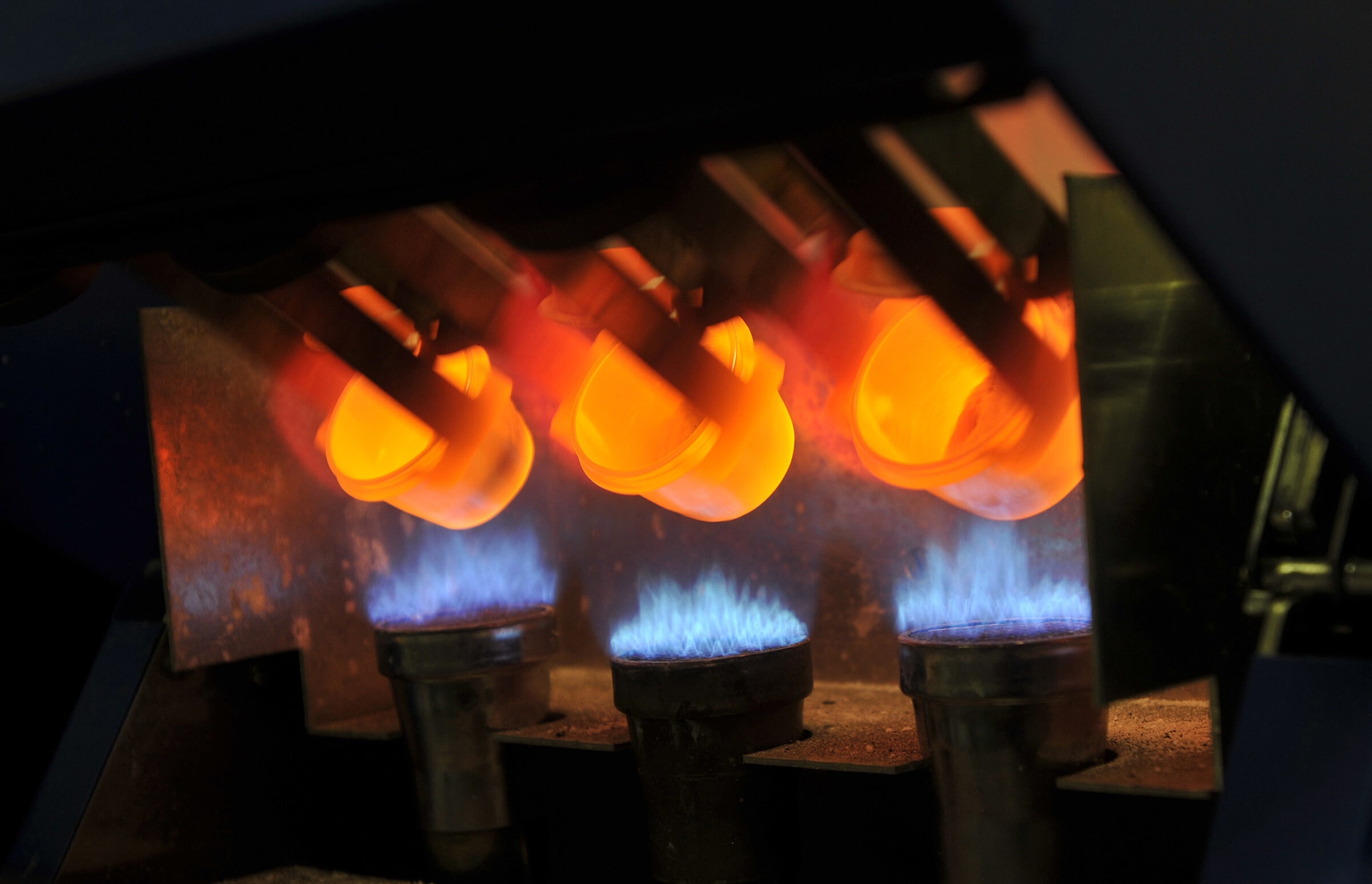
Countries are reconsidering their reliance on foreign production of rare earth minerals, which are crucial for technology but primarily sourced from China. The US's only operational rare-earths mine, Mountain Pass in California, was revived in 2017 after years of dormancy. Although rare earths themselves are not scarce, producing them requires significant investment, technical expertise, and regulatory approval, leading many nations to initially offsource production. As geopolitical tensions rise, countries including the UK, Australia, and Japan are seeking to restore domestic industries to reduce dependency and enhance national security.
Rare earths revisited: why countries stop producing things they need, and then try to start again

The Food Innovation Hub UAE, launched at COP28, aims to enhance food security in the UAE, where 85-90% of food is imported. It focuses on creating a resilient food system through public-private partnerships, innovative technologies, and climate-resilient practices. The Hub connects startups, producers, and policymakers, with a governance model that fosters collaboration across sectors. Key initiatives include the Access Program, which supports food and agriculture innovators by providing resources and networks. The Hub also promotes global collaboration, as evidenced by the recent Food Innovation Conference 2024, which facilitated partnerships among diverse stakeholders.
United Arab Emirates | Health
How public-private partnerships are fuelling food innovation and supply in the UAE
Cities are increasingly facing extreme heat due to climate change, with projections indicating that by 2050, the number of cities experiencing dangerous temperatures may triple. AI is becoming essential for urban adaptation strategies, helping to manage and mitigate heat effects. An example is Barcelona's RESPIRA® system, which uses AI for ventilation control in its metro, resulting in a 25.1% reduction in energy consumption and improved passenger comfort. This integration of AI tools is crucial for enhancing urban resilience against escalating heat challenges.
5 Ways AI Supports City Adaptation to Extreme Heat

A new nuclear arms race is emerging, as highlighted in the SIPRI Yearbook 2025, amidst the weakening of arms control regimes. All nine nuclear-armed states are modernizing their arsenals, leading to an estimated 12,241 warheads globally, with 9,614 in active military stockpiles. The trend of reducing stockpiles since the Cold War is reversing, as modernization accelerates while dismantlement slows. The USA and Russia hold around 90% of these warheads. China's nuclear arsenal is rapidly expanding, adding approximately 100 warheads annually, raising concerns over future strategic stability.
Nuclear risks grow as new arms race looms—new SIPRI Yearbook out now
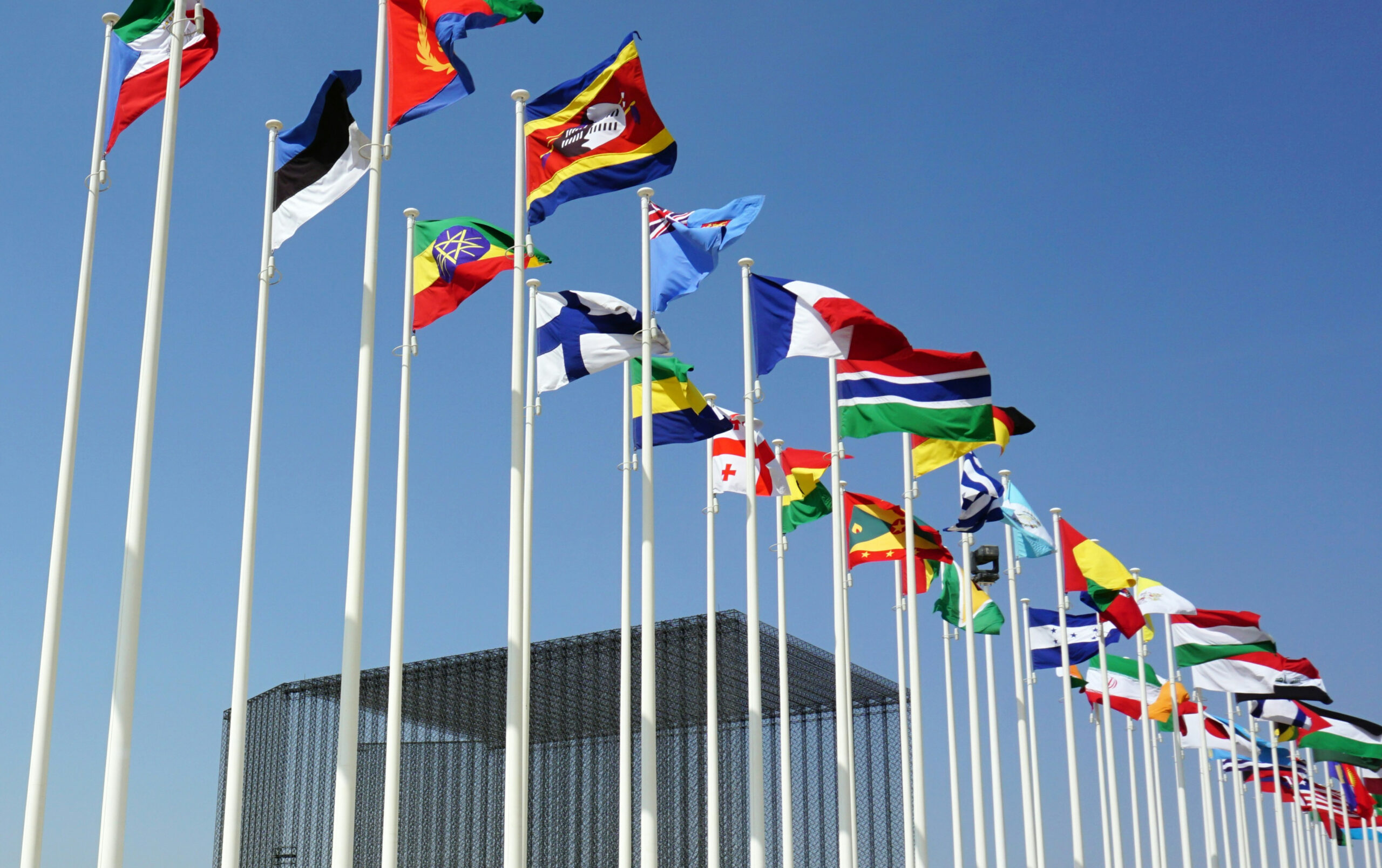
The Global South faces unique challenges from global threats such as climate change and pandemics, highlighting the need for tailored solutions. The launch of the Global South Perspectives (GSP) publication emphasizes new funding models focused on South-South cooperation, gender inclusivity in research, and proactive agenda-setting in global governance. Key discussions featured calls for long-term, flexible funding, strategic partnerships to elevate women's roles, and strong links between Southern knowledge and global policy processes. These changes aim to ensure Global South perspectives are integrated into global discourse, ultimately fostering more equitable development.
South Africa | Financial services, Health
Rethinking Funding, Centering Equity, Setting the Agenda: Insights from the GSP Launch

Employability has surpassed flexible working as the top priority for jobseekers, driven by economic uncertainty and a desire for stability. A survey of over 5,000 workers indicates that 67% prioritize employability over remote work, while many prefer reduced stress over higher pay. Control over working hours is valued more than location flexibility, with 56% emphasizing autonomy in scheduling. In return for full-time office mandates, employees expect higher salaries and additional flexibility. These shifts present employers with opportunities to align talent strategies with evolving employee preferences to build trust and loyalty.
Education
Talent trade-offs: Employability has overtaken flexible working in jobseekers’ priorities

The report by the World Economic Forum and Boston Consulting Group emphasizes the need for a collaborative approach to build trust in artificial intelligence within healthcare. It identifies three key priorities: enhancing technical capacity among stakeholders, adapting regulatory frameworks through guidelines and post-market surveillance, and fostering public-private partnerships for co-developing standards and ensuring quality assurance. Addressing these priorities is crucial to avoid fragmented approaches that could hinder innovation and exacerbate inequities in health systems.
Health
Earning Trust for AI in Health: A Collaborative Path Forward

Earning Trust for AI in Health: A Collaborative Path Forward highlights the need for a unified approach to building trust in artificial intelligence within healthcare. The report outlines three urgent priorities: enhancing technical capacity among regulators and health leaders, adapting regulatory frameworks through guidelines and post-market surveillance, and fostering public-private partnerships to establish standards and quality assurance. It emphasizes that without coordinated efforts, AI innovation may be hampered and inequities exacerbated, making trust fundamental for leveraging AI’s potential in creating resilient and equitable health systems.

Health
Earning Trust for AI in Health: A Collaborative Path Forward
The ocean is crucial for life on Earth, covering over 70% of the planet’s surface and regulating climate while providing food, livelihoods, and renewable energy potential. The upcoming 2025 UN Ocean Conference is a critical opportunity to accelerate global ocean governance amid climate change and human pressures. Effective, science-based policies and collective action are needed to protect marine ecosystems, foster public engagement, and invest in sustainable practices. Asia, particularly China, is emerging as a leader in this initiative. Urgent action is imperative to secure a resilient ocean for future generations.
Antarctica | Health
Why we must act now to ensure the future of the ocean and life on Earth

The COP30 climate summit in Belém, Brazil, emphasizes civil society engagement following years of repression at previous conferences. Brazilian officials advocate for increased participation from Indigenous and traditional communities through initiatives like the People’s Circle. However, concerns exist regarding the practical implementation of these initiatives. High accommodation prices and logistical challenges threaten accessibility for activists, with prices reportedly soaring to BRL 2 million for two weeks. Critics argue that the government must align its commitment to participation with affordable solutions, especially amidst declining international funding for climate efforts.
Antarctica
Brazil’s civil society pledges tested as COP30 climate summit approaches
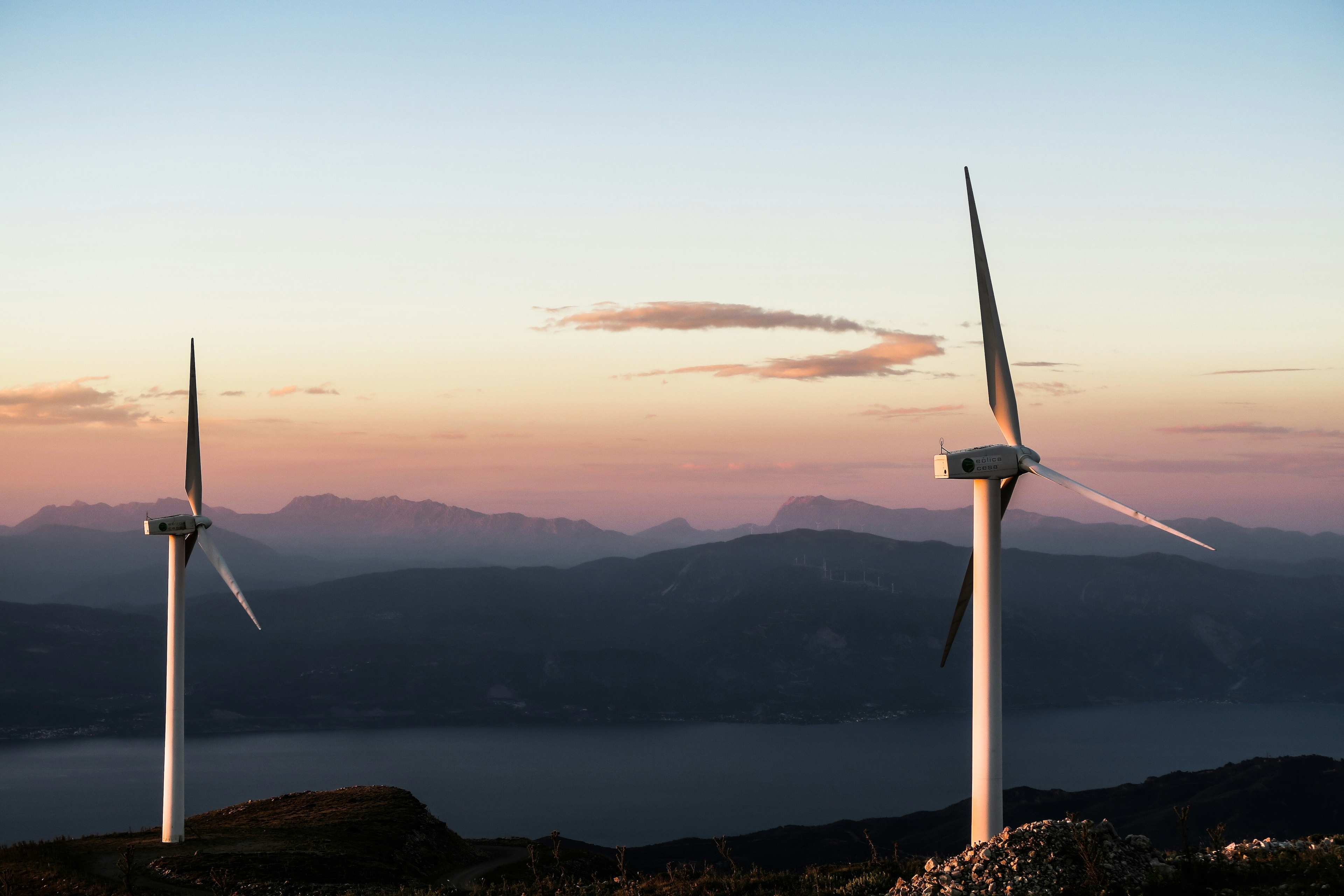
Clean-energy technologies, particularly solar and wind, thrive on reinforcing dynamics like learning by doing, economies of scale, and network effects, generating self-amplifying growth. However, increased renewable energy penetration can lead to economic challenges, such as falling prices and revenue volatility. Understanding non-linear thinking and feedback loops is essential for policymakers, as small changes can lead to significant impacts. Successful interventions in the early stages, such as feed-in tariffs, can kick-start these dynamics, while mature technologies require a focus on overcoming barriers and ensuring market integration.
Financial services, Education
How ‘feedback loops’ and ‘non-linear thinking’ can inform climate policy
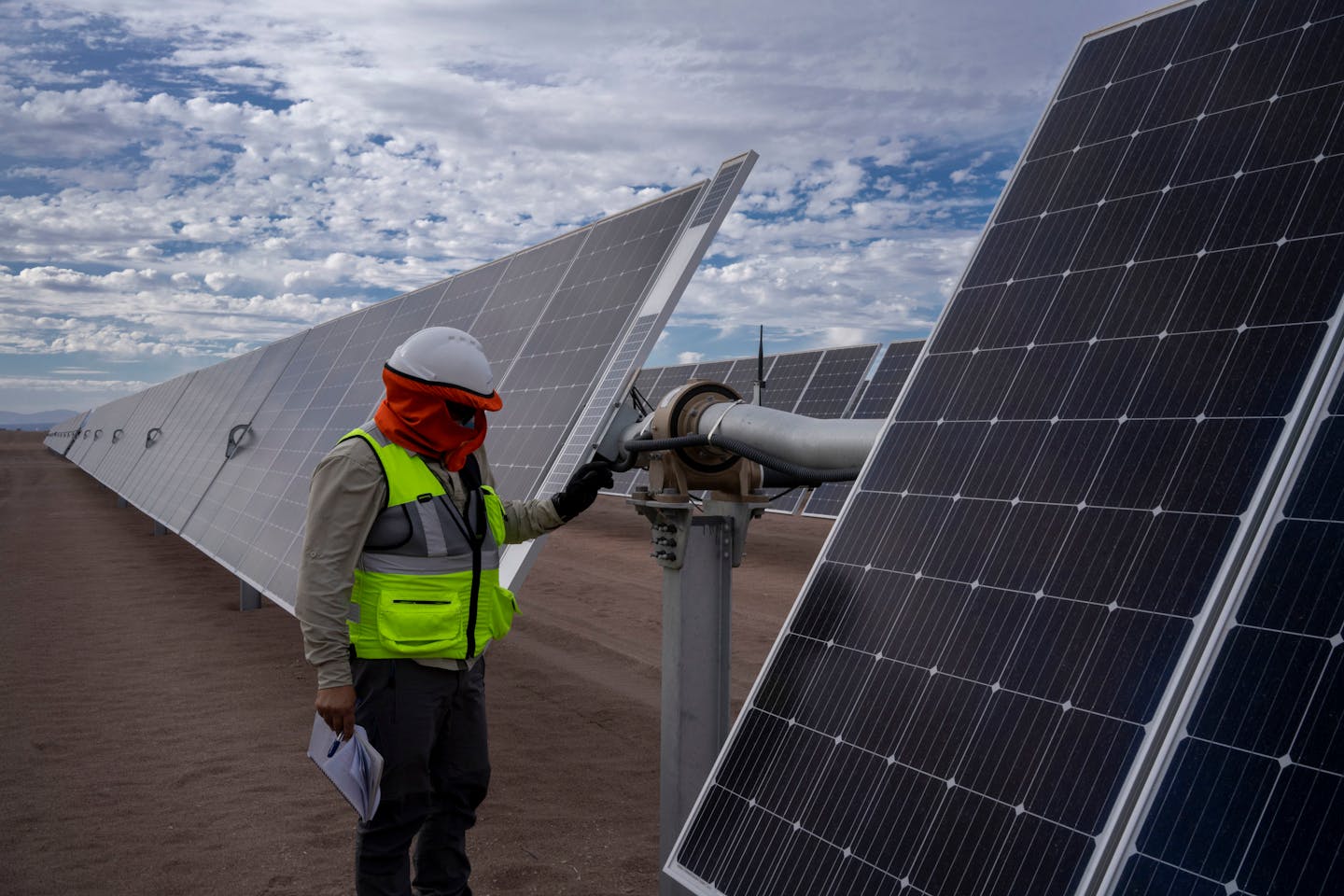
Federal budget discussions are raising concerns over potential cuts to renewable energy funding, which could halt job growth and infrastructure development. Under Biden’s administration, tax credits for green energy spurred significant job increases, with renewables creating twice as many jobs as fossil fuels in 2023. However, proposed budget cuts and new trade restrictions threaten the continuation of these projects, leading to uncertainty among workers. Labor leaders emphasize the importance of clean energy initiatives in revitalizing the construction sector, as most construction workers are aging and a transition to renewable jobs is crucial for future workforce sustainability.
Trump’s budget cuts throw US renewable energy jobs into doubt
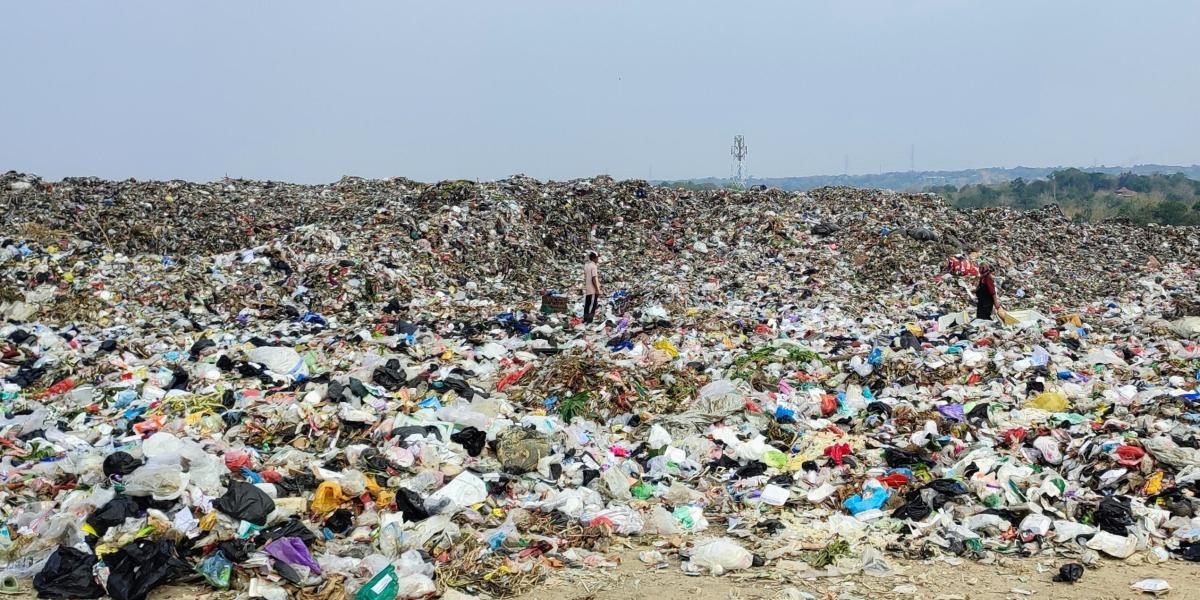
Southeast Asia faces a growing plastic waste crisis exacerbated by urbanization and reliance on single-use plastics. Despite action plans, issues like plastic leakage, fragmented data systems, and informal waste dynamics persist. Transitioning to a circular economy demands improved visibility and accountability in the plastics value chain, aided by digital solutions like IoT, blockchain, and AI for better waste monitoring and stakeholder collaboration. Addressing data governance through structured policies ensures data integrity, transparency, accuracy, and compliance, fostering informed decision-making. Regional initiatives and technological adoption are vital for effective plastic waste management and sustainable practices.
Cambodia, Ghana, Indonesia, Moldova, Philippines, Republic of Korea, Senegal, Singapore, Thailand | Financial services, Education, ICT, Health
Designing an Effective Data Governance Framework for Plastic Waste Management

Artificial intelligence (AI) is revolutionizing finance by enhancing efficiency in credit risk assessment, economic tracking, and trade execution. However, these advancements introduce new vulnerabilities related to financial stability, equity, and governance, necessitating regulatory action. AI's ability to outperform traditional methods may improve access to credit but raises concerns over fairness and transparency. Furthermore, the reliance on opaque AI systems can amplify systemic risks, obscure vulnerabilities, and challenge existing governance frameworks. The report underscores the need for adaptive regulations that promote accountability, hybrid human-machine governance, and equitable access to information to mitigate potential risks while fostering innovation in the financial sector.
Financial services
How artificial intelligence is transforming finance