
Freelancers are adapting to the competitive landscape reshaped by the launch of ChatGPT, with research showing a significant decline in job applications among incumbent freelancers. Post-launch, freelancers in fields threatened by AI, such as copywriting, submitted 51% to 62% fewer bids, while those in areas like software development saw increased bidding, particularly from new, international freelancers leveraging AI tools. Many higher-skilled freelancers adjusted strategies by shifting focus towards mid- to low-value jobs in response to heightened competition. Online marketplaces are introducing AI tools to support freelancers, while the overall demand for freelance work remains stable.
Education
How Are Freelancers Adapting to Gen AI?

The UK government is set to decide on the production in the Rosebank oilfield, which could yield up to 500 million barrels of oil, resulting in 200 million tonnes of CO2 emissions. Recent legal rulings require the consideration of these emissions in production approvals. The development of Rosebank contradicts global climate goals, as existing fields can meet oil demand without further emissions. Additionally, exploiting new oil sources increases global supply and consumption, undermining efforts to reduce overall emissions. Approving Rosebank could diminish the UK's climate leadership, signaling a lack of commitment to the Paris Agreement's objectives.
Nigeria, United Kingdom
Rosebank oilfield: why more UK oil means more global emissions
Southeast Asia's carbon market faces significant challenges, including weak demand and regulatory delays, particularly due to the resignation of Malaysia’s environment minister, Nik Nazmi Nik Ahmad. The region struggles with inconsistent carbon standards and insufficient transparency in national databases. Verra's delay in releasing critical deforestation risk maps further complicates project development, as does the complexity of methodologies that deter investment. Despite efforts to promote nature-based carbon projects, government support remains insufficient to stimulate growth amid stagnant voluntary carbon markets.
Brunei Darussalam, Cambodia, Indonesia, Malaysia, Venezuela, Viet Nam | Financial services
‘Expect further delay’: Southeast Asia’s carbon market plagued by political uncertainty, methodology setbacks
UK Chancellor Rachel Reeves is poised to manage a £600 billion budget over three years, aiming to enhance economic growth and productivity through significant capital investments, including a £14.2 billion nuclear power project. Despite ambitious spending targets outside London, challenges persist, including the lag between project initiation and productivity gains, likely limiting the impact on long-term growth. Additionally, healthcare will receive a substantial share of funding, potentially resulting in budget cuts for other departments. The government's prioritization of defence and education funding complicates fiscal balance, while any major alterations to social benefits face significant financial constraints.
United Kingdom
Spending review: Rachel Reeves is about to make a £600 billion gamble on growth

Automation poses a risk to approximately 620,000 jobs in Malaysia, yet it also generates new opportunities in emerging roles, particularly in AI and digital technologies. The Malaysian government, through initiatives like TalentCorp and the Future Skills Talent Council, is focused on upskilling the workforce to adapt to these changes. Significant funding is allocated annually for skills training, and the MyMahir platform provides insights into job trends and necessary skills. Additionally, Malaysia aims to enhance regional human capital through the ASEAN Year of Skills 2025, fostering a skilled workforce to meet future demands.
Malaysia, Singapore | Education
How Malaysia is preparing its workforce for the future

Europe's digital economy is increasingly excluding older citizens, who face usability barriers due to designs tailored to younger, tech-savvy users. With the over-60 demographic set to double by 2050, there is a pressing need for inclusive digital systems that address their unique needs. Current technology often presumes a level of digital confidence that many older adults lack, emphasizing a disparity in user experience. While efforts are underway to improve digital literacy, both public and private sectors must prioritize universal design principles to ensure older adults are not left behind in the digital transformation. Addressing this gap presents both moral and economic opportunities.
Africa | Financial services, Education, ICT
How Europe can bridge the digital divide amid an ageing demographic
European Central Bank (ECB) intervention has been essential in addressing ongoing crises affecting the euro. However, the expectation of routine ECB support has induced a crisis cycle, threatening the euro's stability. Key issues arise from a lack of fiscal unity among member states, leading to excessive borrowing and risk of sovereign defaults. The ECB's increasing bond purchases during crises, including the COVID-19 pandemic, have further complicated the situation, eroding confidence in its ability to manage inflation and future crises. Proposed reforms include establishing a European fiscal institution for conditional support and treating sovereign debt as risky to enhance financial stability.
Latin America | Financial services
How the euro can break from its crisis cycle
Europe's political and economic influence has diminished, necessitating urgent action to adapt to changing global conditions. The continent is struggling with technological leadership, highlighted by the lack of EU-based digital platforms. Institutional inefficiencies hinder foreign policy coherence and responsiveness to crises, eroding Europe’s moral authority. Public confidence is low, with significant pessimism about future prospects among young Europeans. Despite challenges, there is potential for Europe to emerge as a leader in a world devoid of US support if it innovates decision-making processes and empowers youth participation in governance.
Poland | Financial services, Health, Education
Europe is perfectly placed to lead a world abandoned by the US – but will it meet the moment?
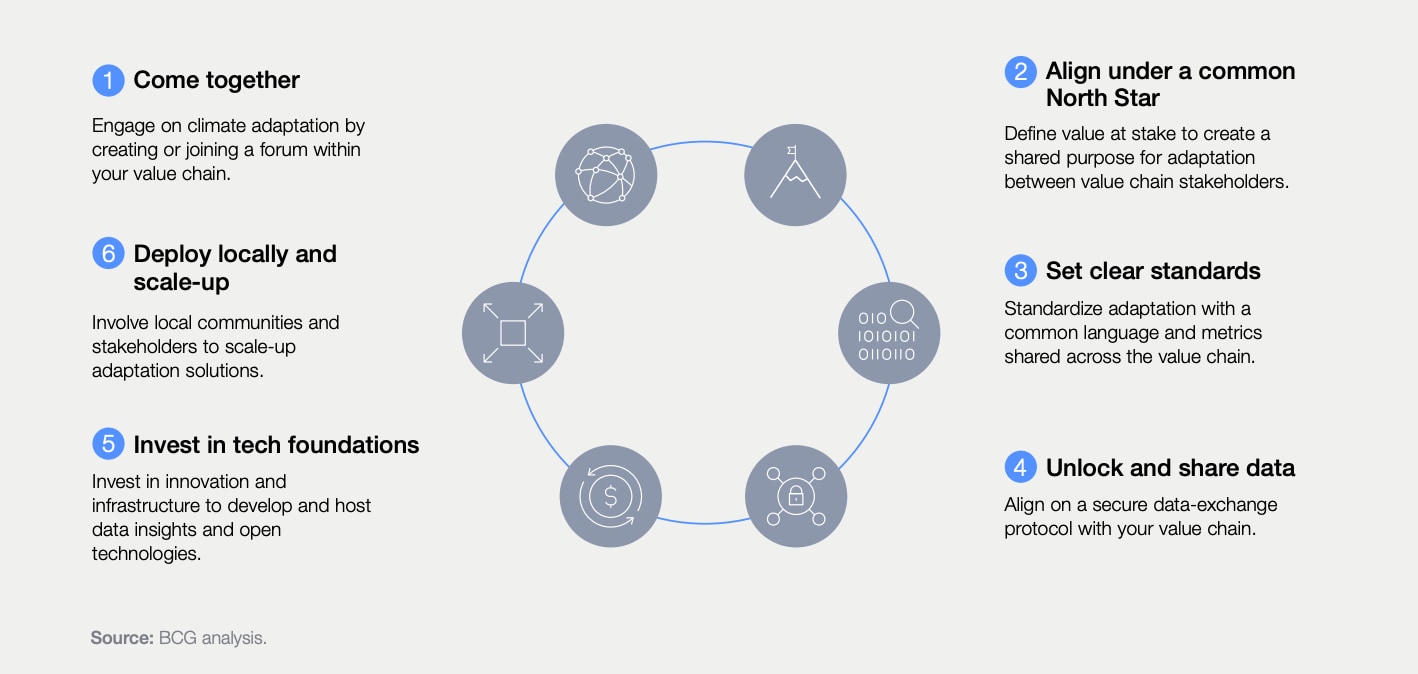
Scaling tech-enabled adaptation is essential for building climate-resilient value chains. Climate change disrupts economies and industries, with extreme weather projected to exceed 560 events per year by 2030, leading to potential profit declines. To combat these challenges, stakeholders must collaborate across sectors, utilizing technology like AI and satellite data to identify risks and develop solutions. Six key actions for resilience include fostering collaboration among all stakeholders, aligning on shared goals, setting standard measures, unlocking data access, investing in technological innovation, and deploying solutions locally while scaling them up.
Financial services
6 steps to building climate-resilient value chains through collaboration and tech-enabled adaptation
At the 2024 COP summit, a goal was set to mobilize $1.3 trillion annually by 2035 for climate action in developing countries, addressing an adaptation finance need of around $300 billion per year. The private sector is expected to contribute significantly; however, current private finance amounts to only $30 billion, needing to increase to $450-500 billion by 2030. While there are opportunities in sectors like agriculture, barriers to private finance in public goods such as coastal protection remain. Ethical concerns arise if private sector profits while communities bear the adaptation costs. A report due in 2025 aims to assess realistic private sector contributions across various sectors and country types.
Financial services
Can the private sector plug the adaptation finance gap?

AI is emerging as a crucial tool in cybersecurity, offering potential advantages for defenders against evolving threats. By enabling the identification and resolution of vulnerabilities before code deployment, AI could flip the historical advantage held by attackers. However, the rise of Agentic AI poses new risks, as it can also be weaponized for sophisticated attacks. Securing AI systems is complex due to their dynamic, learning nature, necessitating new security models for real-time adaptability. The development of an AI operating system for cybersecurity is essential, requiring collaboration across organizations to ensure cohesive, effective defenses against emerging risks.
Financial services, ICT, Education
AI agents could tip the cybersecurity balance towards defenders
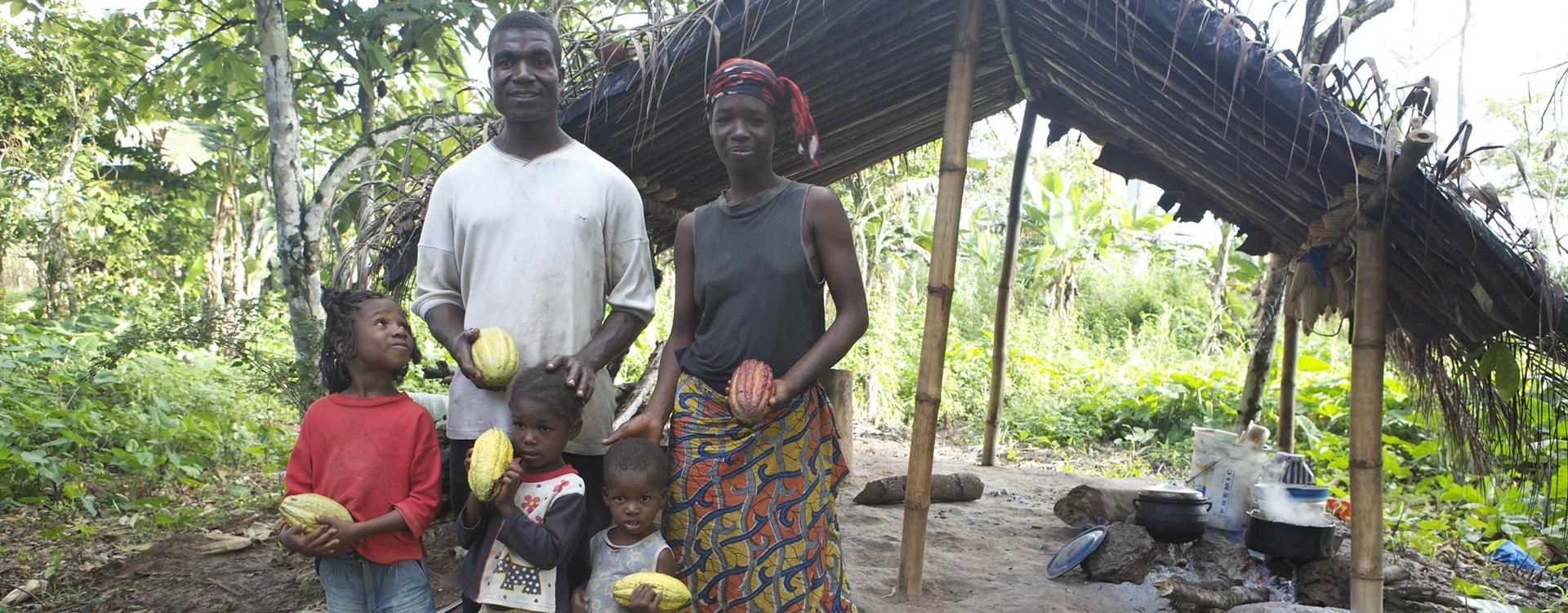
Côte d’Ivoire, the world's largest cocoa producer, must transition from exporting raw cocoa beans to creating a sustainable, value-added cocoa industry to achieve lasting economic prosperity. Currently, only 2.4% of cocoa exports are finished chocolate products, with the bulk of profits captured overseas. Challenges such as price volatility, climate change, and an ageing workforce threaten the sector's viability. However, industrialising cocoa processing could significantly boost the economy, potentially increasing manufacturing's GDP contribution from 13% to 23.7% by 2043. Investments in infrastructure, technology, and branding are crucial for Côte d’Ivoire to compete in the growing regional cocoa market.
Afghanistan, Belgium, Benin, Burkina Faso, Burundi, Cameroon, Colombia, Costa Rica, Cuba, Democratic Republic of the Congo, Djibouti, Ecuador, Ethiopia, Gabon, Ghana, Jamaica, Kenya, Liberia, Madagascar, Malawi, Mozambique, Namibia, Niger, Papua New Guinea, Rwanda, Senegal, Seychelles, South Africa, Sudan, Syria, Tanzania, Togo, Uganda, Venezuela, Zambia
Côte d’Ivoire’s cocoa economy: time to make the chocolate
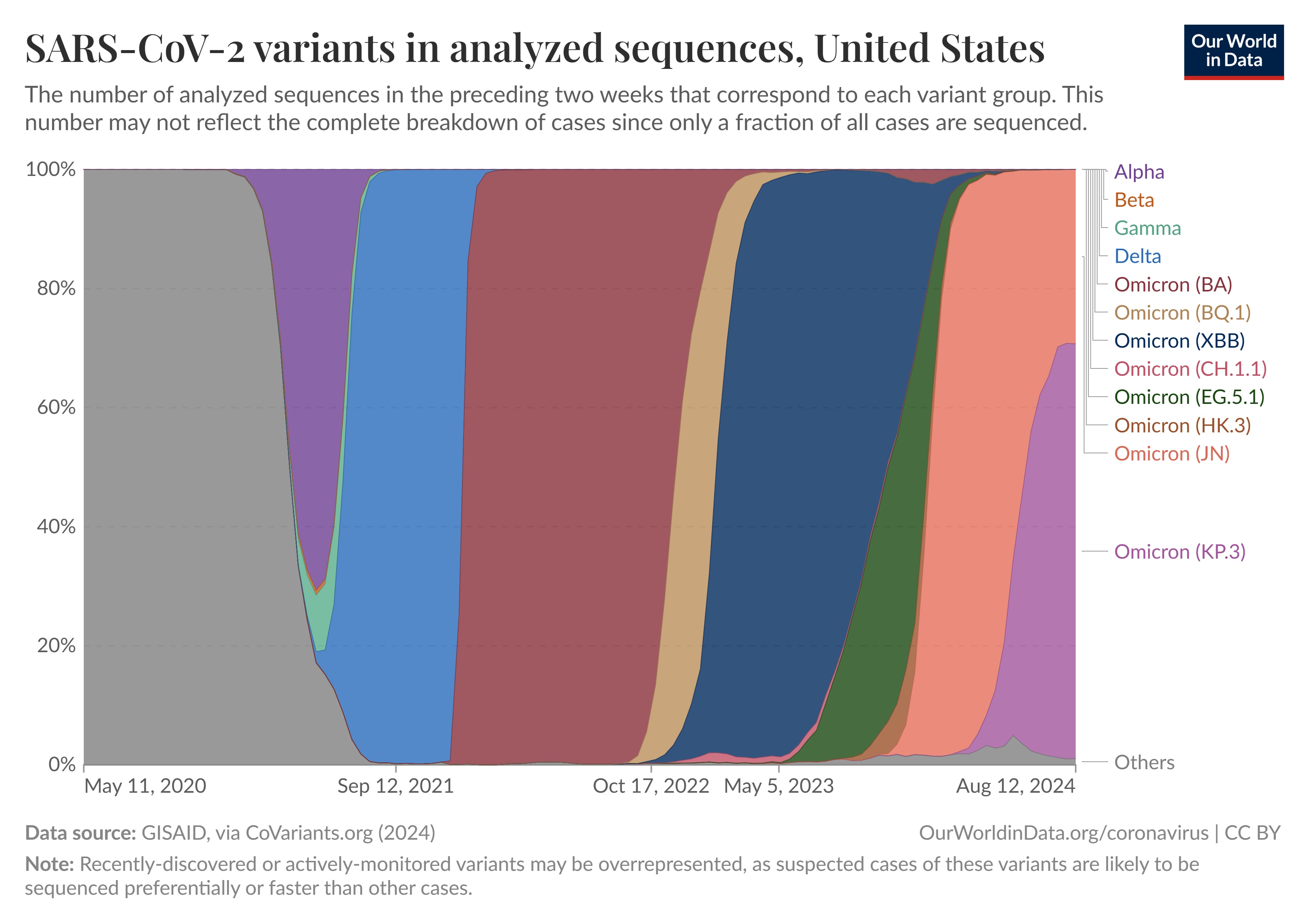
A new COVID-19 variant, NB.1.8.1, has been classified by the WHO as a "variant under monitoring," now accounting for over 10% of infections globally, particularly in China and Hong Kong. While it may spread more easily and partially evade some immune defenses, vaccines are still expected to provide strong protection against severe disease. The recent World Health Assembly (WHA78) resulted in agreements aimed at improving pandemic preparedness and health equity, including a new binding framework for future health emergencies. Lastly, emerging studies highlight dietary influences on cancer outcomes and the need for reform in global health financing.
Health
Uptick in global cases of new COVID-19 variant, and other health stories
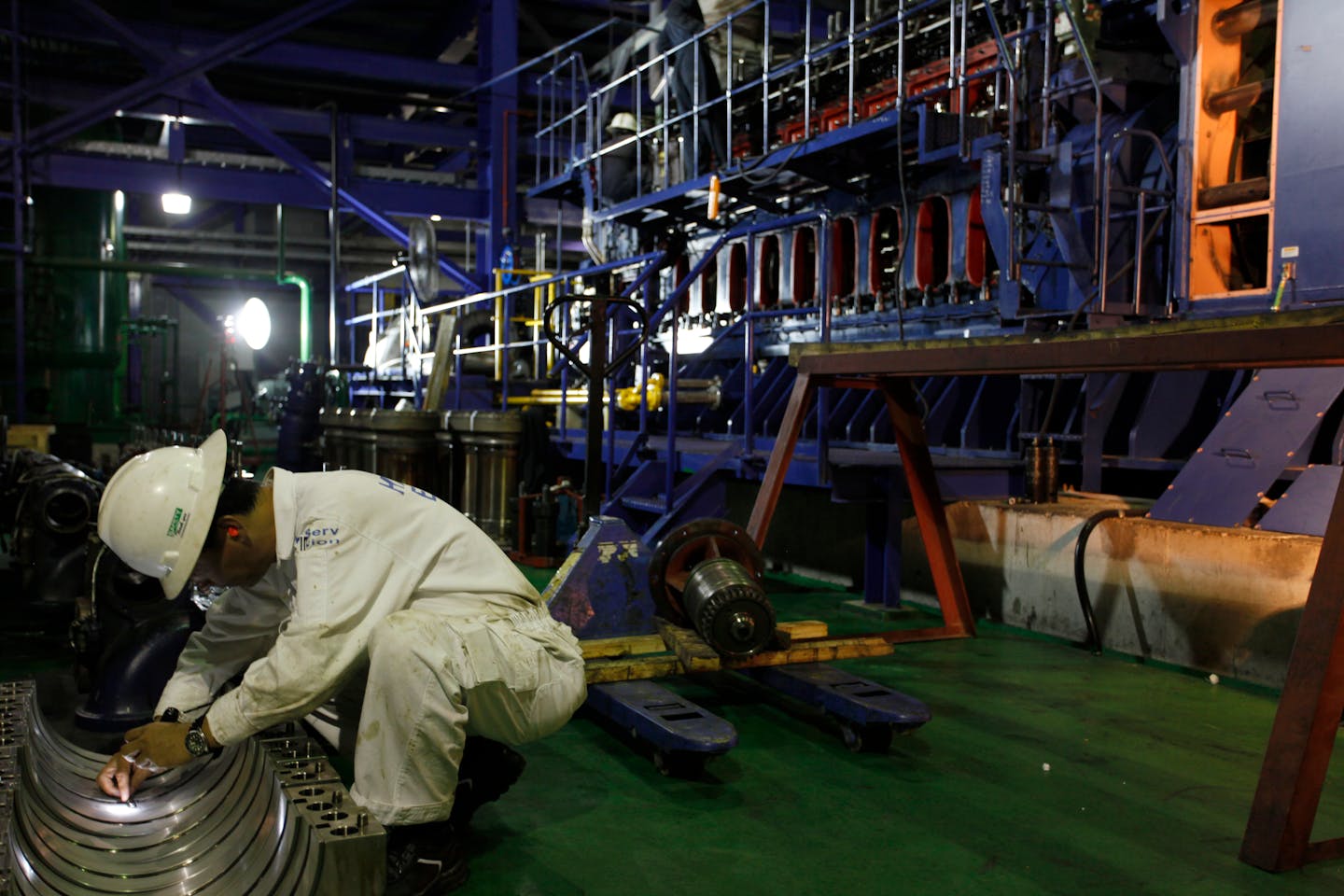
Donald Trump's retraction of US funding for international energy transitions jeopardizes climate initiatives in South Africa, Indonesia, and Vietnam, affecting their Just Energy Transition Partnerships (JETPs). The US withdrawal results in approximately US$2 billion lost, leading to project cancellations and funding gaps. China could potentially fill this void, leveraging its experience in energy development. Meanwhile, alternative funders have pledged US$12.8 billion for South Africa’s JETP, but non-progress in coal phase-out efforts and delayed projects remain challenges for both Indonesia and South Africa's energy transitions.
Egypt, Indonesia, South Africa
After Trump cut funding for energy transitions overseas, could China step in?
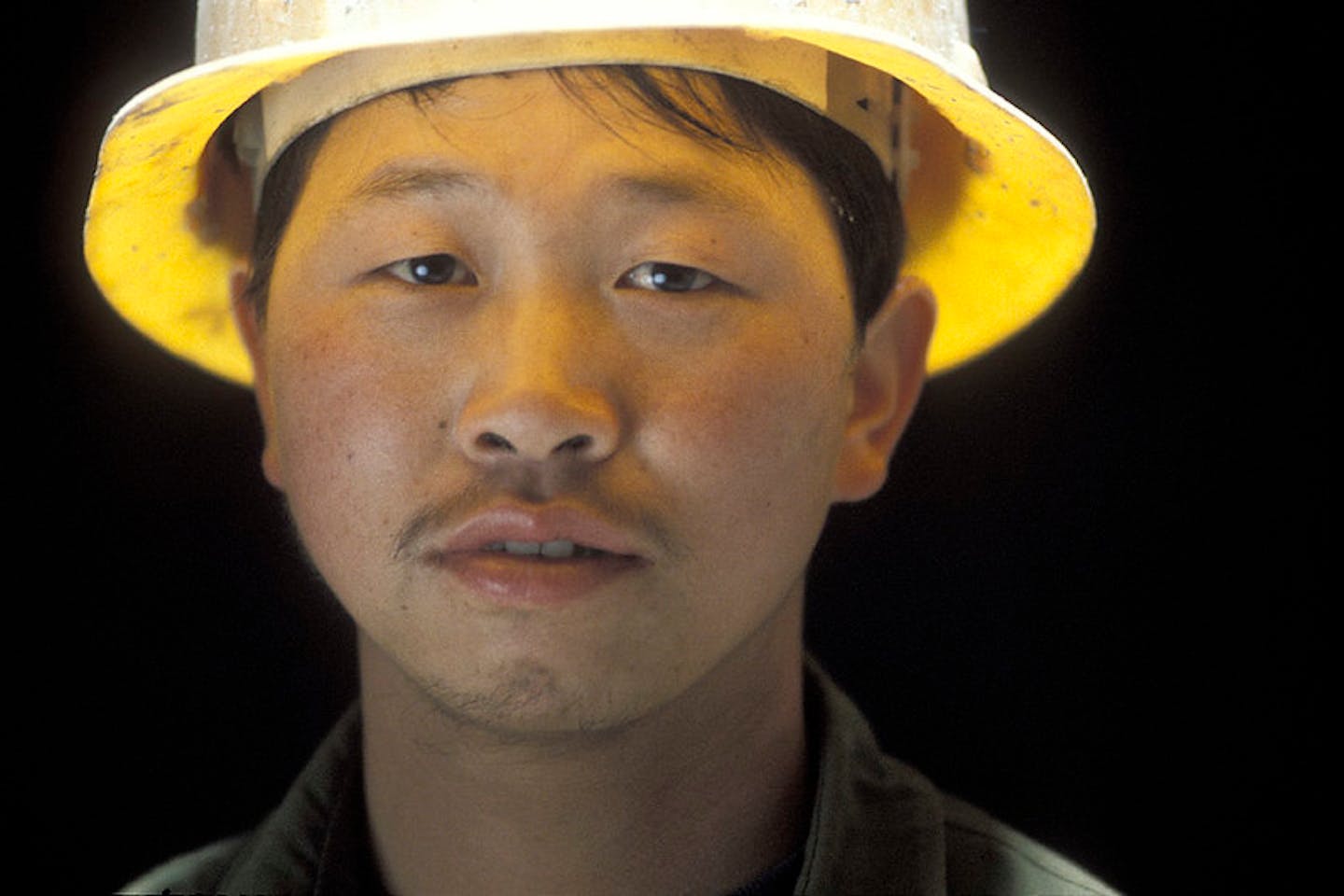
The EU's Just Transition Fund has utilized less than 3% of its €26.7 billion allocation to assist communities transitioning from fossil fuels, spending only €735 million since 2021. Criticisms highlight bureaucratic hurdles, slow progress, and inadequate support for affected workers, with fears of rushed spending as the 2027 deadline approaches. The fund aims to aid job retraining and support efforts in regions reliant on polluting industries, yet five member states have not spent any allocated funds. Union leaders emphasize workers' lack of skills due to inadequate training and consultation, raising concerns about potential mass unemployment as green policies advance.
Where is the money the EU promised workers to go green?
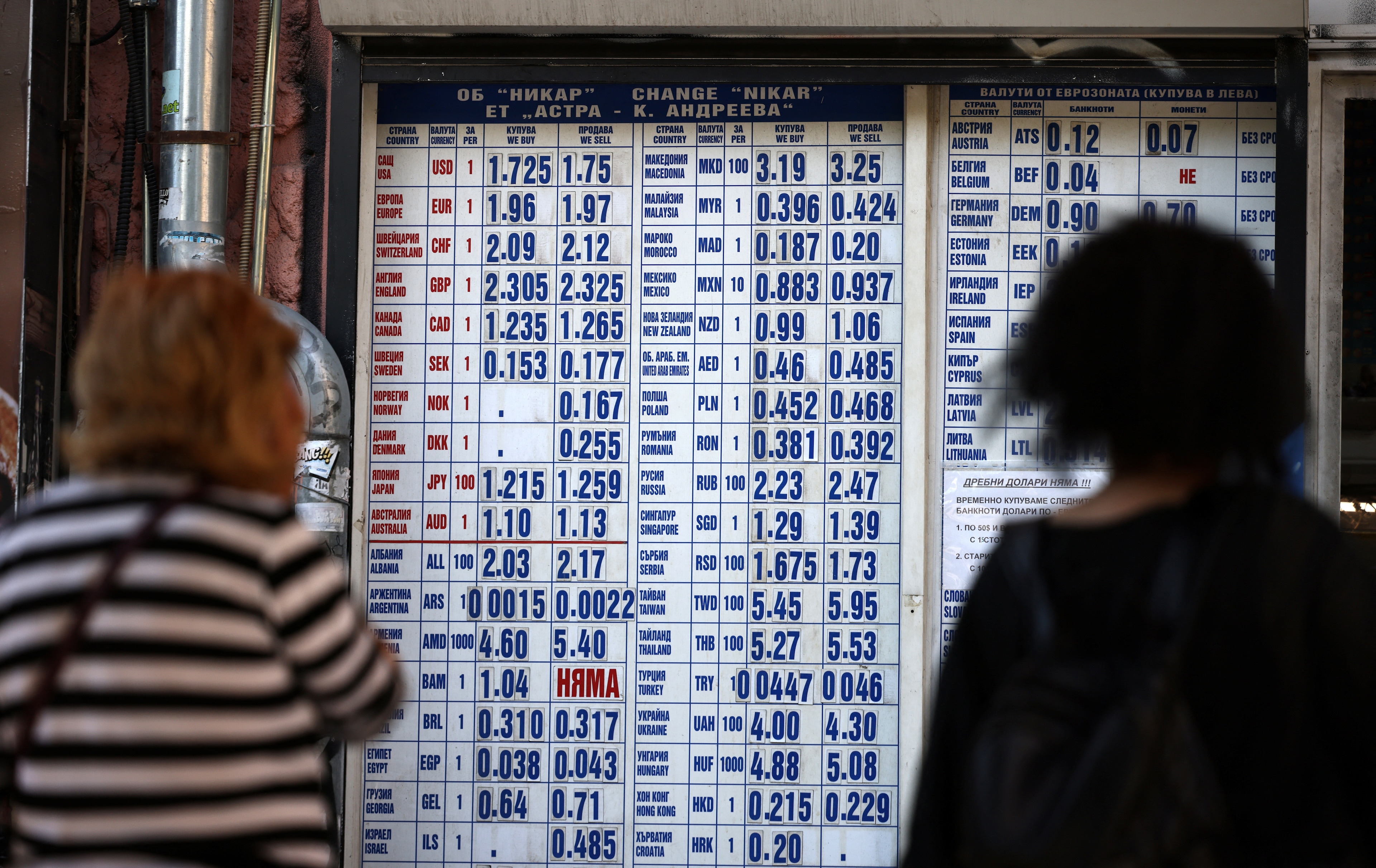
Bulgaria is poised to join the eurozone, with European institutions confirming that it meets the necessary economic, political, and legal criteria for euro adoption. This move could finalize as early as January 2026. To adopt the euro, Bulgaria has maintained fiscal discipline, demonstrating compliance with the Maastricht convergence criteria, including stable inflation, a manageable deficit, and favorable long-term interest rates. Joining the eurozone would offer Bulgaria economic advantages like reduced exchange rate risks and improved access to finance, but it would also entail the loss of independent monetary policy and adherence to EU fiscal rules.
Belgium, Bulgaria, Greece, Hungary, Luxembourg | Financial services
From lev to euro: How Bulgaria - and other countries - join the eurozone

Global fertility rates reveal a complex reality beyond common perceptions. About one in five people cannot have the number of children they desire, primarily due to economic pressures like housing costs and job insecurity. Despite the narrative of declining interest in parenthood, most people express a desire for larger families. Many feel compelled to have children they are not prepared for, often due to social pressures and lack of reproductive choices, with significant numbers reporting unintended pregnancies. Effective fertility policies are scarce, and addressing gender inequality and providing better family planning resources are crucial for enabling individuals to achieve their desired family sizes.
Africa | Health
The fertility fallacy: Five things you didn’t know about global fertility rates
Latin America is increasingly vital for global supply of critical minerals like lithium and copper, essential for renewable energy technologies. Political scientist Thea Riofrancos highlights tensions between resource governance, territorial rights, and the demands for environmental protections as nations face pressures from global powers and local movements. Her research indicates a resurgence of resource nationalism and explores how these dynamics complicate the benefits of mineral exploitation, raising concerns over economic volatility and social inequality. The geopolitical competition among the US, China, and Europe further complicates the situation for Latin American countries in navigating their extraction policies.
Argentina, Australia, Belgium, Benin, Bolivia, Brazil, Burkina Faso, Cambodia, Cameroon, Canada, Chile, Colombia, Democratic Republic of the Congo, Ecuador, Egypt, El Salvador, Eswatini, Ethiopia, Finland, Gabon, Georgia, Germany, Ghana, Greece, Guatemala, Honduras, Hungary, India, Indonesia, Jamaica, Japan, Jordan, Kenya, Lesotho, Liberia, Malaysia, Mexico, Myanmar, Namibia, Nepal, Netherlands, Nigeria, Pakistan, Panama, Paraguay, Peru, Philippines, Poland, Republic of Korea, Russian Federation, Rwanda, Senegal, Seychelles, Singapore, South Africa, Sudan, Sweden, Taiwan, China, Tanzania, Thailand, Uganda, Ukraine, United Arab Emirates, United Kingdom, Uruguay, Venezuela, Viet Nam, Yemen, Zambia, Zimbabwe | Financial services, Health
Q&A: ‘The Global South is caught between powers trying to get their resources’
The expansion of domestic capital markets in low- and middle-income countries has significantly enhanced firm productivity, investment, and employment. Since 1990, firms in these regions have raised $4 trillion through capital markets, with financing increasing 400% in middle-income and 800% in low-income countries from 2000 to 2022. Domestic markets made up the majority of bond and equity issuances, facilitating easier access for smaller firms. Capital market participation has led to higher investments in physical capital and job growth, with equity financing having a more pronounced impact than bonds. Effective economic policies and financial reforms are vital in fostering this growth.
Latin America | Financial services
Larger Capital Markets Are Powering Job Creation and Investment
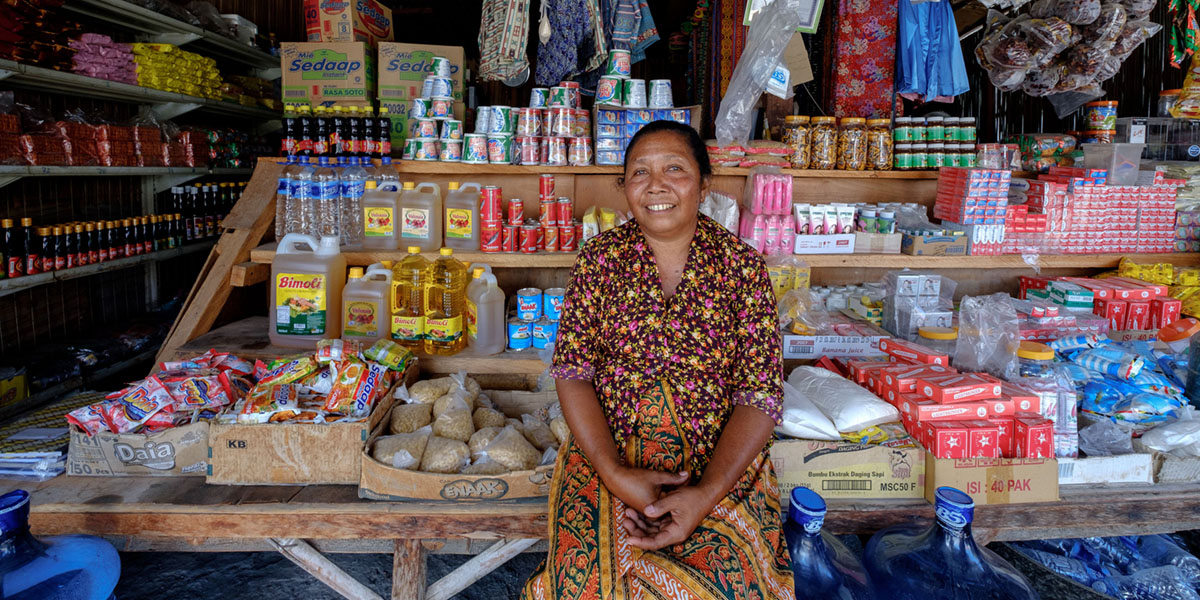
Timor-Leste's economy, primarily reliant on the oil and gas sector, necessitates diversification through the development of micro, small, and medium-sized enterprises (MSMEs). The government enacted Decree No. 30 in 2023 to support MSMEs with measures like business training and financing. A 2024 survey revealed that MSMEs are predominantly microenterprises with limited market reach and mostly male workforces. Disparities exist in the demand for financial assistance, particularly among women-led businesses. The findings underscore the need for targeted policy approaches to boost MSME growth, emphasizing green technologies, digital tools, and better access to global value chains.
Bangladesh, Cambodia, Ethiopia, Indonesia, Lesotho, Malaysia, Moldova, Mozambique, Republic of Korea, Rwanda, Tanzania, Thailand, United Arab Emirates, Viet Nam | Financial services, ICT, Education
Unlocking MSME Potential for Sustainable Growth in Timor-Leste