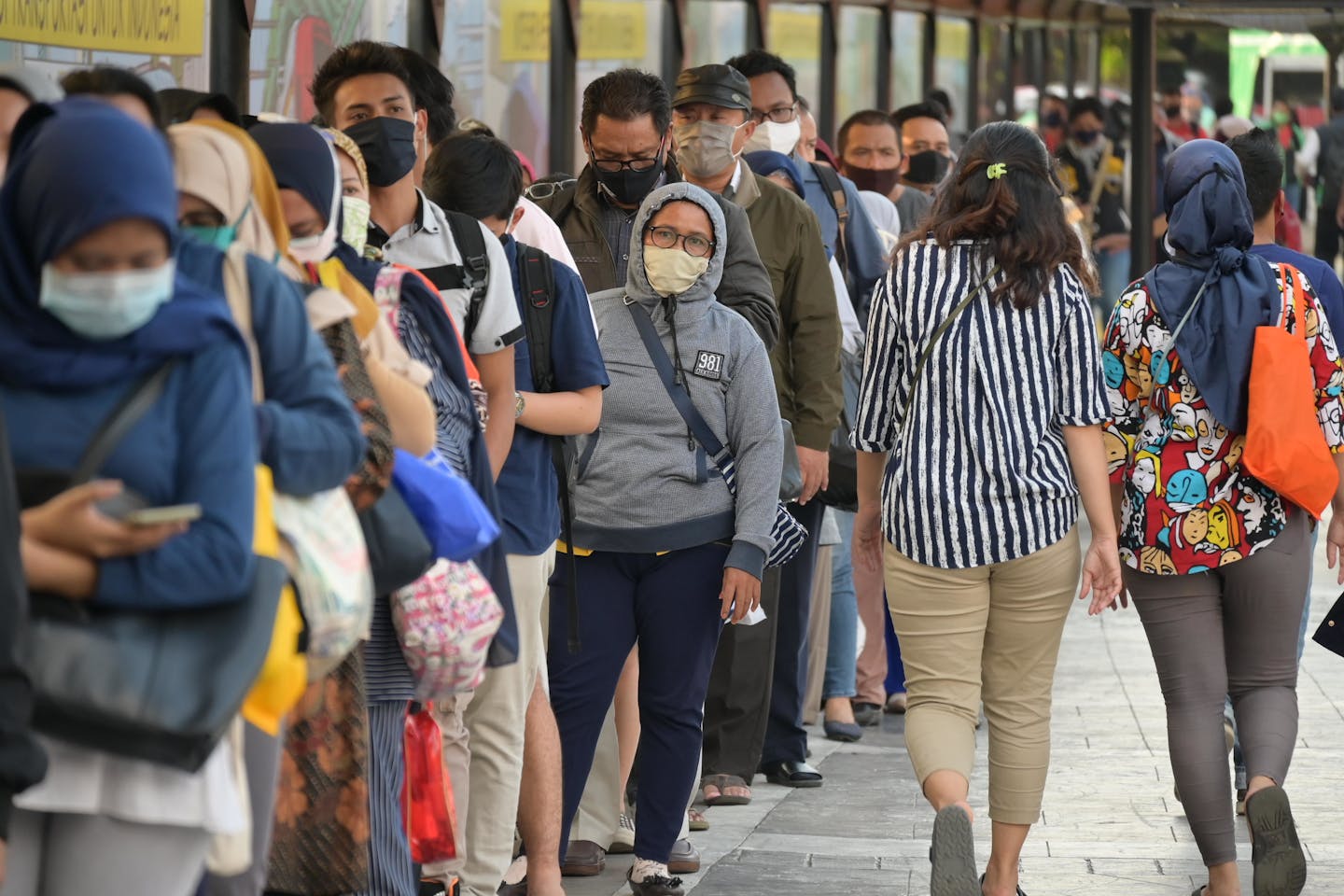
A landmark treaty adopted by over 190 countries aims to enhance global preparedness for future pandemics by improving early disease detection and ensuring equitable access to vaccines and medical supplies. Central to the treaty is the Pathogen Access and Benefit-Sharing (PABS) system, facilitating rapid sharing of pathogen samples while ensuring drug makers provide a portion of their medicines at affordable prices to the WHO. The treaty also promotes technology transfer to help developing nations produce their own vaccines. However, concerns remain about its enforceability and the impact of the U.S.’s withdrawal from the WHO. Expected to be in effect by 2027, the treaty seeks to prevent inequities highlighted during the Covid-19 pandemic.
Health
Can pandemic pact avert Covid chaos in next crisis?

Faith communities are emerging as pivotal players in transforming ocean finance through the "blue moral economy," which integrates ethical values with sustainable practices. Traditional blue economy investments struggle to protect the oceans, with only 2.8% effectively safeguarded. Faith groups, controlling about $5 trillion in assets, advocate for values-based investment models aimed at protecting 30% of the oceans by 2030. Successful case studies from faith-based initiatives in Tanzania, Cambodia, and Brazil demonstrate higher compliance and sustainable funding. Key pathways for scaling this approach include faith-aligned financial instruments, leveraging sacred conservation, and enhancing community stewardship.
Financial services
How faith communities are transforming approaches to ocean finance
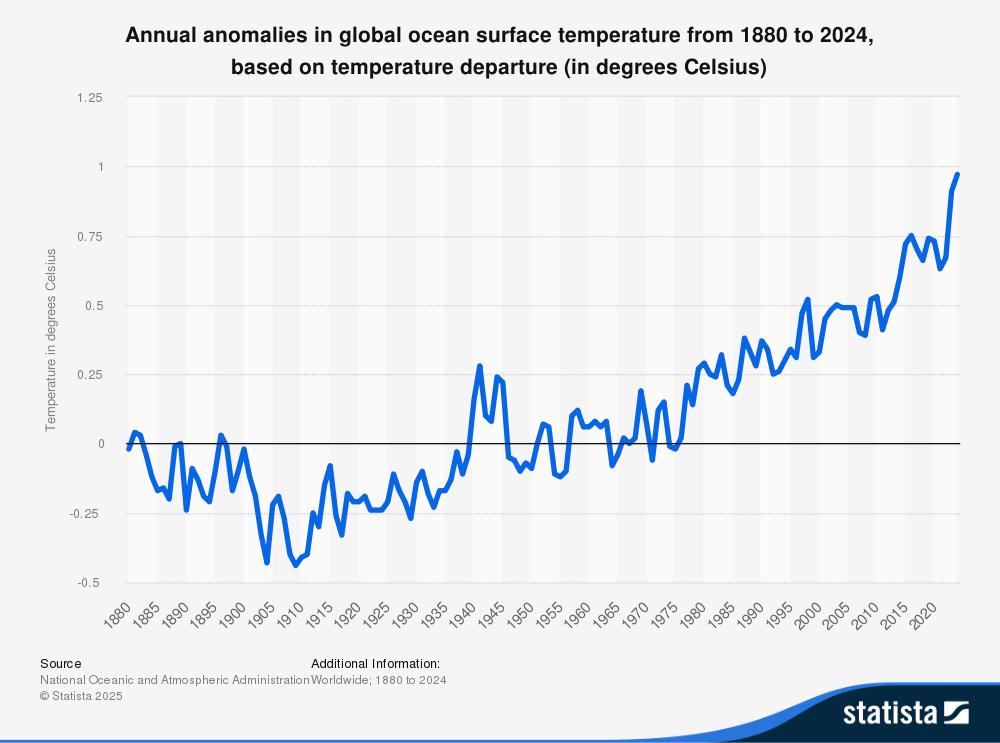
The ocean faces significant challenges, including rising temperatures, coral bleaching, and increased pollution. Innovations are emerging to combat these issues, such as the UN's Ocean Decade initiatives focused on marine restoration and sustainability, and the Seabed 2030 project aimed at mapping the ocean floor. The 1000 Ocean Startups initiative supports innovative enterprises to restore ocean health by 2030, while the Revive Our Ocean program targets local pollution and habitat restoration efforts. Additional initiatives include the Unlocking Blue Pacific Prosperity framework and the 'Around Africa' mission to enhance marine research and community involvement.
Antarctica | Health
7 ocean initiatives you need to know about

Hong Kong's built environment contributes approximately 60% of the city's carbon emissions and consumes 90% of its electricity. Frederick Leong emphasizes the urgent need for regulatory measures and greening incentives to achieve carbon neutrality by 2050. He advocates for stricter energy efficiency standards and greater use of renewable energy sources, like hydrogen, to reduce emissions. While initiatives like the BEAM Plus scheme and Gross Floor Area Concession exist, more comprehensive policies are required to transform existing buildings and support sustainable development.
Singapore
Regulation and green building incentives only way for Hong Kong to meet net zero: Frederick Leong
Hong Kong's built environment accounts for 60% of the city's carbon emissions and consumes 90% of its electricity. Fredrick Leong emphasizes that achieving net zero by 2050 requires stronger regulatory measures and incentives for sustainable practices. He advocates for enhanced energy efficiency standards for both new and existing buildings, especially given the large number of aging structures. Leong highlights the need for more green infrastructure policies and renewable energy adoption to effectively reduce emissions and protect the environment.
Singapore
Regulation and green building incentives only way for Hong Kong to meet net zero: Fredrick Leong

Europe is struggling to reduce its reliance on U.S. technology, particularly in critical sectors like cloud services, AI, and microchips. The European Commission's new International Digital Strategy acknowledges that complete decoupling from U.S. tech is unrealistic and emphasizes the importance of continued cooperation with the U.S. and other tech nations. Despite a push for European tech sovereignty, with initiatives like the Eurostack movement and the appointment of Finland’s Henna Virkkunen, the EU recognizes its challenges in innovation and market share, particularly in cloud services and AI. Solutions for breaking existing dependencies remain elusive.
Belgium, Estonia, Germany, Netherlands, United Kingdom | Financial services, Education, ICT
Europe’s dream to wean off US tech gets reality check
Innovative data sources can enhance poverty mapping in Asia and the Pacific, enabling quicker and more accurate estimations for targeted interventions. Techniques such as big data analytics, remote sensing, machine learning, and satellite imagery are highlighted for their potential to provide real-time, cost-effective insights. The brief emphasizes the importance of regional cooperation, investment in capacity building, strong public–private partnerships, and established data governance frameworks to overcome existing challenges.
Bangladesh, Indonesia, Philippines | Health
Data Integration Approaches to Strengthen Asia and the Pacific's Statistical Capacity to Map Poverty
Russia conducted its largest drone attack on Ukraine, launching 472 unmanned one-way attack (OWA) drones, marking a significant escalation in its military strategy. This follows prior record attacks utilizing Shahed drones, initially sourced from Iran and now manufactured in Russia. Innovations include radar-absorbing materials, upgraded warheads, and decoy drones to confuse air defenses. Despite Ukraine intercepting 81% of incoming drones, the relentless and inexpensive attacks strain its air defense capabilities, complicating resource allocation. Russia aims to exhaust Ukrainian defenses while maintaining a consistent offensive, despite Ukraine's own drone capabilities for retaliatory strikes.
Russia has been working on creating drones that ‘call home’, go undercover and start fires. Here’s how they work

The integration of AI into civilizational development relies heavily on energy, particularly from nuclear sources. Despite its historical setbacks, nuclear power is viewed as the most efficient and reliable energy source, with China leading advancements by constructing new reactors and developing innovative technologies. The US aims to quadruple its nuclear capacity in the coming decades to support the growing energy demands of AI, projected to increase significantly by 2030. Companies like Amazon, Microsoft, and Alphabet are making moves in the nuclear sector to secure energy for AI workloads, positioning themselves to meet escalating needs.
Nuclear Meets AI: Which Companies Will Reflect Gains First?
Freight forwarders are rapidly digitalizing for increased efficiency but face heightened cybersecurity threats. Cyberattacks, such as the ransomware incident affecting JAS Worldwide, can cause significant disruptions in supply chains, particularly threatening small and medium-sized enterprises. The International Federation of Freight Forwarders Associations (FIATA) is enhancing cyber resilience through training, guidance, and secure digital solutions. Critical measures include implementing robust security protocols and fostering a culture of cybersecurity awareness. Collaboration among stakeholders is essential to mitigate risks and establish resilience within the interconnected logistics ecosystem.
Financial services, ICT
Why cyber resilience should be a top priority for freight forwarders
Europe affirmed its growing commitment to the Indo-Pacific during the 2025 Shangri-La Dialogue, a premier defense summit. High-level European representatives highlighted their dedication to international law and freedom of navigation amid challenges posed by China, notably in the South China Sea. Despite concerns over overstretching resources with simultaneous commitments to Eastern Europe, European nations plan to maintain a naval presence in the region. This is seen as essential for regional stability, especially by countries like the Philippines, despite criticism from others in ASEAN. The dialogue underscored Europe's evolving role in security dynamics in the Indo-Pacific.
France, Portugal, Singapore, Taiwan, China, Thailand
Europe’s Indo-Pacific Engagement at Shangri-La 2025: a Consistent and Growing Commitment
Climate change is a pressing issue already impacting many, yet 36% of the global population still questions its causes. The media serves as a crucial link in disseminating climate information, with significant reliance on television and social media. However, coverage tends to surge during UN climate summits and environmental days, while dwindling at other times. In countries like Iran, where severe climate-related challenges persist, media focus often shifts to political events, neglecting ongoing environmental crises. To better inform the public and pressure authorities on climate action, more consistent and in-depth reporting on environmental issues is essential.
Nigeria | Health
Why climate is an everyday story – but media coverage still spikes around special environment days and UN summits
The private sector is increasingly recognizing the importance of sustainable ocean health, which is crucial for the blue economy. The ocean provides essential services, including carbon absorption, oxygen production, and food sustenance, but faces threats from pollution, overfishing, and climate change. The UN Ocean Conferences offer opportunities for business involvement in sustainable management efforts. Engagement has grown, with more companies taking voluntary actions for ocean conservation. Initiatives like the Smart Ocean – Smart Industry platform aim to enhance data collection and collaboration among stakeholders to promote ocean sustainability.
Antarctica | Health
Momentum for sustainable ocean health is growing in the private sector
Companies are intensifying efforts toward climate action despite political challenges. Durable carbon removal is becoming essential for effective net zero strategies, with demand surpassing supply. Major corporations are transitioning from public pledges to rigorous, long-term commitments focused on credible carbon dioxide removal, as emissions reductions alone are insufficient. Regulatory trends are tightening around carbon disclosure and removal mandates globally. Multi-year procurement agreements are critical for managing costs and ensuring supply in a growing market. The emphasis is now on quiet, actionable progress in corporate sustainability.
Net zero is entering an era of quiet progress
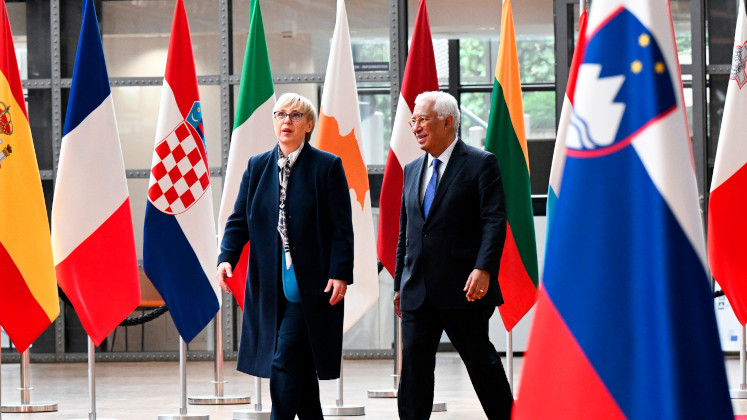
Slovenia, regarded as a model EU entrant in 2004, has maintained a distinct "Euro-optimism" despite facing significant challenges. The country's integration into the EU has been key to its stability as a small, multi-ethnic state. Initially passive in EU matters, Slovenia's political engagement surged during the 2015-16 migration crisis and following a democratic threat from the Janša government. While enjoying early economic prosperity post-accession, Slovenia faced a crisis leading to austerity measures that reshaped public expectations and engagement with the EU. Currently, Slovenia shows positive economic indicators and is poised to contribute net funds to the EU budget by 2028-32.
Albania, Austria, Belarus, Belgium, Bolivia, Bosnia and Herzegovina, Bulgaria, Costa Rica, Croatia, Cyprus, Czech Republic, Denmark, El Salvador, Estonia, Georgia, Greece, Hungary, Ireland, Italy, Latvia, Lithuania, Luxembourg, Malta, Moldova, Montenegro, Netherlands, New Zealand, Panama, Poland, Portugal, Romania, Serbia, Singapore, Slovakia, Slovenia, Spain, Sweden, Switzerland, Venezuela, Zambia
Euro-optimism at its finest – twenty years of Slovenia’s membership of the EU

AI can significantly enhance digital inclusion, counteracting tech inequality and fostering economic growth. A 10% increase in broadband access can boost GDP in developing nations by 1.4%. However, nearly 2.6 billion people remain offline, missing out on AI's benefits. Digital inclusion not only supports productivity and innovation but also serves as a human right. Collaboration among governments, corporations, and non-profits is essential to build digital infrastructure and improve skills. While AI offers life-changing solutions, it also risks exacerbating inequalities if not managed correctly. Stakeholder cooperation is crucial for responsible AI deployment and preventing exploitation.
Africa | Financial services, Education, ICT
How AI can enhance digital inclusion and fight inequality

AI agents enhance productivity by operating autonomously across systems, but they also introduce significant security vulnerabilities. A majority of companies are unprepared, with only 42% balancing AI development and security investments. A Brazilian healthcare provider's three-phase framework for agentic AI security involved threat modeling, security testing, and runtime protections to mitigate these risks. As companies increasingly implement AI agents, ensuring their security is critical for maintaining data integrity, compliance, and overall resilience in dynamic technology environments.
Three Essentials for Agentic AI Security

AI activists, facing a rapidly evolving industry, are urged to adapt their strategies in response to the consolidation of power among major tech companies. A recent report by the AI Now Institute highlights the urgency for advocacy groups to connect AI challenges to broader economic issues such as job security, as AI disrupts various career paths. Successful case studies, like protests by National Nurses United against AI in healthcare, demonstrate worker resistance and the need for oversight. The report emphasizes that fostering grassroots power is essential for meaningful change, rather than relying solely on regulatory efforts, which have yielded limited results.
Facing a Changing Industry, AI Activists Rethink Their Strategy
Scammers are increasingly using realistic AI-generated deepfakes to conduct various online frauds, including romance, employment, and financial scams. As the technology becomes more accessible, the frequency of deepfake incidents has surged dramatically, with experts noting a rise from a few cases per month to hundreds. Victims have lost significant amounts to scammers impersonating trusted figures in video calls. Deepfakes can also manipulate audio and video to create convincing impersonations, affecting social media, personal relationships, and geopolitical scenarios. Detection tools exist, but the challenge remains significant.
Deepfake Scams Are Distorting Reality Itself
The Hamburg Declaration emphasizes the need for responsible development and deployment of Artificial Intelligence (AI) to support the Sustainable Development Goals (SDGs). While AI offers significant opportunities for sustainable development, it also poses risks such as widening inequalities, human rights violations, and environmental harm. These risks disproportionately affect low-income countries and vulnerable populations. The declaration calls for renewed commitment and safeguards throughout the AI value chain to mitigate these dangers amidst a backdrop of rapid global changes and geopolitical competition.
Bangladesh | Financial services, Education, Health, ICT
Hamburg Declaration on Responsible AI