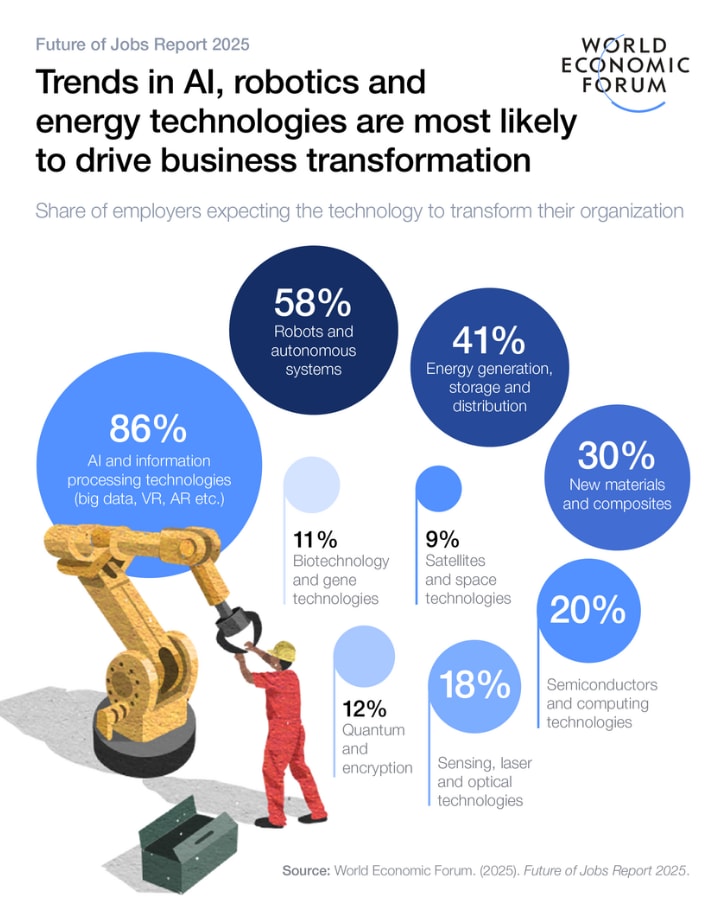
The gig economy is rapidly expanding, projected to reach a value of $2,145 billion by 2033. It offers flexibility and low entry barriers but raises concerns about worker protections, job security, and the impact of AI. While gig work provides many individuals with supplementary income opportunities, particularly as living costs rise, it also poses risks such as income inequality and job insecurity due to algorithmic management. Women face specific challenges, including a 30% gender wage gap in the gig sector, which calls for nuanced policymaking. The upcoming International Labour Organization conference aims to address these critical issues and foster a fair platform economy.
Latin America | Education
The gig economy is booming, but is it fair work? And other trends in jobs and skills this month
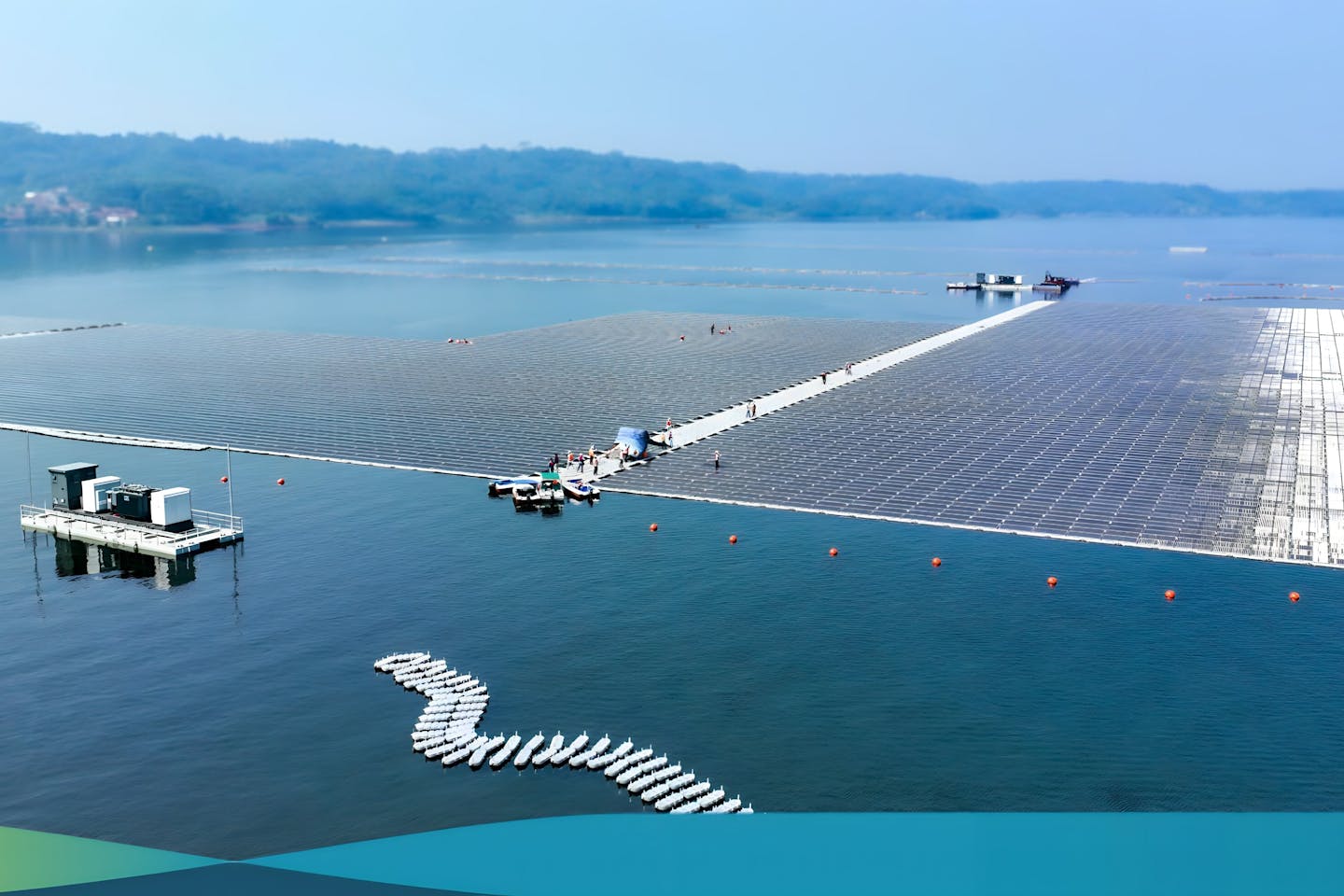
China has emerged as the largest public funder of clean energy in Southeast Asia, investing over US$2.7 billion in the past decade, primarily in hydroelectric and wind projects, with Indonesia receiving the most support. However, uncertainties from US-driven tariff plans may hinder green investments as Southeast Asian countries could revert to traditional industries. Analysts warn that if trade-offs for green energy are perceived as too high, countries may choose old economic models over sustainable transitions. Japan and South Korea follow as the second and third largest funders, contributing US$2.45 billion and US$583 million, respectively.
Indonesia, Singapore, Taiwan, China, Thailand
China is Southeast Asia's biggest public funder of clean energy with US$2.7bn in investments: study

Young people are increasingly anxious about the future, particularly regarding climate change, exacerbated by misinformation on social media. A significant percentage of youth feel that their concerns about climate negatively impact their daily lives, with many believing humanity is doomed. To combat this sense of despair, it's crucial to provide access to high-quality, solutions-focused science resources. Initiatives like the World Economic Forum's collaboration with Frontiers for Young Minds are connecting young people with scientists, enabling them to engage positively with climate solutions and develop critical thinking skills, which fosters empowerment and inspires action.
Health, ICT, Education
Young people feel anxious about the future. Here's how to inspire them instead

Shenzhen, a city of nearly 18 million, is leading China's low-carbon transition by becoming a model for "low-carbon cities." It has fully electrified its buses, taxis, and ride-hailing vehicles, with new-energy vehicles (NEVs) making up 77% of new car sales in 2024, surpassing the national average. The city has implemented a carbon emissions cap and developed a local emissions trading system and green bonds ahead of national efforts. Its proactive planning and government support have positioned Shenzhen, which produced 22% of China's NEVs, as a precursor for sustainable urban development, although replicating this model elsewhere poses challenges.
Singapore, Taiwan, China | Financial services
Explainer: What is China’s ‘Shenzen model’ for low-carbon transition in cities?

Silicon Valley is experiencing a paradigm shift as tech companies gain increasing leverage from the U.S. government, particularly under the Trump administration. Key developments, such as the Stargate announcement and a Republican tax bill, signal a move towards deregulation of A.I. for the next decade. Leading A.I. companies are evolving into modern empires, poised to influence various societal sectors, including politics, economics, and scientific production.
Silicon Valley Is at an Inflection Point

Today, 2.2 billion people lack access to safe drinking water, and by 2030, 700 million could face relocation due to water shortages. Agriculture uses over 70% of global freshwater, often relying on inefficient practices. Digital technologies like AI, IoT, and remote sensing can enhance agricultural water management by monitoring availability, optimizing irrigation, guiding crop selection, and facilitating rainwater harvesting. The report provides actionable recommendations for policymakers and water management professionals to improve water efficiency, reduce waste, and ensure long-term sustainability in agriculture.
ICT
Harnessing Digital Technologies for Smarter Water Management in Agriculture

2.2 billion people lack access to safe drinking water, and 700 million may be forced to relocate due to water shortages by 2030. Agriculture consumes over 70% of global freshwater, often relying on inefficient irrigation methods. Digital technologies, including AI, IoT, and remote sensing, can improve agricultural water management by monitoring water availability, optimizing irrigation, guiding crop selection, and harvesting rainwater. The report provides actionable recommendations for policy-makers, business leaders, and water management practitioners to enhance sustainability and improve water efficiency, ensuring long-term water security.
Bangladesh | ICT
Harnessing Digital Technologies for Smarter Water Management in Agriculture

Institutional investors have significantly transformed corporate governance mechanisms globally over the past two decades. They now predominantly influence board composition and strategic direction, especially in the U.S., where major asset managers like BlackRock, Vanguard, and State Street are key shareholders in most S&P 500 companies. This shift includes a rise in passive investment, particularly through ETFs, impacting firm governance by promoting independent board appointments and increasing shareholder payouts while leading to less oversight in smaller firms. Institutional support for mergers and acquisitions reflects a move towards optimizing portfolio performance. Furthermore, innovations like decentralized voting models aim to enhance legitimacy in governance decisions. While improvements are evident, challenges remain, including gaps in executive compensation oversight and limited influence in non-U.S. markets.
Financial services
How institutional investors changed governance mechanisms around the world
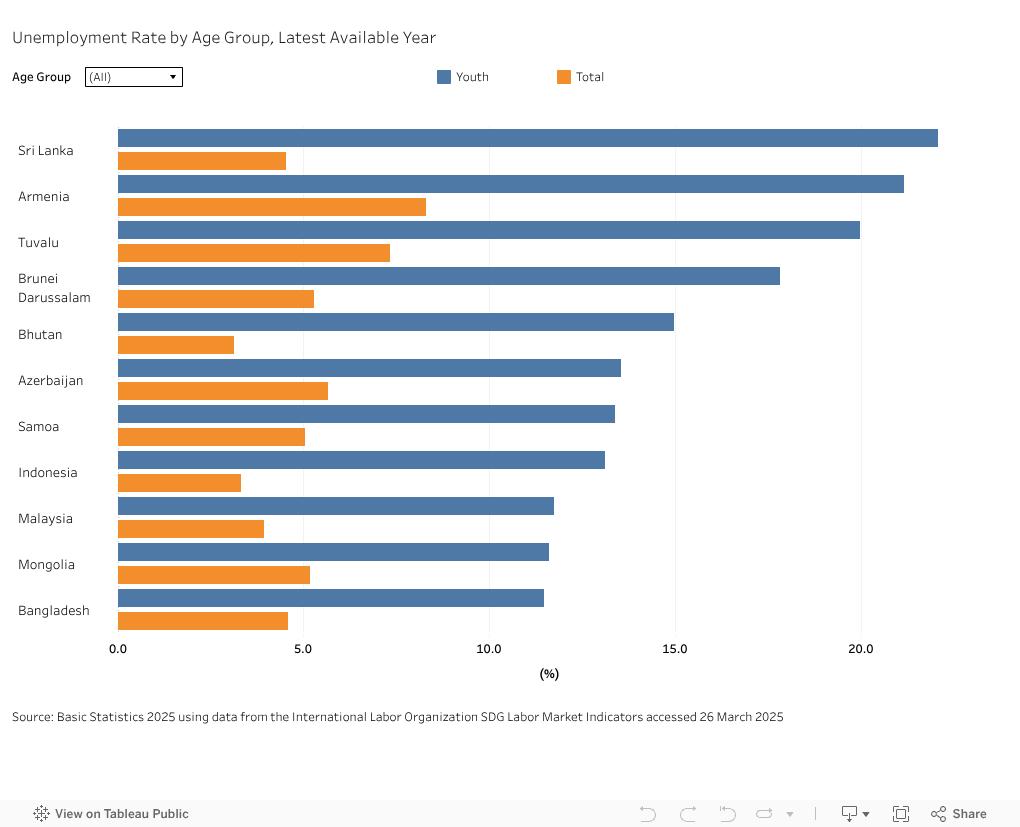
Youth unemployment in Asia and the Pacific remains critically high, exceeding national averages in several countries. The mismatch between educational qualifications and labor market demands, particularly in STEM and vocational trades, exacerbates the crisis. Automation has reduced traditional job sectors, leading to more young people facing irregular and low-paying work. Tackling this issue requires educational reforms to focus on relevant skills, expanding vocational training, and promoting youth entrepreneurship through support measures. Successful initiatives in various countries highlight the potential for young people to create their own opportunities as they seek decent employment.
Bangladesh, Singapore, Viet Nam | Education
How to Solve Asia's Youth Employment Crisis

The ASEAN region faces severe environmental challenges, including rising temperatures, extreme weather, and significant air pollution due to coal reliance and deforestation. Effective regional cooperation is crucial for tackling these issues and enhancing resilience. A systematic review of 64 empirical studies indicates that regional integration can support sustainability transformations. The analysis identifies key areas for improvement: governance, energy infrastructure, financing mechanisms, and regulatory policies. Recommendations include institutional reforms, expanding the energy grid, enhancing green trade, and establishing carbon markets to promote environmental cooperation in ASEAN.
Indonesia, Thailand
Transforming ASEAN for Sustainability: The Role of Regional Integration in Advancing ASEAN’s Green Transition

Almost 40% of the world's glaciers are threatened by climate change, with projections indicating a 39% loss by 2020 levels if temperatures stabilize. Should global warming reach 2.7°C by 2100, losses could increase to 75%. The World Meteorological Organization reports an 80% chance of record-breaking global temperatures within the next five years, warning of heightened extreme weather risks. Additional updates include a carbon credits market launch by the African Development Bank and concerns over military spending undermining climate objectives. Other environmental issues noted involve marine ecosystem impacts and proposals to manage plastic pollution.
Antarctica
Almost 40% of glaciers threatened by warming, and other nature and climate news
There is an urgent need to restructure markets for information used in AI systems. Producers of information goods, such as journalists and researchers, should engage in collective bargaining with AI product builders to secure fair terms and sustainable returns for their contributions. Without such coordination, the information economy risks significant market failures and ecological collapse in the informational commons. Collective bargaining can create necessary market frictions and incentives for a responsible AI future. Concrete actions include establishing federated data management tools and regulatory support for trusted intermediaries representing information producers.
Collective Bargaining in the Information Economy Can Address AI-Driven Power Concentration
The UK government's strategic defence review proposes a transformation in military readiness and innovation in response to evolving geopolitical threats, notably from Russia. It emphasizes preparation for potential "wars of necessity," advancing an integrated combat force and a "whole society approach." The review also advocates for accelerated innovation and procurement within the defence sector, aiming to collaborate more effectively with commercial industries. Adopting a "Nato first" policy reflects a commitment to Euro-Atlantic security, marking a shift from previous strategic priorities, while addressing increased aggression from Russia.
Ukraine, United Kingdom
The strategic defence review means three new approaches for the UK

The book "Resolute Japan" by Harbir Singh and Mike Useem, alongside Professor Jusuke J.J. Ikegami, examines the transformation of Japan's corporate landscape through a new leadership model. Japanese firms have shifted from traditional manufacturing to technology-driven industries, embracing entrepreneurialism and flatter organizational structures. Key elements of this hybrid leadership model include a stakeholder-oriented approach, long-term learning, a focus on exploration, and employee empowerment. This evolution addresses past stagnation and aims to blend modern management techniques with traditional Japanese values, creating a pathway for corporate resurgence.
Japan
Resolute Japan | Harbir Singh and Mike Useem

South Africa's economic stagnation stems from attempting to fix outcomes rather than addressing root causes. Since 2013, GDP per capita has either stagnated or declined, with extreme poverty affecting around 39 to 41 million people. Projections show that under a low growth scenario, poverty levels will remain high; however, an aggressive growth strategy could improve incomes and reduce poverty. The government's failure to prioritize competency and effective leadership has impeded growth, focusing instead on equity-driven redistribution policies that hinder economic development. A shift towards a growth-centered approach is crucial for improving living standards and reducing inequality.
Algeria, Angola, Bangladesh, Barbados, Belgium, Benin, Botswana, Burkina Faso, Burundi, Cambodia, Cameroon, Cape Verde, Chad, Democratic Republic of the Congo, Djibouti, Egypt, Eswatini, Ethiopia, Gabon, Georgia, Germany, Ghana, Guinea, Haiti, Jamaica, Kenya, Lesotho, Luxembourg, Madagascar, Malawi, Malaysia, Mali, Malta, Mauritania, Mauritius, Morocco, Mozambique, Namibia, Nigeria, Pakistan, Poland, Republic of Korea, Rwanda, Saudi Arabia, Senegal, Seychelles, Singapore, South Africa, Sudan, Sweden, Tanzania, Thailand, Tunisia, Uganda, United Arab Emirates, Zambia, Zimbabwe | Education
Why South Africa cannot grow by fixing outcomes

The ocean is vital for all life, providing oxygen, regulating climate, and supporting economies with a $2.5 trillion annual output. Sustainable management is crucial for protecting coastal resources and supporting local communities, particularly Indigenous Peoples and small-scale fishers who often suffer from overfishing and climate impacts. Investment in the blue economy is essential, yet it remains underfunded. Public subsidies should be redirected away from harmful practices. Initiatives like the SWIO Venture Builder aim to empower coastal communities in the South-West Indian Ocean by fostering sustainable enterprises. Prioritizing inclusive decision-making and responsible finance is necessary for achieving sustainability goals.
Antarctica, Nigeria
How the ocean rewards us when coastal communities take the lead

Malaysia is exploring the use of palm oil waste as a renewable energy source to replace coal, potentially generating around 3,300 megawatts of power. As coal's share of energy generation is set to decrease, palm oil biomass could significantly contribute to the renewable energy sector. However, experts caution that the full lifecycle emissions from biomass production might exceed those of coal. The minister emphasized the environmental benefits of using palm oil waste while defending palm oil production against deforestation concerns, noting it requires less land compared to other edible oils.
Barbados, Brunei Darussalam, Cambodia, Denmark, Hungary, Indonesia, Jamaica, Jordan, Malawi, Malaysia, Mali, Malta, Moldova, Myanmar, Qatar, Serbia, Singapore, Sweden, Thailand, Uganda, Ukraine, United Arab Emirates
Palm oil waste can potentially replace Malaysia’s coal power capacity, says minister
The integration of quantum technologies into AI necessitates stronger policy frameworks to uphold human rights and prevent inequality and environmental harm. Although these technologies can enhance encryption, privacy, and security, they also pose threats to freedoms like expression and access to information. A widening quantum divide risks exacerbating global inequalities, while the quantum gender divide highlights a significant lack of female representation in leadership roles. Recommendations include a human rights-centered governance model, promoting inclusivity and accountability among stakeholders to ensure equitable access and safeguard fundamental freedoms.
Financial services, Health, ICT, Education
Human rights centered global governance of quantum technologies: advancing information for all

The UC Berkeley research team has developed a playbook for the responsible use of generative AI (GenAI) within organizations. Their findings indicate a significant increase in GenAI adoption, with a majority of professionals anticipating AI's central role in workflows. The research highlights the necessity for standardized vocabulary, transparency, and practical guidance for product managers to foster responsible development of GenAI applications. Current challenges include a lack of industry standards and incentives for ethical practices. Organizations with strong AI principles report greater adherence to responsible AI measures, emphasizing the importance of leadership support for effective implementation.
The playbook for responsible generative AI development and use
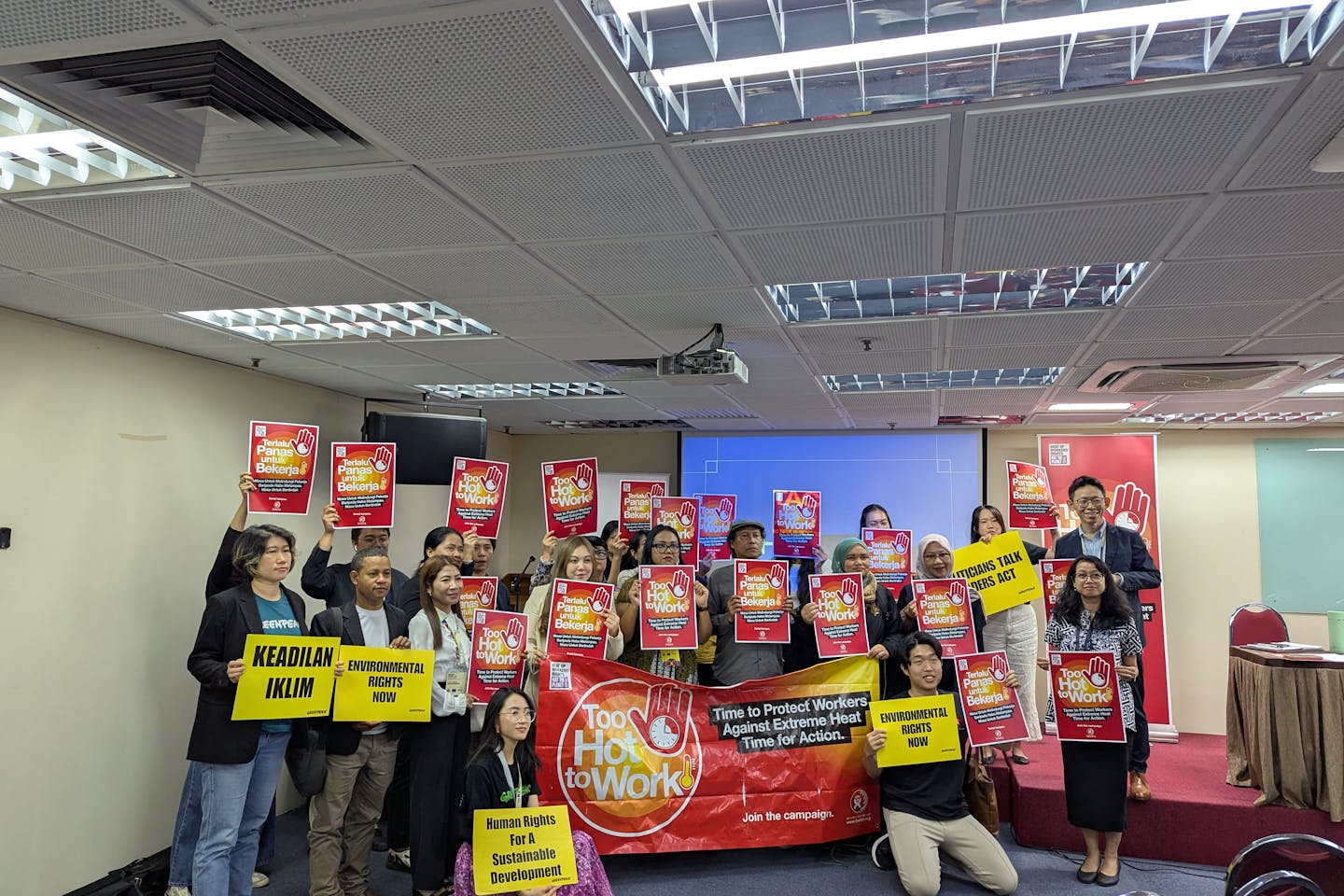
Civil society groups in ASEAN are calling for stronger environmental laws to hold businesses accountable for their negative impacts on the environment and public health. At the ASEAN Peoples Forum 2025, participants highlighted the urgent need for binding regulations to tackle issues like transboundary pollution from mining and agricultural burning. They cited ongoing environmental crises, such as haze affecting millions and contamination of water sources in the Mekong River Basin. Activists argue that current voluntary commitments are insufficient, urging leaders to adopt strict laws based on the "polluter pays" principle to protect ecosystems and communities.
Antarctica, Indonesia, Singapore, Thailand
Civil society groups urge Asean leaders to implement stronger laws to combat environmental destruction