
Karol Nawrocki will become Poland’s next president after defeating Rafał Trzaskowski in the 1 June election. His presidency represents a significant shift towards a more sovereignty-driven, right-wing approach, likely promoting closer ties with Donald Trump and a tougher stance on Ukraine and the EU. Nawrocki's administration may weaken Prime Minister Donald Tusk's pro-European coalition, leading to early elections and a revival of the far-right Confederation party. Tensions will emerge domestically over military appointments and Ukraine policy, as Nawrocki's skepticism towards Kyiv may grow amid collaboration with the Law and Justice party.
Poland
Karol Nawrocki’s presidency and the coming storm in Poland
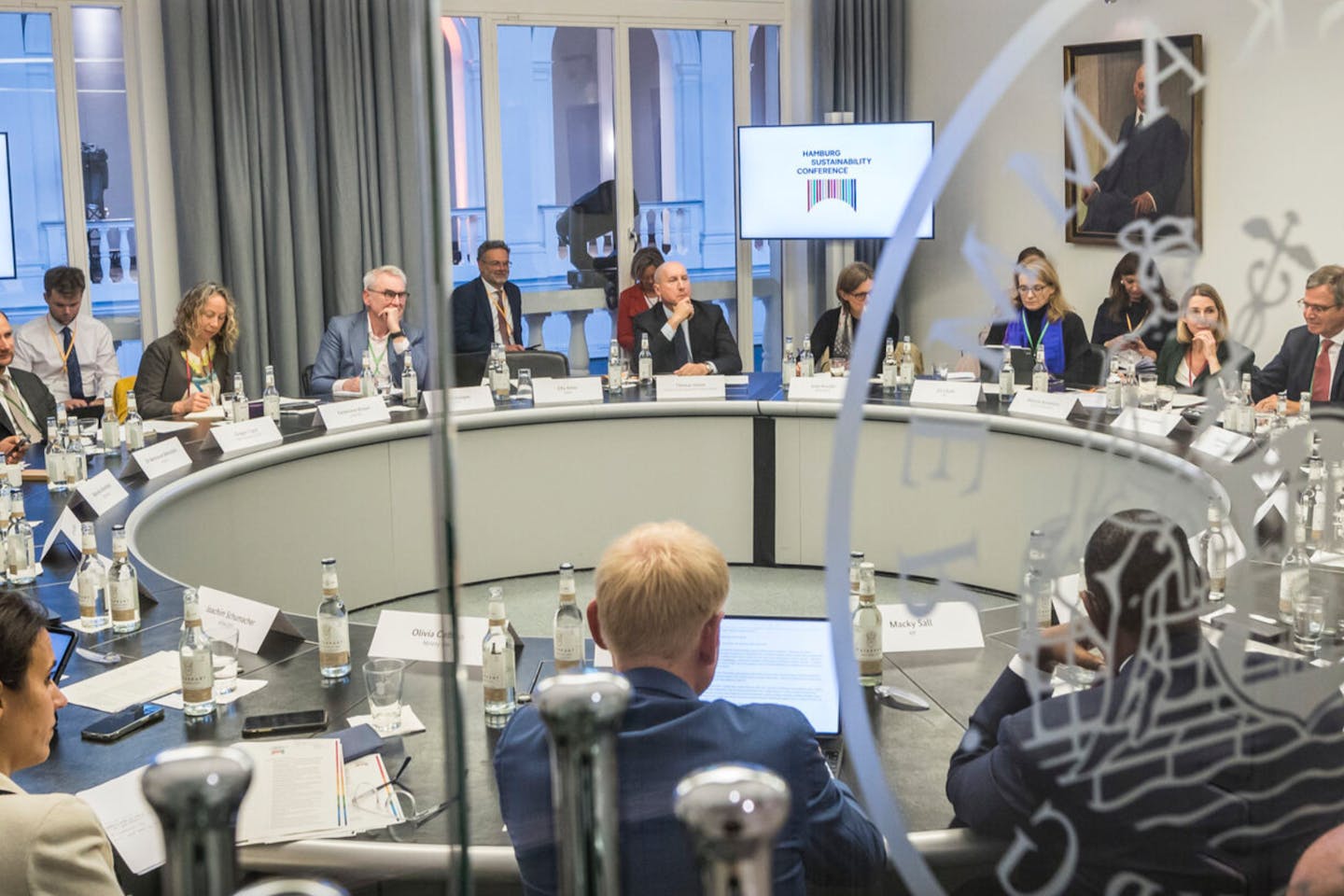
Henry Alt-Haaker, managing director of the Hamburg Sustainability Conference, emphasizes the urgent need for structural reform in blended finance due to declining development aid, which threatens the ability to de-risk projects. To address this, a new Asia-Pacific Blended Finance Community of Practice will launch, aimed at enhancing collaboration and deal origination in the region. Despite macroeconomic challenges, blended finance volumes remain stable, but diminishing foreign aid, especially from USAID, puts pressure on future initiatives. The conference will explore innovative financing mechanisms and advance discussions on systemic barriers in blended finance.
Germany | Financial services, Education, Health
Blended finance must evolve to do more with less: Hamburg Sustainability Conference head
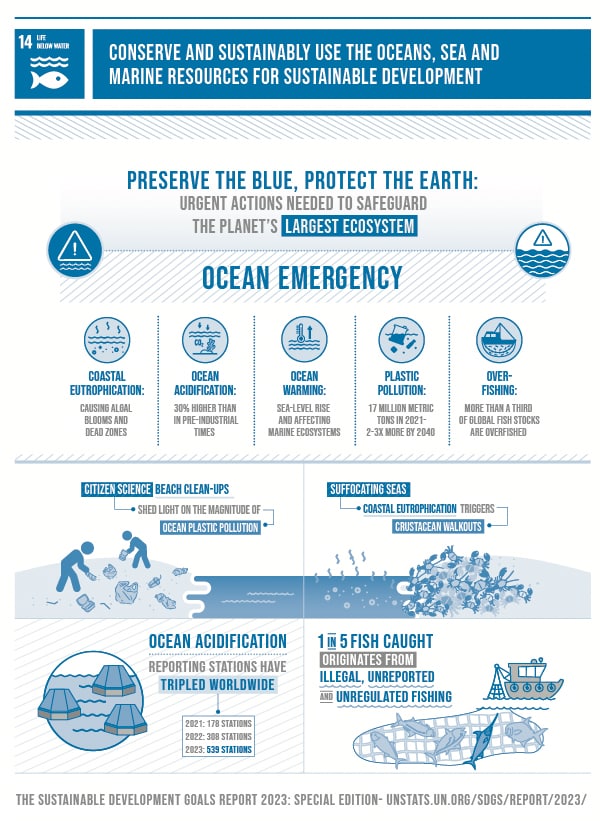
The ocean, the largest ecosystem on Earth, is facing urgent threats like overfishing, plastic pollution, and ocean acidification. The upcoming UN Ocean Conference in June 2025 aims to address these issues under Sustainable Development Goal 14, focusing on the ocean's conservation and sustainable use. Protecting ocean health is crucial for global food security, trade, and employment, with over 100 million jobs linked to the ocean economy. The sector's growth risks reversal without proactive policies that ensure marine ecosystem sustainability, highlighting the ocean's vital role in both environmental and economic wellbeing.
Antarctica | Health
This is why saving the ocean isn’t just an environmental imperative

Different units in international politics, such as states or the church, cannot fully participate in international interactions. Political authority must be represented to facilitate coordination among actors. Representants, which include maps, GDP, and diplomatic practices, create collective understandings of authority, noting that they do not precisely replicate the units they represent. Changes in these representants lead to redefined international orders and relationships among units, thus altering power dynamics. Alena Drieschova's book explores how these representants have shaped international systems throughout European history.
Representants and International Orders

Global trade disruptions and sustainability pressures necessitate resilient, bio-based industries. Despite over 50 national bioeconomy strategies, many lack actionable implementation plans. This report identifies a disconnect between rapid technological innovation and slow commercialization. It offers 14 policy recommendations across regulation, incentives, financing, and education, aimed at transforming a technology-push to a market-pull bioeconomy. Case studies demonstrate how governments can stimulate private investment, enhance domestic manufacturing, and create future-ready workforces, leveraging bio-innovation to foster economic growth and national competitiveness.
Financial services, ICT, Education
From Policy to Practice: Actionable Recommendations for a Commercial Bioeconomy

Global trade disruptions and sustainability pressures are driving the demand for resilient, bio-based industries. Over 50 national bioeconomy strategies exist, but many lack actionable implementation plans, leading to a gap between technological advancement and commercialization. The report "From Policy to Practice" outlines 14 actionable recommendations across four pillars: regulation, incentives, financing, and education, tailored for regional adaptation. It includes case studies from Zambia to Japan, demonstrating how governments can stimulate private investment, enhance domestic manufacturing, and develop skilled workforces, ultimately leveraging bio-innovation for economic growth and national competitiveness.
Bangladesh, Barbados, Belgium, Benin, Bolivia, Botswana, Brunei Darussalam, Burkina Faso, Cape Verde, Ethiopia, Germany, Ghana, Indonesia, Japan, Kenya, Nigeria, Paraguay, Rwanda, Senegal, Tanzania, United Kingdom, Viet Nam | Financial services, Health, ICT, Education
From Policy to Practice: Actionable Recommendations for a Commercial Bioeconomy
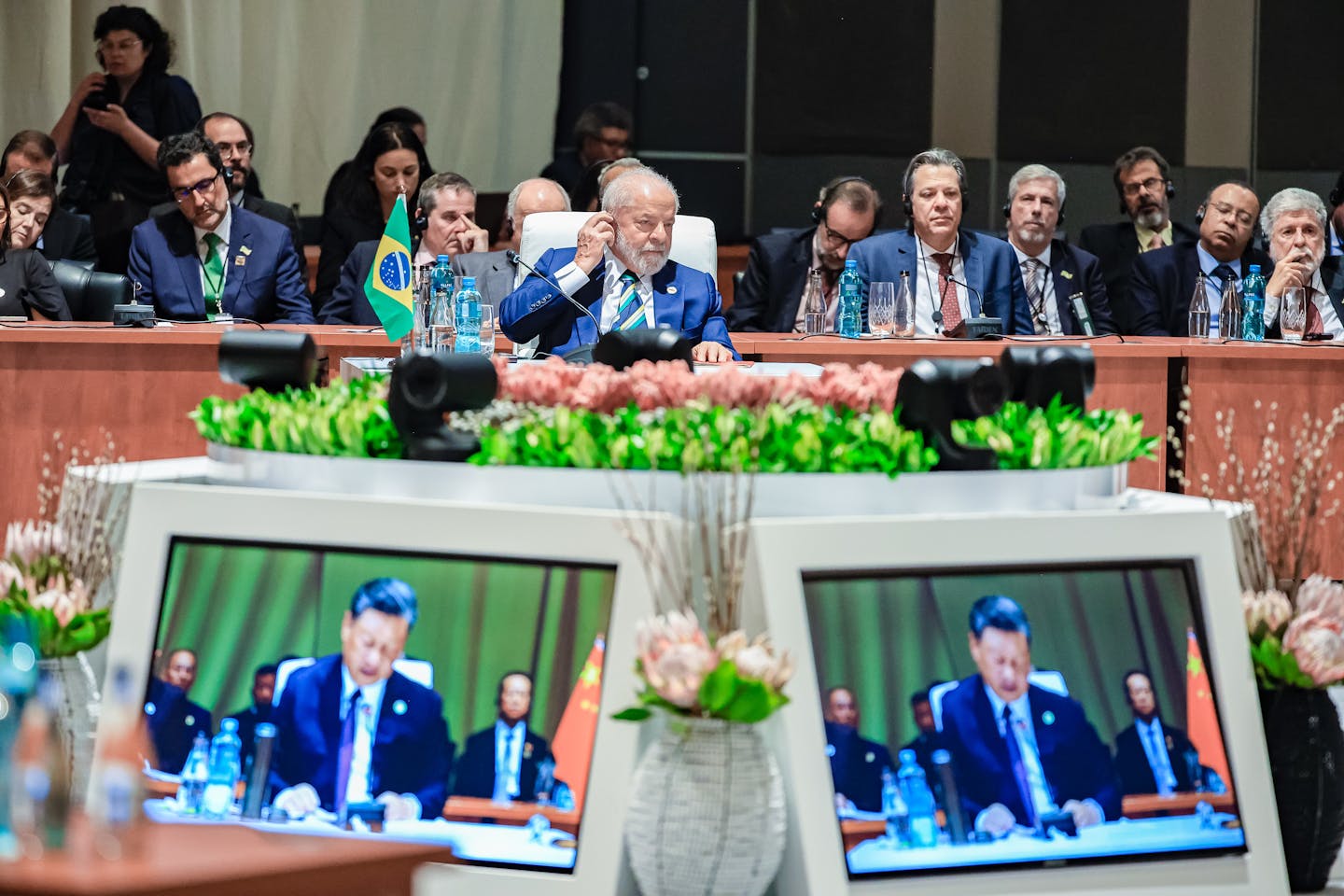
Brazil has taken on the presidency of the BRICS group amid escalating US-China tensions and prepares for its summit in July. The bloc, now expanded to include countries like Indonesia and others, aims to unify diverse interests while asserting its influence on the global stage. Key objectives include establishing coordinated efforts on climate action ahead of COP30 and enhancing cooperation in finance and trade. Brazil faces challenges balancing its agenda without appearing anti-Western. The summit will tackle sustainability and climate finance, as Brazil seeks to lead in these areas while managing its significant oil export dependence.
Argentina, Australia, Bahrain, Barbados, Belarus, Belgium, Benin, Bermuda, Bolivia, Brazil, Bulgaria, Burkina Faso, Burundi, Canada, Chile, Colombia, Cuba, Czech Republic, Democratic Republic of the Congo, Djibouti, Dominican Republic, Ecuador, Ethiopia, Hungary, India, Indonesia, Italy, Liberia, Mexico, Namibia, Niger, Nigeria, Paraguay, Peru, Poland, Portugal, Republic of Korea, Russian Federation, South Africa, Taiwan, China, Trinidad and Tobago, Tunisia, Uganda, Ukraine, United Kingdom, Uzbekistan, Venezuela, Viet Nam, Zimbabwe | Financial services
Brazil leads BRICS amid growing US-China tensions

Tashkent, Uzbekistan, confronts urban mobility challenges, including an outdated public transport fleet and a scarcity of qualified female drivers. Implementing eco-friendly buses could enhance air quality, reduce emissions, and create job opportunities for women in a male-dominated sector. The transition to electric and CNG buses aims to modernize infrastructure, alleviate traffic congestion, and mitigate health risks. Recent legal reforms have lifted barriers restricting women from driving buses, yet obstacles like public awareness and working conditions persist. Promoting gender-inclusive strategies and improving employment conditions are essential for maximizing women's economic participation and advancing social equity.
Kyrgyz Republic, Tajikistan, Uzbekistan | Financial services
Empowering Women, Greening Urban Transport in Uzbekistan
Uzbekistan, one of the world's most energy-intensive countries, faces significant energy inefficiencies stemming from outdated infrastructure, low tariffs, and substantial energy losses in processing and delivery. These inefficiencies cost the economy roughly 4.5% of GDP annually. In response, the government has prioritized energy efficiency, initiating reforms and investing over $2 billion in modernizing its energy sector, resulting in measurable savings and reduced CO2 emissions. Despite these efforts, energy consumption remains 50% above global averages, highlighting the need for effective long-term decision-making in energy management to support economic competitiveness and sustainability while meeting climate goals under the Paris Agreement.
Albania, Algeria, Angola, Armenia, Azerbaijan, Barbados, Bolivia, Brunei Darussalam, Bulgaria, Burundi, Cambodia, Egypt, El Salvador, Estonia, Georgia, Guatemala, Haiti, Hungary, Indonesia, Jamaica, Jordan, Kazakhstan, Kuwait, Kyrgyz Republic, Latvia, Luxembourg, Moldova, Mongolia, Montenegro, Pakistan, Poland, Romania, Russian Federation, Rwanda, Serbia, Slovakia, Tajikistan, Tanzania, Tunisia, Uganda, Ukraine, United Arab Emirates, United Kingdom, Uzbekistan, Venezuela, Yemen, Zambia, Zimbabwe
Long-term decision-making in energy efficiency management: evidence from Uzbekistan

Brands are increasingly featuring older models in marketing, a practice criticized as "greywashing" when it conflicts with age-exclusive internal policies. Despite a growing demographic of consumers aged 50 and above, advertising remains heavily youth-focused, with older adults representing only four percent of those featured. Three myths perpetuate this exclusion: assumptions about older consumers' tech engagement, beliefs that they share youth-centric preferences, and notions of their frugality. Some recent campaigns show older figures, but often reinforce stereotypes or promote unrealistic standards. Authentic representation of older adults in advertising remains limited despite calls for inclusivity.
Featuring grey hair, but not really including older workers

AI technology significantly impacts the environment through high energy and water consumption, contributing to greenhouse gas emissions. While its energy demands are escalating, particularly in data centers, AI also presents opportunities to aid in the shift towards a lower carbon economy. Various organizations, including Google and Microsoft, are taking measures to align operations with sustainability goals by investing in renewable energy and improving efficiency. With AI’s projected energy consumption poised to increase substantially in the coming years, it is crucial for businesses to adopt actionable strategies to mitigate its environmental footprint while continuing to innovate.
How AI use impacts the environment and what you can do about it

Research by Bryan Seegmiller and Dimitris Papanikolaou indicates that the impact of AI on the labor market is complex and not as detrimental as some fear. While jobs with higher AI exposure often see decreased demand, many workers can adapt by shifting focus to less exposed tasks, improving overall adaptability and productivity. Companies that heavily adopt AI tend to expand their workforce. High AI exposure is prevalent in well-paying, white-collar roles, though jobs with task diversity fare better against displacement. Workers are encouraged to embrace flexibility and focus on complementary skills as AI continues to evolve.
The AI Tidal Wave Doesn’t Have to Drown Workers
The Generative Collective Intelligence (GCI) framework enhances human-AI collaboration by leveraging AI's capabilities as both interactive agents and knowledge management tools. GCI facilitates structured group collaboration, bridging human reasoning with AI models to tackle complex problems beyond traditional communication limitations. Its mathematical foundations are based on comparative judgment and minimum regret principles. Applications of GCI include climate adaptation, healthcare transformation, and civic participation, highlighting its potential to address challenges that neither humans nor machines can solve independently.
Amplifying Human Creativity and Problem Solving with AI Through Generative Collective Intelligence

NBS's May 2025 compilation highlights recent business sustainability research, focusing on in-press articles from the Financial Times Top 50 journals and other publications. Featured topics include entrepreneurship, ESG disclosure, gender inequality, and algorithmic management. Key book reviews discuss critical thinking in education, the implications of AI, and climate action strategies. The compilation serves as a comprehensive resource for the latest developments in sustainability research.
Financial services
Table of Contents: May 2025

Ongoing tariff fluctuations and economic uncertainty are causing private equity firms to reduce deal activity, re-evaluate portfolio risks, and restructure supply chains. Insights from Burcu Esmer, a senior lecturer at the Wharton School, highlight the industry's adaptation strategies in response to these challenges.
Navigating Tariff Turbulence: How Private Equity Firms Are Adapting
Humanitarian organizations are increasingly utilizing data and AI for operational efficiency, but this raises significant ethical concerns inadequately covered by current guidelines. A scoping review identified 22 ethical issues related to data processing, categorizing them under autonomy, beneficence, non-maleficence, and justice, with privacy concerns being the most mentioned. Studies indicate that data handling can harm affected populations, limit autonomy, and lead to unfair resource distribution. The need for comprehensive ethical guidelines, training, and research from low and middle-income countries is critical to address these challenges effectively.
Ethical implications related to processing of personal data and artificial intelligence in humanitarian crises: a scoping review
Large language models (LLMs) like ChatGPT still struggle with inaccuracies known as "hallucinations," leading to misinformation and bias. Despite advancements and regulatory efforts like the EU's AI Act, LLMs remain unreliable and companies evade accountability for their errors. Neurosymbolic AI is proposed as a solution, integrating predictive learning with established logical and mathematical rules to enhance reliability and reduce data requirements. This approach aims to eliminate hallucinations by organizing knowledge into coherent, reusable structures, fostering more effective learning and decision-making.
Neurosymbolic AI is the answer to large language models’ inability to stop hallucinating

Japan's small and medium-sized enterprises (SMEs), which constitute 99.7% of businesses and employ around 70% of the workforce, are facing significant labor shortages and high turnover rates. In response, the government is implementing initiatives to improve talent acquisition and retention through digital tools and subsidies. These tools aim to enhance HR management, streamline training, and expand skill development opportunities. Additionally, a five-year JPY 60 trillion investment plan has been announced to promote wage growth and productivity improvements. Public-private collaboration is essential for SMEs to effectively address workforce challenges.
Japan, Republic of Korea, Singapore | Education
How Japan’s SMEs can secure talent and build economic resilience

The EU established a strategic raw materials partnership with Chile in summer 2023 to secure access to critical materials like lithium and copper. Chile aims to diversify its raw materials sector and enhance local value creation. While scientific and technological collaborations have progressed, industrial cooperation remains lacking. Strengthening alignment between EU initiatives and investing in synergies, particularly in renewable energy and hydrogen, is essential. Additionally, addressing environmental concerns tied to lithium extraction in Chile is crucial amidst rising demand and political unrest linked to social inequalities within the mining sector.
Argentina, Australia, Belgium, Bolivia, Bulgaria, Chile, Czech Republic, Democratic Republic of the Congo, Djibouti, Dominican Republic, Ecuador, Finland, Georgia, Ghana, Guatemala, Honduras, Hungary, Iceland, Latvia, Lesotho, Lithuania, Mexico, Moldova, Namibia, Papua New Guinea, Paraguay, Peru, Philippines, South Africa, Spain, Switzerland, Ukraine, United Kingdom, Venezuela
Raw Materials Partner Chile: More Than Just a Supplier
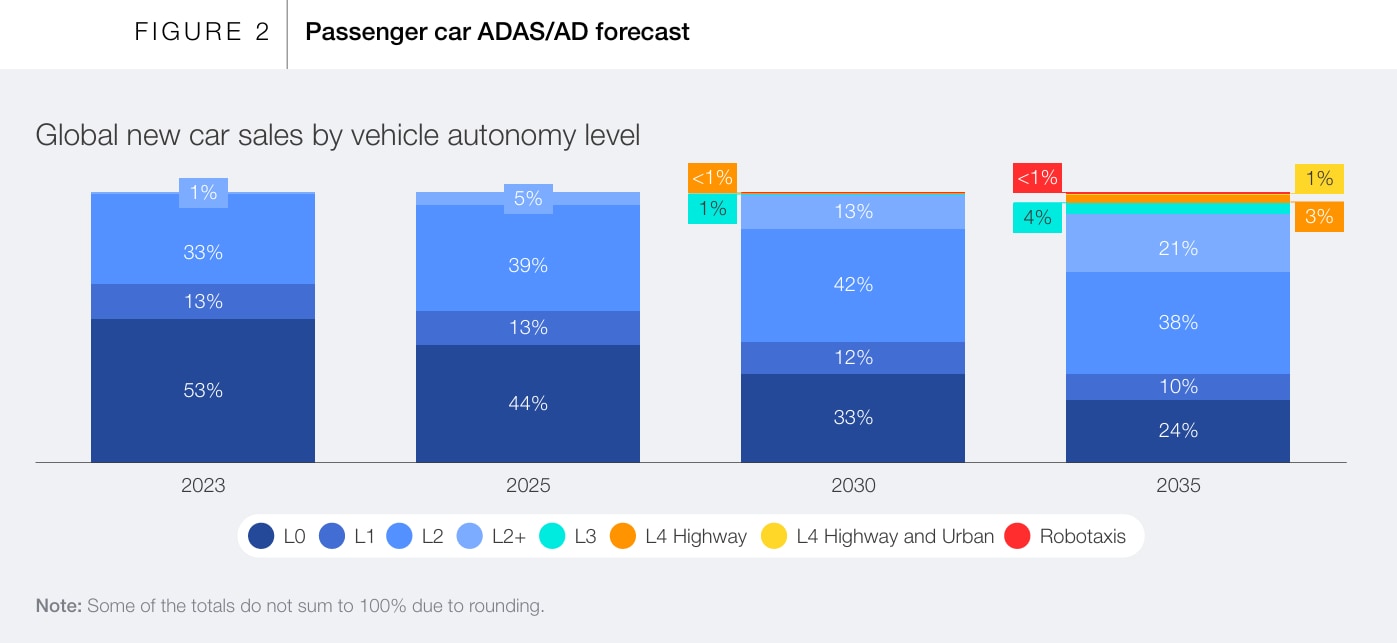
The United States and China are leading the global autonomous vehicle race, with advancements in personal vehicles, robotaxis, and autonomous trucks. The US government is expediting autonomous vehicle deployment by proposing regulations that relax certain safety requirements. According to a World Economic Forum white paper, personal vehicles will likely see incremental automation, mainly at levels L2 and L2+, with full autonomy not expected until after 2030. Robotaxis are expected to operate in 40 to 80 cities by 2035, predominantly in the US and China. Autonomous trucks promise efficiency improvements, particularly on fixed routes, with significant adoption anticipated in both regions.
ICT
Which countries are ahead in the global autonomous vehicle race?