
A survey by Nature reveals that opinions among academics about the use of AI in writing research papers are divided. Over 90% support AI for editing or translation, while 65% deem it ethically acceptable for writing portions of papers. The UK and EU plan to enhance AI collaboration to tackle global challenges, with AI projected to account for nearly half of data center energy use soon. Additional insights indicate that developing AI in the Global South is focused on localizing technology and that digital technology use may reduce cognitive decline risks in older adults.
ICT
Academics divided on AI for research writing, and other digital technology stories you need to know
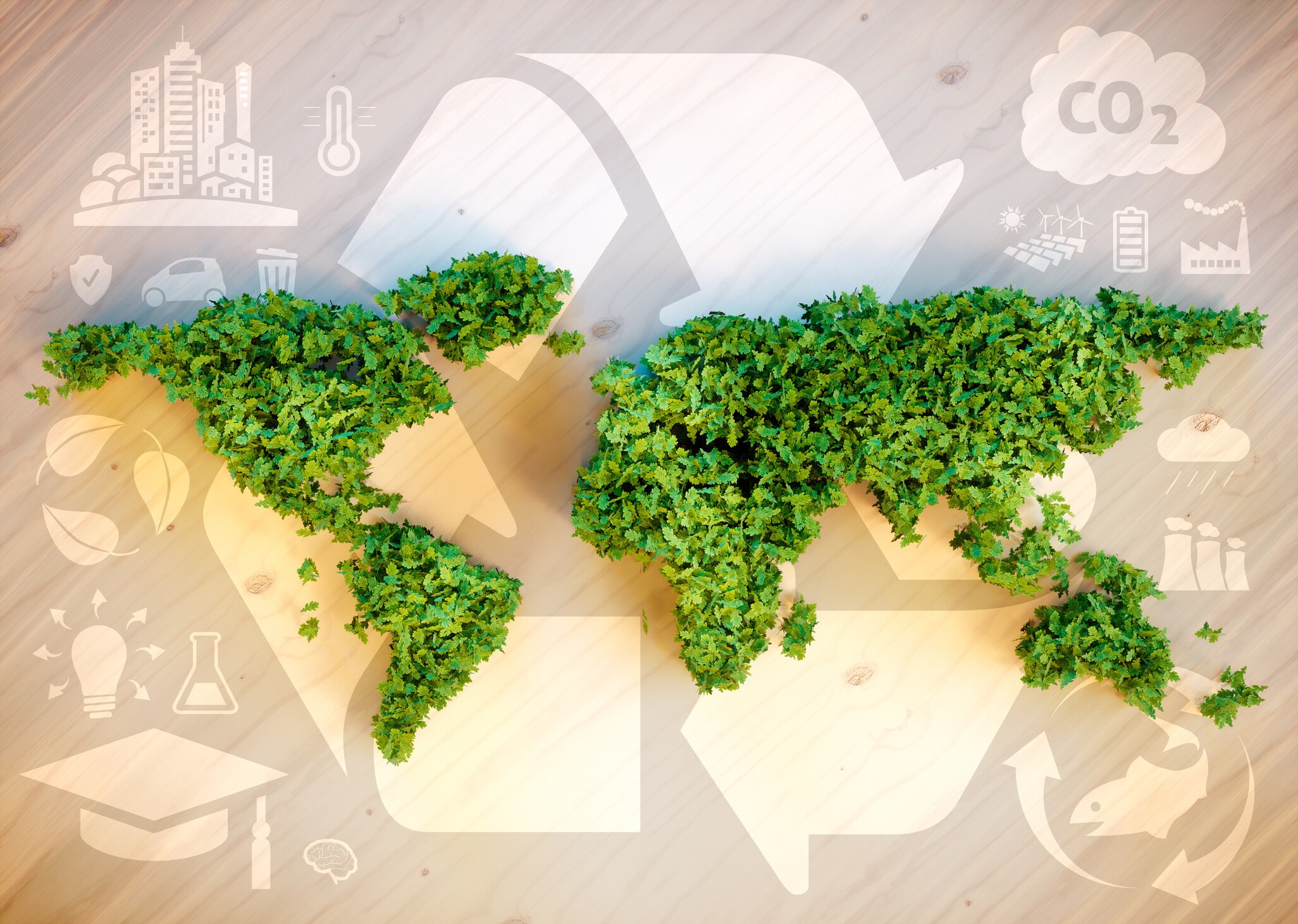
Sustainability data has become as crucial as financial data for organizations, driving agility, competitive edge, and stakeholder trust. A recent survey found that 85% of executives are committed to sustainability disclosures, emphasizing the shift from compliance to strategic imperative. This evolving landscape necessitates a partnership between chief financial officers (CFOs) and chief sustainability officers (CSOs) to integrate sustainability into core business strategies. Key focus areas include sustainable business integration, aligning growth strategies with sustainability objectives, and leveraging technology for enhanced reporting. Companies that embrace this approach are better positioned for resilience in an uncertain market.
Financial services
Why sustainability data is as strategically important as financial data
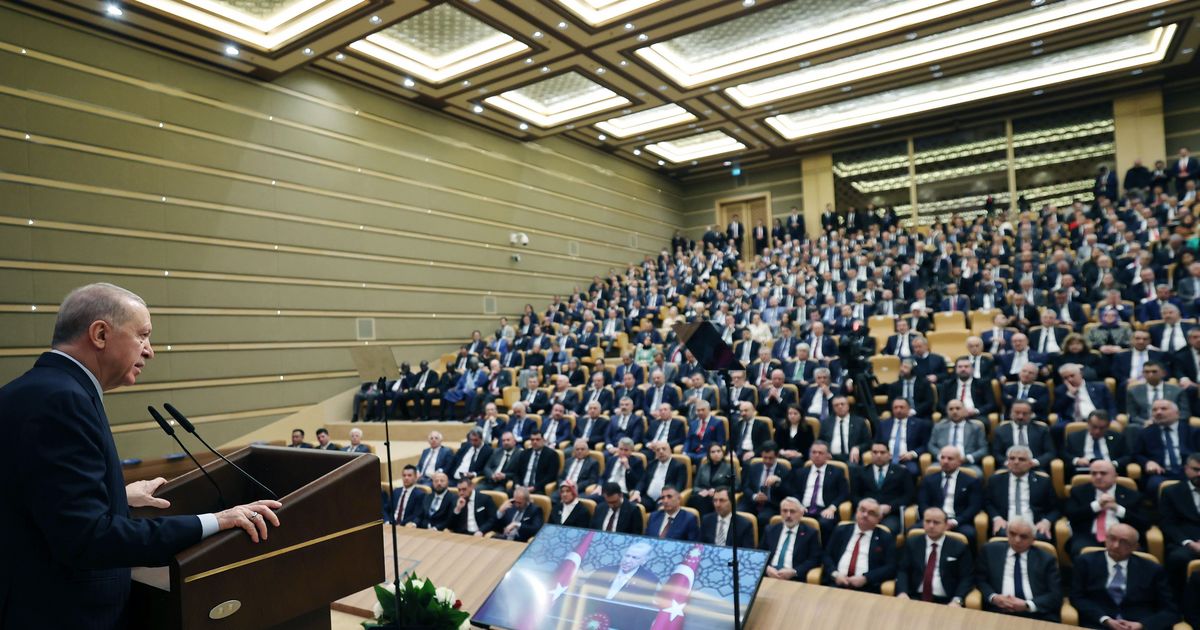
Turkey's "techno-nationalist" policies aim to establish the country as a leader in 21st-century innovation. Notable advancements include progress in the defense industry, the launch of a domestic electric vehicle (EV) brand, and plans for a space mission. However, Turkey struggles to create "native and national" alternatives in key technology sectors like AI and semiconductors, relying on international partners for development. The geopolitical landscape complicates these ambitions, particularly under U.S. trade policies, as Turkey navigates dependencies on American, Chinese, and EU technologies. The nation's historical desire for technological autonomy has resurfaced with the ruling AKP's initiatives and aspirations for strategic self-sufficiency in technology.
Egypt, Georgia, Germany, Indonesia, Taiwan, China, Tajikistan, Tanzania, Tunisia, Türkiye | Financial services, ICT, Education
The Trilemma of Turkish Techno-Nationalism
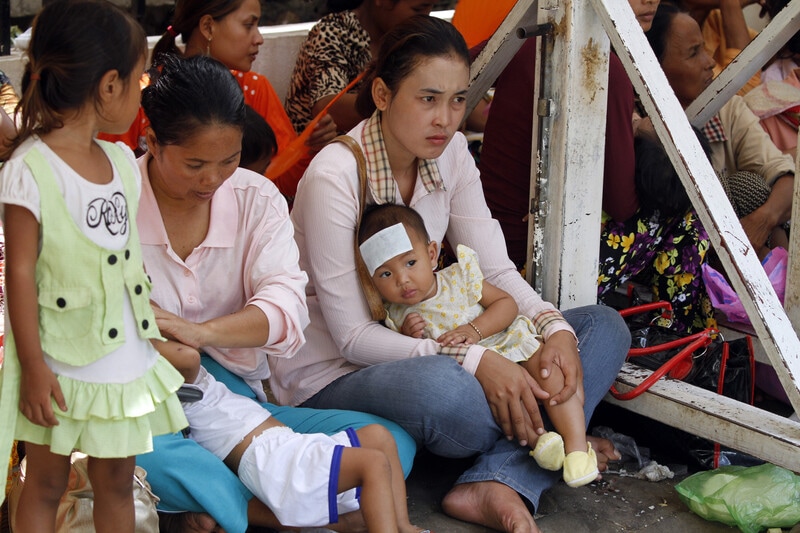
Women's health should be viewed holistically across their entire life course, incorporating integrated, gender-sensitive policies and data systems. Research across 135 low- and middle-income countries highlights persistent gaps in women's health and well-being, emphasizing the need for multi-dimensional approaches that address education, economic empowerment, and safety. Bangladesh, Cambodia, Ethiopia, and Peru have made notable progress by investing in education, expanding health access, and embedding gender into policies. However, challenges remain, especially concerning underreported gender-based violence and insufficient data on older women. Comprehensive data systems are crucial for effective governance and to ensure that women receive the care and support they need throughout their lives.
Health, Education
These countries are making progress on women’s health and well-being

Ukraine's universities remain operational amid the ongoing war, exemplified by the Kyiv School of Economics, where Tomila Lankina emphasizes the vital role of education in shaping Ukraine's future. Despite the harsh realities of war, including air raid alerts and civilian casualties, life in Kyiv continues with families engaging in daily activities. The resilience of Ukrainians is evident as they maintain normality and composure in adversity while honoring the sacrifices of fallen heroes in their communities.
Ukraine
The resilience of the university community in times of war – a view from Kyiv
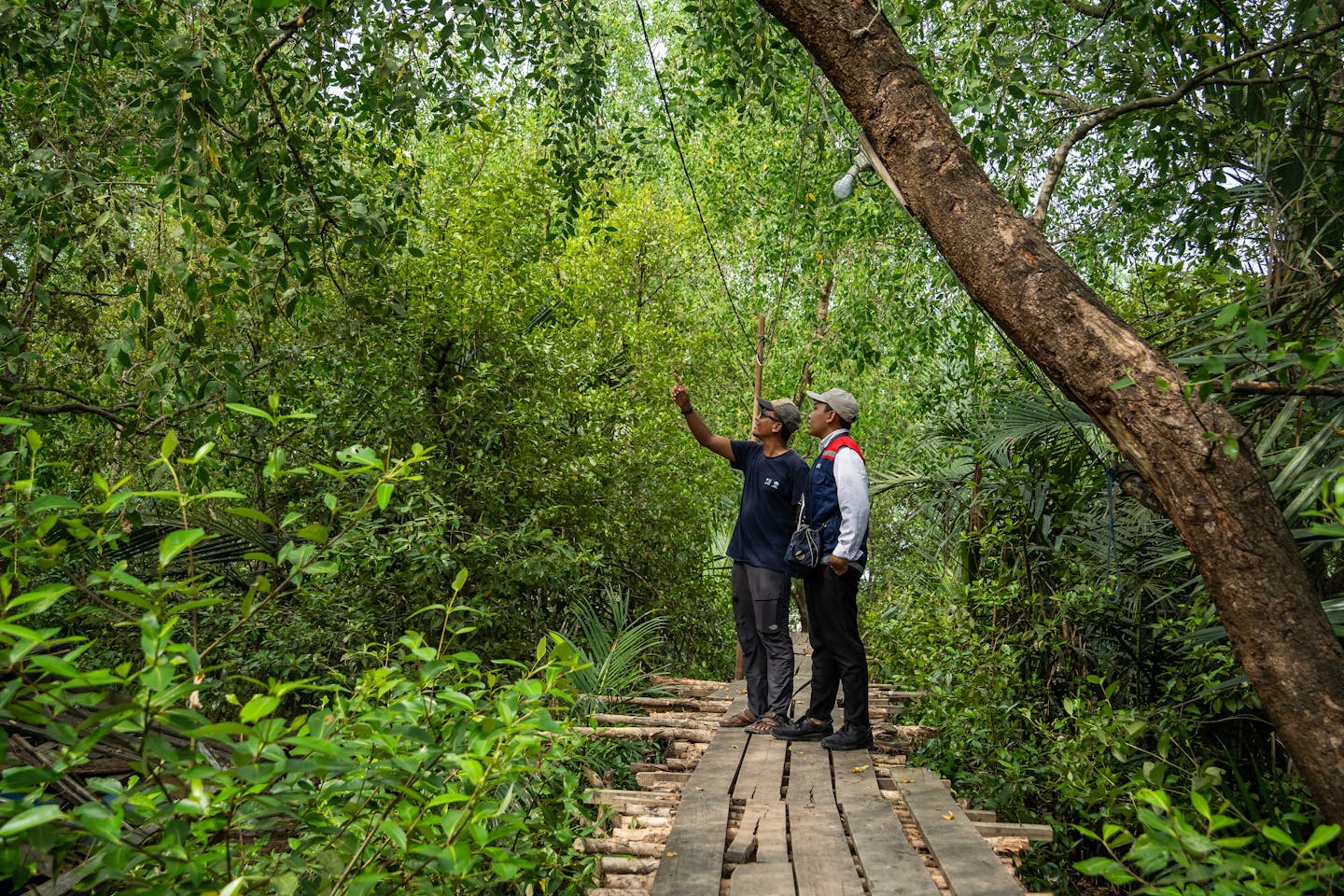
Between 2015 and 2024, over 6,400 attacks against human rights defenders were reported, with 75% targeting climate, land, and environmental defenders. The mining sector was responsible for a quarter of these attacks, followed by agribusiness and fossil fuels. Latin America and the Caribbean, as well as Asia and the Pacific, are identified as the most dangerous regions for defenders. Indigenous individuals, despite comprising only 6% of the population, experienced significant violence, with 31% of fatalities among defenders being Indigenous. A culture of impunity persists, with most attacks remaining uninvestigated. Advocacy for protective laws and corporate engagement with defenders is emphasized.
Environmental defenders targeted in 75 per cent of human rights attacks, report finds
The end of hyper-globalization, which flourished from the 1980s to 2008, is underway, driven by political unrest, rising protectionism, and economic instability. Populism in Western democracies and concerns over China's dominance in key sectors are reshaping trade dynamics. The U.S. trade deficit is rooted in domestic imbalances, rather than solely foreign practices. Current tensions could lead to three outcomes: a partial agreement, a significant decoupling of trade, or a complete breakdown inciting a global recession. Countries may feel pressured to align with either the U.S. or China, complicating global economic relations further.
Russian Federation, Ukraine, United Kingdom | Financial services
Deglobalization may be bigger than Donald Trump
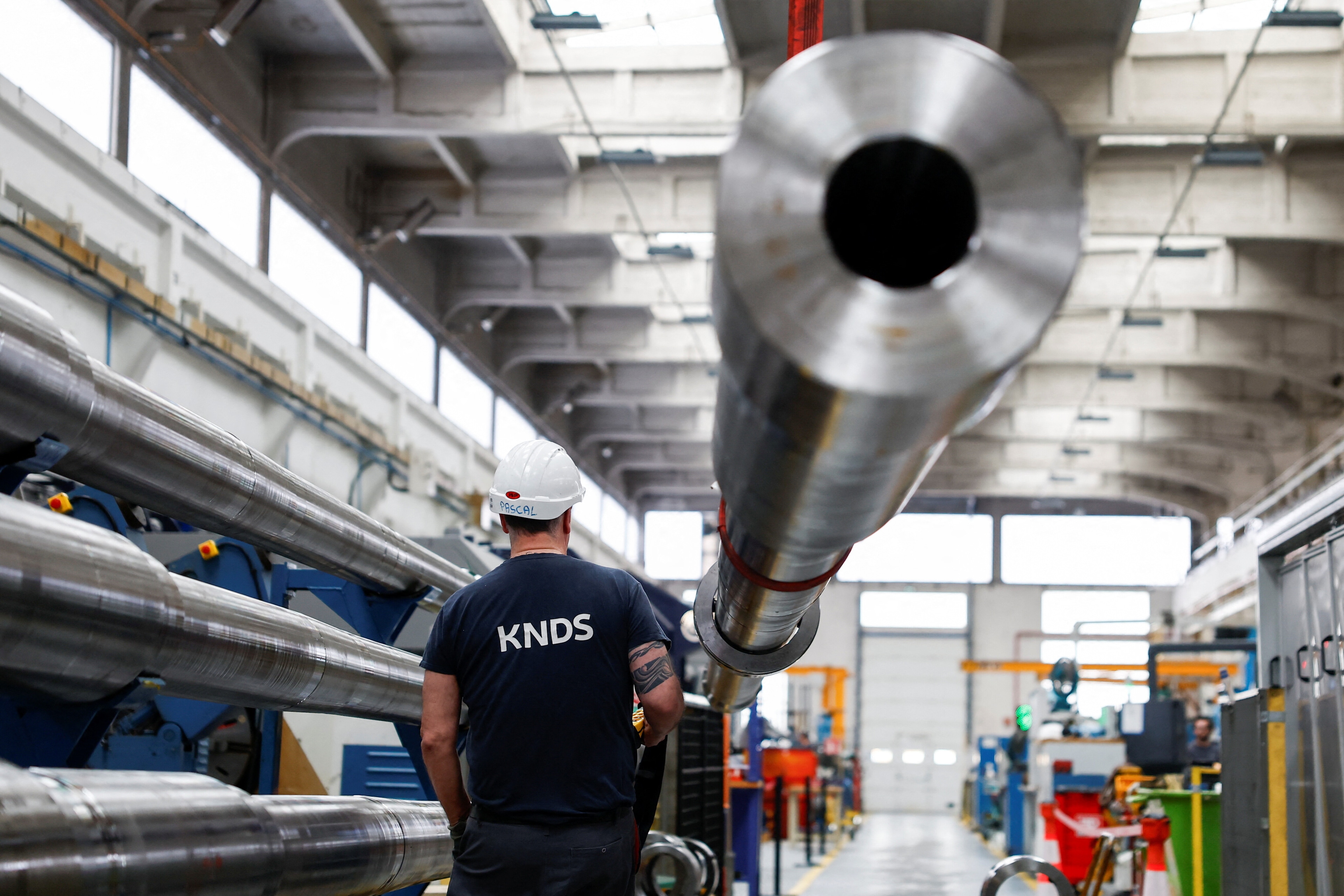
Global military spending has surged, drawing comparisons to Cold War levels, driven by rising geopolitical threats and faltering alliances. Economists suggest that governments will largely finance this defense spending increase through borrowing, with 86% of respondents to a recent survey anticipating more public debt, as opposed to tax increases. This trend comes amid warnings of public debt nearing 100% of GDP, exacerbated by high interest rates. European nations, significantly increasing their military budgets, face inevitable fiscal challenges, with projections suggesting that increased defense spending could yield broader economic benefits if aligned with domestic manufacturing and infrastructure.
Belgium, Germany, Russian Federation, South Africa, Switzerland, Ukraine, United Kingdom | Financial services, Health
Countries want to spend a lot more on defence, and these economists think they’ll pile up debt to do it
The Global Data Barometer (GDB) 2nd edition reveals that data is essential for societal functions and addressing global challenges but is increasingly hampered by constraints on access and quality. It tracks data governance across 43 countries, highlighting significant gaps between policy and implementation, underinvestment in skills and infrastructure, and the rapid pace of AI advancements outstripping governance frameworks. Open data efforts struggle due to resource limitations, while transparency tools and inclusive practices are lacking. Interoperability issues further hinder effective data use and policy impact evaluation.
Algeria, Angola, Bangladesh, Barbados, Belgium, Bolivia, Botswana, Burkina Faso, Chad, Colombia, Egypt, Ethiopia, Georgia, Germany, Ghana, Guinea, Indonesia, Ireland, Jordan, Kenya, Mali, Paraguay, Qatar, Republic of Korea, Rwanda, Senegal, Tanzania, Tunisia, United Arab Emirates, United Kingdom | Financial services, ICT, Health
The Global Data Barometer 2nd edition: A Shared Compass for Navigating the Data Landscape
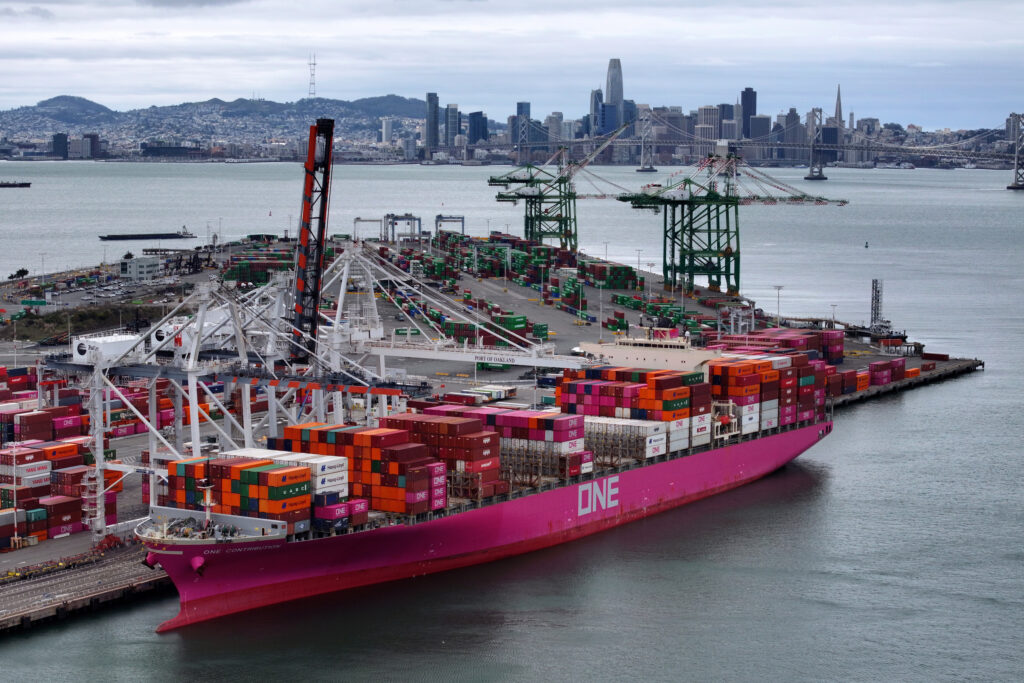
The Trump administration's tariff policies have caused significant uncertainty in the global energy economy, particularly affecting the U.S. renewable energy and battery industries. A report by Wood Mackenzie outlines three potential scenarios for the future of U.S. tariffs: a trade truce, trade tensions, and a trade war, with the latter leading to global recession. The report indicates that prolonged trade conflicts will adversely impact all sectors, including oil and gas. Tariffs have made imports more expensive, complicating regulatory processes and investment decisions for renewable energy utilities reliant on foreign components.
What Will Tariffs Do to the Energy Economy? Here Are Three Scenarios - Inside Climate News
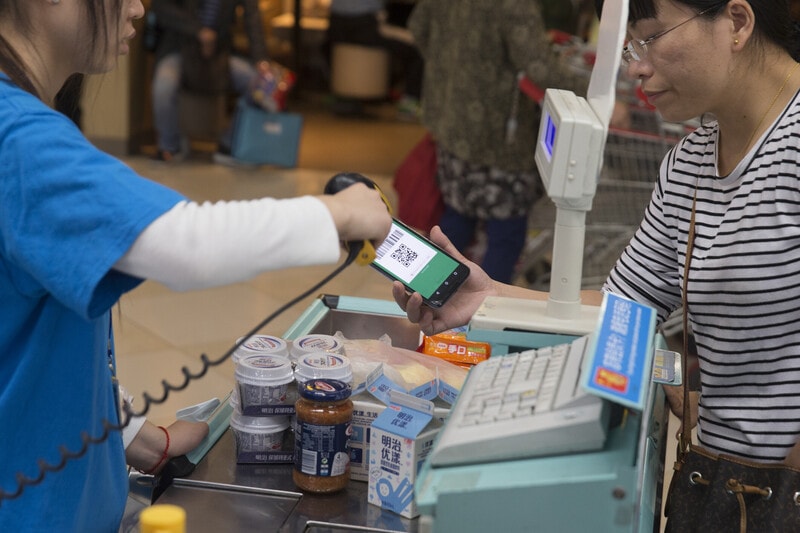
Innovative fintech solutions are transforming cross-border payments for micro, small, and medium-sized enterprises (MSMEs), which face significant challenges such as high transaction costs and long settlement times. Collaborative efforts from the public and private sectors aim to enhance efficiency and lower costs by 2027. Technologies like blockchain, tokenized liquidity transfers, and stablecoins improve transaction security and reduce fees. User-friendly applications, such as WhatsApp payment bots and diversified payment platforms, facilitate access for those with limited digital literacy. These advancements promote global trade participation and financial resilience among traditionally underserved populations.
ICT, Financial services
How innovative fintech is helping small business in cross-border trade and payments

Capitalism has increasingly contributed to inequality in Western democracies, contrary to initial democratic ideals promoting equality. Historical analysis reveals that capitalism tends to concentrate wealth in the hands of a few, a trend noted by Karl Marx and echoed by economists like Thomas Piketty. Globalization and neoliberal policies have exacerbated this, with the wealth of billionaires growing significantly faster than overall economic gains, particularly highlighted during the COVID-19 pandemic. The resulting societal imbalance undermines democratic meritocratic values, as the wealthy influence political outcomes through donations and lobbying, driving a wedge between economic power and equity, particularly in the United States.
Africa | Financial services
Capitalism and inequality

Fabien Curto Millet, Google's Chief Economist, discusses the transformative impact of AI on the global economy, highlighting job disruption, energy demands, and increasing inequality. He emphasizes the need for organizations to prepare for uncertainties through proper scenario planning. Millet claims AI is the most significant technological shift of his lifetime, boosting productivity in various sectors. While AI adoption remains low, forecasts predict substantial GDP increases from its integration. He counters concerns about AI globally widening economic disparities, noting enthusiasm for AI in developing nations and its potential benefits in education. Additionally, he stresses advancements in data center efficiency to address rising energy demands.
Absolutely formidable: Google’s chief economist on the impact of AI

The productivity-pay gap has been widening for decades, with rising output not translating into wage increases. The advent of AI may exacerbate this issue, potentially leading to increased inequality among workers. A recent study indicated that less experienced workers using AI tools saw significant productivity gains, raising concerns for more experienced employees who may no longer justify their wages. Economists highlight worker augmentation as a potential benefit of AI, yet warn of growing inequality. The challenge remains to equip a broad workforce with AI tools and training to ensure equitable sharing of productivity gains.
Education
AI could make us more productive, can it also make us better paid?
Asia's leadership in semiconductor manufacturing is driving a significant increase in AI-related exports, benefiting from substantial investments in infrastructure and design. The region accounts for 75% of global semiconductor capacity, with projections indicating an 11% growth in global sales and 10% in Asia for the year. Despite challenges from trade tensions, there is a strong outlook for double-digit growth through 2030, fueled by advancements in generative AI and increased enterprise adoption. To enhance resilience, Asia must focus on domestic innovation, diversify supply chains, and strengthen chip design capabilities while expanding into new AI-powered industries.
India, Indonesia, United Arab Emirates | ICT
AI-Powered and Asia-Made: Leading the Way with Chip Design and Supply Chain Resilience
Daniel Kokotajlo, an A.I.-safety researcher, left OpenAI due to fears that advancements in A.I. outpaced the necessary safety measures, predicting a critical point by 2027 where A.I. might outperform humans in many tasks. In contrast, Princeton researchers Sayash Kapoor and Arvind Narayanan argue that A.I.'s transformative potential is overstated, citing past failures in A.I. applications. They believe that practical challenges will slow A.I.'s deployment, framing it as a manageable technology rather than a dangerous one, akin to nuclear power instead of weapons.
Two Paths for A.I.
AI slop refers to low-quality, AI-generated content proliferating on social media platforms, such as Reddit and LinkedIn, designed for high engagement rather than genuine interaction. This type of content often features stock phrases and unrealistic scenarios aimed at inciting outrage. The rise of AI-generated posts and images has been met with frustration from users, while platforms like LinkedIn and Meta attempt to identify and mitigate this issue. The consequences of AI slop extend to misinformation campaigns that can threaten democratic processes, revealing a growing reliance on bots across the political spectrum.
What is AI slop? Why you are seeing more fake photos and videos in your social media feeds
Multinational companies are reassessing their exits from Russia following the invasion of Ukraine, with many not fully divesting as initially reported. Historical parallels with apartheid-era South Africa reveal that sanctions may inadvertently empower local elites tied to the ruling regime. Assets were often sold at discounts to these elites, who then maintained operations, undermining the effectiveness of sanctions intended to weaken the Kremlin. Companies like Nissan and McDonald's included buy-back clauses in their sales, illustrating a strategic approach for potential future re-entries. Consequently, sanctions may have solidified domestic power rather than diminished it.
Have sanctions against Russia backfired? What apartheid-era South Africa tells us about who may be profiting
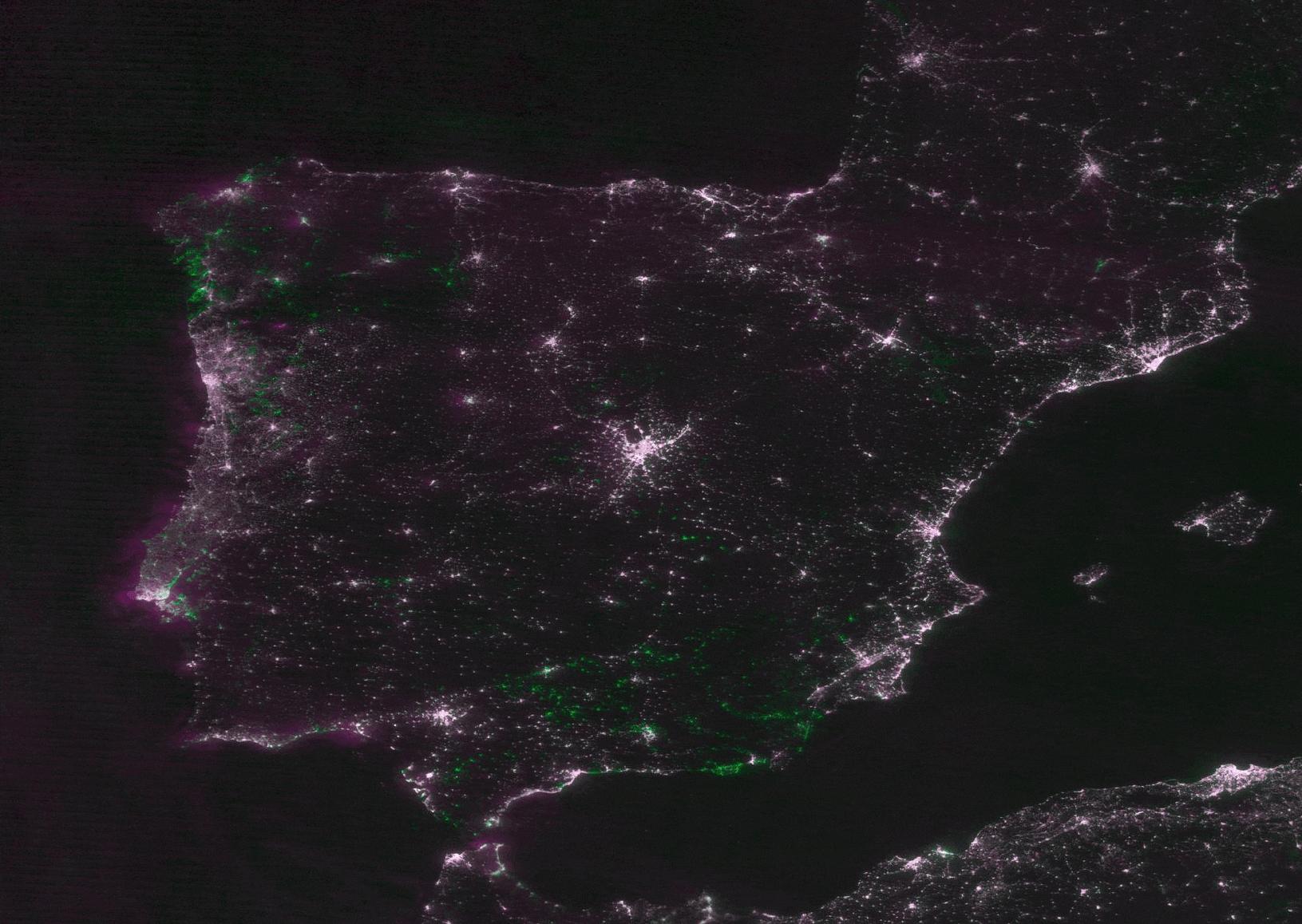
A major blackout that occurred on April 28 affected much of the Iberian Peninsula, with investigations identifying Granada as the primary failure point causing a loss of 2.2 gigawatts. The outage disrupted numerous services and events, though cyberattacks were ruled out as a cause. Meanwhile, global electric vehicle sales surged by 30% in April, indicating a strong market shift toward EV adoption, despite challenges in regulations and supply chains. Other developments include ongoing airport expansions in Singapore and Casablanca, protests against overtourism in the Canary Islands, and severe flooding in Argentina.
Burkina Faso, Egypt, Ghana, Spain, United Arab Emirates | Financial services, Health
Iberian Peninsula blackout – and other urban transformation stories to read this month
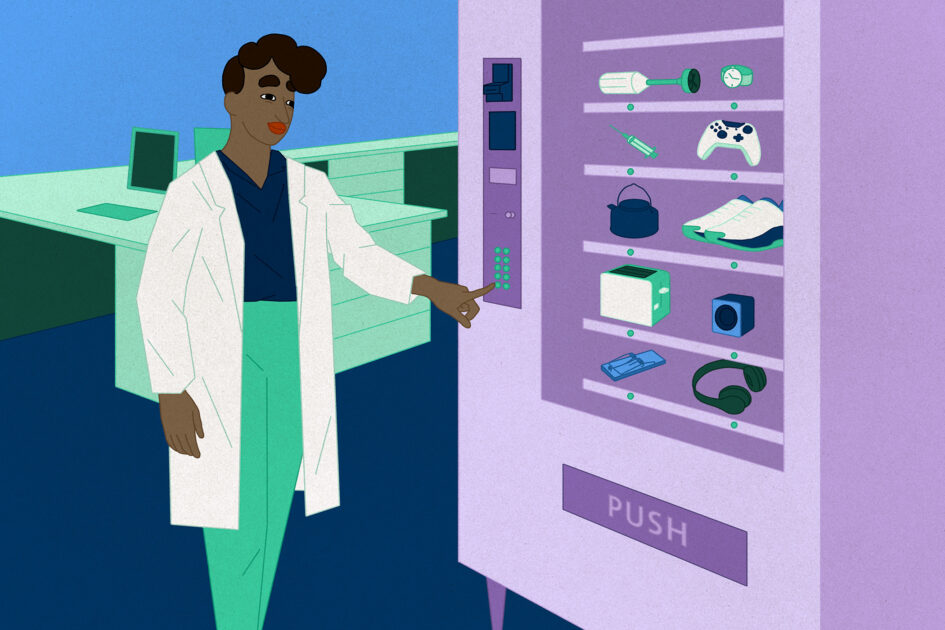
Pivoting to new areas of research or technology results in a "pivot penalty," significantly diminishing the impact of scientific papers and patents. A study led by experts from Kellogg School analyzed 26 million research papers from 1970 to 2015, revealing that greater shifts away from a researcher’s core expertise led to lower citation rates and high-impact outcomes. Specifically, papers that required minimal pivoting had a 7.4% chance of being high-impact, while those with the highest pivot had only a 2.2% chance. This phenomenon persisted irrespective of the researcher’s experience or resources.
Financial services, Education
When Experts Pivot, They Pay a Price