
Women entrepreneurs are significantly transforming the Middle East’s business landscape, particularly in Gulf nations as they move beyond oil dependence. These female founders are launching innovative startups across sectors like e-commerce, healthcare, and fintech, leveraging a deep understanding of local markets to meet critical needs. Despite receiving only 1.2% of venture capital in MENA, governments are increasingly supporting women-led initiatives through policies aimed at enhancing female participation in the economy. Successful examples include Iman Abuzeid's Incredible Health and Mona Ataya's Mumzworld, showcasing the potential for substantial economic impact through gender-diverse leadership.
Egypt, Saudi Arabia, United Arab Emirates
How women entrepreneurs are reshaping the Middle East’s business landscape

The 17th AAV Dialogue addressed the high cost of capital for African countries, highlighting its impact on investment. Discussions included the establishment of the “Cost of Capital Commission,” which aims to address excessive borrowing costs, improve credit rating methodologies, and reform Basel III elements. The African Expert Panel, under South Africa's G20 presidency, seeks to develop a roadmap with recommendations for the G20 Leaders’ Summit in 2025. Key focus areas include enhancing domestic capital markets and advocating for international financial structural reforms, with findings indicating that IMF and World Bank programs can significantly lower borrowing spreads for African nations.
Burkina Faso, Ghana, Senegal, South Africa | Financial services
Options to Address the Cost of Capital Conundrum for Africa

Interoperability in digital finance is essential for overcoming barriers posed by fragmented technology and regulatory frameworks. As fintech innovations like tokenization advance, financial institutions seek greater blockchain connectivity for compliance and efficiency. Traditional "bridges" for transferring assets have proven insecure and inefficient, highlighting the need for secure, scalable cross-chain messaging protocols. Major banks, including JPMorgan Chase, are adopting solutions like Chainlink’s Cross-Chain Interoperability Protocol (CCIP) to facilitate secure digital asset transfers. Hybrid sandboxes are emerging as environments for testing innovations, blending privacy with public transparency to foster regulatory compliance and enhance the digital financial landscape.
ICT, Financial services
Why interoperability in digital finance is now more than a 'nice-to-have'
Global challenges such as climate change, conflict, and disease require collective solutions that transcend national boundaries. International cooperation is vital to reconcile national and global interests, despite often being subject to polarized debates. The inaugural edition of Global South Perspectives provides a platform for researchers from the Global South to propose actionable, locally grounded solutions to these global issues, contributing to the restructuring of international cooperation.
Ethiopia, Ghana, Nigeria, Republic of Korea, South Africa, United Kingdom | ICT, Financial services, Education, Health
Global South Insights for a changing World
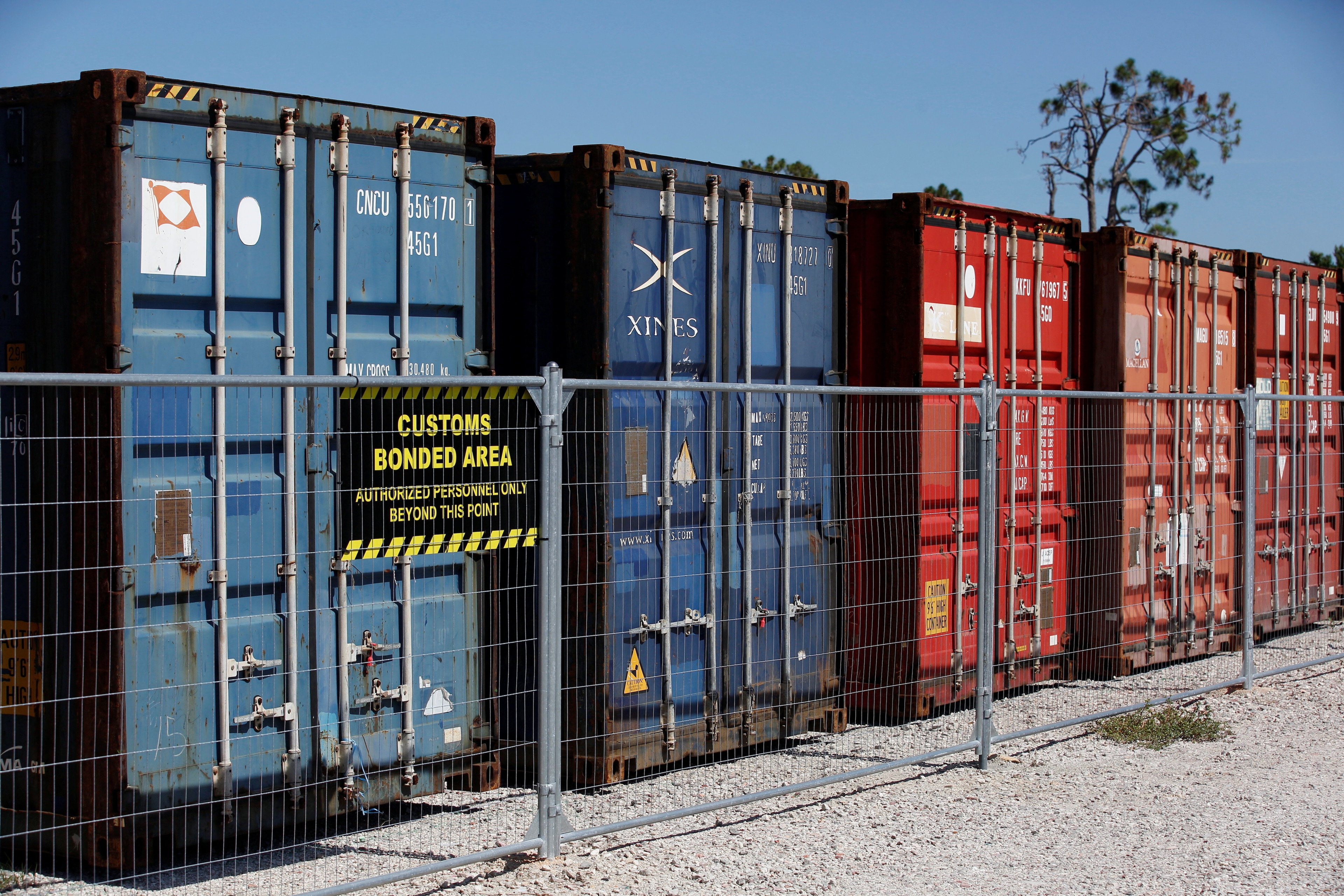
Chief economists foresee a long-term shift in the global economy due to recent US trade policy changes, with 79% viewing these adjustments as enduring rather than temporary. The current economic outlook is clouded by uncertainty, leading to a slowdown in hiring and growing concerns about inflation and growth. Despite challenges, there are signs of potential stability and resilience in the labor market, particularly in healthcare and energy sectors. Economists emphasize the need for strategic agility in businesses to navigate these turbulent times while remaining hopeful for a rebound in employment levels.
Egypt, Germany, India, Indonesia, Switzerland, Ukraine, United Kingdom | Financial services
Buckling up for a long ride: chief economists add detail to a downbeat outlook

The May 2025 Chief Economists Outlook analyzes critical trends in the global economy, emphasizing growth, inflation, and monetary and fiscal policies amid exceptional uncertainty. It reports a deteriorating growth outlook, marked by weak prospects in North America, resilience in Asia-Pacific, and cautious optimism in Europe due to rising economic nationalism and tariff volatility. The report highlights the dual impact of the ongoing AI revolution, which presents opportunities for growth alongside significant risks, urging organizations to align innovation with a comprehensive understanding of the economic landscape to foster resilience and expansion.
Africa | Financial services
Chief Economists Outlook: May 2025

The May 2025 Chief Economists Outlook analyzes global economic trends, focusing on growth, inflation, and monetary and fiscal policy amidst significant volatility and uncertainty. The report indicates a deteriorating growth outlook, with North America facing weak prospects, Asia-Pacific displaying resilience, and Europe showing cautious optimism due to shifts in the geoeconomic landscape. It further explores the ongoing AI revolution, emphasizing its potential to foster growth while also presenting serious risks. Organizations are encouraged to integrate technological advancements with an understanding of broader economic dynamics for sustained resilience and expansion.
Australia, Bolivia, Chile, Egypt, Ethiopia, Germany, Ghana, India, Indonesia, Japan, Kenya, Malaysia, Nigeria, Paraguay, Peru, Philippines, Republic of Korea, Russian Federation, South Africa, Switzerland, Tanzania, Thailand, Ukraine, United Arab Emirates, United Kingdom | Financial services, ICT
Chief Economists Outlook: May 2025
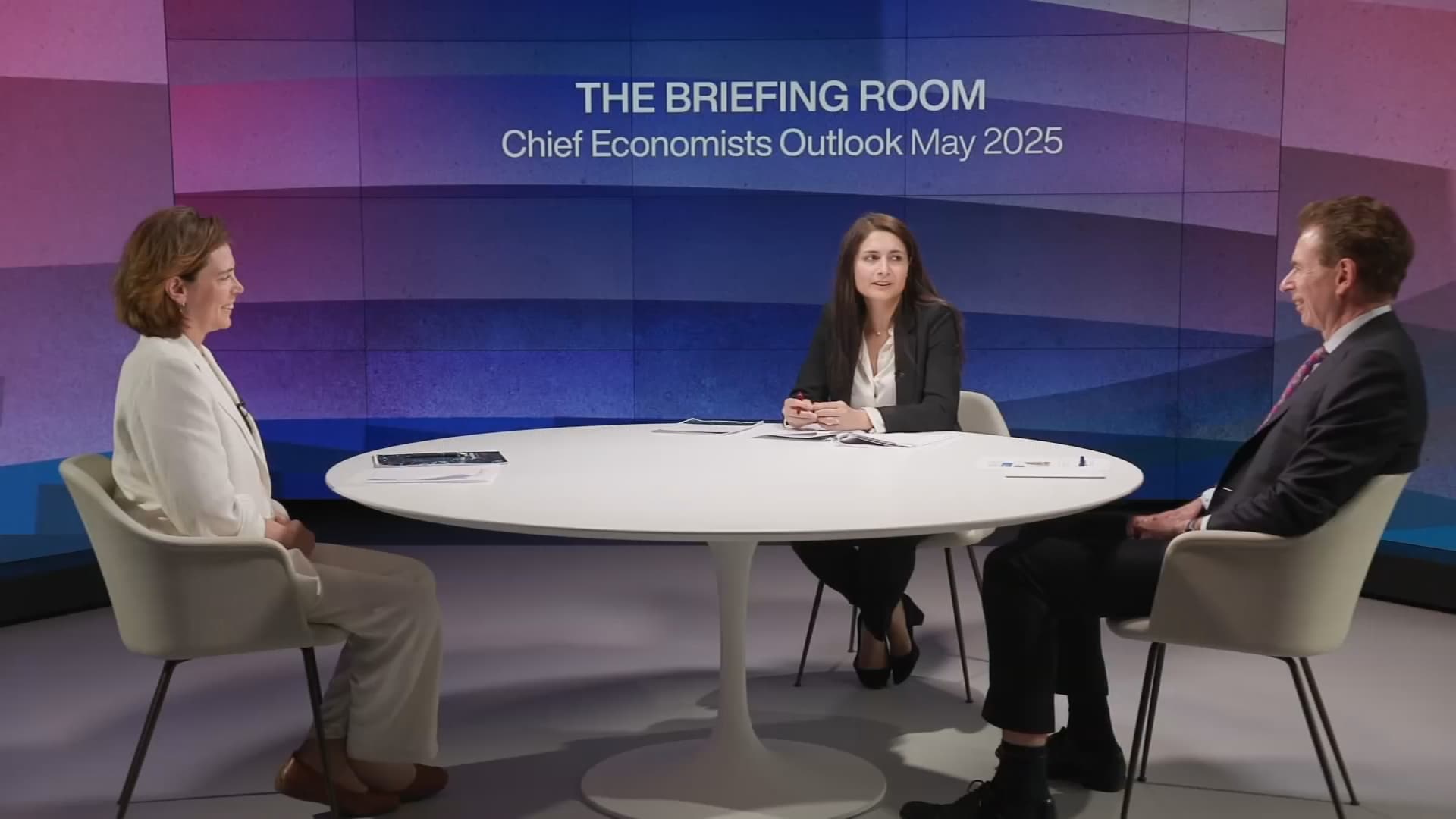
Chief economists predict a weaker global economy, with all surveyed anticipating long-term changes in US trade policies. Shifting superfundamentals, such as increasing tariffs and technological disruptions, heighten economic uncertainty. Notably, 79% of economists view recent US policy changes as structural rather than temporary, leading to concerns about investment and consumption due to erratic economic conditions. While Europe and China show signs of improvement, rising inflation and a weakening dollar are expected in the US. An overarching theme of uncertainty, including in legal and democratic realms, complicates future economic predictions.
Burkina Faso, Colombia, Djibouti, Egypt, Ethiopia, Germany, Ghana, India, Indonesia, Japan, Jordan, Kenya, Malaysia, Pakistan, Peru, Philippines, Republic of Korea, Russian Federation, Rwanda, South Africa, Switzerland, Taiwan, China, Tanzania, Thailand, Tunisia, Ukraine, United Arab Emirates, United Kingdom | ICT, Financial services, Education
When the foundations shift and the outlook darkens: The briefing room
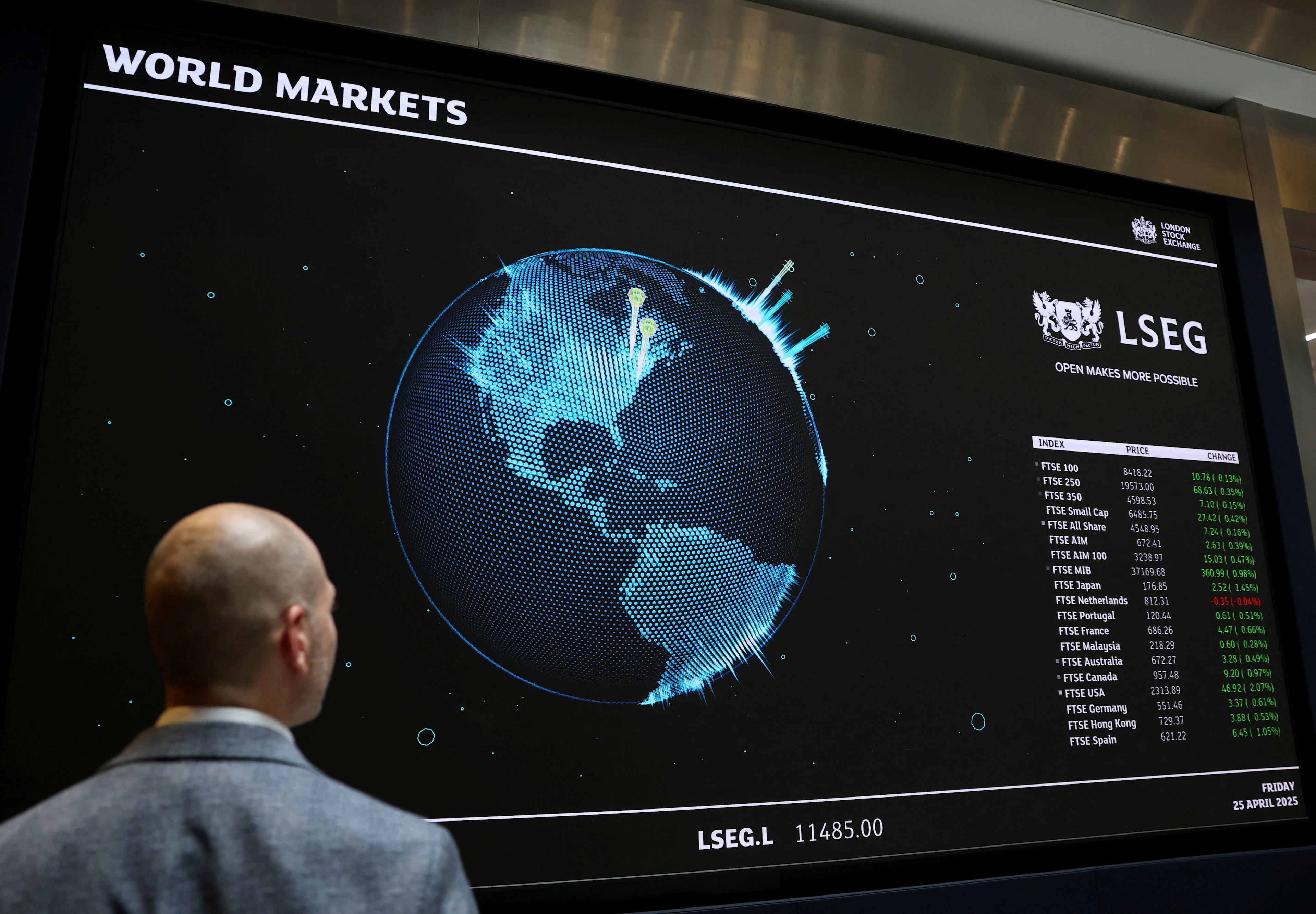
Uncertainty is currently the dominant theme in the global economy, with 82% of chief economists reporting very high levels of uncertainty, primarily due to recent trade policy disruptions. While there are weak growth prospects in North America, resilience is noted in Asia-Pacific, and cautious optimism exists for Europe. Artificial intelligence is expected to stimulate growth, yet nearly half of the economists foresee net job losses related to it. Most anticipate businesses will delay strategic decisions, which may further increase recession risks. The report suggests a significant structural shift in the global economy necessitating proactive adaptation and strategic agility amidst these challenges.
Chile, Egypt, Ethiopia, Germany, Ghana, India, Indonesia, Ireland, Japan, Jordan, Kenya, Malaysia, Peru, Philippines, Russian Federation, Switzerland, Tanzania, Thailand, Tunisia, Ukraine, United Arab Emirates, United Kingdom | Financial services, ICT
‘Uncertainty’ is the watchword as chief economists assess the state of the global economy
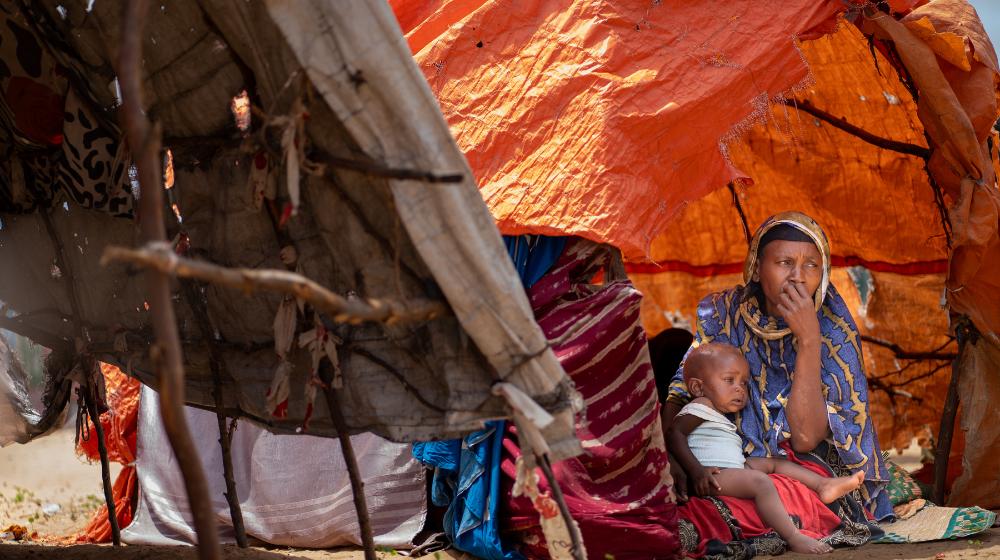
In 2025, UNFPA emphasizes the urgent need for support for women and girls in neglected crisis situations as humanitarian aid budgets are cut. The lack of funding leads to inadequate reproductive health services, the closure of safe spaces for survivors of violence, and insufficient medical care for pregnant women, especially in South Sudan and Venezuela. Nearly 330,000 women and girls in South Sudan risk losing access to vital services, while in Venezuela, 60,000 pregnant women could face reduced maternal healthcare. UNFPA appeals for $17.5 million for South Sudan and $28.2 million for Venezuela to address these critical needs.
Health
Don’t let the lights go out: UNFPA urges support for women and girls in the world’s most neglected crises
Business leaders must advocate for science-aligned climate policies to counter misinformation and support the transition to sustainable practices. As climate change poses risks, businesses are shifting to greener models, realizing both climate and financial benefits. Policy incentives such as subsidies are critical for these transitions. Yet, misinformation from vested interests hampers effective policymaking. Collaboration between businesses, civil society, and scientific experts is vital to promote accurate information and advocate for robust, science-based policies. By doing so, businesses can mitigate risks and foster a transition to a low-emission economy, ensuring long-term prosperity.
Nigeria | Financial services, ICT, Health
Why business leaders should advocate for science-aligned climate policy

Latin American leaders convened in Beijing for the fourth China-CELAC summit, emphasizing a unified relationship to promote multilateralism and greater autonomy in global affairs. Chinese President Xi Jinping announced a CNY 66 billion (US$9.15 billion) credit line to support CELAC nations, advocating for cooperation in clean energy and digital economies. Latin American leaders called for enhanced economic ties and infrastructure projects, such as a proposed fiber optic cable connecting Asia and the region. The summit reaffirmed commitment to international cooperation amid ongoing U.S.-China trade tensions, with Colombia joining China's Belt and Road Initiative.
Bolivia, Brazil, Chile
China-CELAC summit invests in multilateralism amid global trade tensions

Coral reef research is predominantly conducted by institutions in high-income countries, undermining contributions from tropical, lower-income nations. A new study highlights a trend of "parachute" science, where foreign researchers collect data without meaningful local collaboration, often marginalizing local scientists. Analysis of over 5,000 scientific papers reveals that 76% of lead authors come from high-income nations, with only 24% from middle-income countries and less than 0.05% from low-income countries. Local researchers report insufficient recognition of their contributions, indicating systemic inequities in coral reef scientific inquiry.
Inequities in coral reef research undermine global scientific collaboration: study

Japan, South Korea, and Taiwan have integrated startups as fundamental components of both economic growth and national security. Robyn Klingler-Vidra and Ramon Pacheco Pardo highlight how these countries foster collaboration between startups and large firms through sustained government support. This critical integration contrasts with Europe’s disjointed approach, where startups are often treated as peripheral to security and economic policies. To enhance its strategic autonomy and resilience, Europe should embrace a whole-of-system strategy that embeds startups in national security frameworks, drawing lessons from Northeast Asia’s methods of fostering dual-use innovation.
Finland, Germany, Indonesia, Japan, Kenya, Philippines, Republic of Korea, Russian Federation, Rwanda, Senegal, Ukraine, United Kingdom | Financial services, ICT, Education
Startups and national security – lessons from Northeast Asia for Europe

Gender training and capacity building for security personnel are vital for advancing gender equality and the Women, Peace, and Security agenda in security institutions. The training aims to foster institutional change, policy development, and enhance responsiveness to gender-specific security needs, particularly within male-dominated environments. This paper reviews literature on gender training in peace operations and highlights the Elsie Initiative's goal of increasing women's participation in UN peace missions. It explores how and when gender training is effective, the mechanisms that facilitate its impact, and the need for clearly defined training purposes to achieve desired outcomes. The primary audience includes practitioners involved in gender training within the security sector.
More than a mandate? Making gender training in security institutions matter
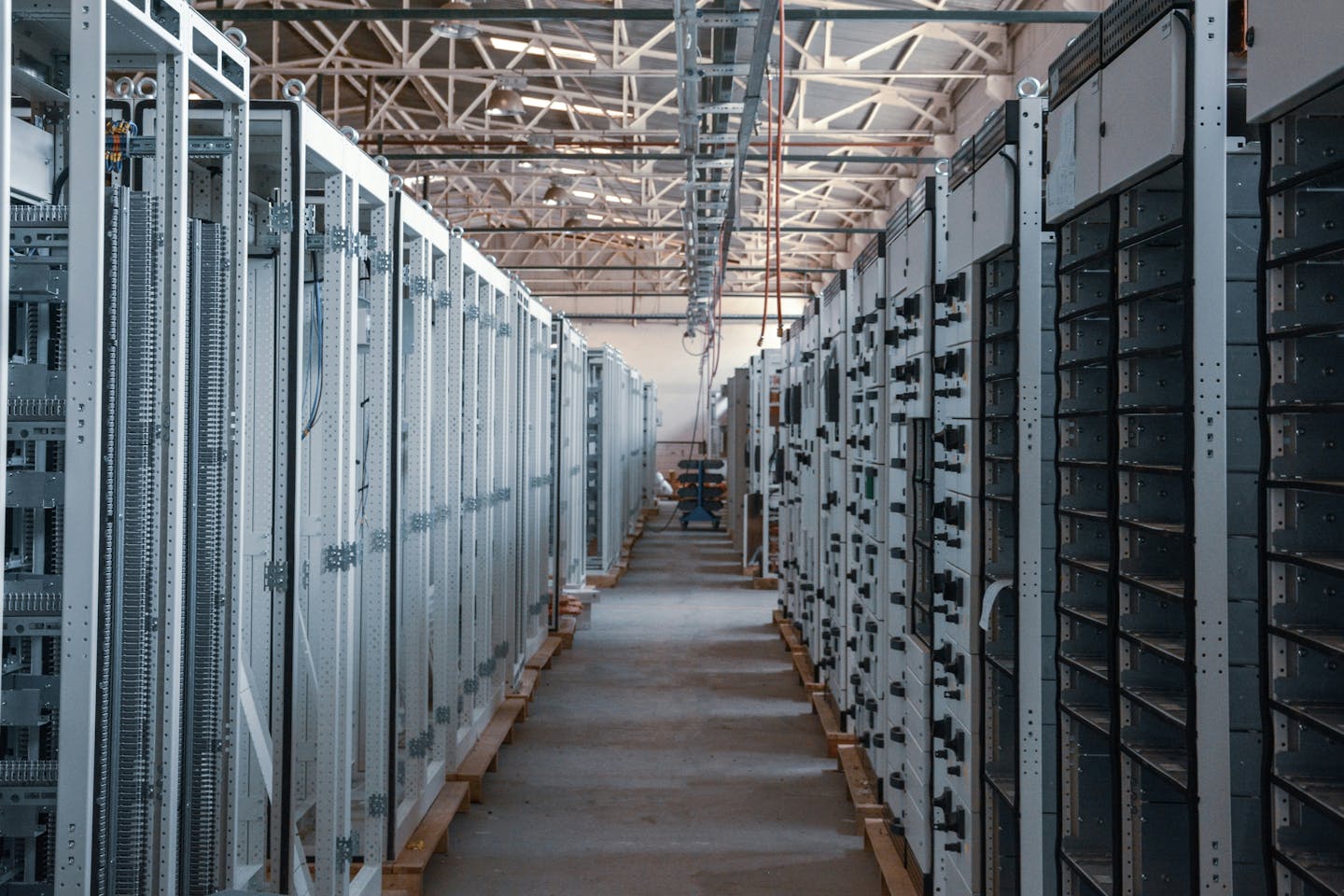
Southeast Asian countries are advancing the ASEAN Power Grid, highlighted by a recent agreement involving Malaysia, Singapore, and Vietnam to explore undersea renewable energy cables. However, the growing demand for energy-intensive data centres driven by AI is altering electricity consumption patterns and complicating load forecasting. For example, while data centres consume under 2% of total power in China, they have caused a 50% load increase in Laos. With Southeast Asia's data centre electricity demand expected to more than double by 2030, technology firms like Google are focused on securing renewable energy sources for their operations to reduce costs and support sustainability.
Egypt, Ghana, India, Indonesia, Malaysia, Senegal, Thailand | Financial services
Data centres are reshaping the ASEAN Power Grid's forecasts, say global financiers
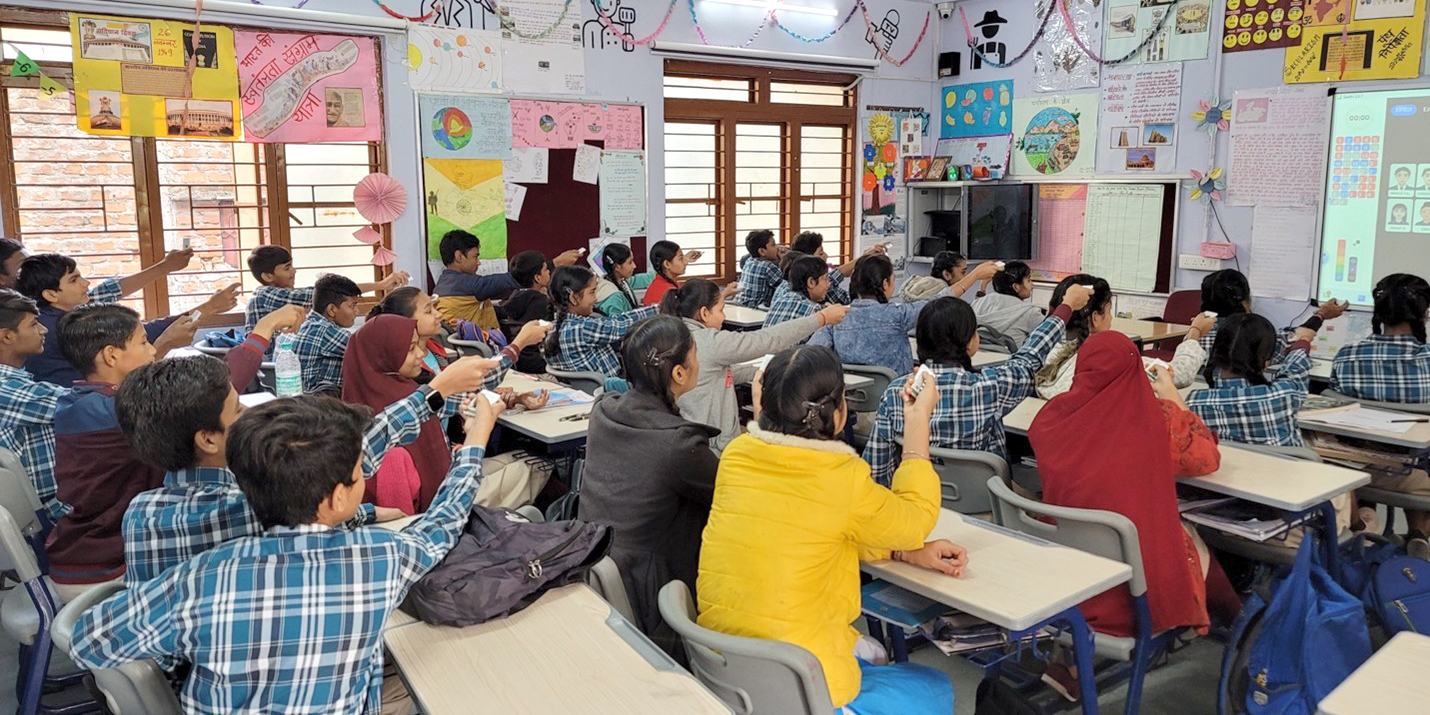
Education is hindered by significant challenges, especially in low-income regions, where access to quality learning remains limited. Over 85% of early-grade students in sub-Saharan Africa struggle with basic literacy. Solutions include interactive and student-centered teaching methods, adaptive assessments, and government partnerships that tailor content to local contexts. Successful initiatives like Pratham's Read India and Kenya's Tusome project highlight the effectiveness of engaging students and employing technology. To overcome barriers, investments in infrastructure, educator training, and collaborative efforts are essential for a resilient and inclusive educational framework.
Bangladesh, South Africa | Financial services, Health, Education
Closing Learning Gaps Through Scalable and Innovative Solutions
Mongolia's economy is highly vulnerable to extreme weather, particularly harsh winters and reliance on mining, which constitutes nearly 25% of GDP. The country faces significant agricultural challenges due to dzuds, harsh winter conditions that devastate livestock, leading to a decline in rural livelihoods and food security. Although some warming could initially improve conditions for pastures and crop yields, long-term extreme weather will likely reduce productivity across key sectors. Adaptation strategies, including resilient infrastructure and diversified economic sectors, are vital for mitigating these impacts and ensuring sustainable growth in the face of ongoing climate challenges.
Bangladesh, Mongolia, Nigeria, Russian Federation | Financial services
Cold Reality: Mongolia’s Extreme Weather Challenges Its Economic Resilience
Agentic AI will transform ten functional layers of government and public administration by enabling systems to perceive, reason, and act autonomously, thereby delivering public value with minimal human intervention. This represents a significant shift in governance known as the Agentic State, enhancing efficiency and effectiveness in public service delivery.
The Agentic State: How Agentic AI Will Revamp 10 Functional Layers of Public Administration

A driverless Zoox robotaxi crash in Las Vegas exposed critical accountability issues in AI systems, emphasizing that responsibility shifts from developers to corporate and regulatory leaders when failures occur. Despite recognizing AI as integral to their operations, many organizations struggle with monetizing it and managing associated risks. A structured four-level framework, the M4-Matrix, proposes accountability as a comprehensive system across individual, organizational, governmental, and global levels. Effective AI deployment requires not only robust safeguards and proper training at the micro level but also organizational duty of care and documentation to ensure responsible use and oversight.
Who’s Accountable When AI Fails?