AI is rapidly transforming industries, underscoring the necessity for effective regulation to address safety, privacy, and ethical concerns. Global leaders face challenges in creating a unified regulatory framework amid diverse approaches, such as the EU’s comprehensive rules, the US’s self-regulation, and China’s government-led initiatives. While AI enhances sectors like healthcare and finance, unchecked development risks social inequality and diminished trust. Effective regulation must balance innovation with oversight, promoting responsible use without hindering economic growth. The UK aims for a flexible regulatory approach to foster investment while maintaining ethical standards in AI development.
Financial services, ICT, Education
Regulating AI seems like an impossible task, but ethically and economically, it’s a vital one
Cities worldwide face significant challenges like climate change and rapid urbanization, compounded by limited budgets and urgent demands for results. However, hidden success stories in various neighborhoods or initiatives—referred to as "positive deviants"—provide effective, locally adapted solutions. Data-Powered Positive Deviance (DPPD) utilizes urban data, analytics, and community engagement to identify and enhance these success stories, promoting cost-effective urban transformation rooted in existing strengths. This approach is particularly beneficial in resource-constrained settings, enabling strategic investments and meaningful citizen involvement in shaping urban futures.
Unlock Your City’s Hidden Solutions
The multilateral development agenda faces increasing complexity, requiring updated responses to interconnected challenges like finance, climate change, and technology. Think tanks from the Global South play a vital role by conducting targeted research, enhancing connections with negotiators, and advocating for innovative proposals beyond existing frameworks. Strengthening funding mechanisms and leveraging existing networks are crucial for effective contributions that benefit communities in the Global South.
South Africa, Tanzania | Financial services, Education, Health
Think Tanks from the Global South: Opportunities to make a difference to the Global Agenda

Africa faces a significant challenge in achieving economic growth and industrialization without relying on carbon-intensive resources, as expected by global climate agreements and donor conditionalities. Despite contributing only 4-5% of global emissions, Africa is tasked with lifting a vast population out of poverty while struggling with energy poverty and outdated infrastructure. Historical data shows that developed nations grew wealthy through fossil fuels, creating an inequity in expectations for Africa to leap directly to low-carbon development. The African Common Position on Climate Change emphasizes the continent's rights to development and equitable access to financing and technology. Without substantial international support, expecting Africa to decouple growth from emissions is deemed unrealistic.
Burkina Faso, Cameroon, Canada, Denmark, Egypt, Ethiopia, France, Germany, Ghana, India, Indonesia, Ireland, Jordan, Kenya, Mauritius, Morocco, Mozambique, Nigeria, Norway, Portugal, Republic of Korea, Rwanda, Senegal, South Africa, Tanzania, Tunisia, Ukraine, United Kingdom | Financial services
Too dirty to fund and too poor to leap: Africa’s decarbonisation dilemma
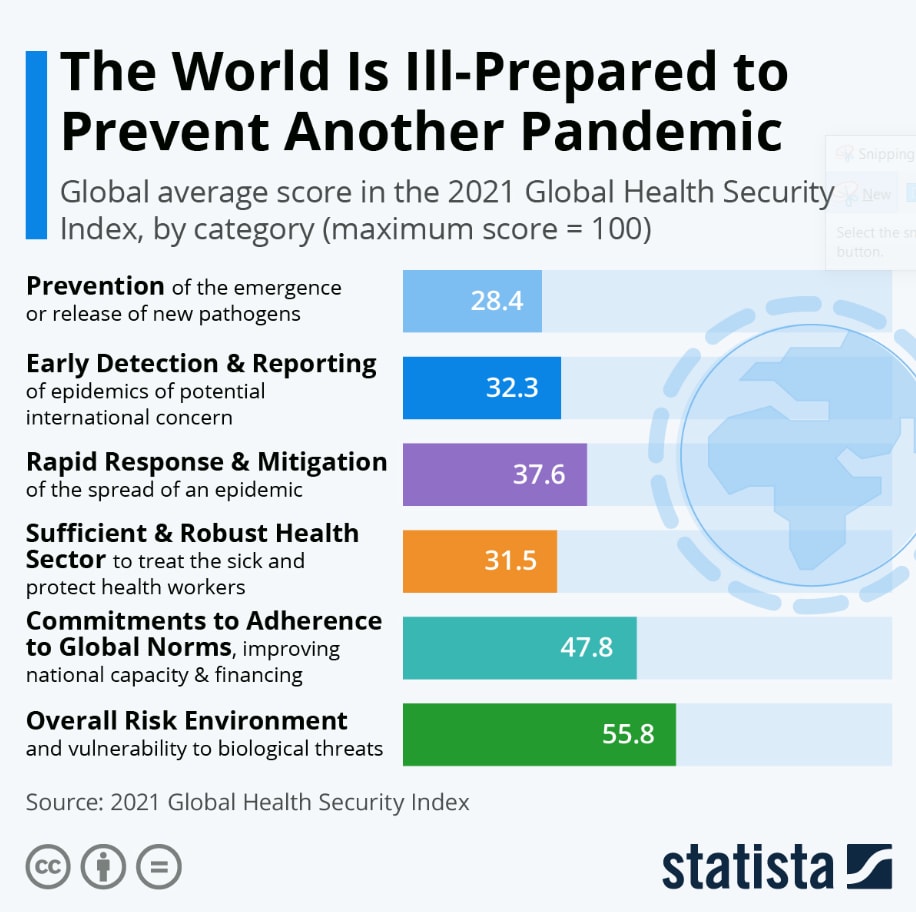
124 countries have adopted a World Health Organization (WHO) pandemic agreement aimed at enhancing international cooperation for pandemic prevention and equitable access to health resources. The United States opted out, raising concerns about the pact’s global effectiveness. The agreement includes commitments for sharing pathogens and ensuring rapid distribution of vaccines, particularly to developing nations. Additionally, the Lancet Commission highlighted alarming trends in adolescent health, emphasizing urgent action needed to address threats from climate change, conflict, and funding cuts. Key findings indicate potential severe health impacts on future generations.
Africa | Financial services, Education, Health
124 countries adopt WHO pandemic agreement, US opts out, and other health stories
Ageing well involves maintaining independence, mobility, cognitive function, and social connections rather than just a focus on appearance. Simple home tests can assess balance, grip strength, lower-body strength, and cognitive sharpness, which are all indicators of health. Regular exercise, a healthy diet, sufficient sleep, and social engagement are essential for enhancing quality of life. These proactive health measures can help improve overall fitness and well-being as one ages.
Why carrying spuds and playing sudoku could be good measures of your overall health

Extreme weather events and environmental shifts significantly impact mental health, leading to eco-anxiety and related disorders. Sadly, mental health receives limited funding, constituting only 2.1% of health budgets globally. Five organizations are addressing this gap through local initiatives: 

1. United for Global Mental Health advocates for integrating mental health into climate policies.
2. The Eco-Anxiety Africa Project supports African youth facing climate-related stress through community-building sessions.
3. The International Neuro Climate Working Group focuses on brain health and resilience by involving communities and experts in research and intervention. 

Such efforts aim to enhance wellbeing in the face of climate challenges.
Nigeria | Financial services, Health
Environmental shifts are shaping mental health. Here’s what five organizations are doing about it
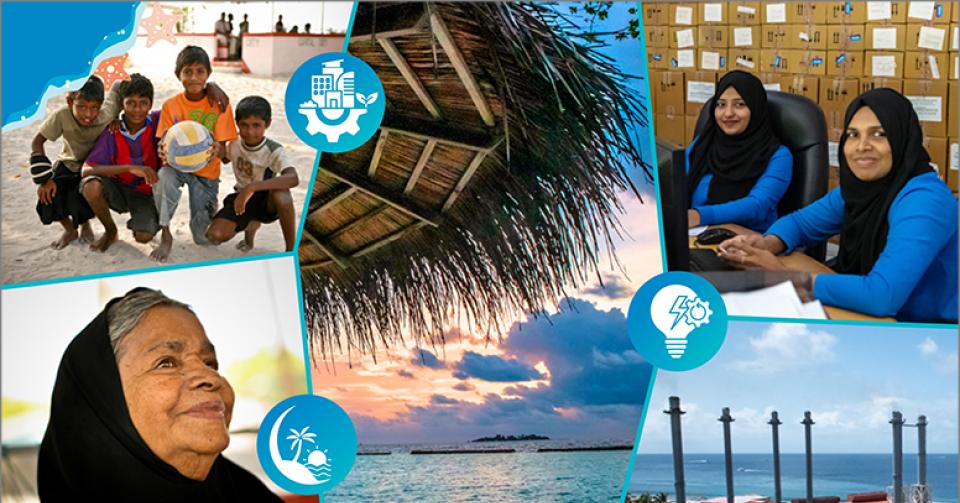
The report examines gender equality and social inclusion (GESI) in Maldives' tourism, energy, and urban development sectors. It identifies challenges such as sociocultural perceptions and low workforce participation of women and disadvantaged groups. Recommendations include improving education, supporting women entrepreneurs, enhancing childcare, integrating GESI into urban planning, and prioritizing financing for women-owned businesses to promote inclusive growth and strengthen social protection measures.
Gender Equality and Social Inclusion Diagnostic of Selected Sectors in Maldives

Mexico has become increasingly important for foreign investments due to its strategic advantages in nearshoring, which enhances efficiency and reduces logistics costs. However, this investment boom has slowed amid uncertainties, especially threats of US tariffs. President Claudia Sheinbaum faces the dual challenge of maintaining Mexico's economic autonomy while responding to US demands for "security-shoring." The intertwined issues of trade, migration, and security complicate relations, particularly affecting the automotive sector, a key industry for Mexico. Despite these challenges, Mexico achieved a record US$36.06 billion in foreign direct investment in 2023, highlighting the potential for transformation into an innovation hub.
Canada, Egypt, Germany, Guatemala, Malaysia, Mexico, Peru, Philippines, Spain, Taiwan, China, Thailand, Ukraine, United Kingdom | Financial services
Mexico – From a Short Nearshoring Boom to US “Security-shoring”
Asia's food and water systems are under pressure from land degradation, trade disruptions, and extreme weather, exacerbating water stress and ecological decline. With over half the world's population reliant on these systems, sustainable practices are critical. Smarter farming, such as water-saving rice cultivation techniques and crop diversification, can improve yields while reducing environmental impacts. Integrated river governance is essential for maintaining the health of critical waterways that support agriculture and fisheries. A "Blue Deal" is proposed to rethink water governance, linking agricultural needs with river conservation. By adopting holistic strategies, Asia can ensure food security while revitalizing its vital rivers.
Bangladesh
Rice, Rivers, and Resilience: How Smarter Farming Can Secure Asia’s Food Future
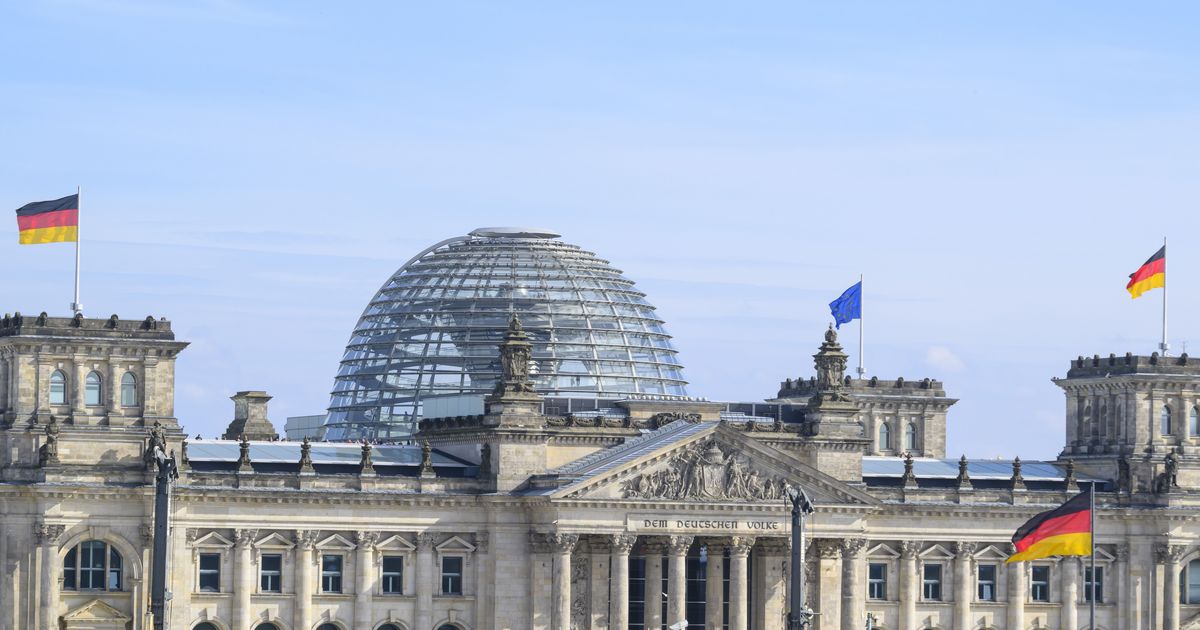
Germany’s international and European policy is undergoing significant change, necessitating a reorientation towards a stronger European Union (EU) that enhances economic and security cooperation. The new governing coalition aims to assert Germany’s leadership in European policy, focusing on pragmatic strategies to ensure EU self-determination and solidarity among member states. The collapse of transatlantic certainties and ongoing threats, particularly from Russia, require Germany to rethink its approach to security and cooperation. Investment in common public goods and a commitment to strategic autonomy are essential for reinforcing the EU’s role in global governance amid rising Euroscepticism across member states.
Germany, Poland, Switzerland, Ukraine, United Kingdom | Financial services, Health, Education
Turning the EU into a Life Insurance Policy
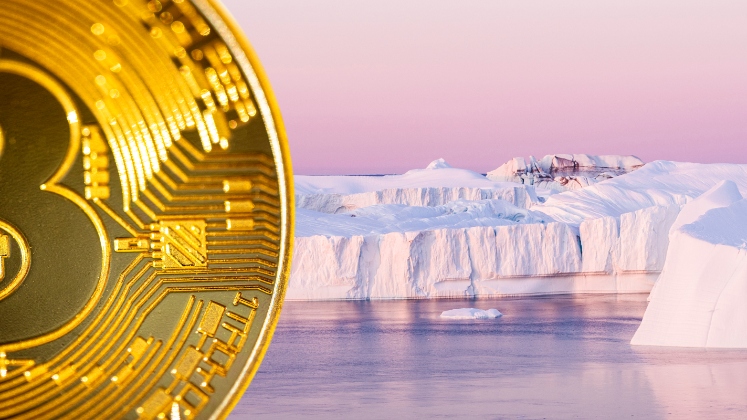
Bitcoin's rising popularity has highlighted its significant environmental impact, with energy consumption comparable to entire nations. Policymakers face a dilemma: stringent climate policies can reduce bitcoin's carbon footprint but may compromise its utility as a hedge against stock market fluctuations. A study by Seyedmehdi Hosseini, Mohammadhossein Lashkaripour, and Rizwan Ahmed found that the proof-of-work mechanism enhances security but exacerbates climate issues, leading to a U-shaped relationship between emissions and expected returns. Climate policies may increase bitcoin's correlation with equities, diminishing its effectiveness as a portfolio hedge.
Financial services
How to overcome bitcoin’s climate change dilemma
Technological innovations in education often fail to fulfill their promises, as illustrated by the history of educational technology. Anne Trumbore's "The Teacher in the Machine" highlights that the current excitement around AI tutors and online courses has roots in the 1960s and 1970s when elite universities experimented with computers in education. The shift from viewing higher education as a public good to a private investment is explored, correlating today’s issues like generative AI, student loan debt, and declining trust in higher education to those early experiments. Trumbore advocates for a more equitable and collaborative future in pedagogy.
Education
The Teacher in the Machine: A Human History of Education Technology
Emmanuel Macron's recent two-hour special on TF1 was criticized for its lack of concrete plans and focus on the past, despite initial expectations. While Macron's foreign policy strategies garnered praise, particularly regarding European unity and support for Ukraine, his domestic announcements fell flat, notably ruling out referenda on pensions and immigration. Nevertheless, France remains attractive for foreign investment, leading Europe with 415 new manufacturing projects in 2023. Employment among young people and older workers shows signs of improvement, indicating positive trends amid a challenging political landscape.
France
[Decoding France] - An Awkwardly Backward-Looking Presidential Communication
Ensuring engagement integrity is crucial as technology increasingly facilitates participatory practices. Engagement integrity is defined as the procedural fairness and resistance to manipulation in tech-enabled deliberative processes. This concept differs from past discussions focused on ethical standards in public-scientist interactions. Recent innovations, such as AI-facilitated citizen assemblies and NLP-enhanced platforms, enhance inclusion and scalability, but also present new vulnerabilities that could compromise legitimacy.
Engagement Integrity: Ensuring Legitimacy at a time of AI-Augmented Participation
Michel Duclos shares insights from his recent trip to Kyiv, highlighting a resilient Ukrainian society caught between patriotism and disappointment towards European allies. The atmosphere reflects a strong spirit despite the ongoing war, with citizens yearning for peace but unwilling to compromise their sovereignty. Disillusionment has emerged as Ukrainian hopes for negotiations with Russia falter. Social attitudes towards the war are complex, with concerns about military conscription and a lack of voluntary enlistment among younger demographics. Duclos emphasizes the war's implications for European identity and warns of the lessons Europe must learn.
Ukraine
Back from Kyiv - A European War

The ASEAN Digital Economy Framework Agreement (DEFA) aims to harmonize digital trade rules and enhance the region's digital economy, projected to reach $2 trillion by 2030. As the first region-wide digital economy agreement, DEFA addresses challenges like regulatory fragmentation and digital divides while promoting cross-border data flows and paperless trading. It prioritizes inclusion, particularly for micro, small, and medium enterprises, boosting their competitiveness and access to global markets. DEFA also supports sustainability goals through innovative digital solutions. Overall, it positions ASEAN as a leader in the global digital landscape.
ASEAN | ICT
Why ASEAN’s new Digital Economy Framework Agreement is a game-changer
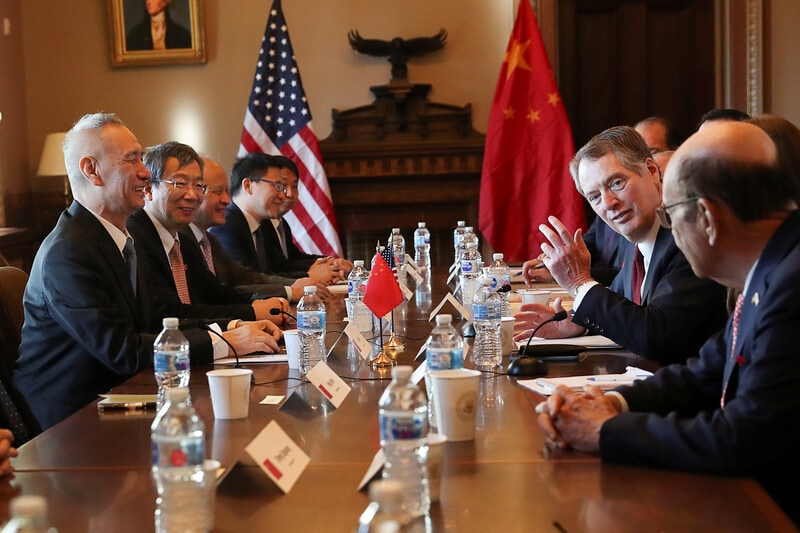
Recent US-China trade talks have resulted in a temporary reduction of tariffs, decreasing rates from previous highs to a 10% baseline, while high duties remain in place. A new consultative mechanism aims to foster ongoing dialogue, yet past efforts have failed to yield significant results. Tensions persist, raising concerns about trade stability amid selective decoupling. Future negotiations may lead to a "managed trade" agreement, contingent on China’s compliance and potential US concessions. Overall, the sustainability of these talks and their impact on global economic stability remain uncertain.
What to expect from the US-China trade talks?

The future of infrastructure by 2100 will hinge on balancing resilience, equity, and control amid climate challenges. Existing fossil fuel-based infrastructures are inadequate for climate extremes, and a decarbonization gap persists. Key issues include delayed adaptation, societal demands for transformative services, a widening investment gap, and shortages of strategic materials. Five possible scenarios envision a shift toward sustainable practices through renovation, regional collaboration for energy and resource distribution, and AI-driven urban planning. However, failure to adapt may lead to systemic financial losses and increased reliance on fossil fuels.
Ghana, Nigeria, Rwanda | ICT, Health, Education, Financial services
5 futures of infrastructure: What will we build by 2100?

Space technology is transforming supply chains and mobility by providing real-time visibility and data analytics that enhance efficiency and insights for businesses. This technology, increasingly integral to supply chain infrastructure, supports rapid data transfer and optimizes the movement of goods and people globally through advancements in satellite communications and Earth observation. The global space economy is projected to reach $1.8 trillion by 2035, with significant growth in the supply chain, transportation, and mobility sector. By 2035, over 6.4 billion space-connected devices and nearly 140 billion IoT sensors are anticipated to revolutionize supply chain management.
ICT
Space technology is revolutionizing supply chains and mobility. This is how it will impact companies and consumers