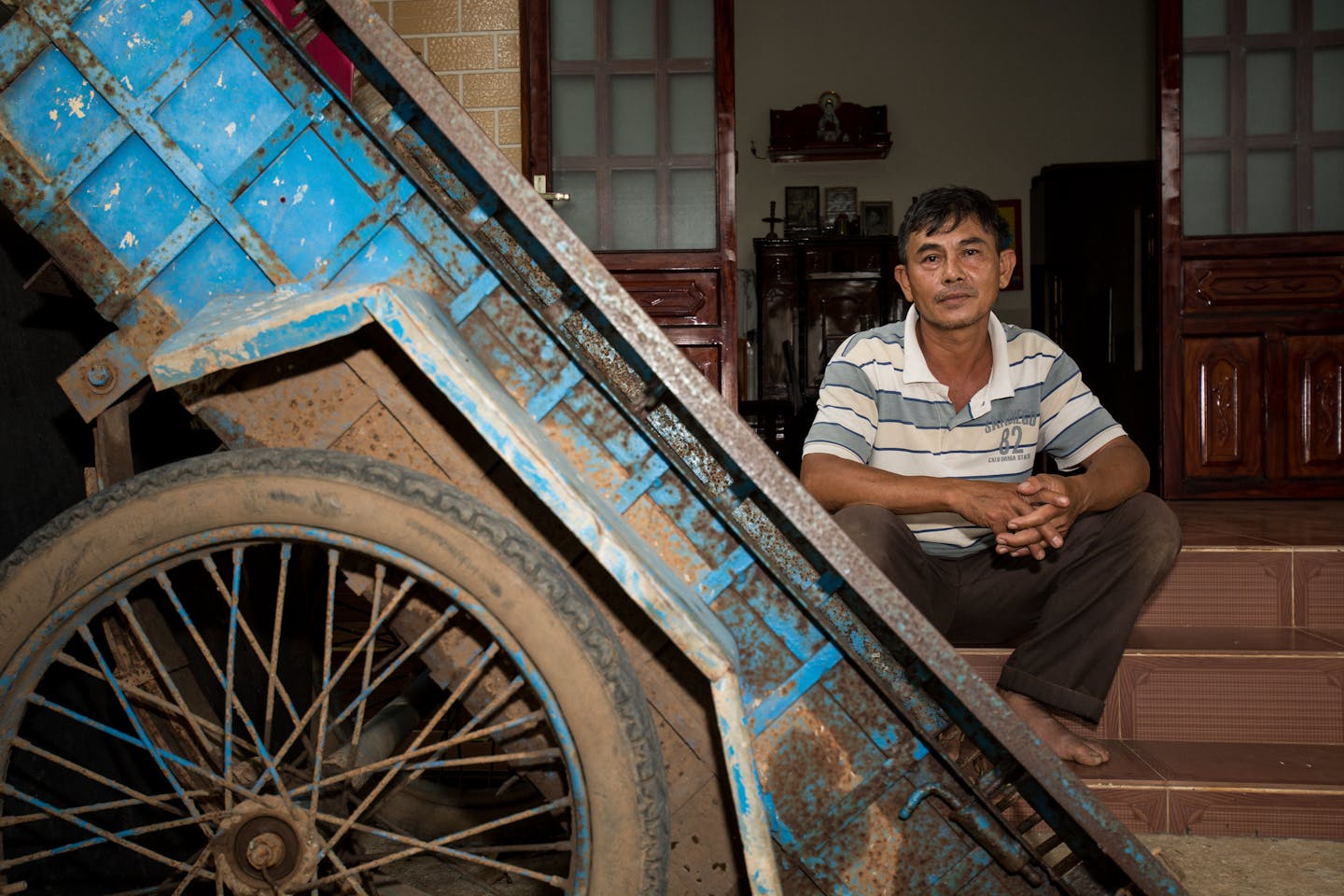
Carbon dioxide emissions from agricultural machinery in China have surged nearly seven-fold since 1985, increasing by around 6% annually. Projections indicate that by 2050, mechanization could contribute 21% to China’s total emissions, challenging the nation's net-zero goals. However, switching to renewable energy-powered machinery could reduce these emissions by 65-70%. In 2020, the total emissions from farm equipment reached approximately 160 million tonnes, comparable to the annual emissions of entire countries. The study also highlights significant regional disparities in emissions across various Chinese provinces, providing insights for targeted policy interventions.
Rising emissions from farm equipment could ‘hinder’ China’s net-zero goals
The emergence of new climate politics reflects heightened economic power shifts and geopolitical tensions, particularly between the US and China. Record-breaking temperatures and extreme weather events highlight the urgency of climate action, yet the discourse increasingly revolves around national interests, tariffs, and supply chain security, sidelining multilateral cooperation. China's strategic maneuvering, including rerouting low-carbon technology production through Southeast Asia and a proposed “Marshall Plan” for clean tech, underscores its dominance in the green sector. Investments are shifting towards greener initiatives in the Global South, aligning economic and environmental goals amidst a fragmented global order.
Australia, Bolivia, Cambodia, Canada, Chile, Colombia, Egypt, Ethiopia, Ghana, India, Indonesia, Japan, Jordan, Kenya, Malaysia, Mexico, Mozambique, Myanmar, Nigeria, Pakistan, Papua New Guinea, Peru, Philippines, Portugal, Republic of Korea, Russian Federation, Rwanda, Senegal, South Africa, Sudan, Taiwan, China, Tanzania, Thailand, Tunisia, Türkiye, Ukraine, United Arab Emirates, United Kingdom, Uzbekistan, Viet Nam | Financial services, Health
The shape of a new climate politics emerges

Data sovereignty is becoming critical for European organizations as 144 countries have enacted data protection laws, prompting businesses to scrutinize cloud data jurisdictions. A recent IDC study indicates 84% of European organizations use or plan to adopt sovereign cloud solutions, aimed at storing data within Europe to enhance control and customer trust while addressing privacy and cybersecurity concerns. With the anticipated 2–3x growth in enterprise cloud data by 2030, the EU's recent regulations and initiatives like Gaia-X are crucial for fostering a secure digital economy. Organizations are urged to evaluate data locations and adopt compliant cloud strategies.
Financial services
Data Sovereignty and Europe’s Cloud Strategy

NBS compiles monthly updates on the latest research in business sustainability, focusing on in-press articles to showcase cutting-edge knowledge from top journals. The April 2025 edition features diverse studies spanning labor law enforcement, climate finance, sustainable business models, and equity in financing. Key topics include responsible management amid capitalism crises, innovation’s role in corporate decarbonization, and the dynamics of entrepreneurial health risks. The compilation emphasizes contributions across various publications to support advancing sustainability practices in business.
ICT, Financial services
Table of Contents: April 2025

Urban redevelopment aims to enhance the social, cultural, and economic conditions of specific urban areas, improving quality of life while addressing significant technical and regulatory challenges. Rapid urbanization in Asia and the Pacific necessitates a focus on optimizing urban densities, creating multi-modal transport systems, and promoting affordable housing, while also preserving cultural heritage and enhancing climate resilience. Effective redevelopment requires robust land management frameworks, responsible resettlement practices, and private sector engagement to avoid pitfalls like gentrification. Comprehensive regulatory planning, area-based development strategies, and updated land records are essential for sustainable urban growth, enabling cities to thrive economically and socially while minimizing environmental impacts.
Financial services
Revitalizing Cities Through Sustainable Urban Redevelopment
Musadik Masood Malik, Pakistan's new federal climate minister, highlights the country's urgent environmental challenges, including air and water pollution and waste management. With over 13,000 glaciers at risk, he emphasizes the need for action against glacial lake outburst flooding. Politically, Malik aims to bridge gaps between federal and provincial interests, advocating for a water telemetry system to monitor usage and equitable distribution. He critiques the global climate response as inadequate and continues to lobby for climate justice and aid for vulnerable countries, especially in light of Pakistan's struggles with recent extreme weather events and the impact of ongoing regional water tensions.
Nigeria, Pakistan
Pakistan’s new climate minister on water, justice and a warming world

The book by Patricia McKenna explores the evolving dynamics of human-AI interactions in urban life. It highlights how these interactions aid individuals while enhancing awareness of their own capabilities, such as creativity and collaboration. Key research questions focus on areas like smart cities, autonomy, privacy, and collective intelligence. The work is distinguished by its conceptual frameworks for understanding these themes, culminating in a synthesis of challenges and opportunities for future research and practice in AI-driven urban environments.
AI in Urban Life
The book "Smart Cities to Smart Societies" offers a holistic exploration of smart city governance, emphasizing the need to tailor approaches to each country's unique circumstances for improving urban sustainability and livability. It critiques the prevalent top-down strategies tied to megaprojects and modernism. The work is structured into three parts: the importance of societal factors and human capital, the challenges of technology integration, and current regulatory frameworks for smart cities. It aims to uncover the opportunities and risks associated with urban smart transformations and promote collaboration across various disciplines.
Egypt | Health, Education
Smart Cities to Smart Societies: Moving Beyond Technology
The UK possesses vast amounts of citizen-generated data, crucial for training AI systems and valuable to private companies for targeted advertising and content personalization. Currently, this data's value is not returned to the public, necessitating equitable data stewardship models. Most citizens unknowingly relinquish their data rights through legal agreements, limiting access. The UK government could establish a sovereign data fund to manage and monetize public datasets, allowing licensing of anonymized data to companies. This fund could fund domestic companies and advance national priority projects, ensuring citizen data serves public interests while contributing to economic growth.
United Kingdom
How the UK could monetise ‘citizen data’ and turn it into a national asset

A new wave of innovation districts is emerging in response to structural changes in the global economy. These districts are expanding beyond traditional life sciences to include advanced manufacturing, with a significant focus on decarbonization through research and development of clean technologies. There is also an emphasis on diversifying talent, including upskilling workers and addressing economic inequities. Various stakeholders, such as manufacturing firms and universities, are getting involved, while some regions, like South Australia, are connecting multiple innovation hubs to enhance their economic ecosystems and competitiveness.
Education
The Next Wave of Innovation Districts
The report examines the global expansion of data centers propelled by AI and cloud computing, addressing their economic benefits alongside significant social and environmental costs. It includes case studies from five countries, analyzing the roles of governments and tech companies in development, community resistance to negative impacts, and the necessary support for effective advocacy.
ICT
Where Cloud Meets Cement
The UK and EU are imposing new sanctions on Russia amid stalled ceasefire talks with Ukraine. These sanctions add to existing economic hardships, including a depreciating rouble, high inflation, and stagnation. Historically, Vladimir Putin has navigated through economic struggles, notably during his early presidency when he capitalized on an oil and gas boom. Despite temporary boosts from events like the Crimea annexation, structural issues persist, including reliance on commodities and geopolitical tensions. Ongoing military expenditures strain resources, and recent declines in oil prices further threaten the fragile economy.
Russian Federation
Russia is facing fresh sanctions, but Putin is used to dealing with a struggling economy
The UK government aims to leverage citizen data to enhance its position in artificial intelligence (AI) through the AI Opportunities Action Plan, which includes 50 recommendations. A proposed National Data Library (NDL) could transform public datasets into a national asset via a sovereign data fund, ensuring the economic benefits of AI development are equitably distributed. This fund would manage licensing anonymised data for commercial use while supporting public interests such as healthcare and digital inclusion. Ethical safeguards and transparent data governance are essential to maintain public trust and address concerns regarding data misuse.
How the UK could monetise ‘citizen data’ and turn it into a national asset
The re-industrial era is marked by a significant shift towards services amid increasing global protectionism and trade restrictions primarily affecting goods. As countries and companies pivot to services, energy needs for these activities rise, necessitating a balance between old economy resources and new energy sources. Global trade in services is thriving, contributing significantly to job creation, particularly in the U.S. However, the potential emergence of non-tariff barriers and rising brand nationalism poses challenges. Companies must adapt to changing demands, recognizing that the foundation of industrial activity remains crucial for powering service-oriented economies.
Canada, Ethiopia, Germany, Ghana, India, Indonesia, Ireland, Italy, Japan, Jordan, Kenya, Nigeria, Pakistan, Peru, Philippines, Republic of Korea, Russian Federation, Rwanda, South Africa, Tanzania, Ukraine, United Arab Emirates, United Kingdom | Financial services, ICT, Education
The re-industrial era has arrived. Here's what that means — and how your business can thrive

Women traders in Africa play a crucial role in cross-border commerce, comprising about 70% of informal trade, yet they are largely excluded from the African Continental Free Trade Area (AfCFTA) governance. Despite the AfCFTA's potential to generate $450 billion and reduce poverty, women face significant barriers, including harassment, limited financing, and poor access to trade information. Institutional shortcomings further limit their engagement, as trade bodies often overlook their needs. The AfCFTA’s protocol promoting women and youth in trade lacks binding commitments, leaving grassroots organizations unrepresented in decision-making. Empowering these women is essential for realizing the benefits of the single market.
Burkina Faso, Ethiopia, Ghana, Rwanda, South Africa, Tanzania
If you build it, they will trade: Why Africa’s single market must centre women traders

Climate change poses severe risks to healthcare, potentially causing an additional 250,000 deaths annually between 2030 and 2050. Key threats include increased injuries from extreme weather, impacts on health infrastructure, and shifting patterns of diseases. Standardized approaches are essential in reinforcing climate resilience within healthcare. International Organization for Standardization (ISO) standards enhance patient safety, streamline supply chains, and guide innovations like AI in healthcare. They also provide frameworks for climate adaptation and sustainable practices, aiding healthcare providers in reducing emissions and improving readiness for climate-related disruptions.
Education, Health
Why we need standards to help boost the the climate resilience of healthcare services
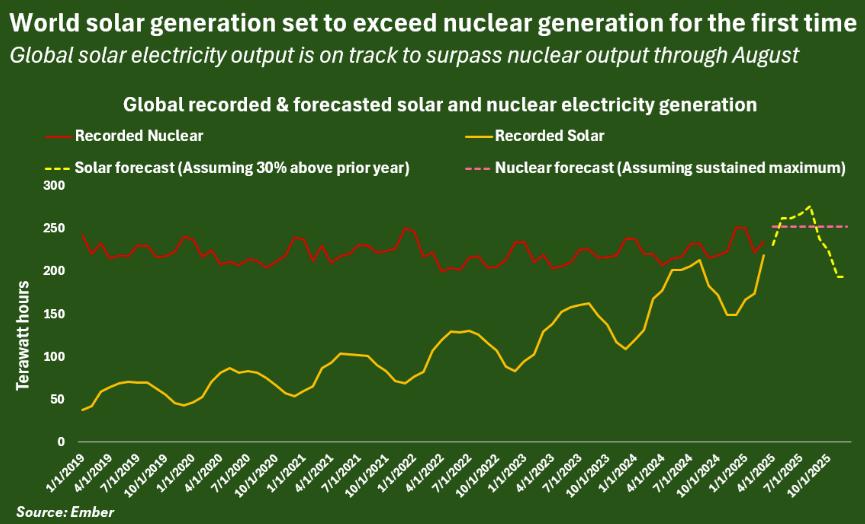
Global solar electricity generation is projected to surpass nuclear output for the first time during summer months, particularly June to August, as solar production peaks. This shift highlights the renewed emphasis on renewable energy balancing. Additionally, the declining costs of lithium iron phosphate (LFP) batteries are propelling energy storage growth, essential for integrating increasing wind and solar capacities. Meanwhile, the International Energy Agency warns of a critical shortfall in copper demand, Turkey may possess significant shale oil reserves, and South Africa seeks a balanced approach to energy transition amid global climate responsibilities.
Global solar power set to surpass nuclear, and more top energy stories

Bioregional design integrates architecture, infrastructure, and landscapes with local materials and cultural practices, addressing climate change and enhancing self-reliance. This growing approach emerged alongside a return to traditional artisanal techniques, often driven by innovations in materials like mass timber. Successful projects have demonstrated the viability of bioregional practices, prompting updates to building codes. Initiatives in Belgium showcase the development of low-carbon bricks through innovative processes, while the Rwanda Institute for Conservation Agriculture exemplifies the application of bioregional design in social infrastructure, utilizing sustainable materials throughout its campus.
Bioregional design: What is it and what will it mean for climate and planet?

Africa experiences significant annual GDP losses of 2-5% due to climate shocks, with adaptation costs in sub-Saharan Africa projected to reach $50 billion by 2030. Key lessons from Africa’s climate response suggest three shifts are necessary for global improvement: 

1. **Shift from amount to speed**: Timely financial aid is crucial; delays can exacerbate damage.
2. **Shift from coverage to inclusion**: Responses must prioritize vulnerable populations, especially women, to enhance resilience.
3. **Shift from support to local appropriation**: Effective use of aid requires strong local systems and preparedness. 

These changes aim to improve adaptability and resilience in facing climate challenges.
Nigeria | Health, Education, Financial services
What Africa's climate response experience can teach the world

By 2028, 33% of enterprise software applications are projected to incorporate AI agents, enabling 15% of work decisions to be made autonomously. Approximately 90% of businesses recognize agentic AI as a potential competitive advantage, with the market expected to grow from $5.1 billion in 2024 to $47.1 billion by 2030. AI agents can be categorized into consumer and enterprise types, virtual and embodied agents, as well as human-in-the-loop and human-out-of-the-loop models. Organizations must assess their operational goals, environments, and expected interactions when selecting AI agents, while also considering the cost-benefit ratio and potential ROI before implementation.
AI Agents at work: How to select the right type of AI agent for your organization