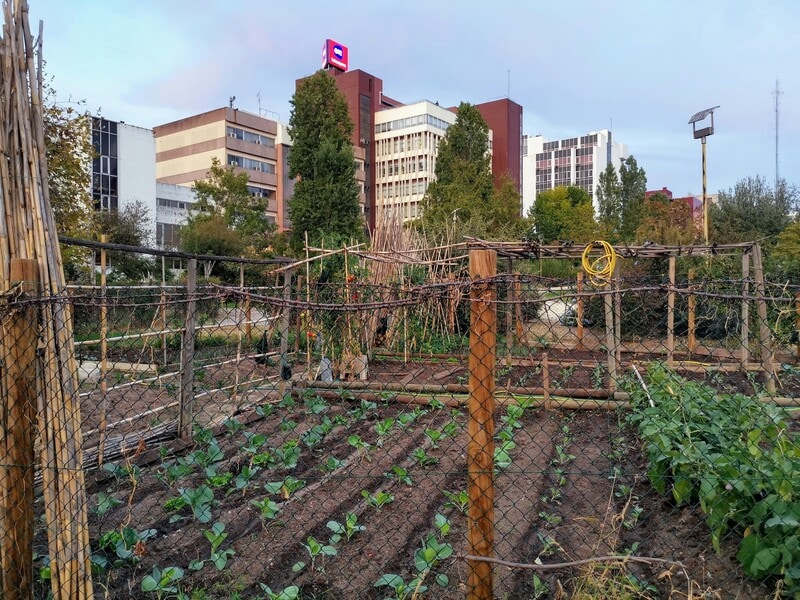
Over 40% of global urban land is under-utilized or degraded, prompting a need for urban land regeneration through community ownership, circular economy principles, and effective policy. Engaging local residents and fostering participatory governance can transform neglected spaces into vibrant community assets, as demonstrated by a grassroots initiative in Thiruvananthapuram, India. Successful models in cities like Medellín and Freetown showcase the benefits of inclusive planning. Additionally, shifting perceptions of waste as a resource can lead to transformative practices that minimize environmental impact. These local regeneration efforts can initiate broader systemic change in urban development.
Education
The future of land use is local: harnessing community ownership for urban land regeneration

President Trump's administration is reshaping power dynamics in Washington, D.C., as Trumpists confront liberal forces in a city perceived as a "swamp." The symbolic removal of "Black Lives Matter" signs highlights political tensions under Trump's vindictive and authoritarian leadership. The DMV area, crucial to federal power and a hub for the defense sector, exemplifies the "deep state" narrative valued by Trump supporters. Despite D.C.'s strong Democratic majority, tensions persist as Trump seeks to centralize power, presenting an ongoing struggle for influence in the capital.
[Trump II] - A New Geography of Power at Washington DC

AI development should incorporate humanistic ethics, focusing on benefits for humanity rather than purely technological advancement. Current practices often address ethical issues post-development due to an overreliance on the perceived moral neutrality of technology. An ex-ante approach is recommended, prioritizing the purpose and beneficiaries of AI projects. This framework emphasizes personal well-being, organizational responsibilities, and societal stakeholder involvement to prevent dehumanization and ensure that technology enhances rather than undermines human values.
For AI development with ethical underpinnings, we should embrace humanism

Asia and the Pacific face significant transport infrastructure challenges due to rapid urbanization, aging infrastructure, and rising disaster risks. The region, which holds 60% of the global population, only has 38% of global transport infrastructure, leading to access issues for over 1.8 billion people. Strategic investments in leadership, governance, and innovation are essential to address these gaps. Future transport systems must prioritize sustainability, connectivity, and adaptability, with leaders fostering cross-sector collaborations and leveraging technologies. Establishing dedicated leadership programs and networks will cultivate a new generation of informed transport leaders capable of driving transformative, inclusive solutions.
Africa, Latin America | ICT, Health, Education
Taking the Lead in Addressing Transport Challenges

Rapid economic growth in Japan, Singapore, and South Korea has led to significant material improvements; however, this prosperity does not guarantee social and environmental well-being. The transition to high-income status has resulted in challenges like social fragmentation and environmental disruption. Empirical analysis indicates these issues stem from a lack of focus on social solidarity, agency, and environmental stewardship. Without addressing these social and environmental challenges, these nations risk instability, conflict, and further economic fragmentation. This calls for policy recommendations that complement traditional approaches to escaping the middle-income trap.
Indonesia, Japan, Malaysia, Republic of Korea, Singapore, Thailand
The Dark Side of Escaping the Middle-Income Trap: A Sage Study of Asian High-Income Countries

Miguel Angel Lopez Borrego, CEO of Thyssenkrupp, aims to reshape the company by prioritizing sustainability and reducing its steel operations. His strategy involves a comprehensive restructuring of Thyssenkrupp Steel Europe, focusing on capacity adjustments and green production methods. Additionally, he's moving to separate the marine business through a minority spinoff while emphasizing transparency and decisive leadership in negotiations with stakeholders. Lopez highlights the impact of current geopolitical dynamics on strategic decisions, advocating for a competitive steel industry and a more flexible labor market to support future growth.
Germany, India, Ukraine, United Kingdom | Education
Thyssenkrupp CEO sees future as green and marine, less steel

Robert Opp is the Chief Digital Officer of the UNDP, where he spearheads the organization's digital transformation to enhance the Sustainable Development Goals and foster inclusive digital ecosystems in over 120 countries. His leadership emphasizes creating technology foundations, supportive digital policies, and building capacity among civil servants. Opp advocates for developing digital public infrastructure, similar to essential physical infrastructure, to promote innovation and economic participation. He addresses the widening equity gap in digital technology access, highlighting the importance of informed strategies around AI and digital sovereignty for nations seeking to advance their technological capabilities.
Ethiopia, Kenya, Nigeria, Rwanda, South Africa | ICT, Education
Interview Of The Week: Robert Opp, Chief Digital Officer, UNDP
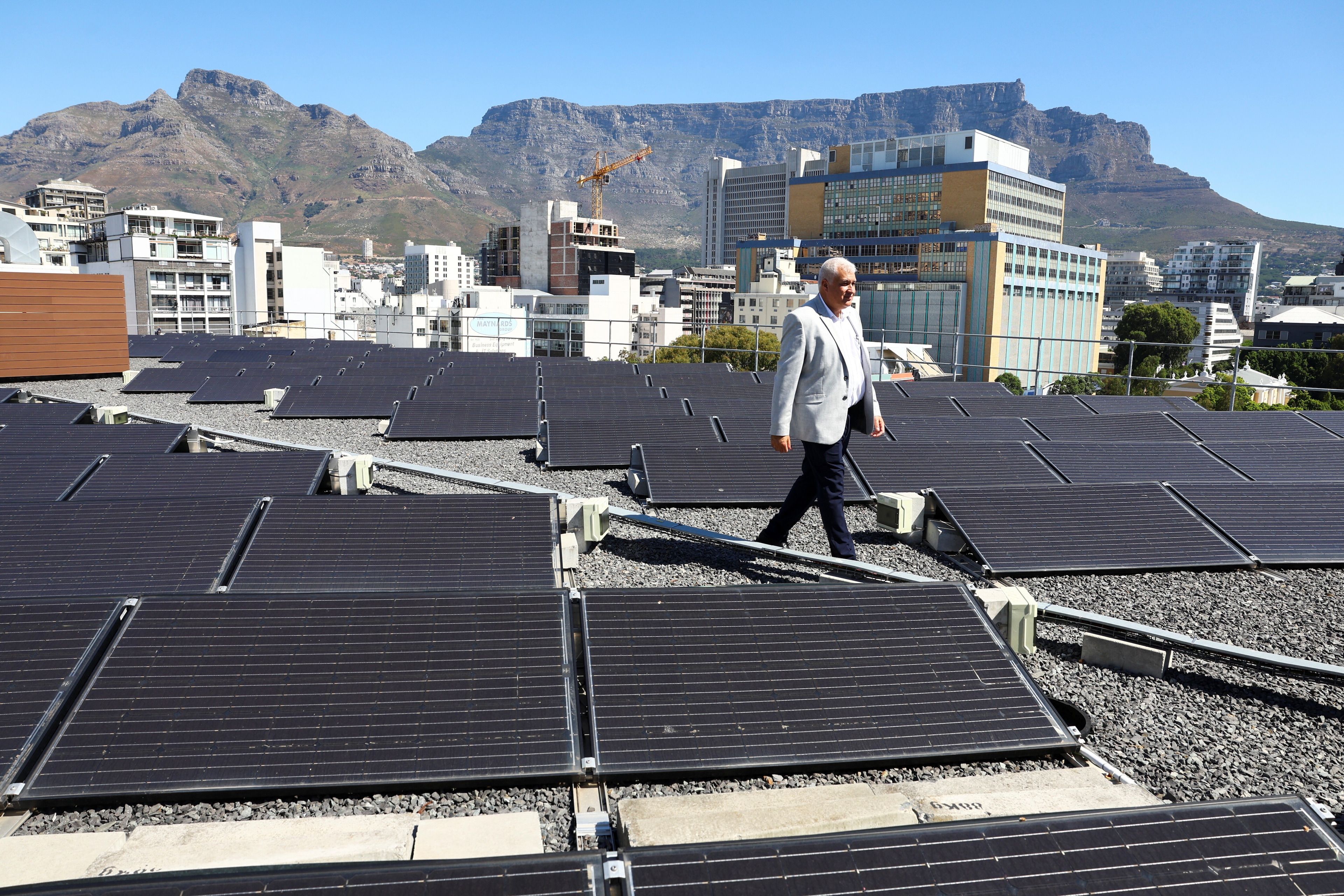
Productive use of renewable energy in Africa emphasizes leveraging energy access to improve livelihoods rather than just providing electricity. Initiatives like Mission 300 aim to connect 300 million Africans to decentralized renewable solutions, transforming energy use in agriculture and small businesses. Examples include solar mini-grids in Nigeria that enhance food security and income for local entrepreneurs. Despite progress, challenges such as financing gaps, bureaucracy, and limited local capacity hinder widespread adoption. Comprehensive partnerships across various community sectors are essential to maximize the practical benefits of renewable energy.
Nigeria
What do we mean by ‘productive use of renewable energy’ – and why is it critical to African prosperity?
In 2016, a conference opposing LGBT+ rights highlighted differing perspectives on gender and sexuality issues, revealing a lack of understanding among proponents of liberal viewpoints. This led to the Beyond Opposition project, initiated in 2020, which gathers insights from individuals who express concerns about societal changes in laws relating to gender, sexuality, and abortion across Great Britain, Ireland, and Canada. Through over 160 interviews, the project aims to uncover the lived experiences of those outside the prevailing social consensus, showcasing the nuanced positions and challenges faced by individuals like Niamh, who, despite holding anti-abortion views, identifies as pro-human rights amidst a predominantly liberal environment.
‘We are all lumped under one umbrella of hate’: when social attitudes change, what is life like for people who don’t agree?
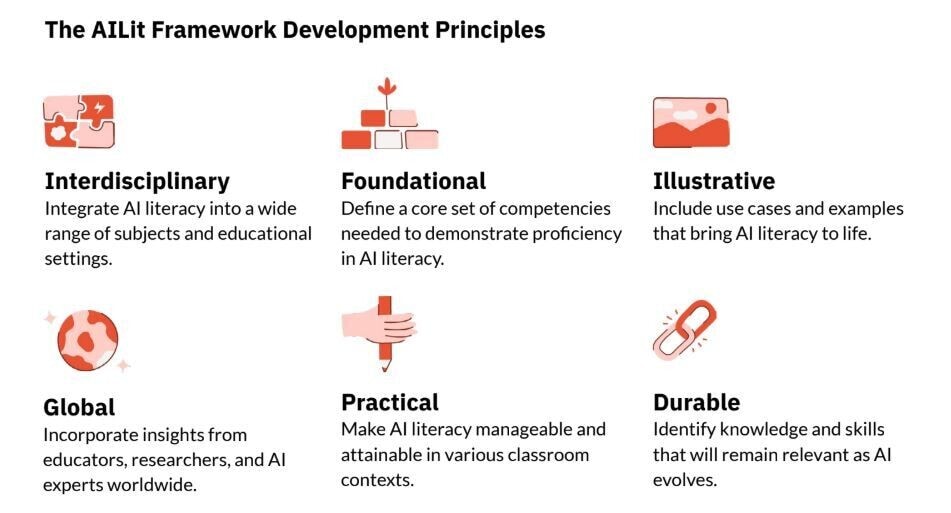
AI literacy is now a critical component of education, essential for adapting to an AI-integrated world. The AI Literacy Framework (AILit) aims to empower students with the skills to engage with AI safely and effectively, focusing on four key areas: engaging with AI, creating with AI, managing AI's actions, and designing AI solutions. This initiative, supported by international organizations, emphasizes not only technical skills but also ethical considerations and critical thinking necessary for responsible AI use. As AI continues to transform industries, education systems must evolve to equip learners with the competencies needed for future challenges.
Education
Why AI literacy is now a core competency in education
Long-term public issues often prioritize the interests of current generations over those of future generations, leading to inequitable policy outcomes. This paper introduces "future design" as a method to voice and incorporate the interests of future generations in policymaking. By examining three pilot projects in the Netherlands related to housing shortages and water management, the authors demonstrate that future design can enhance intergenerational representation. They emphasize the need for adaptability of the method in various contexts to effectively integrate future interests into public policy processes.
Future design in the public policy process: giving a voice to future generations
Generative AI (GenAI) has yet to demonstrate significant transformative potential in government workflows, with inquiries revealing a lack of compelling use cases for real automation. Reports from the Alan Turing Institute and the Tony Blair Institute emphasize the potential for automating numerous public transactions but fail to present practical applications. Their analyses often overlook the complexity of real-world environments, where workflows and institutional constraints significantly influence outcomes. Without empirical testing and clear metrics for success, the gap between AI capabilities and actual impact in the public sector remains substantial.
Why Generative AI Isn’t Transforming Government (Yet) — and What We Can Do About It
Walking significantly impacts quality of life, yet one in three individuals over 60 experiences walking difficulties. Gait patterns, which can decline with age, affect stability and increase fall risks. Tools like the Heel2Toe wearable sensor measure and improve gait quality by providing real-time feedback. Improving gait can enhance confidence and mobility, creating a positive cycle of activity. Moreover, the Opal measure evaluates older adults’ overall wellbeing, emphasizing that healthy ageing encompasses physical, social, and emotional aspects, not just activity levels. Active living includes feeling confident, connected, and engaged, shaping a better ageing experience.
Why gait quality matters as you age
Anti-environmentalism is increasingly prevalent, characterized by opposition to net zero goals and conservation efforts, reshaping political landscapes in the West. Despite its rise, this movement is rife with contradictions, particularly evident in figures like Donald Trump, who proclaims environmentalism while dismantling protections. Polling shows strong public support for environmental initiatives, including among conservatives. Anti-environmentalism reflects a broader disconnection from traditional conservative values and exhibits fluid beliefs regarding climate change, oscillating between denial and acknowledgment of its reality. This complexity underscores a paradox, as populist narratives clash with environmental realities.
Anti-environmentalism is on the rise but it’s full of contradictions

Inclusive AI requires a foundation of representative data, necessitating improved access, infrastructure, and governance. With billions offline and many languages underrepresented in AI training, existing datasets fail to reflect diverse human experiences. Initiatives like developing regionally trained models and enhancing digital connectivity are crucial. MENA's AI strategies signal a shift needed towards federated data systems that prioritize privacy and compliance. Trust in AI must be built from the beginning, incorporating adaptive governance and strategic partnerships to ensure ethical and inclusive design in AI systems.
Africa | ICT, Education
Designing more inclusive AI starts with the right data architecture
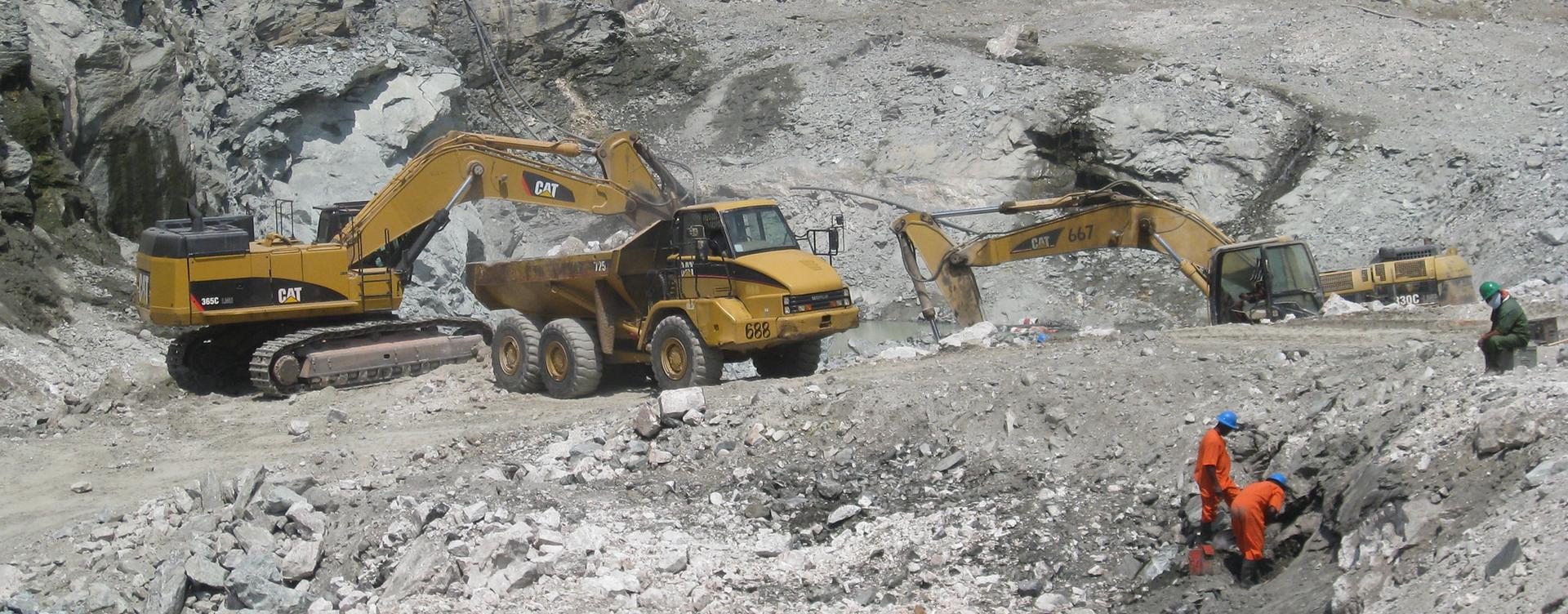
Africa possesses about 30% of the world’s critical mineral reserves, including essential resources for defense, aerospace, and green energy such as lithium, cobalt, and REEs. The continent faces challenges in governance, value addition, and unified representation in global negotiations. Demand for these minerals is projected to rise significantly due to energy transitions and digital technologies. Approximately 100 bilateral and multilateral agreements have been formed, yet they lack coordination and transparency. The African Union has initiated strategies for sustainable mineral governance and value addition, but implementation remains fragmented across nations. A collective approach is crucial for Africa to leverage its mineral wealth effectively.
Benin, Burkina Faso, Burundi, Cameroon, Democratic Republic of the Congo, Djibouti, Egypt, Ethiopia, Ghana, India, Kenya, Liberia, Madagascar, Malawi, Mauritania, Mozambique, Namibia, Nigeria, Papua New Guinea, Rwanda, Senegal, South Africa, Tanzania, Thailand, Tunisia, Uganda, Ukraine, Zambia | Education
Africa has critical minerals but needs a unified strategy

Widespread conflicts of interest are eroding trust in nature investment markets, undermining their potential for growth and impact. Key issues include perverse incentives for project developers, inadequate oversight, and a lack of transparency. As the voluntary carbon market struggles to expand, addressing these trust issues is essential. Solutions include radical transparency, independent due diligence funded by buyers, and restructuring payment models for certifiers and verifiers. Establishing stronger governance and ethical practices can help build confidence among investors and enhance the effectiveness of nature finance initiatives.
Financial services
Why conflict of interest is the hidden detail holding back nature investment
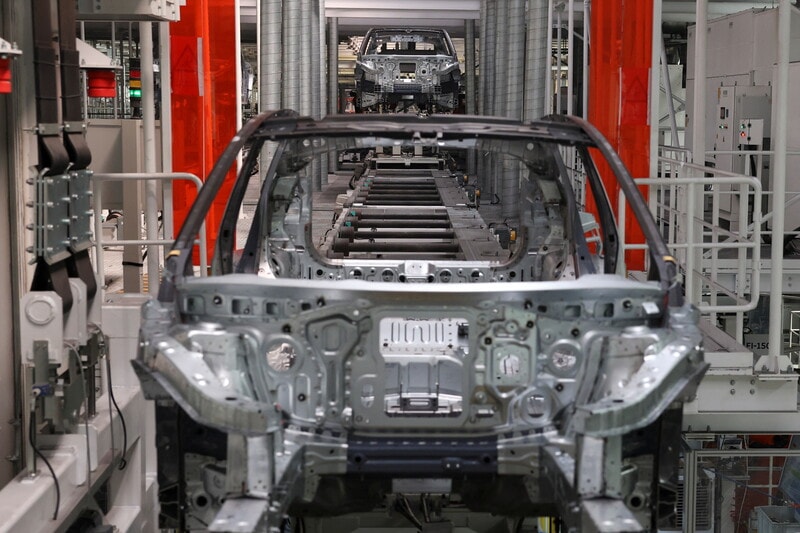
Rising Chinese cities, particularly Hefei and Changsha, are reshaping globalization by emphasizing decentralized operations that foster local partnerships. Over the past decade, Hefei's GDP surged from $70 billion to over $150 billion, hosting over 300 high-tech firms in sectors like semiconductors and electric mobility, with many global companies establishing their headquarters there. This new wave of globalization is characterized by local innovation ecosystems, regional production networks, and collaborative ventures, moving away from traditional centralized models. Other cities, such as Hyderabad and Monterrey, are similarly emerging as regional hubs for global operations.
Ethiopia, Philippines | Financial services
Want to ride the next wave of globalization? Look to rising powerhouse cities like Hefei – not the usual suspects
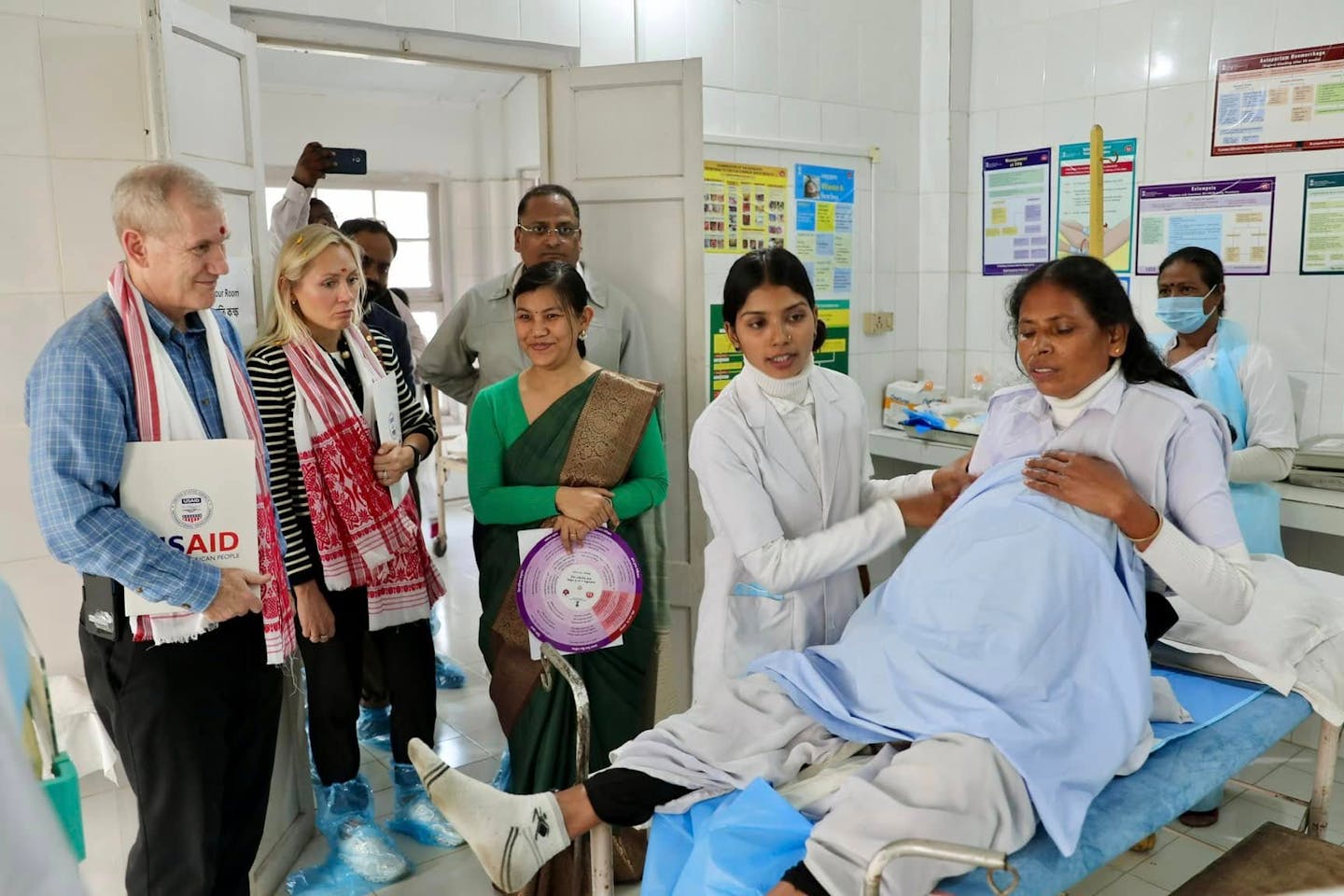
Global blended finance volumes reached US$18.3 billion in 2024, slightly down from 2023 but above the five-year average. Cuts to USAID pose potential challenges, particularly in Africa where it was a leading contributor. Despite its reduced role, support from Germany, Japan, the UK, and emerging donors like UAE and Singapore remains crucial. Philanthropic contributions have diminished, and while non-traditional donors might help fill gaps, the overall impact of absent USAID support is expected to be manageable if other major players remain engaged.
Financial services, Health
Blended finance held steady in 2024, but could suffer impact from USAID shutdown: report

Russia's ongoing military operation in Ukraine has considerable domestic repercussions, influencing its political landscape and society. The war has led to increasing human losses and a rise in criminality, alongside the spread of gangster-like norms from occupied Ukrainian territories into Russia. The state faces challenges from returning war veterans, who may destabilize the political situation, and the need to integrate the occupied regions into the Russian political system. This integration is fostering a new administrative elite through programs aimed at training officials from the occupied areas, heralding a potential "Donbasisation" of Russia's governance structure.
The “Donbasisation” of Russia