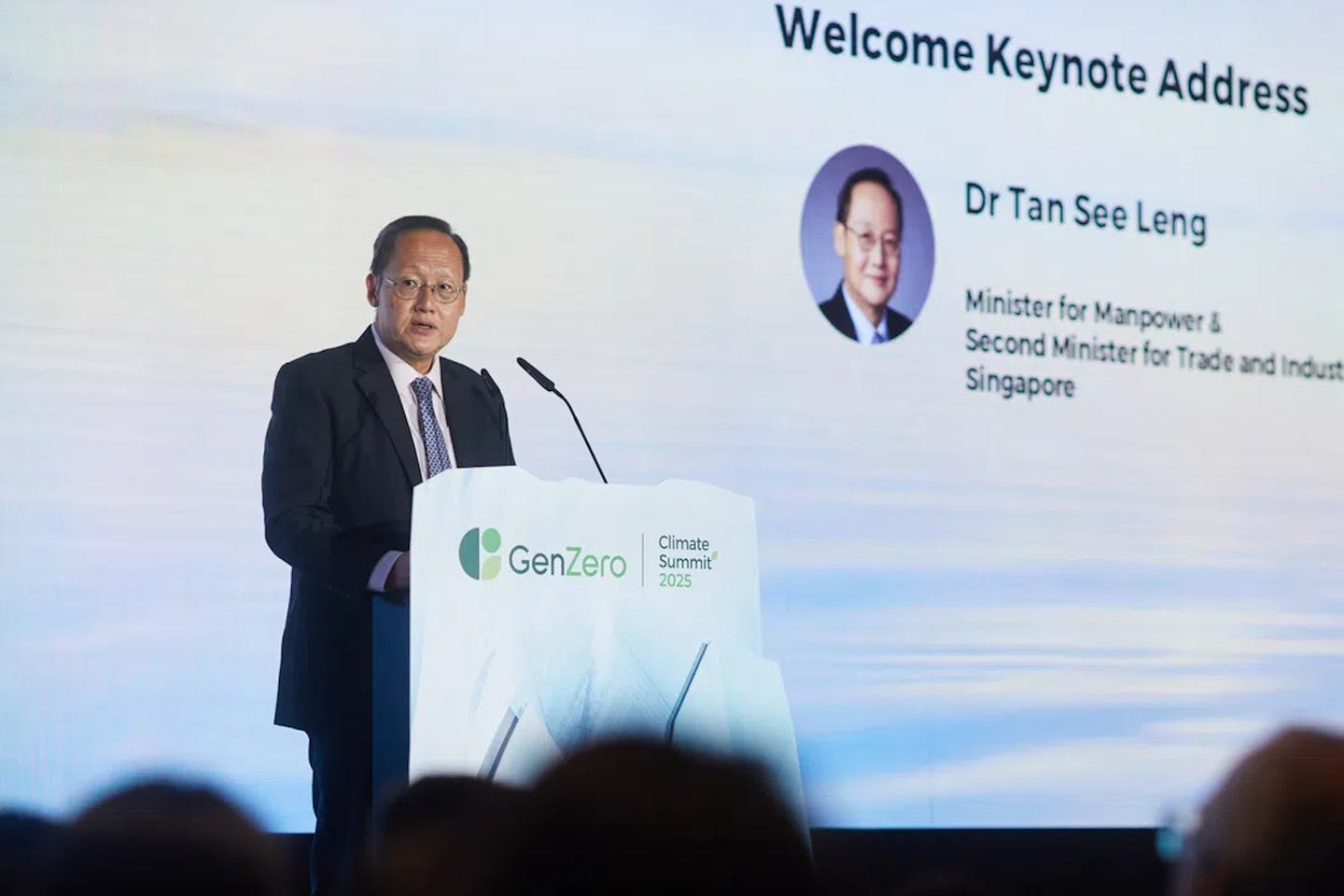
Singapore has established a new ministerial role to oversee energy issues as part of a cabinet reshuffle led by Prime Minister Lawrence Wong. Dr. Tan See Leng, currently the manpower minister, has been appointed minister-in-charge of energy, science, and technology. Wong emphasized that clean energy will be a key focus for the government, particularly in terms of accelerating the transition to renewable sources, amid rising geopolitical challenges. Additionally, Grace Fu retains her role in sustainability and environment, while the government emphasizes the importance of experienced leadership during this critical period.
Singapore
New ministerial role for energy carved out in Singapore cabinet reshuffle

Misinformation, particularly through deepfakes and AI-generated content, is increasingly infiltrating the workplace, posing serious challenges beyond mere gossip. Companies face risks from fake executive videos and bot-written emails, which can fuel anxiety and erode trust among teams. For instance, Arup lost $25 million due to a deepfake incident. Risks extend to reputational damage, with costs from AI-driven fraud projected to rise significantly. To combat these issues, companies should implement early detection tools, provide media literacy training, and foster a culture of open dialogue and critical thought among employees.
Misinformation in the workplace: how deepfakes are changing what we trust at work
China's electricity demand grew significantly in recent years, driven mainly by industrial use, which constitutes about 60% of total consumption. The "new three" industries—solar photovoltaic panels, electric vehicles, and batteries—have greatly influenced this demand. China’s renewable energy growth has not matched the increased demand, leading to a continued reliance on coal, which still provides 55% to 61% of electricity generation. Recent policies require energy-intensive companies to utilize renewable sources, prompting changes in industrial sectors like cleantech manufacturing, where electricity consumption surged notably. The ongoing electrification of transport and infrastructure further complicates efforts to transition from coal.
Analysis: How China’s renewables can meet electricity demand

Cities in Eastern Europe and Central Asia face economic stagnation, aging infrastructure, and environmental issues exacerbated by climate change and regional conflicts. Traditional city planning often fails due to its isolated approach, resulting in fragmented solutions that do not address the complexity of urban challenges. Coordinated strategies that link multiple solutions are essential for tackling issues simultaneously and fostering long-term collaboration across sectors. The UNDP has been working with 15 cities to implement innovative, interconnected initiatives, revealing four key lessons for enhancing urban development through more responsive and sustainable planning approaches.
Bangladesh, Egypt, Ethiopia, Germany, Ghana, Indonesia, Japan, Jordan, Nigeria, Pakistan, Paraguay, Republic of Korea, Russian Federation, Senegal, South Africa, Tanzania, Ukraine, United Arab Emirates, United Kingdom | Health, Education, Financial services
Urban Development Needs Systems Thinking

The trade rivalry between the U.S. and China, intensified by tariffs imposed by President Trump in 2025, has triggered a significant wave of innovation among U.S. electronics firms facing Chinese competition. Research indicates that U.S. companies responded to import threats by increasing their innovation output, particularly through patent filings. Rather than merely cutting costs, they actively sought to differentiate their products and explore new business lines. This strategic adaptation illustrates that competition can drive firms to innovate rather than just defend against rivals, providing crucial insights for navigating today's geopolitical landscape.
Chile, Egypt, Germany, Japan, Philippines, Republic of Korea, Russian Federation, Taiwan, China, Thailand, Ukraine, United Arab Emirates, United Kingdom | Education
How US-China trade rivalry became a trigger for innovation
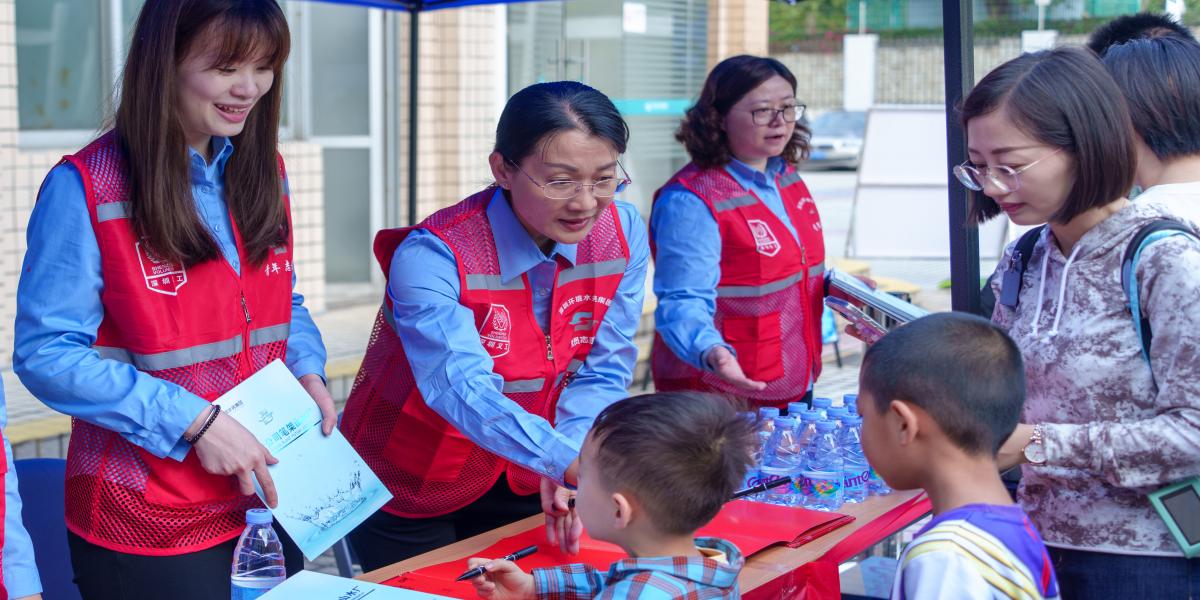
The Climate-Resilient and Smart Urban Water Infrastructure Project in China emphasizes women's critical role in building resilience against water-related disasters. Initiated in 2015 and completed in 2024, the project integrates innovative solutions like sponge cities and smart water technologies, while promoting women's participation in the workforce and decision-making. Faced with increasing natural disasters, women are particularly vulnerable due to their social roles and lack of access to resources. The sponge city approach enhances urban resilience and addresses women’s specific needs, improving flood management and sanitation, thereby alleviating their burdens during crises.
Bangladesh | Financial services, Health
Women as Agents of Change: Shaping Resilience through Sponge Cities

Entrepreneurs in the global south face significant barriers to international recognition and support despite vibrant startup activity. They often struggle against larger global players and a structurally unequal innovation ecosystem. Limited access to capital and inadequate intellectual property protections hinder their growth, as evidenced by a drastic drop in venture capital funding. Patents and legal safeguards are frequently out of reach, leading to exploitation of their ideas without recourse. Even successful innovations, like Kenya's M-Pesa, struggle for global traction. This narrative exclusion perpetuates biases against global south startups, limiting their visibility and opportunities for growth.
Egypt, Ethiopia, Ghana, Kenya, Republic of Korea, Senegal, South Africa | Financial services, Health, Education
Startups in the global south struggle for international recognition
An AI agent architecture has been developed that can simulate over 1,000 real individuals by utilizing transcripts from qualitative interviews combined with a large language model (LLM). This architecture replicates real people’s responses to survey questions with 85% accuracy, matching participants' self-reported answers over time. The generative agents also predict personality traits and outcomes effectively while exhibiting reduced bias compared to traditional simulation tools. However, the use of these agents raises concerns regarding over-reliance, privacy, and reputation that must be addressed by researchers and policymakers.
Simulating Human Behavior with AI Agents
The UK government’s pursuit of Chinese investment, particularly in strategic sectors like steel and telecommunications, raises significant political and security concerns. Investments by state-controlled Chinese companies pose risks due to their ties to the Chinese Communist Party (CCP). Past incidents, such as the consequences of the acquisition of British Steel and the controversial involvement of Chinese firms in essential infrastructure, highlight the dangers of reliance on Chinese funding. While some non-strategic investments are less contentious, the need for caution in dealings with Chinese entities remains critical for the UK's economic and geopolitical security.
United Kingdom
Continuing to seek Chinese investment in the UK comes at a heavy political price
UK and EU leaders have reached a historic agreement aimed at enhancing cooperation post-Brexit, focusing on areas like trade, youth mobility, and energy. This agreement marks the beginning of negotiations to ease trade barriers, with key proposals including aligning food safety standards to reduce border checks and a youth mobility scheme for travel and work between the regions. 

While negotiations will be less contentious than before, some challenges and domestic opposition are anticipated. Unlike the prior Brexit discussions, both parties now approach this with a mindset of fostering collaboration, particularly in security amidst evolving geopolitical concerns. Recent polling indicates public support for closer UK-EU relations.
United Kingdom
How the UK-EU deal turns the page on Brexit – and what happens next
France aims to achieve a 90% reduction in greenhouse gas emissions by 2040 while maintaining its industrial interests. The government advocates for sectoral flexibilities and recognition of nuclear power in its energy mix, proposing up to 7% reliance on international carbon credits to mitigate pressures on industry. However, this heavy dependence on outsourcing emissions reductions could undermine EU climate ambitions and delay necessary domestic investments in low-carbon technology. Ultimately, France's strategy is a critical decision point between maintaining the status quo or investing in a sustainable industrial future amidst rising global competition and climate challenges.
France | Financial services, Education
2040 Decarbonization Target: France’s Strategy and the Risk of Inaction
The AI Energy Score project aims to establish a standardized method to measure the energy consumption of AI models, highlighting significant disparities in efficiency—up to a 62,000-fold difference. It examines energy use across ten popular tasks and includes a tool that compares chatbot query energy use to everyday activities for better user understanding. Despite tech companies' awareness of AI emissions jeopardizing climate goals, no major company has adopted this methodology. Transparency in energy consumption disclosures is crucial, and regulatory measures may be necessary to promote sustainable AI development and usage.
We still don’t know how much energy AI consumes
Deforestation, particularly in tropical areas like Brazil, results from farmers facing immediate survival pressures due to climate change, leading to choices that exacerbate environmental degradation. This phenomenon, termed a "climate trap," illustrates a cycle where short-term decisions, driven by fear and hopelessness, hinder long-term adaptive strategies such as reforestation. Research on smallholder cocoa producers reveals that those experiencing drought are less likely to adopt sustainable practices. Addressing emotional distress and rebuilding a sense of agency are crucial for effective climate adaptation and breaking the cycle of vulnerability.
Antarctica, Nigeria
The psychology of climate traps and how to avoid them
Markets experienced a surge following the US-China trade deal, which significantly reduced tariffs. The agreement cut US tariffs on Chinese goods from 145% to 30% and China's from 125% to 10%. Despite this optimism, Moody's downgraded the US credit rating, raising concerns about government debt. The UK's recent trade and defence agreement with the EU aims to ease post-Brexit tensions. Additionally, global retailers consider price hikes due to rising US tariffs, and shipping demand has surged following the tariff truce, causing potential supply chain disruptions.
United Kingdom
Markets rally on US-China deal, and other international trade stories to know this month
Building digital trust in workplaces requires integrating workers into technology strategies, particularly with the rise of AI. Collaboration among governments, businesses, and labor unions is essential for establishing a culture of trust. Key strategies include ensuring worker participation in AI development and decision-making, fostering continuous dialogue for transparency, and creating governance frameworks that prioritize workers' input. These measures help mitigate uncertainty, enhance confidence, and ultimately drive the responsible integration of technology, emphasizing that trust is vital for innovation and fair practices in the evolving digital landscape.
ICT, Education
Why workers must be at the centre of the digital trust agenda — and 4 ways to get there

Technology practitioners play a crucial role in promoting environmental stewardship through responsible innovation. Key strategies include optimizing code efficiency to reduce energy consumption, choosing renewable-powered infrastructure, and fostering community collaboration for sustainable practices. The energy demands of data centers and digital infrastructure highlight the necessity for clean energy transitions. Initiatives like the Green Software Foundation support sustainable coding practices. Engaging the developer community through open-source projects and sustainability education cultivates a culture of environmental responsibility in technology.
Education
Responsible innovation: How technology practitioners can drive environmental stewardship
The Public AI White Paper by Bertelsmann Stiftung and Open Future argues that the development and control of advanced AI systems by a few private companies poses economic and democratic risks. It promotes the idea of public-interest approaches to AI as an alternative, advocating for a rebalancing of power within the AI ecosystem. The vision is to empower societies to actively shape AI rather than just consume it.
Public AI White Paper – A Public Alternative to Private AI Dominance
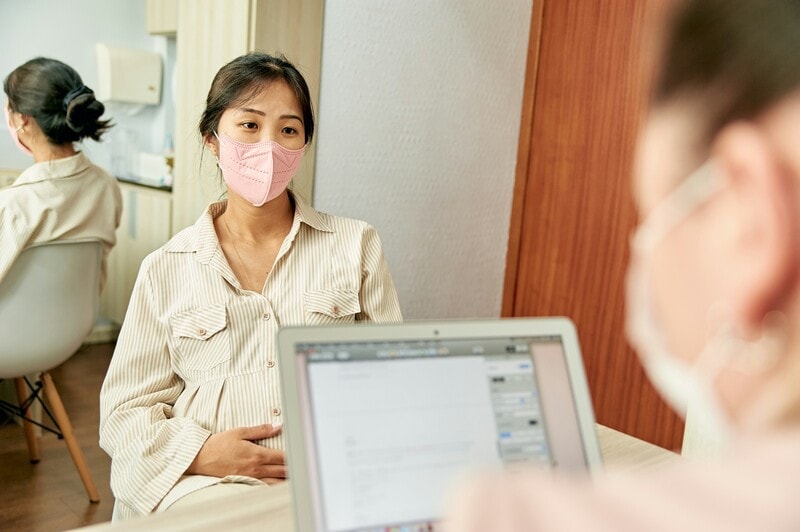
Women’s health is significantly under-researched despite higher healthcare utilization. Most medical treatments are based on male biology, resulting in unique health needs of women being overlooked. This gap contributes to women living longer but with more years in poor health. Closing the research gap could improve women’s health outcomes and generate substantial economic benefits. Currently, only 7% of healthcare research focuses on conditions exclusive to women, with critical gaps in clinical trials, particularly those involving pregnant and breastfeeding women. The Global Alliance for Women’s Health has released a white paper advocating for regulatory reforms and funding to address these disparities and enhance women's health research.
Health
Why more must be done to close the women’s health research gap

Space technology is essential for services like telecommunications, GPS, and finance, but as the sector digitalizes, it faces growing cyber risks that could have severe consequences. The global space economy is rapidly expanding, projected to reach $1.8 trillion by 2035, while satellite systems support critical operations worldwide. However, incidents, such as cyberattacks on GPS and Viasat, highlight vulnerabilities and the complexities of achieving cyber resilience in space. Key challenges include the physical inaccessibility of satellites, reliance on outdated technology, and a fragmented operational landscape, necessitating increased collaboration and strategic cybersecurity measures across the space industry.
Financial services, Education, ICT
Securing space tech: Why we need to address cyber risks in orbit

In the polycrisis era characterized by trade wars, shifting climate priorities, and market volatility, innovators can build investor confidence by reframing challenges as opportunities. This involves clearly acknowledging risks, owning vulnerabilities, and demonstrating transparency. By illustrating how weaknesses can align with new priorities, such as emphasizing energy resilience amid climate inaction, companies can position themselves as adaptable leaders. Additionally, effective communication is vital; presenting relatable narratives and connecting innovations to larger problems enables investors to engage meaningfully. Ultimately, clarity in vision and a compelling story can foster trust during uncertain times.
Financial services, Education
How to build investor confidence amid volatility