
Biodiversity loss in sub-tropical countries, particularly Brazil, is driven by extensive cattle farming and agricultural expansion, especially in ecosystems like the Cerrado. This growth, fueled by global trade demand, threatens species and food security, with significant implications for local economies and ecosystems. Sustainable practices and stronger environmental protections could generate substantial economic benefits, estimated at $72 billion, while supporting biodiversity. Financial institutions have a crucial role in promoting nature-positive investments, which could unlock trillions in value and millions of jobs by 2030, contingent on improved data and incentives for sustainability initiatives.
Argentina, Bangladesh, Bolivia, Brazil, Burkina Faso, Colombia, Ethiopia, Nigeria, Peru, Senegal, South Africa, Tanzania | Financial services
How biodiversity loss is threatening the economic future of sub-tropical countries

AI agents are set to revolutionize online shopping, addressing widespread consumer frustration with the disjointed buying process, which 75% find frustrating. By streamlining decisions and saving time, AI can enhance personalization and expertise in purchasing. The concept of an "agentic internet" envisions interconnected AI tools acting like a personal digital concierge, simplifying complex tasks and significantly reducing cognitive load. As consumer expectations evolve, over 55% of purchases may be driven by AI by 2030, prompting businesses to design new, agent-friendly customer experiences.
Meet the AI agents defining the new customer experience

Nicușor Dan won Romania's presidential election on 18 May, defeating far-right candidate George Simion. Despite this victory for pro-European liberalism, concerns persist regarding the underlying grievances that propelled Simion's support. The far-right AUR party, which addressed the needs of the Romanian diaspora and engaged with issues of exploitation abroad, gained significant traction, especially among Romanians in Western Europe. While Dan's success reflects urban middle-class aspirations for expertise and integration into European norms, it also underscores a divide between urban elites and forgotten rural voters, highlighting ongoing socio-political tensions in Romania.
Curb your enthusiasm – Nicușor Dan’s victory is far from the end for Romania’s far right

AI-generated content may challenge traditional notions of truth, akin to the revisionist practices in Orwell's "1984." The case of Yuri Mirolyubov's "Book of Veles," initially dismissed as a hoax but later revered by some, exemplifies how myths can gain traction over factual history. This trend suggests that future media will prioritize emotional appeal and perceived authenticity over objective truth, leading to a landscape where mythmaking, rather than truth-seeking, dominates public perception.
What Happens When AI-Generated Lies Are More Compelling than the Truth?
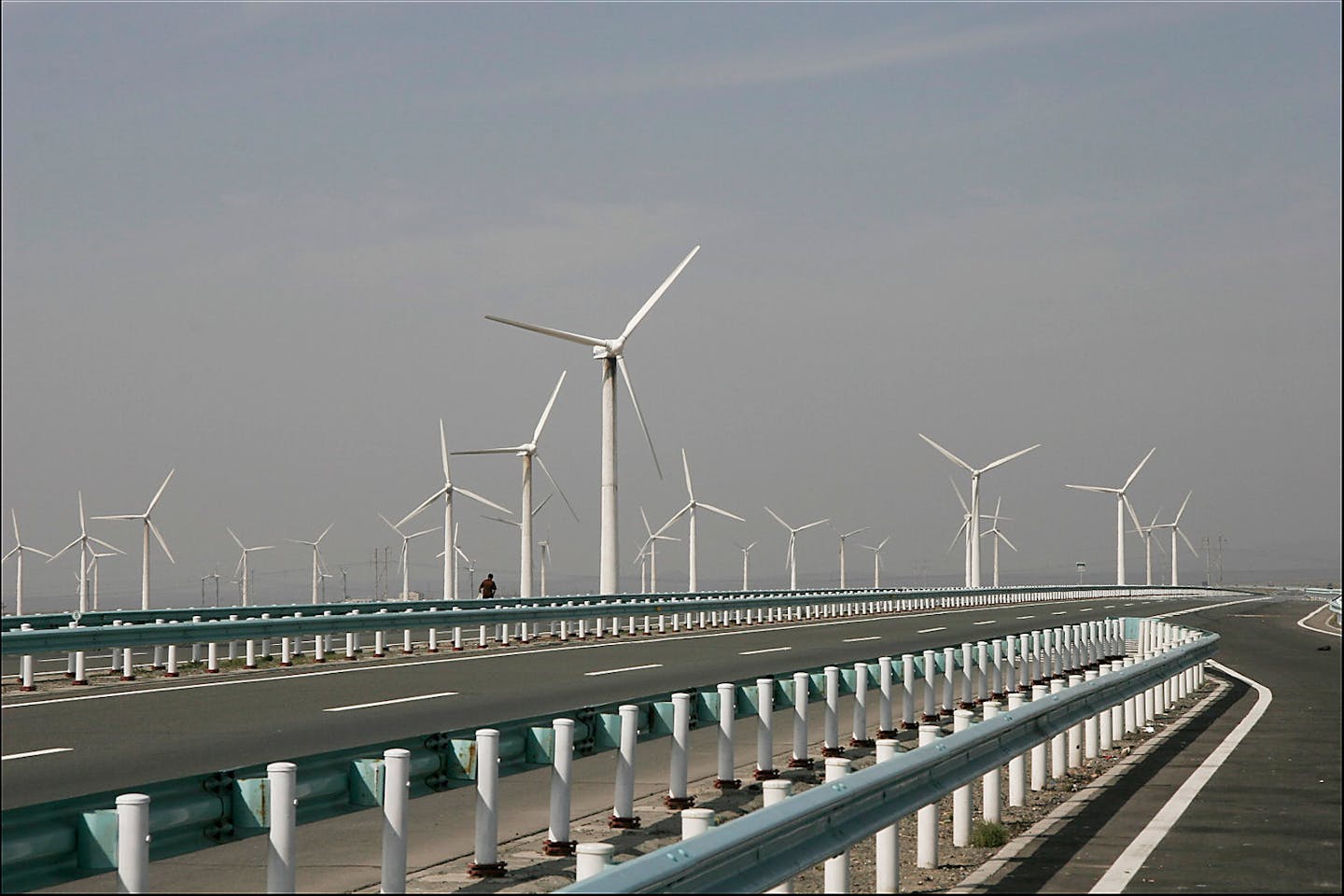
China’s CO2 emissions decreased by 1.6% in Q1 2025 and 1% over the past year, primarily due to increased electricity supply from wind, solar, and nuclear sources which reduced coal use despite rising demand. This marks over a year of stable or declining emissions. Power-sector emissions fell by 2% year-on-year, highlighting a shift towards clean energy generation outpacing electricity demand growth. However, emissions remain just 1% below their peak, suggesting potential for new highs. Outside the power sector, emissions rose by 3.5%, driven by coal usage in metals and chemicals. Future emission trends hinge on China's clean energy policies and responses to international trade dynamics.
Egypt
Analysis: Clean energy just put China’s CO2 emissions into reverse for first time

Verra CEO Mandy Rambharos advocates for abandoning the distinction between voluntary and compliance carbon markets, highlighting their convergence. Verra has established over 30 agreements globally to integrate voluntary credits with domestic carbon tax obligations. However, challenges persist due to fragmented policies and standards, which complicate interoperability among existing carbon crediting systems. Southeast Asian countries are progressing with compliance schemes, while Singapore allows carbon credits to offset a portion of emissions taxes. Recommendations have been made to harmonize standards and facilitate collaboration among jurisdictions, although a fully integrated market remains elusive.
‘It’s time we drop the V in VCM’, says Verra CEO as carbon markets converge
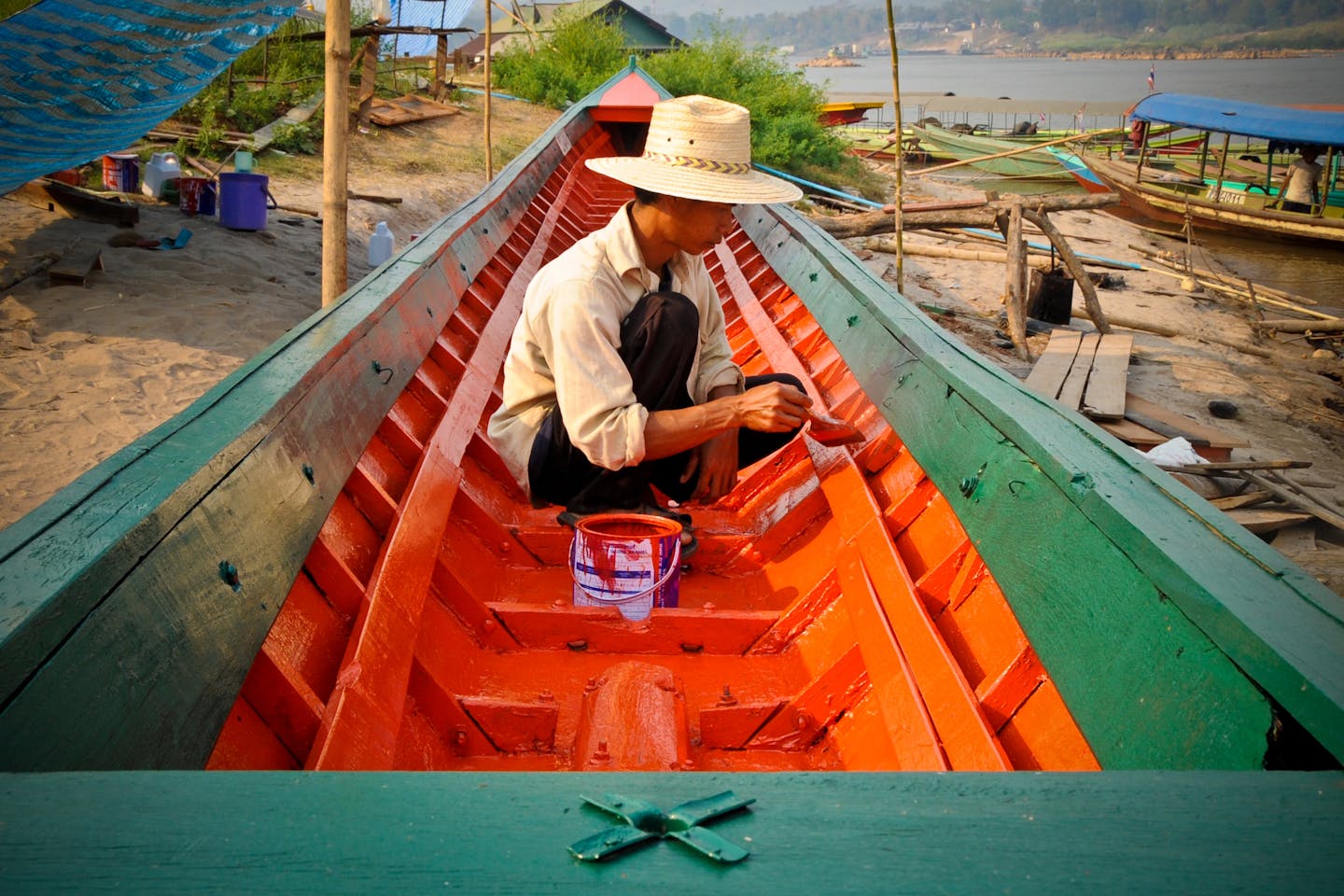
Severe drought and saltwater intrusion threaten agriculture in Vietnam's Mekong Delta, despite the construction of multimillion-dollar sluice gates intended for climate adaptation. Farmers, like Võ Văn Kêu, faced failures of these gates during the 2024 drought, leading to crop loss and financial strain. Recent infrastructure projects often reinforce traditional hard engineering models rather than adopting nature-based solutions, leading to more pressure on already vulnerable areas. Experts warn that such approaches mislabel the issue of climate adaptation and could exacerbate environmental challenges, locking communities into debt and degradation.
Bangladesh, Nigeria
The Mekong Delta’s climate defences are failing
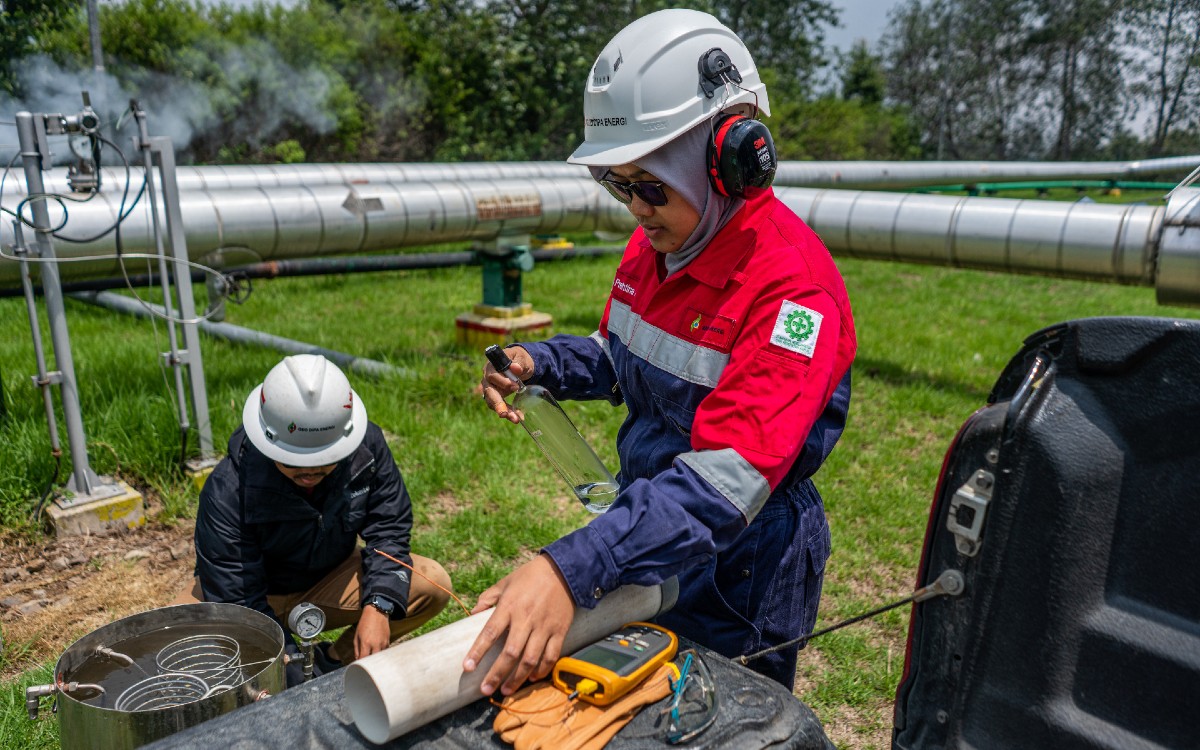
Women in Asia and the Pacific, particularly Indonesia, face significant barriers to formal employment and economic participation despite rising education levels. Key issues include limited access to maternity leave, childcare, and inflexible work hours, which particularly affect women during childbearing years. A large pay gap exists, and women are often concentrated in low-productivity jobs. Strategies to improve women's workforce participation include targeted reskilling, preventing workforce dropout through supportive policies, and enforcing anti-discrimination laws. Boosting female labor force participation can significantly enhance economic growth, potentially increasing Indonesia's GDP by 2.9%.
Indonesia | Education
How to Help Women Rejoin the Workforce and Boost Economic Growth in Asia
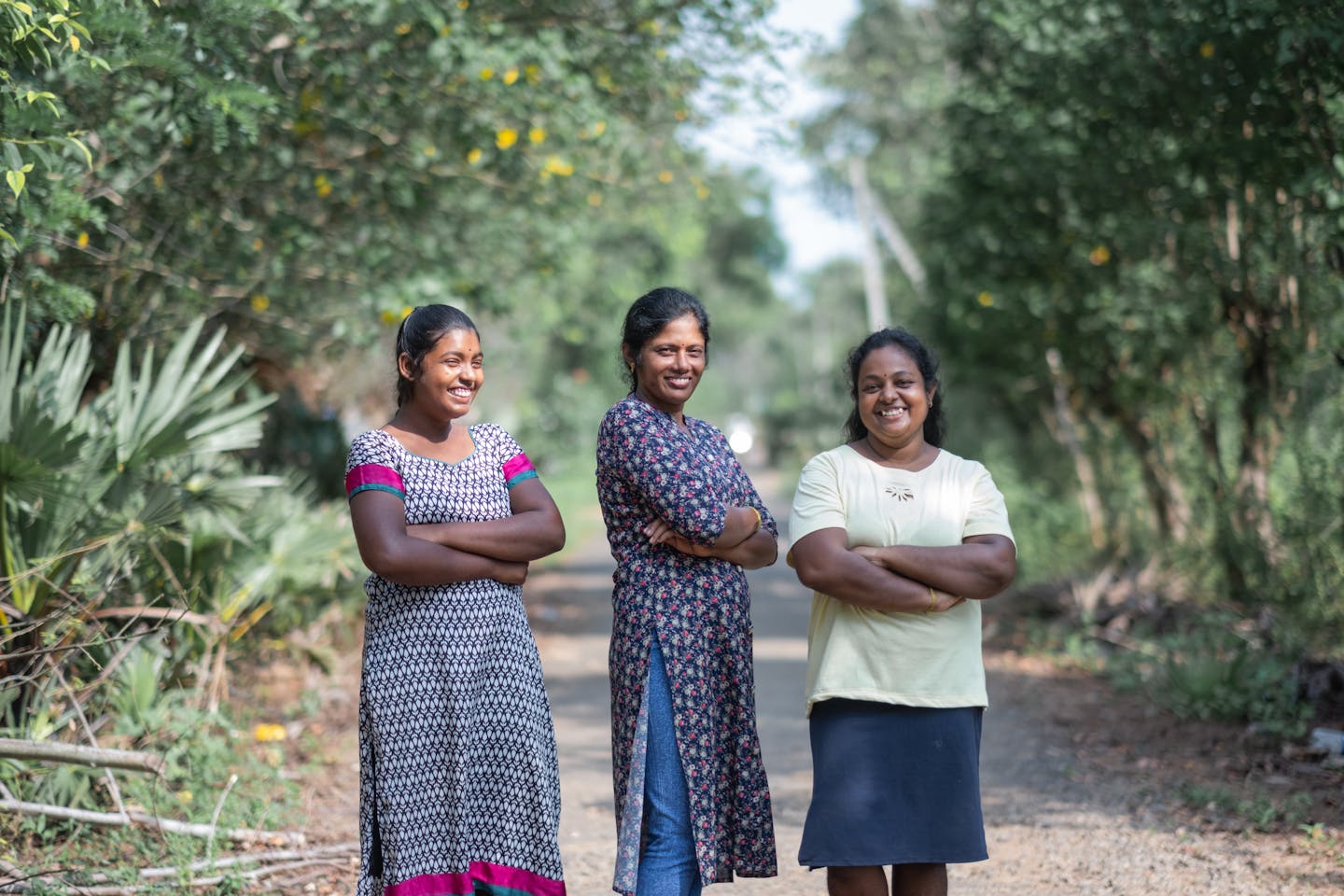
Half of charities aiding women and girls may close this year due to severe cuts in international aid, impacting sexual health services and education. A UN Women report indicated that 90% of surveyed women-led organizations have been affected, with many already shutting services related to gender-based violence and support. The funding decrease stems from the U.S. freeze on foreign aid and reductions by other donors. Long-term implications include diminished access to essential services for vulnerable populations. Local organizations, crucial in humanitarian response, are particularly hard hit and face uncertain futures.
Health
Q&A: Women and girls pay the price for savage aid cuts - UN
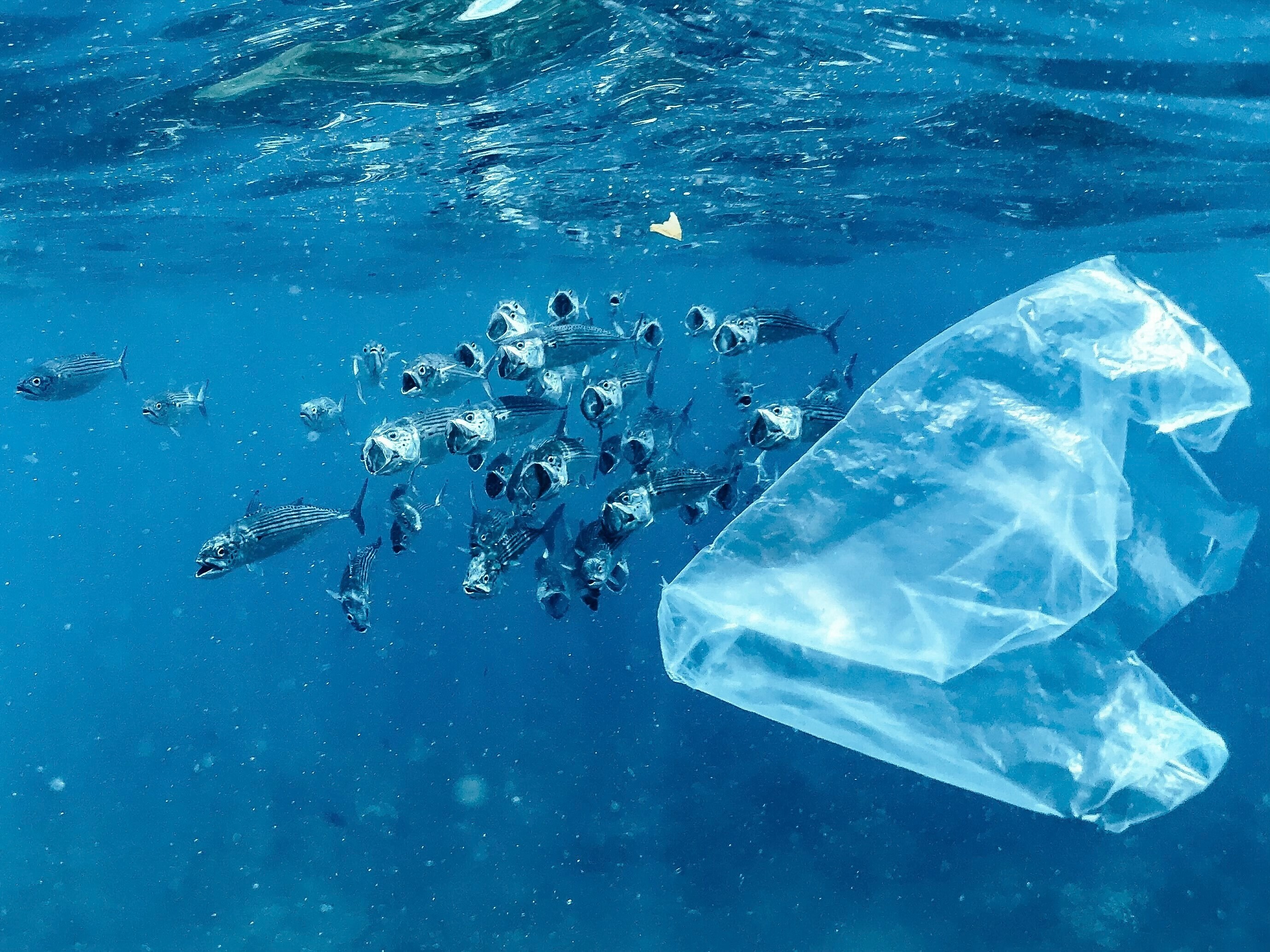
The International Day for Biological Diversity, celebrated on May 22, highlights the critical role biodiversity plays in sustaining life on Earth and raising awareness about its rapid decline. With 1 million species threatened, this year's theme emphasizes the urgency of meeting nature-based targets by 2030. Biodiversity is vital for human health, food security, and combating climate change. The UN stresses that preserving biodiversity can help prevent zoonotic diseases and mitigate the climate crisis. Collaborative efforts, including private financing, are essential to address the $700 billion annual funding gap for biodiversity initiatives.
What is the International Day for Biological Diversity – and why is it important?
The European Union is a pioneer in AI governance, introducing the AI Act as its comprehensive legal framework. This approach emphasizes high ethical standards and fundamental rights, aiming to foster both trust and excellence in AI. However, recent deregulatory measures, intended to boost competitiveness against U.S. and Chinese firms, risk undermining democratic safeguards and fail to tackle systemic challenges to innovation. The EU faces a crucial decision between advancing robust, ethical AI innovation or compromising its standards, which may lead to a loss of technological independence and regulatory influence. Key challenges include underfunding and fragmented markets.
The EU’s AI Power Play: Between Deregulation and Innovation

New research indicates that consumers respond more negatively to job layoffs caused by offshoring compared to automation or outsourcing. The concept of a "social contract” implies an expectation for companies to support their local communities; violations of this norm, particularly when jobs are moved abroad, lead to reputational damage. U.S.-based firms face stronger backlash when offshoring, as local customers expect them to prioritize domestic employment. As consumer sentiment affects market dynamics, companies may suffer long-term consequences such as lost goodwill and increased scrutiny from regulators and lawmakers over offshoring practices.
Outsourcing vs. Offshoring: Why Consumers Push Back on Jobs Sent Abroad
The UK film and television industry is facing a workforce crisis despite rising production spending. A report reveals issues such as overwork, financial instability, and barriers to career progression, prompting two-thirds of freelancers to consider leaving within five years. While international investment has surged, domestic broadcasters have reduced their funding, exacerbating skills shortages and leaving a high proportion of freelancers without consistent work. Economic volatility, including inflation and reduced commissioning budgets, further threatens the industry's sustainability, which contributes £13.48 billion to the UK economy.
United Kingdom
UK film and TV boom hides a crisis that threatens the whole industry – new report
Openness in the digital age requires a clear purpose and framework to address challenges such as injustice, surveillance, and monopolistic power dynamics. Current practices often fail to facilitate meaningful co-creation, particularly with complex AI systems dominated by a few tech companies. To protect openness, new license models and stricter antitrust laws are essential, emphasizing active engagement in political disputes. Establishing rules around openness is critical to counterbalance market monopolies and enhance democratic control.
Education, ICT
From Software to Society — Openness in a changing world

Khan Academy has integrated AI into its educational framework with the development of Khanmigo, an AI-powered teaching assistant that promotes interactive learning through Socratic dialogue. Salman Khan argues that AI enhances personalized learning and provides insightful feedback to teachers, reducing grading burdens. While acknowledging concerns about AI fostering laziness in learning, he emphasizes proper oversight and the need for technology to serve educational intent. Khan also notes the importance of reskilling in an evolving job landscape influenced by AI, maintaining that foundational skills will continue to hold significance.
Education
At Khan Academy, AI Is Changing the Lesson Plan

Integrating younger generations into corporate governance enhances competitive advantage, particularly amidst technological advancements and environmental concerns. Despite the benefits, most boards remain dominated by older members, hindering resilience and innovation. Research indicates that age-diverse boards outperform in financial metrics and are better at navigating social responsibility and sustainability. Younger directors possess digital fluency and entrepreneurial insights, making them vital for adapting strategies in the digital era. Intergenerational leadership is essential for fostering innovation and enhancing corporate performance, necessitating more meaningful engagement with younger generations in decision-making processes.
Health
Why intergenerational leadership is redefining business performance, innovation and resilience
Public protests are increasing globally and often involve confrontational tactics like civil disobedience. Research reveals that such tactics are not solely a last resort but can be strategic choices influenced by perceptions of their effectiveness and legitimacy in achieving political goals. Surveys indicate that while non-confrontational methods are generally viewed as more effective, individuals may still consider confrontational protests justified if they believe these tactics will advance their cause. Additionally, anticipation of state violence can lead activists to embrace confrontational strategies. This understanding challenges traditional views and emphasizes the need for a nuanced discussion about the nature and role of disruptive protests in societal change.
Why do protestors use disruptive, confrontational tactics? New research shows they’re not just a last resort
The UK government plans to reduce net migration through restrictive measures, including scrapping social care visas and tightening work visa requirements. Historically, Labour has struggled with immigration policy, balancing its diverse ideological factions, with past actions often criticized for being discriminatory. Current Labour leader Keir Starmer's proposals align with this contentious history amid concerns about appealing to traditional working-class voters disaffected by globalization. However, evidence suggests that voters generally support fair immigration policies. The proposed reforms risk harming sectors reliant on foreign labor, while failing to address broader integration and migrant rights issues.
Labour governments have always struggled with immigration – here’s what Keir Starmer could learn from them
Rigid polarization and mistrust in governing institutions breed authoritarianism, while alternative approaches promote citizen engagement in governance through non-partisan platforms that encourage negotiation and compromise. Emerging initiatives like citizens’ assemblies focus on direct citizen input for policy-making, moving beyond advisory roles. Key successful elements include considering implementation from the outset, allocating resources for transforming recommendations into legislation, fostering consensus among citizens and officials, legal integration of assemblies into the democratic framework, and ensuring ongoing engagement with political stakeholders to build cross-partisan support.
Government ‘With’ The People
Argentina faces a long-standing economic crisis marked by state overreach, fiscal deficits, and instability. President Javier Milei's radical reforms have begun to stabilize the economy, reducing a significant fiscal deficit and attracting international support, including a new IMF program. However, high political polarization and the need for deeper structural reforms remain substantial challenges. Potential sectors for foreign direct investment include energy, lithium, and technology. For enduring growth, Milei must maintain public support and navigate Congress post-mid-term elections to implement necessary reforms.
Argentina, Bolivia, Chile, Paraguay
Can radical reform unlock Argentina's long-awaited economic recovery?